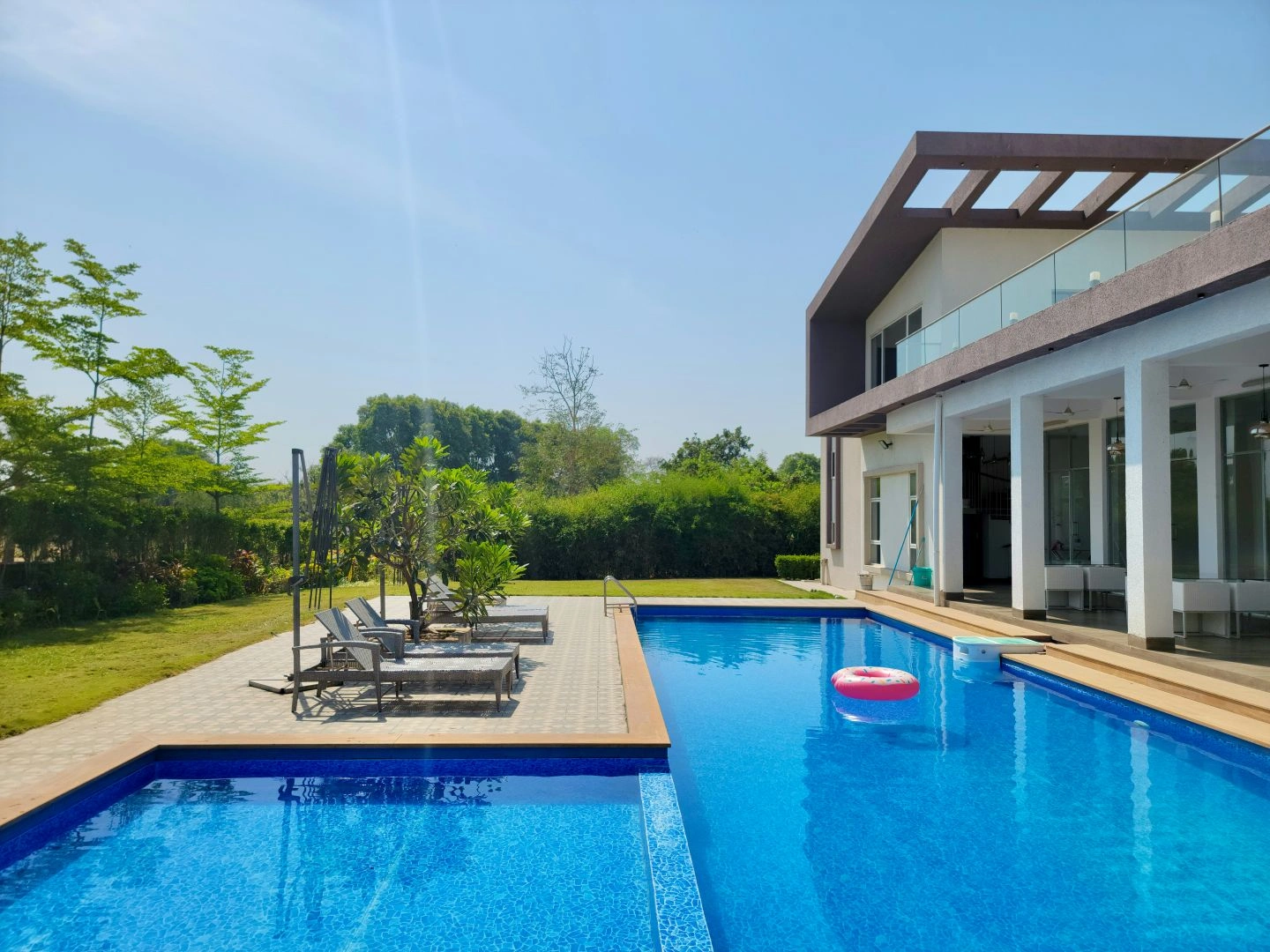
Passive house design for short-term rentals and Airbnb properties
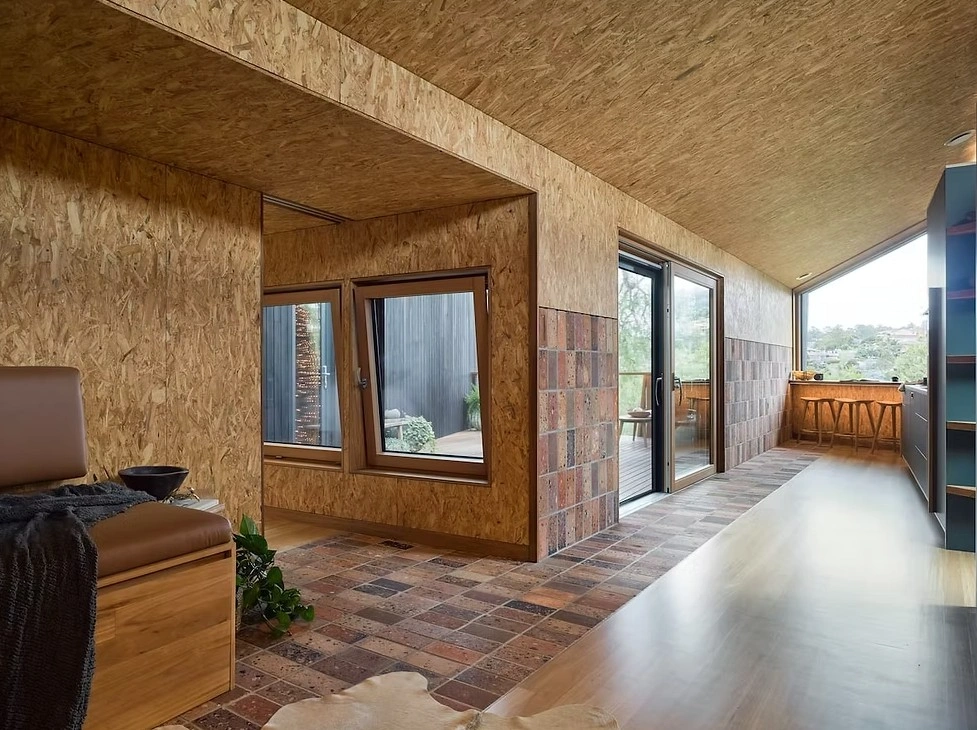
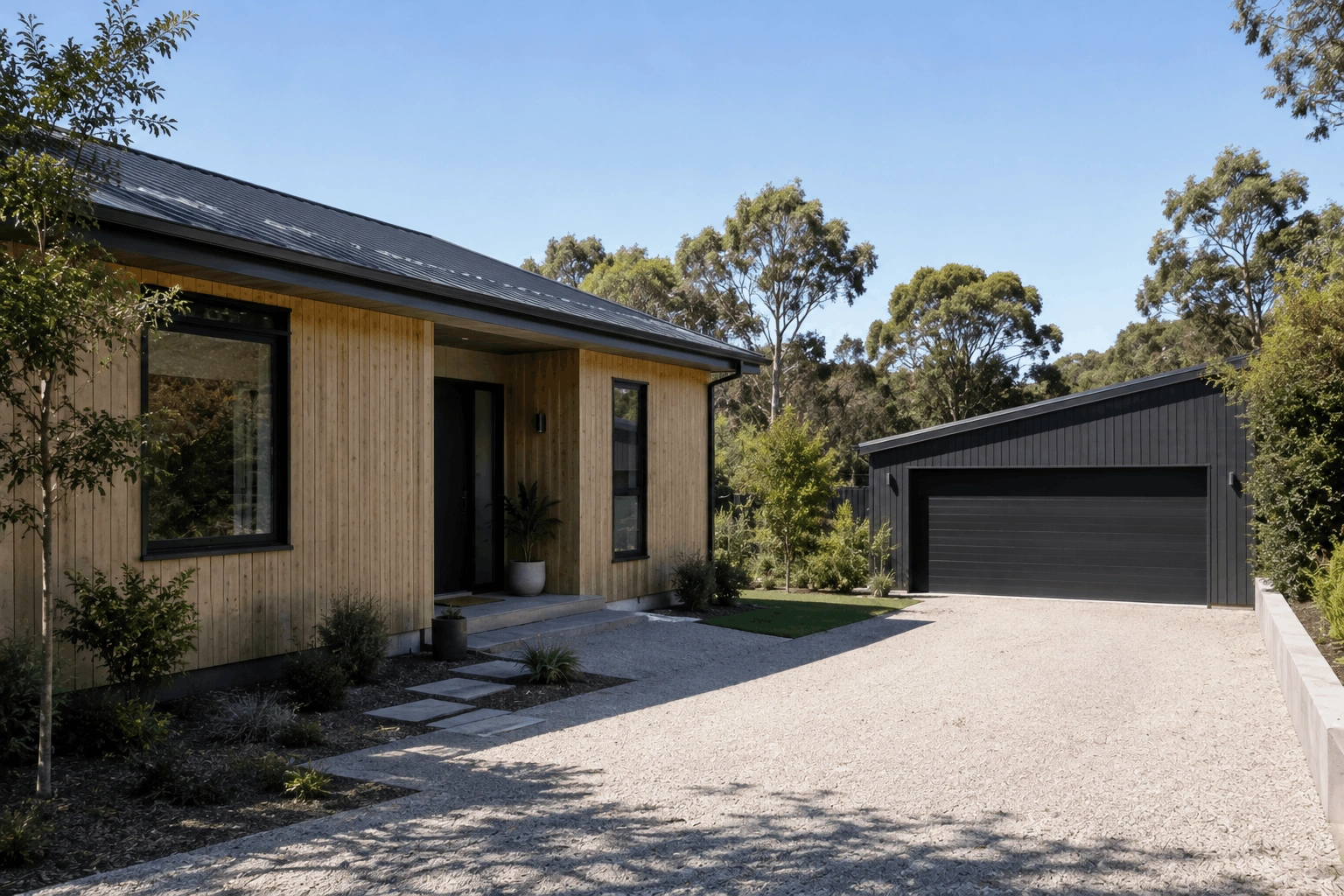
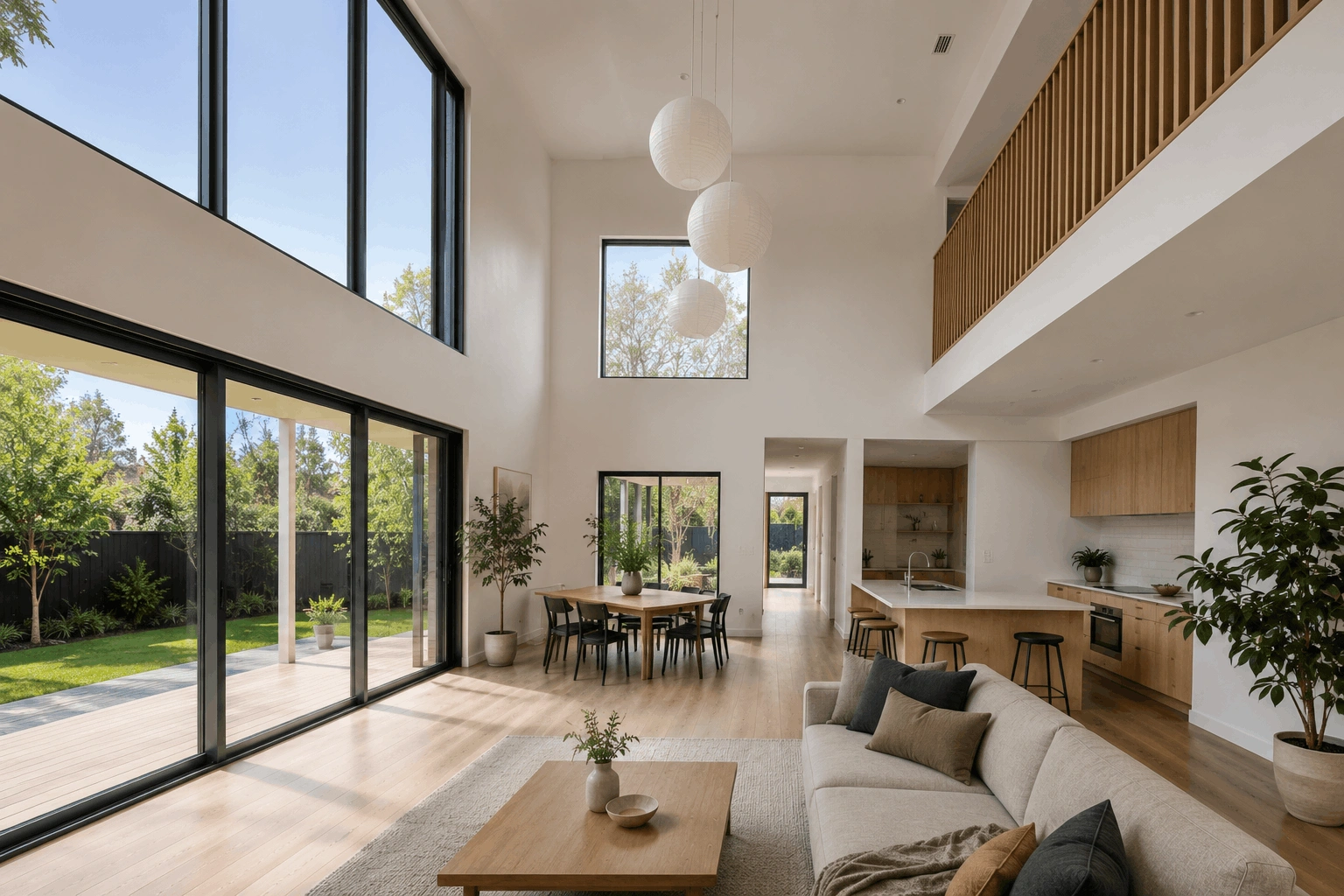
Airbnb has released its most wishlisted homes in Australia for 2026. Among the six properties that made the list – alongside rainforest retreats, stargazing bubbles and off-grid tiny homes – was Pepper Tree Passive House in Wollongong, New South Wales. A certified passive house design, described as a “contemporary chic tree house”, ranking among the most desired short-term stays in the country.
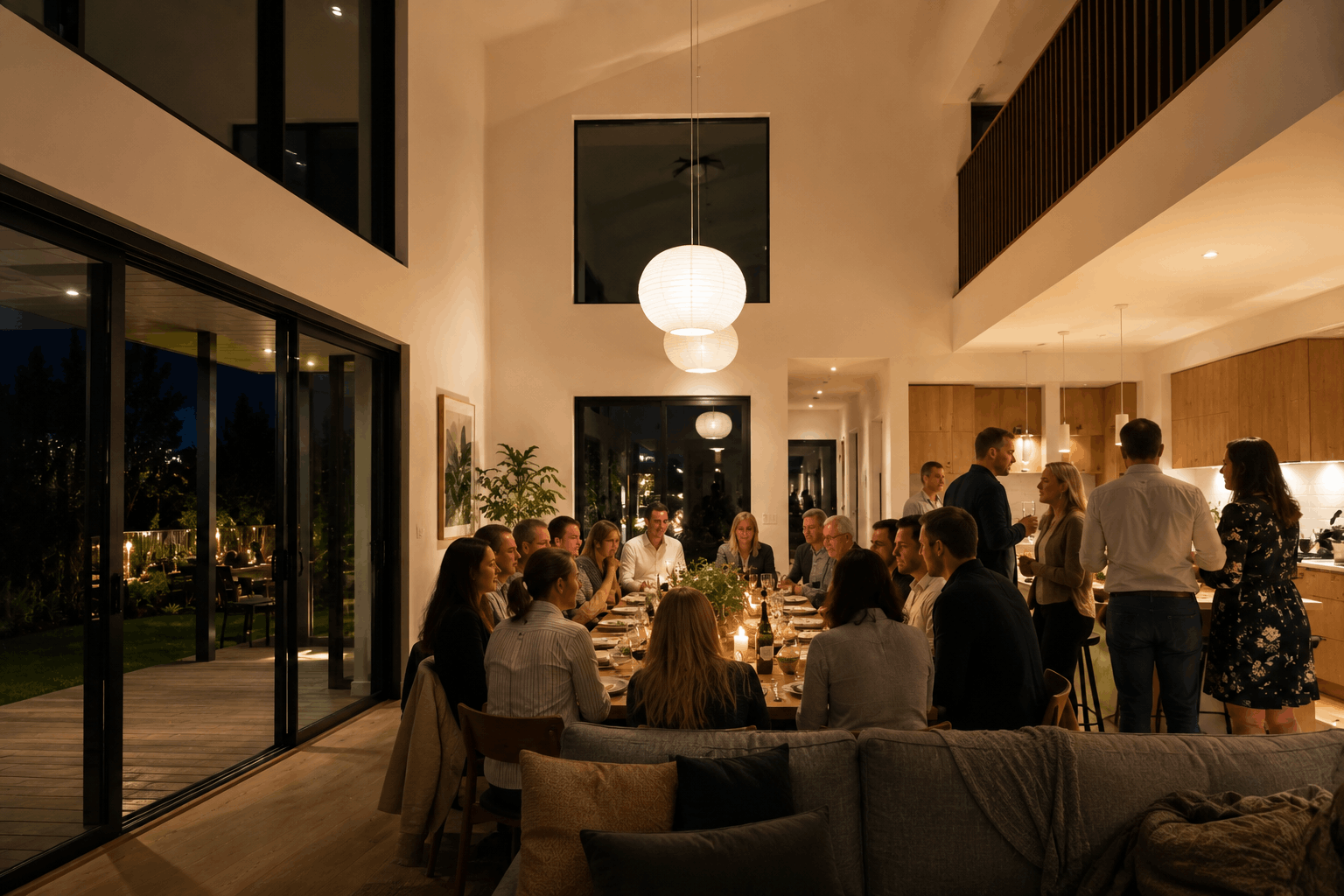
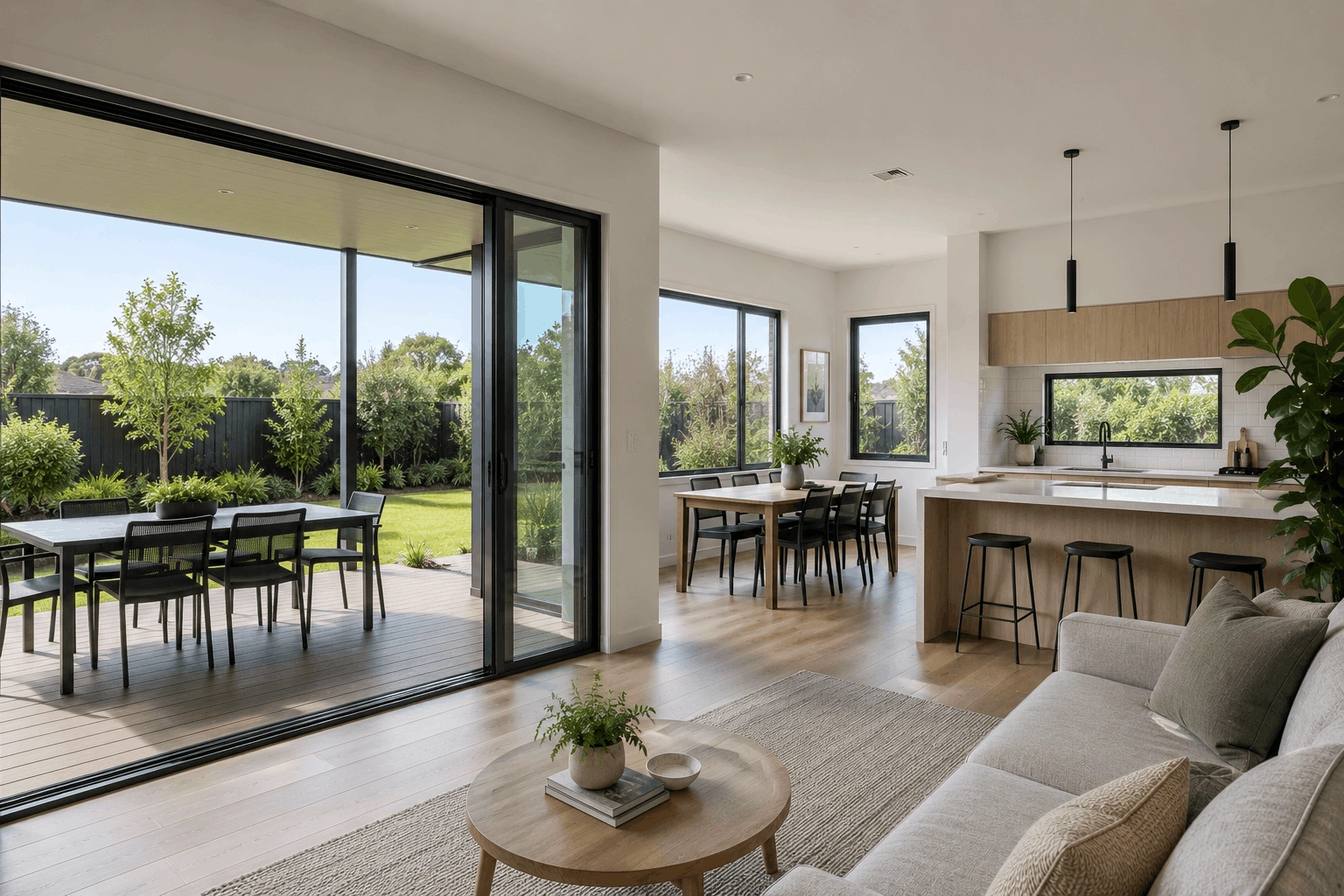
Interestingly, guests weren’t wishlisting it because of its energy performance certificates. They were wishlisting it because it’s beautiful, comfortable and feels unlike anything else they’ve stayed in. The passive house design is what makes it feel that way, and that’s exactly the argument for building to passive house standard when you’re thinking about short-term rental investment.
Why guest comfort is a passive house strength
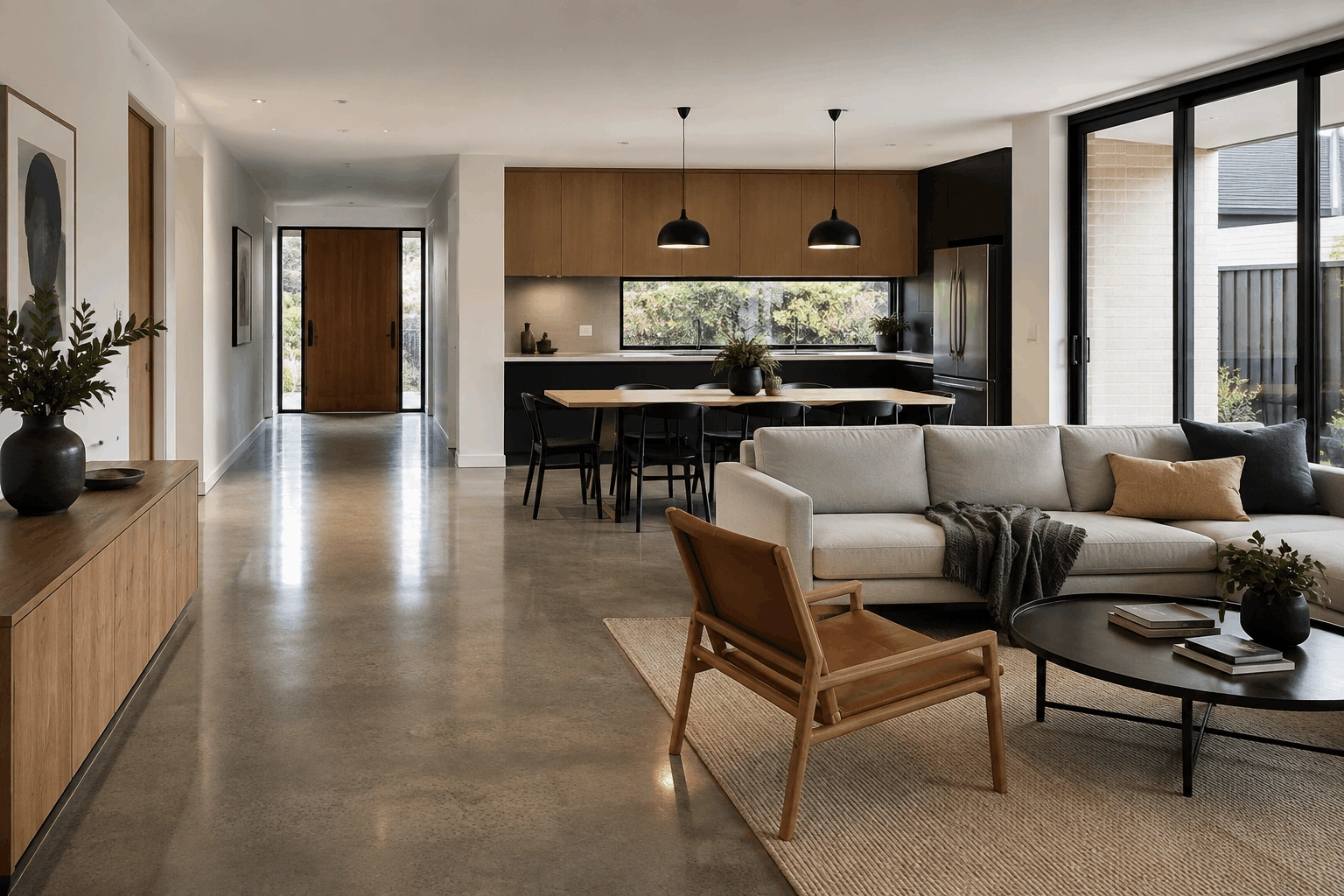
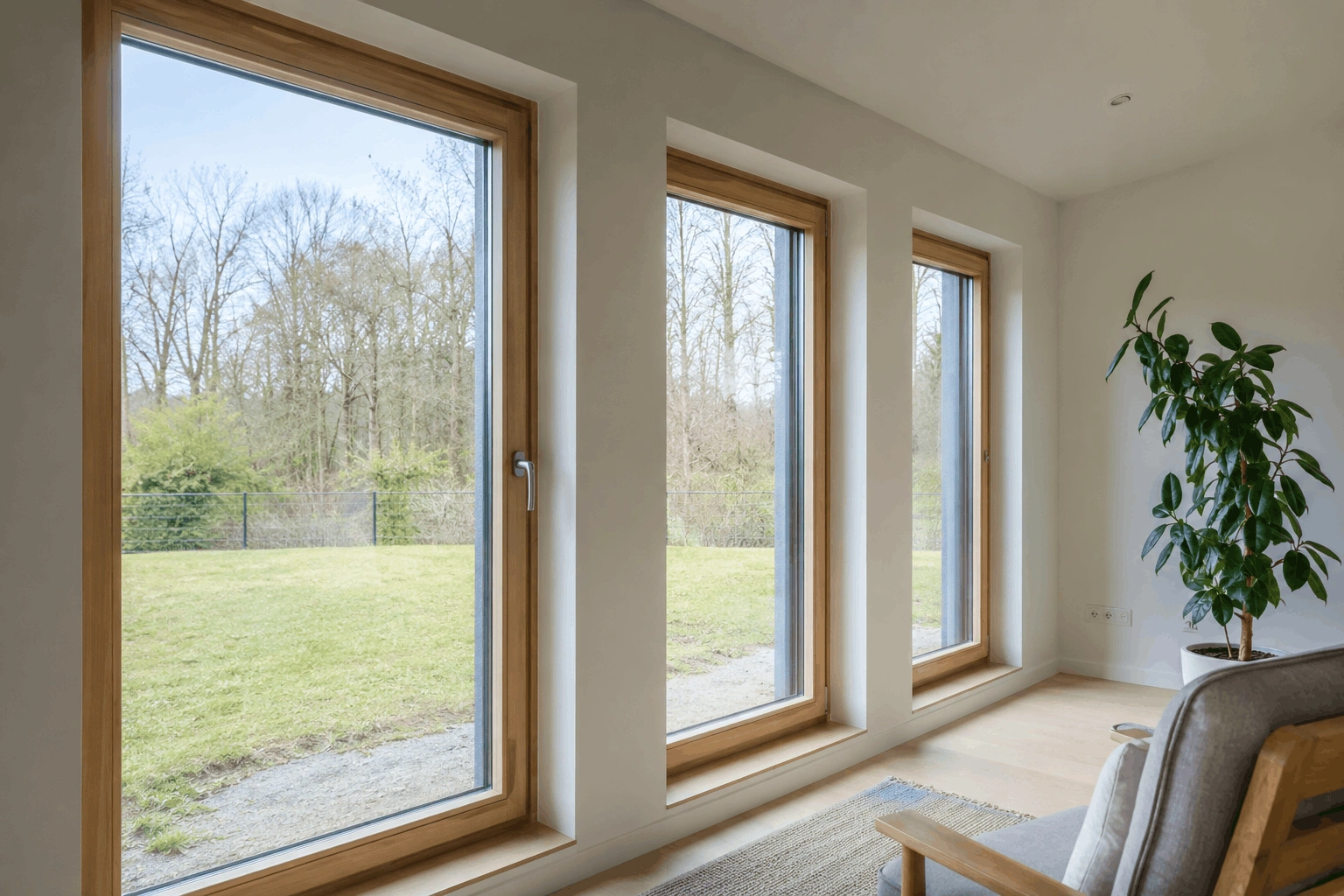
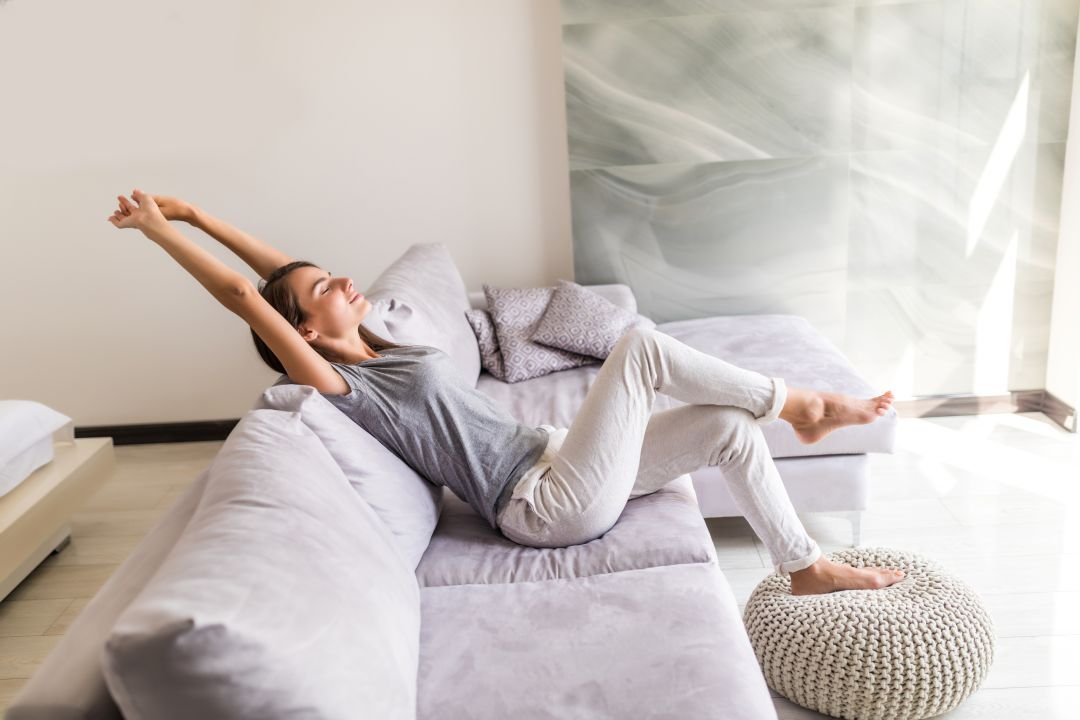
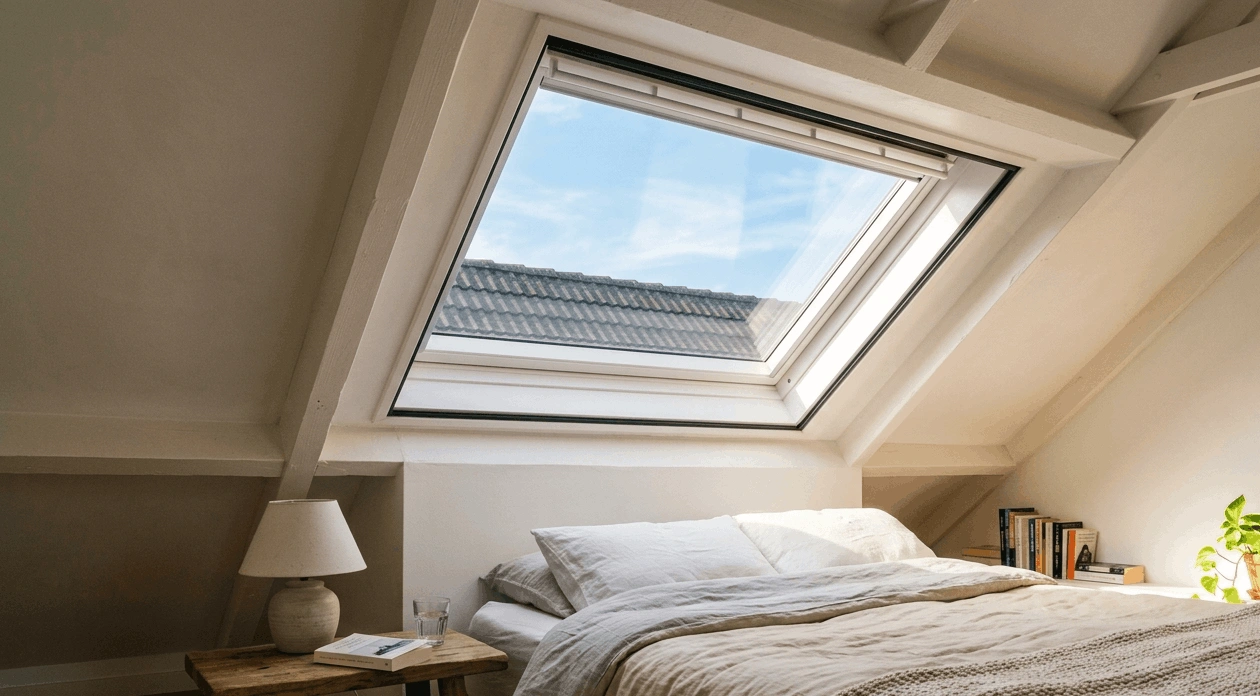
The features that make a passive house exceptional to live in year-round are the same features that make it exceptional to stay in for a weekend or a week. Stable temperatures, fresh filtered air, near-total silence and consistent humidity – these are the conditions that produce genuinely restful sleep and comfortable waking hours, regardless of what the weather is doing outside.
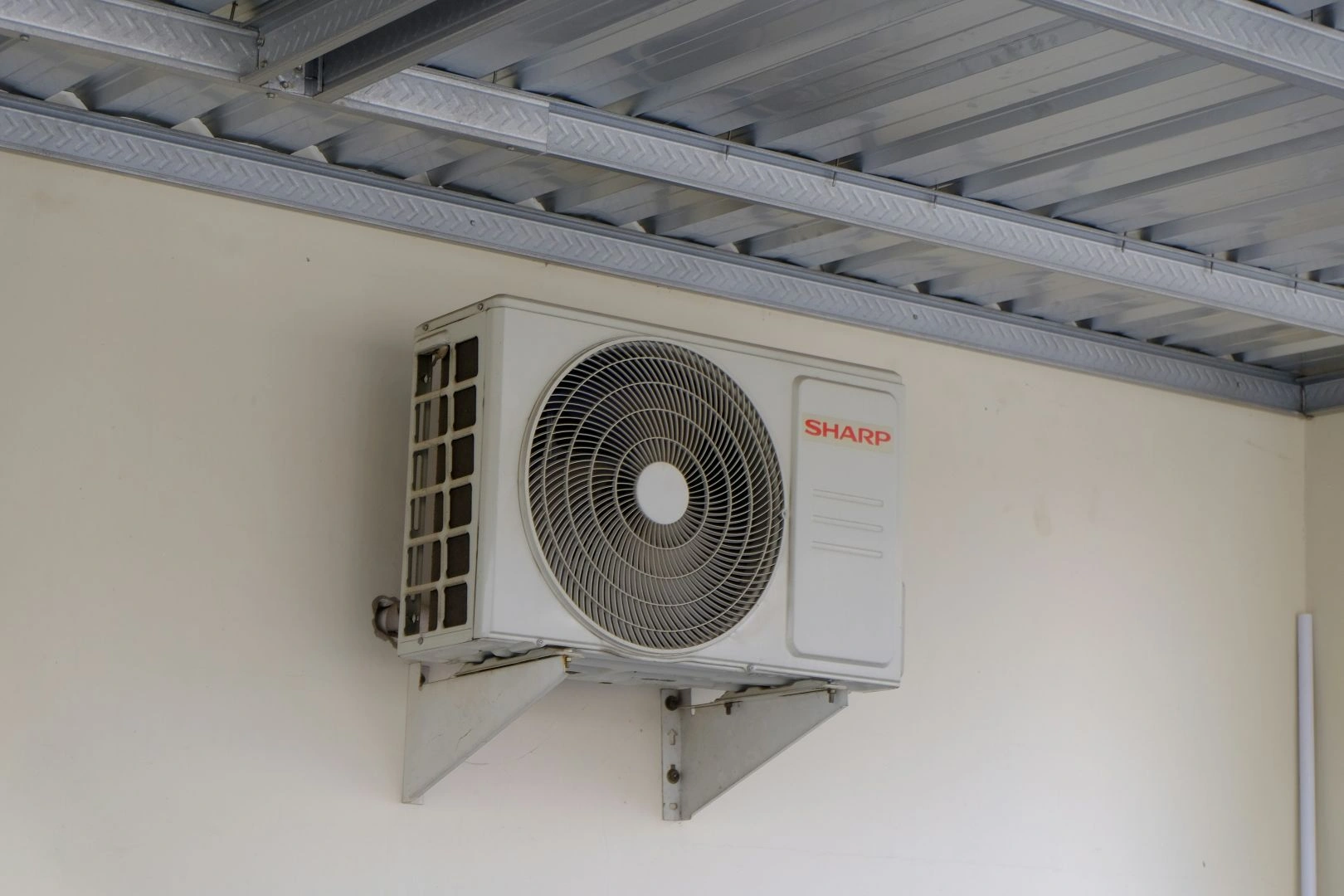
In a conventional short-term rental, guest comfort is heavily dependent on the performance of active systems, including the air conditioner, the electric heater and the mechanical ventilation with heat recovery (MVHR) system. When those systems are adequate, comfort is reasonable. When they’re undersized, noisy or energy-hungry, guests notice and they say so in reviews.
A passive house design in Australia used as a short-term rental removes that dependence. The building fabric itself maintains comfort, and the active systems – when needed at all – are supplementary rather than essential.
The review economy and passive house performance
Short-term rental platforms are rely heavily on reviews. A property’s ranking, visibility and booking rate are directly tied to the quality and recency of its guest reviews. Comfort – particularly sleep quality and temperature – consistently appears among the most mentioned factors in both positive and negative reviews.
A passive design house used as a short-term rental has a structural advantage in this economy. The thermal stability, acoustic performance and air quality that passive house designs deliver are precisely the things guests comment on positively when they experience them, often without knowing why the property felt different from others they’ve stayed in. “Best sleep I’ve had in years” and “incredibly quiet and comfortable” are the kinds of reviews that drive bookings, and they’re the natural consequence of a well-built passive house.
Energy costs and operational economics
Energy is one of the most significant and least controllable operating costs for short-term rental properties. Guests run air conditioning at full capacity, leave lights on, take long showers and generally engage with the property’s systems without the cost-consciousness of an owner-occupier. In a conventional home, this translates to substantial and unpredictable energy bills.
In a passive house design, the building fabric does most of the thermal regulation work regardless of how guests behave. The heating and cooling demand is so low that even guests running the air conditioning enthusiastically add relatively little to the energy bill. For a passive house in Australia using rooftop solar, the combination of low demand and on-site generation can effectively eliminate electricity costs across much of the year, turning energy from a variable cost into a relatively fixed and minimal one.
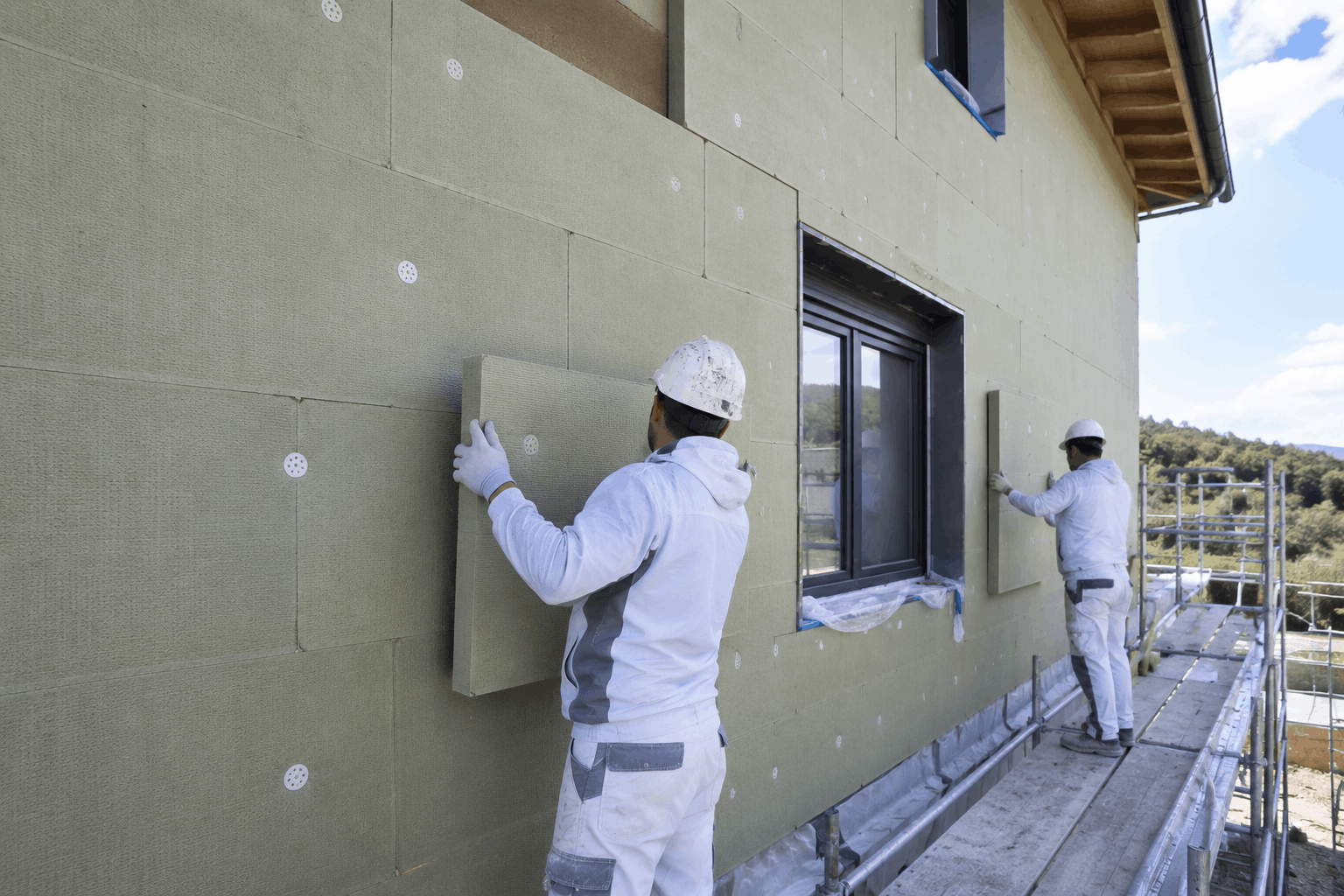
Passive house builds also tend to have lower maintenance costs than conventional construction. The building envelope is more robust, the mechanical systems are simpler and the absence of gas appliances eliminates a category of maintenance and servicing costs entirely. For a short-term rental owner managing multiple properties or running a tight operational budget, that reliability matters.
Marketing a passive house short-term rental
Sustainability credentials are increasingly valued by short-term rental guests, particularly in the premium segment. A certified passive house design in Australia has a story to tell about energy efficiency, indoor air quality and environmental performance that most investment properties can’t match.
That story is important to include in your listing. Guests who search for eco-friendly or sustainable accommodation are a growing segment of the market, and a certified passive house is a credible and verifiable answer to that search. Additionally, the certification documents and energy performance data from PHPP modelling give you specific, factual claims to make. The popularity of Pepper Tree Passive House is proof that the story resonates.
Design considerations specific to short-term rentals
A passive house design intended for short-term rental use has some specific considerations worth working through with your design team.
Guest behaviour around ventilation needs to be considered. Guests unfamiliar with MVHR systems may try to open windows to ventilate the home. This is fine occasionally but it can undermine the building’s thermal performance if done habitually. Clear, simple instructions about how the ventilation system works and why windows don’t need to be opened are worth including in your guest guide.
The MVHR filter maintenance schedule needs to be factored into the property management routine. With higher occupancy than a typical owner-occupied home, filters may need changing more frequently. Building this into your maintenance calendar from the start prevents the performance degradation that comes from neglected filters.
Experienced passive house builders in Australia who have worked on investment or short-term rental properties will be able to advise on design choices around finishes, fixtures and system specifications that balance passive house performance with the durability and ease of maintenance that short-term rental use demands.