What is PHPP and why does it matter?
If you’ve started researching passive house design, you’ve probably come across the acronym PHPP and wondered what it actually means. It sounds technical – and it is – but understanding what PHPP does and why it matters can help you make better decisions when planning your new home.
What does PHPP stand for?
PHPP stands for Passive House Planning Package. It’s a detailed energy modelling tool developed by the Passive House Institute in Germany, and it’s the engine behind every certified passive house design in Australia and around the world.
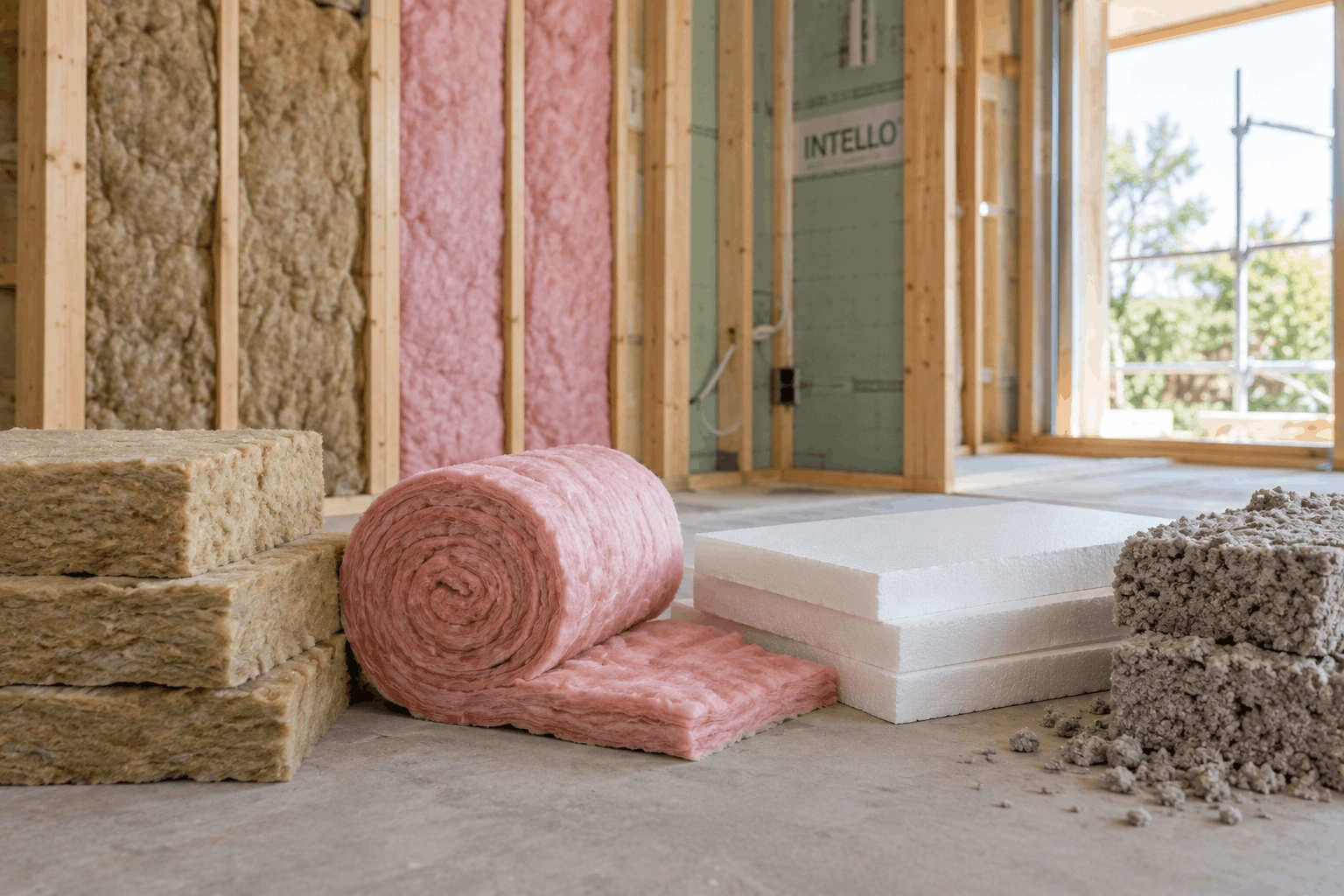
It takes into account everything from the orientation of your home and the local climate, to the thickness of your insulation, the performance of your windows and the efficiency of your ventilation system. Feed in all of those variables, and PHPP tells you exactly how much energy your home will need to heat and cool over the course of a year.
How it differs from standard energy modelling
In Australia, most homes are assessed using the Nationwide House Energy Rating Scheme (NatHERS). NatHERS gives you a star rating based on how much energy is needed to keep the home comfortable. It’s a useful tool, but passive house designers in Australia will tell you it has limitations.
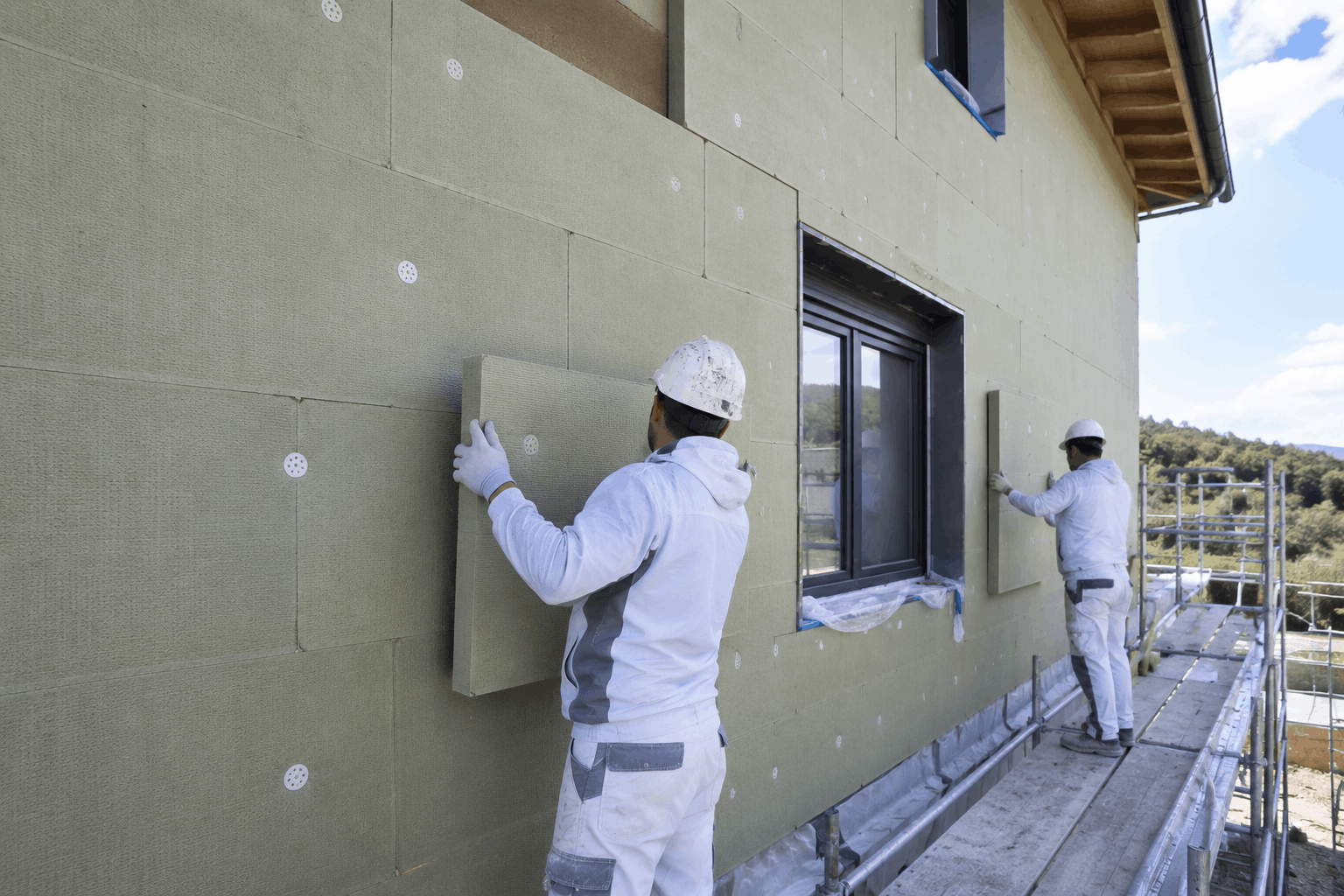
PHPP goes several steps further. It models heating and cooling loads, but it goes further to account for the specific performance characteristics of every component in the building envelope. The airtightness of your construction, the thermal bridging around window frames, the efficiency of your heat recovery ventilation unit – all of it feeds into the calculation.
This level of detail is why passive home building consistently achieves such predictable results. When PHPP says a home will use a certain amount of energy, it’s almost always right.
Why designers rely on it
For any architect or builder working in passive building design, PHPP is an indispensable planning tool. It’s used throughout the design process, starting in the early stages when decisions about orientation, window sizing and insulation levels are still being made.
This iterative approach is one of the things that makes passive house designs so effective. Rather than guessing whether a particular design choice will improve performance, the designer can model it in PHPP and see the results immediately. For instance, say you want to know whether it’s worth increasing the wall insulation from 100mm to 150mm. PHPP will tell you exactly how much difference it makes to your annual energy balance.
What it means for certification
If you want your home to achieve passive house certification, your PHPP model needs to demonstrate that it meets strict criteria for heating and cooling demand, primary energy use and airtightness. This is why working with experienced passive house builders in Australia matters so much. Passive house builders who understand PHPP can use it to value-engineer your project, making sure you hit the performance targets without overspending on components you don’t need.
Why it matters for homeowners
You don’t need to understand every cell of the PHPP spreadsheet to benefit from it. What you do need to know is that it’s the reason passive houses in Australia perform so reliably year after year. Because every design decision has been modelled and verified before construction begins, there are no nasty surprises when you move in. This means your energy bills will be close to what was predicted, your home will be comfortable in summer and winter and if you’ve chosen a passive house design with an eye on resale, you’ll have a certified, independently verified energy model to show prospective buyers.
Frequently Asked Questions
No. PHPP is a tool for your designer and builder to use on your behalf. What matters to you as a homeowner is that they're using it throughout the design process, not just at the end. Ask your passive house designers in Australia to walk you through the key outputs and what they mean for your home's performance.
Yes. For new builds, the standard PHPP tool is used. For renovation projects aiming to meet the EnerPHit standard, a modified version of the tool is used that accounts for the constraints of working with an existing structure.
Absolutely. PHPP includes climate data for locations around the world, and passive house design in Australia has evolved to address the specific challenges of hot and humid or hot and dry climates. In warmer parts of Australia, the focus shifts from minimising heat loss to minimising unwanted heat gain, but PHPP models both with equal precision.