Understanding the lifecycle costs of passive houses

When people compare the cost of a passive house to a conventional build, the conversation usually stops at construction. It shouldn’t. The more useful comparison, and the one that actually determines which approach makes better financial sense, is the whole-of-life cost: what the home costs to build, to run, to maintain and eventually to sell, across the full span of its useful life.
Looked at that way, the financial case for passive house design is considerably stronger than the upfront numbers alone suggest.
What lifecycle costing actually means
Lifecycle costing is simply the practice of accounting for all costs associated with an asset over its entire life, not just the initial capital outlay. For a home, that means construction cost, energy costs, maintenance and repair costs, financing costs and residual or resale value – all considered together across a timeframe of 30, 40 or 50 years.
It’s a framework that’s standard practice in commercial property and infrastructure, where asset owners routinely make higher upfront investments to achieve lower operational costs over time. It’s less common in residential construction, where the separation between the person who builds and the person who lives in the home can create incentives to minimise upfront cost regardless of the long-term consequences.
The construction premium
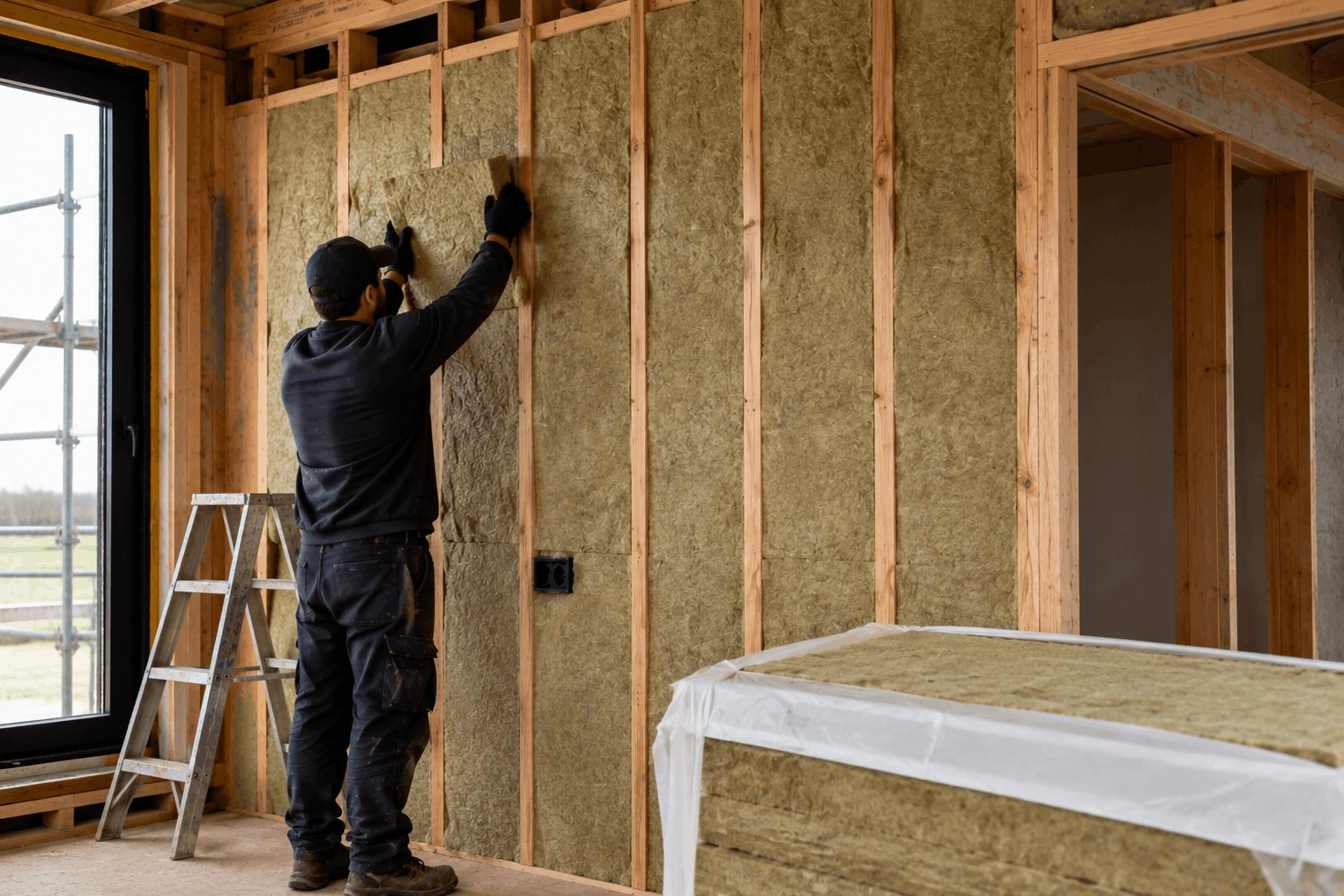
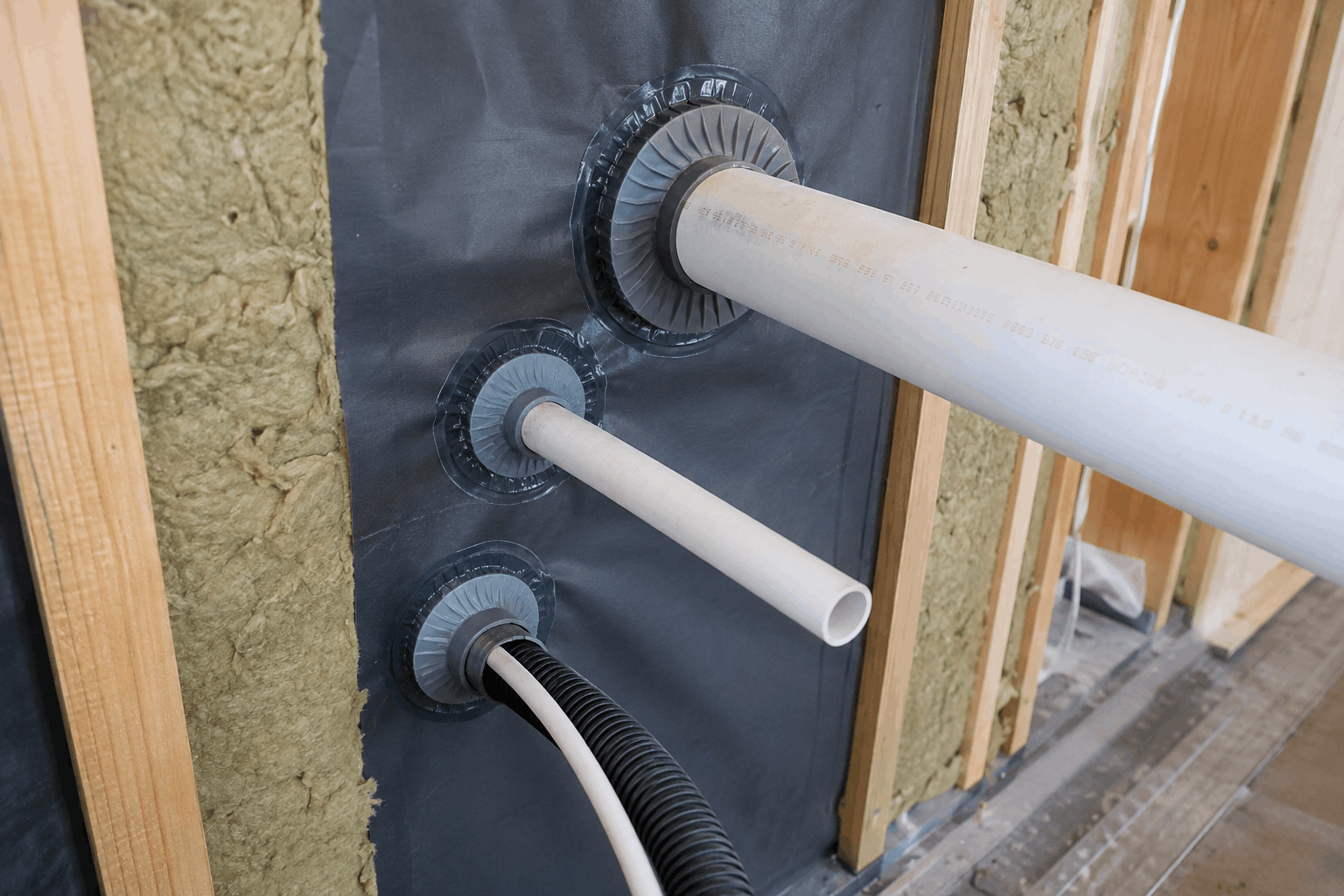
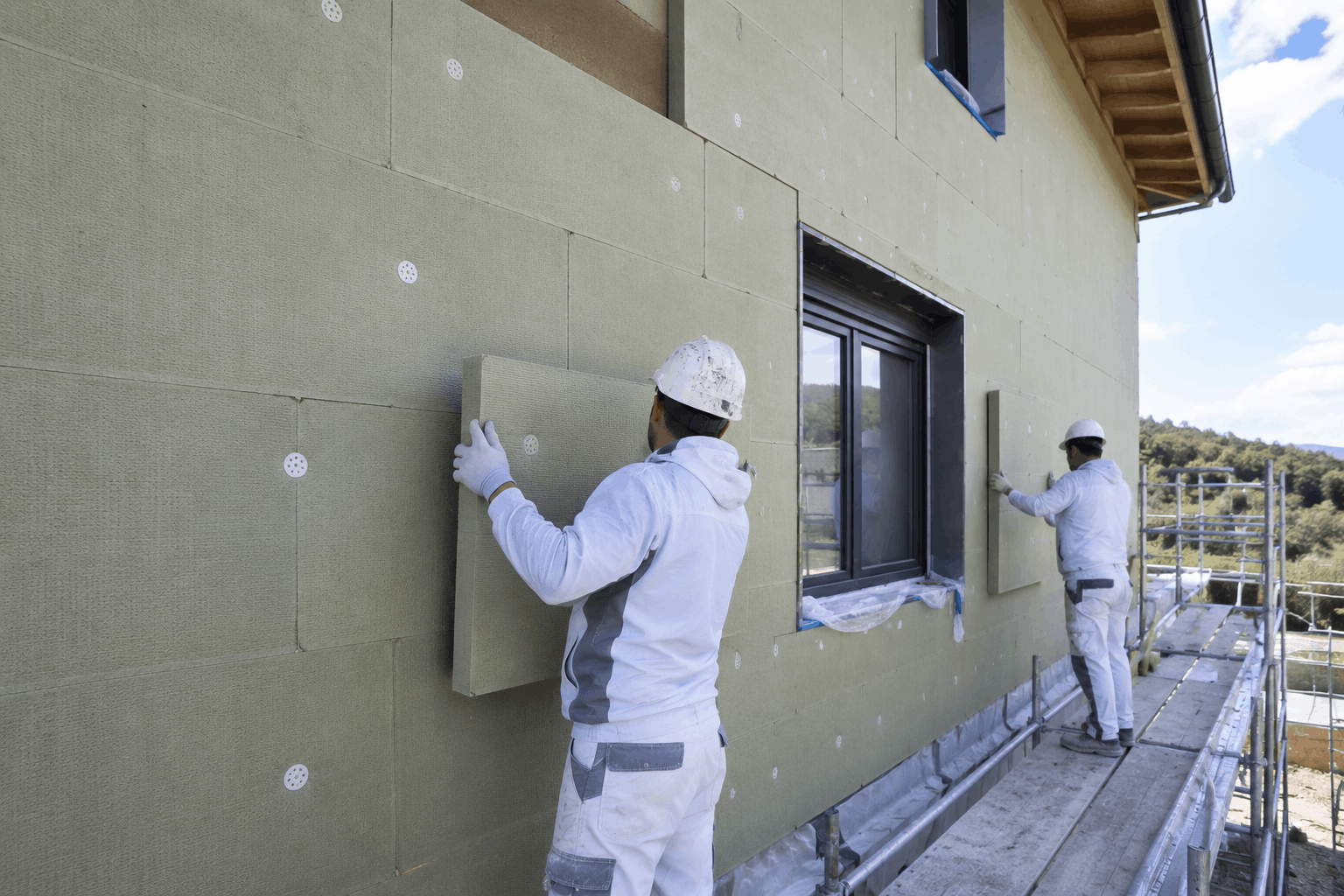
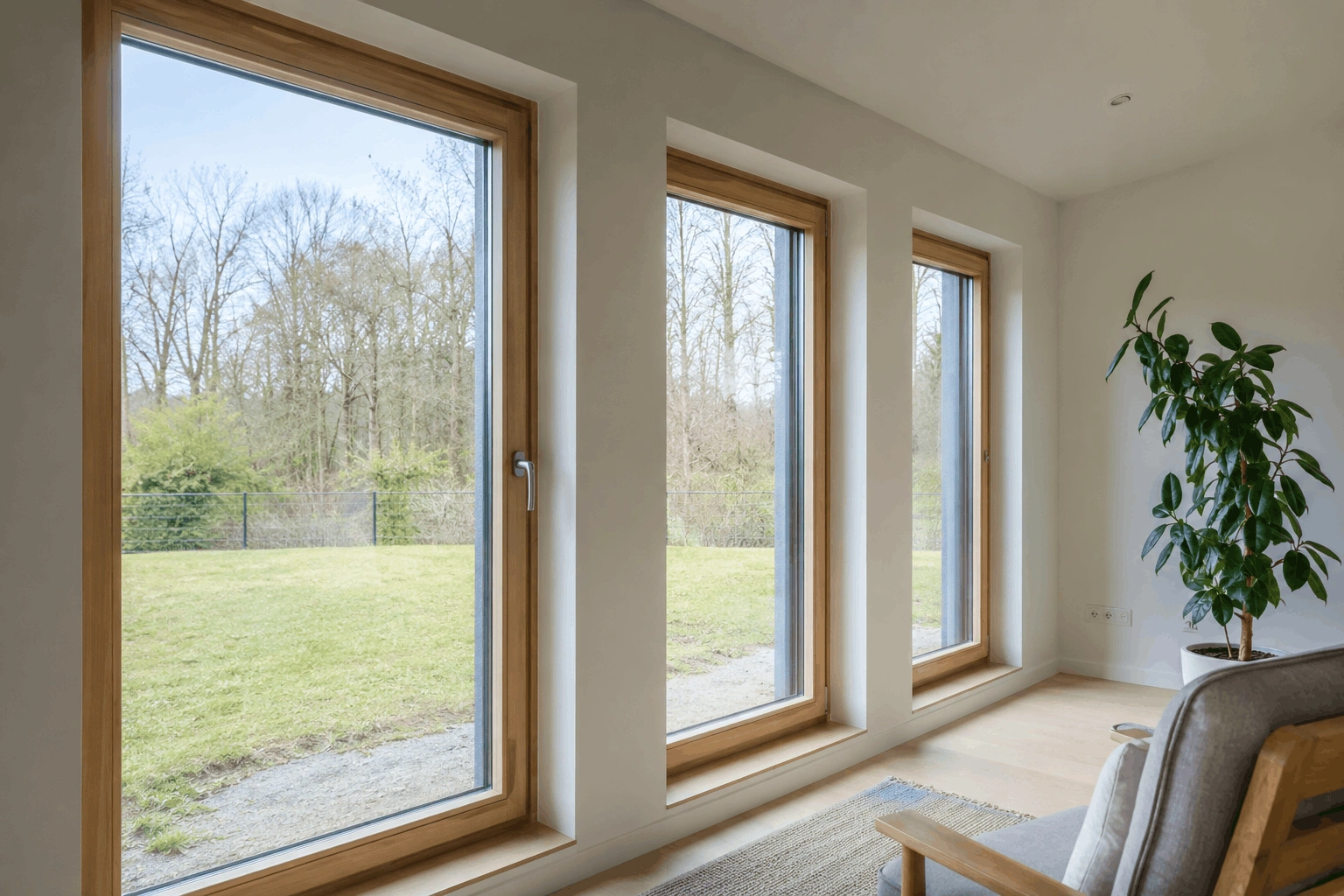
The upfront cost premium for passive house design over conventional construction varies depending on the builder, the design, the site and the specification. A reasonable working estimate for most Australian projects is somewhere between 5 and 15% above an equivalent conventional build. That passive house premium reflects the cost of higher-specification insulation, triple-glazed windows, airtight construction detailing, the mechanical ventilation with heat recovery (MVHR) system and the additional design and modelling work that passive house design in Australia requires.
Energy costs over the life of the home
The most significant lifecycle saving in a passive house design is energy. A certified passive house in Australia typically uses 80 to 90% less energy for heating and cooling than a conventionally built equivalent. In the current Australian energy market – where electricity prices have risen dramatically and gas costs continue to increase – that reduction translates to substantial annual savings that compound over the life of the home.
A conventional Australian home might spend $3,000 to $5,000 or more per year on energy, depending on climate, size and household behaviour. A well-designed passive house in Australia on rooftop solar might spend a fraction of that – in some cases approaching zero for heating and cooling costs across much of the year.
Over 30 years, even a conservative estimate of $2,000 per year in energy savings adds up to $60,000 – enough to offset much of the construction premium before accounting for energy price inflation, which historically has run well ahead of general inflation in Australia.
Maintenance costs
Maintenance is a lifecycle cost that’s easy to overlook in new construction, but becomes very significant over time. Passive house designs tend to have lower maintenance costs than conventionally built homes for several reasons.
The building envelope – walls, roof, windows and floor – is built to a higher specification and with greater attention to detail than in conventional construction. Airtight membranes, carefully detailed junctions and high-quality window systems resist moisture ingress, reduce condensation risk and maintain their performance over a longer period than cheaper conventional equivalents. The result is fewer moisture-related defects, less mould remediation and a building fabric that requires less intervention over its lifetime.
Passive house designs in Australia are also typically all-electric, which eliminates gas appliances and their associated maintenance and replacement costs. Gas heaters, gas hot water systems and gas cooktops all require periodic servicing and eventual replacement. Removing them from the equation simplifies the mechanical systems of the home and reduces the ongoing maintenance burden.
The MVHR system does require regular filter changes and periodic servicing – a cost that conventional homes don’t carry in the same form. However, this maintenance is modest in cost, predictable in its scheduling and significantly less expensive than the reactive maintenance that arises from moisture and condensation problems in poorly performing conventional homes.
Financing and insurance
Green home loan products are increasingly available in Australia, with several lenders offering preferential interest rates for homes that meet recognised energy performance standards. A certified passive house in Australia is well-positioned to access these products, and the interest rate differences can compound meaningfully over a 25 or 30-year mortgage.
There are fewer products available currently in insurance, but the direction of travel is positive. As insurers become more sophisticated in pricing climate and energy risk into residential premiums, homes that are more resilient to extreme heat, bushfire ember attack and moisture ingress – all characteristics of well-built passive house designs – are likely to attract more favourable treatment.
Residual and resale value
The resale market for passive house designs in Australia is still maturing, but the evidence from more established markets in Europe and North America is consistent: certified high-performance homes command a price premium over conventional equivalents, and that premium tends to grow as energy costs rise and buyer awareness of energy performance increases.
In Australia, the combination of rising energy costs, increasing consumer awareness and a growing body of certified passive house stock is creating the conditions for a similar dynamic. A home with certified energy performance credentials, independently verified by a third party and documented through PHPP modelling and blower door testing, offers prospective buyers something that a conventional home cannot: verifiable proof of how it will perform.