How to pair a passive house with a greywater recycling system
What greywater recycling actually involves
Greywater is the wastewater generated by showers, baths, bathroom basins and laundry. It doesn’t include toilet waste – that’s blackwater, which requires a different treatment process entirely. Greywater is relatively clean, mostly easy to treat and represents a significant proportion of household water consumption that can be captured, treated and reused rather than sent straight to the sewer.
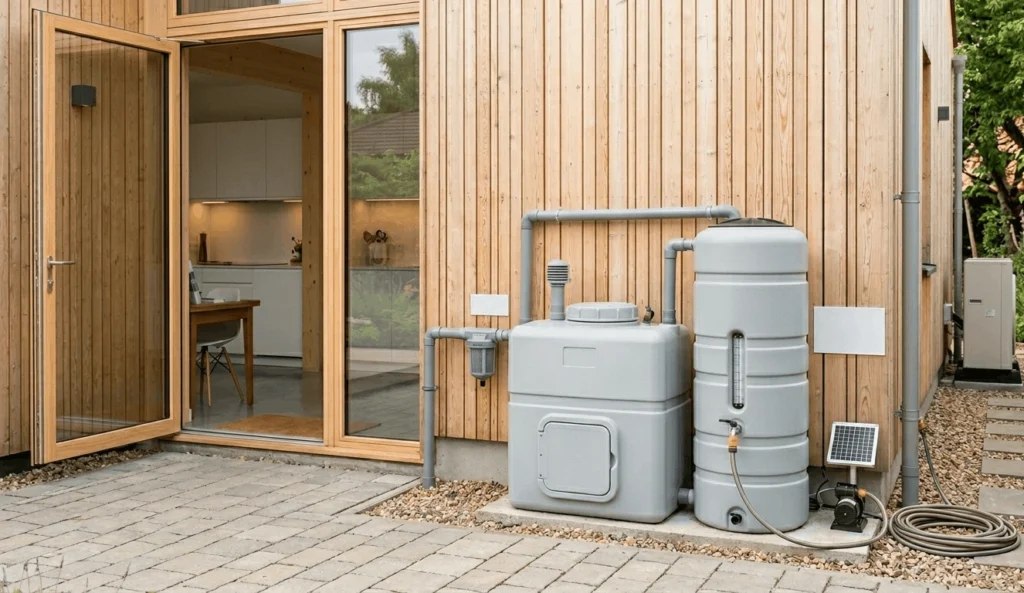
A greywater recycling system captures this water, filters and treats it to an appropriate standard and makes it available for toilet flushing, garden irrigation or – with more sophisticated treatment – laundry use. The volume of water this can offset from mains supply is meaningful: in a typical Australian household, greywater from showers and laundry alone can account for 40% of total water use.
Why passive houses are well-suited to greywater integration
The features that define passive house designs in Australia create an environment where a greywater system can be integrated cleanly and without compromising the performance of the building fabric.
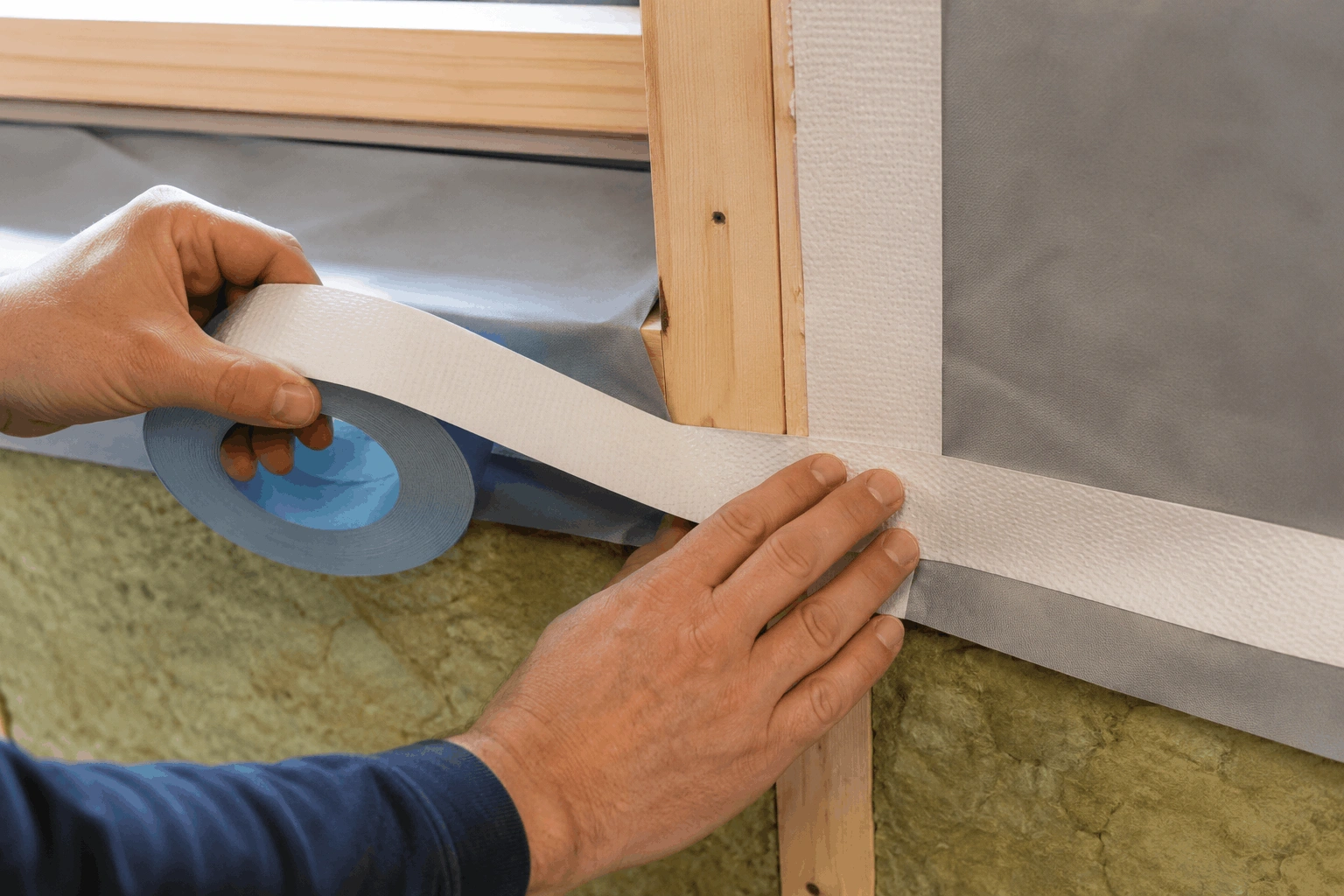
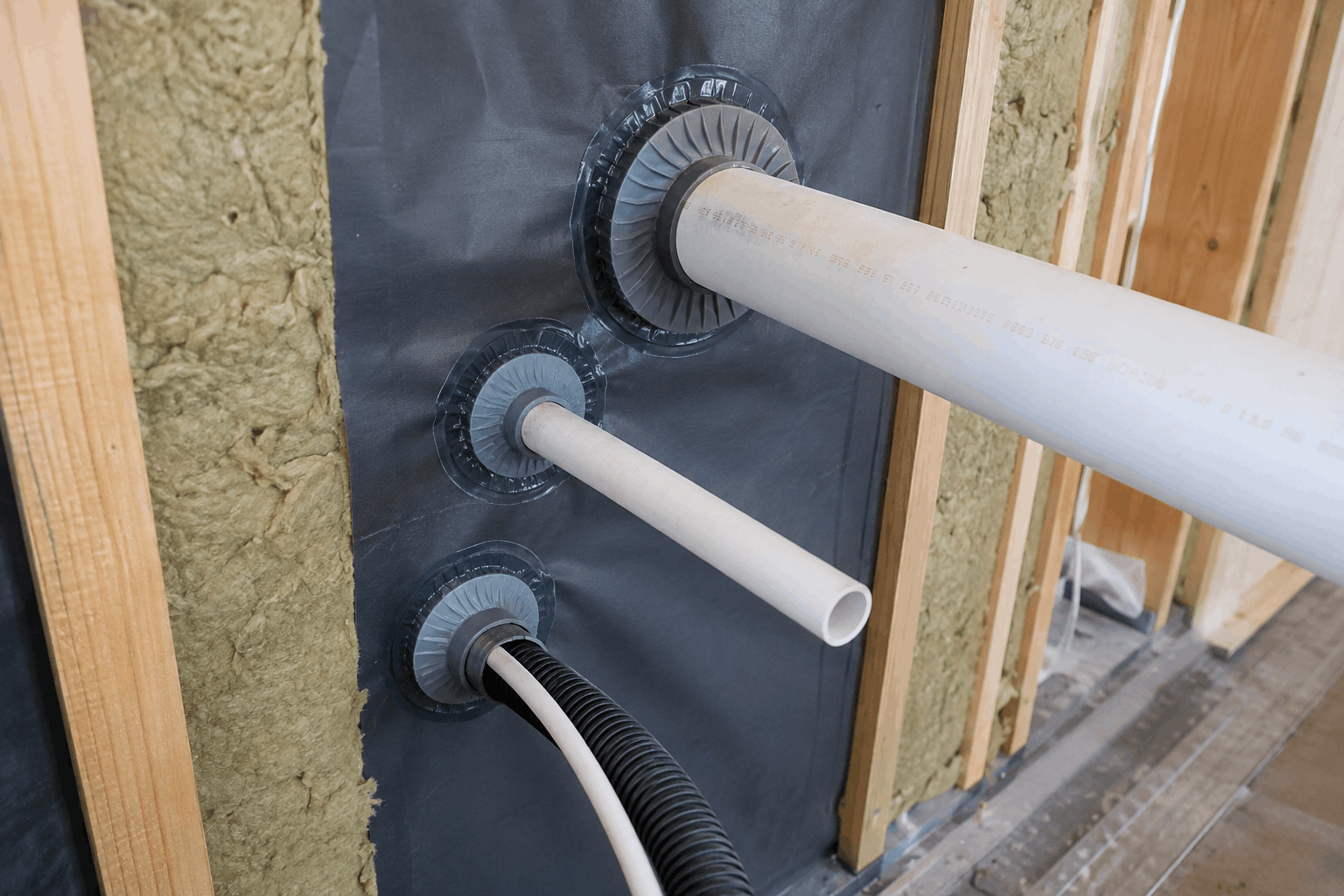
Pipe penetrations through the building envelope need to be properly sealed in any passive house design. A greywater system introduces additional pipe runs from wet areas to the treatment unit, and from the treatment unit to points of reuse. But these are no different in principle from any other service penetration. Experienced passive house builders in Australia treat them as standard detailing work.
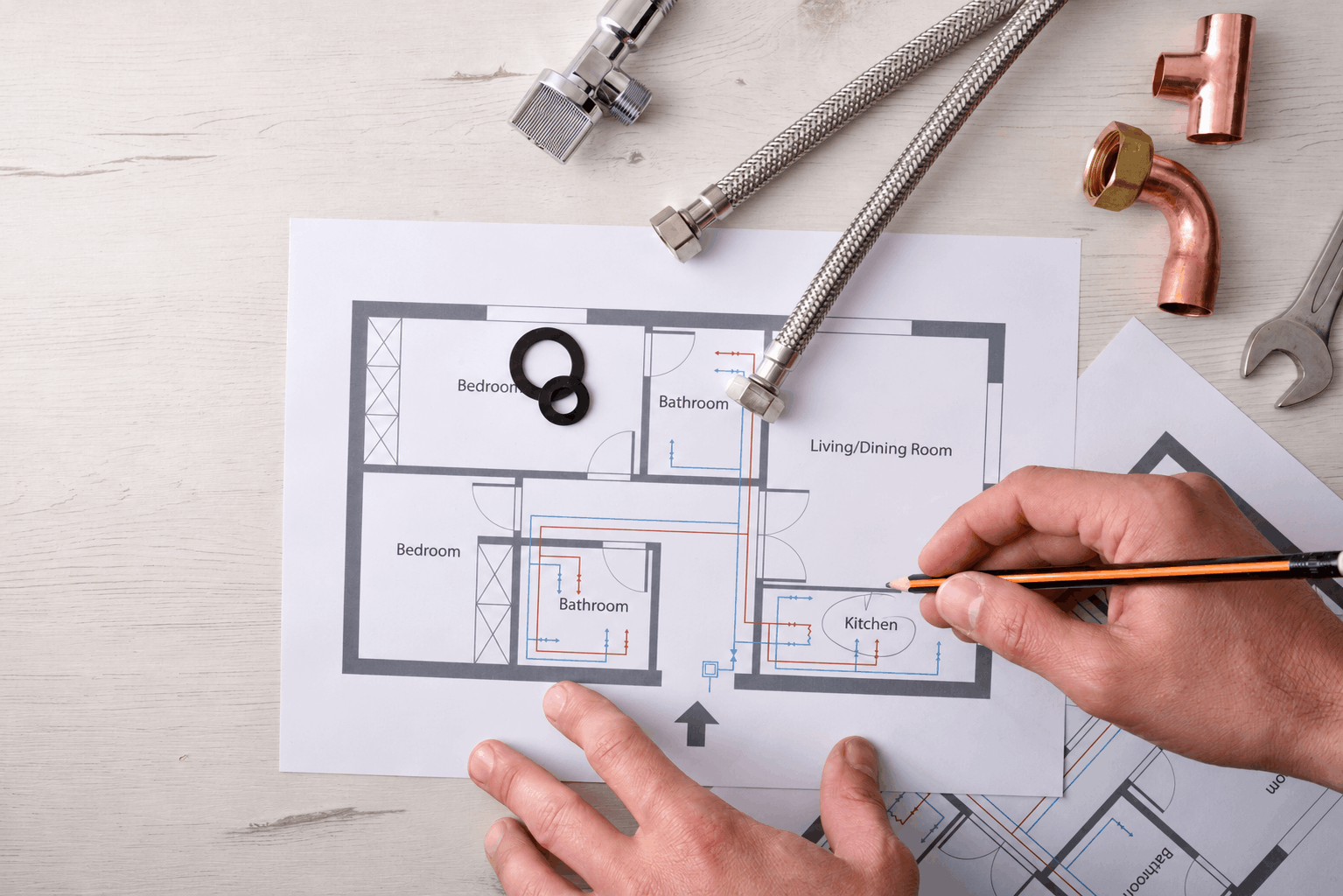
The planning culture of passive home building is also well-suited to greywater integration. Both systems benefit from being designed in from the start. Retrofitting either is more expensive and more disruptive than building them in together. A passive house project that incorporates greywater recycling from the concept stage can coordinate pipe runs, tank locations and connections to reuse points efficiently and without compromise.
Where the systems interact
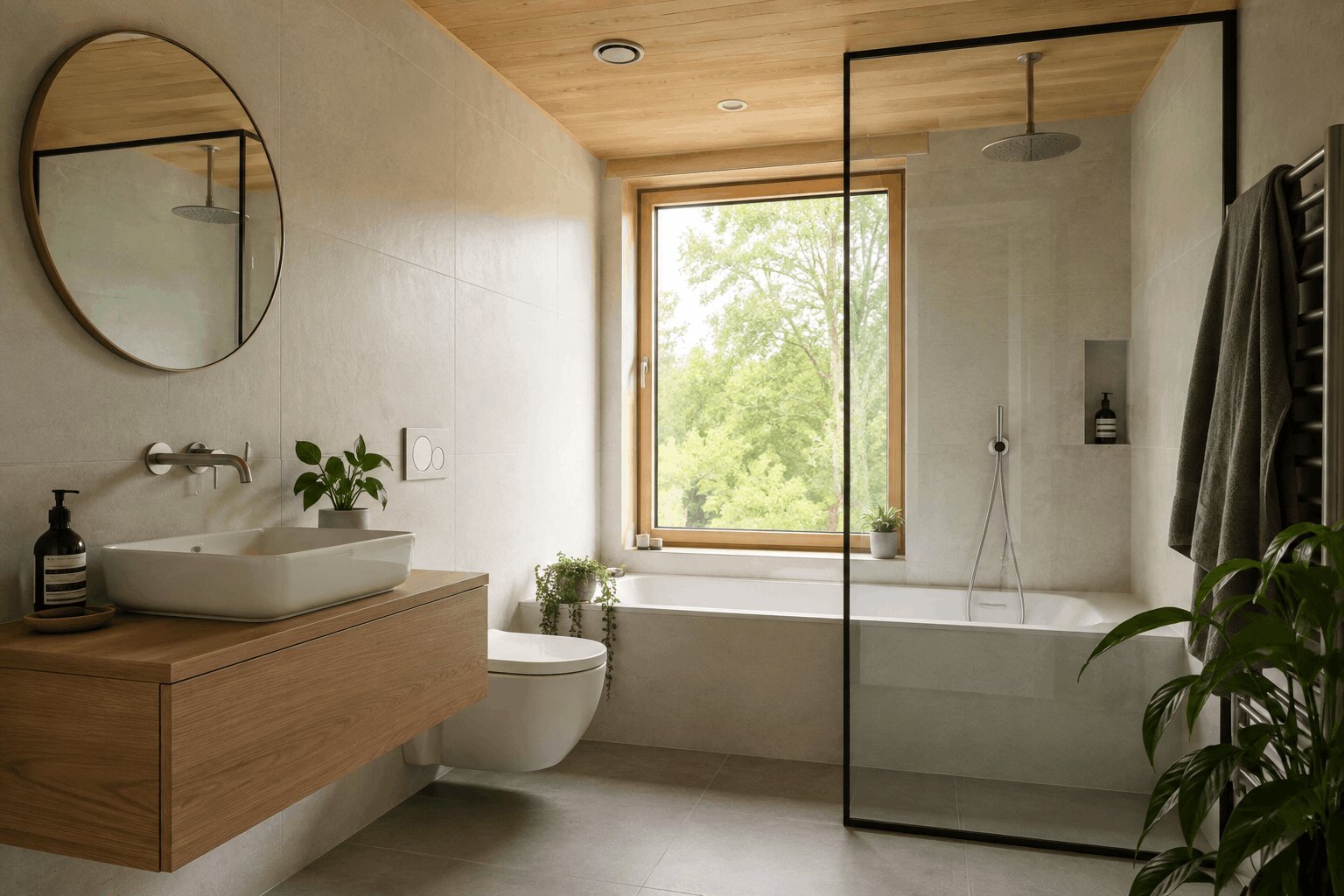
The most direct interaction between a passive house and a greywater system is in the wet areas of bathrooms, the laundry and the kitchen. In a passive design house, these rooms are typically designed with moisture management in mind: appropriate ventilation through the mechanical ventilation with heat recovery (MVHR) system, vapour control layers in the walls and suitable surface finishes. A greywater system doesn’t change those requirements, but it does add pipe infrastructure that needs to be coordinated with the building envelope and the mechanical systems.
The MVHR system in a passive house design extracts stale, moist air from wet areas continuously. This is beneficial in the context of a greywater system, because it prevents the humidity generated by showers and laundry from accumulating in the building. The two systems are complementary rather than competing.
Treatment and regulation
Greywater treatment systems range from simple diversion devices, which direct untreated greywater directly to garden irrigation, to sophisticated treatment units that produce water clean enough for toilet flushing and laundry reuse. The right level of treatment depends on your intended reuse application and the regulations in your state or territory.
In most Australian jurisdictions, treated greywater can be used for toilet flushing and subsurface irrigation without significant regulatory hurdles, provided an approved treatment system is installed by a licensed plumber. Systems intended to supply laundry or produce water for above-ground irrigation typically require a higher level of treatment and may require council approval. Passive house designers in Australia working on projects with a greywater component should be able to advise on local requirements or direct you to the appropriate authority.
Maintenance considerations
Greywater treatment systems require regular maintenance, including filter cleaning, media replacement and periodic system checks. The frequency and complexity of that maintenance depends on the system type and the volume of water being processed. This is worth factoring into your decision early, as a system that’s well matched to your household’s habits and maintenance capacity will perform reliably over the long term, while an over-specified system that’s poorly maintained will underperform.
In this respect, greywater systems share something with the MVHR unit in a passive house design. Both require modest but consistent maintenance attention, and both reward that attention with reliable, long-term performance. Households that are engaged with the performance of their passive house designs tend to be the same households that maintain their greywater systems well.