Can you have a fireplace in a passive house?
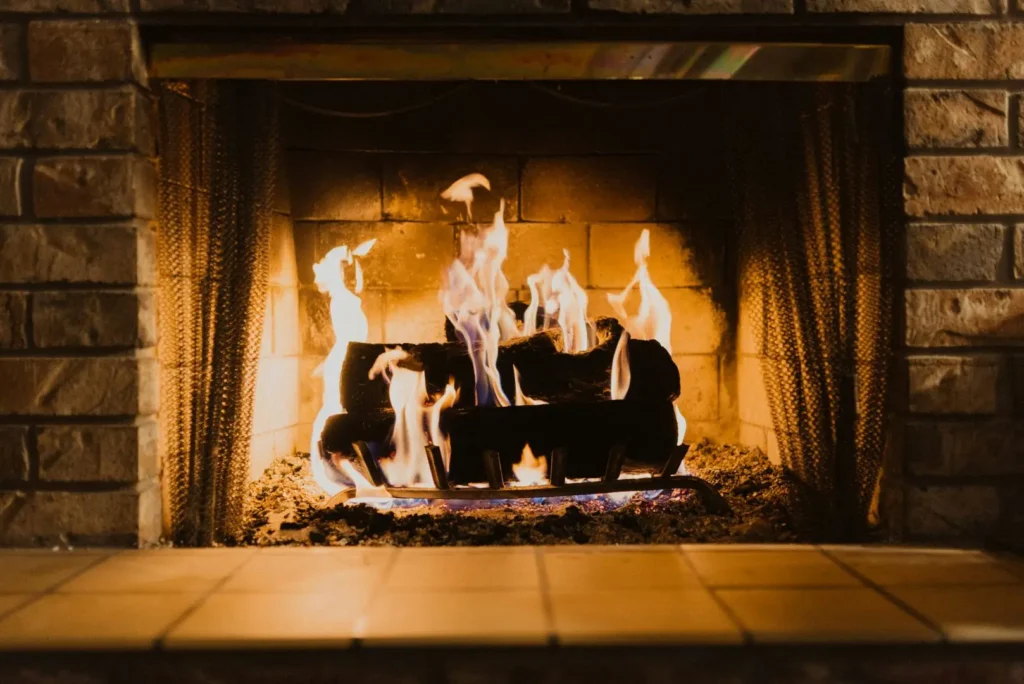
The fireplace question is one that passive house designers in Australia hear regularly. People want to know whether it’s possible, and if so, how. The answer is yes, but with some important caveats.
Why fireplaces and passive houses don't naturally mix
To understand the challenge, it helps to understand what a certified passive design house is actually doing. The building envelope is designed to be as airtight as possible. Air enters and leaves the home through the controlled ventilation system, not through gaps, cracks or any other uncontrolled opening. That airtightness is central to the standard. It’s what makes the thermal performance possible and what keeps the indoor air quality consistent.
A conventional open fireplace works in the opposite way. It draws combustion air from inside the room and sends the products of combustion up the flue and out of the building. To replace that air, the building has to let more in from outside. In a standard leaky home, that replacement air seeps in through the usual gaps. In an airtight passive building design, there are no gaps, so a conventional fireplace creates a serious problem.
The flue itself is also a source of heat loss. A chimney running through the building envelope is a thermal weak point, and in a certified passive house design, thermal weak points are exactly what the design is working to eliminate.
What are the options?
None of this means fire is off the table. It means the type of fire has to be chosen carefully. There are two main routes that passive house designers in Australia and builders work with.
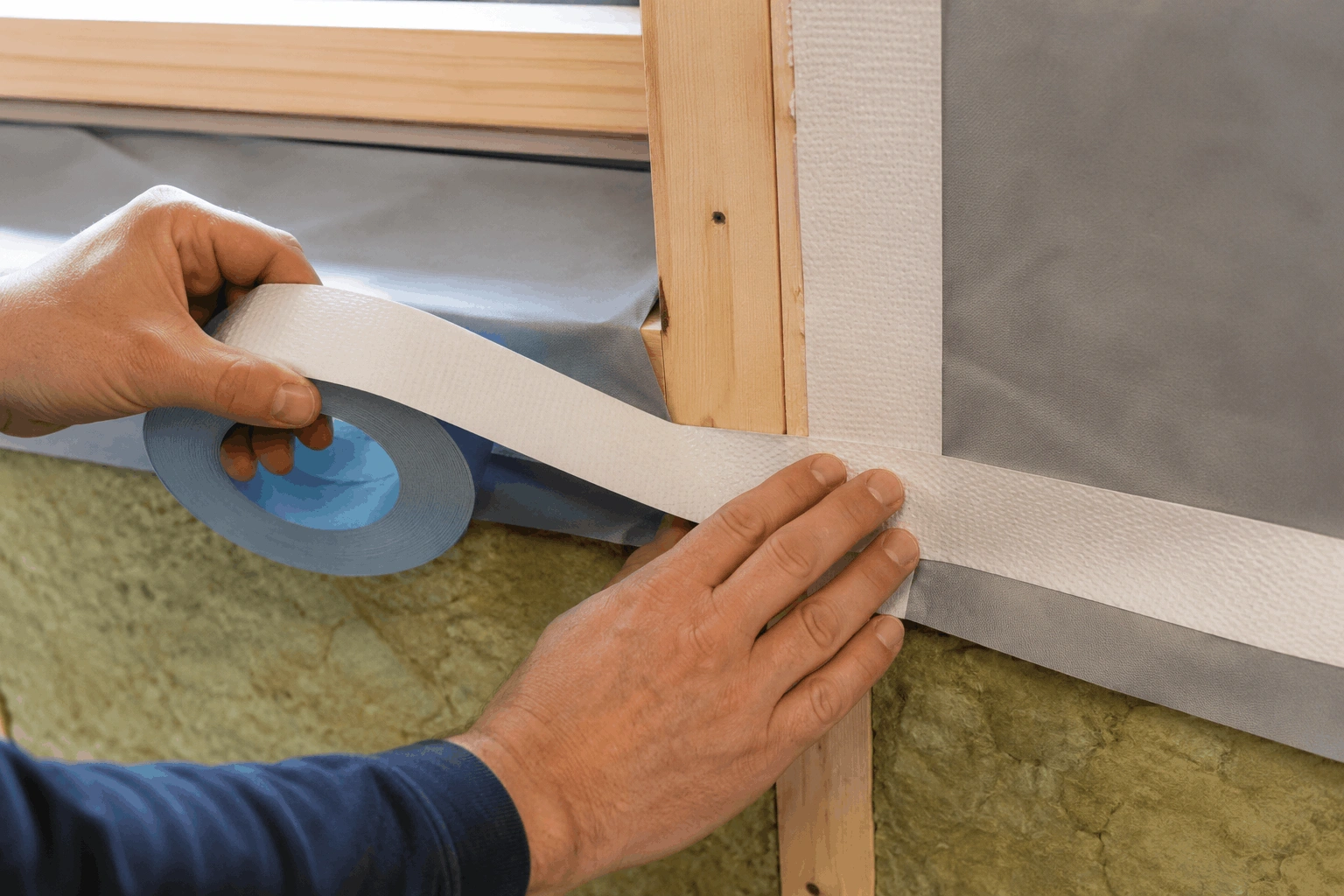
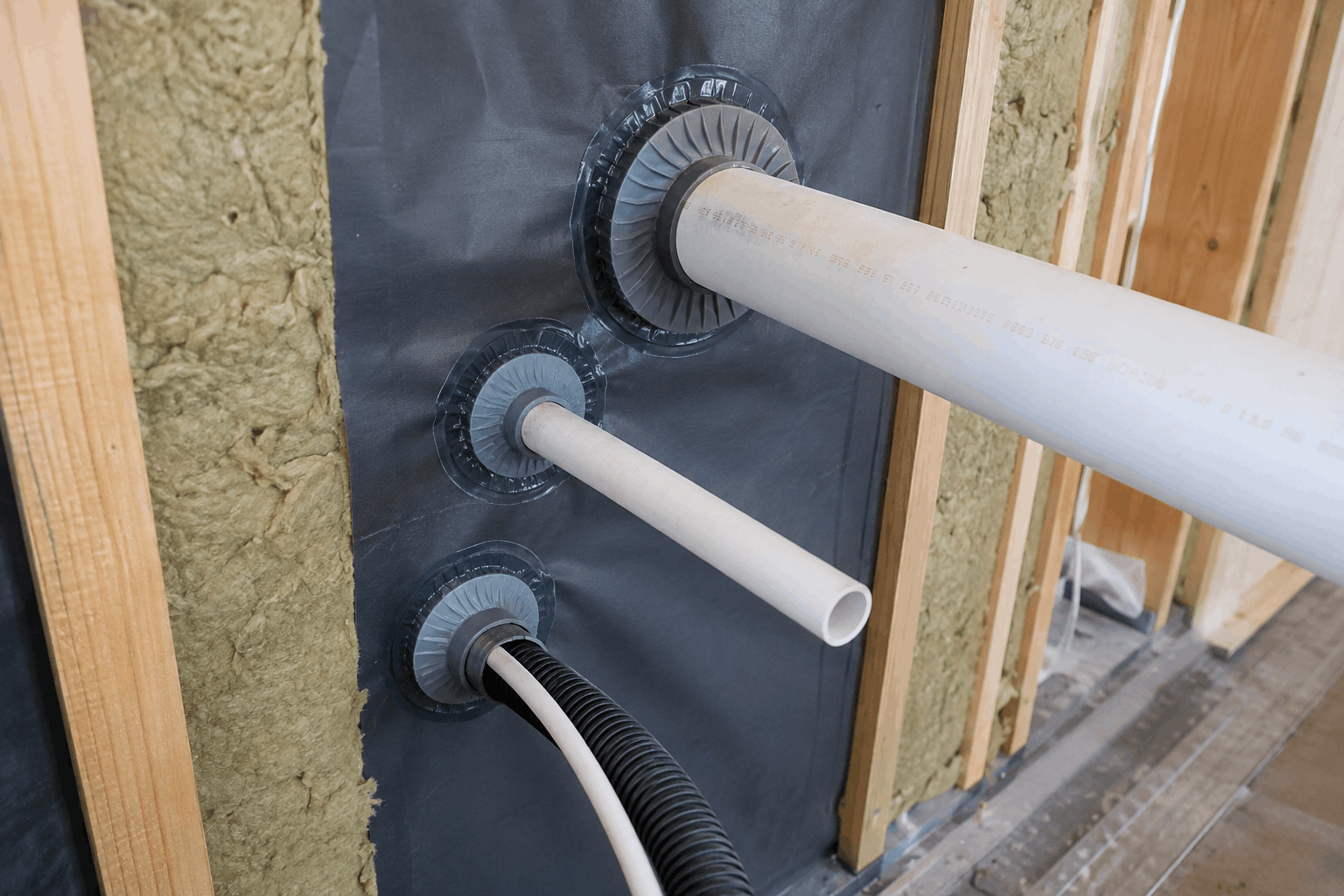
The first is a closed combustion fireplace or wood heater with an external air supply. These units are sealed from the room and draw their combustion air directly from outside through a dedicated duct, rather than from the indoor air. The flue still passes through the building envelope, but with careful detailing – an insulated flue sleeve and a well-sealed penetration – the thermal and airtightness impact can be managed to a level compatible with the passive house standard.
The second option is an electric fireplace. Modern electric units have improved considerably and some produce a convincing visual effect. They generate heat without any combustion, require no flue and create no airtightness issue. For homeowners who want the ambience of a fire without the complexity of managing a combustion appliance in an airtight building, this is often the most straightforward path.
The airtightness test
Every certified passive house design must pass an independent airtightness test – the blower door test – before certification is granted. Any penetration through the building envelope, including a flue, has to be sealed to a standard that allows the building to pass. This is achievable with a properly detailed combustion fireplace installation, but it requires the right products and the right construction approach.
Passive house builders in Australia who have experience with fireplace installations will know which flue systems and sealing products are appropriate and how to detail the penetration correctly. This is not a job for a standard plumber or heating contractor working from conventional practice. The passive house envelope requires passive house knowledge at every penetration, and a flue is one of the most demanding of those.
If you’re planning to include a fireplace in your passive home building project, raise it at the earliest possible design stage. Retrofitting a flue penetration into a completed passive house envelope is significantly more difficult than designing for it from the beginning.
Heating load and the passive house standard
One thing worth understanding is that in a well-designed passive house design in Australia, the heating load is so low that a fireplace is rarely needed for warmth. The building holds its temperature so effectively that a single small heat source is often all that’s required to maintain comfort on cold winter days. Many passive homeowners find that a fireplace, if they have one, becomes a purely atmospheric feature rather than a primary heat source.
This is a shift from the conventional home where a wood heater might be doing serious thermal work. In certified passive house designs in Australia, the fire is more likely to be lit for pleasure than necessity. That changes the numbers: if you don’t need it for heat, the question becomes whether the complexity and cost of the installation is justified by the enjoyment it brings.
Frequently Asked Questions
Yes, but it needs to be a closed combustion unit with an external air supply rather than a conventional open fireplace. This type of unit draws combustion air from outside rather than from the room, which means it doesn't depressurise the interior or conflict with the airtight envelope. The flue penetration through the building envelope also needs to be carefully detailed and sealed.
A properly installed closed combustion fireplace with an external air supply and a well-sealed flue penetration can be compatible with passing the blower door test. The key is in the detailing. The right flue sleeve, the right sealing products and the right construction approach.
For many homeowners, yes. A modern electric fireplace creates no airtightness issues, requires no flue penetration and generates heat without combustion. In a certified passive home where the heating load is already very low, an electric fireplace can provide the atmosphere of a fire without any of the technical complexity.