Choosing the right cladding for a passive house
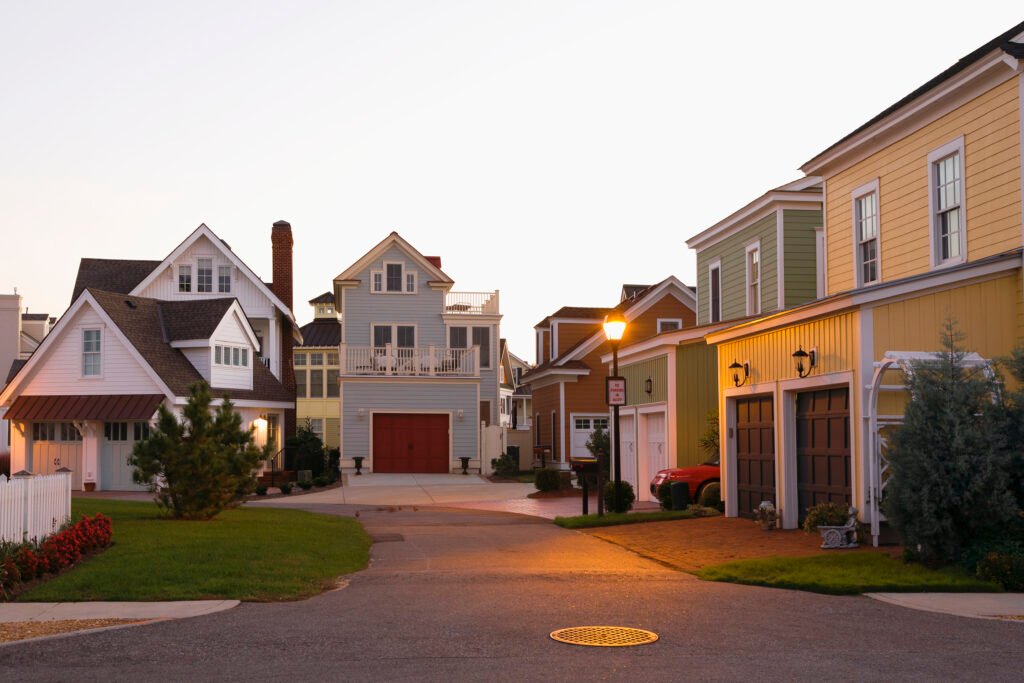
Cladding is one of those decisions that feels primarily visual but carries real performance consequences in a certified passive home. The material you choose for the exterior of the building affects thermal bridging, moisture management, durability and the long-term integrity of the building envelope.
The envelope comes first
Thermal bridging and why it matters
Cladding fixings are a common source of thermal bridging. Metal brackets and screws that connect the cladding back to the structural frame pass through the insulation layer and create a conductive path. In standard construction, this is accepted without much thought. In passive house designs, it has to be addressed deliberately, either by using thermally broken fixing systems, choosing fixings with lower conductivity or designing the cladding system to minimise the number of penetrations through the insulation.
This is one of the reasons passive house builders in Australia are specific about cladding systems and Installation methods. The choice of material is important, but so is the method of attachment.
Timber cladding
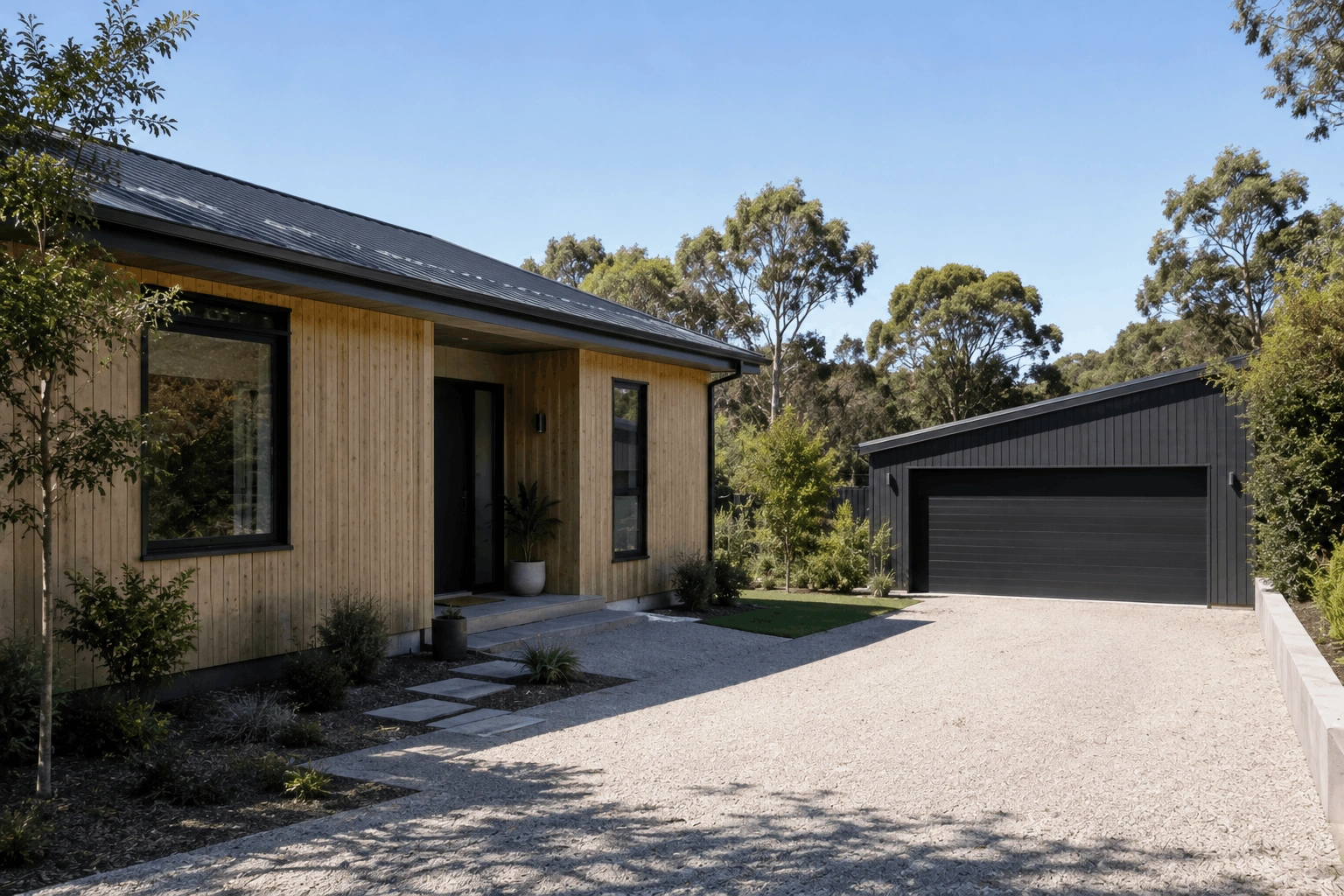
Timber is one of the most popular cladding choices for passive house designs in Australia. It has low thermal conductivity, which means timber fixings create less of a bridging problem than metal alternatives. It is also a renewable material with relatively low embodied energy, which sits well with the broader ethos of passive home building.
The main consideration with timber cladding is moisture management. Timber needs to dry out after rain, which means a well-ventilated cavity behind the cladding is essential. In a certified passive house design, that cavity also serves a secondary purpose as it provides a drainage plane that protects the airtightness membrane behind it from any water that gets past the cladding.
Durability varies considerably between timber species. Hardwoods and naturally durable species require less maintenance and last longer than softwoods. Pre-treated or pre-finished products also reduce ongoing maintenance requirements.
Fibre cement
Fibre cement is a practical and widely used cladding choice for passive house design in Australia. It is durable, low maintenance, non-combustible and relatively affordable. It performs well in most Australian climates and is available in a range of profiles and finishes.
The main consideration from a passive house perspective is the fixing system. Fibre cement is typically fixed with metal screws or nails, which can create thermal bridging if they pass through the insulation layer. A well-designed fixing system that minimises penetrations through the thermal envelope addresses this. Experienced passive house designers in Australia will specify this detail carefully.
Brick and masonry
Brick veneer and masonry cladding are common in Australian residential construction and both can be used in passive house builds, though they require careful detailing. Masonry has high thermal mass, which can be an asset in some climates but needs to be positioned correctly relative to the insulation layer to be effective.
The main challenge with brick veneer in a passive building design is the wall ties that connect the veneer to the structural frame. Metal wall ties are a source of thermal bridging and need to be either replaced with thermally broken alternatives or carefully accounted for in the energy modelling. Passive house builders with masonry experience will know how to manage this detail.
Insulated render systems
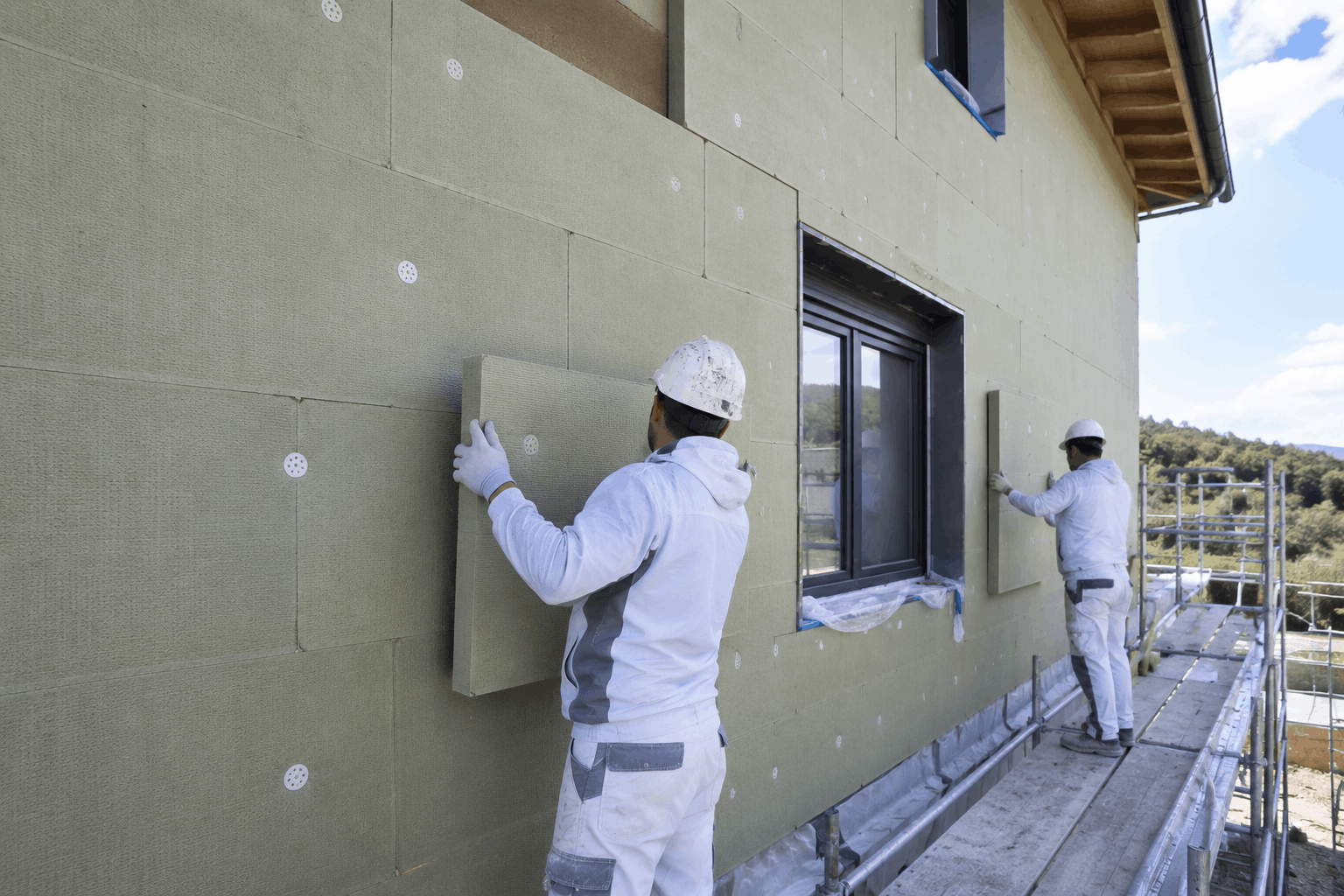
External insulation and render systems – sometimes called external insulated finish systems – are well-suited to passive house design because they place insulation on the outside of the structural frame, which is thermally efficient and minimises bridging through the wall. The render layer sits directly on the insulation board, creating a continuous, well-protected thermal layer around the building.
These systems are widely used in European passive house construction and are gaining traction among passive house builders in Australia. They require careful detailing at junctions, penetrations and window reveals, but in the hands of an experienced team they are an effective solution.
Frequently Asked Questions
Yes, in an indirect but important way. The cladding system affects thermal bridging, which is modelled as part of the passive house design process. A cladding system with poorly managed fixings can increase the thermal bridging load enough to affect the overall energy performance of the building. Passive house designers in Australia account for this in the modelling and will specify fixing systems and installation methods accordingly.
Fibre cement and insulated render systems both offer low ongoing maintenance requirements, which suits the broader passive house philosophy of building something that looks after itself. Timber requires more maintenance than either but can be minimised with the right species and finish selection. The most important factor, regardless of material, is the quality of installation – a well-installed cladding system on a certified passive house design project will outperform a poorly installed one in any material over the long term.
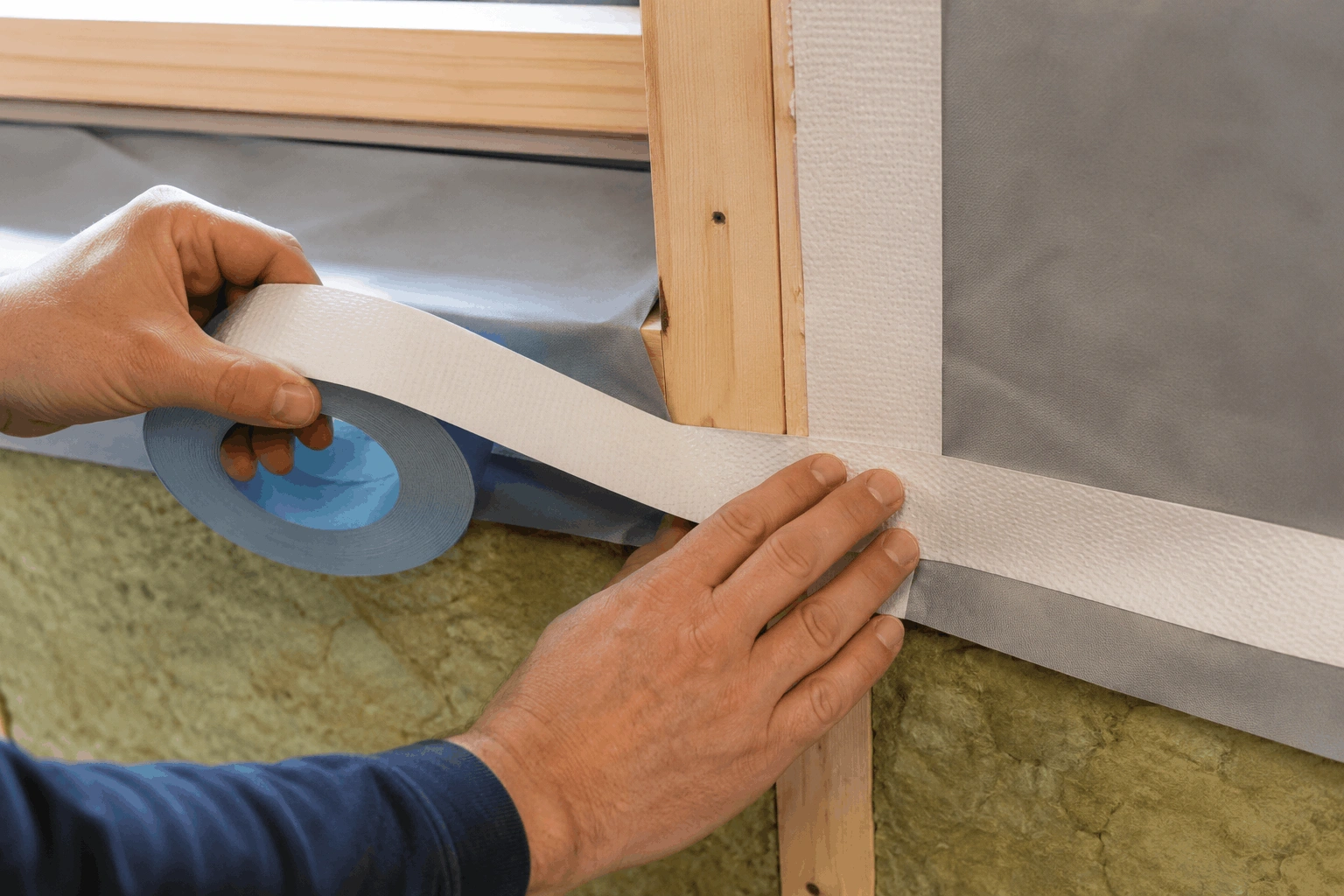
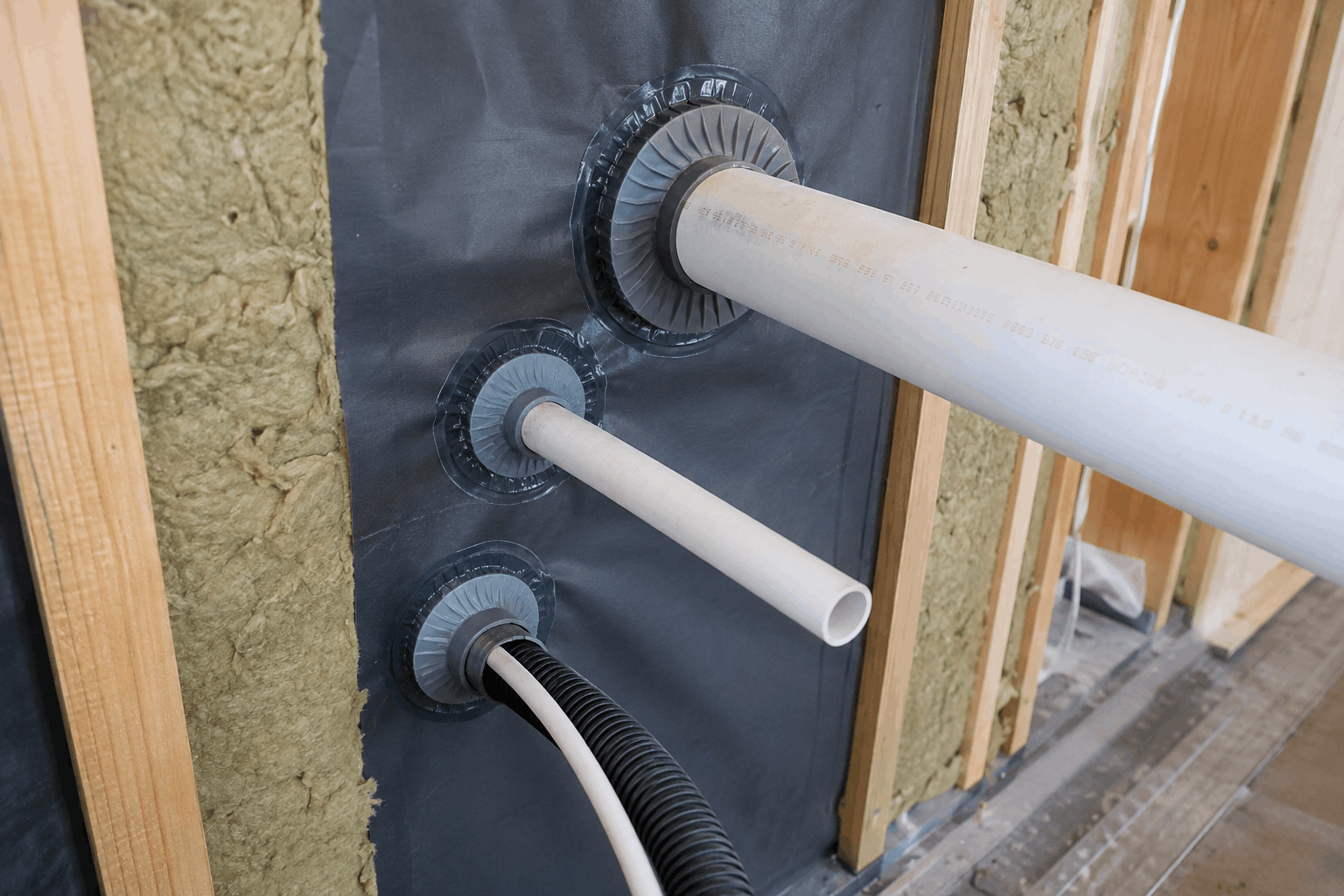
The cladding itself does not form the airtight layer in a passive building design. That is done by the membrane or board behind it. However, penetrations through the cladding for fixings, services and openings all pass through the building envelope and need to be carefully sealed at the airtight layer. A well-designed cladding system makes those penetrations manageable and predictable. A poorly designed one creates unnecessary complexity. Experienced passive house builders in Australia will design the cladding fixing system with the airtight layer in mind from the start.