Passive house design for sloping blocks and difficult sites
Why difficult sites and passive house design are a natural fit
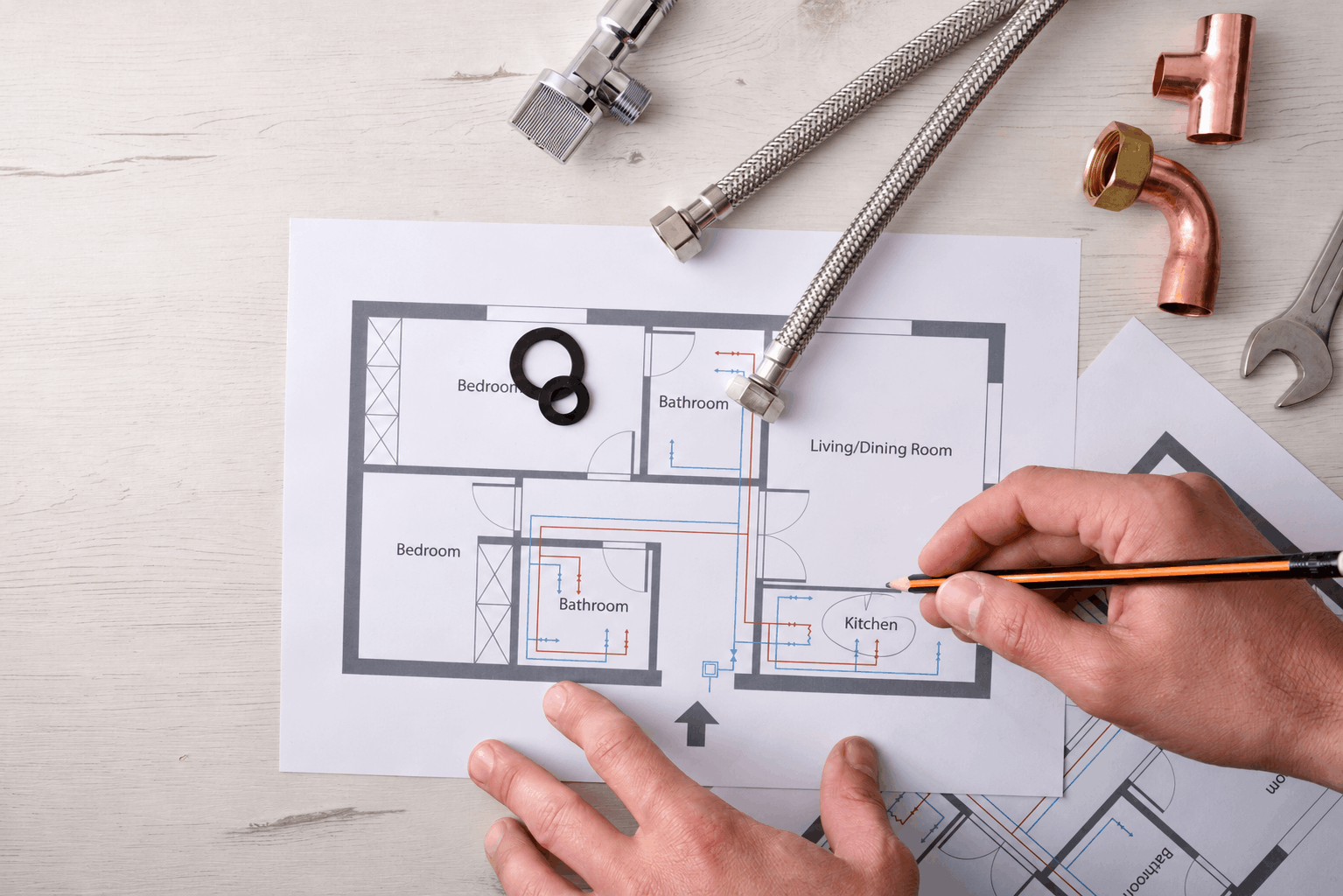
Passive house designs are, by definition, custom solutions. Every certified passive house design in Australia begins with a detailed analysis of the site, including its orientation, its climate, its shading and its exposure. The designer then uses that analysis to drive design decisions.
This is one of the reasons passive house designers in Australia tend to be more comfortable with challenging sites than generalist designers. The analytical rigour that passive building design demands from the outset is exactly the same rigour that difficult sites require.
Sloping blocks and passive house design
A sloping block presents a conventional builder with a problem: how do you get a flat slab on an uneven site without spending a fortune on cut and fill? The typical answer involves significant earthworks, retaining walls and a design that fights the natural topography rather than working with it.
Building a passive home on a sloping block takes a different approach. Rather than flattening the site, experienced passive house builders may use the slope to advantage. Options might be to step the floor plan down the hill, use the undercroft as a garage or storage space or design a split-level layout that follows the natural contours. Done well, this produces a home that feels embedded in its landscape rather than imposed on it.
From a thermal performance perspective, a sloping block also offers opportunities. A north-facing slope in Australia is close to ideal for passive house design as the living areas can be positioned to maximise winter sun exposure while the slope itself provides natural protection from cold southerly winds. The site’s topography becomes part of the passive solar strategy rather than something to be overcome.
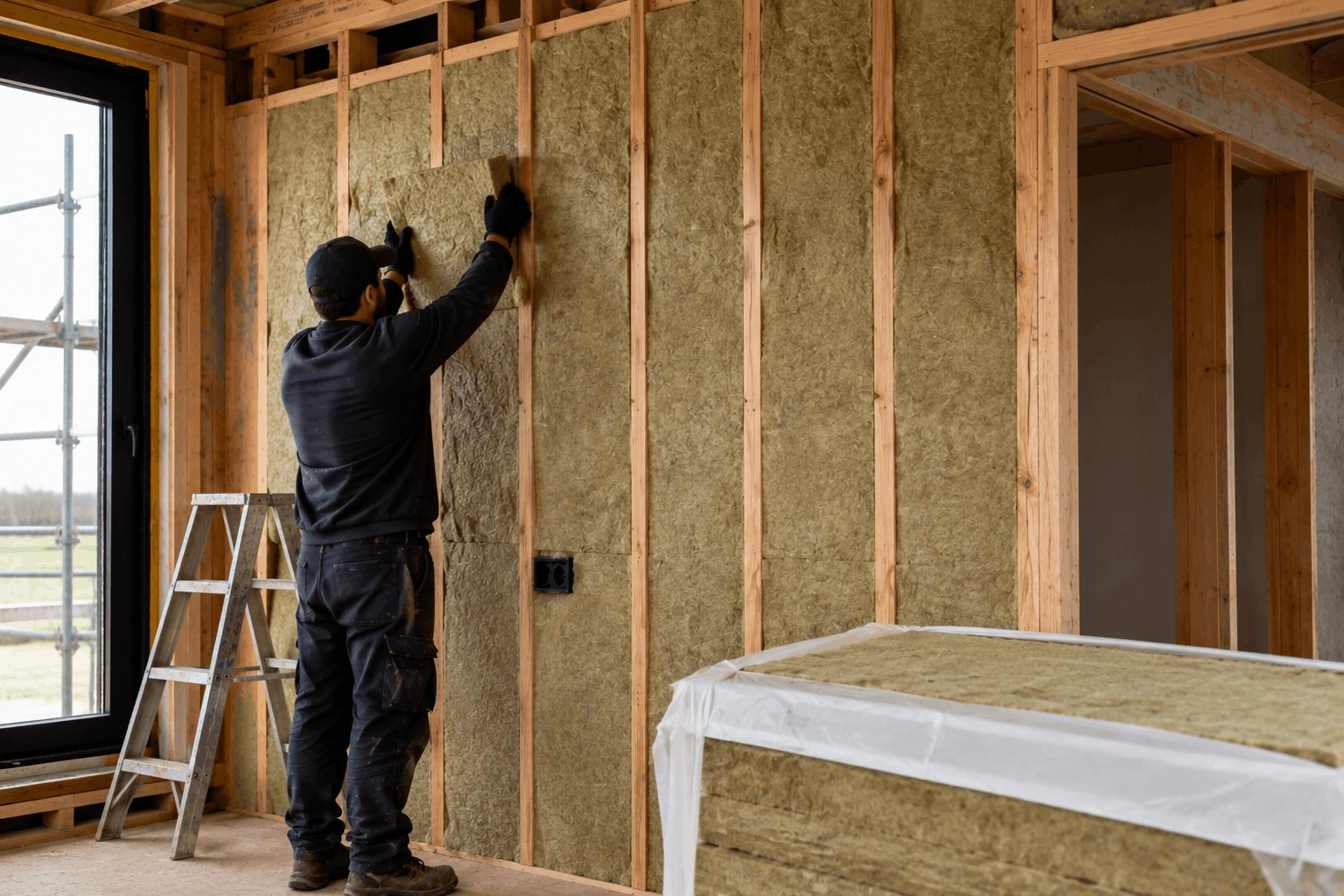
The main technical challenge on sloping sites is the building envelope. Where a conventional home might use a simple slab edge, a passive design house on a slope often requires a suspended floor or a carefully detailed slab that maintains continuous insulation across varying ground levels. This is not a reason to avoid sloping sites, but just a detailing challenge that experienced passive house builders in Australia are well-equipped to solve.
Narrow and constrained lots
Urban infill is one of the fastest-growing contexts for passive house design in Australia. Narrow lots in established suburbs – often the result of subdivision or the redevelopment of older properties – present a different set of challenges. Limited frontage, neighbouring buildings that cast shade and restricted access for construction equipment all need to be managed carefully.
For passive house designs on narrow lots, orientation becomes even more critical. A north-facing narrow lot is relatively straightforward to work with. An east or west-facing narrow lot requires more careful design to manage morning or afternoon sun exposure without creating overheating risk.
A south-facing narrow lot in a cool climate is the most challenging scenario, but even here, experienced passive house designers in Australia can achieve certification through a combination of very high insulation levels, careful window placement on the east and west elevations and a ventilation strategy that compensates for reduced passive solar gain.
Overlooking and privacy constraints on narrow urban lots can also affect window placement. This is a challenge for passive house design, where window sizing and positioning are carefully calibrated for both solar gain and ventilation. Working through these constraints early, with a designer who understands both the passive house criteria and the planning environment, is essential.
Bushfire-prone sites
Australia’s bushfire risk has reshaped how many homeowners think about building. Luckily, the requirements for both passive house design and bushfire-resilient homes can both be incorporated, rather than traded off against each other.
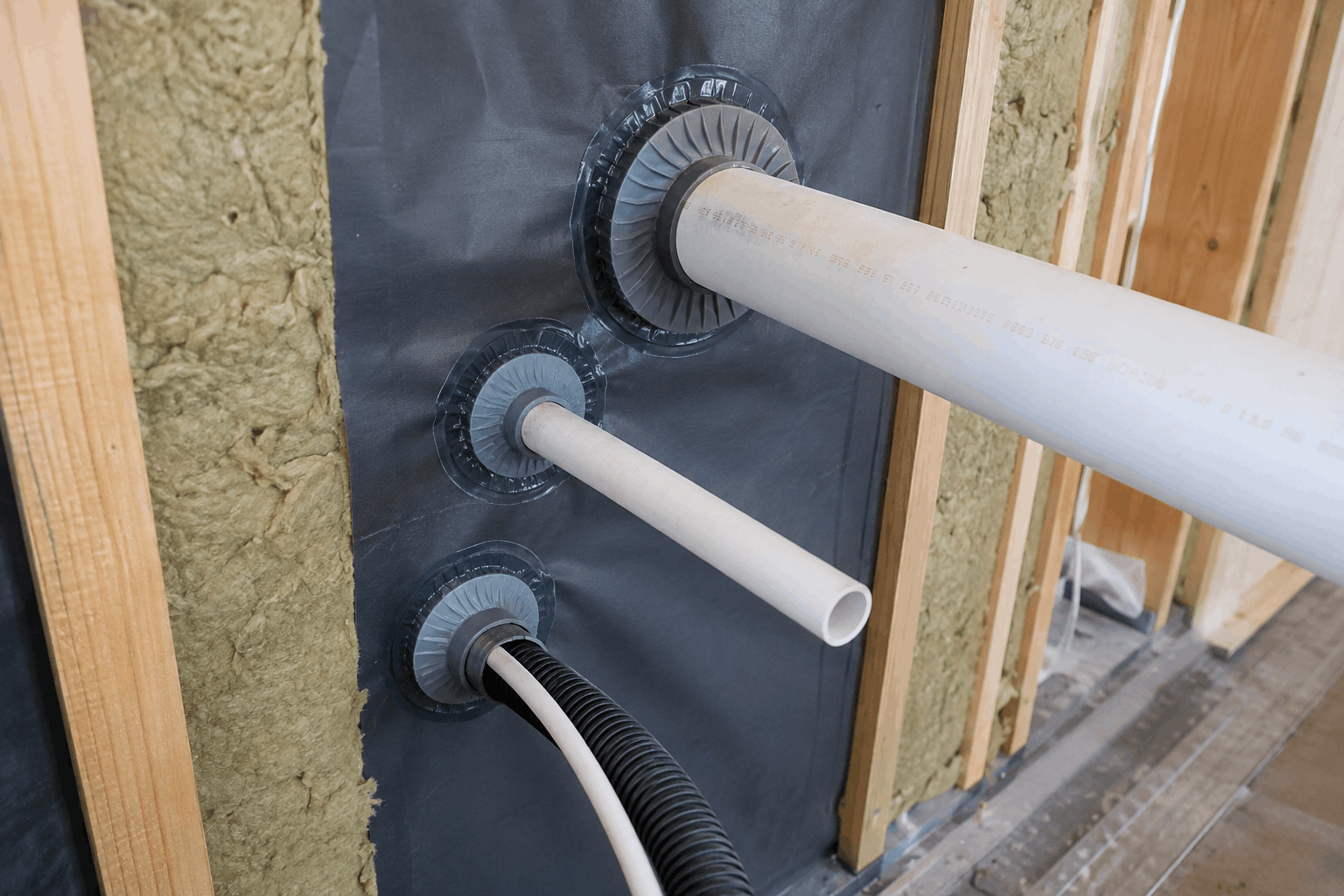
Airtightness, which is one of the defining features of passive house construction, is also one of the most effective defences against ember attack. A home built to passive house airtightness standards has very few uncontrolled gaps through which embers can enter. The MVHR system, which is designed to be sealed and controlled, can be shut down during a fire event to prevent smoke infiltration in a way that a leaky conventional home cannot.
High-performance windows, another feature of passive house designs, also perform well in bushfire conditions, as the same thermal performance that reduces heat loss in winter resists radiant heat transfer during a fire event. Passive house builders working in BAL-rated zones will need to specify windows and external finishes that meet both passive house performance requirements and bushfire attack level standards, but the overlap between the two is helpful.
Coastal and exposed sites
Coastal sites bring their own set of challenges: salt air, prevailing winds, high UV exposure and in some cases flooding or storm surge risk. For passive house design in Australia on exposed coastal sites, the building envelope needs to work harder than it would in a sheltered suburban location.
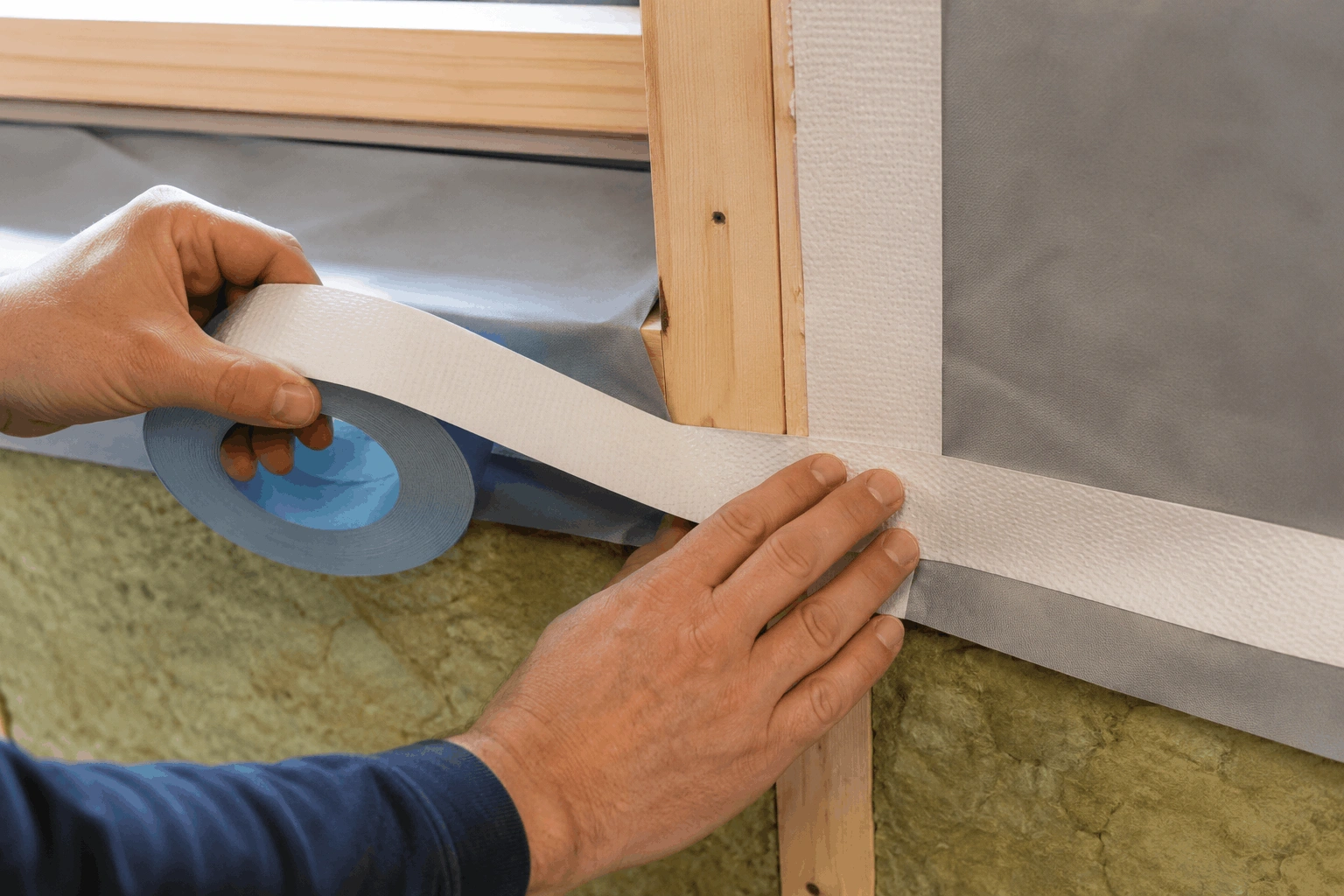
Wind-driven rain is a particular consideration. The airtight membranes and carefully sealed junctions that define passive building design provide excellent resistance to water ingress, but only if they’re specified and installed correctly. On a highly exposed site, the choice of external cladding, window flashings and roof-to-wall junctions needs to reflect the local wind and rain conditions. This is detailed work, and it rewards engagement with passive house designers in Australia who have experience in coastal environments specifically.
On the energy performance side, coastal sites in Australia are often temperate enough that heating and cooling loads are naturally low. This can actually make it easier to achieve passive house certification thresholds. The challenge is managing that performance over the long term in a corrosive salt air environment, which requires careful material selection from the outset.