How to heat a passive house in winter

The passive house heating principle
In a conventional home, a poorly insulated, draughty building loses heat quickly, and the heating system – whether ducted gas, reverse cycle split systems or radiant panels – runs frequently and for long periods to compensate. The building fabric is a liability, and the mechanical system is the solution.
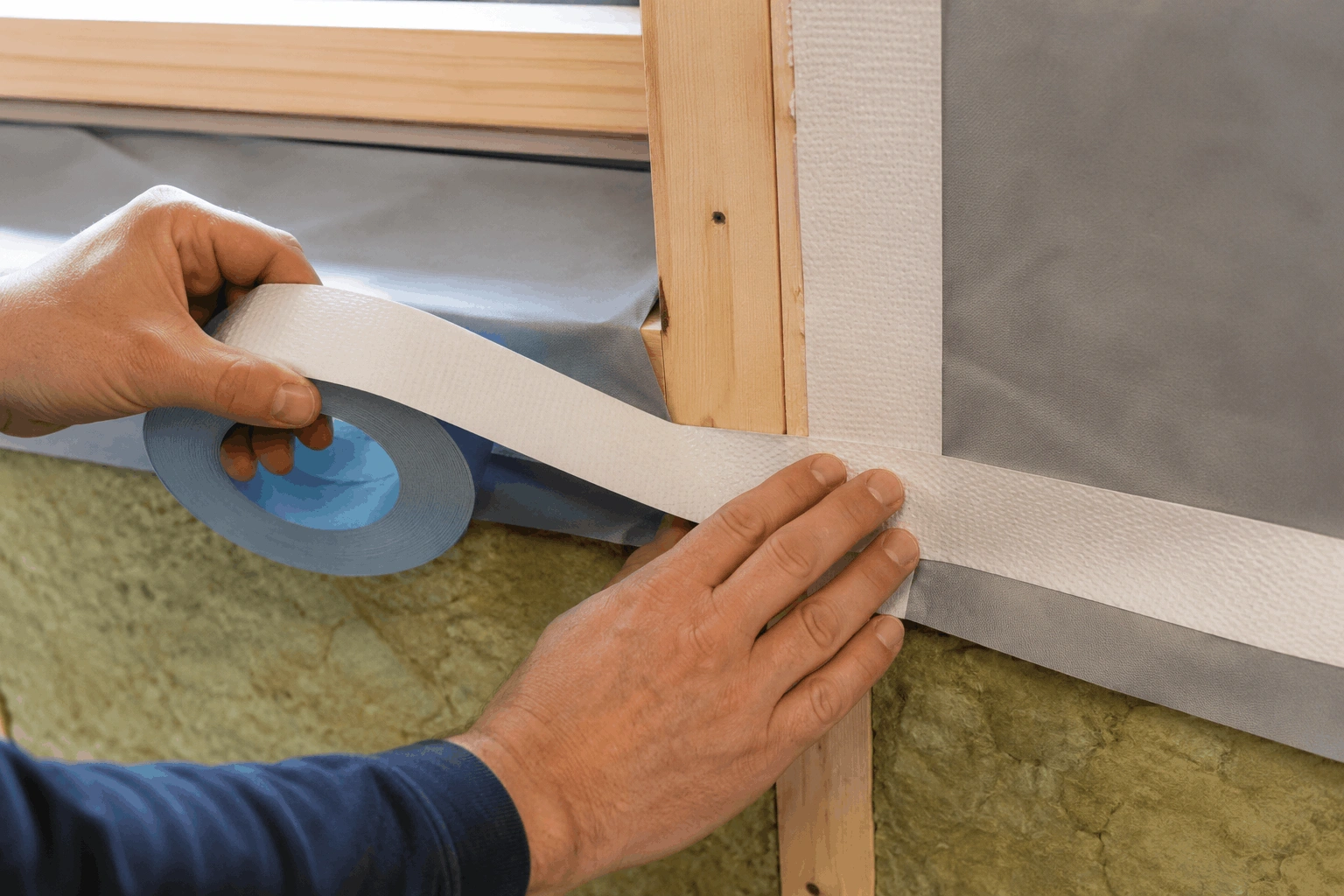
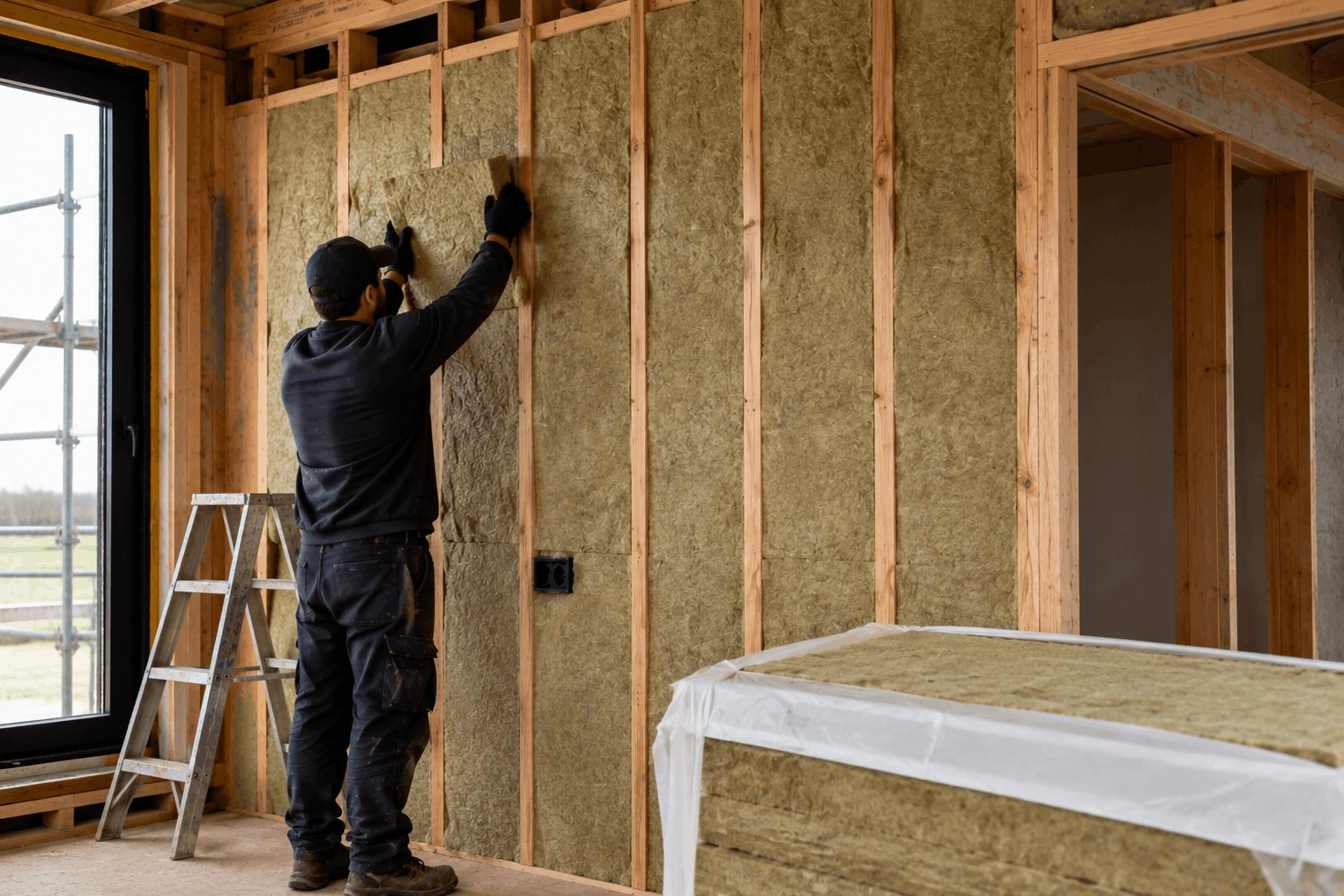
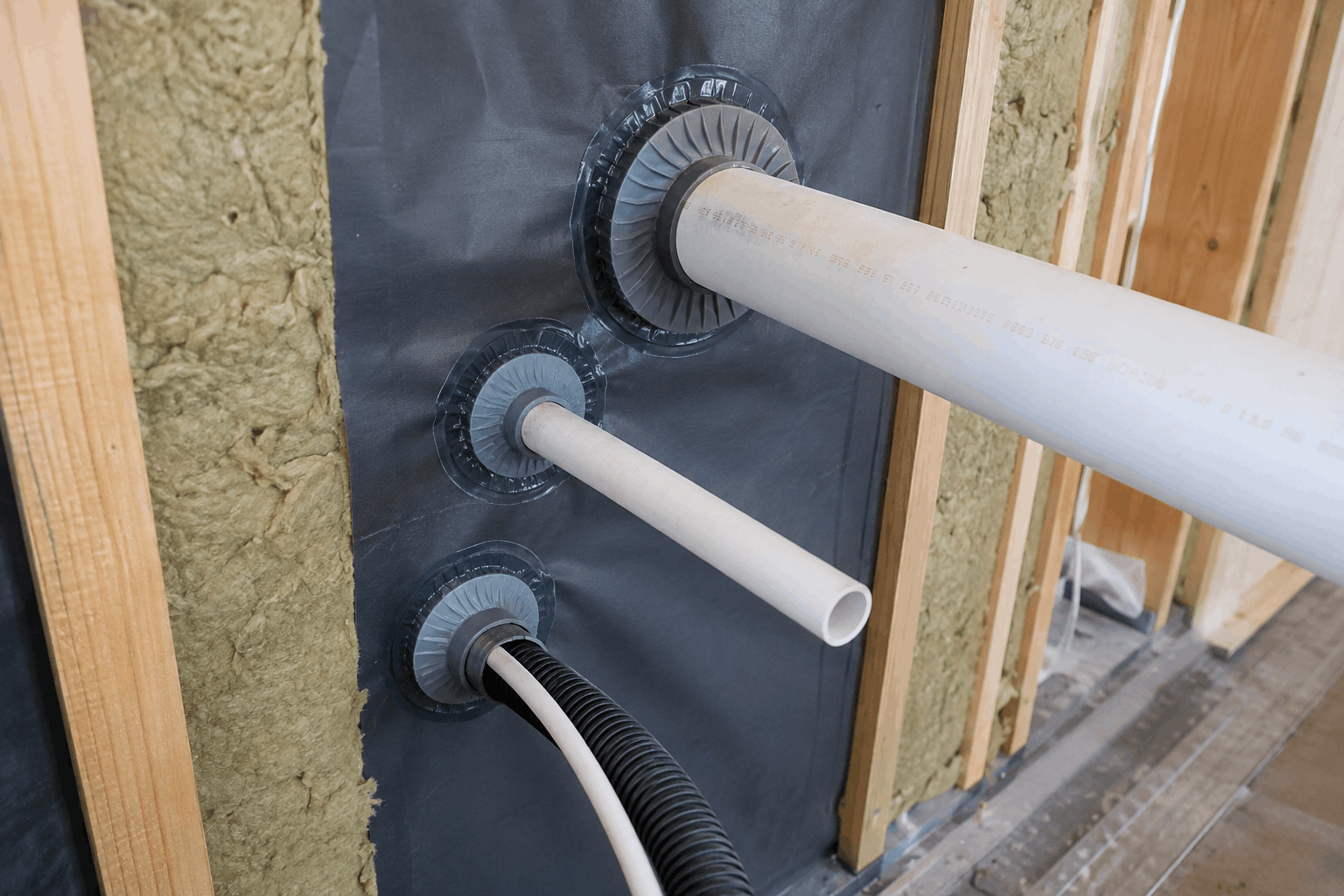
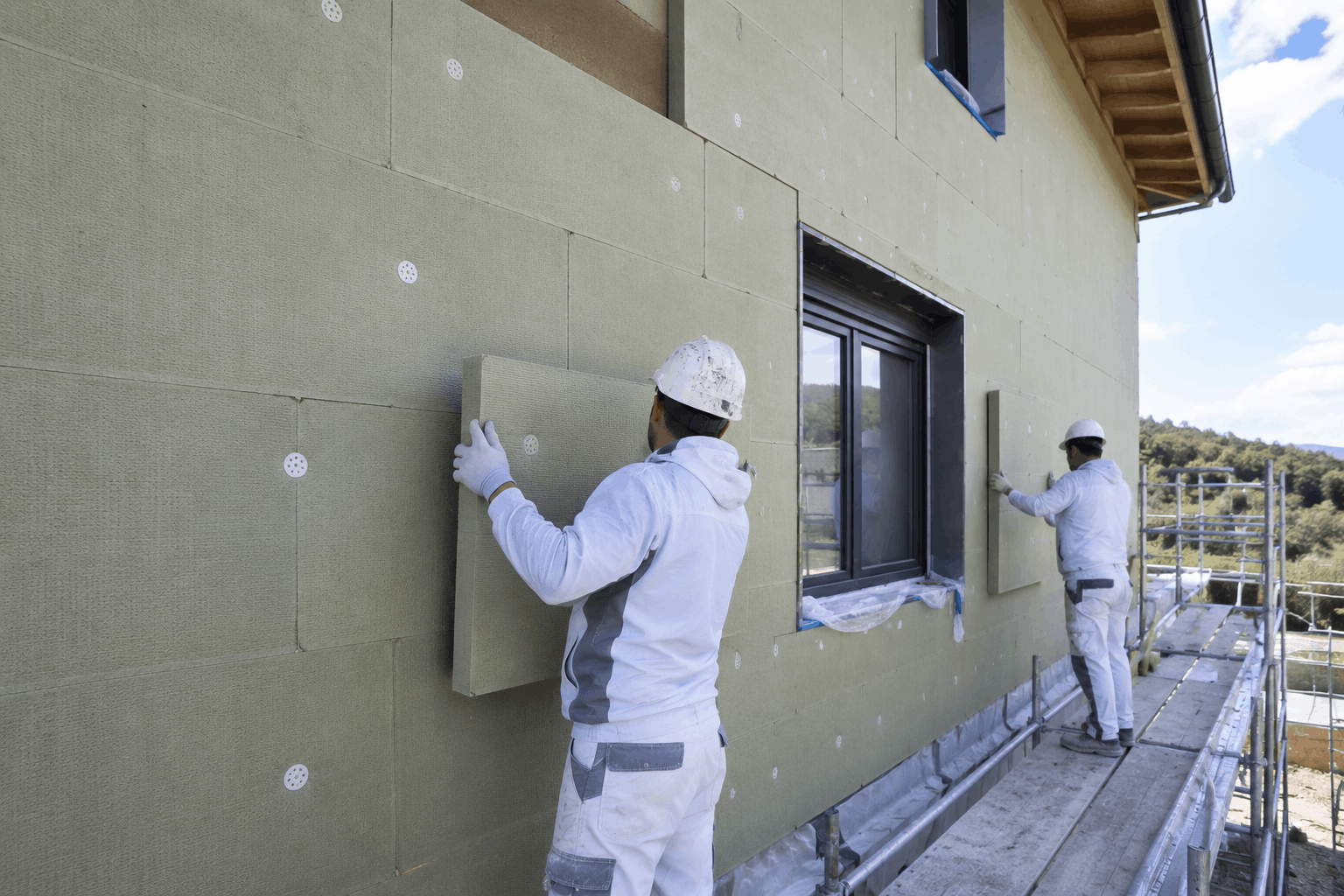
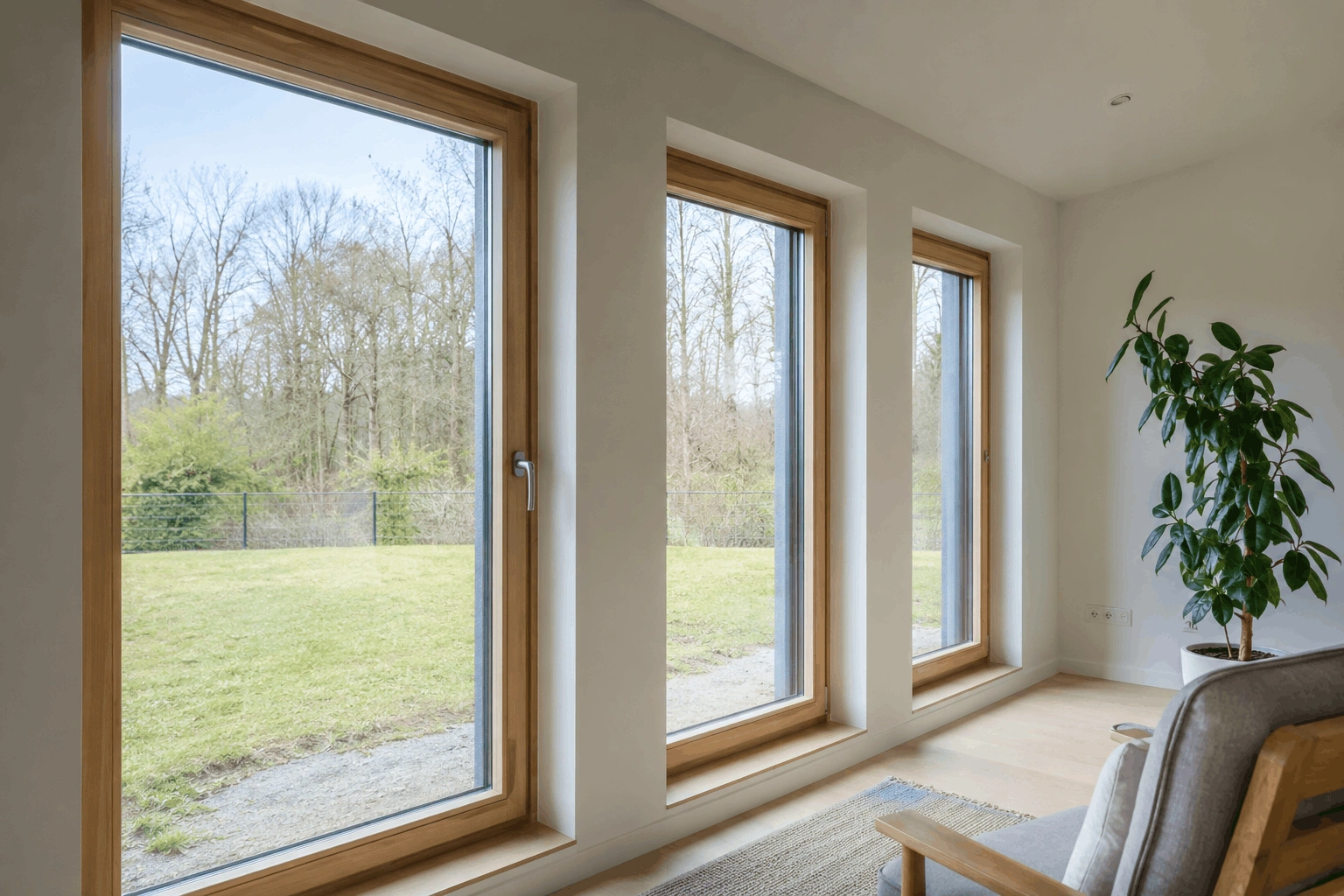
In a passive house design, this relationship is inverted. The building fabric – continuous insulation, triple-glazed windows and airtight construction – retains heat so effectively that the amount of additional heat needed to maintain comfort is tiny. The Passive House Standard requires that the annual heating demand of a certified home not exceed 15 kilowatt-hours per square metre of floor area per year. For context, a typical Australian home might use five to ten times that amount for heating alone.
When a building needs so little additional heat, the entire logic of the heating system changes. You don’t need a large, powerful system that runs constantly. You need a small, efficient system that adds a modest amount of heat when needed and does so quietly and without using too much energy.
The main heat sources in a passive house
Before any mechanical heating system comes into play, a passive house is already being heated by sources that a conventional home wastes or doesn’t use efficiently.
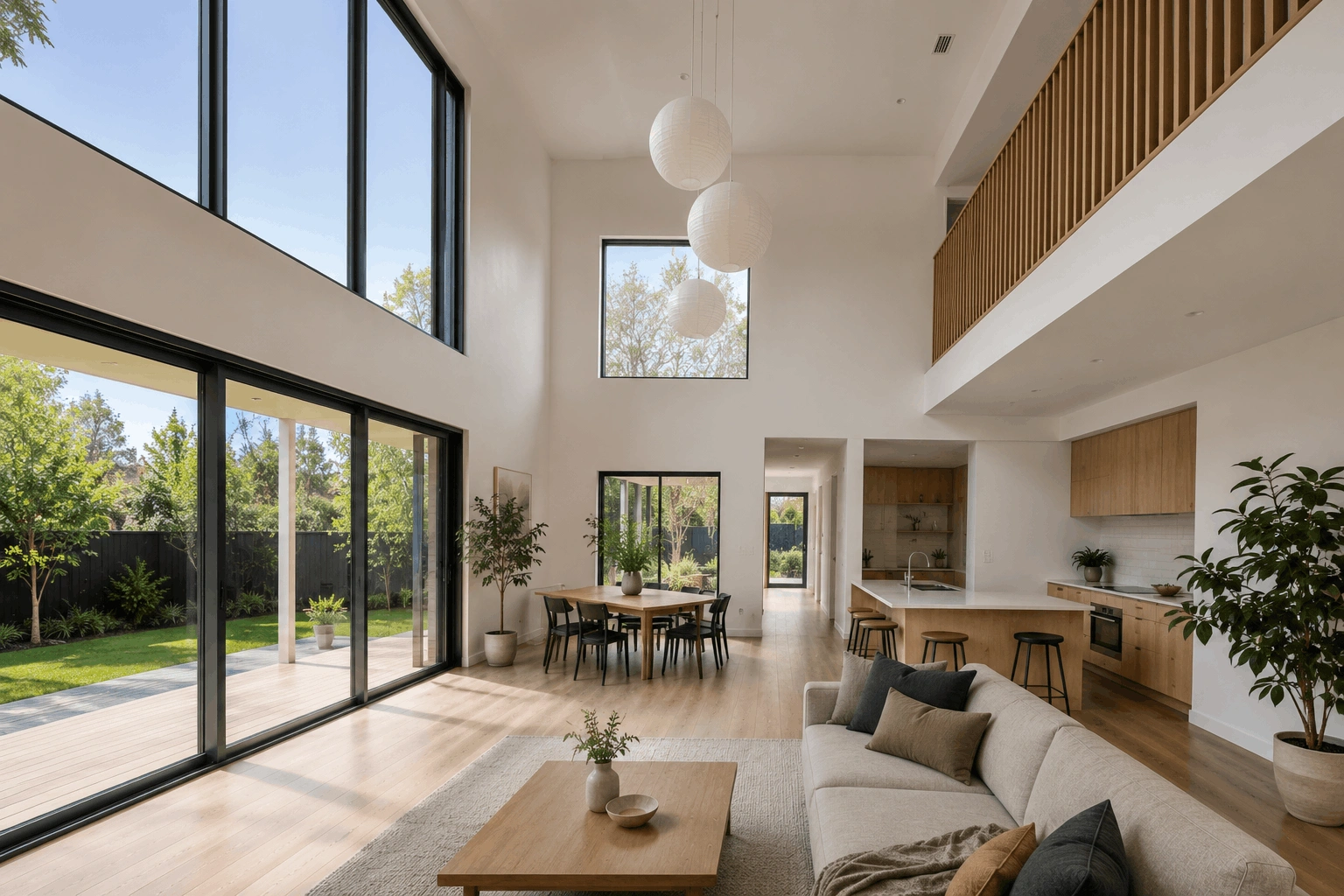
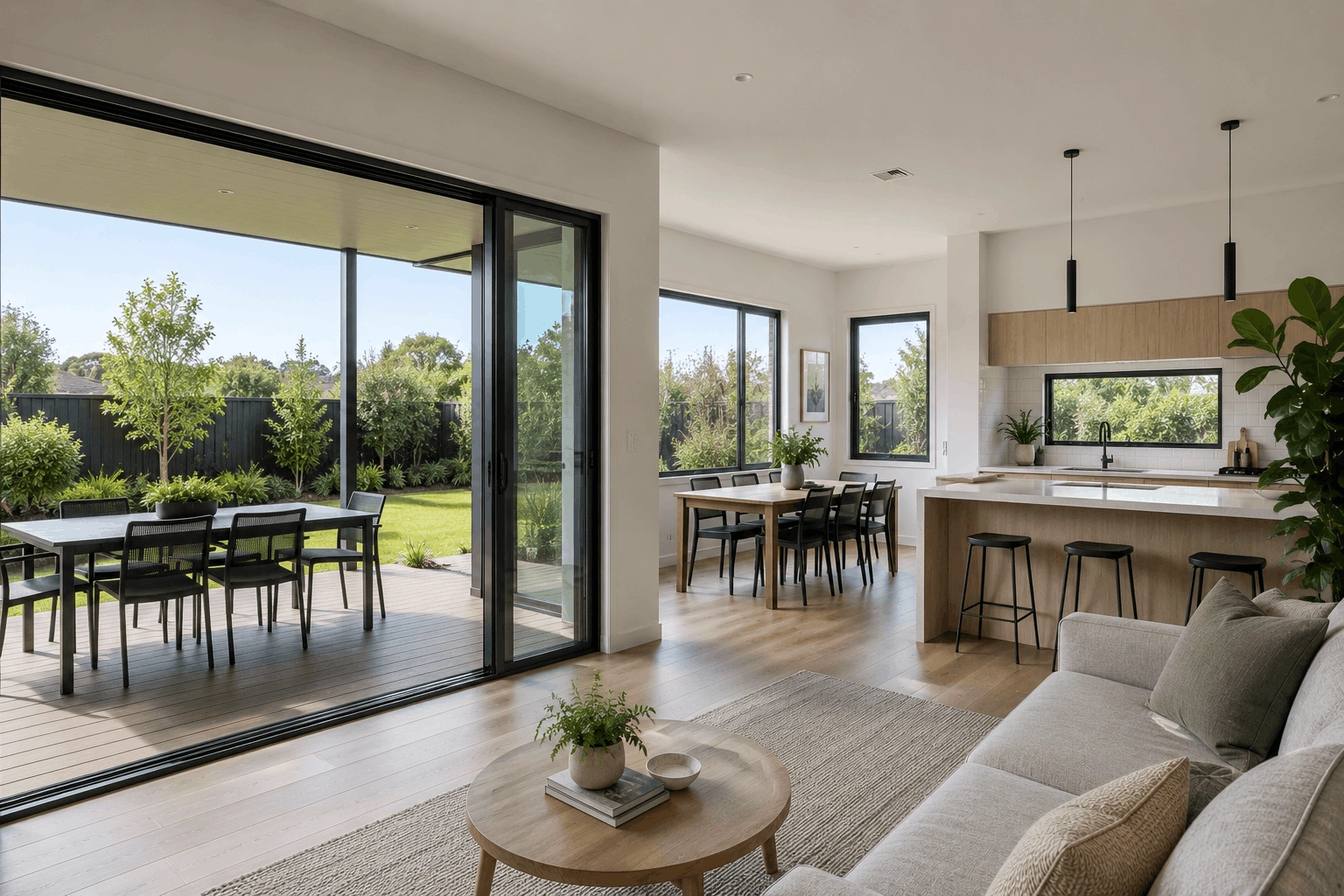
For instance, occupant body heat – the warmth generated by people simply living in the space – is retained rather than lost through the building fabric. Appliance and lighting heat, solar gain through north-facing windows on winter days and even the heat generated by cooking all contribute to keeping the home warm. In a passive house, these incidental heat sources are accounted for in the design process because in a building that loses so little heat, they will actually make a difference internally.
In many Australian climates, these passive heat sources combined with the envelope’s ability to retain them can be sufficient to maintain comfortable temperatures through all but the coldest periods of the year without any mechanical heating at all.
What mechanical heating looks like
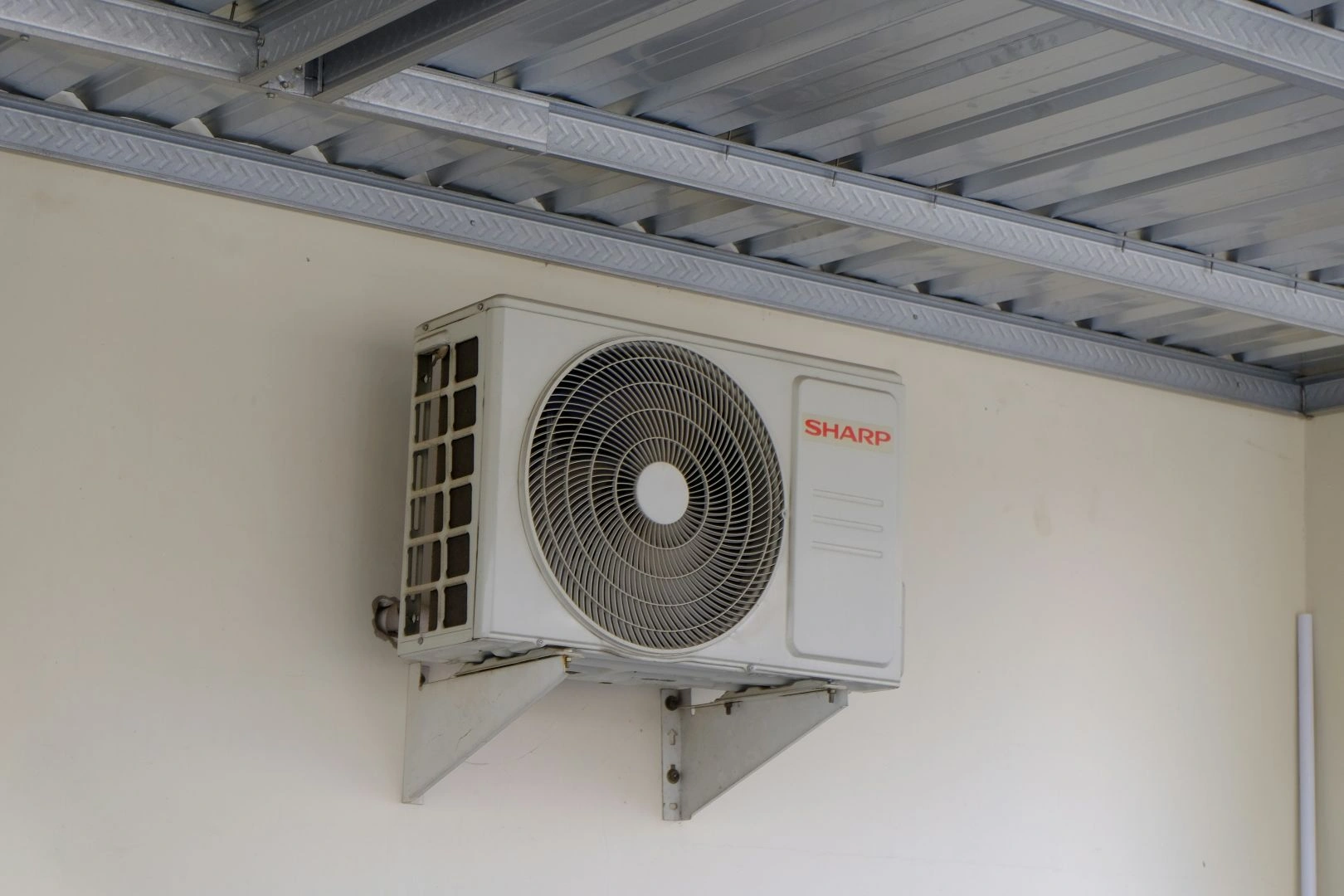
When mechanical heating is needed in a passive house, the system required is far smaller and simpler than in a conventional home. The most common approach in passive house designs in Australia is a small reverse cycle split system or a compact heat pump – sized for the actual heating demand of the building rather than the much larger demand of a conventional equivalent.
Because the heating demand is so low, some passive house designs deliver supplementary heat through the MVHR – the mechanical ventilation system that supplies filtered fresh air to the home continuously. A small heating element or heat pump coil warms the incoming air before it enters the living spaces, distributing gentle heat throughout the home via the existing duct network without the need for a separate heating system at all.
Not every passive house design in Australia uses this approach. In colder climates like Canberra, alpine Victoria and the southern tablelands, a dedicated heating system separate from the MVHR is more common, providing more precise control and greater heating capacity for the coldest days of the year.
The role of thermal mass
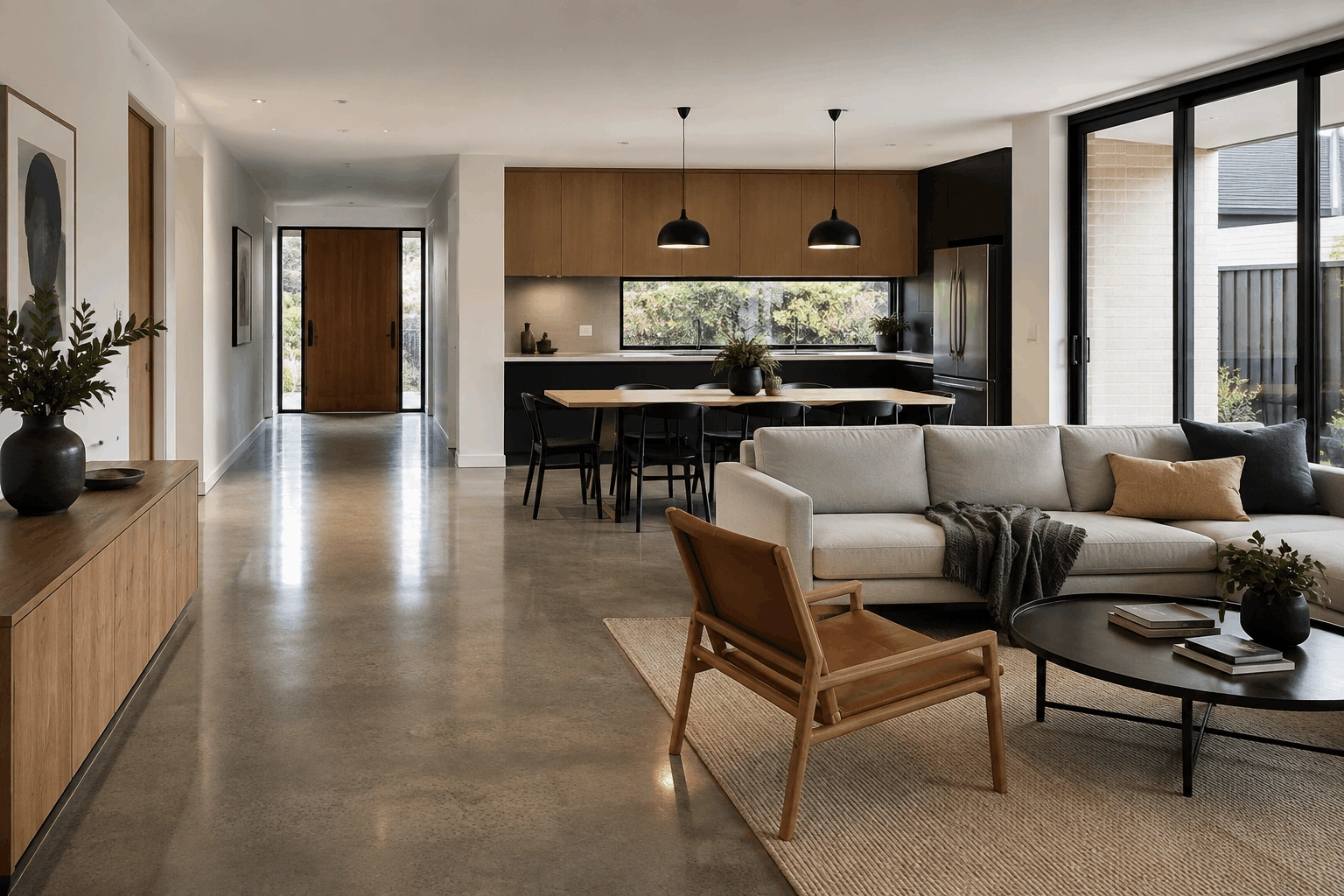
Thermal mass – dense materials like concrete, brick or tile that absorb and store heat – plays a useful role in passive house design for winter comfort, particularly in climates with cold nights and sunny days. Solar gain through north-facing windows during the day is absorbed by thermal mass elements in the floor or walls, then released slowly through the evening as external temperatures drop.
In a passive house, thermal mass works in partnership with the insulated envelope rather than as a substitute for it. The envelope prevents the stored heat from escaping too quickly, extending the period over which it contributes to indoor comfort. Passive house builders in Australia who understand the relationship between thermal mass and the building envelope can use this combination very effectively in the right climate.
What you won't find in a passive house
Gas heating – central ducted gas systems, gas wall furnaces or gas log fires – is largely absent from passive house designs in Australia. Rising gas prices, carbon emissions and the fact that a passive house simply doesn’t need much heat make gas a poor fit for passive house design.
Oversized heating systems of any kind are also unnecessary. A common mistake in conventional construction is installing heating systems significantly larger than the building’s actual demand – a habit born from designing for leaky, poorly insulated buildings. In a passive house design, the energy modelling done before construction begins tells the designer exactly how much heat the building needs. This means the heating system can be sized precisely for the actual demand rather than padded with capacity the building will never use.