What to do when your passive house needs a tradie
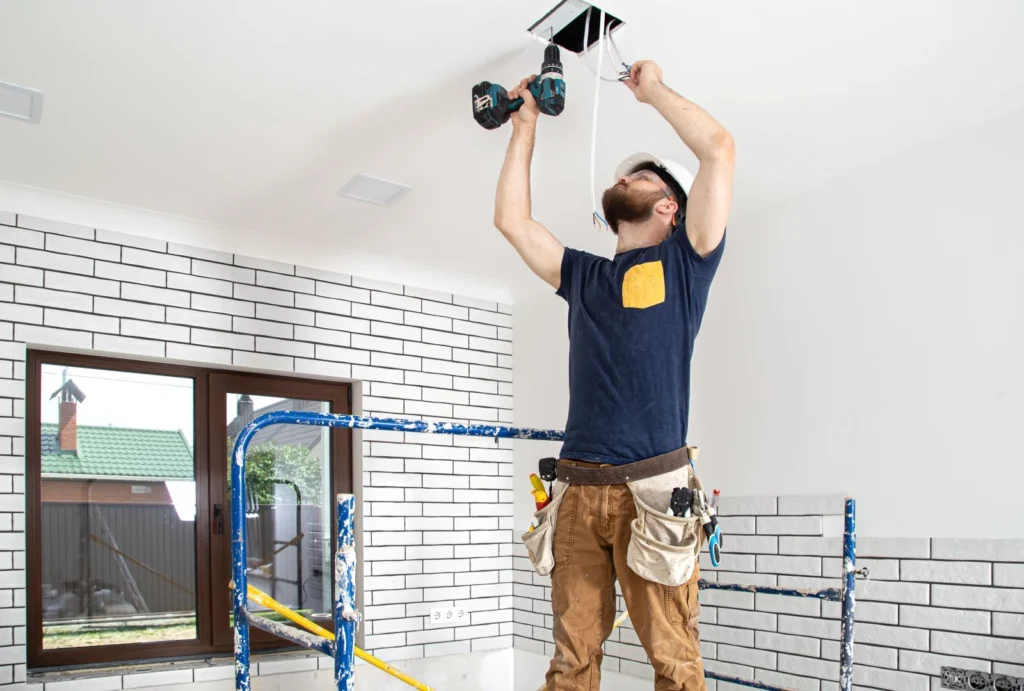
Moving into a passive house is the beginning of lower energy bills, more comfort and fewer maintenance requirements. But the moment something needs fixing, you may encounter a problem that passive house owners discover only when they’re standing in front of a tradie who has never heard the term ‘airtightness membrane’.
This isn’t a reflection on the quality of Australian tradespeople. It’s a reflection on where passive house design is in Australia. The pool of electricians, plumbers and builders who have worked on passive house designs is small, geographically concentrated and not always easy to find. Knowing how to navigate that reality is one of the more practical skills a passive house owner can develop.Why it matters more than in a conventional home
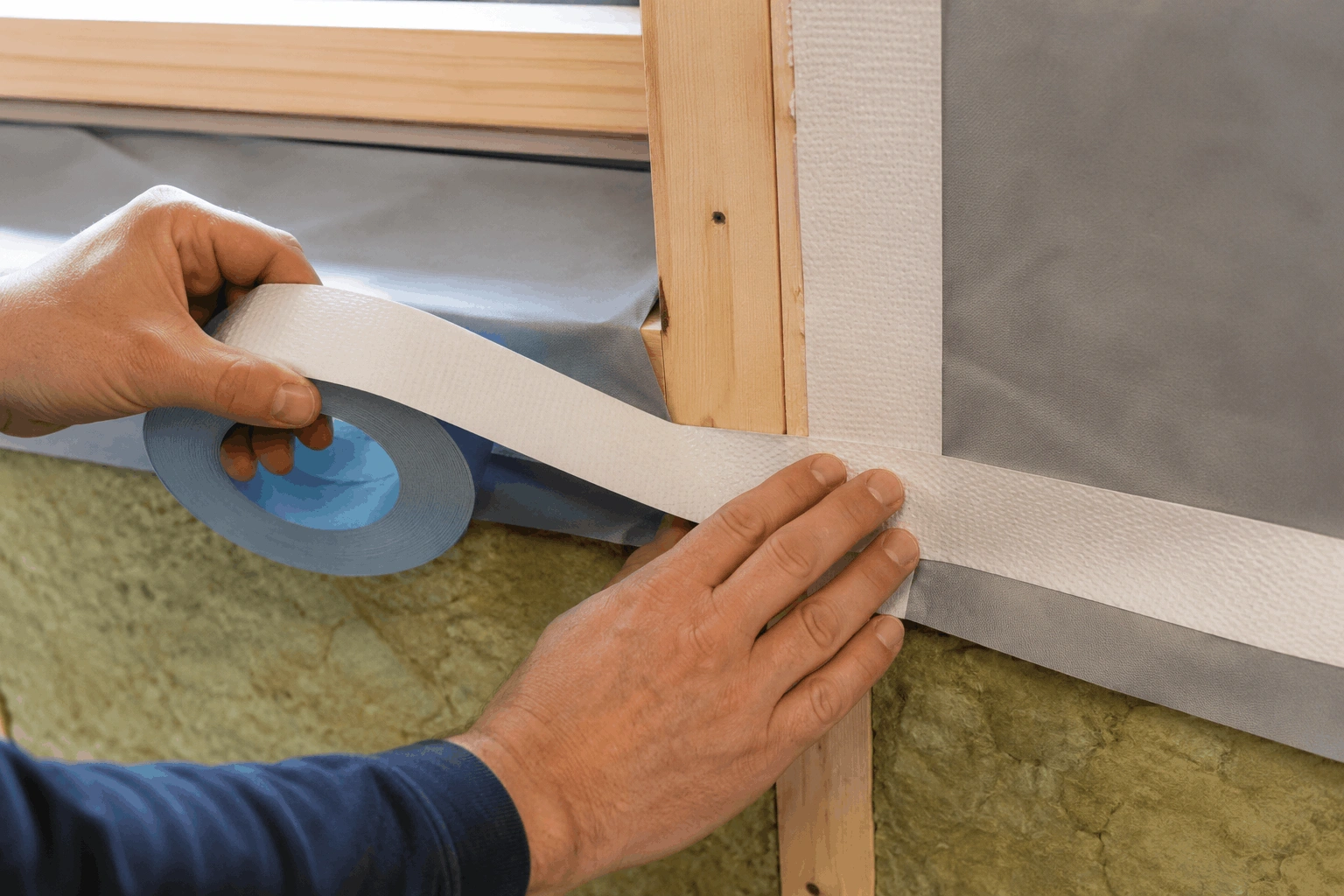
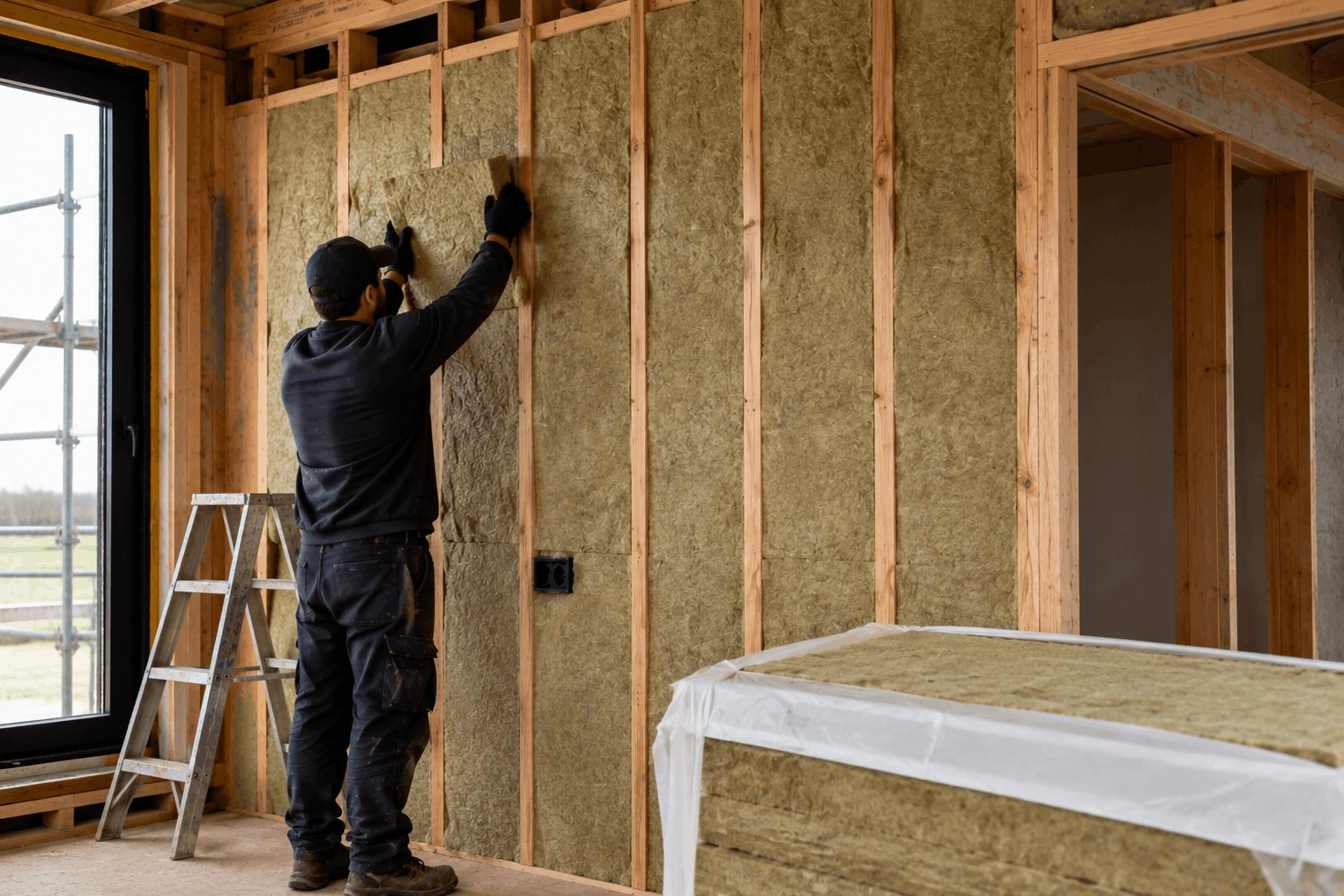
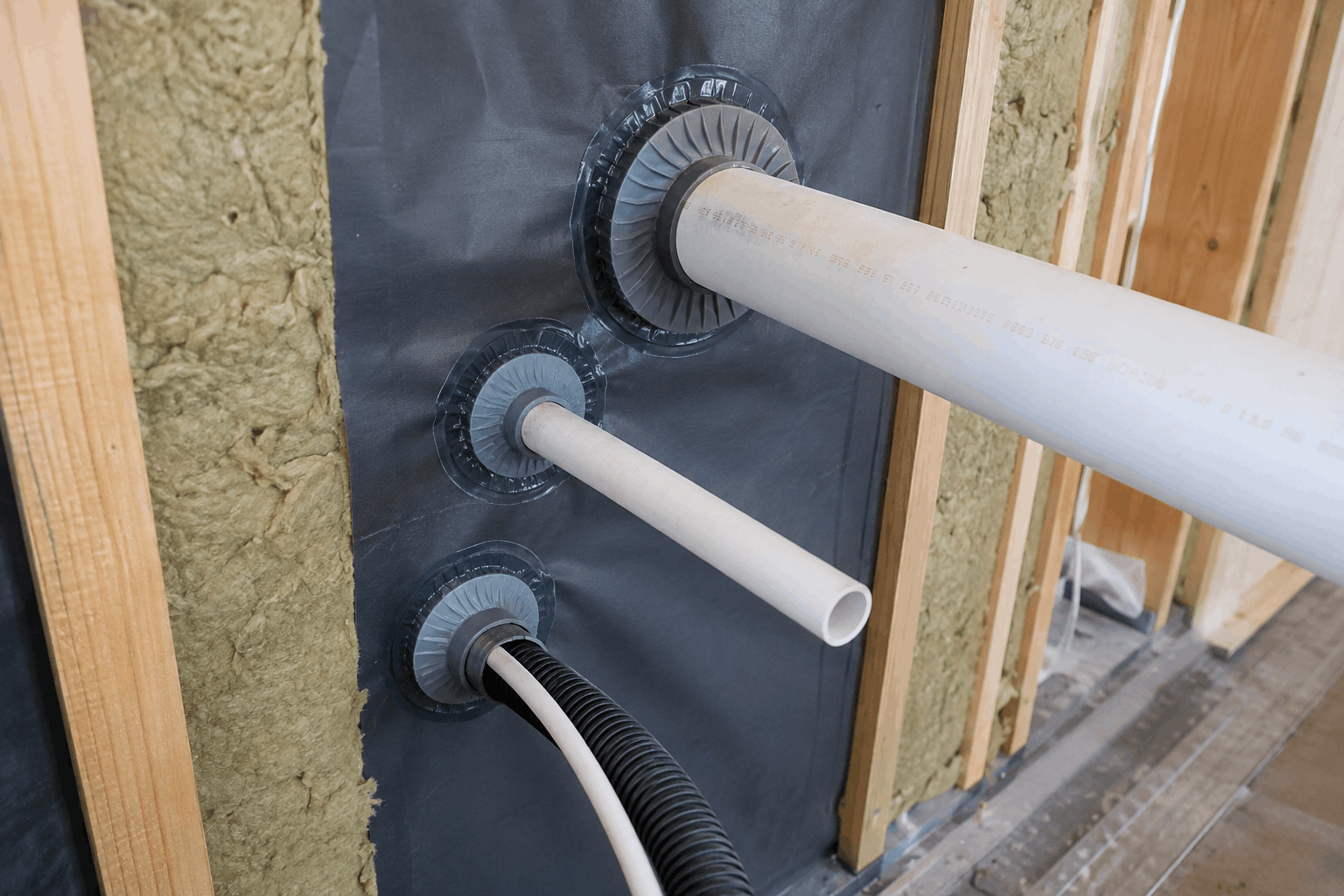
In a conventional home, a tradie drilling through a wall to run a new cable or pipe is a routine job with routine consequences. In a passive house design, the same job involves penetrating an airtight membrane that took considerable care to install correctly. If it is damaged or poorly reinstated, it can compromise the airtightness performance that the whole building depends on.
The mechanical ventilation with heat recovery (MVHR) system presents a similar issue. A plumber or builder unfamiliar with heat recovery ventilation who interferes with duct runs, blocks supply or extract points or modifies the system without understanding how it’s balanced can undermine the ventilation performance of the home in ways that affect both air quality and energy efficiency.Where the risk is high and where it isn't
Not every job in a passive house carries the same risk. It’s worth being clear about where tradie unfamiliarity with passive house design actually matters, and where it doesn’t.
High risk
Lower risk
Briefing a tradie who isn't a passive house expert
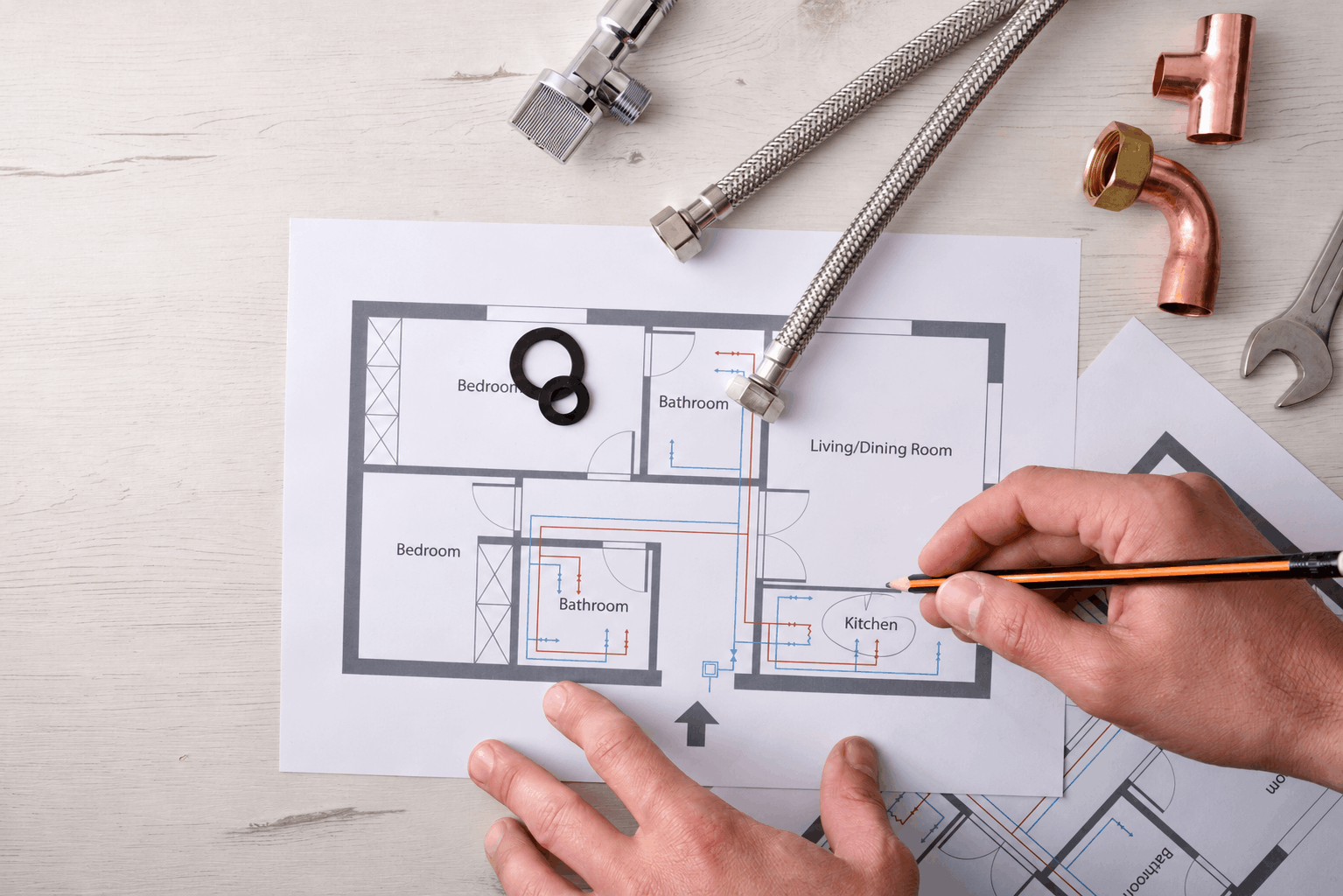
In most parts of Australia, finding a tradie with direct passive house experience is difficult. The most important thing you can give any tradie working on your passive house design is your building documentation. Your builder should have left you a set of as-built drawings that include the airtightness layer, showing exactly where the membrane runs, where penetrations have been made and how they were sealed. If you have this documentation, show it to any tradie before work begins. If you don’t have it, contact your passive house builder and ask for it. It is documentation you’re entitled to and that you’ll need for the life of the building.
Beyond documentation, the key briefing points for any tradie working near the building envelope are straightforward: don’t cut through membranes without discussing it first, seal any penetrations with appropriate airtightness tape or sealant rather than standard building foam, and flag anything unexpected rather than improvising a solution.
Finding trades with passive house experience
When the work is significant enough to warrant finding a tradie with genuine passive house experience, there are a few practical avenues worth pursuing.
The first and most reliable is your original builder. The passive house builders in Australia who constructed your home will have worked with electricians, plumbers and other trades who understand the requirements. Even if those trades aren’t in your immediate area, they may be willing to travel for significant jobs or be able to recommend someone local who has received a similar briefing.
Passive House Australia maintains a network of certified builders, designers and practitioners that you can check. While it doesn’t comprehensively list all trades, the practitioners in that network often have relationships with trades they’ve worked with and trust on passive house designs in Australia.
Online communities of passive house owners are another practical source of local recommendations. People who have navigated the same problem in your area are often the most useful source of specific, tested referrals.
Finally, some building certifiers and passive house designers in Australia maintain informal lists of trades they’ve worked with successfully. It’s worth contacting your certifier or designer and asking directly, even years after your home was completed, that relationship can be a useful resource.
Keeping records of work done
Every time work is done on the building envelope of your passive house, keep a record of it, including what was done, who did it, what sealing products were used and where the penetration is located. This record has two values: it helps future tradies understand what’s already been done, and it provides a baseline if you ever commission a blower door test to check whether the home’s airtightness has degraded over time.
A blower door test every five to ten years is a reasonable maintenance investment for a passive house design in Australia – not because problems are expected, but because it gives you objective data about whether the envelope is performing as it should. If the result has degraded significantly from the original test, the records of work done on the envelope will help identify where the issue might lie.