Passive house design for homes with home gyms or saunas

Passive house design for homes with home gyms or saunas

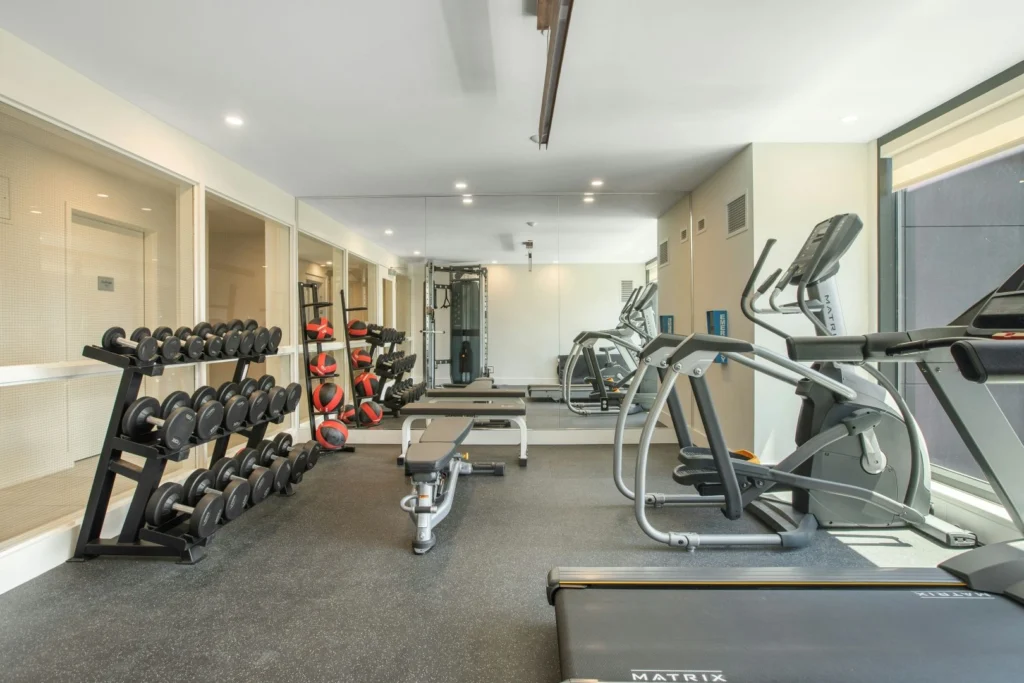
Home gyms and saunas are becoming common additions to Australian homes. Both offer lifestyle and wellbeing benefits without the cost or inconvenience of a commercial membership.

But both also present a specific challenge for passive house design: they generate significant heat and moisture in concentrated bursts, which is exactly the kind of load that a tightly sealed, highly insulated building needs to be designed to handle.

The good news is that passive house designs are well-suited to managing these loads – often better than conventional construction – provided the design accounts for them from the start.

Why are these spaces different?

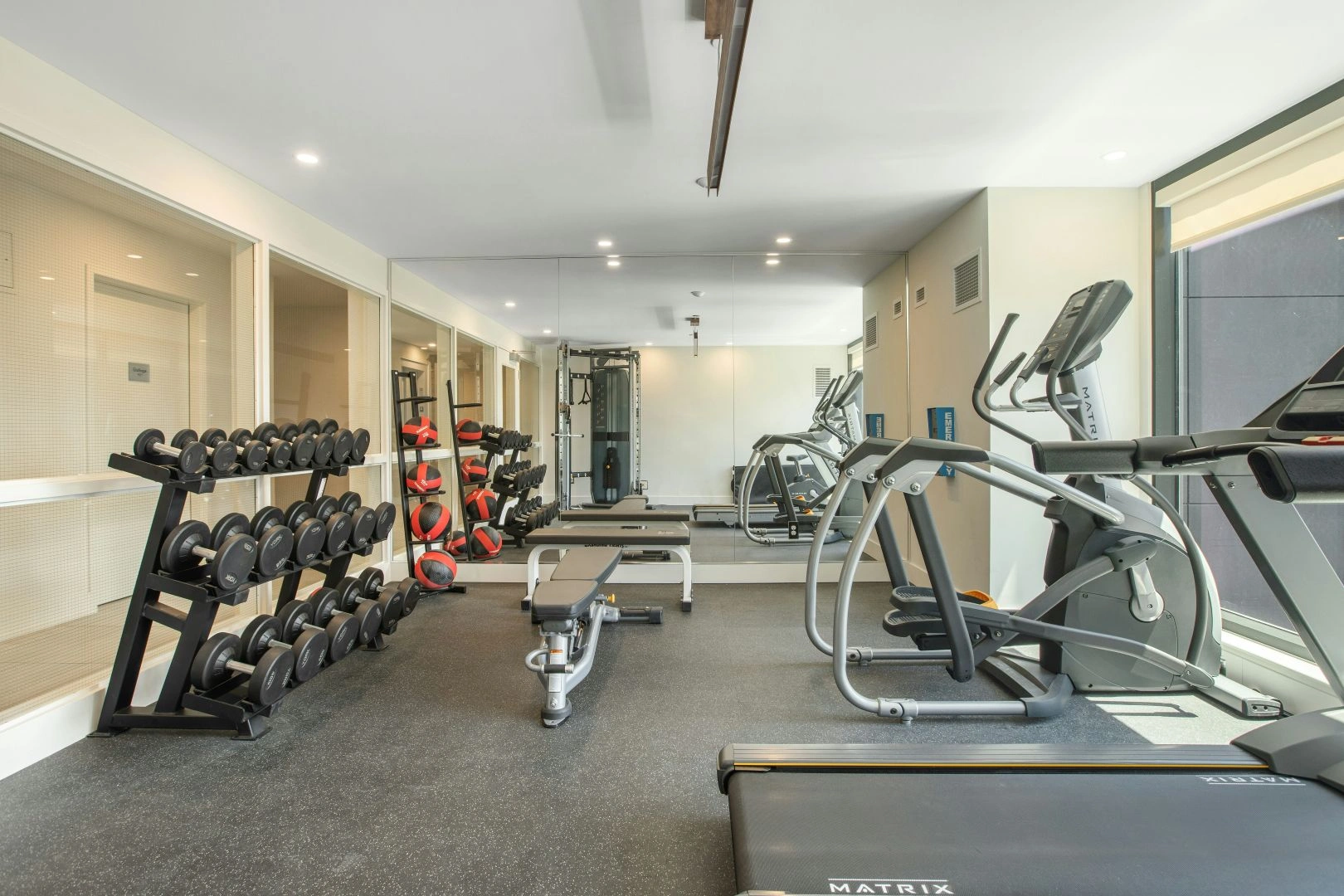
Most rooms in a home generate relatively modest and predictable heat and moisture loads. A home gym or sauna is different. A home gym session can generate substantial body heat and humidity from sweat over a relatively short period – similar in some respects to having several extra occupants in the room for an hour. A sauna, by definition, operates at extreme temperatures with high humidity in the case of a steam or wet sauna, or very low humidity but extreme dry heat in the case of a traditional Finnish sauna.
In a conventional home, these loads are usually dealt with by the building’s natural leakiness. Heat and moisture escape through gaps, cracks and inadequate insulation, diluting into the rest of the house and eventually to the outside. It’s not an efficient solution, but it does mean the loads don’t accumulate.
In a passive house design, that natural leakage doesn’t exist. The airtight envelope that makes the rest of the home so efficient means that heat and moisture generated in a home gym or sauna need a deliberate pathway out of the building, rather than relying on the building’s imperfections to provide one.

Ventilation strategy for home gyms

A gym in a passive house in Australia needs to be considered as part of the overall ventilation strategy from the outset. The mechanical ventilation with heat recovery system (MVHR) that supplies fresh air and extracts stale air throughout the home can be configured to extract more aggressively from the gym space – similar to how it handles bathrooms and kitchens, but potentially with a higher extract rate given the loads involved.
Some passive house designers in Australia specify a boost mode for the gym extract. This is a manual or automatic override that increases extraction during and immediately after a workout, then returns to normal once humidity and temperature levels have settled. This approach keeps the gym from becoming a source of excess humidity that migrates into the rest of the home, while avoiding the energy penalty of running the entire ventilation system at boost speed continuously.
The location of the gym within the floor plan is also important. A home gym positioned away from bedrooms and quiet living areas, and ideally with its own zoned extract, is easier to manage than one integrated into the centre of an open-plan living space, where heat and moisture have more opportunity to spread before being extracted.

Saunas and the building envelope

A sauna is a bigger design challenge than a home gym, because the temperatures involved are so much higher than anything else in the home. Saunas are also, by design, intended to retain heat rather than let it escape.
In most cases, the most practical approach in passive house design is to treat the sauna as a separate, enclosed pod within the building – effectively its own small building envelope within the larger one. This means the sauna structure itself is insulated to retain the heat it generates, while the surrounding spaces of the passive house are protected from that heat by the sauna’s own enclosure rather than relying on the home’s overall envelope to absorb it.
This approach also simplifies the airtightness detailing considerably. Rather than trying to integrate a high heat source into the home’s airtight layer, the sauna sits within it as a contained unit – much like a fridge or a piece of equipment, rather than a room that needs to be thermally integrated with the rest of the house.

Ventilation for a sauna needs careful thought, regardless of type. A traditional dry sauna needs a small, controlled fresh air supply and an exhaust point to maintain air quality during use. But this needs to be separate from, and not interfere with, the home’s main MVHR system, which isn’t designed to handle sauna-level temperatures. A steam sauna generates substantial moisture that needs to be extracted directly to the outside, again independently of the main ventilation system.

Moisture management

Both home gyms and saunas introduce additional considerations around moisture management in a passive house design. The vapour control layer and the wall, floor and ceiling assemblies around these spaces need to be detailed for higher humidity loads than a standard living area would experience.
For a sauna in particular, the materials used in its construction – typically timber lining inside the pod – need to be able to handle repeated cycles of heating, humidity and drying without degrading. This is established practice in sauna construction generally, but it needs to be coordinated with the passive house vapour control strategy for the surrounding building to ensure moisture from the sauna doesn’t migrate into the building’s insulation or structure.

Energy implications

A sauna is a significant energy consumer. Heating a small enclosed space to very high temperatures and maintaining them for the duration of use requires power input, regardless of how well-insulated the rest of the home is. This should be factored into the overall energy budget for the home, particularly if the passive house is paired with rooftop solar and the sauna is used in the evening when solar generation isn’t available.
The energy used by a home gym is generally much lower – primarily lighting, any climate control and equipment such as treadmills. The main energy consideration for a home gym in passive house design is less about the gym itself and more about the additional ventilation load discussed above.

Frequently Asked Questions

Get In Touch