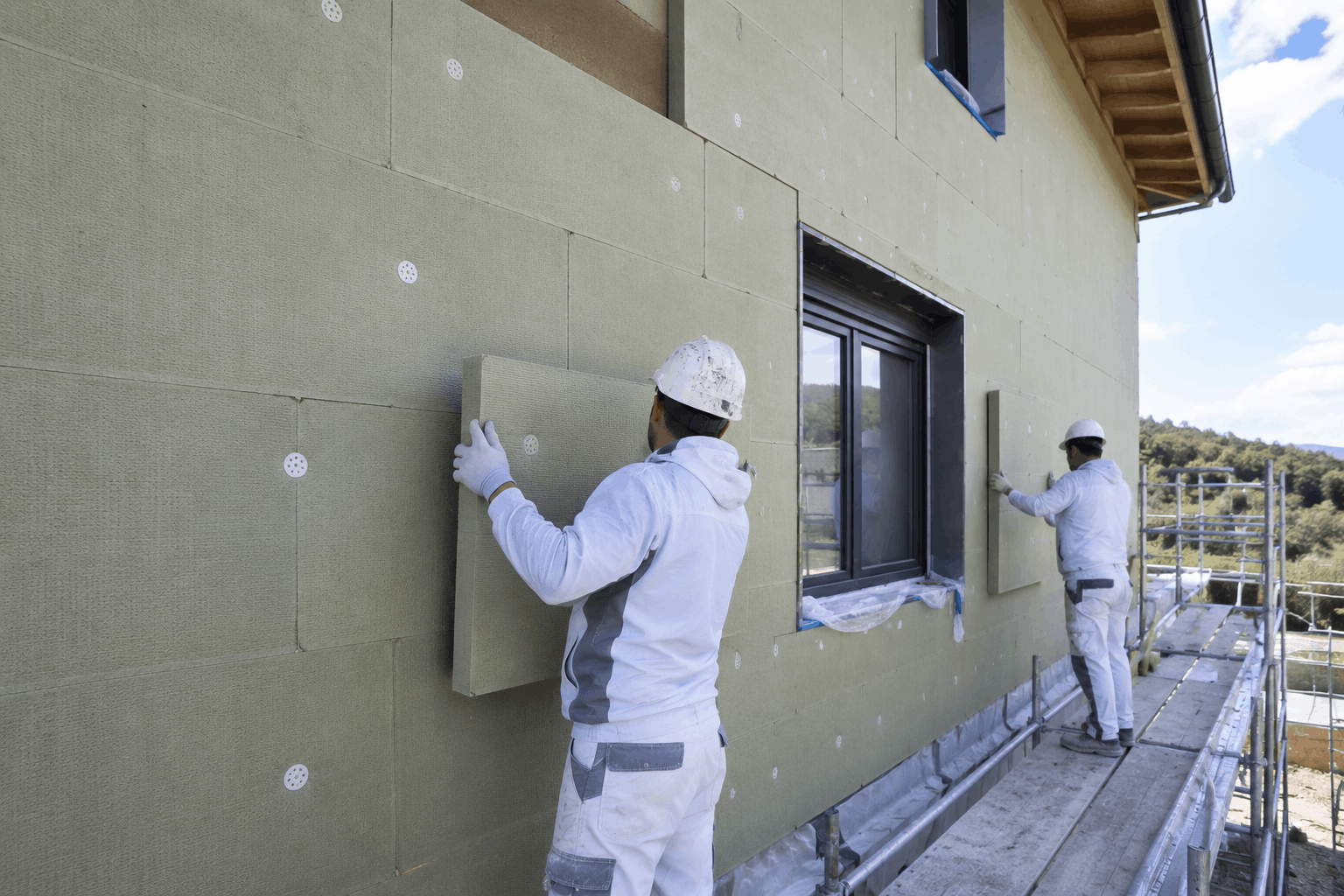
Understanding the difference between EnerPHit and Passive House Standard
If you've been researching passive house design for an existing home rather than a new
build, you've probably encountered the term EnerPHit. It appears alongside the Passive
House Standard in certification, and it's easy to assume it's simply a lesser version of the
same thing.
But EnerPHit is a distinct standard developed for a different type of build, and understanding the difference is essential for anyone considering a deep retrofit of an existing home.
Why are there two standards?
The Passive House Standard was developed for new construction. When you build from
scratch, every element of the building envelope is under your control, including wall
thickness, insulation specification, window performance and airtightness detailing. A
competent design team working with a capable passive house builder can achieve the
Passive House Standard's demanding performance criteria because there are no pre-
existing constraints to work around.
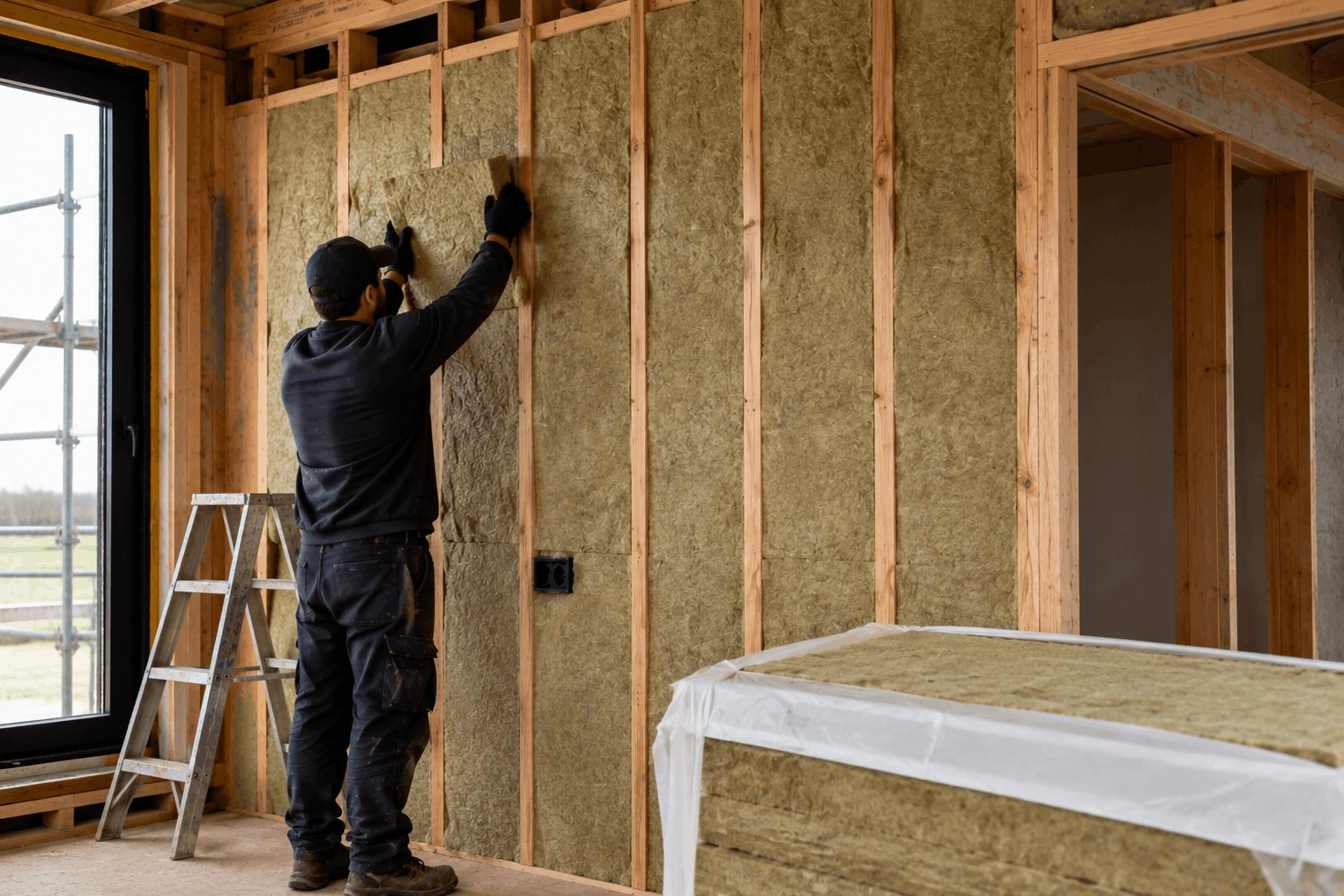
Retrofitting an existing home is a different process entirely. The building structure is fixed
and the floor plan is determined. The ceiling height, the wall thickness available for insulation, the window openings, the foundation – all of these impose constraints that a new build doesn't face. Requiring a retrofit project to meet the same performance criteria as anew build would make certification almost unachievable for most existing homes, however
well-intentioned the renovation.
EnerPHit – developed by the Passive House Institute specifically for retrofit projects – acknowledges this challenge. It sets demanding performance targets that are achievable within the constraints of an existing building, while maintaining the rigorous methodology and verification process that makes passive house certification so valuable.
The key performance differences
The most significant differences between EnerPHit and the Passive House Standard are in
the heating and cooling demand criteria.
The Passive House Standard requires a specific heating demand of no more than 15
kilowatt-hours per square metre of treated floor area per year. This threshold reflects what's
achievable when a passive house in Australia is designed from the ground up with
performance as the primary objective.
EnerPHit allows a higher heating demand threshold of typically around 25 kilowatt-hours per
square metre per year, depending on climate. This difference recognises that existing
building structures impose constraints that make the tighter new-build threshold unrealistic to
achieve.
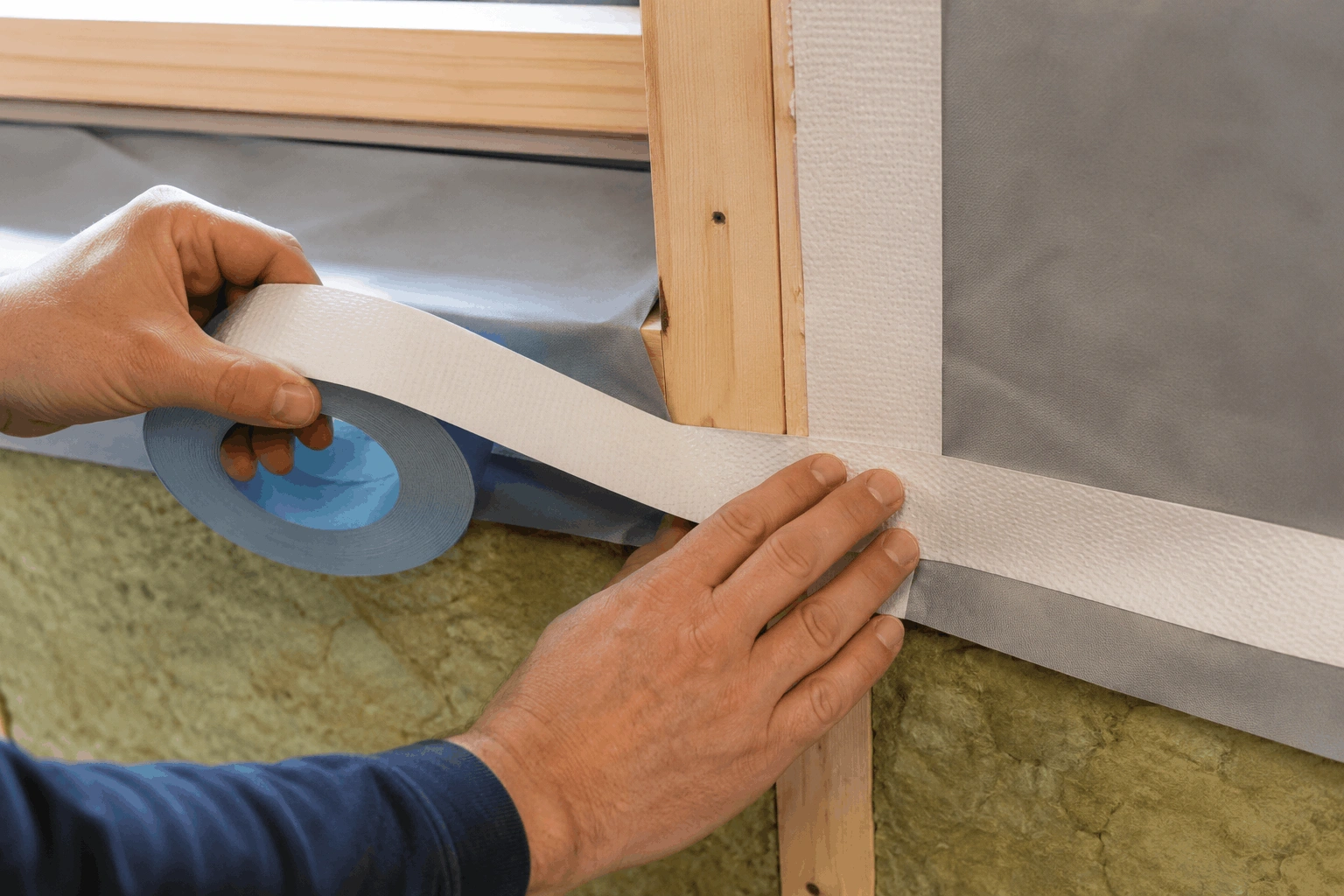
Airtightness requirements also differ. The Passive House Standard requires an airtightness
result of 0.6 air changes per hour at 50 pascals pressure. This is a very demanding target
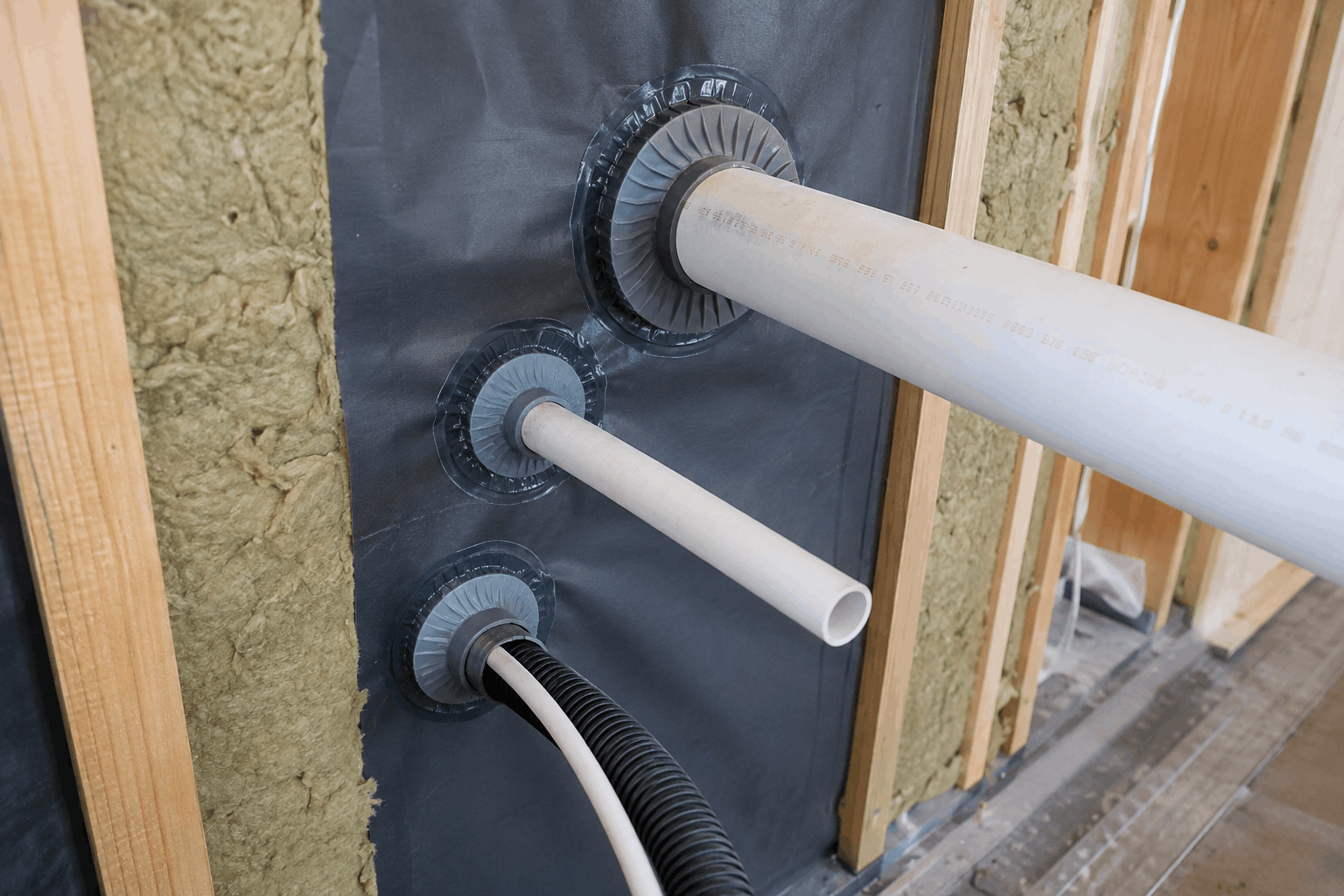
that requires careful detailing of every junction, penetration and connection in the building
envelope. EnerPHit allows a slightly less strict airtightness target of 1.0 air changes per hour
at 50 pascals, again reflecting the practical challenges of achieving continuous airtightness
in a building where the fabric is partially fixed and access to critical junctions may be limited.
The component-based pathway to certification
EnerPHit also offers something the standard Passive House certification doesn't: a
component based certification pathway. Rather than requiring the whole building to meet the
overall energy performance criteria in one project, the component pathway allows individual building elements like the walls, roof, floor and windows to be certified as meeting EnerPHit component standards independently.
This can be particularly valuable for staged retrofits, where a homeowner improves one
element of the building envelope at a time over a longer period, rather than undertaking a full
renovation in a single project.
Each element that meets EnerPHit component standards contributes to an overall
improvement in the building's performance, and the cumulative result of completing all
components eventually achieves full EnerPHit certification.
For homeowners who can't afford or don't want to undertake a whole-house retrofit in one go, the component pathway provides a structured and verifiable route to passive house
certification.
It has become more common for passive house designers in Australia working on retrofit
projects to use this path as it provides a financially manageable plan without sacrificing the
rigour of certified performance.
What do the certifications have in common?
Despite their differences, EnerPHit and the Passive House Standard share the same basic
methodology. Both:
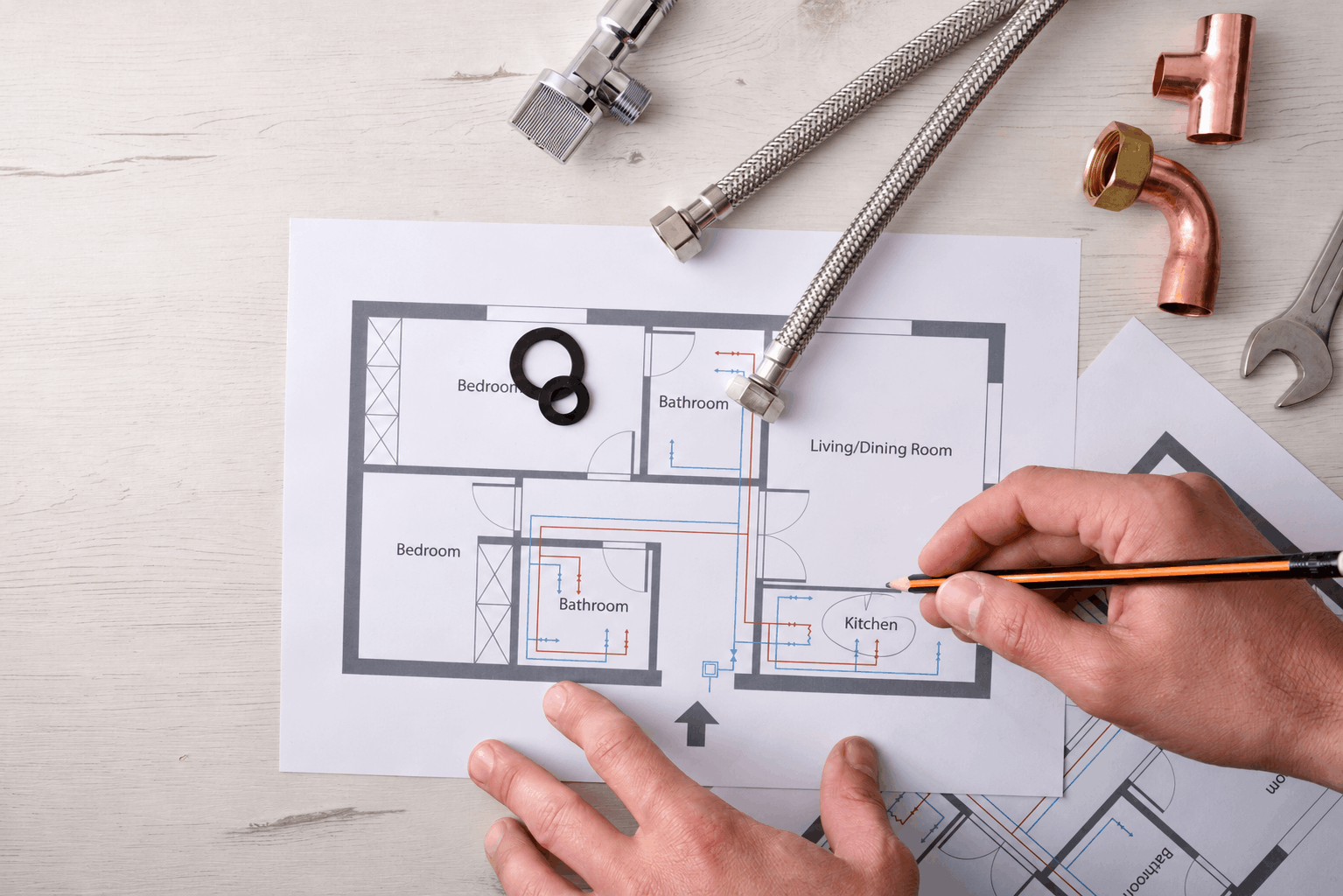
- Use PHPP to model the building's performance before and after the retrofit. That is the energy modelling software developed by the Passive House Institute.
- Require a blower door test to verify airtightness.
- Are assessed and certified by an accredited certifier
- Produce independently verified performance credentials.
This shared methodology is what makes EnerPHit as valuable as the Passive House Standard.
Frequently Asked Questions
The Passive House Standard is designed for new construction, while EnerPHit is designed
for retrofitting existing homes. Both use the same methodology and are certified by the same
institute, but the performance thresholds differ.
In principle, yes, though feasibility depends on the building's structure, orientation and
climate zone. Some homes present greater challenges. The starting point is an assessment
by an experienced passive house designer who can model the existing building and identify
what's needed to reach certification.
No. EnerPHit offers a component-based certification pathway that allows individual elements of the building envelope to be upgraded independently, each to the EnerPHit component
standard. Each stage delivers a verified performance improvement, and completing all components over time achieves full certification.