Why passive house isn’t yet mainstream in Australia
The industry hasn't had to change
Consumer awareness has been low
Most Australians planning a new home have never encountered the term passive house. They know what a pool costs, what a kitchen renovation costs and roughly what a standard new build costs per square metre. They don’t know what a blower door test is, what a U-value means or why the difference between 100mm and 200mm of wall insulation matters to their comfort and energy bills.
That awareness gap is not their fault. It reflects the fact that building performance has never been a prominent part of the public conversation about housing in Australia in the way that it has in many parts of Europe.
When performance doesn’t feature in the conversation, it doesn’t feature in the brief. And when it doesn’t feature in the brief, builders have no incentive to invest in the skills and systems needed to deliver it.
The supply chain and skills gap
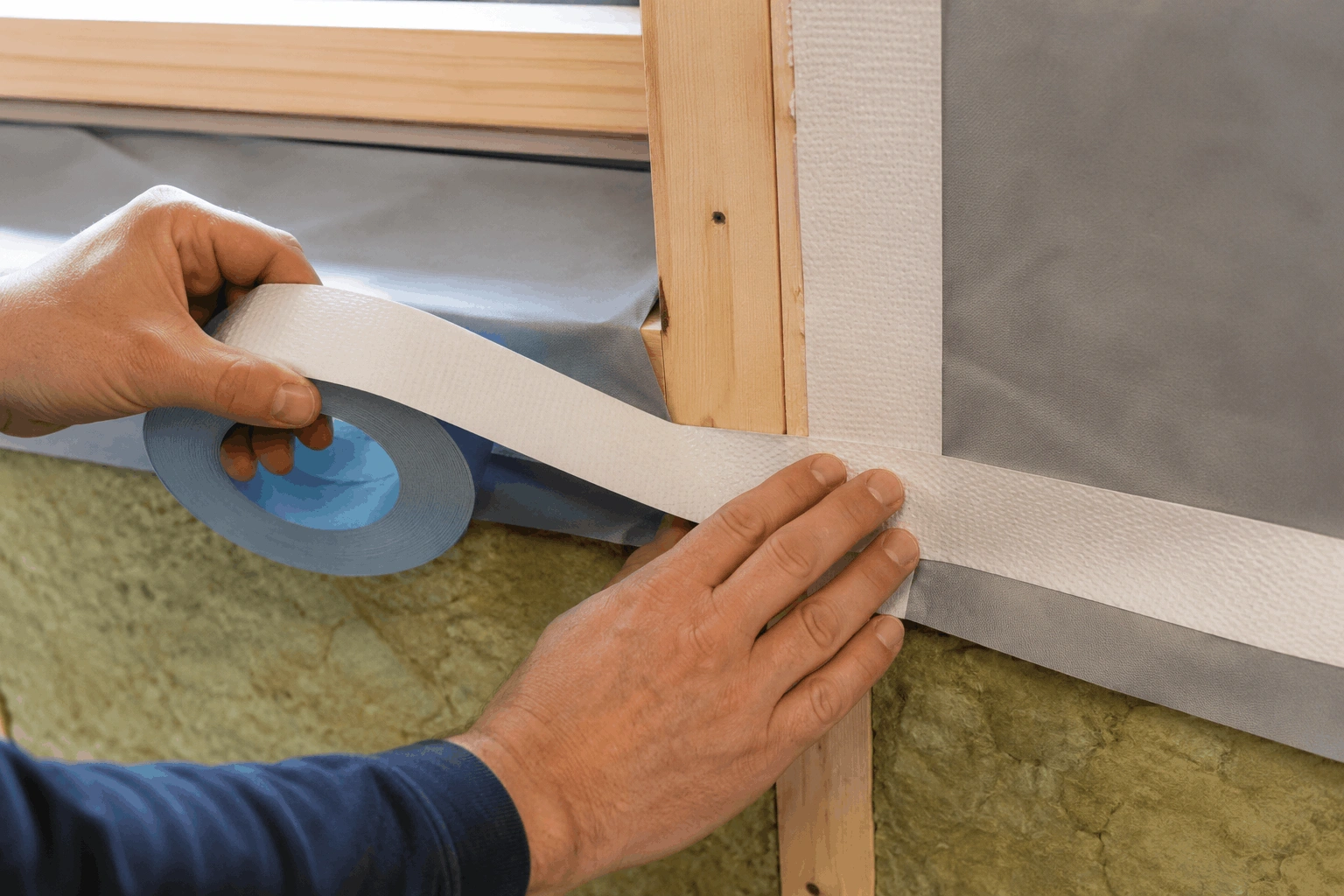
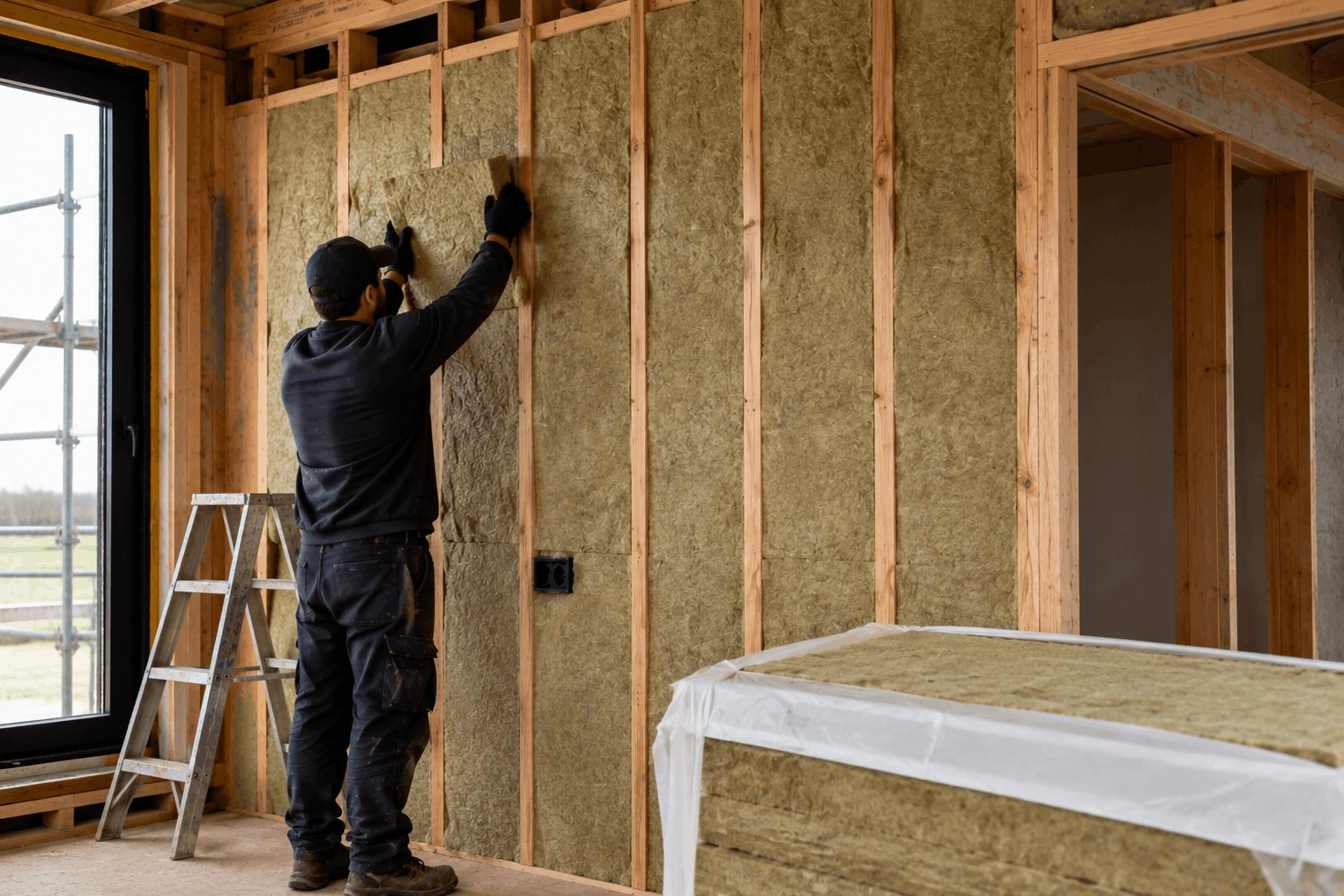
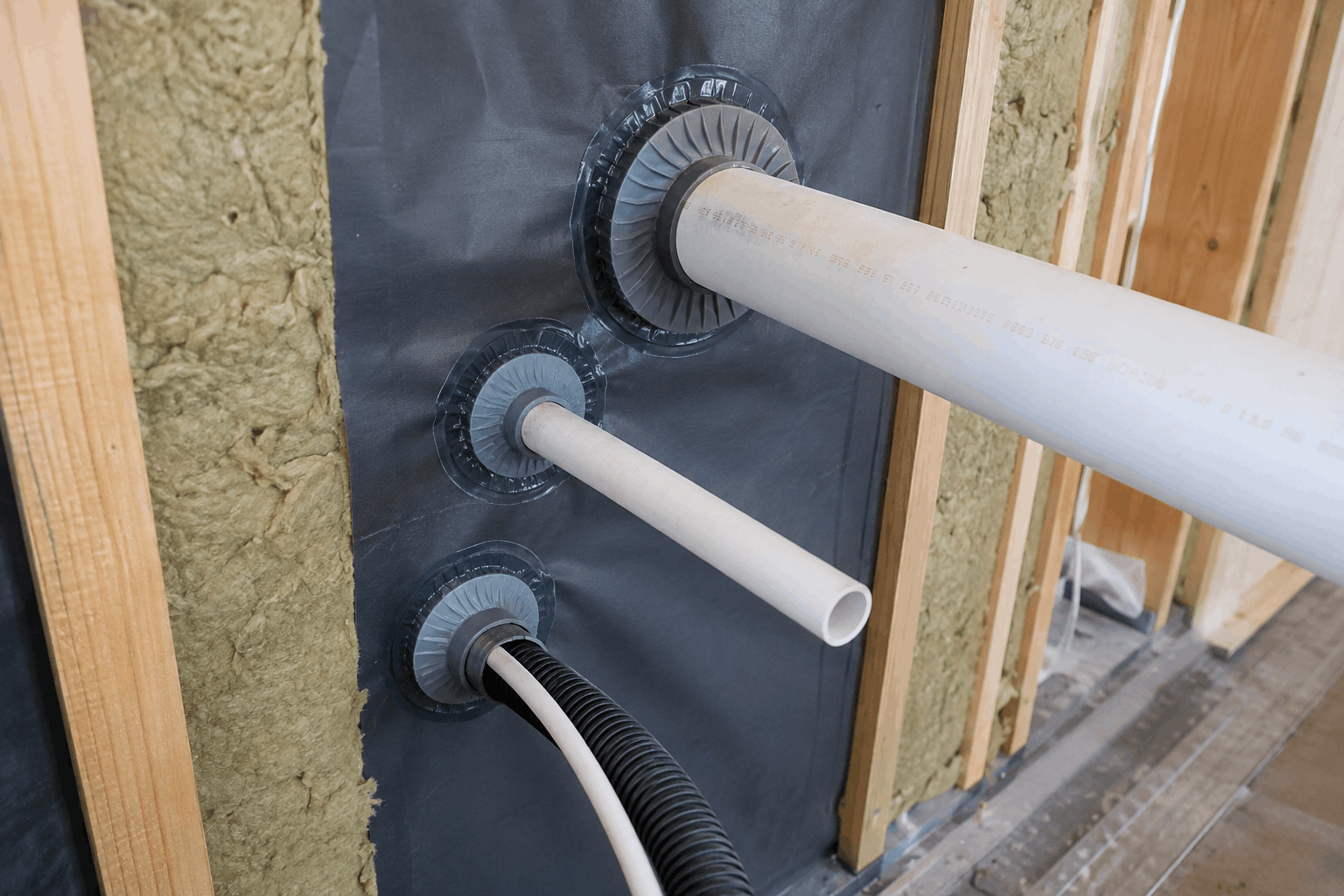
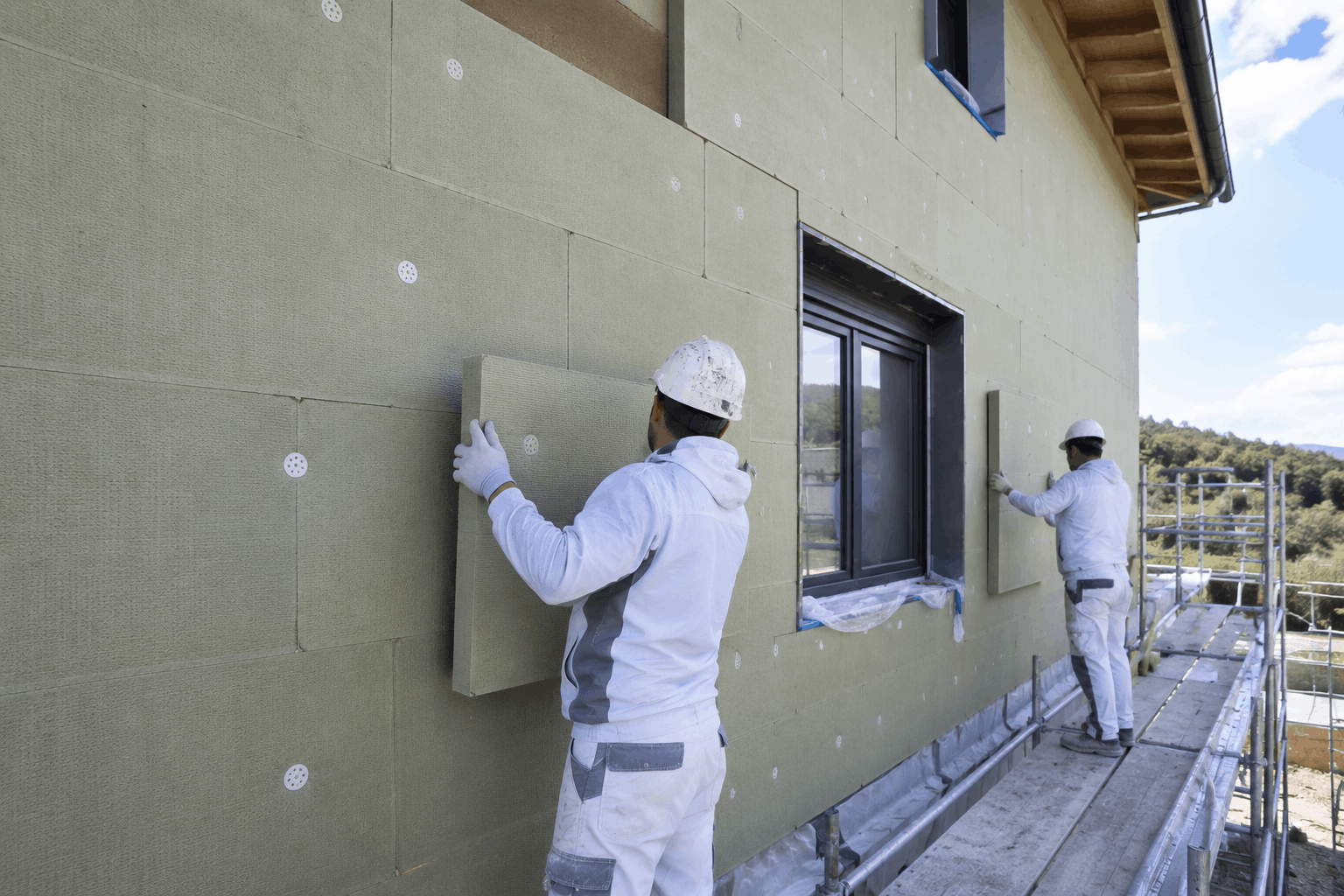
Passive house design requires a construction industry that knows how to build to the passive house standard. That means builders who understand airtightness, trades who know how to work around an airtight membrane without compromising it, window suppliers who stock products that meet passive house performance requirements and certifiers who can verify that the finished building performs as designed.
Australia has all of these, but not at scale. The pool of experienced passive house builders in Australia is growing, but is small relative to the size of the construction market. Training takes time.
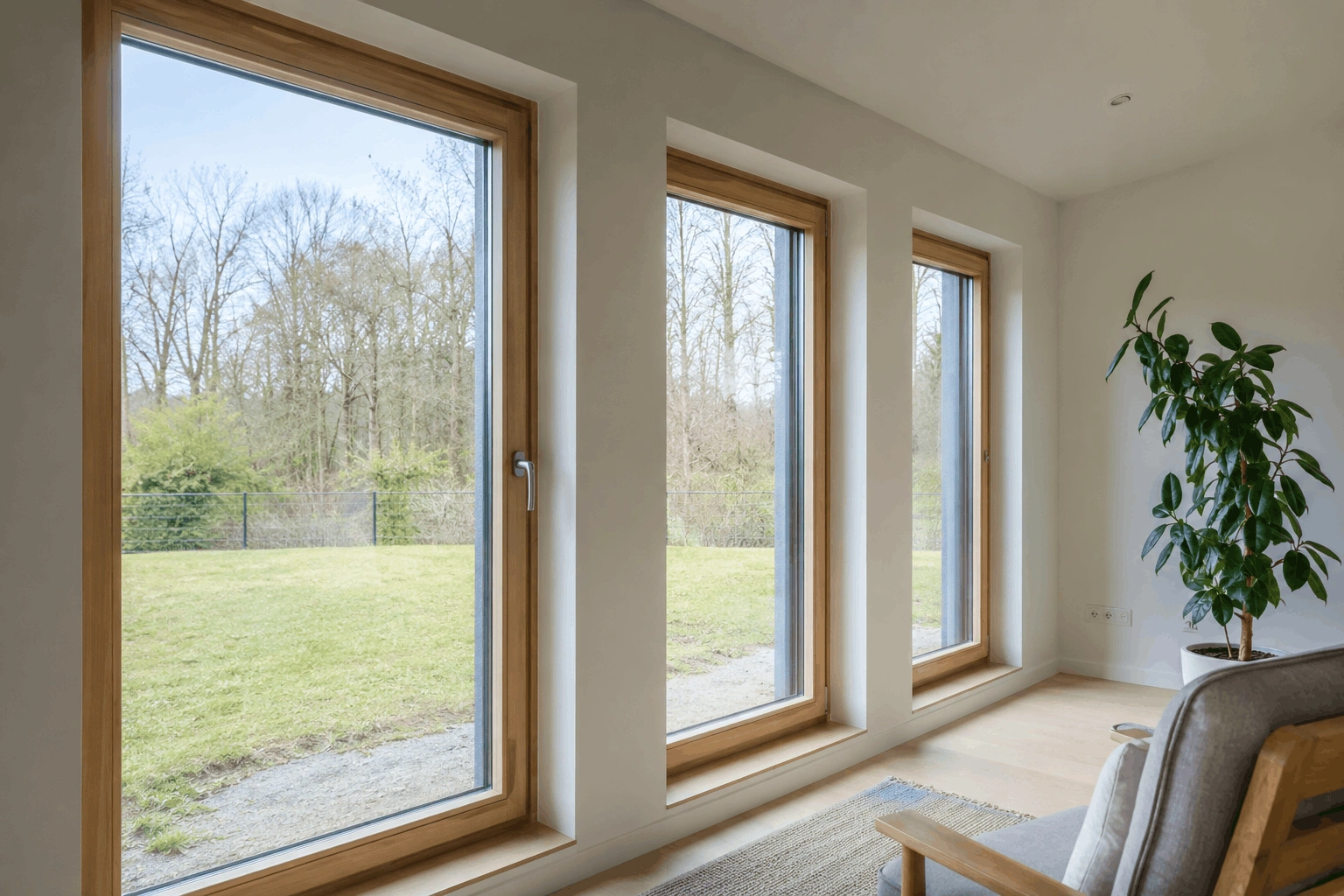
Supply chains for passive house components – particularly high-performance windows and MVHR units – are also less competitive and more expensive in Australia than in Europe, where sustained demand has produced mature, cost-effective supply chains.
This creates a self-reinforcing cycle. Limited supply keeps costs higher than they need to be. Higher costs make passive house designs in Australia less accessible to the mainstream market. A smaller mainstream market limits the demand that would drive supply chain development and cost reduction. Breaking that cycle requires demand to grow faster than supply, which is beginning to happen, but takes time.
The cost conversation has been framed badly
The passive house premium (the additional cost over a conventional build) has often been presented as a barrier rather than an investment. A 10% construction premium sounds significant on its own. But if it’s presented alongside 30 years of energy savings, reduced maintenance costs, eliminated gas bills and a growing resale premium for certified performance, it looks considerably more reasonable.
The problem is that the full lifecycle cost comparison requires a level of financial literacy about building performance that most homeowners – and many builders and real estate agents – don’t currently have. When the conversation stops at construction cost, passive house design will always look expensive. When it extends to whole-of-life cost, the picture changes substantially.
What's changing?
Several things are beginning to move the needle on passive house adoption in Australia.
Energy prices are the most powerful driver. Australian households have experienced dramatic increases in electricity and gas costs over the past decade, and the structural pressures driving those increases haven’t been resolved. When energy bills are low and stable, the operational savings from passive house design are a nice-to-have. When energy bills are high and volatile, they become a compelling financial argument that reaches well beyond the early adopters who built the first wave of passive house designs in Australia.
Building codes have tightened, creating upward pressure on minimum performance standards. The move to a 7-star NatHERS minimum for new homes was a significant step, and the trajectory of the National Construction Code is consistently toward higher performance requirements. Each change to the code narrows the gap between minimum compliance and passive house standard.
Consumer awareness is growing, slowly. Media coverage of passive house designs in Australia has increased. Open days and demonstration projects run by the Australian Passive House Association are reaching larger audiences.
And the professional community is expanding. More architects, designers and builders are completing passive house training each year. The pool of certified passive house designers in Australia and passive house builders in Australia is growing, and the quality of work being produced is internationally competitive.