What does airtightness actually feel like to live in?
Airtightness is one of the most critical technical requirements of passive house design, and can be one of the hardest to explain to someone who hasn't experienced it. When people first hear that a passive house is sealed to a standard many times tighter than a conventional home, the instinctive reaction is often concern. Won't it feel stuffy or claustrophobic?
The reality is the opposite. A well-built passive house feels more comfortable, fresher and quieter than a conventional home, and the airtightness is precisely why.
What does airtightness actually mean?
Airtightness
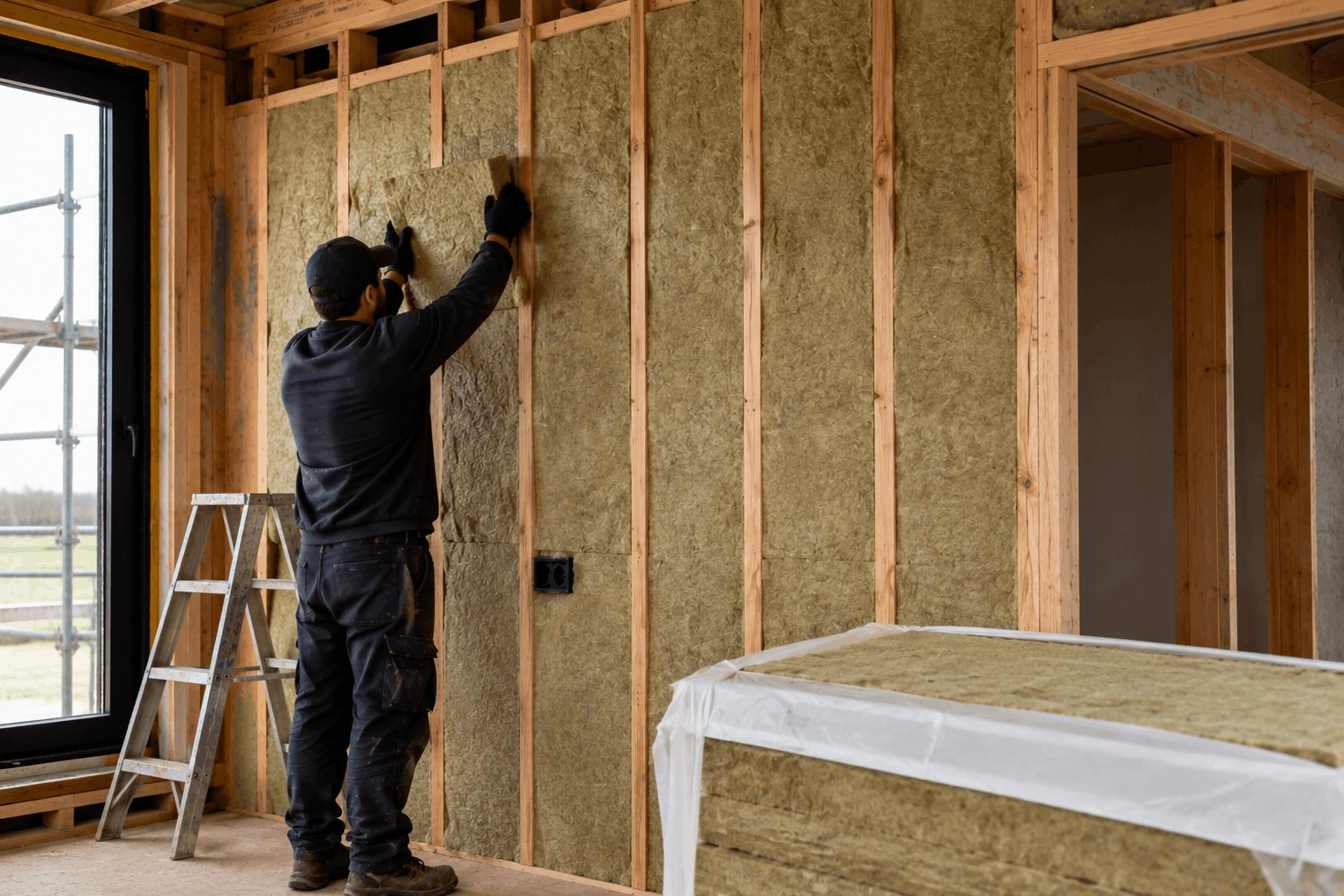
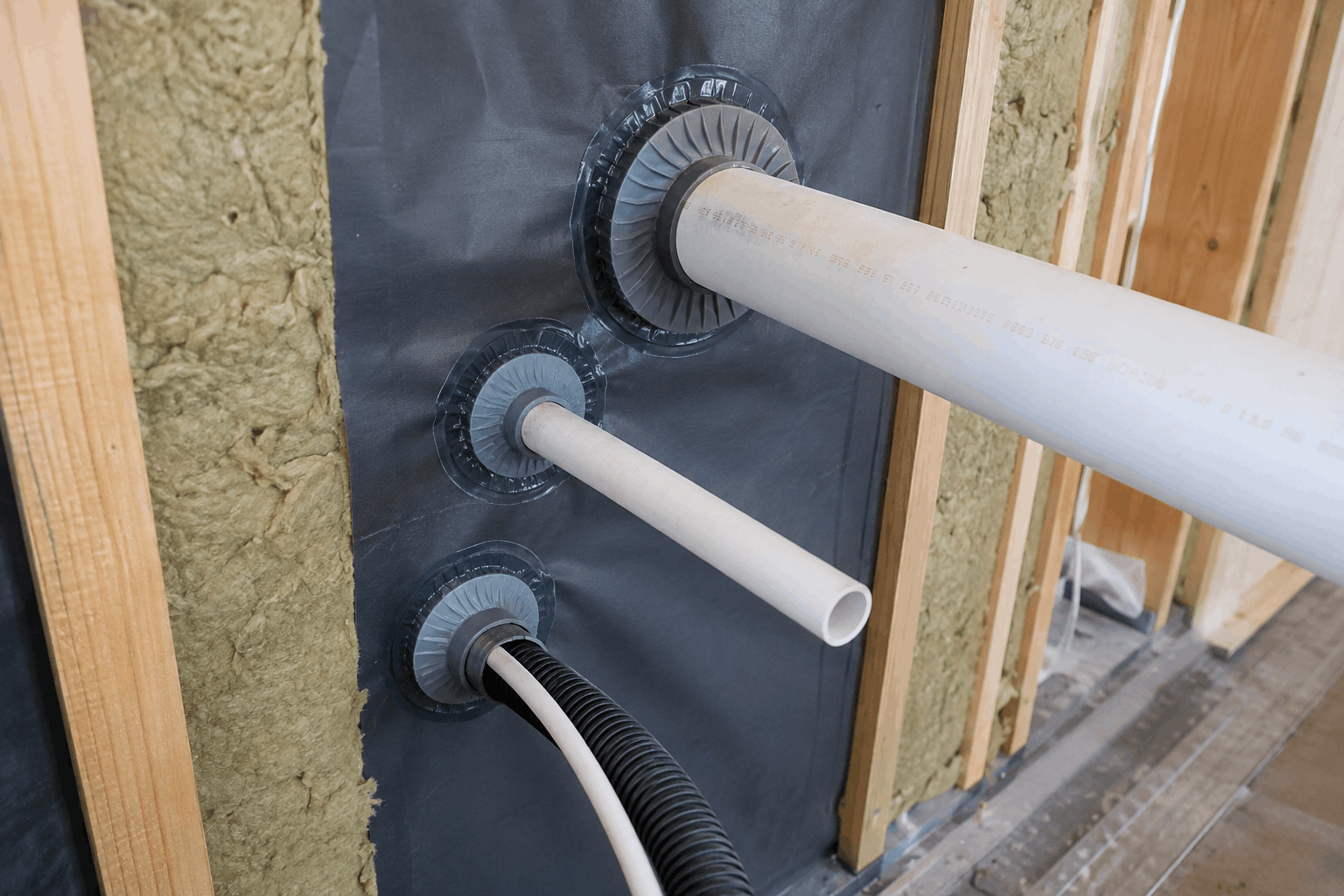
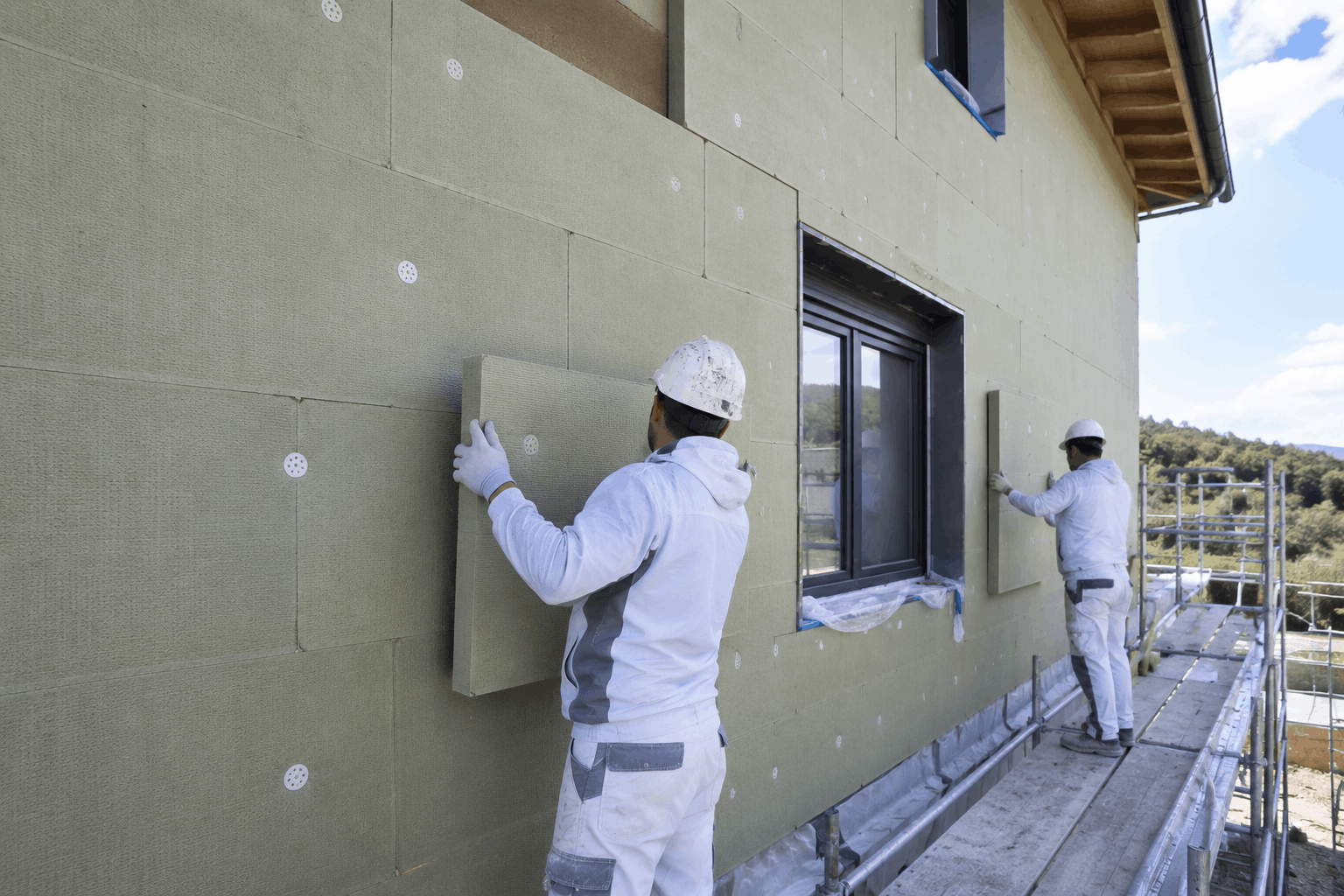
in a passive house design doesn't mean the home is hermetically sealed. It
means that uncontrolled air movement through gaps, cracks and building defects is eliminated, replaced by controlled, deliberate ventilation through the mechanical ventilation system.
Fresh air still enters the building continuously and stale air still exits. The difference is that these flows are managed.
The passive house standard requires an airtightness result of no more than 0.6 air changes
per hour at 50 pascals of pressure, verified by a blower door test on the completed building. The average new Australian home sits at around 15 air changes per hour at the same pressure. That's a gap of more than 20 times, which means a typical new Australian home is leaking air at a rate that most people have never thought about, let alone experienced the absence of.
No draughts
The first quality of living in an airtight passive house that residents typically notice is the
absence of draughts. In a conventional home, uncontrolled air movement creates cold spots
near windows, floor-level draughts under doors, temperature differences between rooms and
the sensation of moving air that makes a cool room feel colder than its actual temperature.
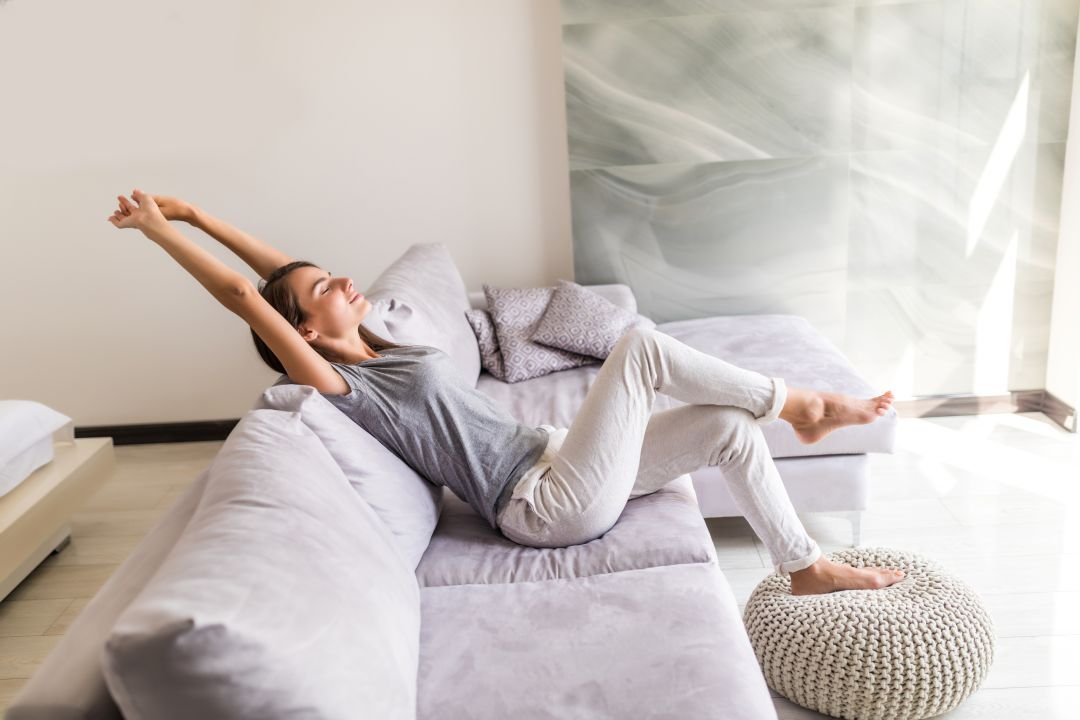
In a passive house in Australia, none of this exists. The air in the room is still. That doesn’t
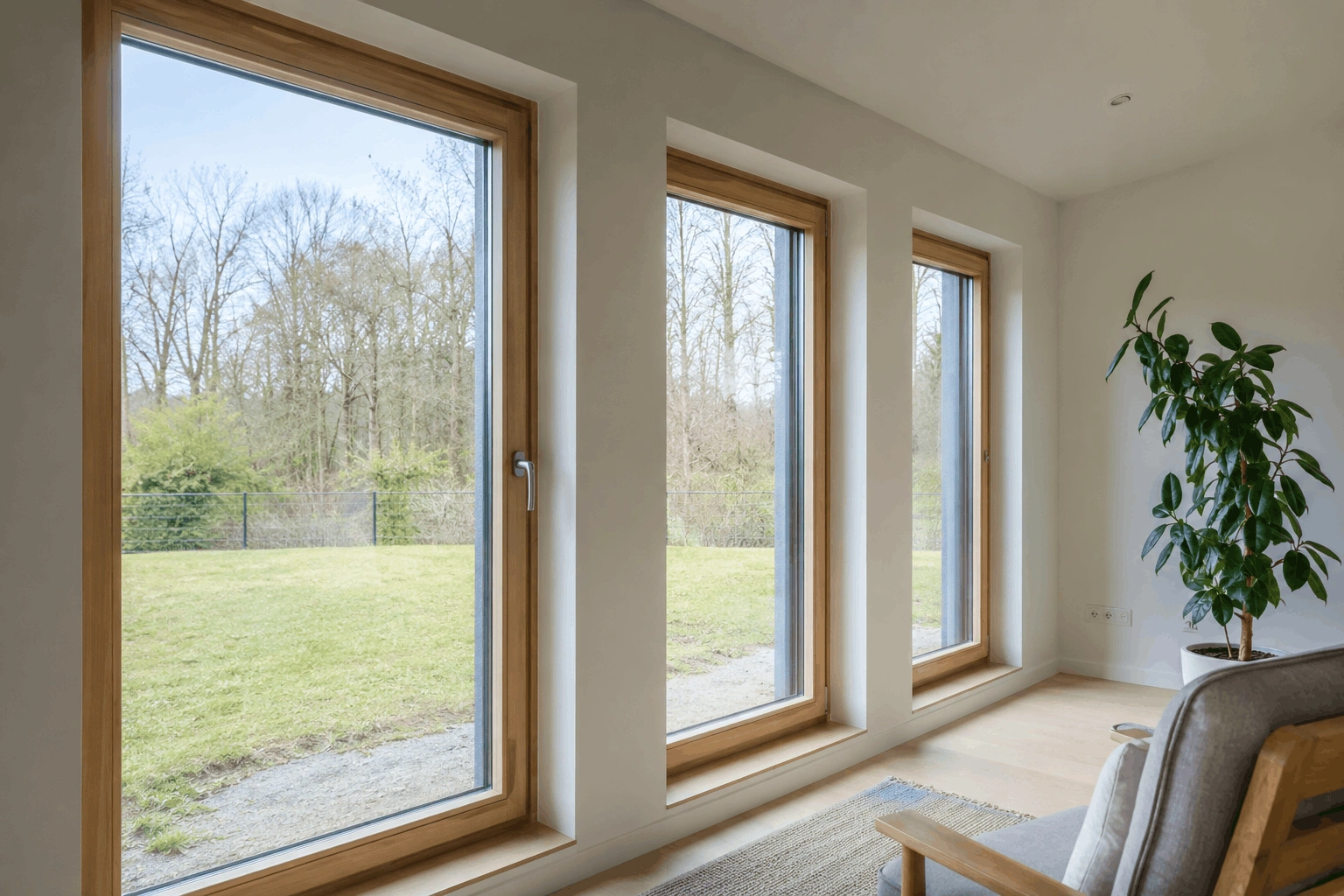
mean it is stagnant, but rather it is calm. You can sit near a window on a cold winter night
without feeling a cold draft on your ankles. You can walk from one room to another without
noticing a temperature change. The floor feels the same temperature as the rest of the room.
For most people, this is the single most surprising quality of living in a passive house for the
first time. It's not something you can appreciate from a spec sheet or an energy model. It's a physical sensation that most people have never experienced in a home before, because most homes have never been built to eliminate it.
Steady temperature
Closely related to the absence of draughts is temperature stability. In a conventional home, internal temperatures fluctuate continuously in response to external conditions, solar gain, occupant activity and the cycling of mechanical heating and cooling systems. A room might be 22 degrees at midday and 18 degrees at midnight, not because anyone changed a
setting but because heat is constantly moving through the building fabric in response to the difference between inside and outside.
In an airtight, well-insulated passive house design, that thermal drift is dramatically reduced. The building holds its temperature the way a good thermos holds the temperature of its contents – not perfectly, but far more effectively than a leaky container. The bedroom you fall
asleep in feels the same at 3am as it did at 10pm. The living room in the morning hasn't
recovered from a cold night – it never got cold.
This stability is particularly noticeable for people moving from older or poorly built conventional homes, where temperature management is an ongoing daily activity. In a
passive house, it largely stops being something you think about.
Better air quality
Fresh air in a passive house design is delivered continuously and quietly through the
mechanical ventilation with heat recovery (MVHR) system. The incoming air is filtered before
it reaches the living space, removing a meaningful proportion of pollen, dust, particles and
allergens. The outgoing air carries away moisture, cooking odours and CO2 from the spaces
where they're generated.
In practice, this means that the air in a passive house feels cleaner. There's no stuffiness after a night with the windows closed. There's no stale air in a room that's been shut up during the day. There's no cold draught from an open window competing with the heating system.
People with hay fever, asthma or dust sensitivities often notice the difference most strongly,
as the filtered air supply removes a meaningful proportion of the triggers that affect them in conventional homes. But even without specific sensitivities, most passive house residents
describe the air quality as noticeably better than in any previous home they've lived in.
This is also the key reason a passive house builder can confidently tell someone a passive
house does not feel stuffy or claustrophobic. The MVHR system ensures continuous fresh
air supply regardless of whether windows are open. And it doesn't feel claustrophobic, as the
windows open normally, and many passive house residents open them regularly on pleasant
days. Finally, it doesn't feel artificial or controlled in the way that a tightly sealed commercial building can feel, because the ventilation system is designed to maintain genuinely fresh indoor air rather than recirculate stale air.
Frequently Asked Questions
No, this is the most common misconception about passive house airtightness. The
ventilation system supplies continuous filtered fresh air throughout the home, so the indoor air is constantly being renewed even with all windows closed. Most passive house residents describe the air quality as noticeably fresher than in their previous home, not stuffier.
Yes, whenever you like. Windows open and operate normally. On pleasant days, many residents open them regularly. The buildings performance simply means you don't need to in the way a conventional home might require. On very hot or very cold days, keeping windows closed and letting the envelope and ventilation system do their job is more
comfortable and more energy efficient.
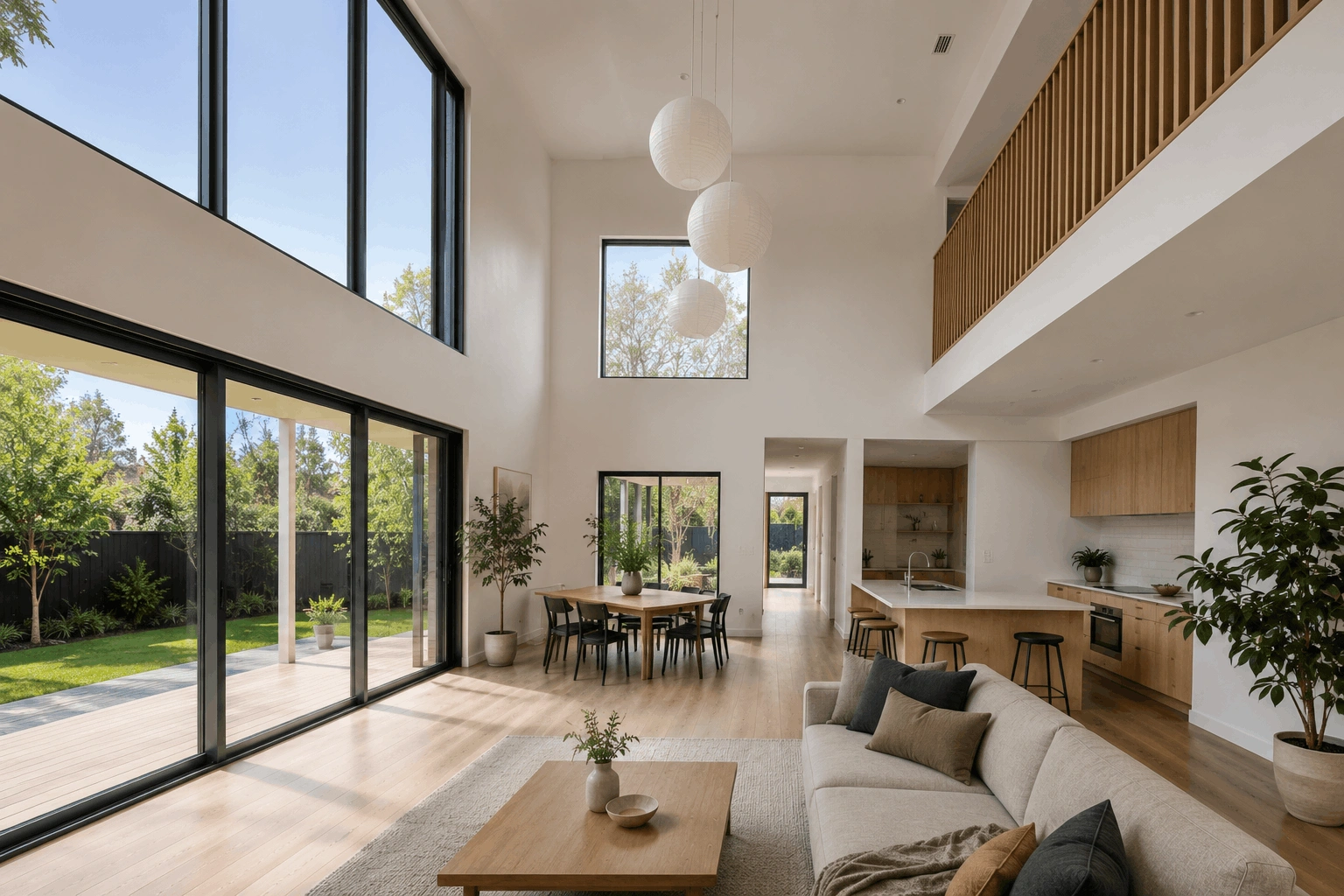
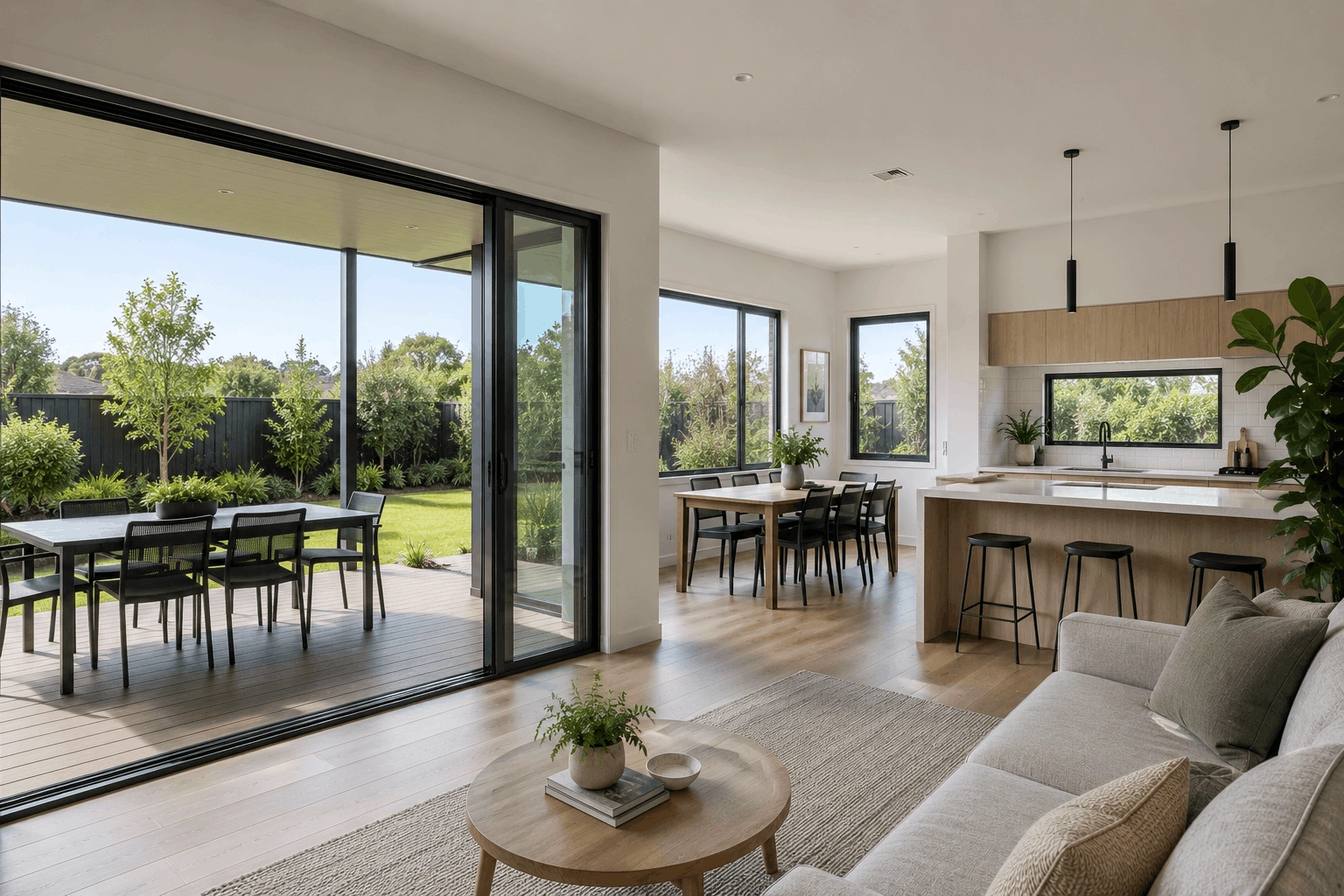
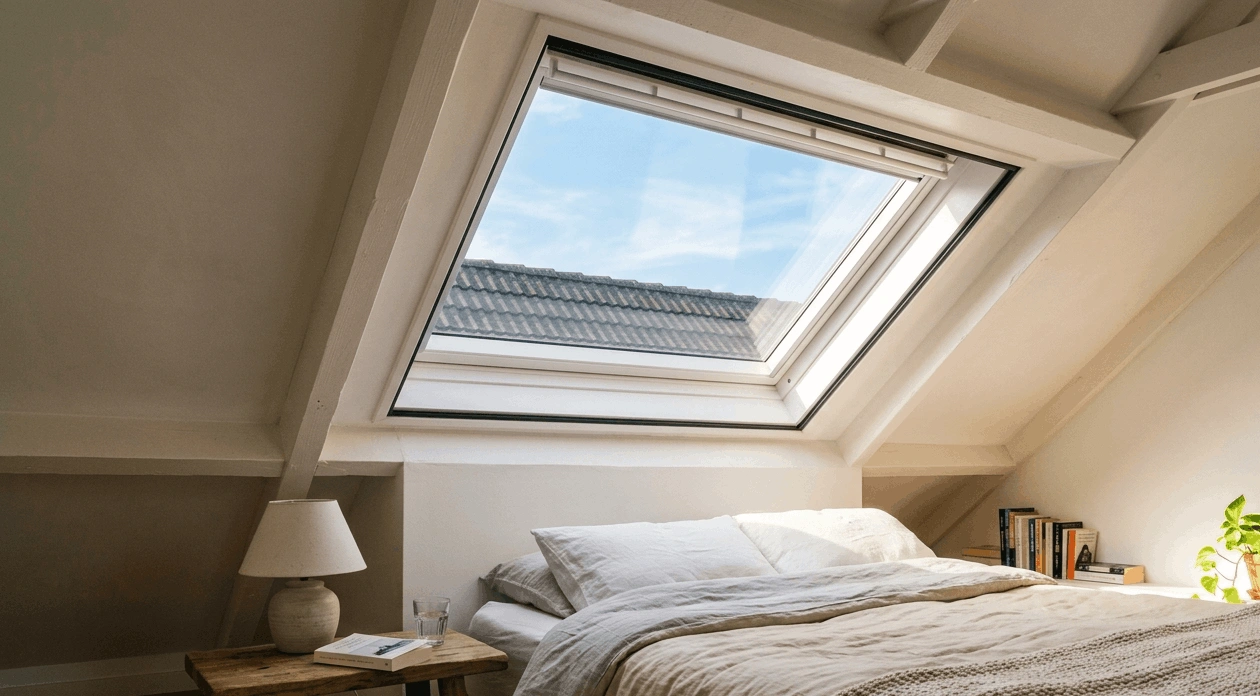
A passive house design doesn't look or feel sealed from the inside. The windows are full- sized and open normally. Natural light, views and connection to the outside are all part of good passive house design in Australia. If anything, the absence of draughts near windows makes sitting beside them more pleasant, not less. The airtightness is in the walls, not in the
experience of the space.