How passive house design responds to Australian dust and pollen
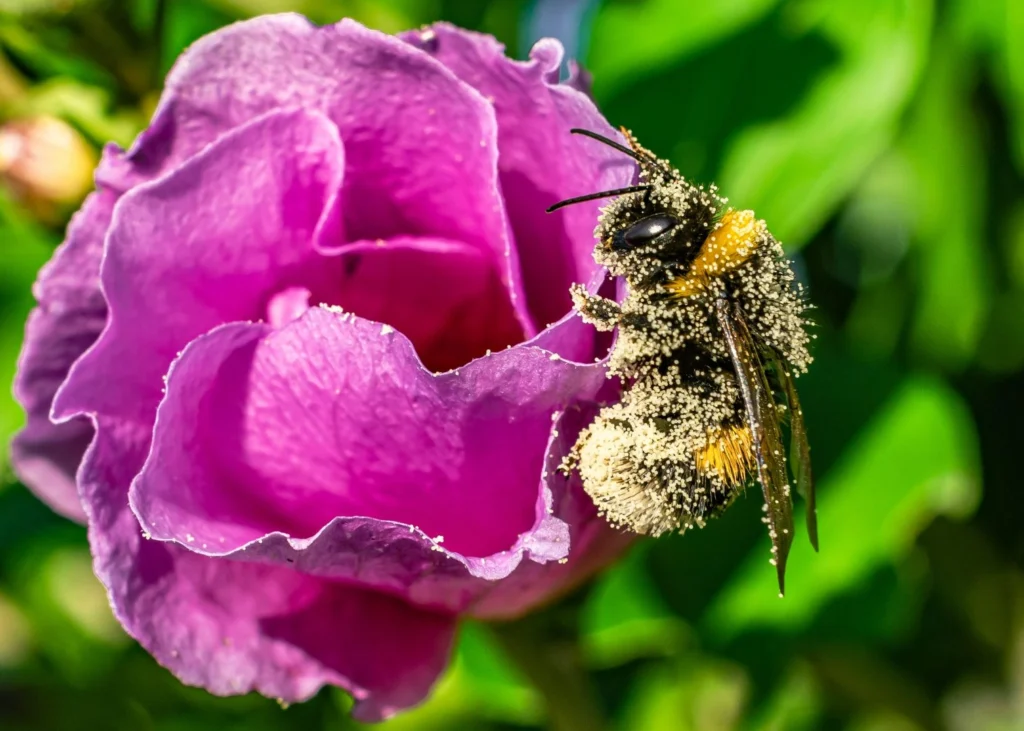
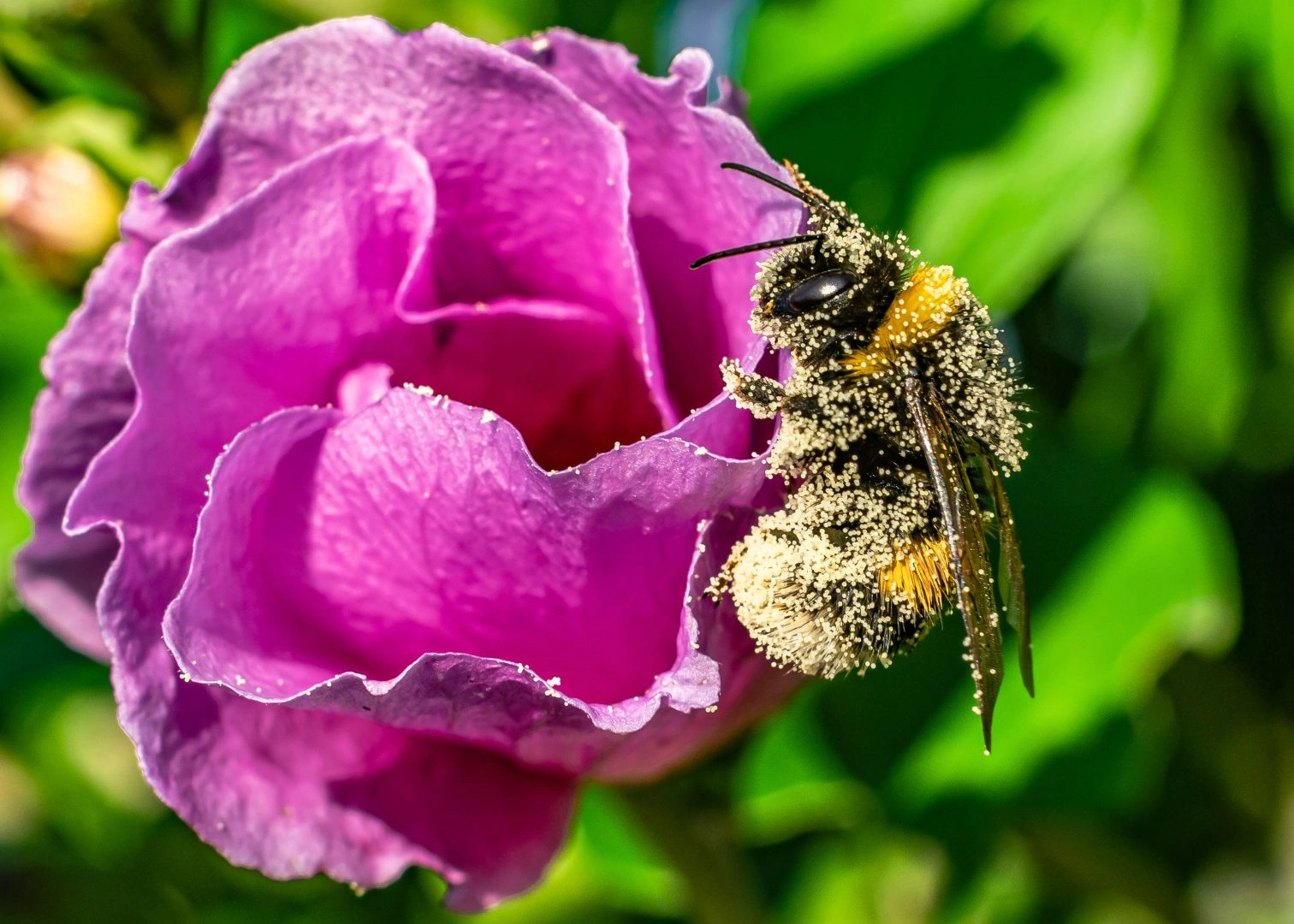
Spring brings warmer weather, longer days and, across many parts of Australia, a significant increase in airborne pollen. Dry conditions and windy weather can add dust to the mix, while construction activity and bushfire smoke can create their own air quality challenges.
That creates a problem for any home. You need fresh air indoors, but opening the house for ventilation can also bring pollen, dust and other particles inside.
We’ve previously looked at the broader benefits of passive houses for people with allergies. Here, we’re focusing specifically on what happens when pollen and dust levels outside are high, and how passive house design helps control what makes its way indoors.
Where does pollen enter a conventional home?
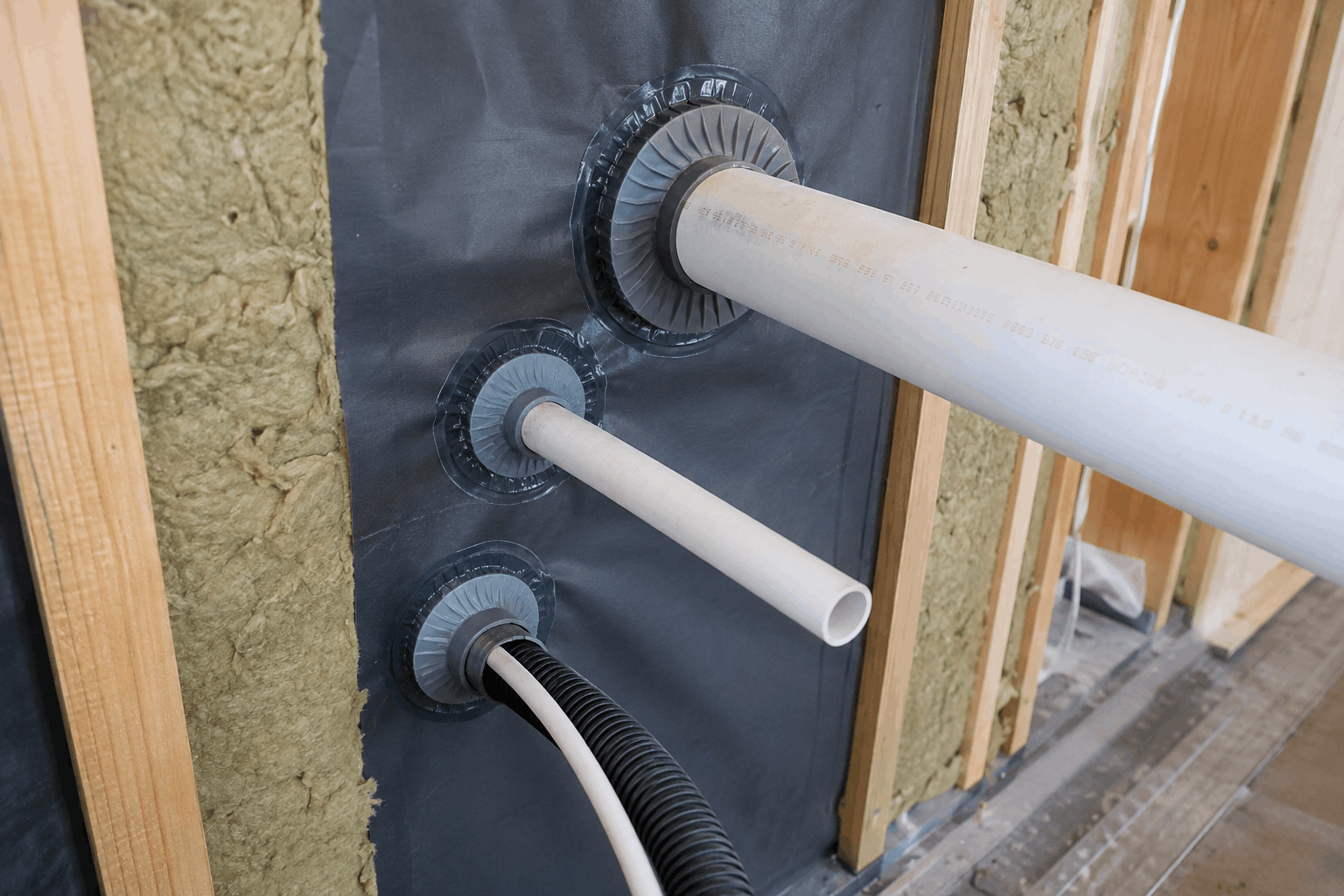
Pollen and dust do not only enter when you open a window. In a conventional home, outside air can also move through gaps around windows and doors, cracks between building materials and unsealed penetrations. Wind creates pressure differences that push and pull outside air through these openings.
You have very little control over where that air comes from or what it carries with it.
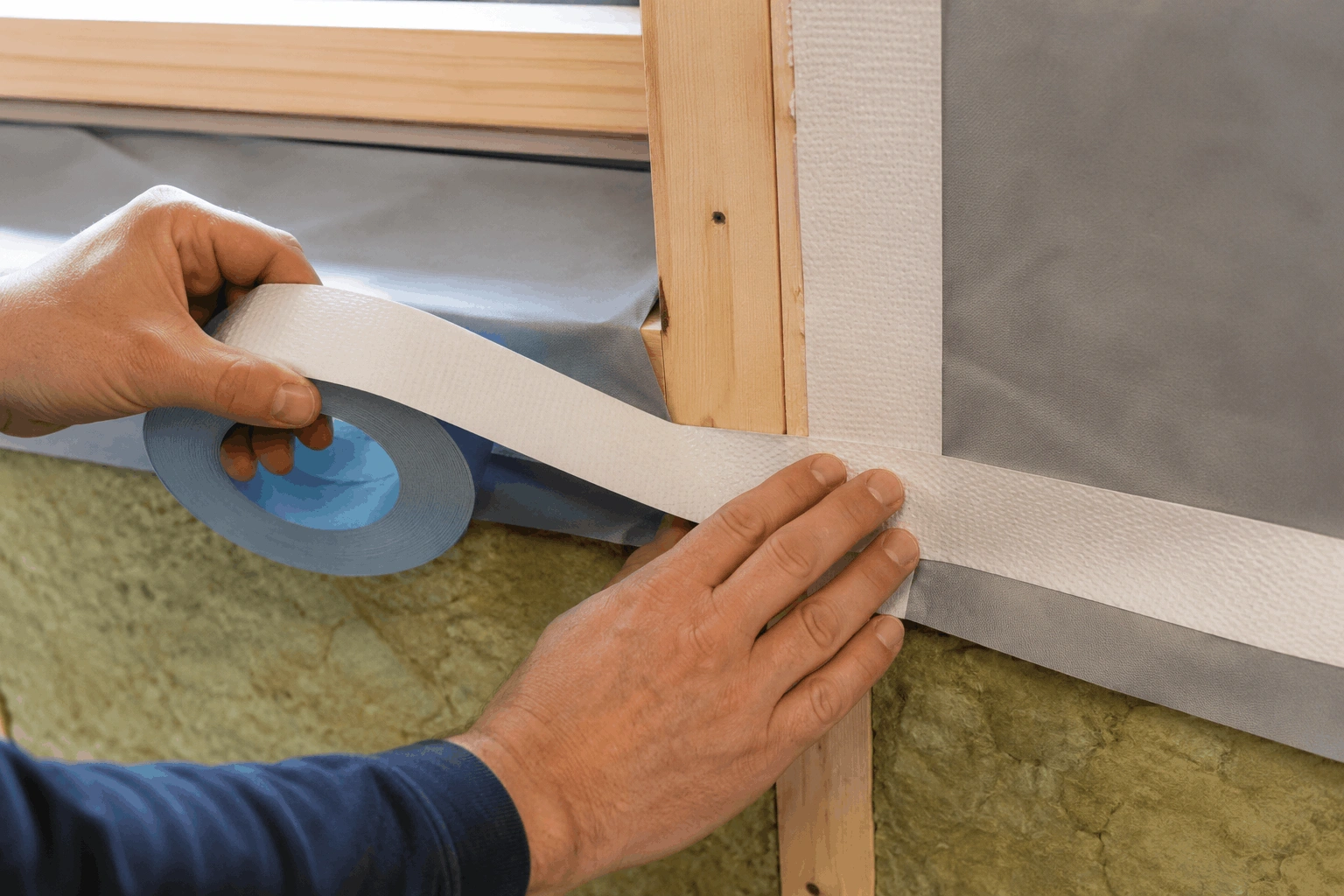
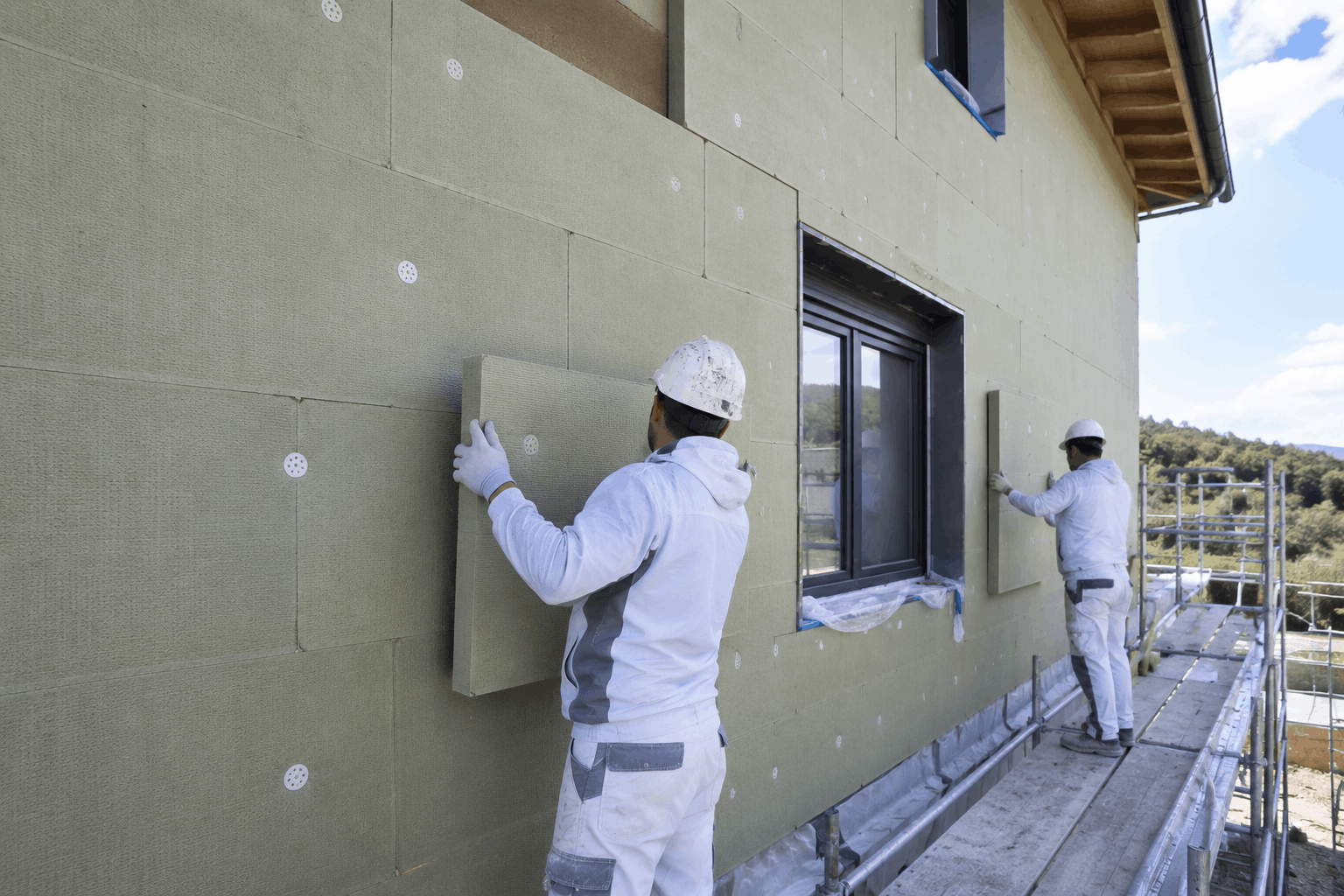
The element of airtightness required by passive house design changes this. The building envelope is carefully sealed, significantly reducing uncontrolled air leakage.
Fresh air is instead supplied through the home’s mechanical ventilation system, creating an opportunity to filter it before it reaches bedrooms and living areas.
How does a passive house filter pollen?
Mechanical ventilation with heat recovery (MVHR) continuously extracts stale air and supplies fresh outside air. The incoming air passes through a filter inside the ventilation unit. This captures airborne particles before the air is distributed throughout the house.
Pollen particles are generally relatively large compared with some other forms of airborne pollution, which means an appropriately specified ventilation filter can capture a substantial proportion of them.
The exact level of filtration depends on the filter fitted to the system. Passive house designers in Australia can specify filtration according to local conditions, including whether a property is particularly exposed to pollen, dust or outdoor pollution. This can be particularly useful during spring because the home can continue receiving fresh air without relying entirely on open windows for ventilation.
Pollen, dust and smoke are different filtration challenges
Not everything floating in outdoor air is the same size. Most pollen grains are relatively large. Fine dust can contain much smaller particles, while bushfire smoke contains PM2.5 – particles measuring less than 2.5 micrometres. These smaller particles present a greater filtration challenge.
A standard ventilation filter can provide useful filtration of pollen and larger airborne particles, while homes exposed to bushfire smoke, significant dust or other sources of fine particulate pollution may benefit from a higher level of filtration.
However, installing the finest filter available is not always necessarily the answer. Finer filters can create greater resistance to airflow, so the filter, ventilation unit and ductwork need to be designed to work together.
Experienced passive house builders in Australia and ventilation specialists can determine an appropriate specification for the home and its location.
Dust creates its own challenges
Australian homes can be exposed to substantial amounts of airborne dust, particularly during dry and windy conditions. Homes near construction sites, unsealed roads or other sources of dust may face the problem more regularly.
Fine dust can enter conventional homes through the same uncontrolled gaps that allow outside air to leak through the building envelope. Airtight passive building design reduces these pathways, while the ventilation system filters the air entering through its dedicated supply.
Filters cannot keep collecting particles indefinitely, however. As dust and pollen accumulate, they become loaded and eventually need to be replaced.
Your filters may need more attention in spring
Filter maintenance is one of the simplest jobs involved in living in a passive house.
How often filters need to be checked or replaced depends on the ventilation unit, filter type and local environment. A home surrounded by vegetation or exposed to substantial dust may require more frequent attention than one in an area with relatively clean outdoor air.
Spring is therefore a sensible time to check the ventilation system, particularly if local pollen levels are high.
If you are undertaking passive home building, ask your ventilation supplier or passive home builder what replacement schedule they recommend and how to recognise a filter that needs attention.
Good passive house design in Australia also considers future maintenance when deciding where the ventilation unit will be installed, making sure filters are easy to reach and replace.
Not all pollen and dust comes through the ventilation system
Filtered ventilation can reduce one major pathway for outdoor particles, but it can’t prevent everything from entering the home. Pollen and dust can be carried inside on clothing, shoes, pets and outdoor equipment. Opening windows and doors also allows outside air to bypass the ventilation filters.
That’s why practical measures still have a role to play. An entry area with somewhere to leave shoes, coats and outdoor gear can reduce how much is carried into the main living areas. Regular cleaning can also help remove particles that have already made their way indoors.
Controlled ventilation gives you a choice
The real advantage of passive house designs during pollen and dust events is greater control over how outside air enters the building. You are not dependent on gaps in the building or open windows to provide the fresh air the household needs. The airtight envelope limits uncontrolled air entry and the mechanical ventilation system provides a dedicated, filtered route for outside air.
During an Australian spring full of pollen, wind and dust, that can make managing the indoor environment considerably easier.
Frequently Asked Questions
No. Pollen can still enter when doors and windows are opened or be carried inside on clothing, shoes and pets. However, the airtight envelope and filtered mechanical ventilation used in passive house design can substantially reduce the amount entering with outside air.
Airtight construction can reduce uncontrolled infiltration of smoke, while the ventilation system can filter some particles from incoming air. Bushfire smoke contains very fine PM2.5 particles, so standard filtration should not be treated as complete protection. Homes in bushfire-prone areas may require a higher level of filtration designed specifically for these smaller particles.
It depends on the ventilation system, filter and local conditions. Homes exposed to high levels of pollen or dust may need their filters checked and replaced more frequently. Follow the manufacturer's recommended schedule and inspect filters regularly, particularly during periods of heavy pollen, dust or smoke.