The role of colour in passive house exterior design – does it affect performance?
Choosing an exterior colour for a new home is usually treated as a purely aesthetic decision.
And for most Australian homes built to conventional standards,
, it largely is. The thermal
consequences of cladding colour are modest relative to the building’s overall thermal
performance, and they’re absorbed into a home that’s already gaining and losing heat through so many other pathways that colour is a minor variable.
In a passive house design, the situation is more nuanced. The building envelope is performing so well that the variables that would be minor in a conventional energy analysis start to become significant. Exterior colour isn't a dominant factor in passive house performance, but it's not irrelevant either.
How colour affects thermal performance
The relevant property isn't actually the colour itself. It's how much solar radiation the surface absorbs. Dark surfaces absorb more solar energy and heat up significantly in direct sunlight. Light surfaces reflect more of it and stay cooler. This property is called solar absorptance, and it's what passive house designers in Australia are thinking about when exterior colour comes up in a design discussion.
In a conventional home, this surface heating effect has limited impact on internal
temperatures because the wall assembly is poorly insulated. Heat absorbed at the exterior
surface moves through the wall assembly relatively easily, contributing to internal heat gain in summer and, conversely, reducing heat loss through the wall in winter.
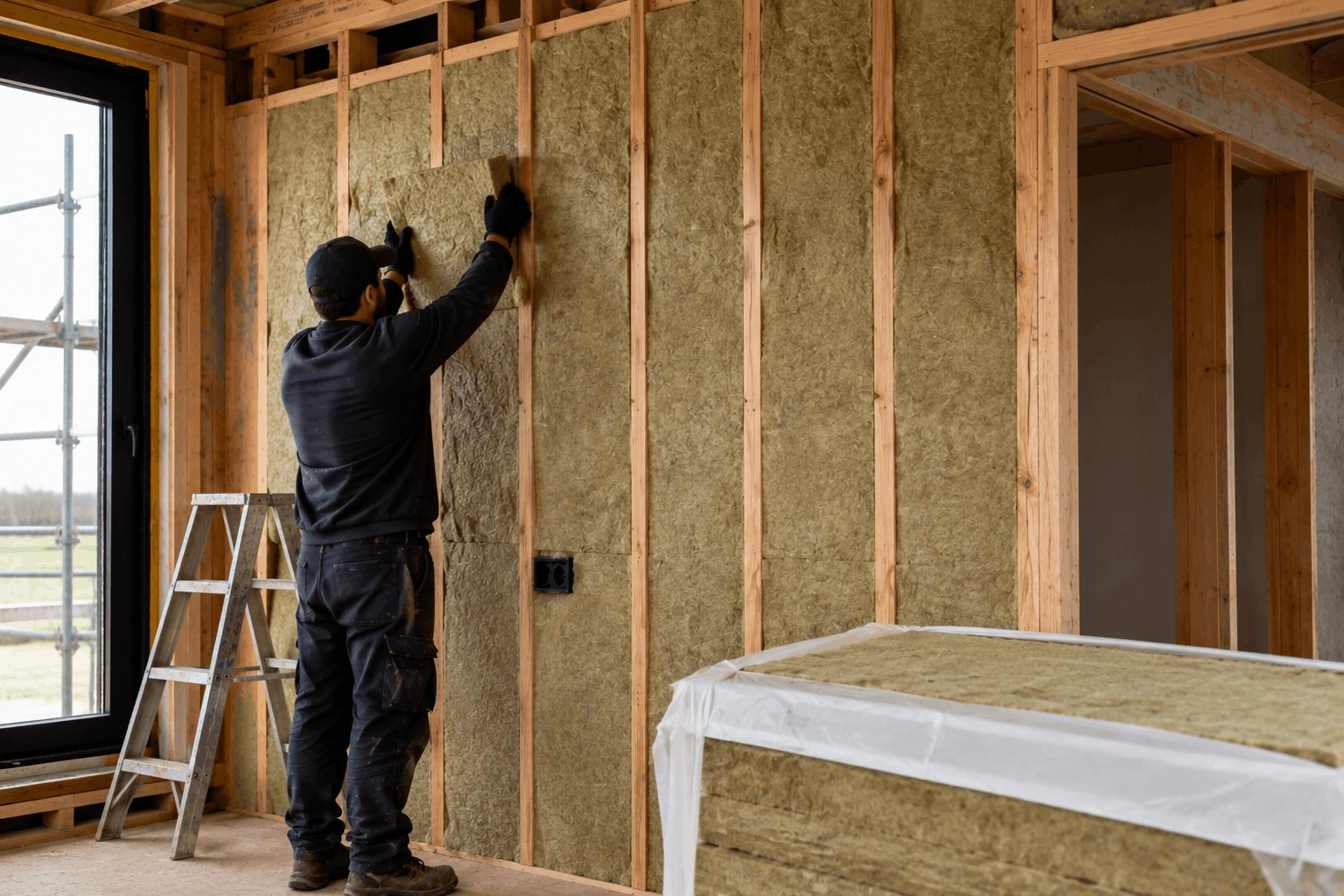
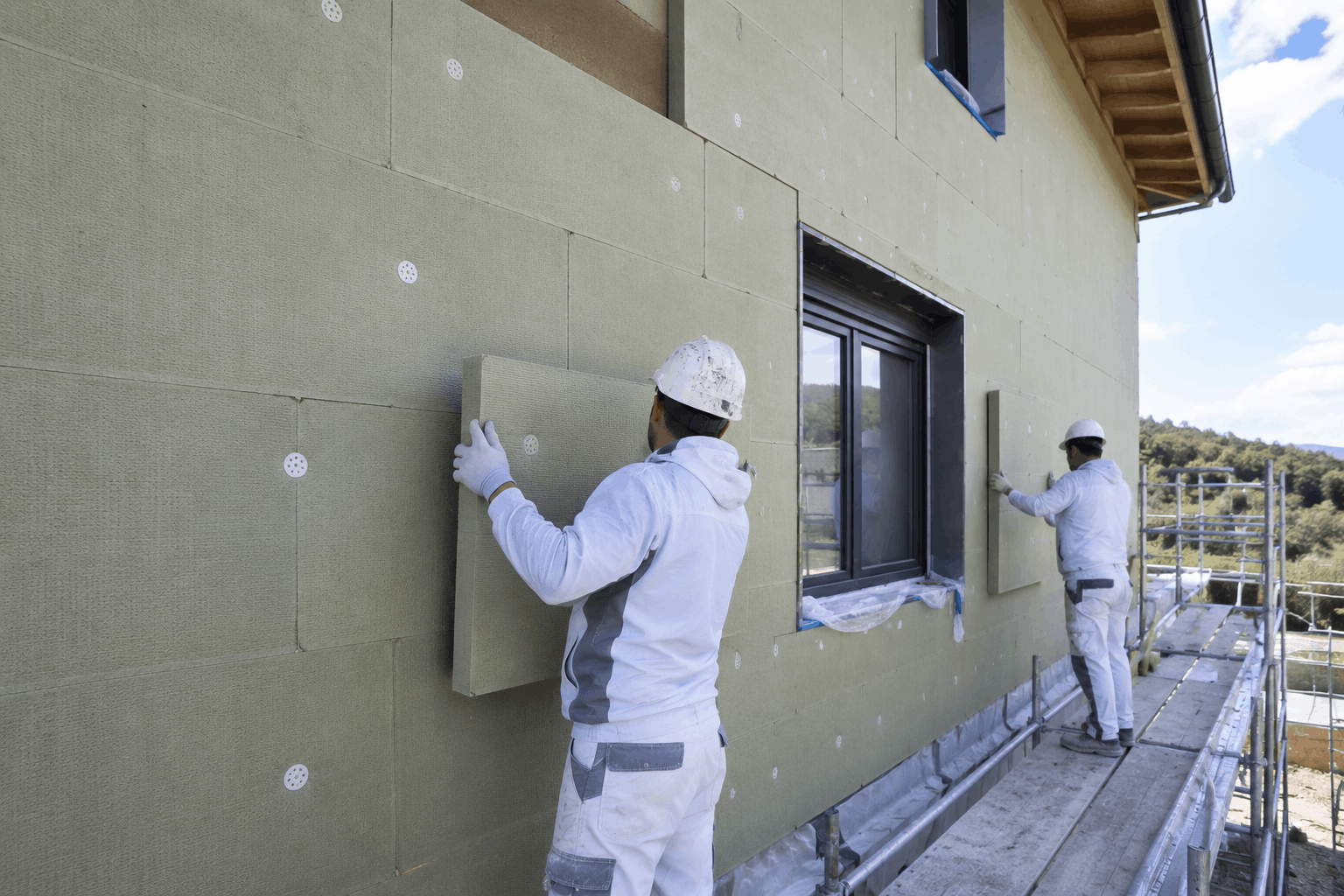
In a passive house design, the wall assembly is so well insulated that heat absorbed at the exterior cladding
surface has much less opportunity to reach the interior. The thick insulation layer between the cladding and the internal space acts as a buffer that reduces how much surface temperature causes internal heat gain. This is one of the reasons that exterior colour has less effect on passive house performance than on conventional construction – the insulation buffers the consequence of the choice.
Where colour does matter – the roof
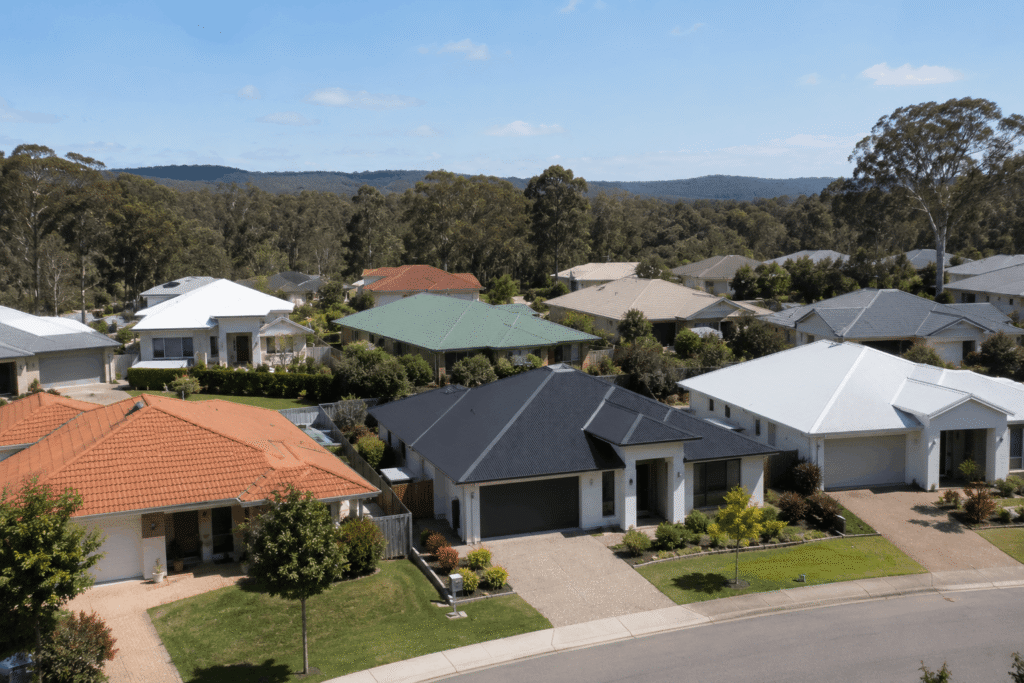
The situation is somewhat different for roof colour. A dark roof in an Australian summer can
reach very high surface temperatures in direct sunlight. Even with good ceiling insulation, that extreme surface temperature creates a larger heat flow through the roof assembly than a lighter-coloured roof would.
In a passive house design in Australia, roof colour is important, specifically in hot climate zones where summer overheating is the primary thermal challenge. A light-coloured or reflective roof reduces the solar heat gain through the roof assembly, reducing the cooling load the building needs to manage. In cold climate zones where winter heating demand is the primary challenge, a darker roof can marginally reduce heat loss through the roof in winter, though the effect is modest and rarely a determining factor in the specification.
BAL rating
For passive house designs in bushfire-prone areas, exterior colour choices intersect with
Bushfire Attack Level (BAL) requirements. Some BAL-rated cladding materials and systems
are available only in specific colours or with specific surface finishes that may conflict with the aesthetic preferences of the homeowner. This is a site-specific constraint rather than a
passive house-specific one, but it's worth raising early with your passive house builders in Australia if the site has a BAL rating.
What PHPP modelling accounts for
The energy modelling used in passive house design, PHPP, includes solar absorptance as
an input for opaque building surfaces. The model calculates the effect of solar radiation on
the exterior surface of walls and roof based on the specified absorptance value, accounting
for orientation, climate zone and seasonal shading conditions.
In practice, for Australian passive house designs in temperate or cool climates, the
difference in overall building performance between a dark and a light exterior cladding is
relatively small, often within the margin of other design variables. In hot climate zones, the roof absorptance can have a more meaningful effect on the overheating analysis and
passive house designers in Australia may recommend a lighter roof colour or a reflective roofing product as part of the overall summer comfort strategy.
Frequently Asked Questions
Yes, but modestly for walls and more meaningfully for roofs in hot climates. The thick insulation in a passive house wall buffers the thermal consequence of cladding colour. Heat
absorbed at the exterior surface has much less opportunity to reach the interior than in a
conventional home. Roof colour has a more direct effect, particularly in hot Australian climates.
In hot Australian climates, a light or reflective roof is generally preferable, reducing summer heat gain through the ceiling assembly. In cold climates like Canberra or alpine Victoria, a darker roof can marginally reduce winter heat loss. Your passive house designers in Australia will model the roof absorptance for your specific climate zone.
Yes, the energy modelling used in passive house design includes solar absorptance as an input for walls and roof. In most temperate Australian climates, the difference between dark and light cladding is a relatively small variable in the overall energy balance, but it is accounted for.