How Australia compares to Europe on passive house adoption
The first certified passive house was built in Darmstadt, Germany in 1991, and in the three decades since, the standard has become more common in residential and commercial construction across much of the continent.
Australia’s adoption has been slower. A small but growing community of passive house designers, builders and committed homeowners are pushing a standard that the broader construction industry has yet to embrace.
Where is Europe now?
By the mid-2020s, more than 52,000 certified passive house units had been built globally, with the overwhelming majority located in Europe. Germany, Austria and the Scandinavian countries led the early adoption, driven by cold climates where the energy savings from passive building design were immediately and dramatically apparent. But the standard has since spread well beyond its cold-climate origins.
In some European jurisdictions, passive house principles have been absorbed into the building code. Germany’s Energy Saving Ordinance and its successor, the Buildings Energy Act, have progressively tightened energy performance requirements to the point where new buildings are approaching passive house performance as a matter of regulatory compliance rather than voluntary ambition.
The European Union’s Energy Performance of Buildings Directive has driven similar trajectories across member states, with nearly zero energy building requirements now applying to new construction across the bloc.
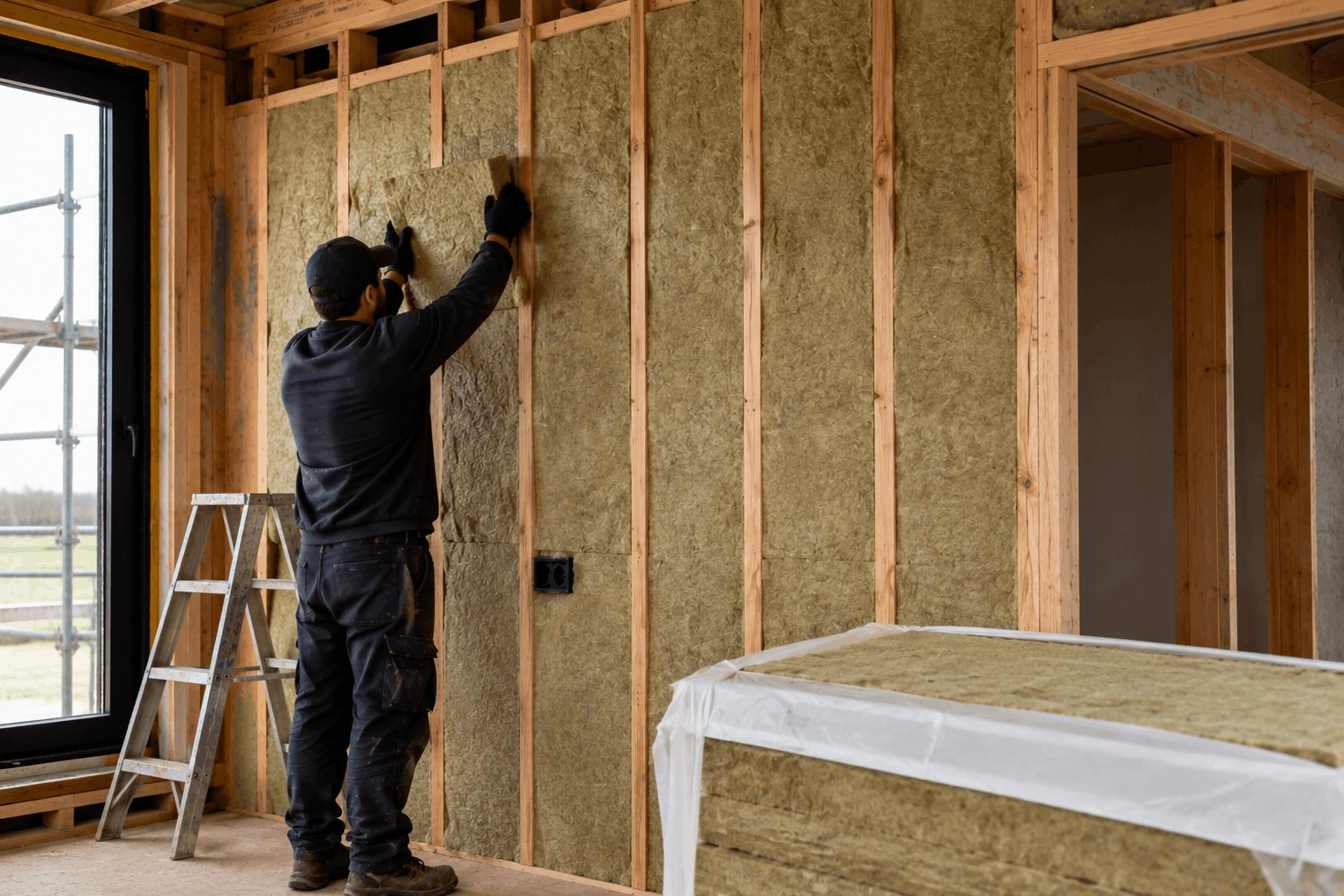
The result is a European construction industry that has, over 30 years, developed deep expertise in passive house design and construction. Insulation manufacturers, window suppliers, mechanical ventilation with heat recovery (MVHR) systems producers, airtightness membrane specialists and trained certifiers exist at scale. The supply chain is mature, competitive and cost-effective in a way that comes only from sustained demand over a long period.
Where is Australia now?
Australia’s passive house community is small but growing. The number of certified passive house projects in Australia has increased steadily over the past decade, and the quality of work being produced by leading passive house designers in Australia is internationally competitive.
Australian projects have won recognition at the Passive House Institute level, and the local certification infrastructure – certifiers, assessors and the Passive House Australia organisation – is established and functioning.
But the numbers remain modest relative to Australia’s total construction output. In a country that builds well over 100,000 new homes each year, the around 100 certified passive house completions represent a very small fraction of total residential construction. The gap between what passive house designs in Australia demonstrate is possible and what the mainstream market delivers remains very wide.
Australia’s baseline building code – the National Construction Code – sets minimum energy performance requirements that have been progressively tightened in recent years, most significantly with the move to a 7-star NatHERS minimum for new homes. That’s an improvement on what came before, but it still leaves a substantial performance gap between code minimum and passive house standard. Comparatively, in much of Europe, that gap has been largely closed by regulation.
Why the gap exists
Several factors explain why Australia has adopted passive house design more slowly than Europe.
Climate is the most commonly cited, and it’s partially valid. Europe’s cold winters create an immediate and compelling energy-saving case for high-performance insulation and airtightness. The benefit is felt in the first heating bill.
Australia’s climate is more varied and, in many regions, more temperate, which can make the performance gap between a conventional home and a passive house less immediately apparent to a prospective buyer or builder.
But climate doesn’t fully explain the gap. Parts of Australia, like Canberra, alpine Victoria, or the tablelands of New South Wales, have genuinely cold winters where the passive house heating demand reduction is dramatic and the financial case is as strong as anywhere in Europe.
Conventional homes in these areas perform poorly. They are draughty, cold and expensive to heat, but the local construction industry continues to build to minimum code standards that do little to address those conditions.
And in hot Australian summers, the cooling load reduction from passive house design is equally significant and increasingly valuable as energy prices rise.
Another significant factor is the construction industry’s familiarity with the passive house standard. European builders, architects and trades have had 30 years to develop skills, systems and supply chains around passive house design. Australian passive house builders are building that expertise now, but from a much smaller base and without the regulatory pressure that drove European adoption. Training passive house designers in Australia takes time, and the pool of certified professionals, while growing, is still limited relative to the size of the construction market.
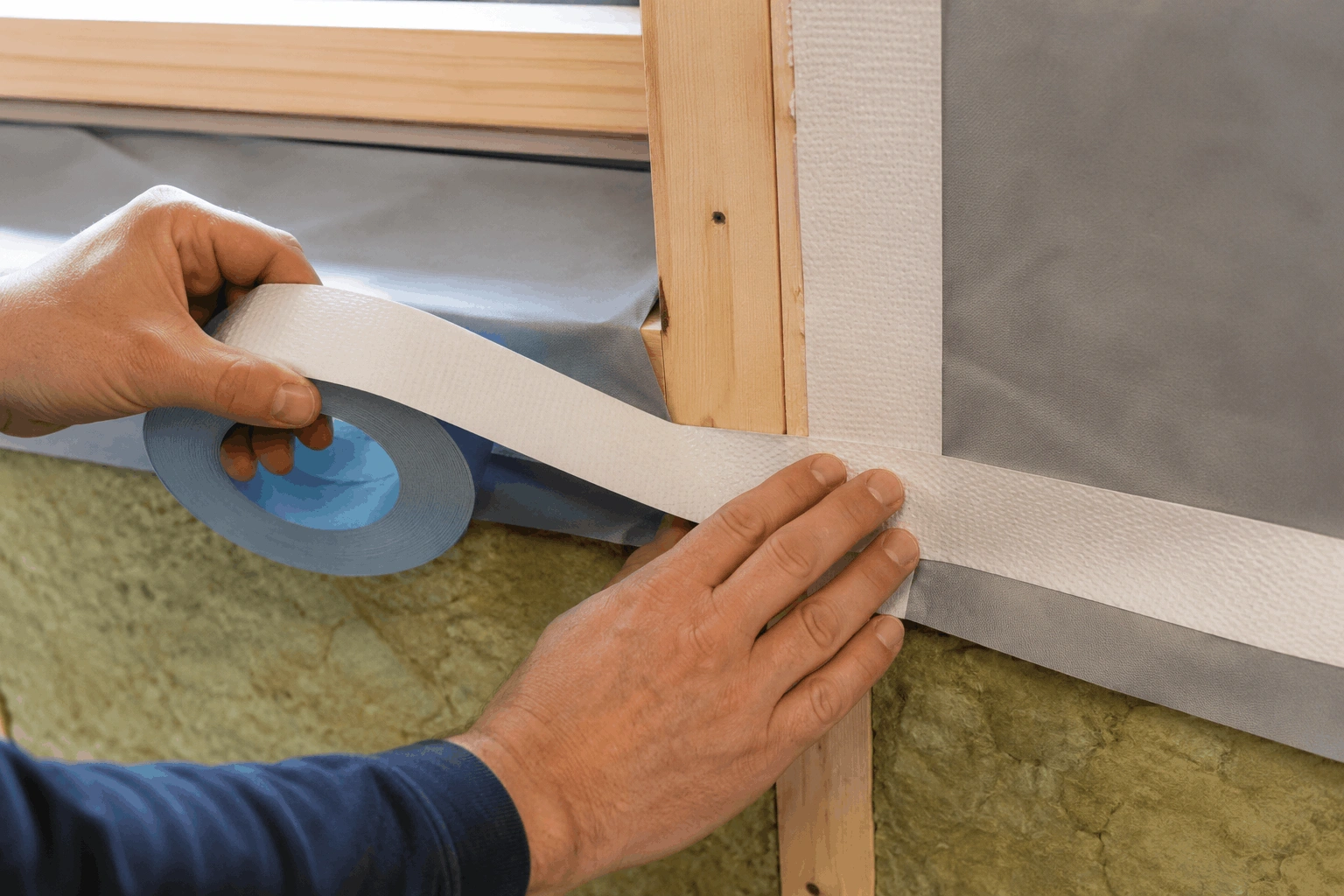
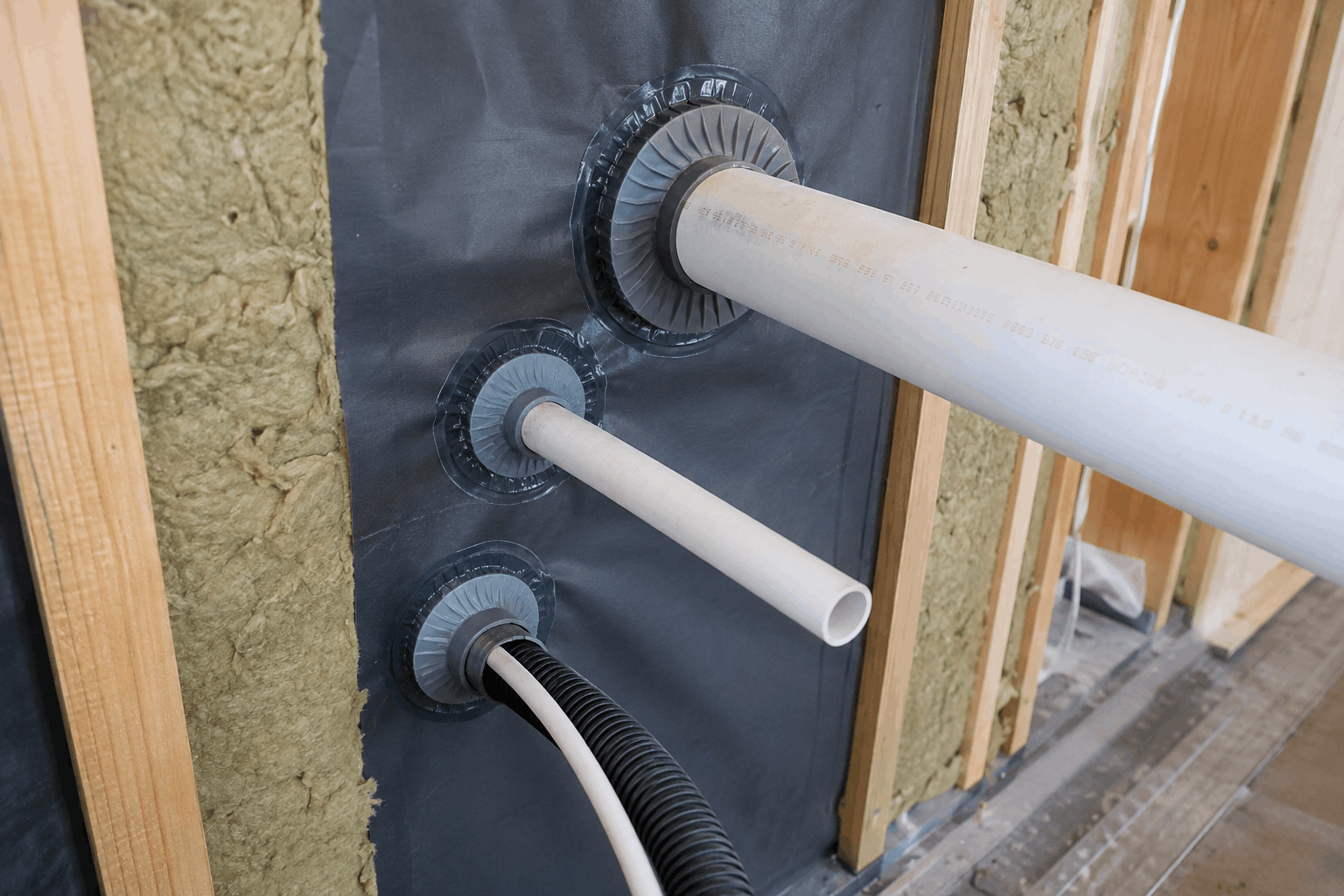
The supply chain is also less developed in Australia than in Europe. High-performance windows suitable for passive house designs in Australia, MVHR units with local technical support, airtightness membranes and tapes specified for Australian climate zones – all of these are available, but the market is thinner, the competition is less intense and the prices are higher than their European equivalents. That supply chain will develop as demand grows, but demand and supply are locked in a chicken-and-egg relationship that takes time to resolve.
Consumer awareness is a further factor. In Germany or Austria, passive house is a term that a significant proportion of the homebuying public recognises and understands. In Australia, most people planning a new home have never encountered the concept. Building that awareness is the work of organisations like Passive House Australia, of passive house designers in Australia who communicate the standard’s benefits clearly and of media coverage that brings passive houses to a broader audience.