How passive houses perform during power outages
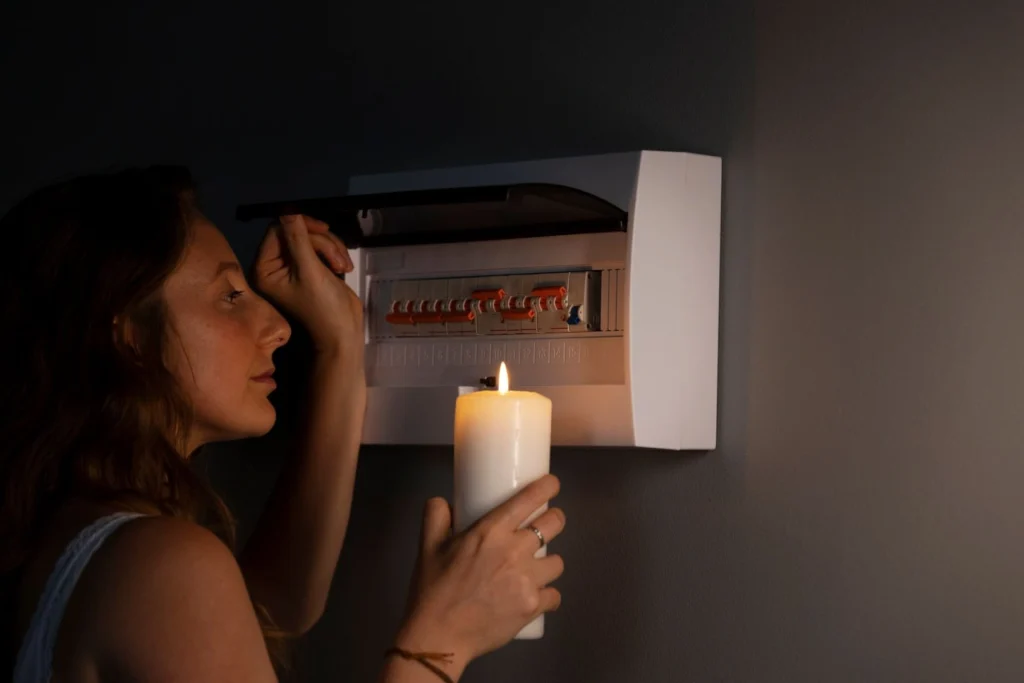
When the power goes off, most Australian homes reveal a fundamental weakness: they depend entirely on active systems to stay comfortable. The moment the power goes out, the air conditioning stops, the heating stops and the home begins to drift toward whatever temperature the outside world imposes on it.
In a poorly insulated home, that drift happens quickly – within hours in extreme conditions. In summer, a conventional home can become dangerously hot. In winter, it can become genuinely cold. The building fabric offers little resistance because it was never designed to.
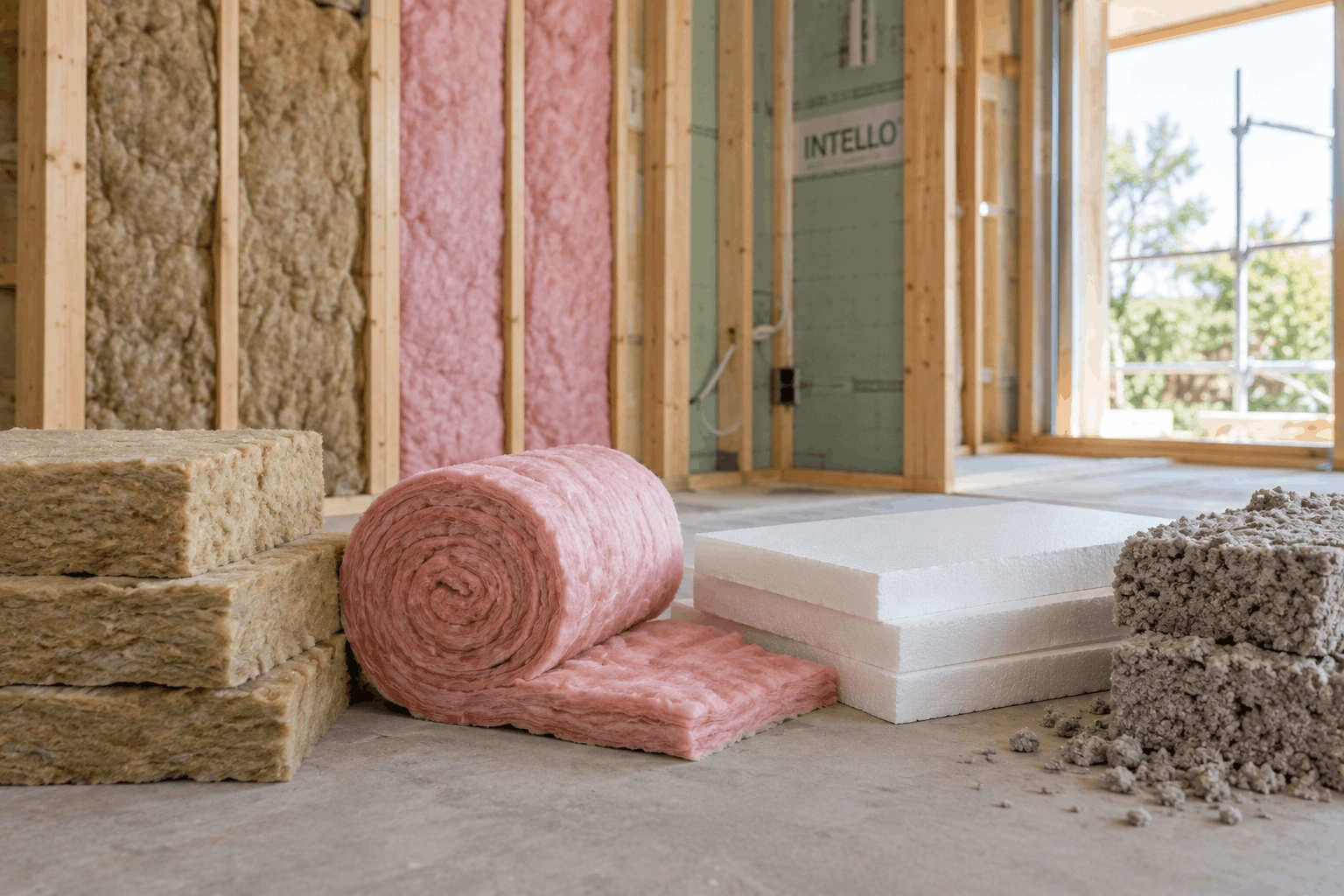
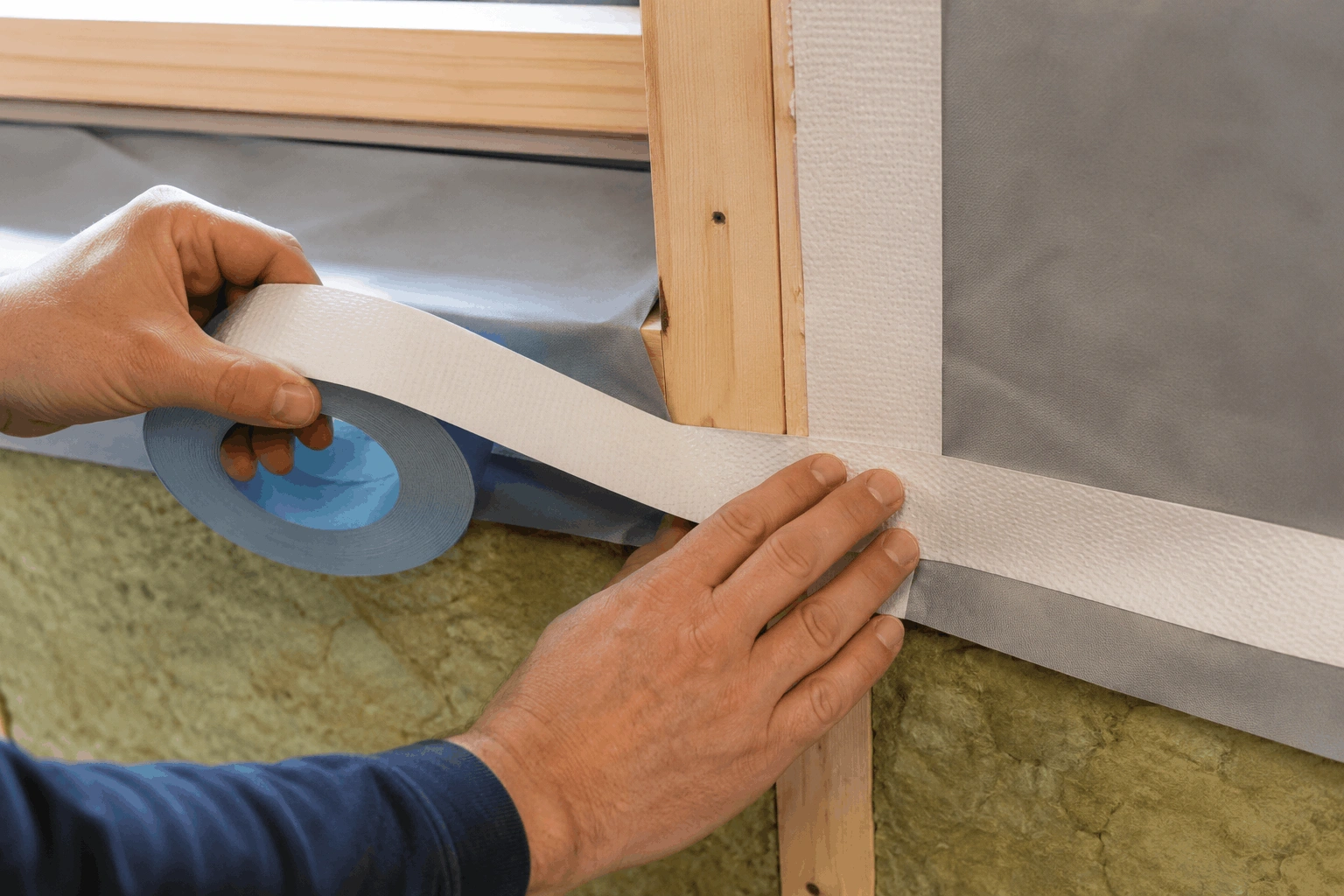
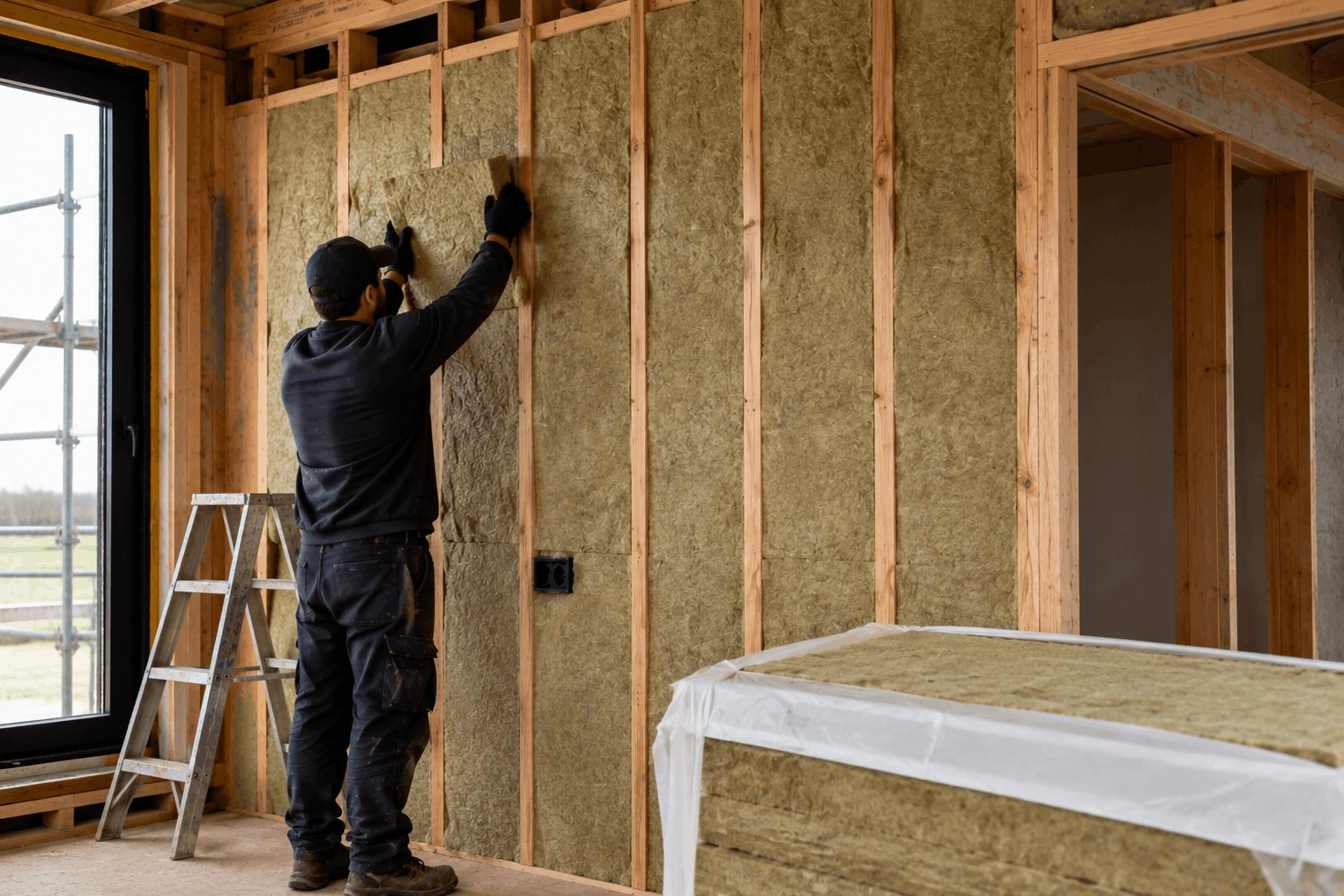
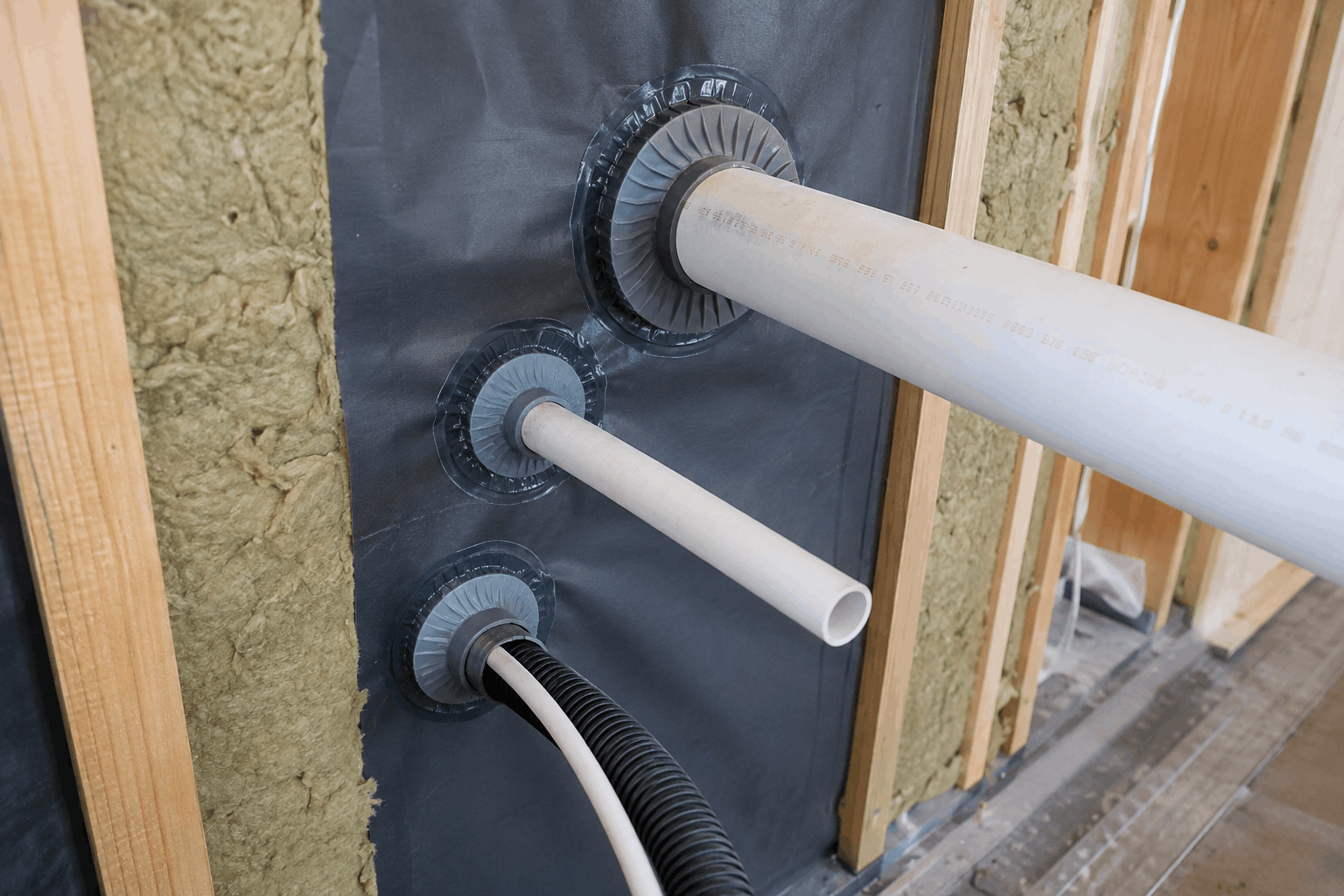
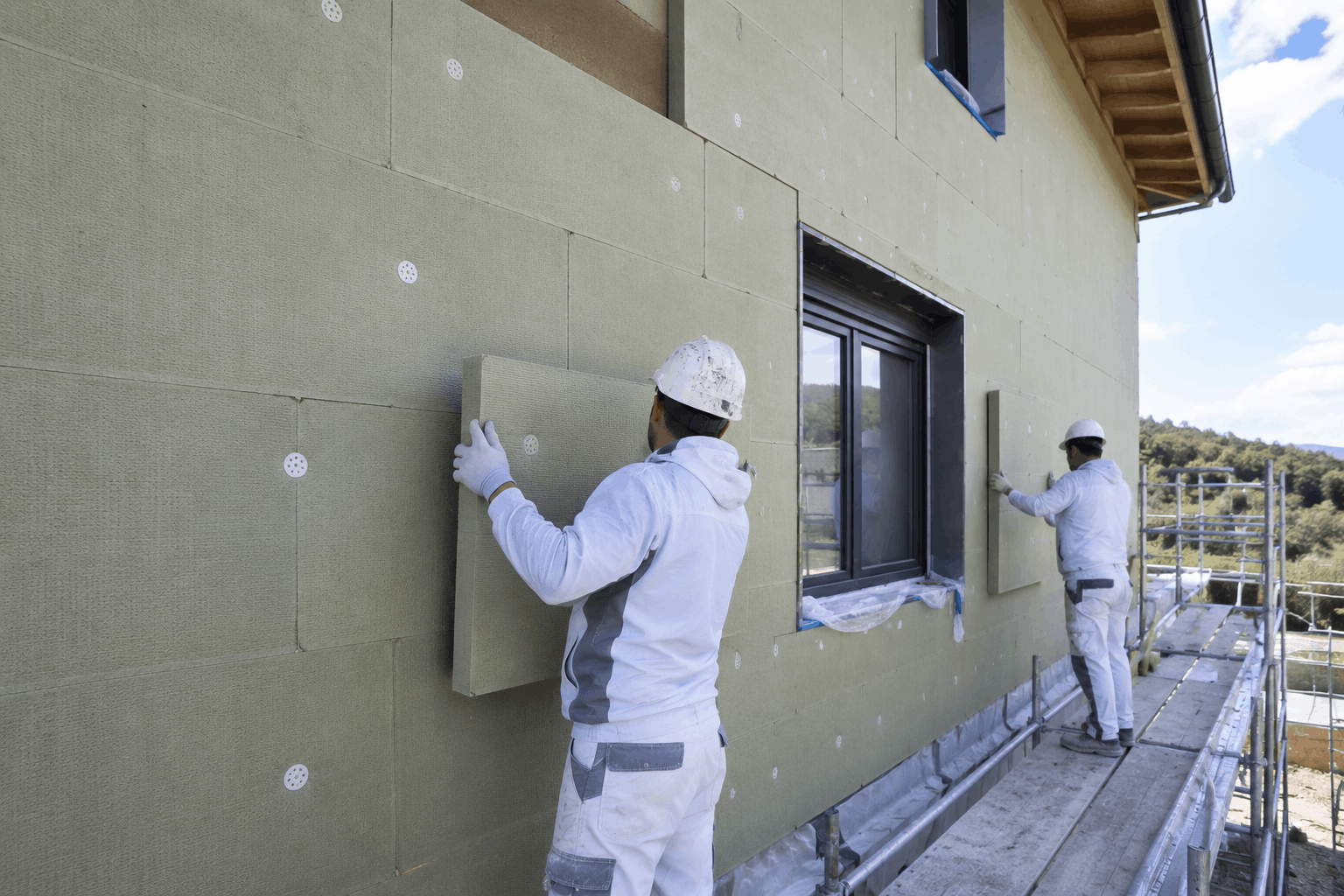
A passive house design is different in a fundamental way. The insulation, airtightness and high-performance windows that define passive building design mean the home’s internal temperature changes very slowly regardless of what’s happening outside or whether the power is on. The building fabric itself is the primary thermal management system, and it works without electricity.
What happens to temperature during an outage?
The thermal performance of a passive house in Australia during a power outage depends on the external conditions, the home’s thermal mass and how well it was designed for its specific climate. But the general principle holds across all climates, and that is that internal temperatures in a passive house design drift far more slowly than in a conventionally built home when active systems are unavailable.
In a well-designed passive house, the internal temperature might shift by one or two degrees over the course of a full day without any heating or cooling. A conventional home in the same conditions might shift by five, ten or more degrees over the same period and can reach uncomfortable or potentially dangerous temperatures in extreme weather.
This thermal resilience is not a feature that needs to be switched on or requires power to be achieved. It’s built into the fabric of the home and operates passively, by definition, without any power input. During an extended outage in a heatwave or a cold snap – precisely the conditions most likely to cause grid stress in the first place – a passive house design in Australia remains habitable and comfortable long after a conventional home has become unpleasant or unsafe.
Mechanical ventilation with heat recovery (MVHR) systems
The one system in a passive house design that does require power is the MVHR unit. This runs continuously under normal conditions, supplying filtered fresh air throughout the home. During a power outage – unless you have a backup power system – it stops.
A passive house without MVHR running is a very airtight building with reduced fresh air supply. For short outages of a few hours, this is not a significant concern. The air volume in the home is sufficient to maintain comfortable air quality, and windows can be opened if needed without meaningfully compromising the thermal performance over a short period.
For extended outages, opening windows periodically to exchange air is a reasonable and effective response. The thermal penalty of doing so in a passive house design is lower than in a conventional home, because the highly insulated envelope recovers its thermal balance more quickly once the window is closed. Experienced passive house designers in Australia will discuss this scenario with you during the design phase and can specify MVHR units with battery backup capability for households in areas with frequent or extended outages.
Pairing with solar and battery storage
The combination of passive house design and battery storage is particularly useful in the context of power outage resilience. A well-sized battery system can keep an MVHR unit running through most outages. The power draw of a correctly specified MVHR at normal operating speed is very low, typically 20 to 50 watts, meaning even a modest battery can sustain it for an extended period.
More broadly, a passive house in Australia paired with solar and battery storage is close to grid-independent for the heating and cooling loads that matter most during an outage. Because the home’s energy demand for thermal comfort is so low – a consequence of the passive house design itself – the battery doesn’t need to power a large air conditioning system to keep the home comfortable. It simply needs to supplement the building fabric’s natural thermal performance, which is already doing most of the work.
Passive house builders in Australia that are working on new homes in areas with frequent outages are increasingly incorporating battery storage into the design from the outset, treating it as an infrastructure decision rather than an optional add-on.
Bushfire and extreme weather resilience
The outage resilience of passive house designs in Australia is particularly relevant in bushfire-prone areas, where power outages often coincide with the most dangerous thermal conditions. During a bushfire event, the airtight construction of a passive house design provides meaningful protection against smoke infiltration. The MVHR system can be shut down to prevent smoke from being drawn into the home, and the building’s airtightness limits the uncontrolled infiltration that would occur in a conventional home.
Combined with battery backup to maintain the MVHR once the immediate fire risk has passed, a passive house in a bushfire-prone area is significantly better equipped to maintain safe internal conditions during and after a fire event than a conventionally built equivalent.
What passive houses can't do without power
A passive house design without battery backup is not a fully off-grid solution. The MVHR needs power. Your lighting, cooking, refrigeration and other household loads need power. Hot water systems – typically heat pump units in a passive house – need power to heat water, though the insulated tank retains its temperature for an extended period after the power goes off.
What a passive house does offer during an outage is thermal resilience. That means the ability to maintain a safe and comfortable internal temperature for a significantly longer period than a conventional home, buying time for the power to be restored or for alternative arrangements to be made.
Frequently Asked Questions
It depends on thermal mass, insulation specification and external conditions, but a well-built passive house design in Australia can typically maintain a comfortable temperature for 24 to 48 hours or more without any active heating or cooling. A conventionally built home in the same conditions might become uncomfortable within a few hours.