What to ask at a passive house open day or display home
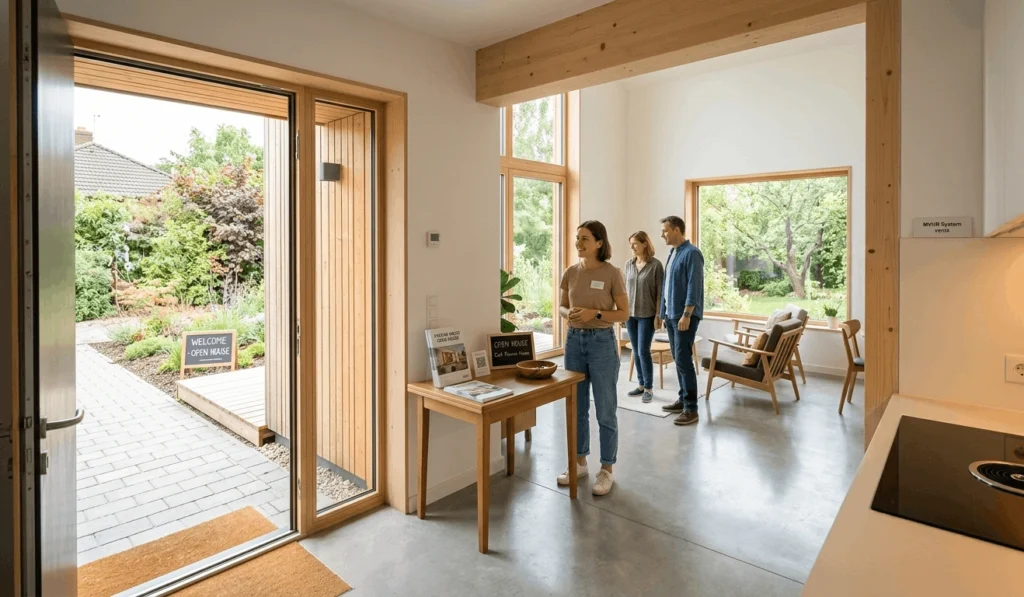
Visiting a passive house in person is one of the most useful things you can do before committing to buying or building one. Reading about airtightness and thermal comfort is helpful, but standing inside a home that demonstrates both is something else entirely.
At a passive house open day, you will find that the homes are interesting, the builders and designers are usually present and willing to talk, and the questions you ask will determine how much useful information you take away. Here’s what’s worth asking.
Questions about the building itself
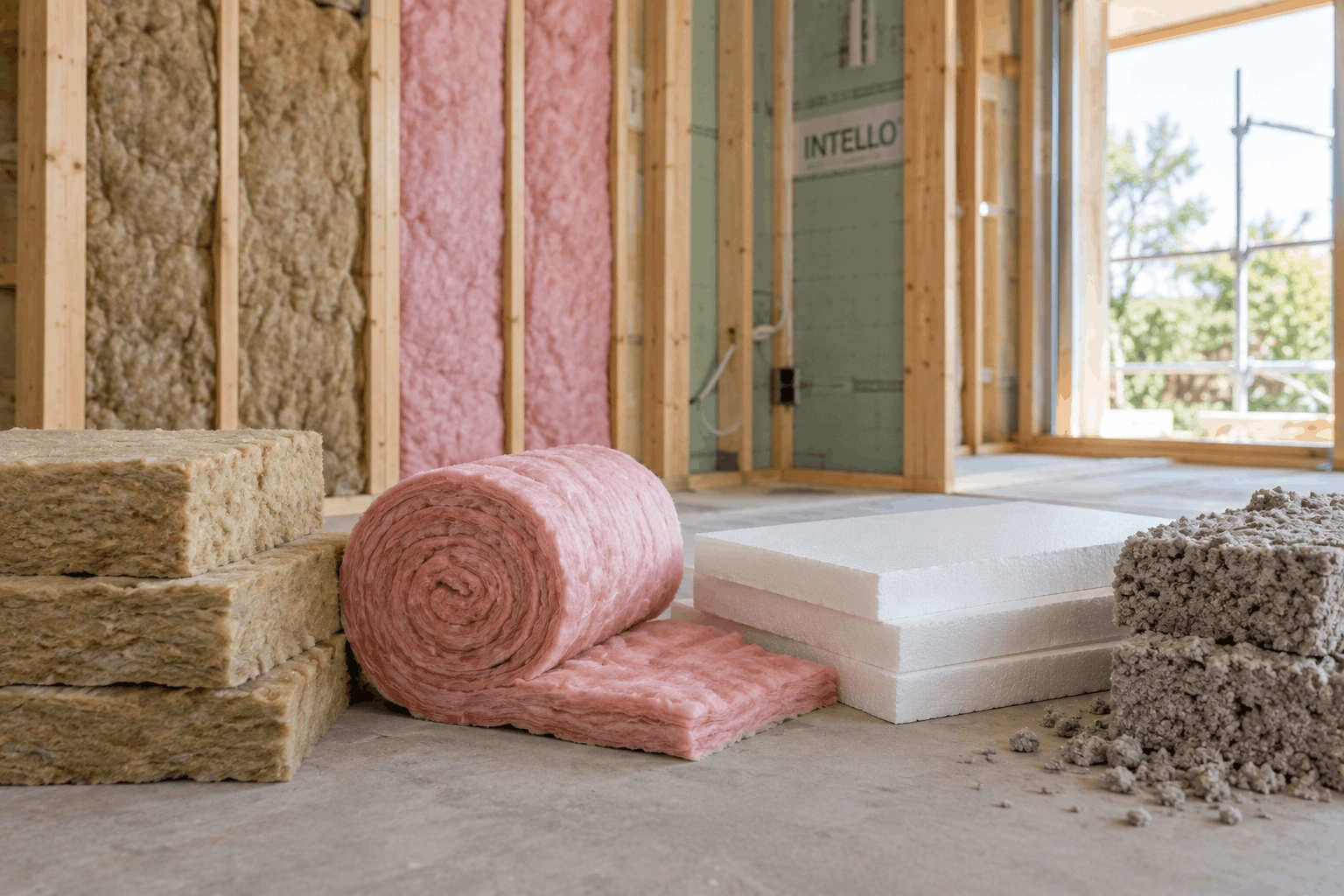
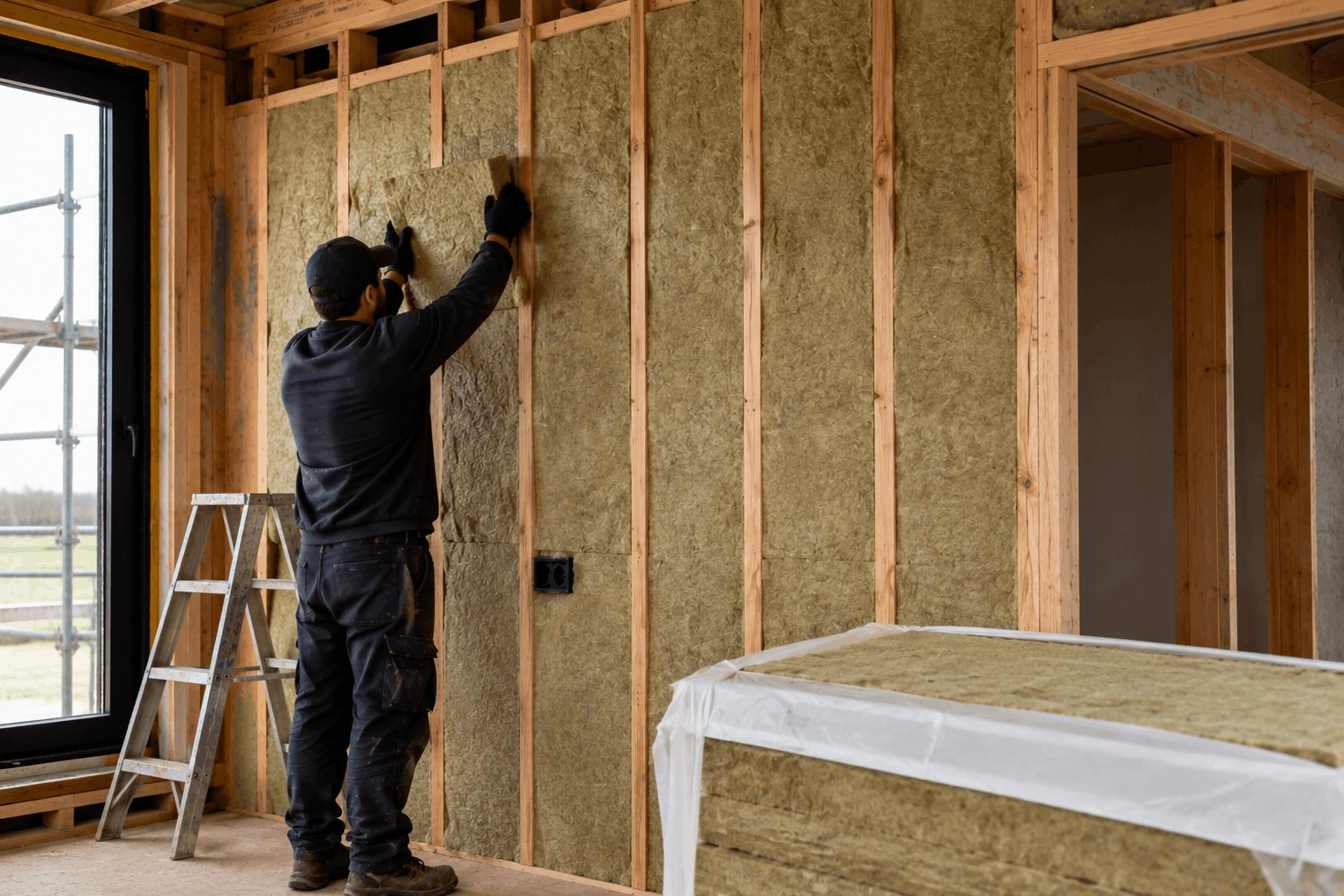
Start with the basics of the specific home you’re standing in. What climate zone is it designed for, and what certification level has it achieved? Has it been through the blower door test (crucial for certification), and what was the result? What are the wall, roof and floor insulation specifications, and what window system has been used?
A passive house designer or builder should be able to answer these fluently. If they can’t, that tells you something useful about the depth of their engagement with the standard. Ask about the mechanical ventilation with heat recovery (MVHR) system. What brand and model is installed, and why was it chosen for this climate? Where is the unit located, and how is the duct layout managed? How loud is it at normal operating speed? Listen carefully in the house to work out if you can hear it running yourself. A well-specified and correctly installed MVHR unit should be essentially inaudible in the living areas.
Questions about the design process
Ask how early the passive house principles were integrated into the design. Was PHPP modelling used from the concept stage, or was it applied later to check compliance? The answer is important as a passive house design that’s been modelled from the start produces better outcomes than passive house principles bolted onto a design that was conceived conventionally.
Ask about the site-specific challenges this home had to address. Every site has constraints – orientation, shading, exposure, local climate conditions – and understanding how the design team responded to them gives you insight into the quality of their thinking. Passive house designers in Australia who can speak about how they solved site-specific problems are the ones worth working with.
Questions about the construction process
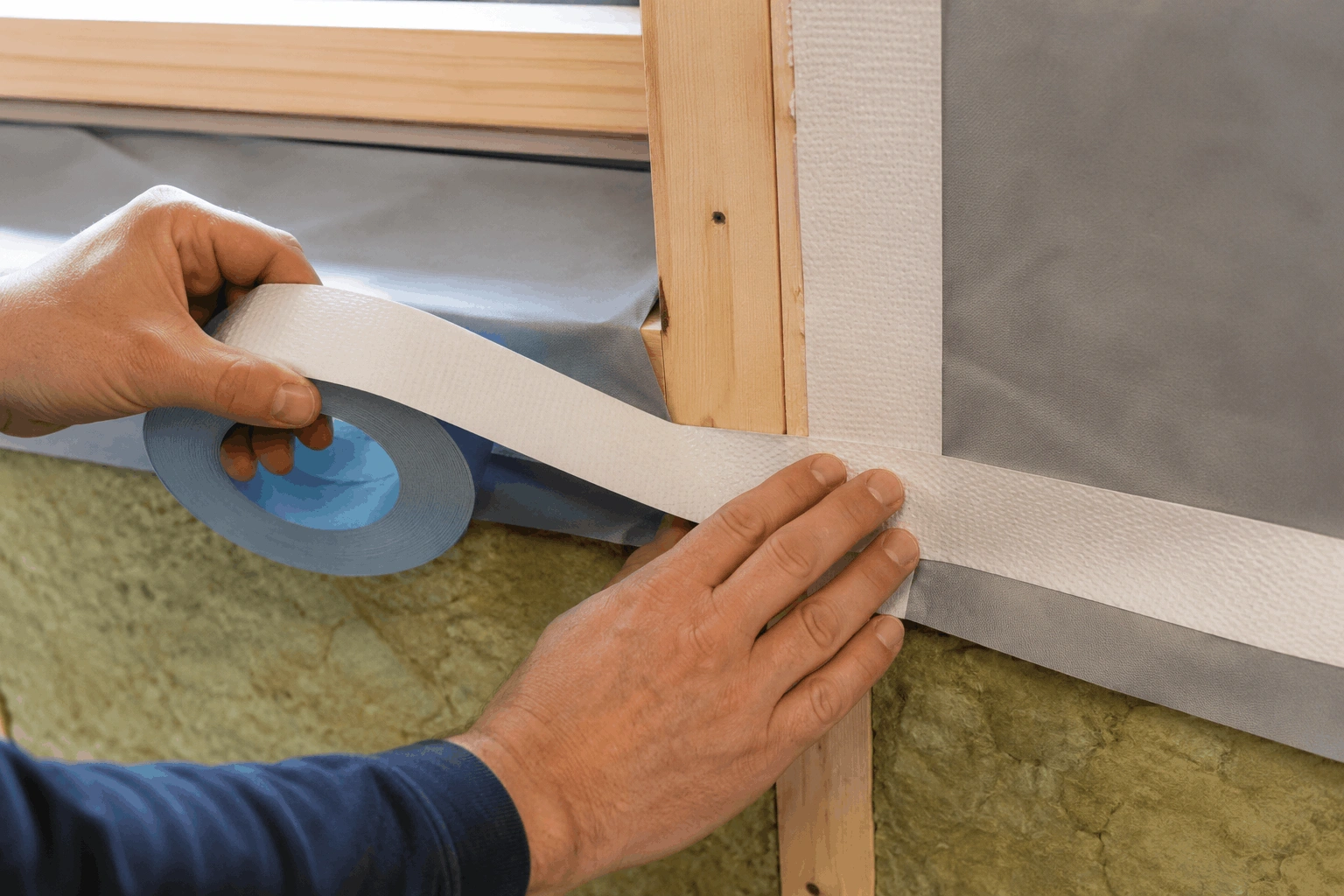
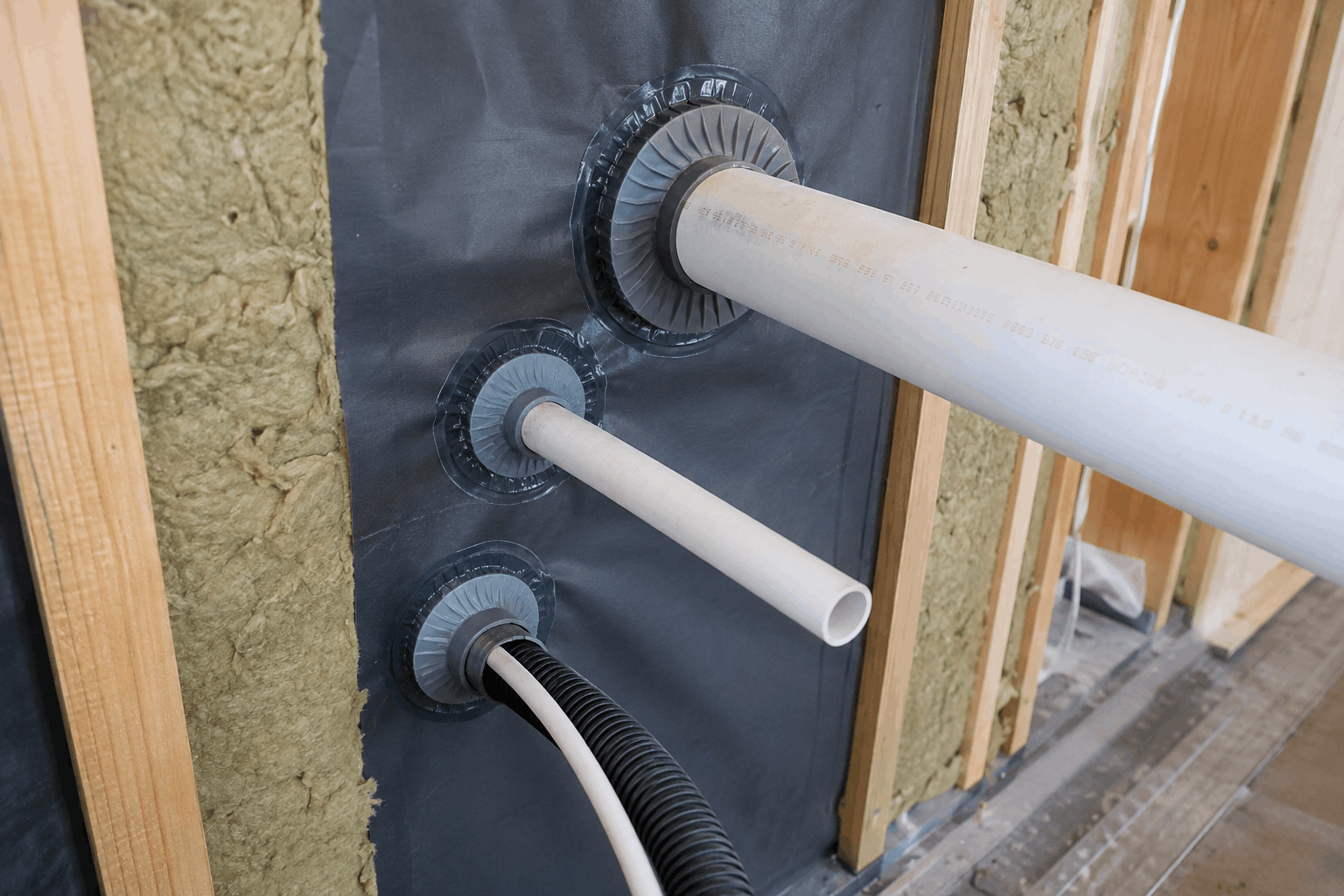
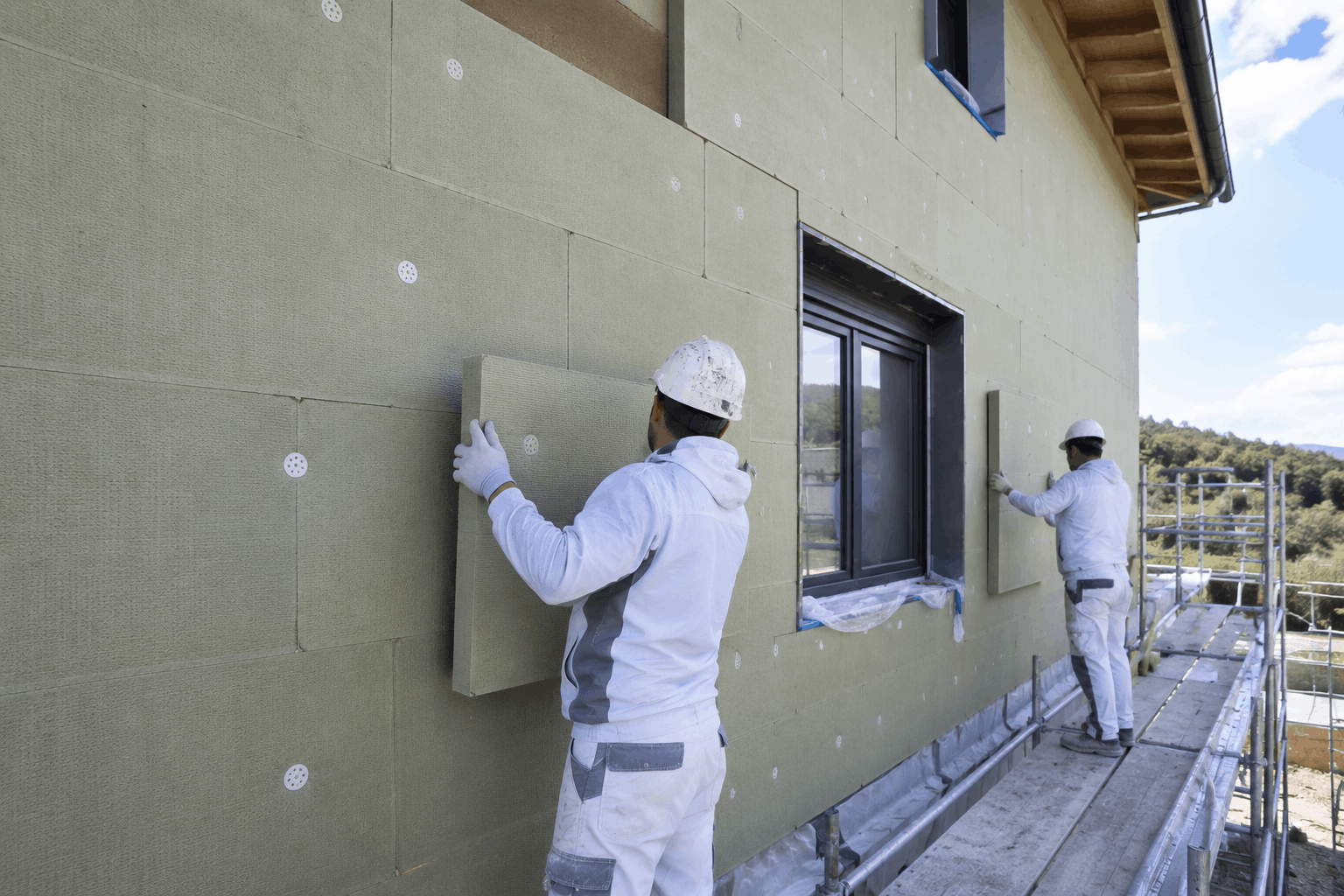
Ask the builder how they managed airtightness during construction. What was the airtightness strategy, and at what stage was interim blower door testing carried out? How were trades briefed on airtightness requirements, and how were penetrations through the envelope detailed and sealed?
These questions get at something important: passive home building requires a level of coordination and attention to detail that conventional construction doesn’t. A builder who can describe their airtightness process clearly has earned that knowledge through experience. A builder who gives vague answers may not have.
Ask about the relationship between the designer and builder. This relationship matters enormously in passive house builds, as miscommunication at the construction stage is one of the most common sources of performance shortfalls.
Questions about living in the home
If the homeowner is present, as they often are at passive house open days, their perspective is invaluable. Ask what surprised them most in the first year of living there. Ask how the home performs on the hottest and coldest days. Ask whether they’ve needed to adjust anything about how they use the home, and whether the energy bills have matched what was predicted.
Real occupant experience cuts through marketing claims in a way that nothing else can. A passive house design in Australia that performs as predicted in lived conditions is the best possible advertisement for the standard, and a homeowner who can describe that experience in specific, concrete terms is worth listening to carefully.
Questions about cost
One question worth asking yourself
Before you leave, ask yourself whether the home felt comfortable, not just interesting. Did the temperature feel stable? Was there any stuffiness or staleness in the air? Could you hear the ventilation system? Was there any condensation on the windows?
Your physical experience of the space is data. A well-built passive house design should feel noticeably different from a conventional home – quieter, more even in temperature, fresher in air quality. If it doesn’t, that’s worth noting.