Why building a passive house makes more financial sense than ever
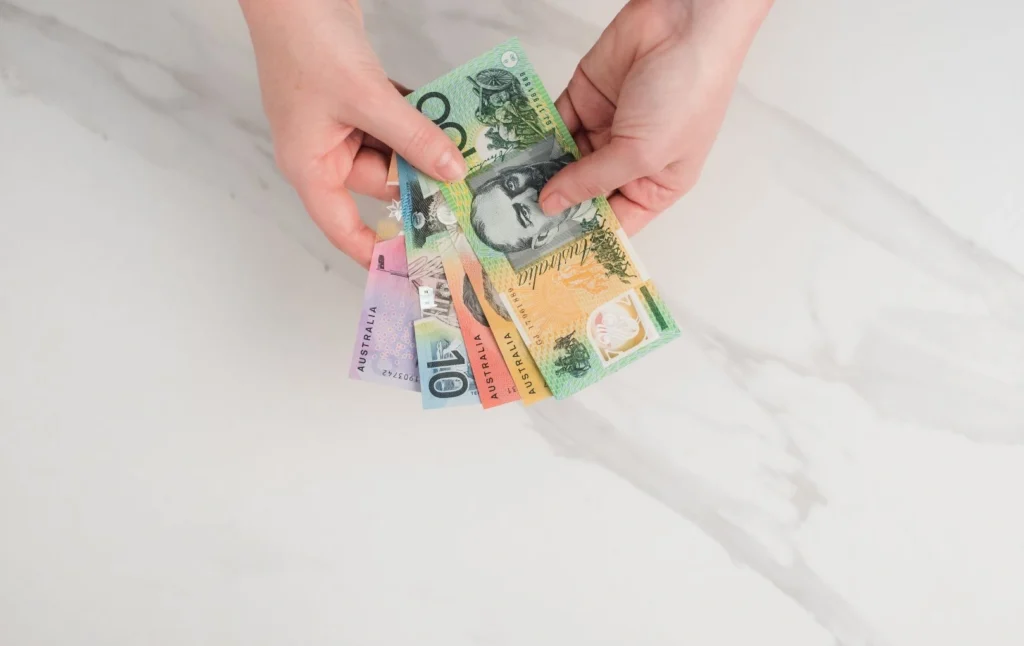
Australian energy bills have rarely been more painful or more unpredictable. Between June 2023 and June 2025, power costs surged 27% above the consumer price index, according to energy comparison service iSelect.
Gas is not offering any relief either. The government-imposed gas price cap that provided households with some protection expired in July 2025, removing a buffer that had been holding wholesale prices in check.
For anyone building a new home, this is the context in which that decision is being made. And it makes the financial case for passive house design stronger than it was even a few years ago.
What's actually happening with energy prices
From 1 July 2025, the Australian Energy Regulator’s Default Market Offer saw residential electricity prices rise across NSW, South Australia and south-east Queensland, with increases of up to 9.7% depending on usage and location. And the government rebates that softened recent bills for many households have now ended.
According to the Australian Bureau of Statistics, electricity costs rose 37% in the 12 months to February 2026, largely driven by the expiry of those energy bill relief credits, on top of an underlying price increase of 4.9%.
Gas prices are similar. The average Australian gas bill is approximately $229 per quarter nationally, but in some locations, like Victoria, households with gas central heating can pay up to $220 per month in winter. And structural pressures suggest prices are unlikely to ease.
Additionally, gas sets the price of electricity up to 90% of the time, despite providing only around 5% of Australia’s power. This means that gas price volatility flows directly into electricity bills, even for households that don’t use gas directly.
Why a passive house is structurally insulated from this
A passive house design doesn’t just reduce energy bills at the margins. It addresses the problem at a structural level by dramatically reducing the amount of energy the home needs in the first place.
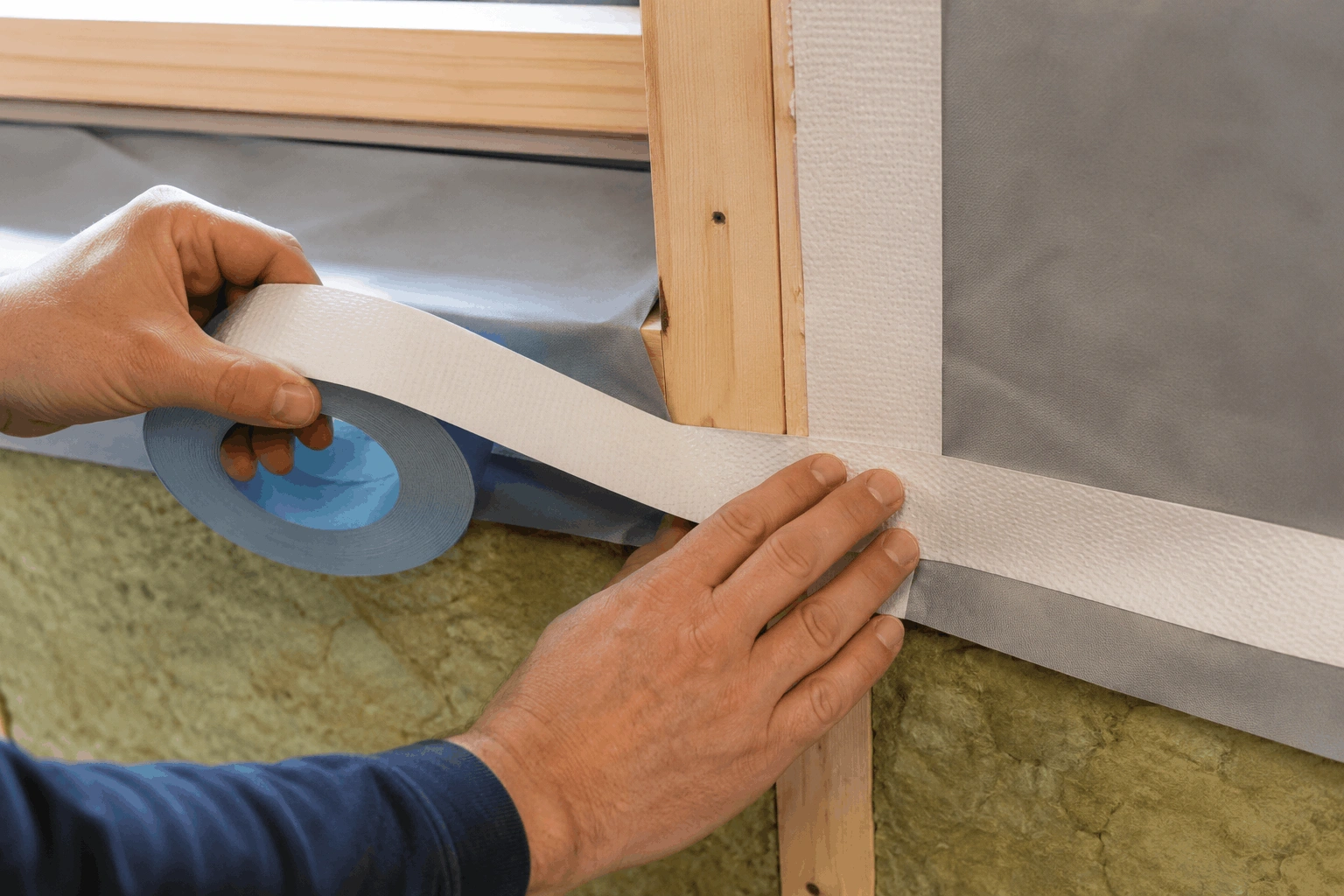
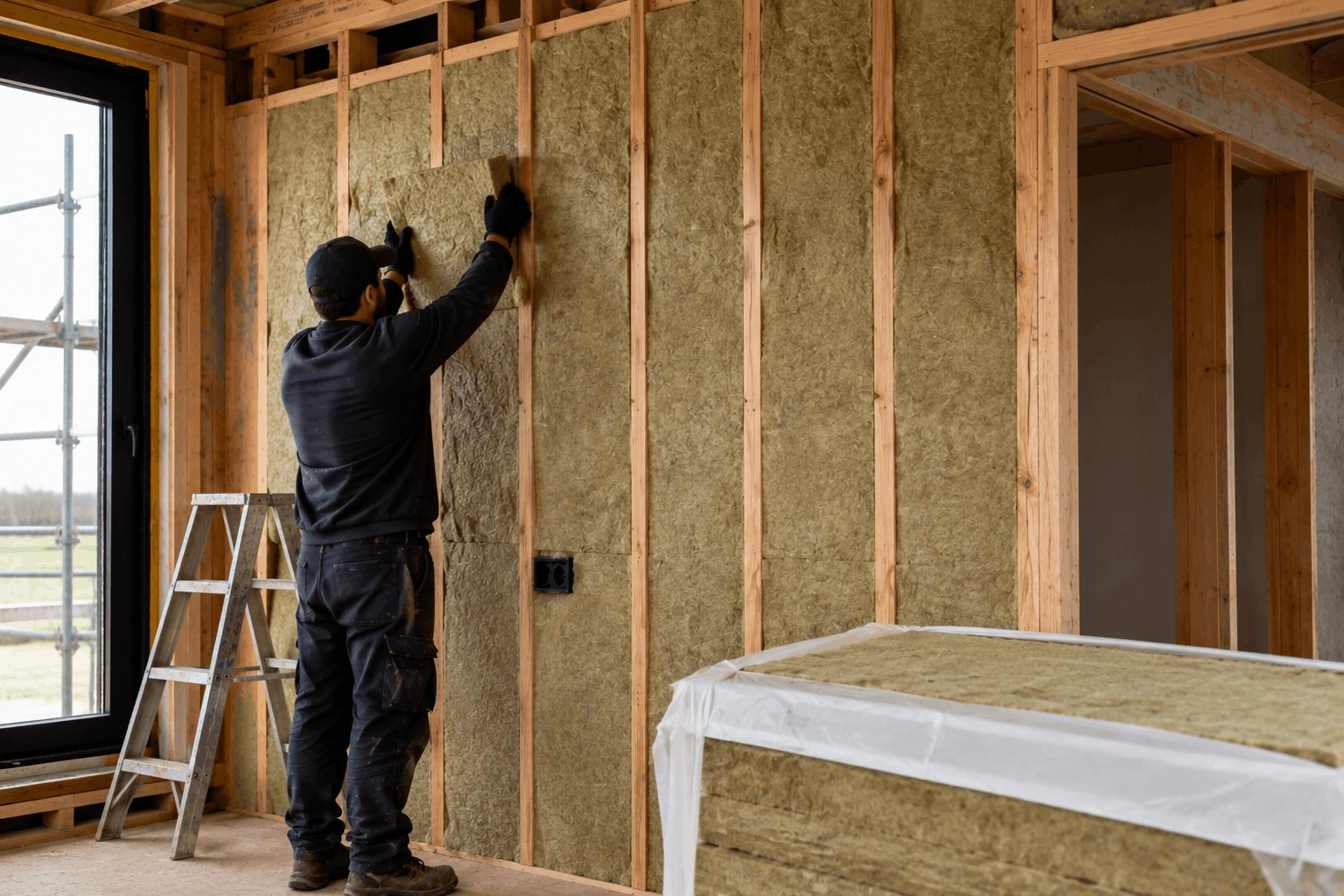
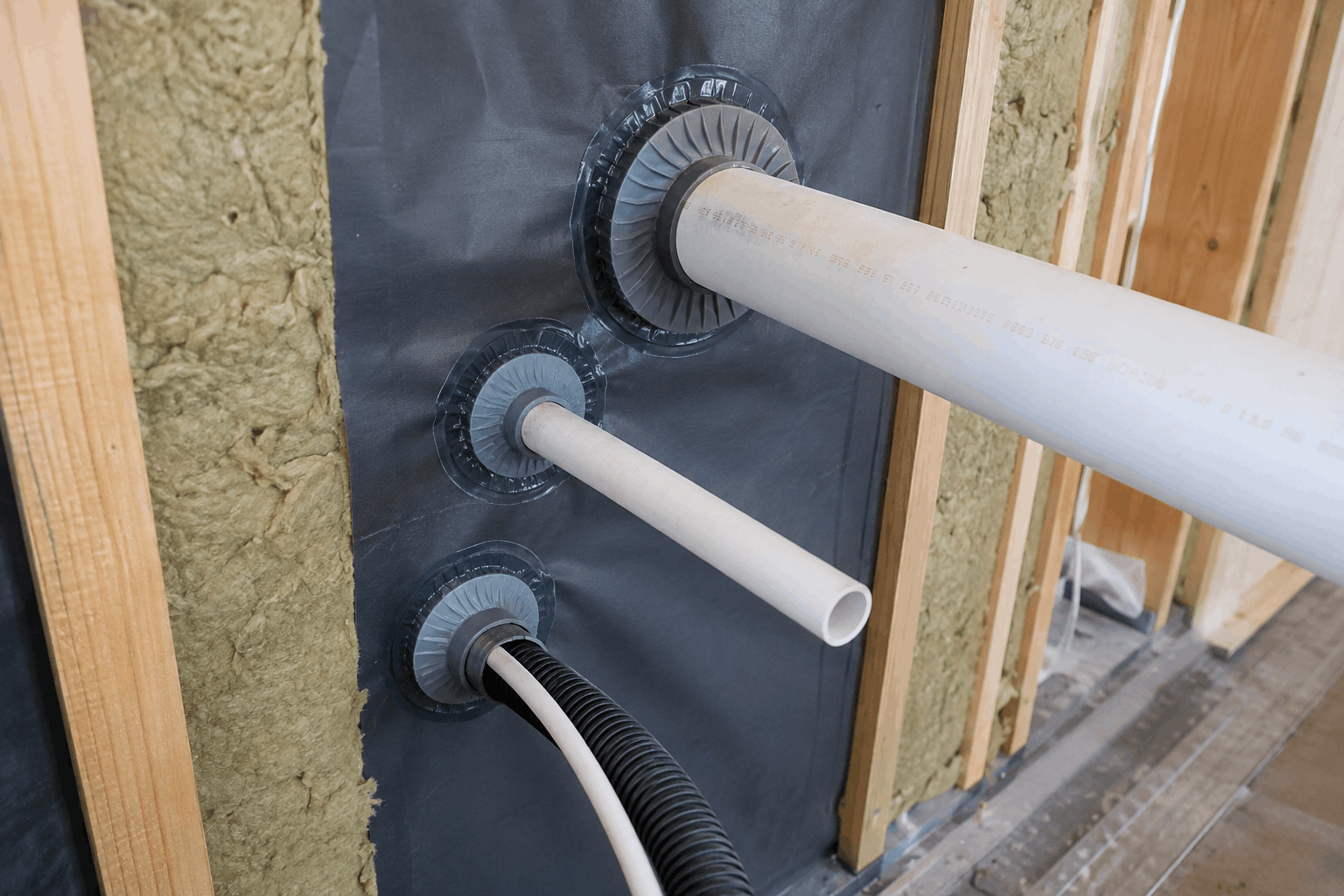
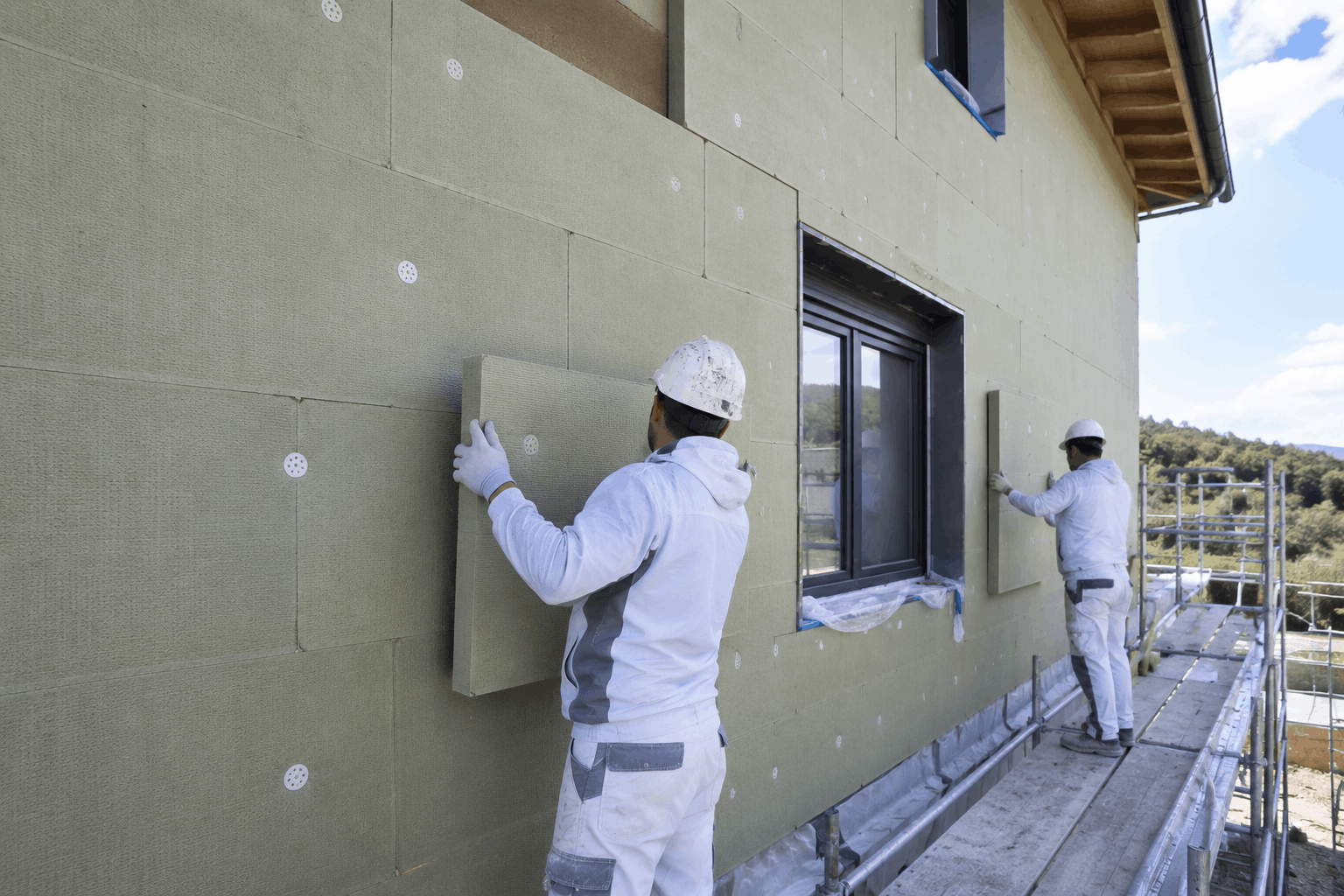
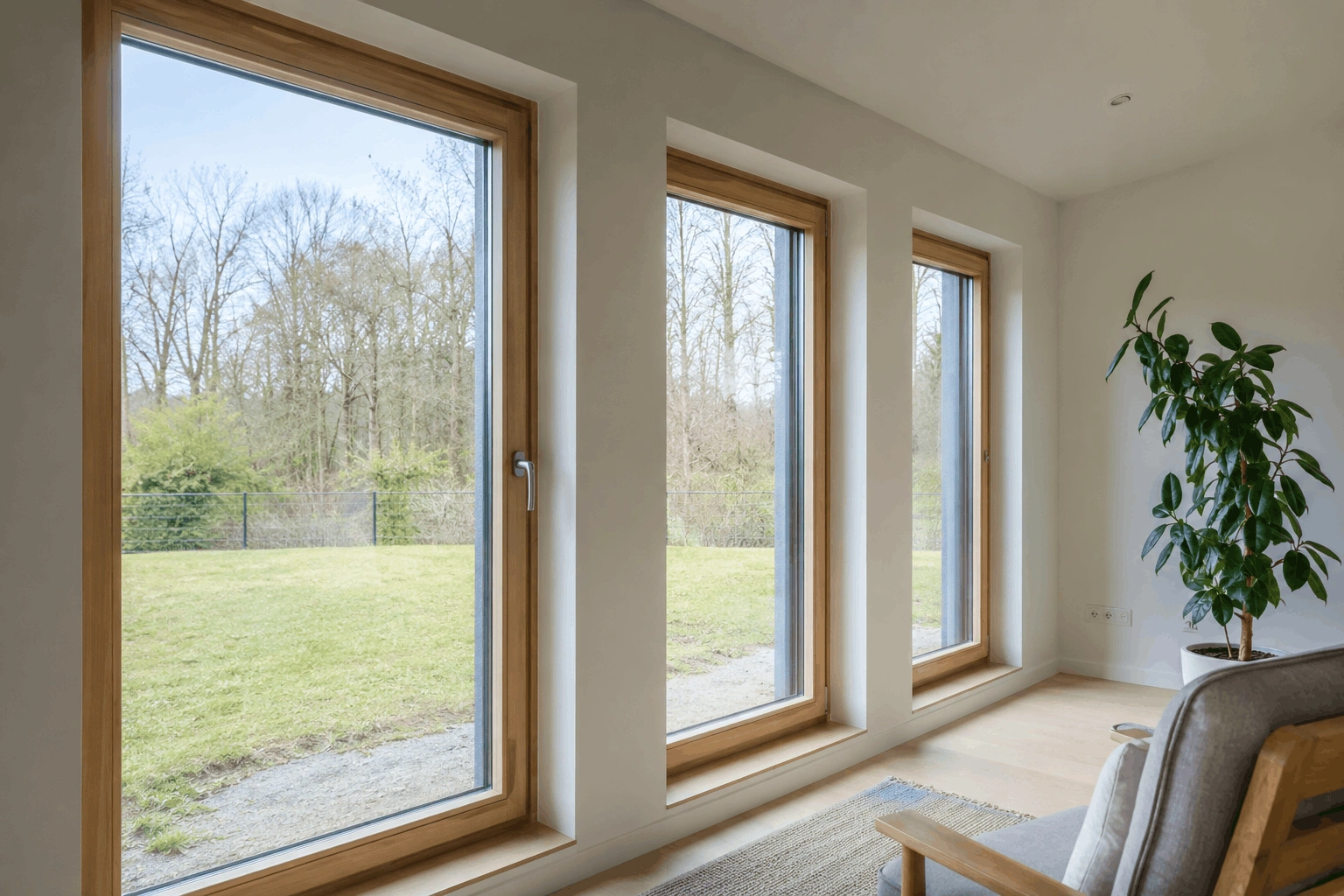
The heating and cooling demand of a certified passive house in Australia is typically 80 to 90% lower than a conventionally built equivalent. That’s achieved through the building fabric itself. Continuous insulation, airtight construction, high-performance windows and controlled ventilation work together to keep heat in during winter and out during summer, without relying on energy-hungry mechanical systems to compensate for a leaky envelope.
When your home needs very little energy to stay comfortable, rising energy prices have very little leverage over your household budget.
The gas question
Many Australian homes still rely on gas for heating, hot water and cooking. For those households, the current gas market is a genuine financial risk. Domestic gas reserves on the East Coast are declining, LNG export dynamics continue to put upward pressure on domestic prices and the government price cap that provided some protection has now expired.
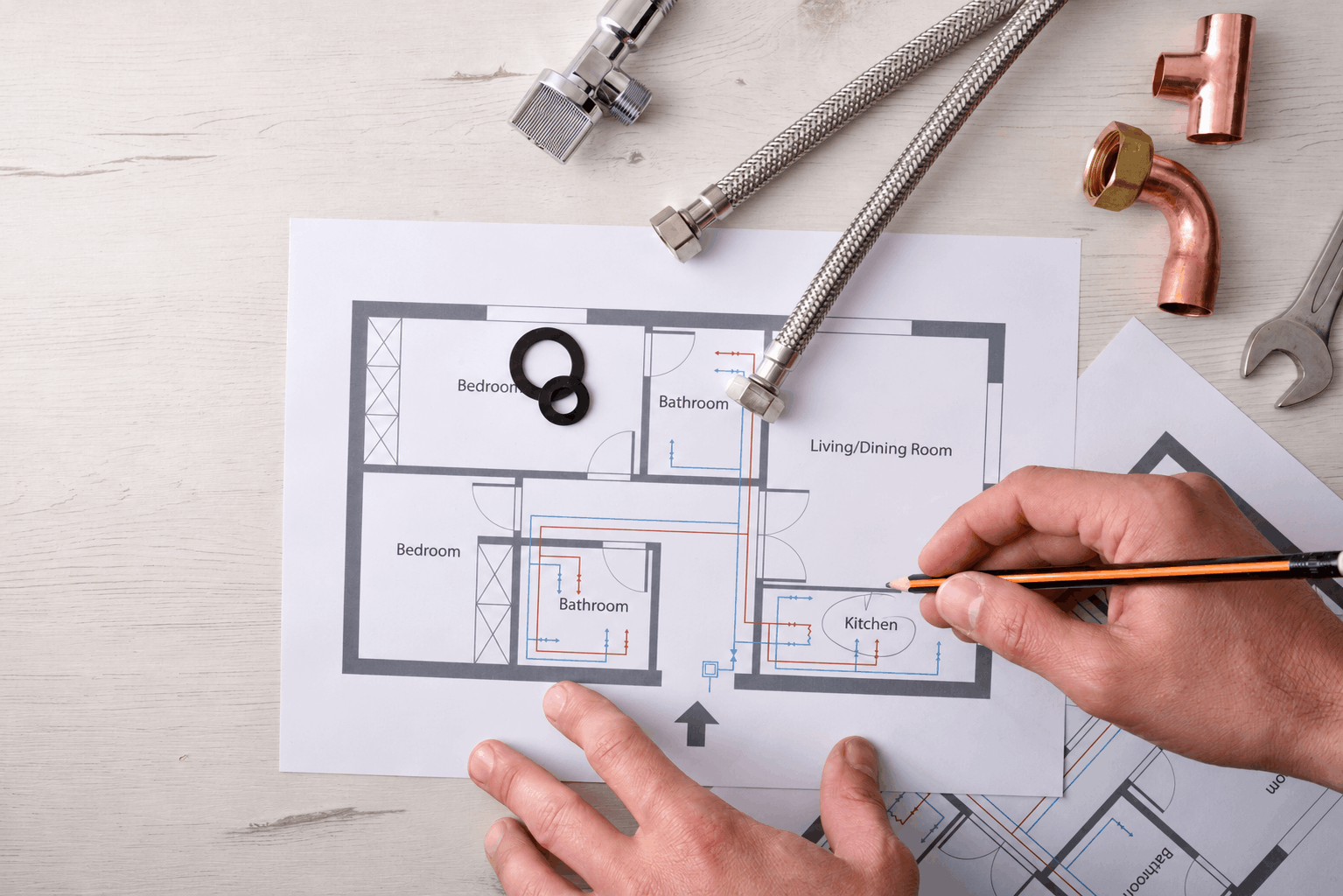
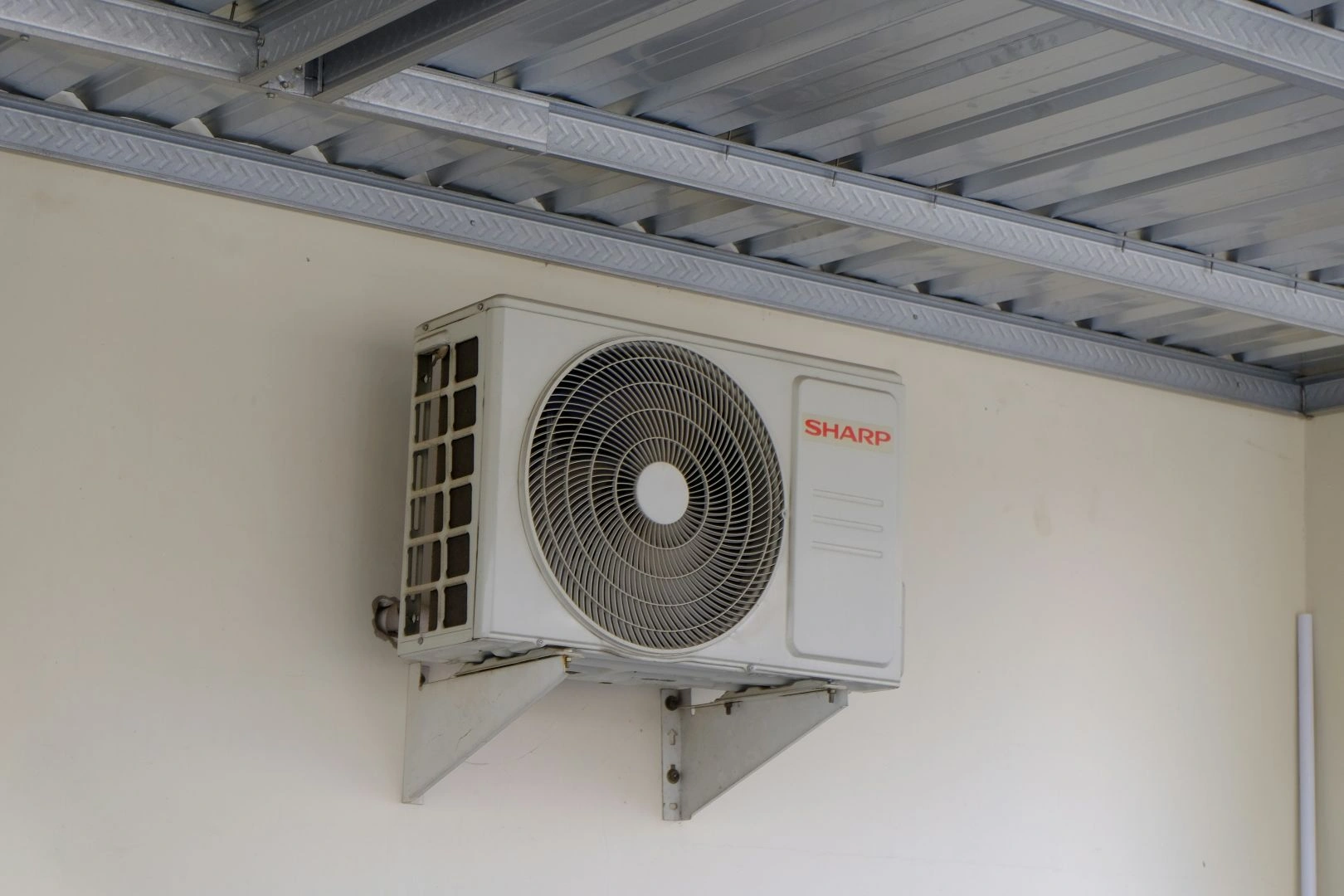
Passive house designs in Australia are almost universally designed as all-electric homes. There is no gas connection, no gas appliance and no exposure to gas market volatility. Space heating – where required at all – is typically handled by a small, highly efficient heat pump running on electricity. Hot water is supplied by a heat pump hot water system. Cooking is induction.
For households currently spending $800 to $1,000 or more per year on gas, eliminating that cost entirely is a large and permanent saving that will compound as gas prices continue to rise.
Pairing passive house with solar
More than four million Australian households have solar panels on their rooftops, saving around $1,500 per year on average, according to the Climate Council. A passive design house pairs very well with rooftop solar because its energy demand is already very low. This means a modest solar system can cover a significant proportion of its total consumption.
In a conventional home, solar offsets some of the energy used by an inefficient building envelope. In a passive house design, solar can effectively cover most of what the home needs. Add battery storage, and the combination of passive home building and renewable generation can reduce energy bills to near zero, with no dependence on a grid that can deliver sudden and significant price increases.
The maths of building versus not building
The upfront cost of passive house designs is higher than conventional construction – typically 5 to 15% depending on the builder, the design and the site. That is a significant added cost.
However, a conventionally built home in Australia today commits its owner to decades of exposure to an energy market that has increased prices by more than 200% since 2000 and shows no reliable sign of stabilising. The operational savings from passive building design, including lower heating and cooling bills, no gas costs and reduced reliance on grid electricity, compound over the life of the home.
Experienced passive house builders in Australia will be able to model the payback period for your specific project. For most builds, the combination of energy savings, eliminated gas costs and reduced maintenance requirements on mechanical systems means the premium pays for itself well within the life of the mortgage.