Australia’s renewable energy record highlights the value of reducing household demand
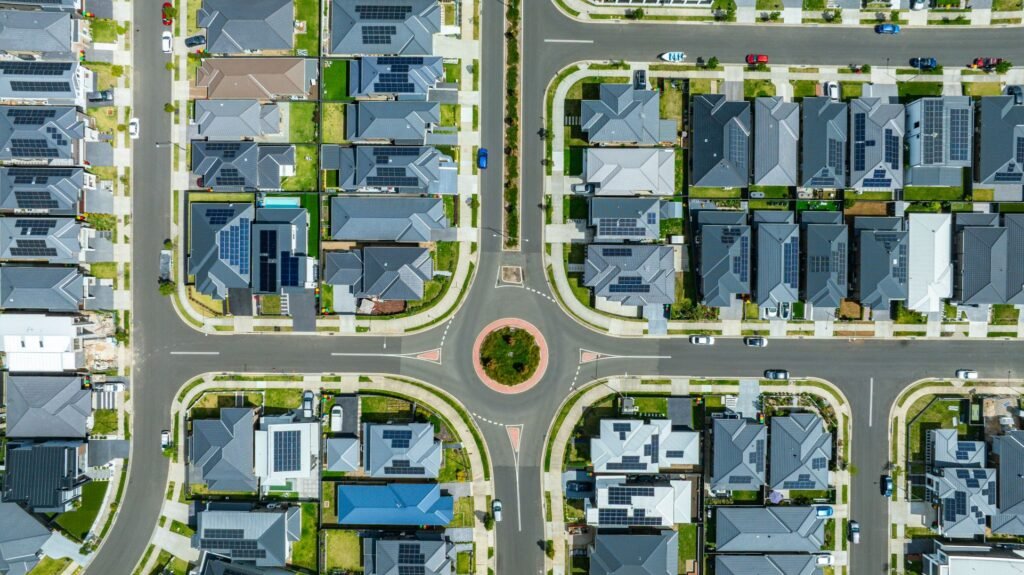
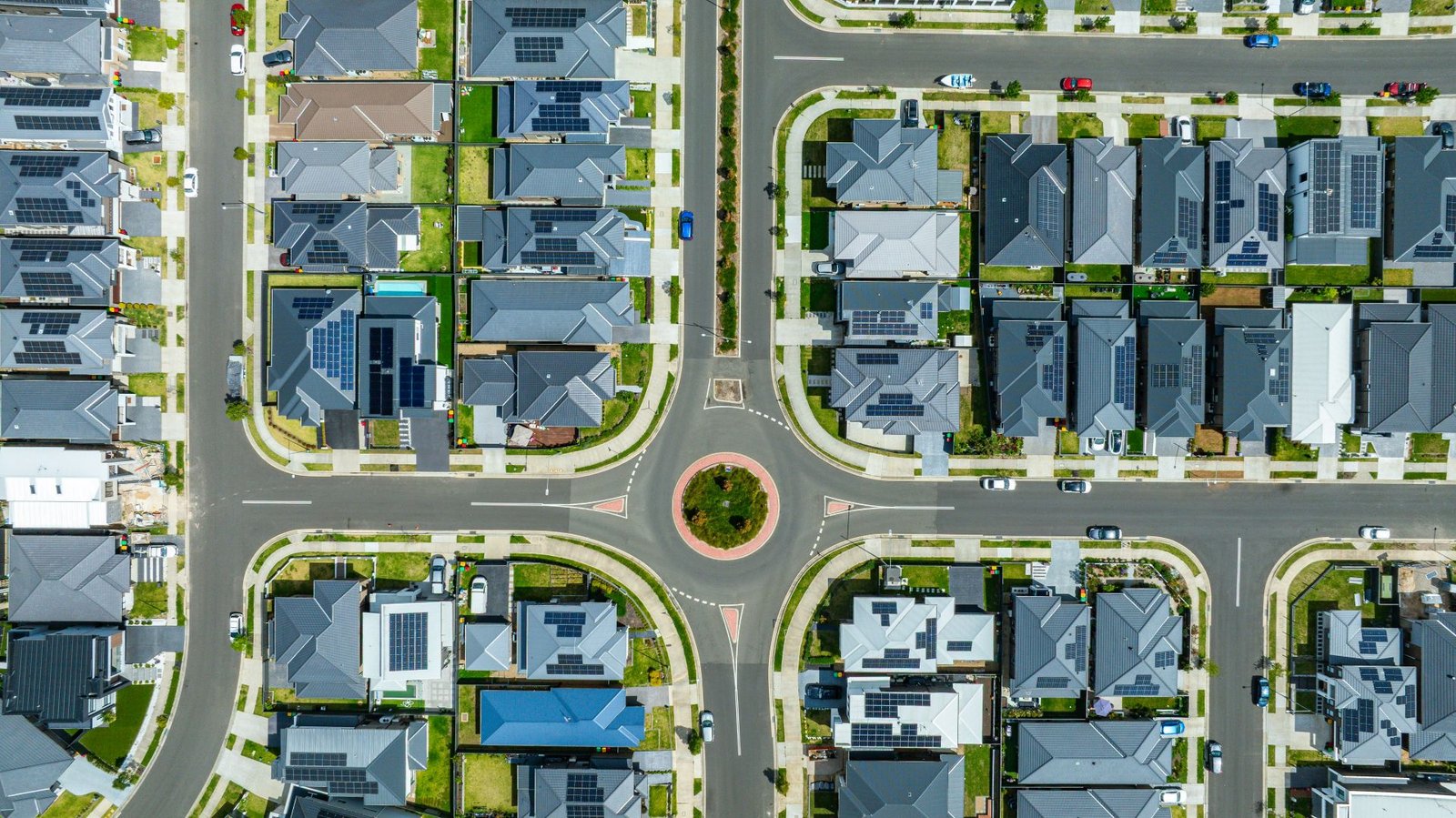
On Saturday 20 September 2026, solar and wind generation met a record 80.4% of demand on Australia’s main power grid. According to The Guardian, rooftop solar alone provided more than half of all power used in the National Electricity Market for 30 minutes around lunchtime – a milestone the energy minister described as “more clean, cheap, sovereign energy powering our homes and businesses than ever before”.
But while sunshine helped create the record, there was another factor at play: demand for
heating and cooling was relatively low. That’s the interesting connection to passive house design.
Low demand helped Australia reach 80% renewables
UNSW energy systems researcher Dr Dylan McConnell told The Guardian that clear, sunny spring days were providing strong conditions for renewable generation at the same time as heating and cooling demand was low.
In mild spring weather, that can happen naturally. Homes need less heating than they do in winter and less air conditioning than they might during an Australian summer.
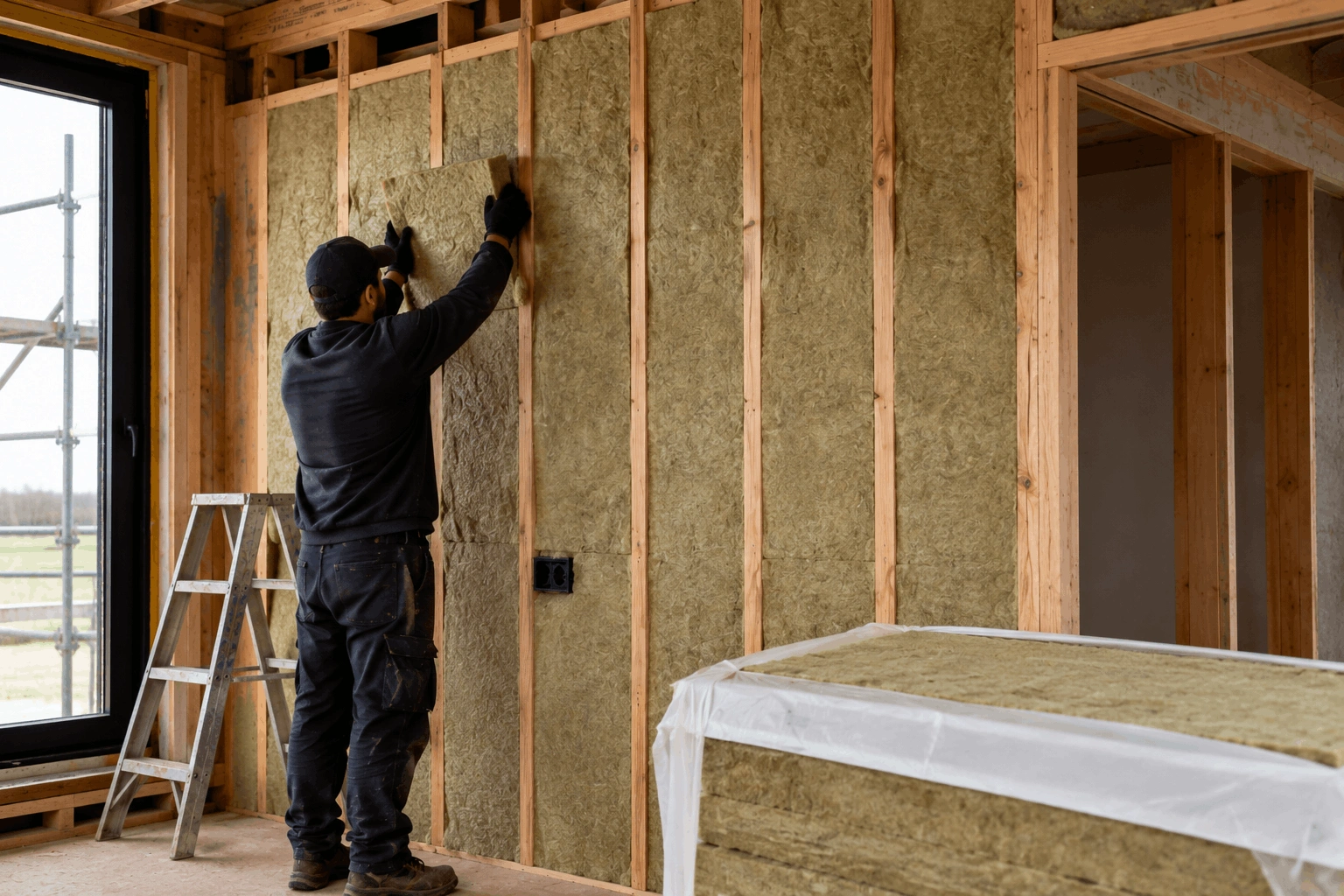
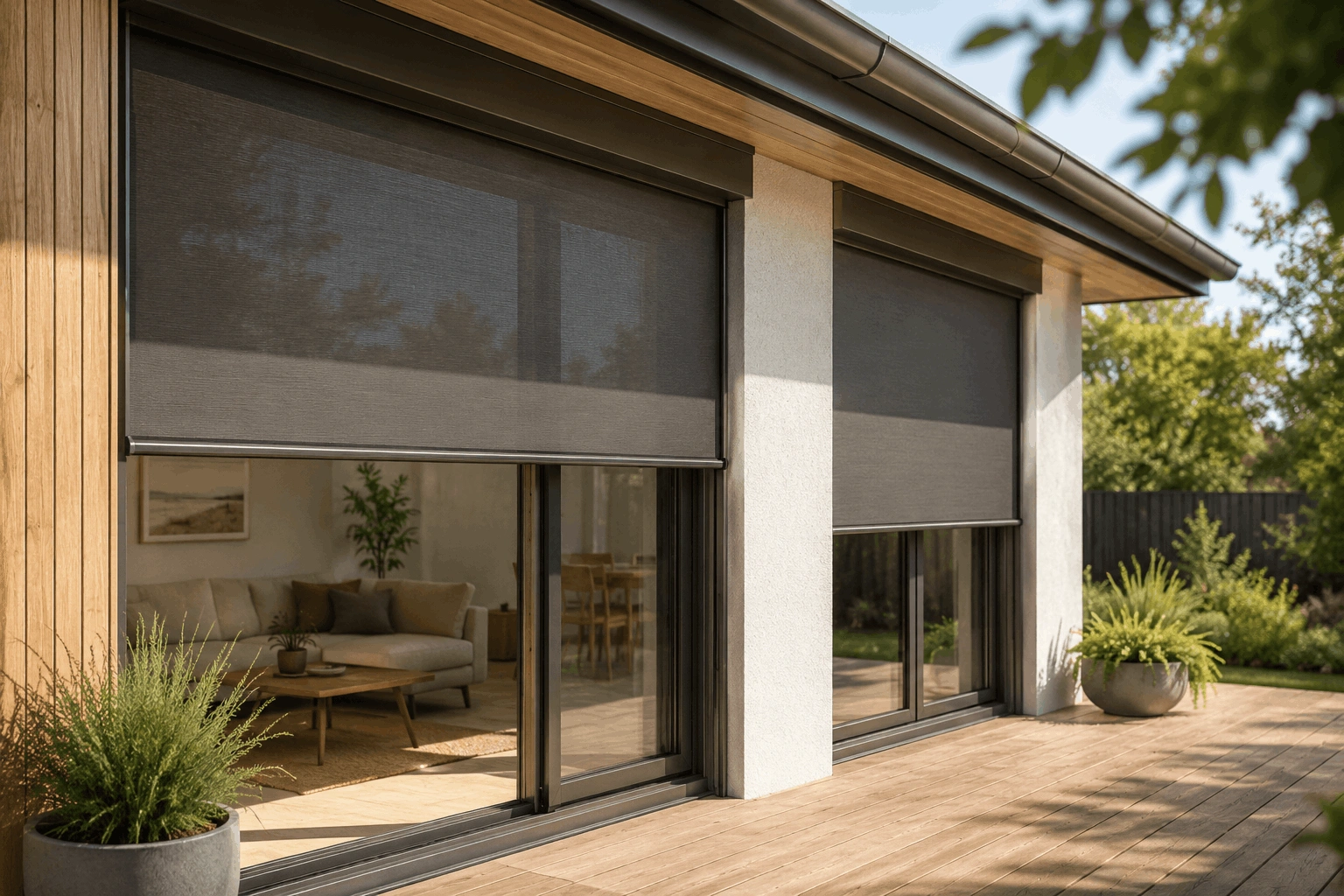
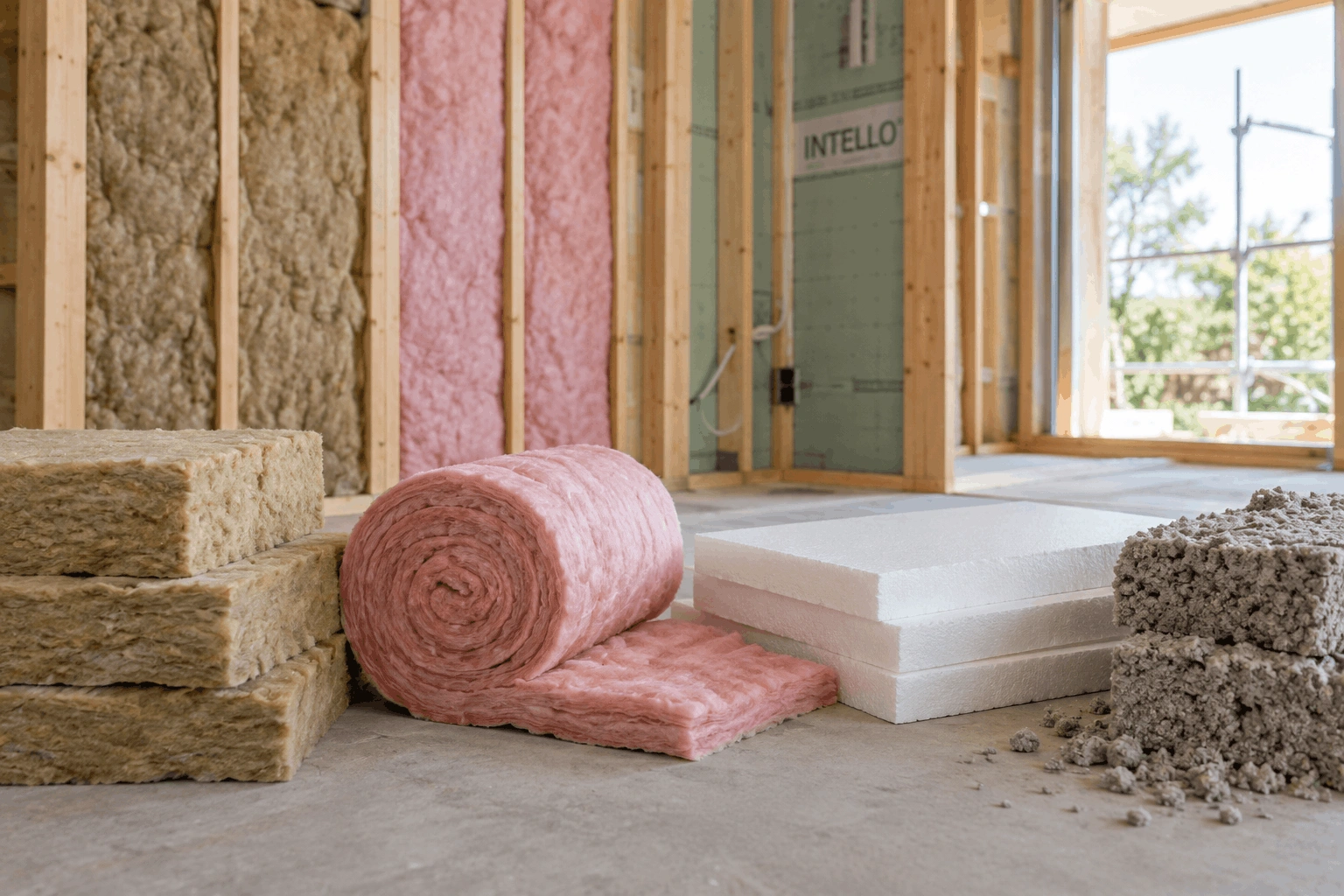
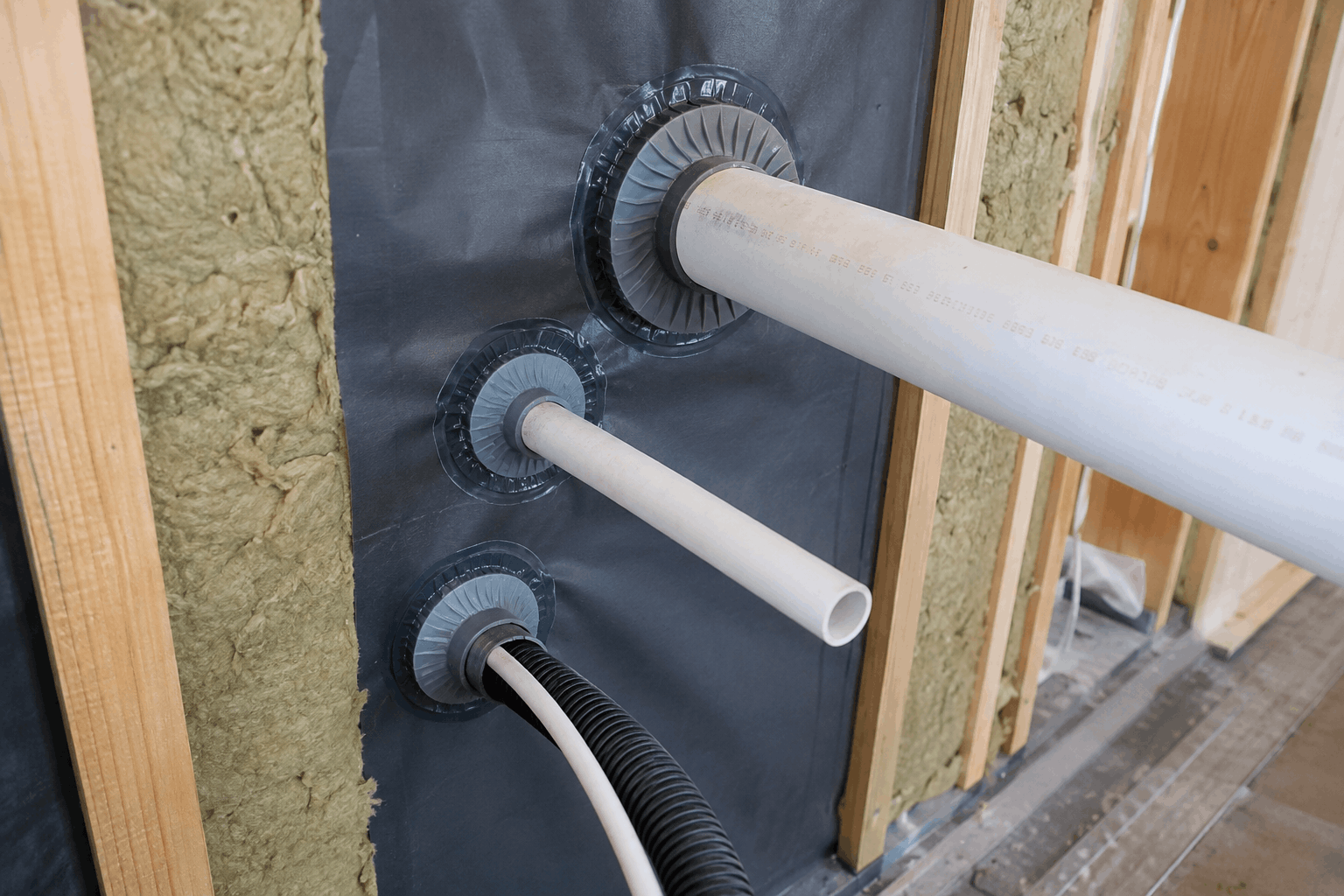
A passive house in Australia aims to reduce that demand much more consistently. Through a highly insulated and airtight building envelope, high-performance windows
and controlled
ventilation
, passive house design reduces the amount of heating and cooling required to maintain comfortable indoor conditions.
That means demand reduction is built into the home rather than relying on mild weather to
reduce energy use.
Passive house design approaches the other side of the energy equation
While much of Australia’s energy transition is understandably focused on electricity supply,
passive building design approaches the equation from the demand side.
A passive house can use up to 90% less energy for heating and cooling than conventional
buildings, with measured savings averaging around 80% compared with new buildings
constructed to legal standards, according to the International Passive House Association.
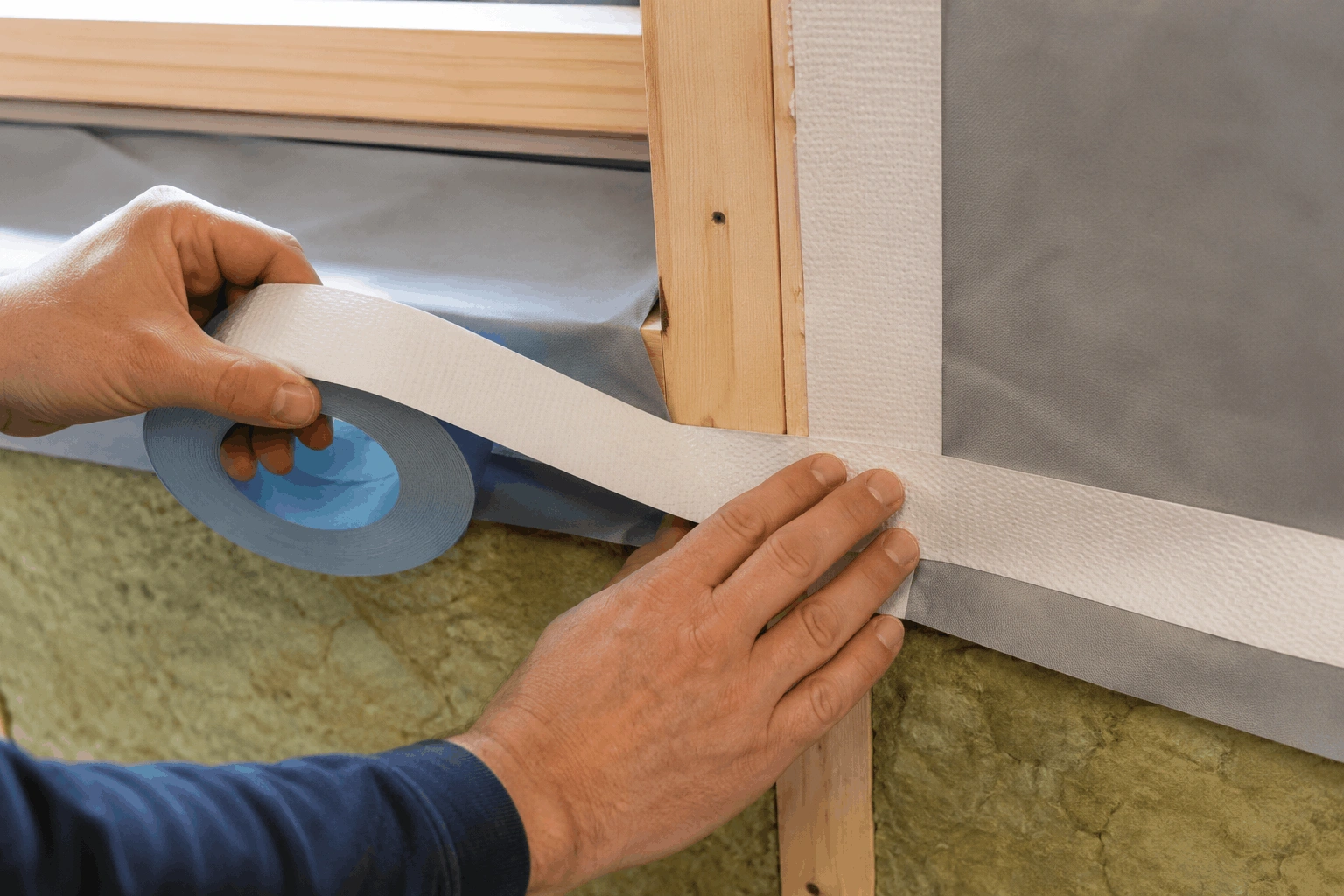
Insulation and airtight construction help limit unwanted heat transfer and air leakage, while high-performance windows and controlled ventilation contribute to maintaining comfortable
indoor conditions with much less active heating and cooling.
In many passive house designs, the two approaches can work together. A home with low
energy demand needs less electricity in the first place, while rooftop solar can provide
renewable electricity towards the energy it does use.
Looking beyond a single renewable energy record
The significance of reducing demand becomes clearer when you look beyond September’s
single record.
Dr McConnell told The Guardian that, from an emissions perspective, what matters is the
annual contribution of renewables and how much coal Australia continues to burn. Renewables accounted for an average 44% of electricity in the year to June – well below the 80.4% reached during Saturday’s record.
Obviously, a passive house design in Australia can’t determine where the electricity supplied
by the grid comes from. But what it can do is reduce the amount of energy a home needs for
heating and cooling throughout the year.
Reducing demand as the grid changes
Australia’s latest renewable energy record shows what the grid can look like when strong
solar and wind generation coincide with low electricity demand. Those conditions won’t exist every day of the year.
That’s where the connection with passive house design becomes particularly relevant. A
passive house is designed to keep heating and cooling demand low through summer heat, winter cold and the milder months in between.
As Australia adds more renewable generation, there is still value in reducing the amount of
energy our buildings require. Passive house designs in Australia address that side of the equation at the household level – creating homes that need less energy to remain comfortable, whatever the generation mix happens to be at the time.
Frequently Asked Questions
The building envelope is the boundary between the conditioned interior of a passive house and the outside environment. It includes the roof, external walls, floors, windows and
external doors. In passive house design, these elements are designed to work together to limit unwanted heat transfer and air leakage, reducing the amount of energy needed for
heating and cooling.
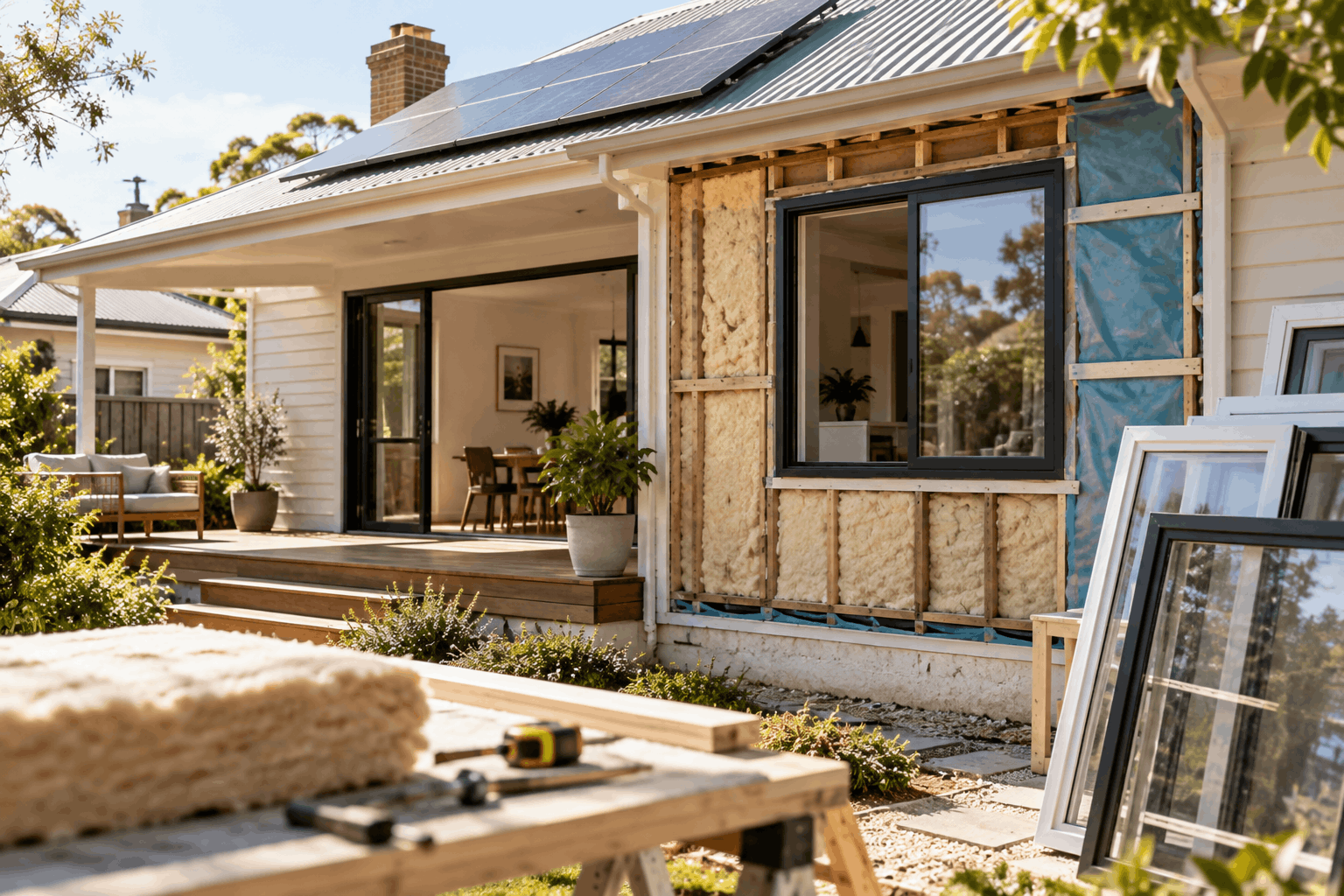
Yes. Depending on the building, improvements might include upgrading insulation, addressing unwanted air leakage or replacing poorly performing windows. Major renovations can create additional opportunities because parts of the envelope may already be exposed. The appropriate measures depend on the home's existing construction and condition.
Yes. The Passive House Institute developed the EnerPHit standard
specifically for retrofitting existing buildings. It applies Passive House principles while recognising that existing structures can create constraints that make the full Passive House standard difficult to
achieve. A retrofit does not need to pursue EnerPHit certification to make use of principles
from passive house design.