How to protect yourself if your passive house doesn’t perform as promised
Building a passive house involves a significant upfront investment, including design fees, construction costs and the additional components that make passive house design what it is.
Most of that investment is made based on projections and performance targets set out
before a single wall is framed. When a finished home doesn't perform as those projections
suggested, the consequences can be financially serious.
Performance shortfalls in passive house builds are not common, but they do happen – and the homeowner's ability to seek remedy depends almost entirely on what was agreed in writing before construction began. That’s why it’s important to understand where the risks lie and how to protect yourself before you sign anything, not after something goes wrong.
What are you actually being promised and by whom?
The first step in protecting yourself is understanding what's actually being promised, and by whom. A passive house certification process in Australia involves two distinct parties with
distinct responsibilities: the designer, who models the home's performance in PHPP
– the energy modelling
software used to verify that a design meets passive house certification
criteria before construction begins – and the builder, who constructs the home to that design.
A performance shortfall can originate with either. You may have a design that was incorrectly modelled, with optimistic assumptions about insulation performance
, window U-values
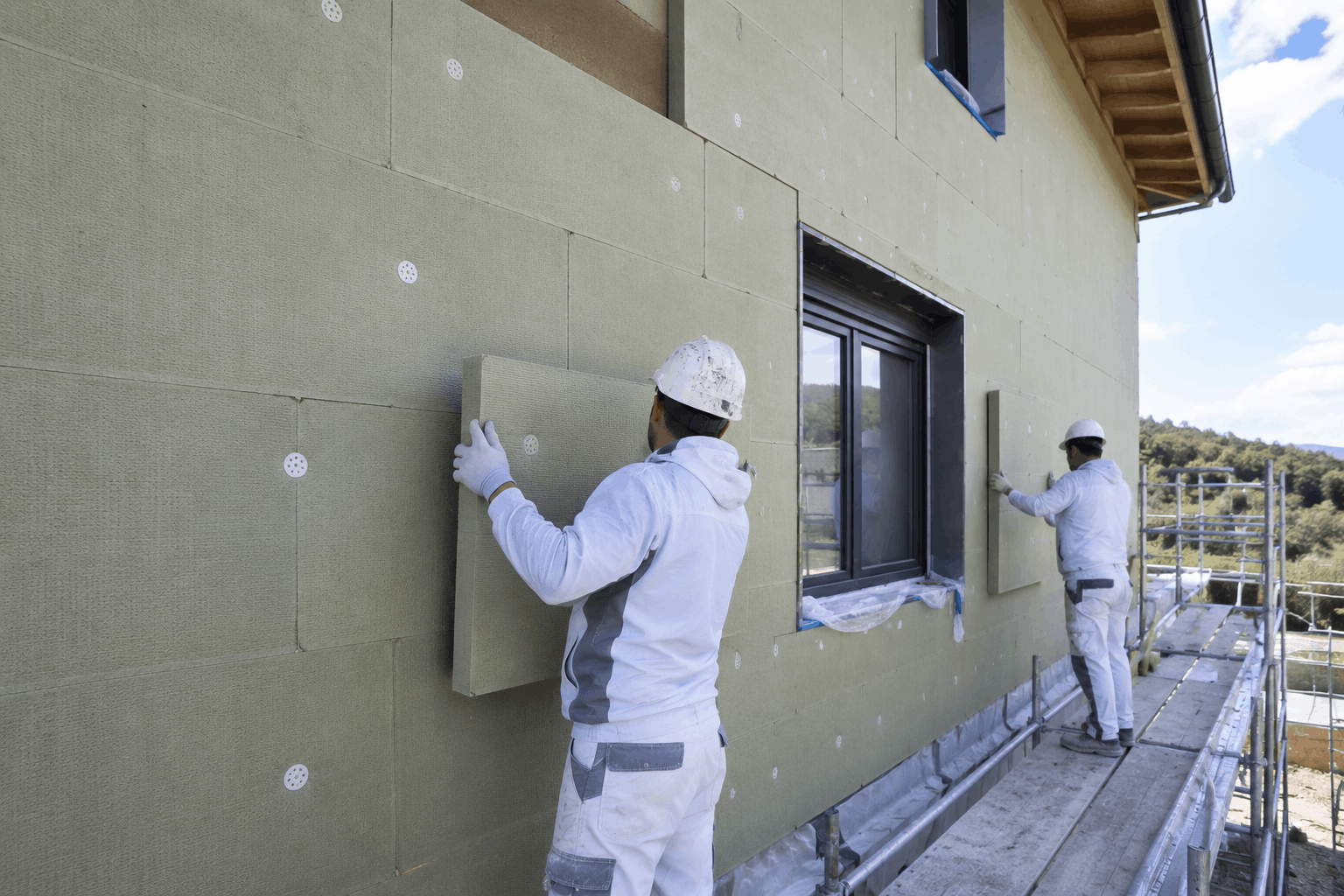
or airtightness. This can produce a home that doesn’t achieve its predicted energy performance even if it’s built perfectly. Or you may have a design that was correctly modelled but poorly constructed, with gaps in the airtight layer, incorrect insulation installation or windows that don’t meet their specified performance. Knowing which party is responsible for which aspect of the outcome is essential before any remedy is pursued.
What the building contract should include
The most effective protection against performance shortfalls is a well-drafted building
contract that clearly addresses performance. A standard residential building contract in
Australia is not designed for passive house construction. It doesn't typically include
performance specifications, energy use targets or consequences for failing to meet them.
Before signing any contract with a passive house builder, have the contract reviewed by a
solicitor with experience in residential building law. A passive house building contract is more complex than a standard residential contract, and the performance specifications, testing milestones and remedy clauses are not standard inclusions that most solicitors will have seen before. Look for someone familiar with construction contracts specifically – a general
practice solicitor may miss nuances that matter in a building dispute context.
Some key aspects your building contract should include are:
1. Specific performance targets
The contract should state the heating and cooling demand thresholds, airtightness target
and primary energy limit that correspond to the certification level being sought. These are
measurable numbers that will be tested during certification – they should be in the contract,
not left as verbal commitments.
2. Component specifications
Windows, insulation and the ventilation system should be specified by performance criteria, not just brand name. If a builder substitutes a lower-performing product during construction without your knowledge, having the specification in the contract gives you a clear basis for
remedy.
3. Blower door test results
The contract should be clear about when the blower door test will be conducted, what result
is required and what happens if the first test falls short, including who bears the cost of
rectification and retesting.
4. Interim testing requirements
The contract should specify whether interim blower door testing will be conducted during
construction – ideally before internal linings are installed – and who is responsible for
arranging and funding it.
5. Consequences for non-performance
If the finished home doesn't meet the contracted performance targets, the contract should
specify what remedy is available, whether that's rectification work, compensation or a
defined dispute resolution process. A contract that sets performance targets without
specifying consequences for missing them offers limited protection.
It's also important to note that building contract law varies by state in Australia, and the
consumer protections available to you if something goes wrong depend partly on which state
you're building in. A construction solicitor in your state will be able to advise on the specific protections that apply to your project and where the standard contract being offered to you may leave you exposed.
Certification as independent verification
Pursuing formal passive house certification through an accredited certifier is one of the most effective protections available to a homeowner. Certification requires the PHPP model to be reviewed by an independent certifier, the blower door test to be conducted and witnessed to a defined protocol and the finished home to meet the Passive House Standard's
performance criteria before certification is issued.
All those steps mean that your certified passive house design in Australia has been independently verified – not just by the builder or the designer, but by a third party whose professional standing depends on the accuracy of that assessment. If a home achieves
certification, you have objective evidence that it meets the performance standard. If it doesn't achieve certification, you have objective evidence of a shortfall that can support a formal remedy.
Working with experienced professionals
Of course, the single most effective protection against performance shortfalls is choosing the right team
in the first place. Passive house designers in Australia and passive house builders
who have delivered certified projects have a track record that can be verified. Asking for references from past clients, visiting completed projects and speaking directly with people who have lived in homes built by the same team gives you useful information.
A builder who is new to passive house design – even a competent and well-intentioned one
– may make the detailing mistakes that lead to shortfalls in the building’s airtightness,
incorrect insulation installation or problems with the ventilation system. Experience compounds in passive house construction, and the knowledge that comes from having done it many times will be invaluable.
Frequently Asked Questions
At minimum:
● Specific performance targets for heating and cooling demand, airtightness and primary energy use
● Component specifications for windows, insulation and the ventilation system
● A blower door test result
A standard residential building contract doesn't include these – they need to be added
specifically for a passive house project, ideally with input from a construction solicitor.
A first test that falls short isn't necessarily a crisis – defects can often be identified and rectified before a retest. What matters is that your building contract is clear about who bears
the cost of rectification and retesting.
In most cases, the builder provides the contract. They might use a standard state-based residential building form such as HIA or Master Builders. However, these aren't designed for
passive house building and won't include the performance specifications, testing milestones or remedy clauses you need. Have a construction solicitor review and amend it before
signing, and ask your passive house designers in Australia to advise on the performance specifications that should be included.