Why falling electricity prices still don’t solve the real energy problem in Australian homes
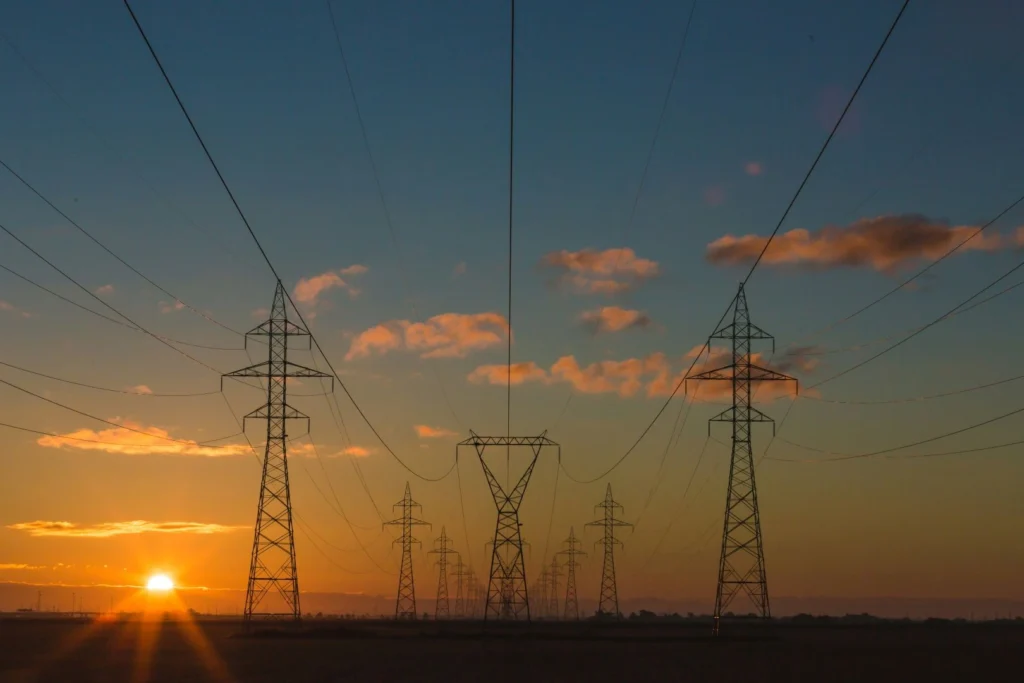
Electricity prices across parts of Australia’s east coast are set to fall from July 2026, with households expected to see modest savings on their energy bills. The latest Default Market Offer adjustment has been welcomed as short-term relief, particularly after a period of rising costs and volatility in wholesale energy markets.
But while lower tariffs may ease pressure in the immediate term, they do not change the underlying issue facing most households. Energy bills are still driven primarily by how much energy a home uses, not just what that energy costs.
This is where the distinction between price relief and real efficiency becomes important.
Temporary savings vs permanent performance
Electricity tariffs in Australia change regularly in response to wholesale energy prices, government policy and infrastructure costs. The recent reduction reflects easing wholesale conditions and improved renewable output at certain times of the day. These conditions are not fixed and can shift again quickly.
For households, this creates a cycle of adjustment. Prices fall, then rise again. Rebates appear, then disappear. The result is that bill relief is often temporary rather than structural.
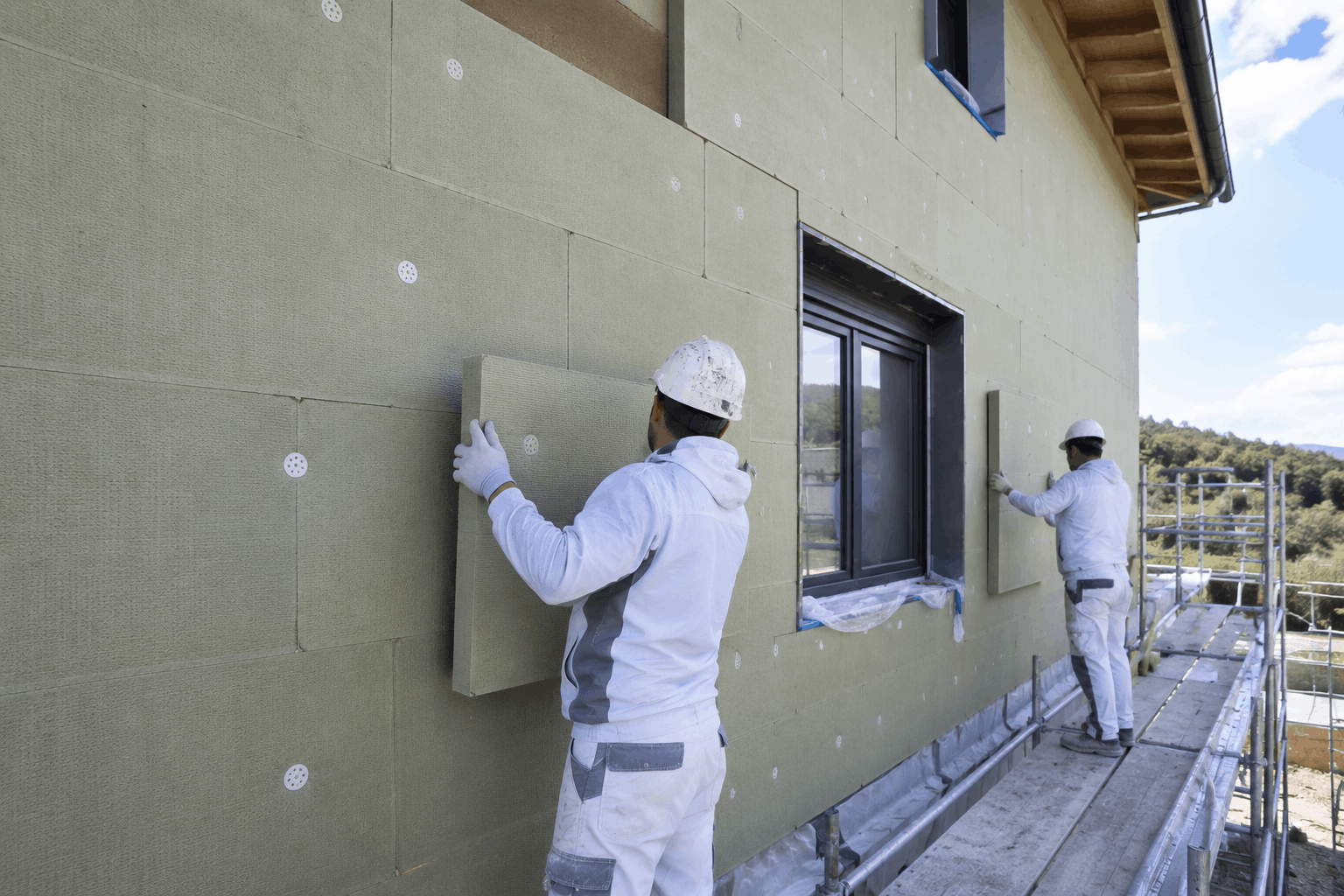
By contrast, energy performance built into the home is permanent. A well-executed passive building design reduces the need for heating and cooling from the outset, which lowers energy demand regardless of what happens in the market.
Why usage matters more than price
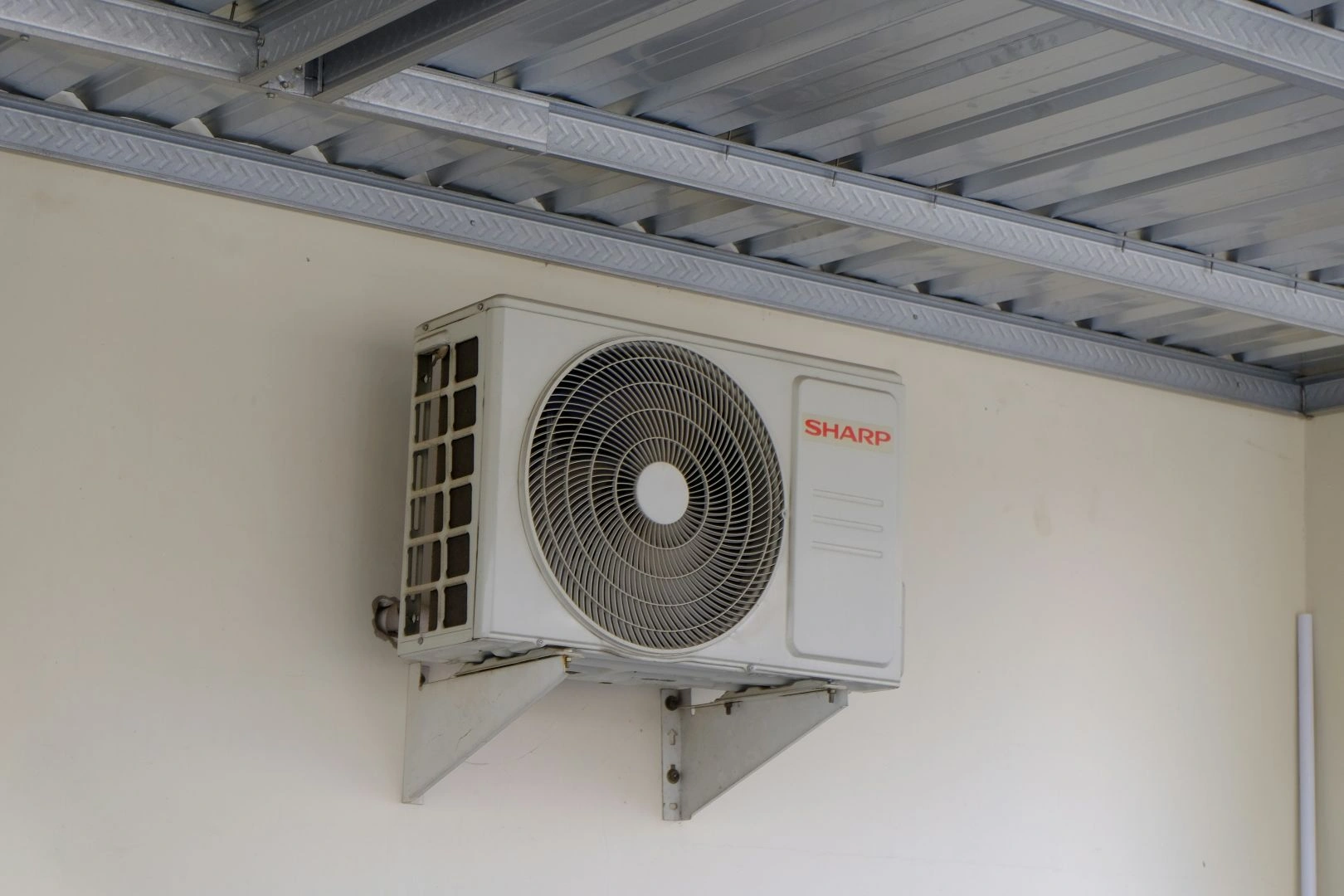
Even with falling tariffs, households still pay for every kilowatt hour they use. For most homes, heating and cooling remain the largest contributors to energy consumption. This is where building performance becomes critical.
A poorly insulated home will still require significant energy to stay comfortable, regardless of whether electricity is cheaper. A highly efficient home will naturally need less energy, reducing exposure to price changes altogether.
This is a core principle behind passive house design in Australia. The focus is on minimising demand through the building fabric itself.
The limits of behavioural savings
Recent energy announcements have also encouraged households to shift usage to cheaper periods, such as midday solar windows or time-of-use tariffs. These strategies can help reduce bills, but they rely on ongoing behaviour changes.
Households need to adjust when they run appliances, monitor tariff structures and respond to pricing signals. This requires careful management and adds complexity to everyday living.
A passive house in Australia reduces that effort. By maintaining stable indoor temperatures and reducing heating and cooling demand, the building itself does more of the work. Comfort is less dependent on timing, pricing or constant user decisions.
Efficiency is built, not bought
The key distinction between electricity price relief and passive house performance is where the savings originate.
Tariff changes depend on external factors such as wholesale markets, supply conditions and policy settings. These are outside the control of individual homeowners and can change rapidly.
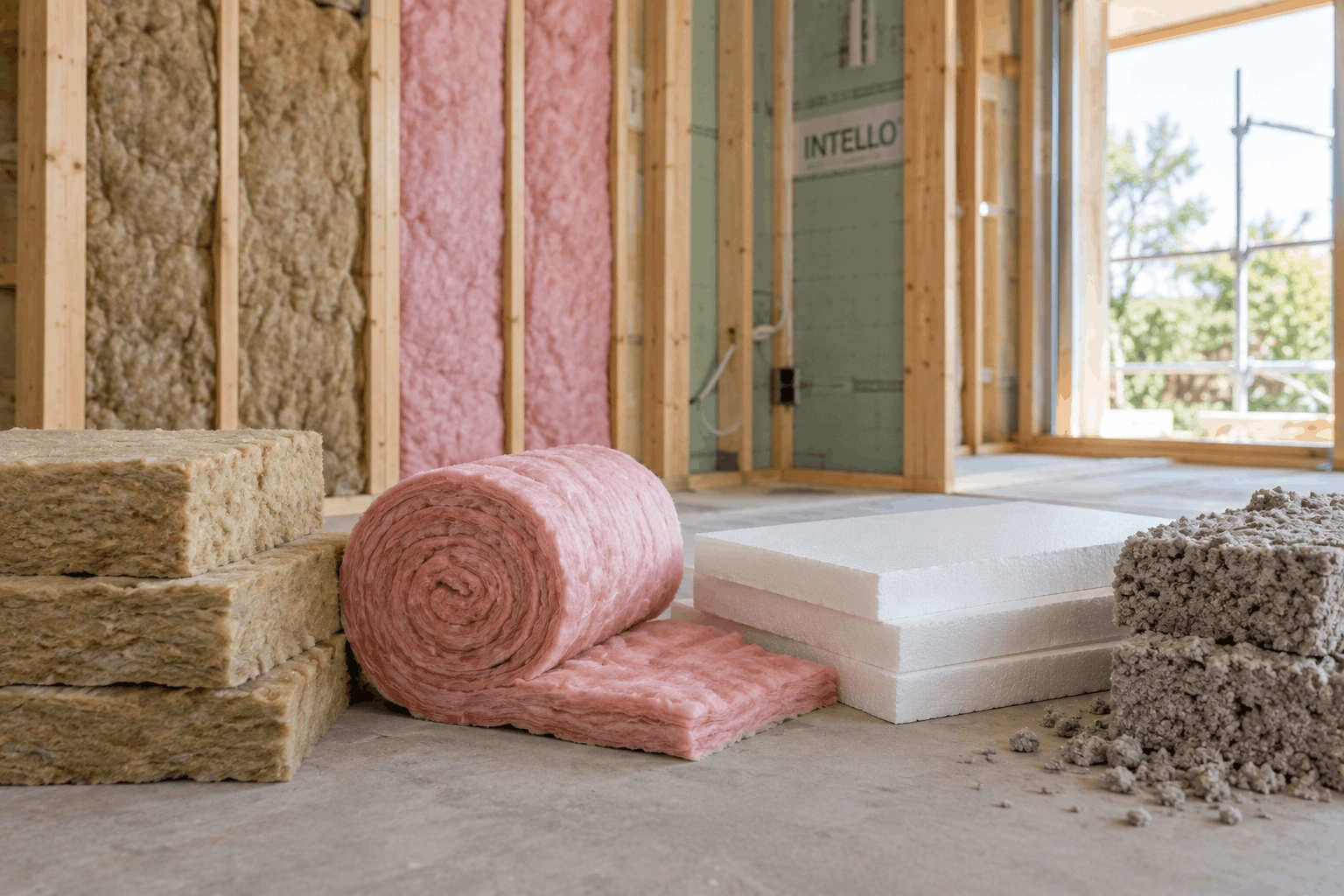
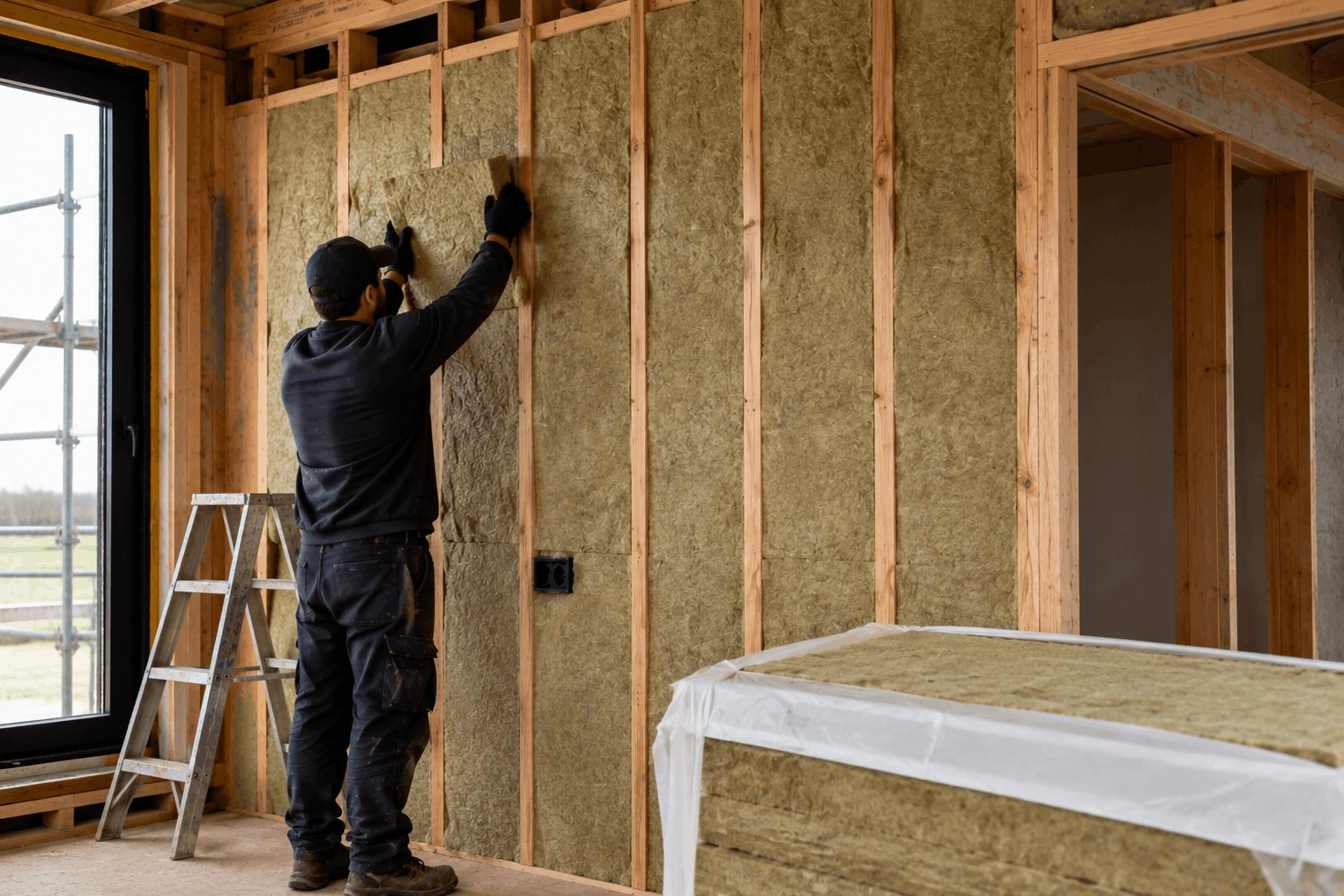
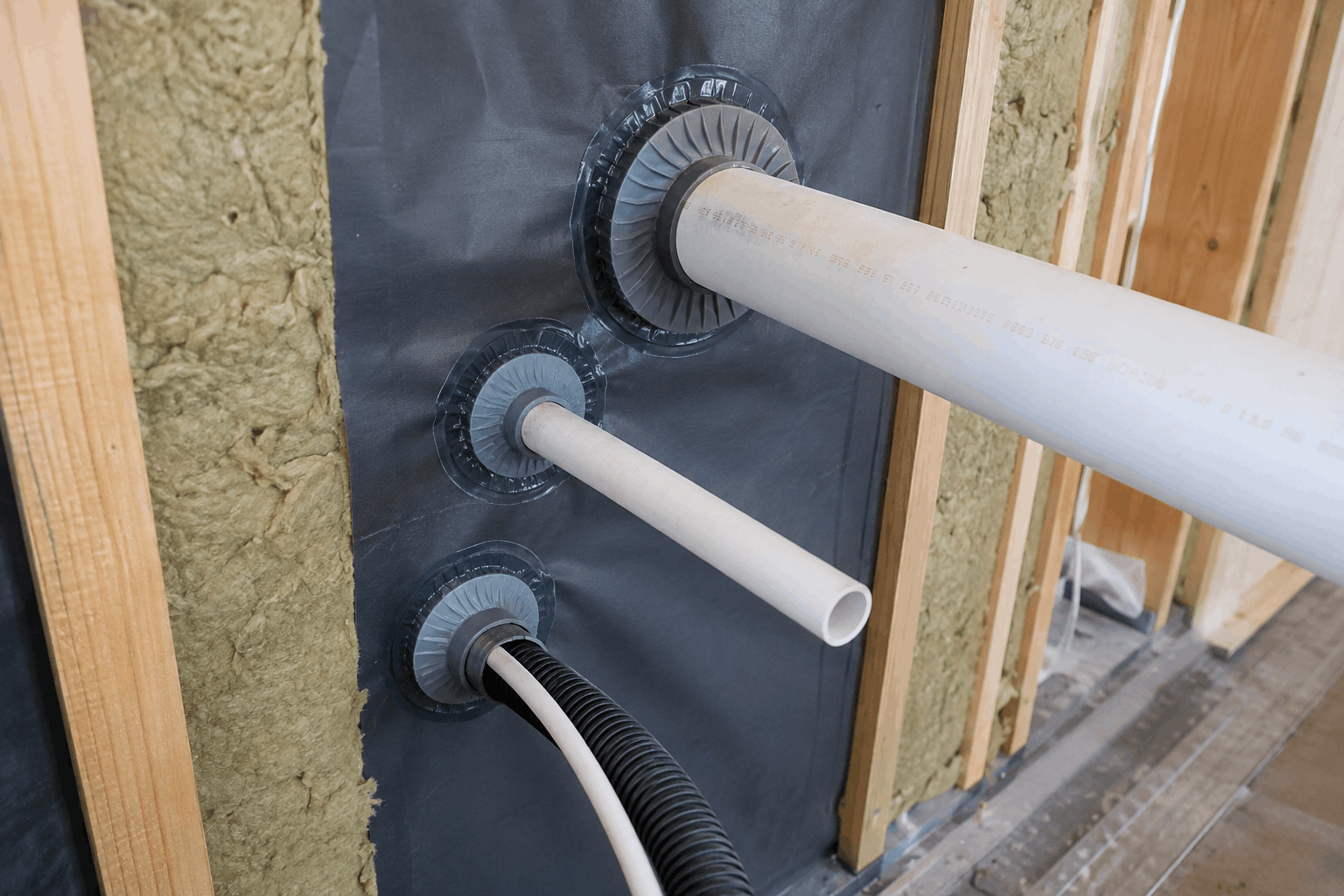
Passive house performance comes from the building itself. Insulation, airtightness, high-performance glazing and controlled ventilation work together to reduce energy demand. These elements do not fluctuate with market conditions.
This is why passive house designs in Australia are viewed as a long-term structural response to energy costs – among other factors – rather than a lifestyle choice.
What this means for homeowners
For homeowners, falling electricity prices can feel like progress. They do provide short-term relief and can reduce pressure on household budgets. But they do not fundamentally change how much energy a home requires.
A well-executed passive house design reduces that requirement from the outset. It creates a home that is less dependent on heating and cooling systems, and therefore less exposed to fluctuations in energy pricing. Over time, this can make household costs more predictable and less sensitive to external market changes.