Passive house design for small urban lots
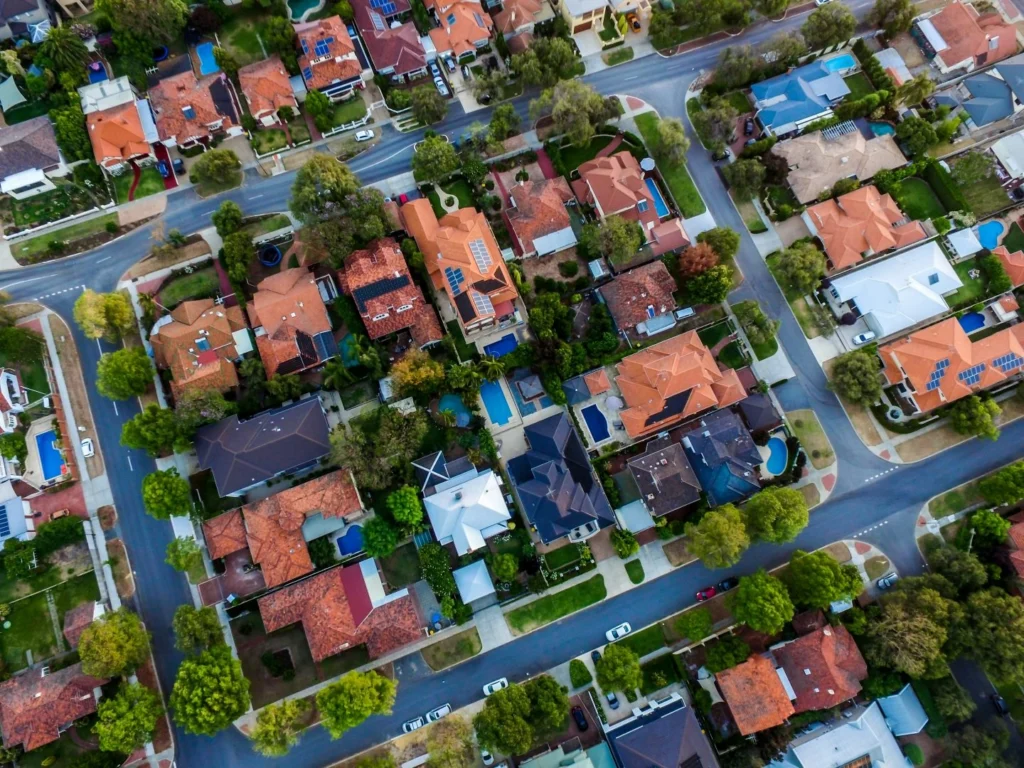
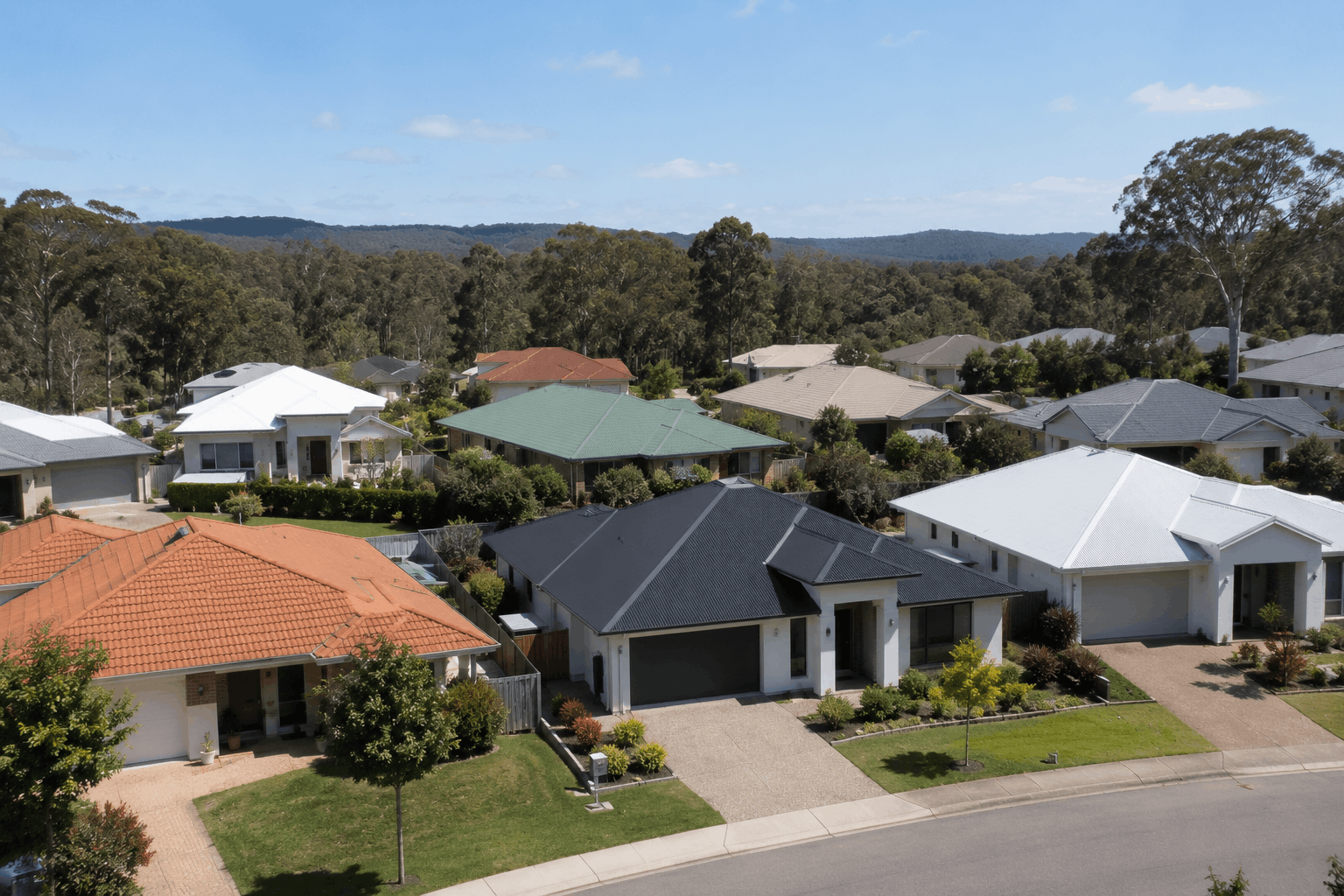
Designing a high-performance home on a compact site can feel restrictive. Limited space, close neighbours and planning controls all shape what is possible. However, a well-considered passive house design can work very effectively on small urban lots.
That’s because the constraints that make small lots difficult, like limited solar access, neighbouring buildings and restricted footprints, are exactly the kind of design problems that passive house design is well equipped to solve.
Why small lots suit passive house thinking
Passive building design is very analytical. Before a line is drawn, the site is studied. Its orientation, its shading and its exposure to wind and noise are all taken into account. That rigour pays dividends on any site, but it is even more important on a small urban lot where every square metre of building envelope matters and there’s no room for decisions that don’t earn their place.
A large suburban home on a generous north-facing block can get away with mediocre design and still be reasonably comfortable. A compact home on a narrow urban lot cannot. The margins are tighter and the consequences of poor decisions show up immediately in comfort and energy performance. Passive house designers in Australia working on small lots are, in a sense, working in their natural environment.
Pay special attention to orientation and solar access
On a small urban lot, you rarely get to choose your orientation. The block faces the direction it faces, and the neighbours are where they are. The task for passive house design is to work with what’s available rather than what’s ideal.
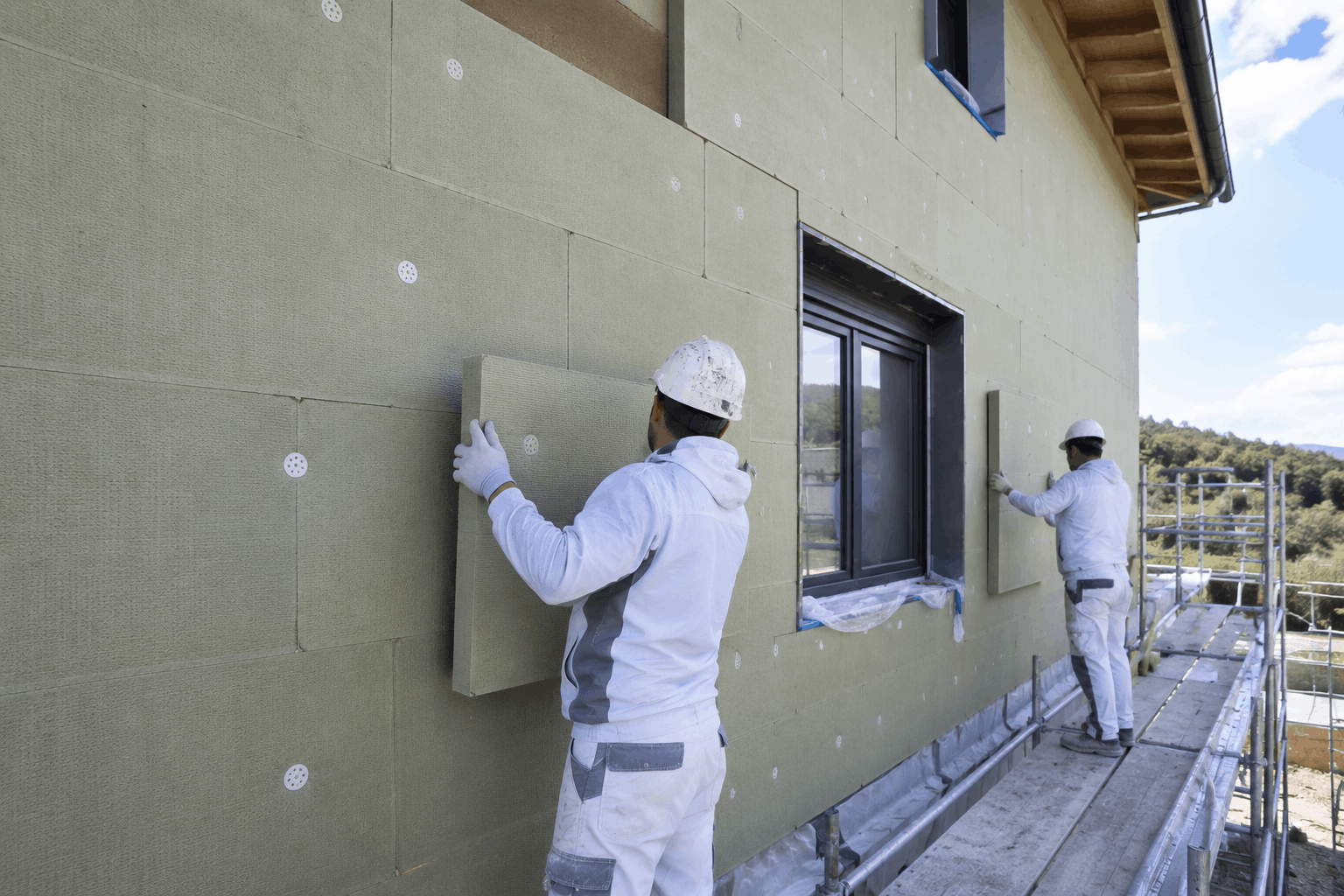
A north-facing small lot is the most straightforward scenario. Living areas and glazing can be concentrated on the northern elevation, and the compact footprint actually helps, as there’s less envelope to insulate and less volume to condition. A south-facing lot requires a different approach: higher insulation levels, carefully managed glazing on the east and west elevations, and a ventilation strategy that compensates for reduced passive solar gain.
Neither is a reason to avoid building a passive house on small lots. They just require different design responses, both of which are well within the toolkit of experienced passive house designers in Australia.
Shading from neighbouring buildings is a more complex challenge. The software used to design passive houses, Passive House Planning Package (PHPP), accounts for overshadowing, so your design team can quantify exactly how much solar access is lost and adjust the design accordingly. What PHPP can’t do is create solar access that doesn’t exist. On heavily shaded lots in dense urban areas, the design response shifts toward a highly insulated envelope that minimises heat loss rather than maximising solar gain.
Making the most of the footprint
On a small lot, passive house designs in Australia work well with compact, efficient floor plans. Every square metre of floor area adds to the building envelope that needs to be insulated and maintained. A well-designed compact passive design house uses space more intelligently than a sprawling conventional home twice its size, and costs significantly less to run.
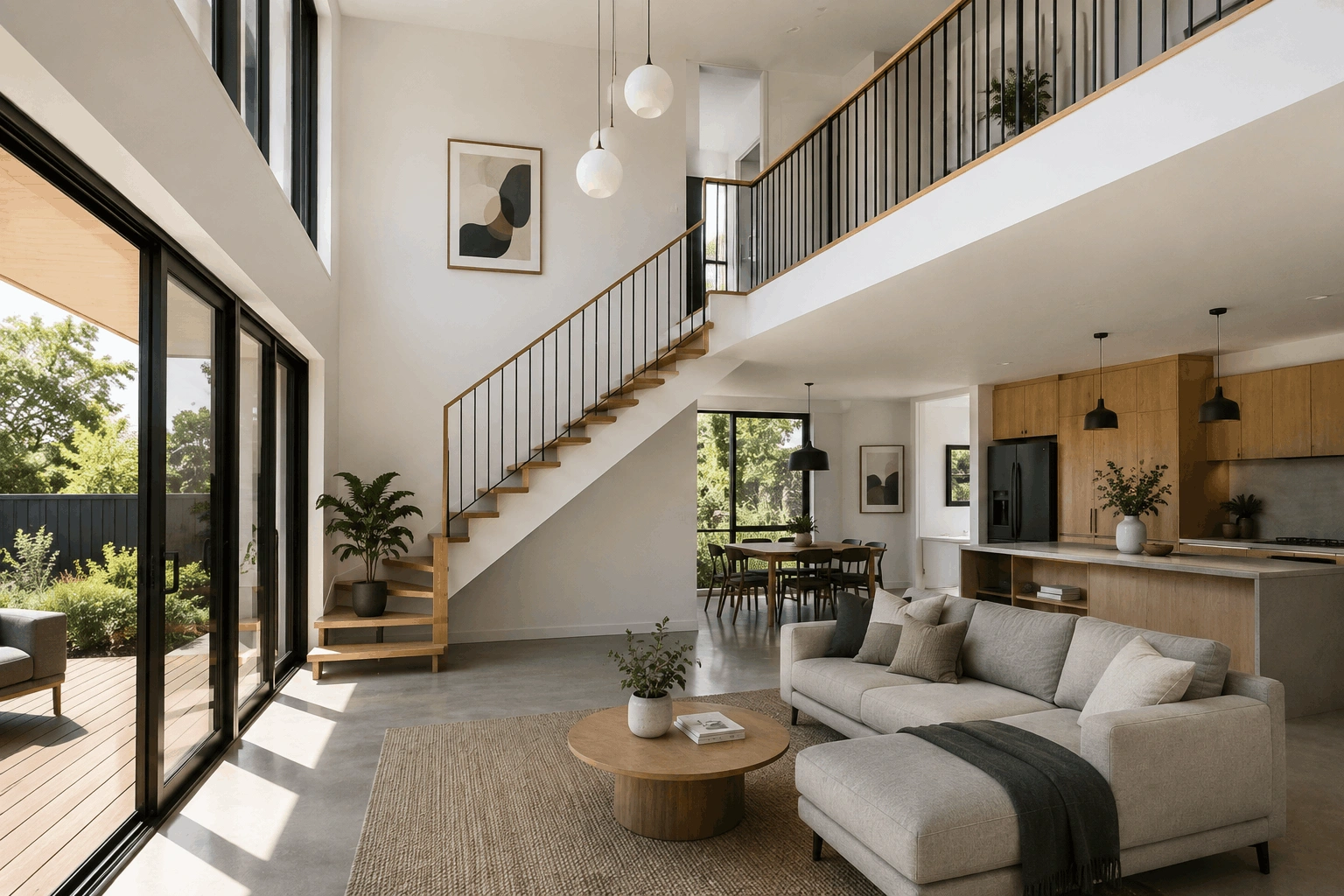
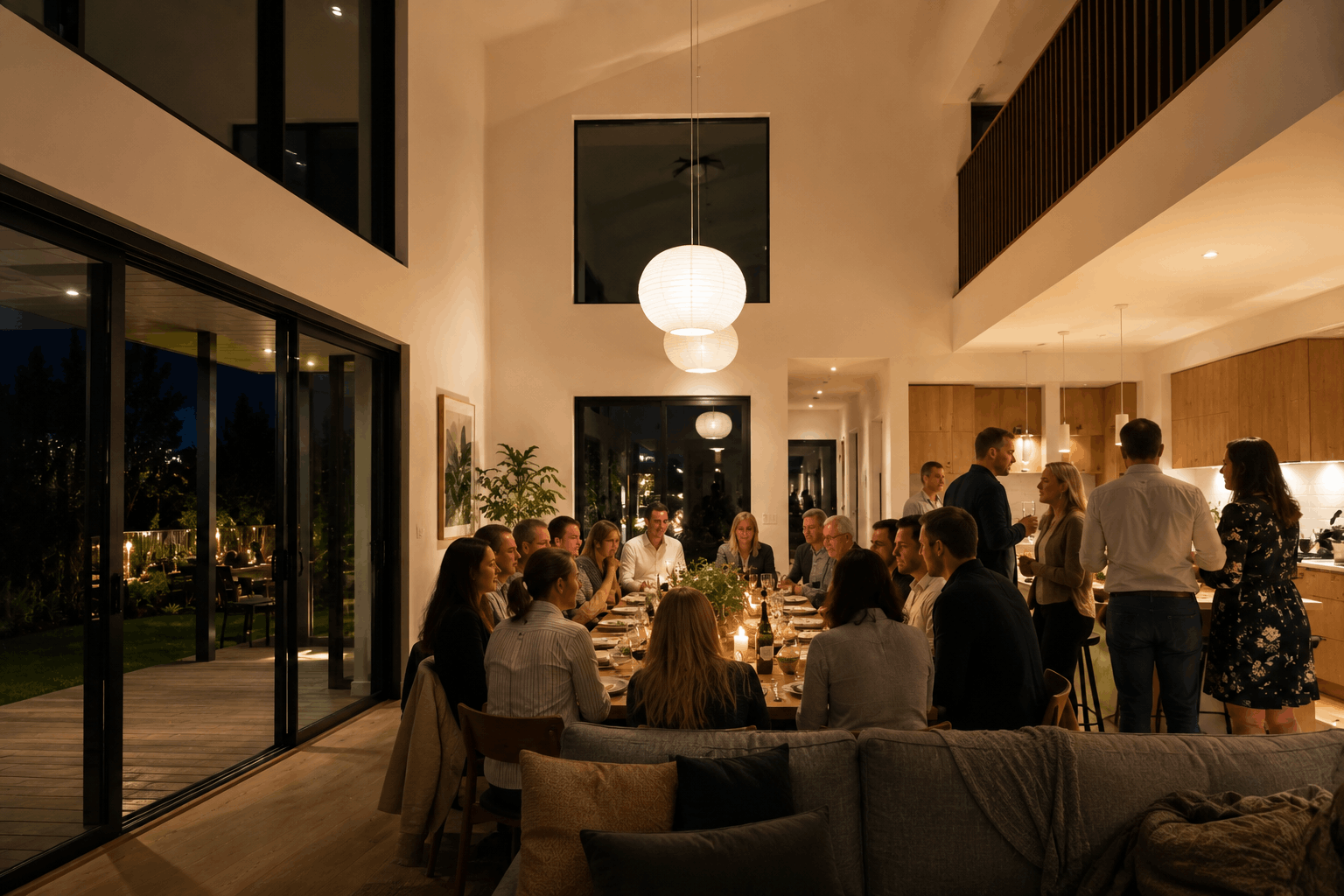
Double-height spaces, roof terraces and carefully positioned skylights can make a small footprint feel generous without adding to the heated floor area in ways that undermine energy performance. These are design moves that experienced passive home building teams understand well. The goal is always to maximise liveability within the constraints of the envelope, not to simply minimise it.