Building a passive house as an investment property: does it stack up?

Investment properties are usually assessed through familiar numbers: purchase or construction cost, rent, yield, vacancy and potential capital growth. Energy performance has historically received much less attention.
That may be starting to change.
New research suggests Australian buyers and renters are paying more attention to how much a home costs to run and how comfortable it is to live in. For investors considering passive house design, that raises an interesting question: could spending more on the building itself create a better-performing investment over the long term?
Renters are becoming more conscious of energy performance
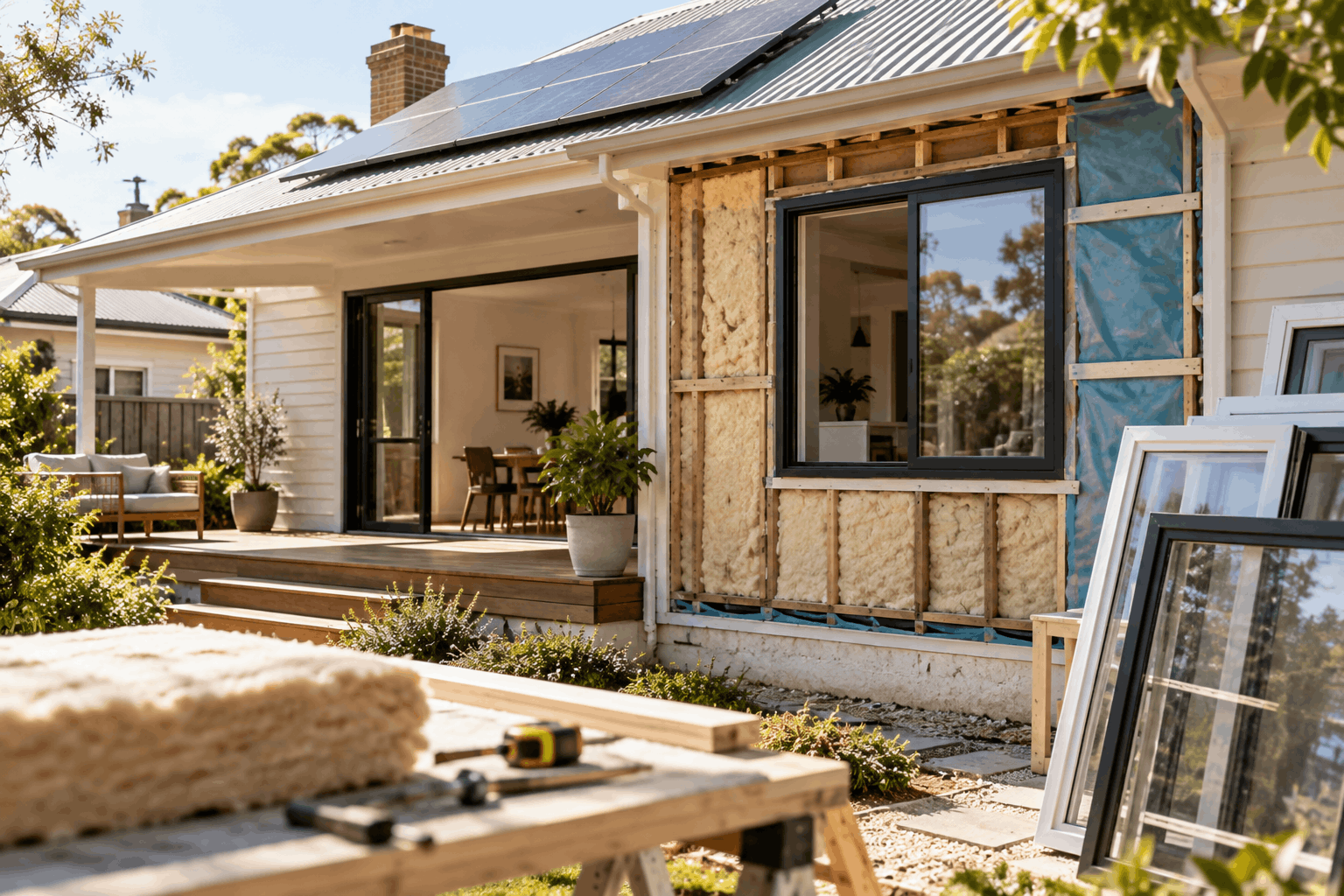
The PropTrack Origin Australian Home Energy Report 2026 found that solar panels and insulation were the two energy-efficient features most commonly considered important when buying or renting, selected by 44% and 39% of respondents respectively. Double or triple glazing also featured among the higher priorities.
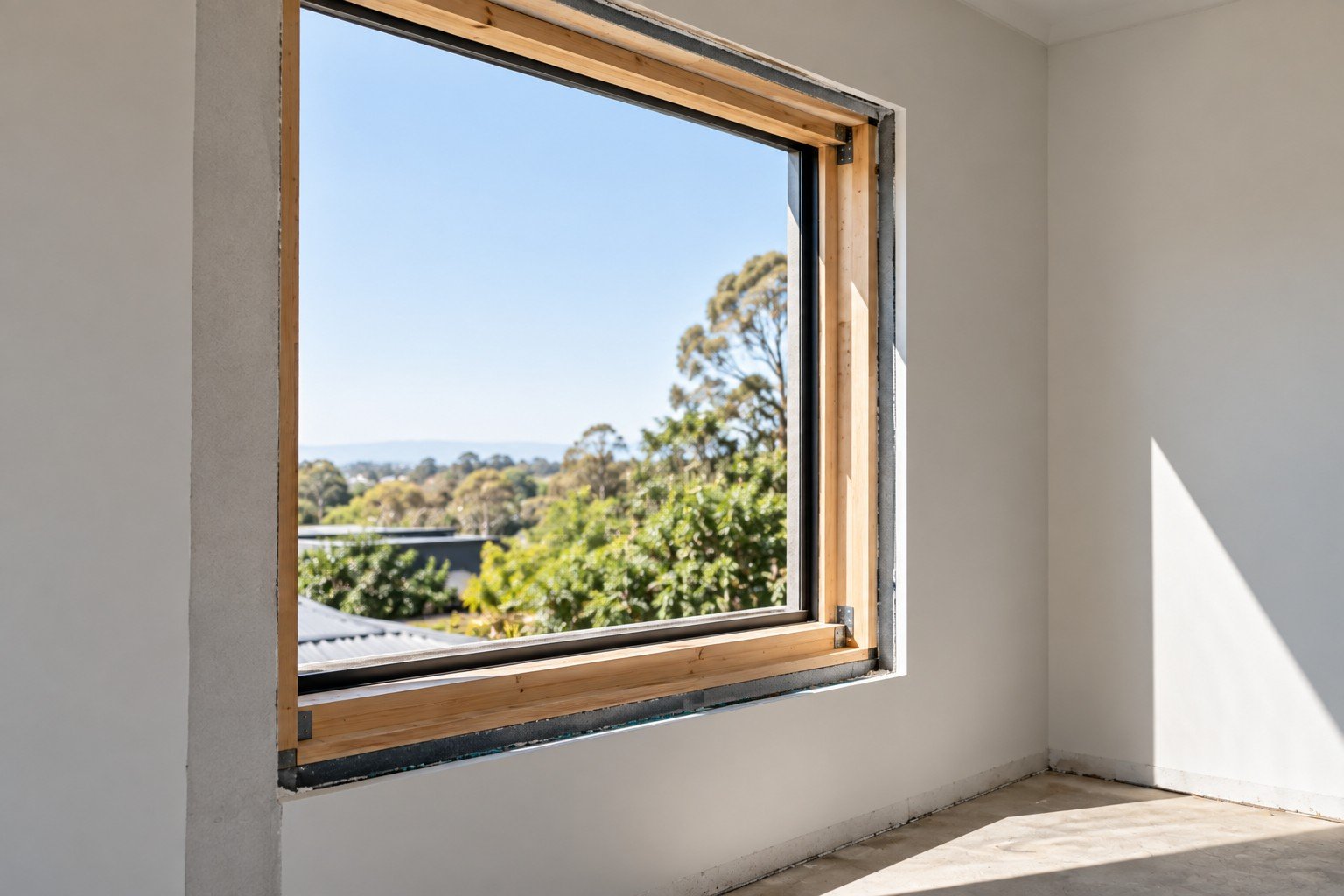
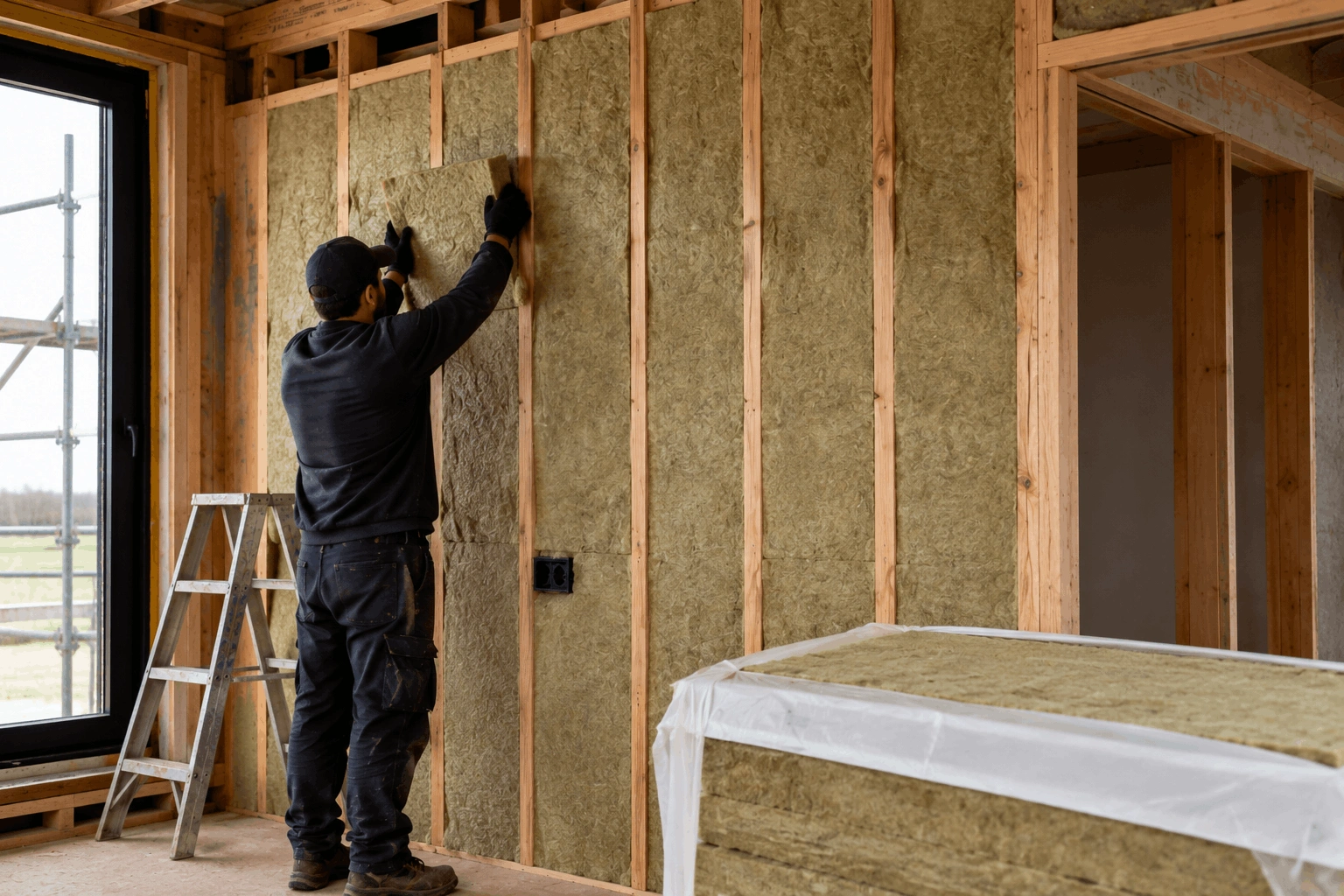
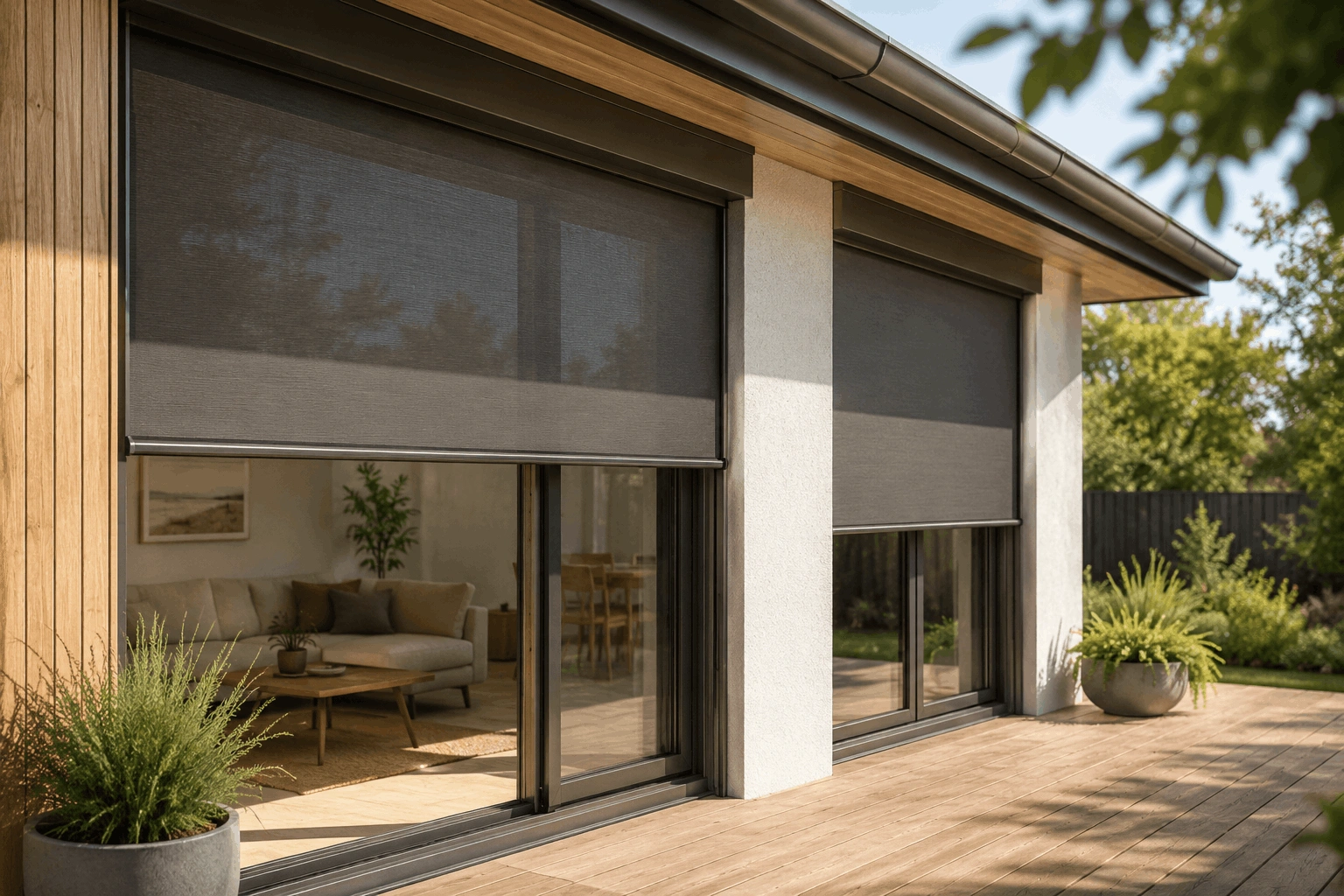
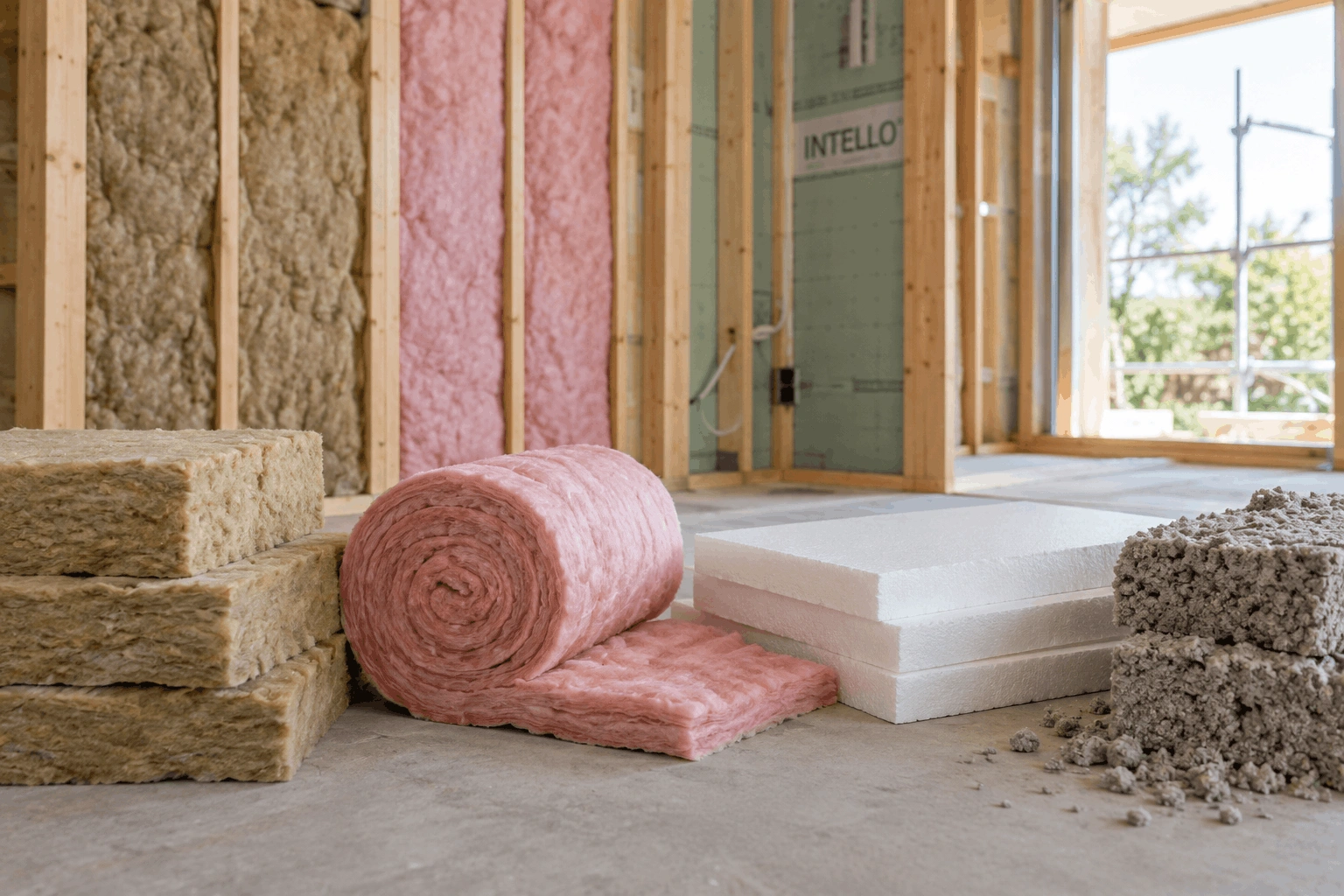
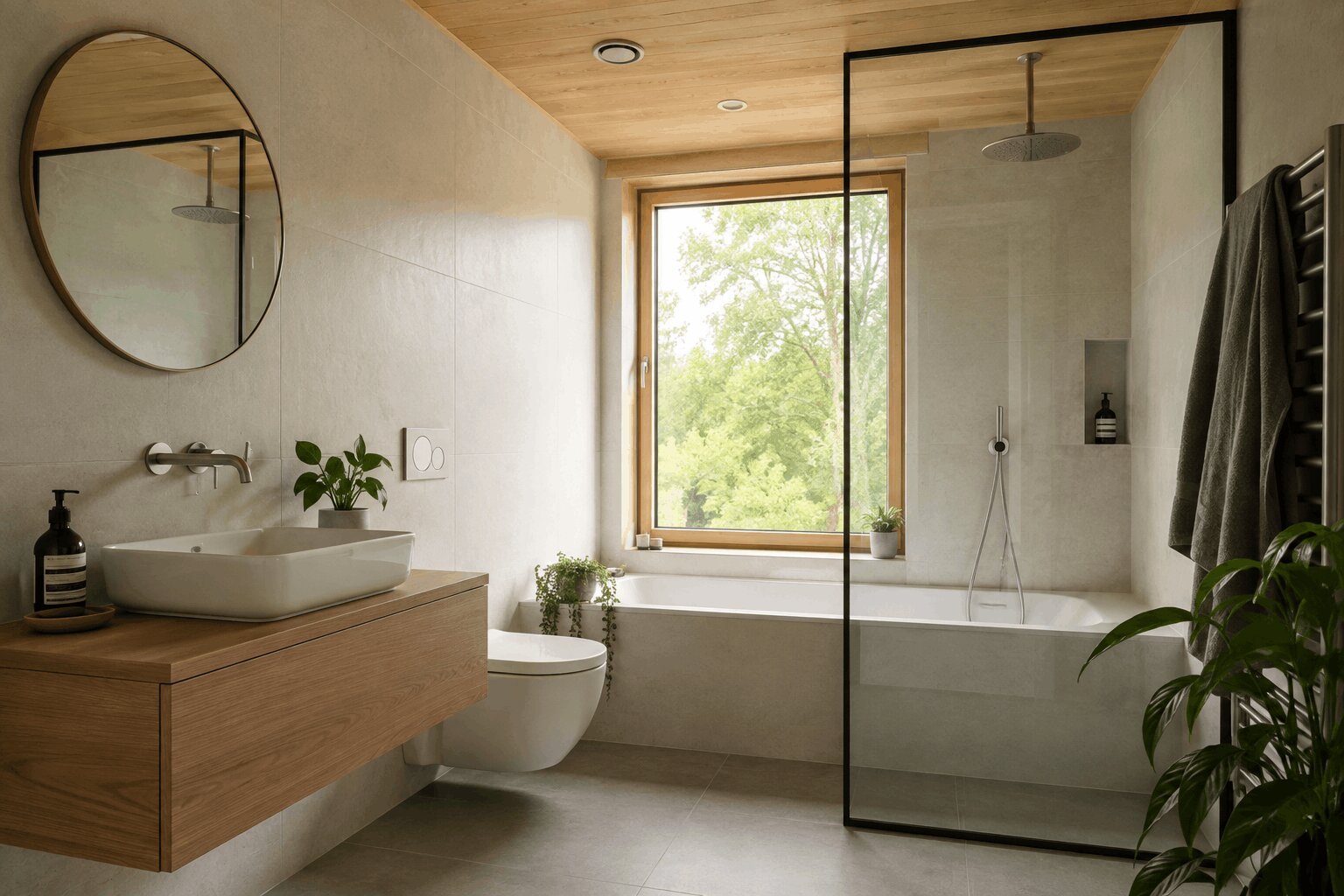
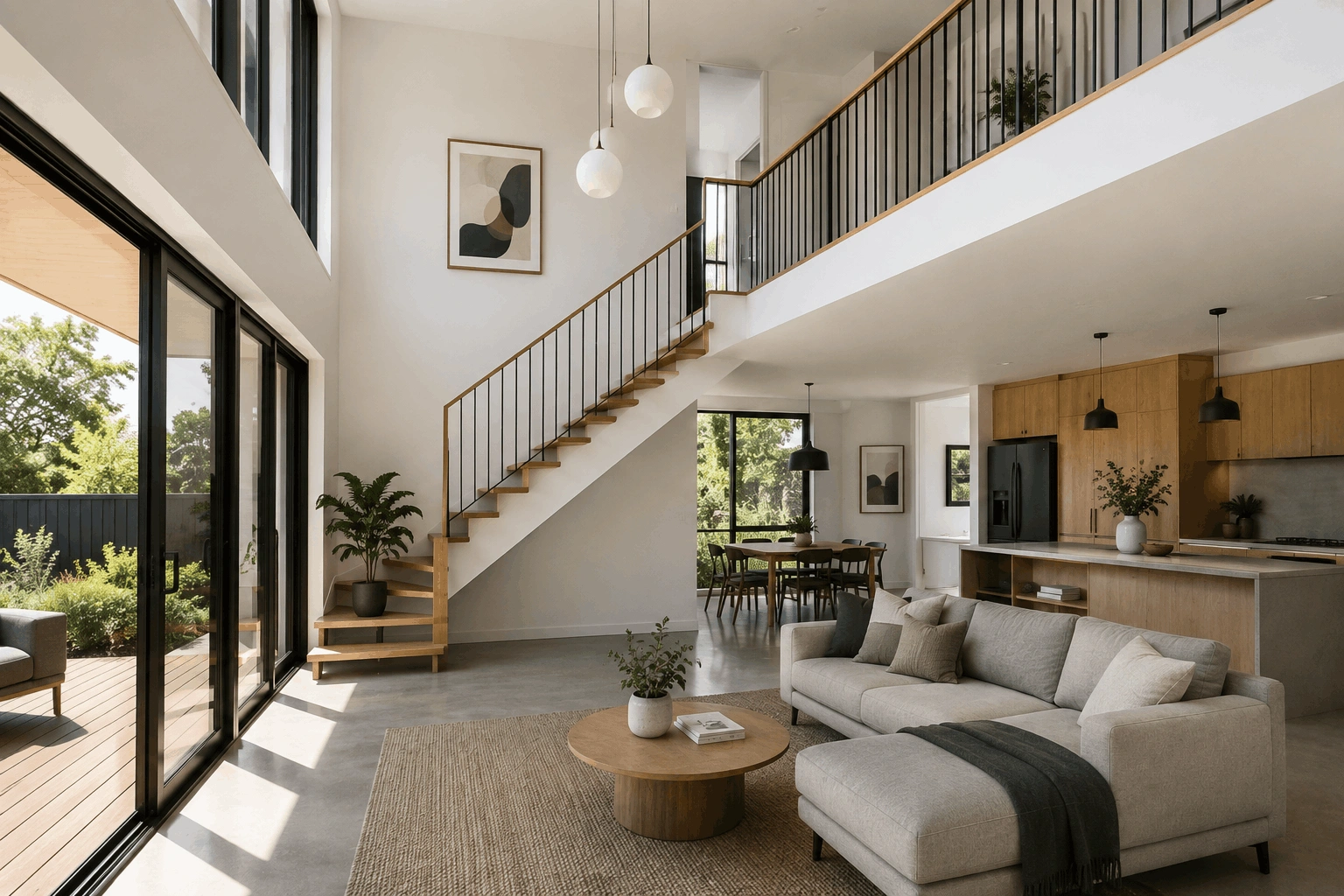
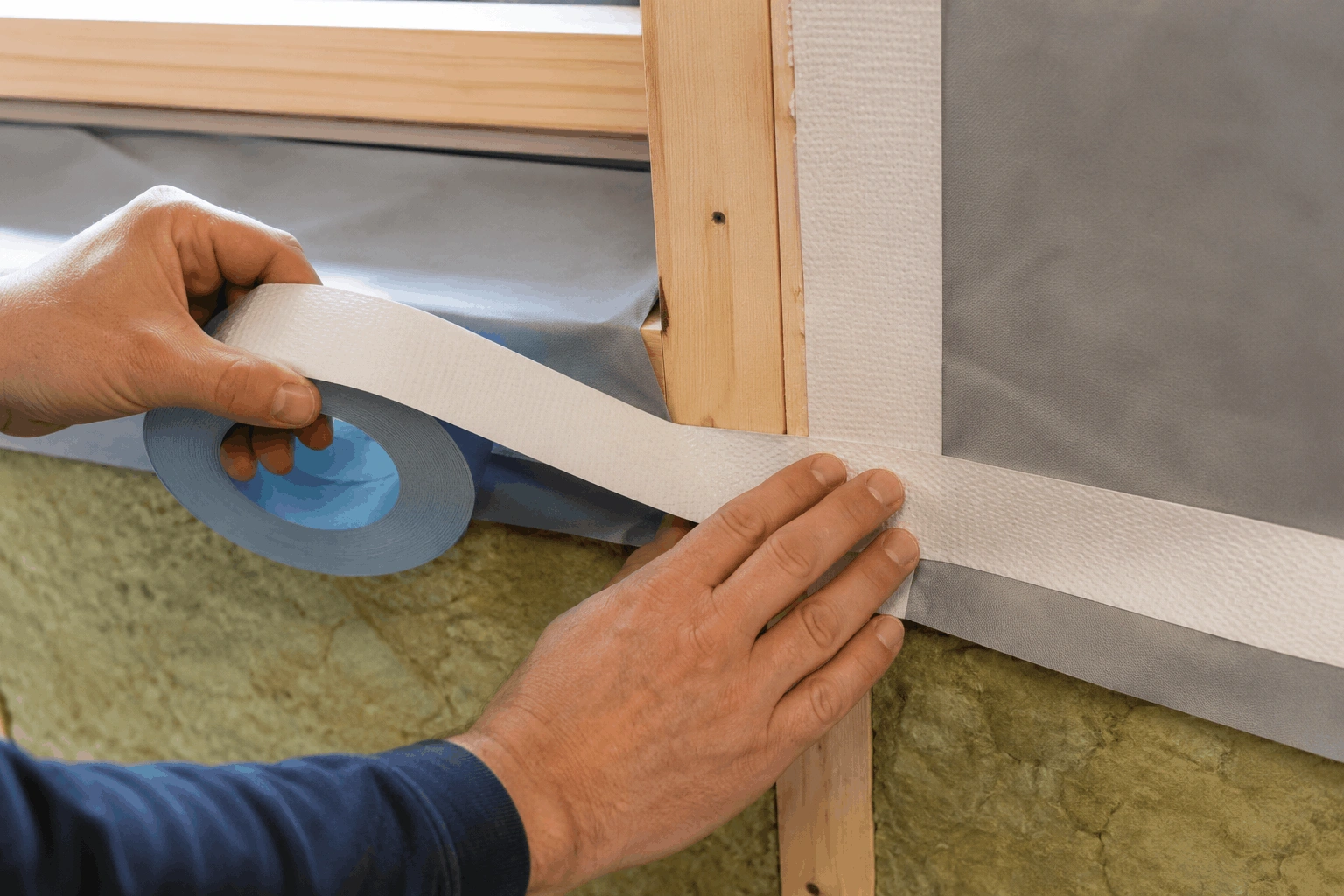
For an investment property, many of the benefits of passive house design are experienced directly by the tenant. A highly insulated and airtight building envelope, high-performance windows and controlled ventilation help maintain comfortable indoor conditions while reducing the energy required for heating and cooling.
In practical terms, that means a home that stays comfortable for longer without relying as heavily on heating and air conditioning. For an investor, the question is whether tenants place enough value on that experience to influence where they choose to live and what they’re prepared to pay.
According to the PropTrack report, one of the key reasons tenants currently don’t have energy-efficient features is that they lack the control themselves to be able to install them – not that they aren’t interested in them or don’t value them. So, for an investor, that creates an opportunity to provide something tenants can’t easily add themselves.
Could a high-performance home command more rent?
There is evidence that some renters will pay more for better-performing homes, although it is important not to interpret individual examples as a guaranteed rental premium.
The Cotality and Real Estate Institute of Australia report The Efficiency Edge examined a four-bedroom rental in the ACT with a six-star energy rating. It rented for $1,350 per week, compared with $1,000 for a 2.5-star alternative inspected by the same tenants – a difference of 35%.
Energy performance wasn’t the only difference. The report noted that the higher-rated property was newer, larger and had an additional bathroom. But the tenants specifically valued its comfort and expected running costs, having previously experienced the expense of heating poorly performing Canberra homes.
That distinction is important. Passive house designs shouldn’t be viewed as a formula for automatically charging higher rent. Location, size, condition and local supply and demand will still influence rental value.
What better performance can do is give a property another meaningful point of difference – particularly when tenants understand what that performance means for them.
What about the property's long-term value?
The investment case isn’t limited to rental income.
Cotality’s analysis of more than six million Australian homes found that each additional NatHERS star was associated with an estimated average 1.3% increase in value nationally. It also found homes with solar achieved prices around 2.7% higher than comparable properties without it.
NatHERS and Passive House are different standards, so these figures can’t tell us what premium a certified passive house might achieve. They do, however, suggest that the market is beginning to place measurable value on home energy performance.
Does a passive house make sense as an investment property in Australia?
Although there is more demand from tenants, and potentially better long-term value, for a highly energy-efficient property, there is still a key calculation to consider. Building to the passive house standard can involve higher upfront costs, and those costs need to make sense for the site, rental market and your investment strategy.
But focusing only on the initial passive house premium misses part of the investment argument.
A passive house in Australia can offer tenants something much of the existing housing stock does not: verified high performance, low heating and cooling demand and consistent comfort. Around 70% of established Australian houses are estimated to rate below four stars under NatHERS, illustrating just how large the performance gap remains.
As energy performance becomes more visible in property transactions, that difference may become easier to communicate – and potentially more valuable.
For investors considering a long holding period, passive house design in Australia is therefore worth looking at as more than a sustainability decision. It is an investment in the quality and performance of the asset itself.
Frequently Asked Questions
It can be, depending on construction costs, the local rental market and your investment strategy. There is evidence that suggests Australian renters and buyers are placing greater value on energy-efficient homes, but passive house certification itself does not guarantee higher rent or capital growth.
There is no fixed passive house rental premium. However, high-performing homes may have advantages that tenants value, including lower heating and cooling demand and greater year-round comfort. Australian case studies show that energy performance can contribute to higher rents when combined with other desirable property characteristics.
There is no guaranteed resale premium for a passive house, but there is evidence that better energy performance can contribute to property value. Cotality's analysis of more than six million Australian homes found that each additional NatHERS star was associated with an estimated average 1.3% increase in value nationally. While the passive house standard and NatHERS are different standards, this research does suggest that energy performance is becoming a factor buyers may value alongside location, design and other property features.