Why window installation matters as much as the window itself in a passive house
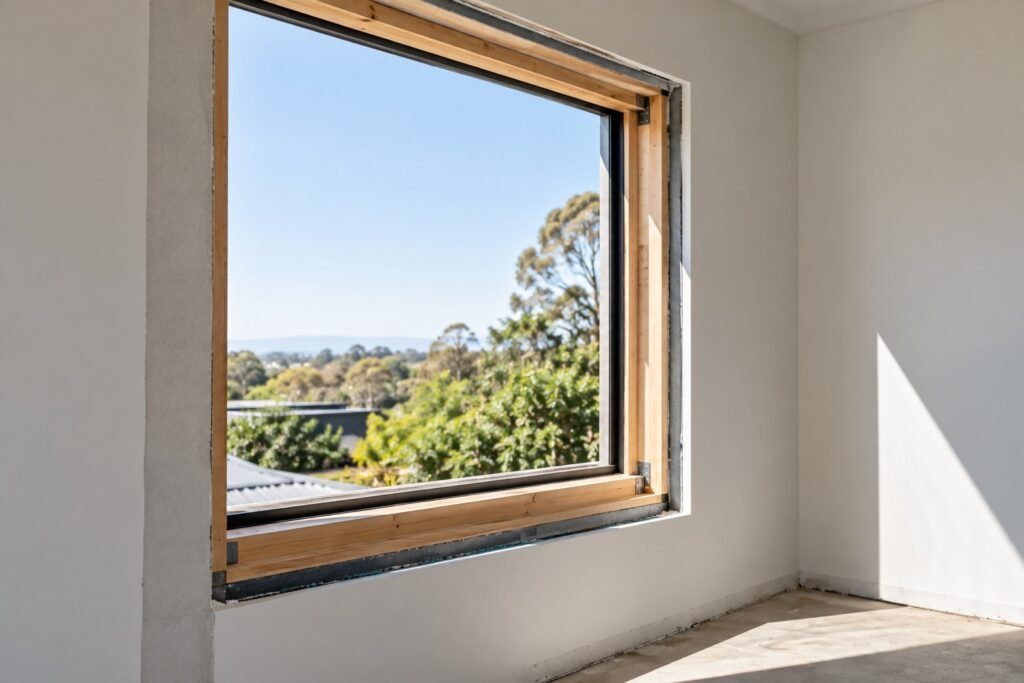
High-performance windows
are a major part of passive house design and one of the five key
principles of the Passive House standard.
But buying a high-performance window doesn't guarantee high performance once it is
installed.
How the window connects to the wall can affect heat transfer, airtightness
and moisture management
around the opening. Even an excellent window can become a weak point in the building envelope if these details are poorly executed.
In passive house design, the window and the surrounding wall need to be designed to work together.
The window is only part of the building envelope
Windows interrupt the insulated walls of a home, creating junctions between different
materials and components.
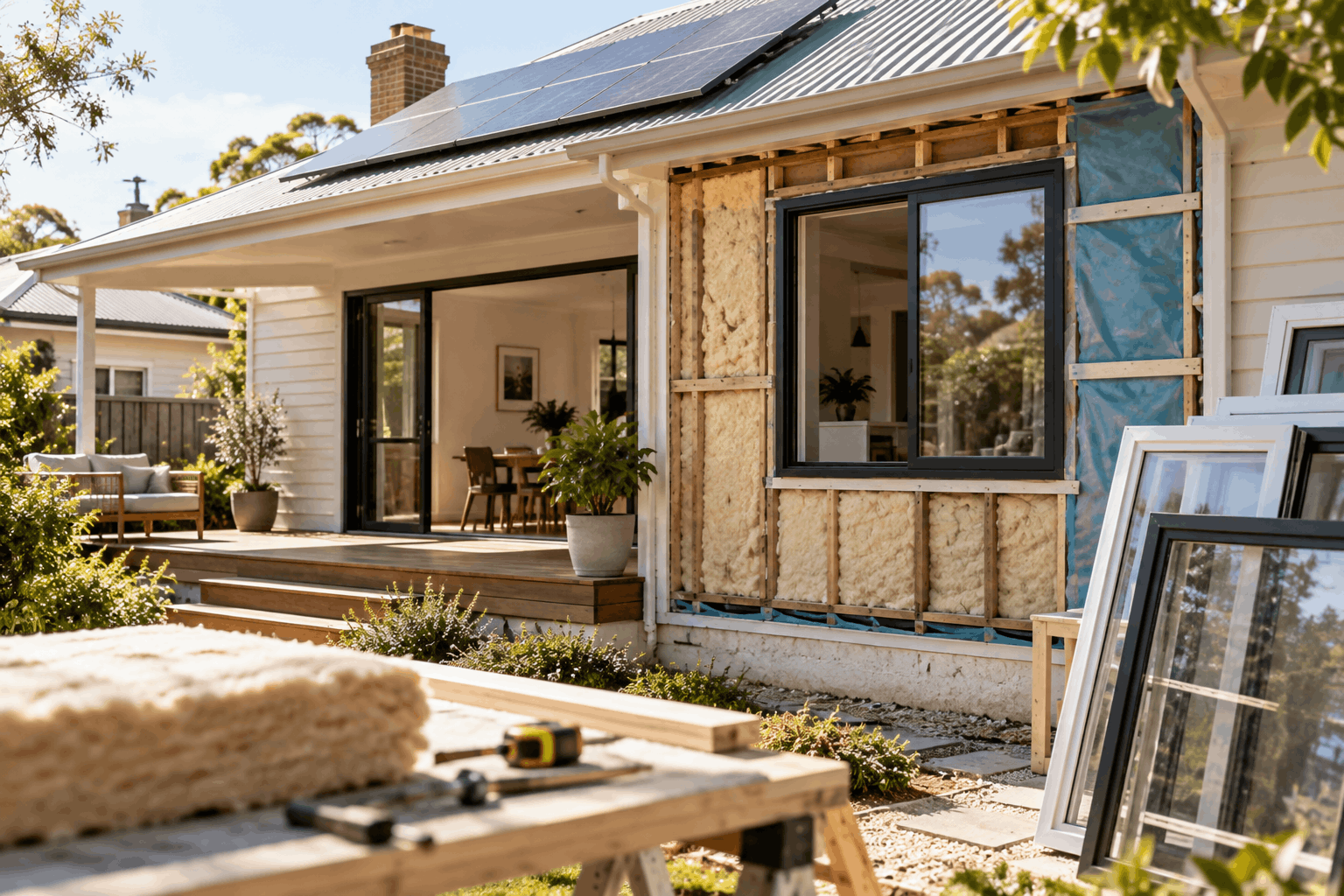
In conventional construction, a window may simply be fitted into the rough opening, fixed in
place and sealed around the edges. Passive house design requires more consideration of
how that opening connects with the rest of the thermal and airtight envelope.
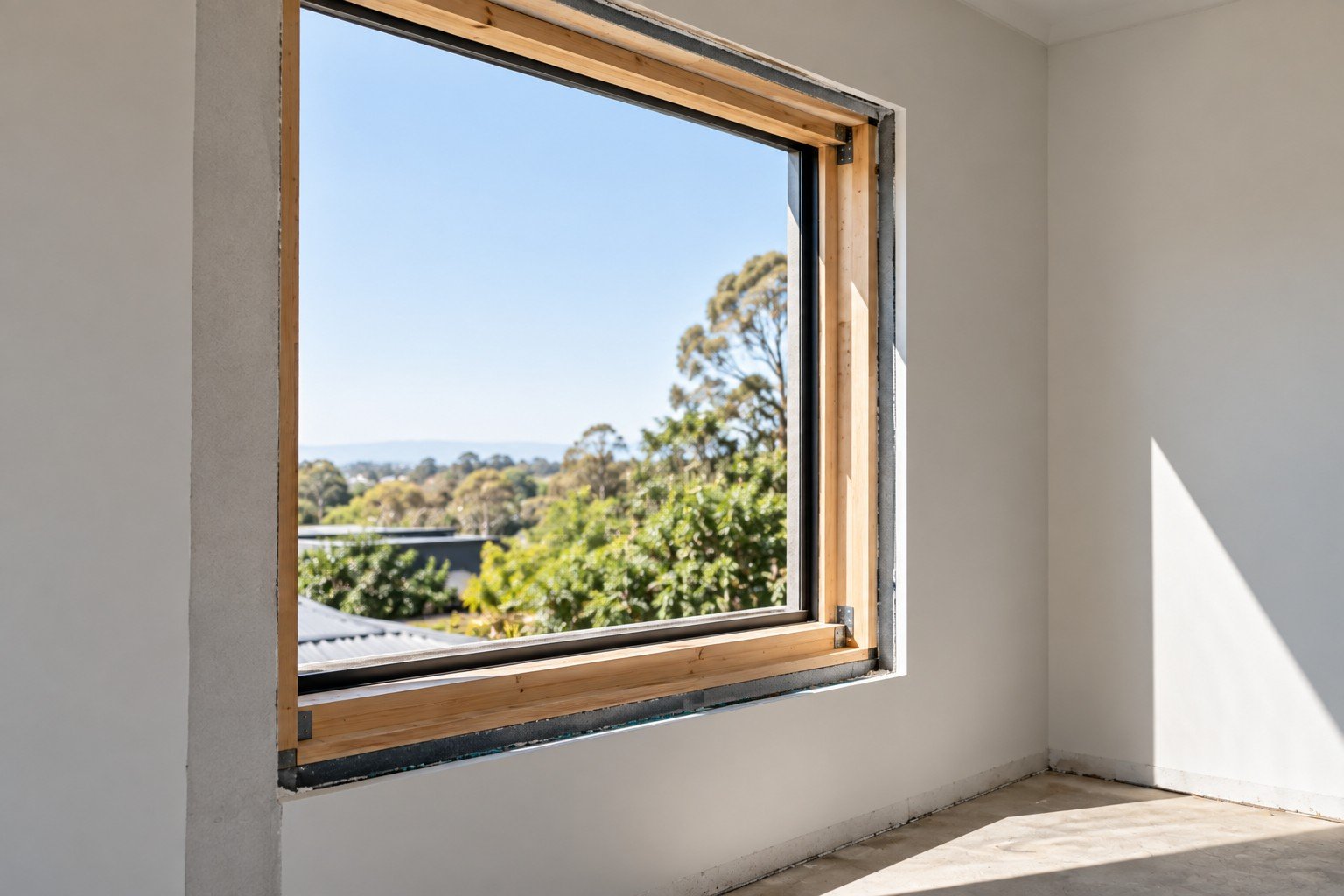
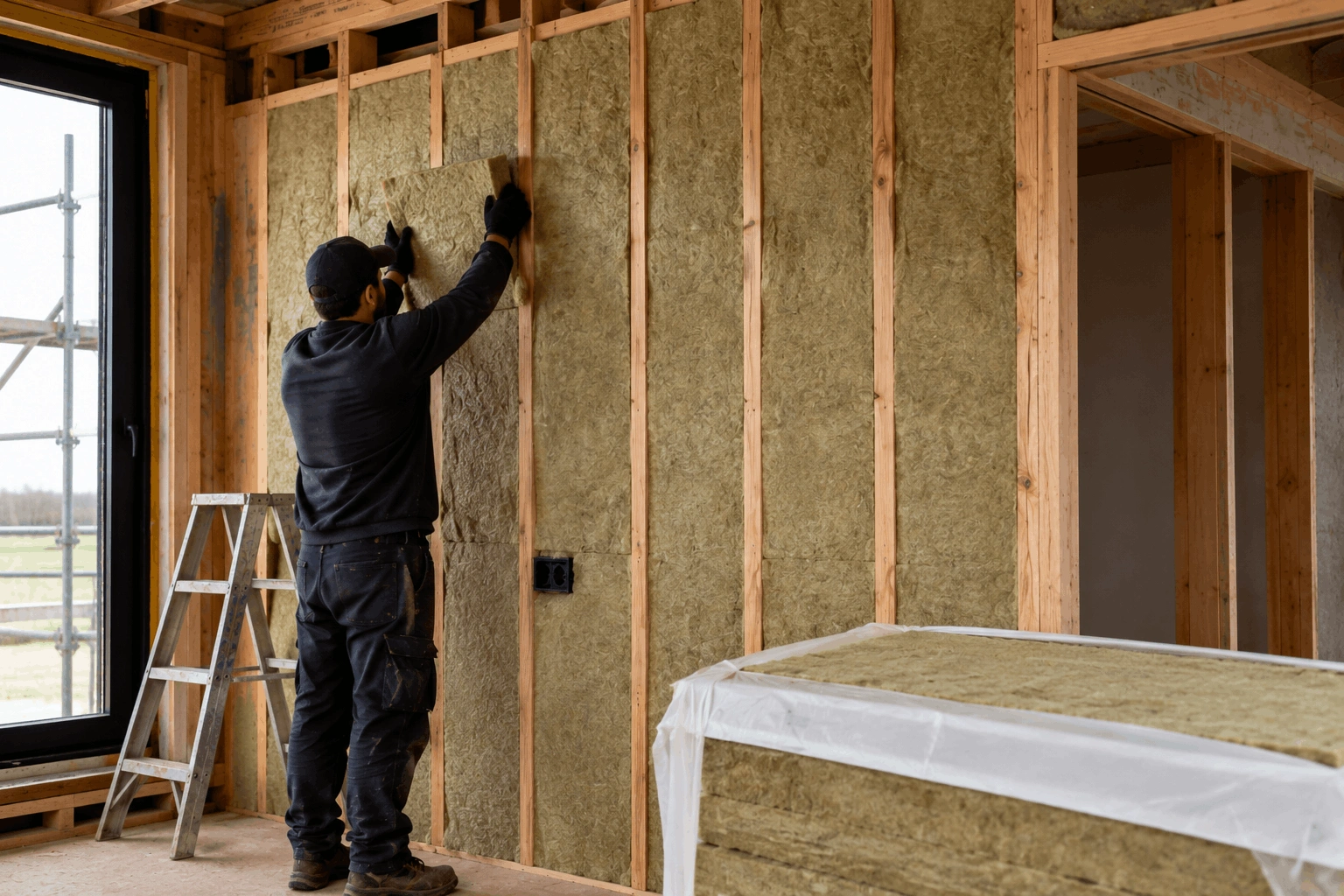
The position of the window within the wall matters. So does the way insulation
meets the frame and how the airtight layer is connected around it.
The aim is to maintain the performance of the building envelope as continuously as possible across the entire opening.
Installation can affect thermal bridging
Thermal bridging occurs where heat has an easier pathway through part of the building
envelope.
Window openings are potential locations for thermal bridges
because the continuous wall construction is interrupted by the frame. The junction between the wall and window can add
further heat loss if it isn’t designed carefully.
In passive building design, the window position can be optimised to reduce this effect. Depending on the wall system, that might mean positioning the frame within or closer to the insulation layer rather than simply installing it wherever it is easiest to fix structurally.
Insulation can also be brought over part of the frame where appropriate, reducing exposed areas around the perimeter.
These details vary according to the window and wall system, which is why installation needs to be planned before you even get to site.
Airtightness needs to continue around the frame
A high-performance window can be extremely airtight when closed and airtightness is one of the key elements of passive house design. But that benefit can be undermined if air can leak
around the outside of its frame.
The junction between the window and wall therefore needs to connect with the home's
airtight layer.
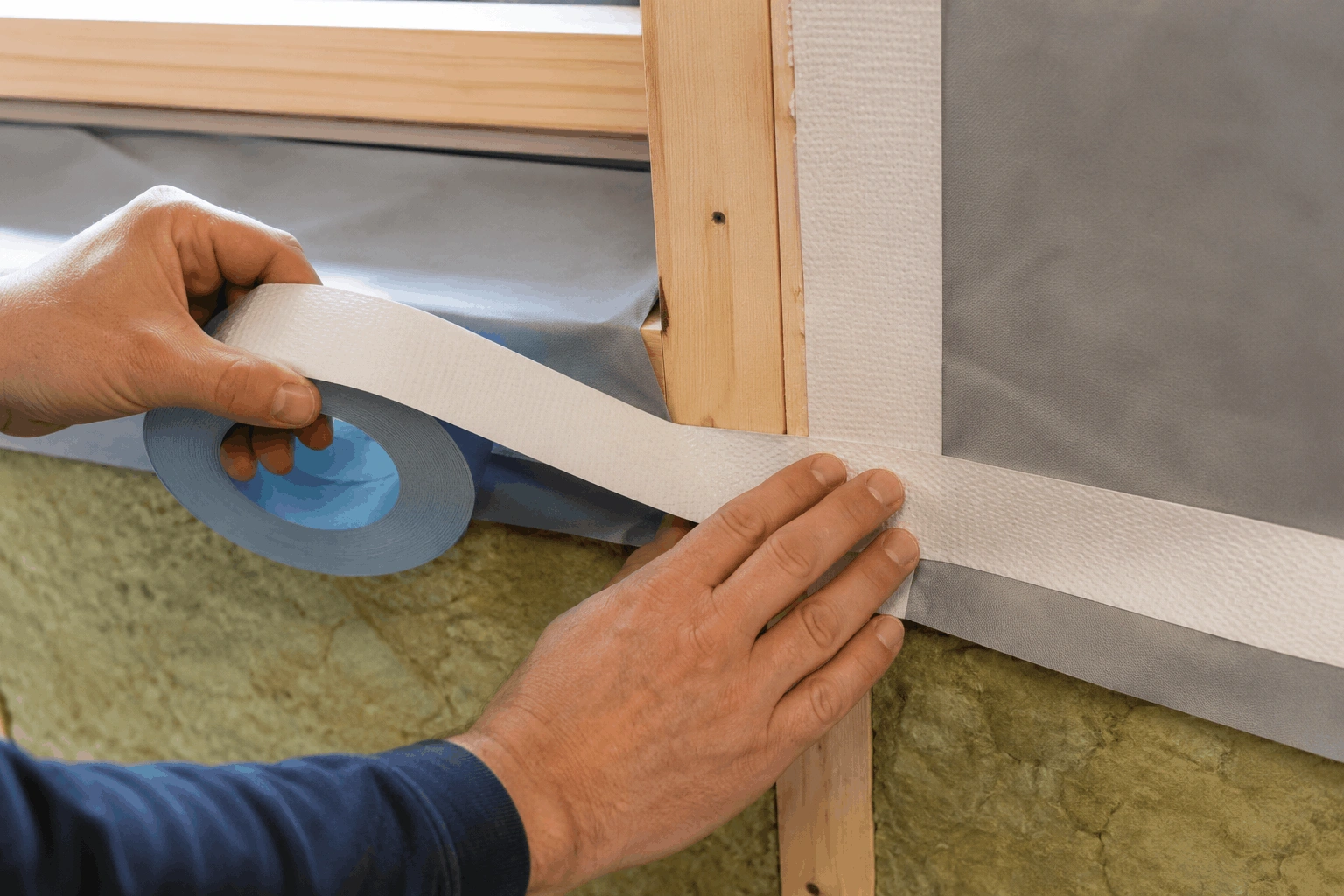
For passive house builders, this often involves carefully taping or sealing the window frame
to the surrounding airtight membrane or other airtight substrate. Corners require particular attention because several materials and surfaces meet in a relatively small area.
These connections eventually disappear behind internal finishes, making it difficult to fix problems later.
Blower door testing helps identify air leakage across the completed building envelope. Good
installation practices aim to prevent leaks around windows before that testing takes place.
Water still needs to stay outside
Airtightness doesn't remove the need for conventional weatherproofing. Windows are
exposed to wind and rain, so their installation needs to manage water at the external face
while maintaining the airtight layer towards the interior.
The exact detail depends on the construction system and window product. Flashings, membranes and drainage paths may all form part of the installation.
This is another reason window installation in passive house designs needs to be considered
as a series of connected layers. Thermal performance, airtightness and weather protection all need to work together without one compromising another.
Good installation protects your investment in better windows
High-performance windows are a significant investment, so careful installation is important to getting the performance you paid for. The specifications tell you how the window performs.
But the installation determines how well that performance carries through to the surrounding
wall.
For passive house design in Australia, that difference is particularly important because
windows need to work as part of a complete thermal and airtight envelope. Choosing the right window is therefore only half the job. Careful installation ensures that the performance you paid for isn't compromised at the point where the window meets the house.
Frequently Asked Questions
Passive house window installation places particular emphasis on the connection between the frame and the building envelope. The window position, surrounding insulation and airtight connection are planned so the opening does not unnecessarily compromise the thermal or airtight performance of the wall.
The window-to-wall junction needs an effective airtight connection, although the exact
materials used depend on the construction system and installation detail. Airtightness tapes are commonly used to connect window frames to suitable airtight layers or substrates in passive house designs.
Yes. A high-performance window can still be surrounded by air leaks or thermal bridges if it
is poorly installed. Correct positioning, insulation around the opening and a continuous airtight connection help the installed window perform as part of the overall passive house design.