Solar or insulation: Where should you start when making your home more energy-efficient?
If you had money to spend making your home more energy-efficient, would you put solar panels on the roof or improve the insulation?
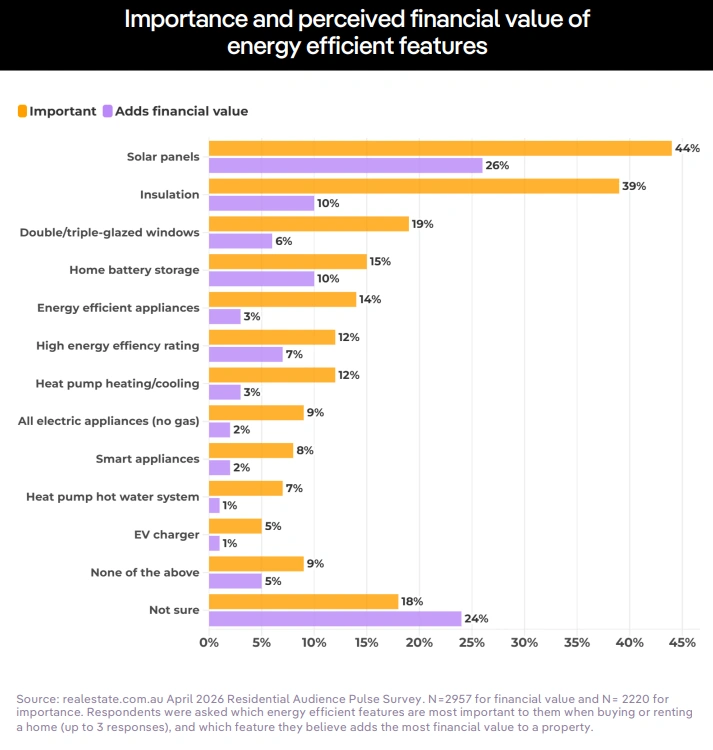
New research suggests most Australians see both as priorities, but lean toward solar. The PropTrack Origin Australian Home Energy Report 2026 found solar panels were the energy-efficient feature most commonly considered important when buying or renting a home, selected by 44% of respondents. Insulation came in close behind at 39%. Solar was also perceived as adding more financial value to a property than any other energy feature.
It’s easy to understand the appeal of solar. The panels are visible, the electricity they generate can be measured and the effect on your bills can be relatively easy to see.
Insulation works differently. Its job is to reduce the amount of energy your home needs in the first place, and that is central to passive house design.
Solar produces energy, insulation reduces demand
Solar panels convert sunlight into electricity that can be used in the home, exported to the grid or stored in a battery.
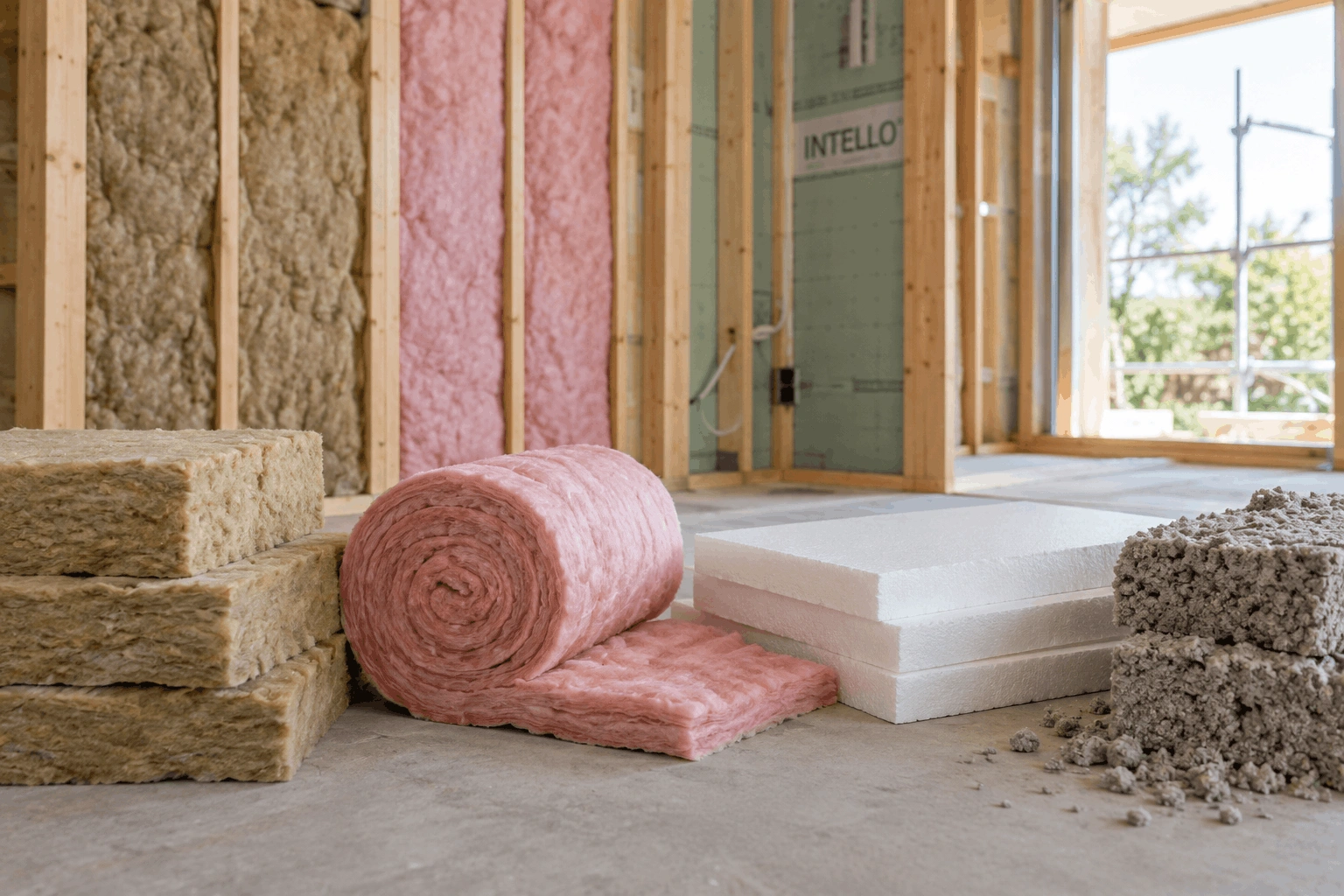
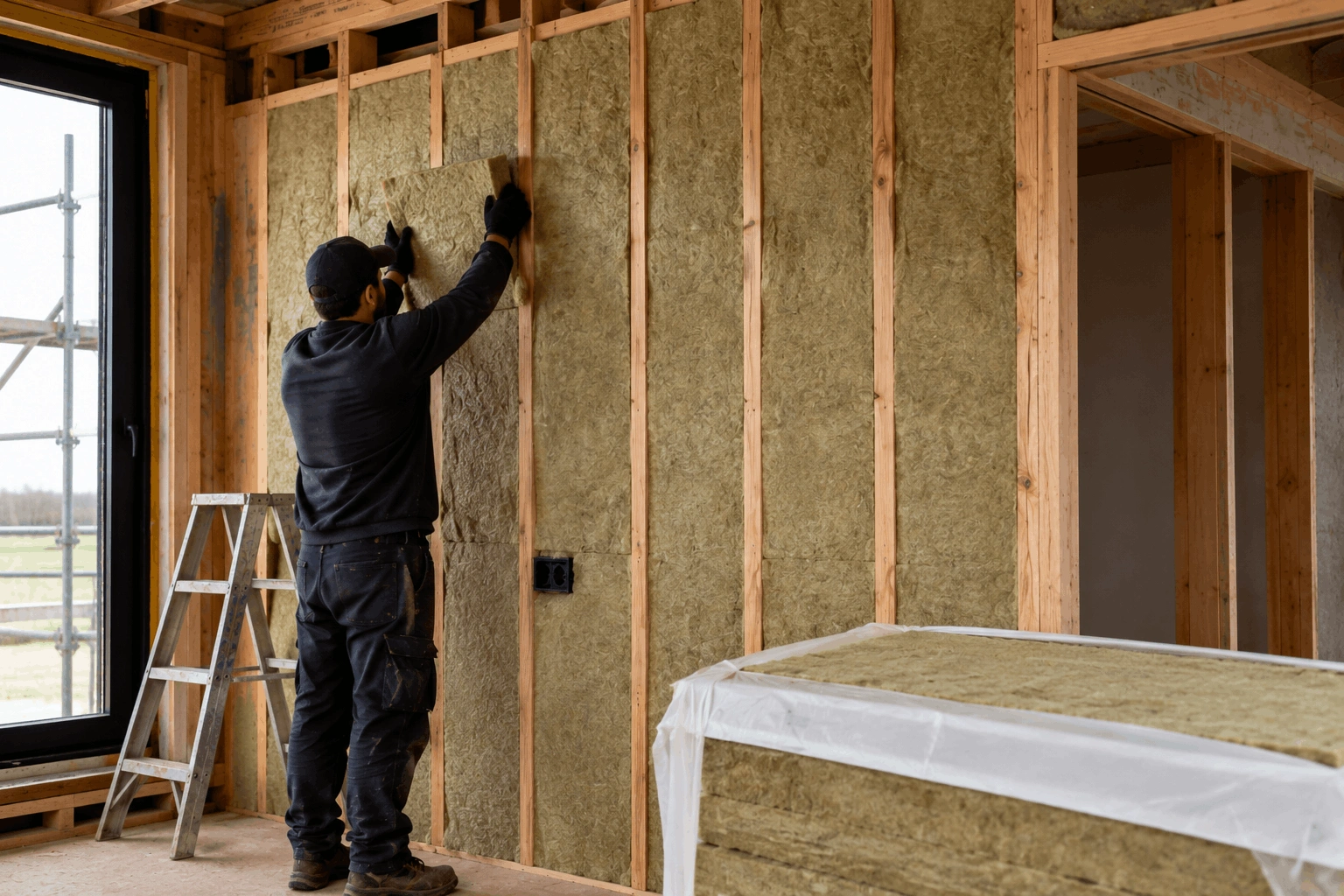
Insulation slows heat transfer through the building envelope, helping keep unwanted heat outside during summer and retain warmth during winter. This reduces the amount of heating and cooling needed to maintain comfortable indoor temperatures.
Putting solar on a poorly performing home can help offset the electricity it consumes, but it doesn’t address the underlying causes of that consumption. If the home loses heat through poorly insulated walls or gains excessive heat through the roof and windows, those problems remain.
Improve the building envelope and the home needs less energy. Solar can then help supply that smaller demand.
Why passive house design starts with the building fabric
This approach is often described as ‘fabric first’.
When designing a passive house, the walls, roof, floor, windows and airtight layer are considered before working out how much energy the finished home will need.
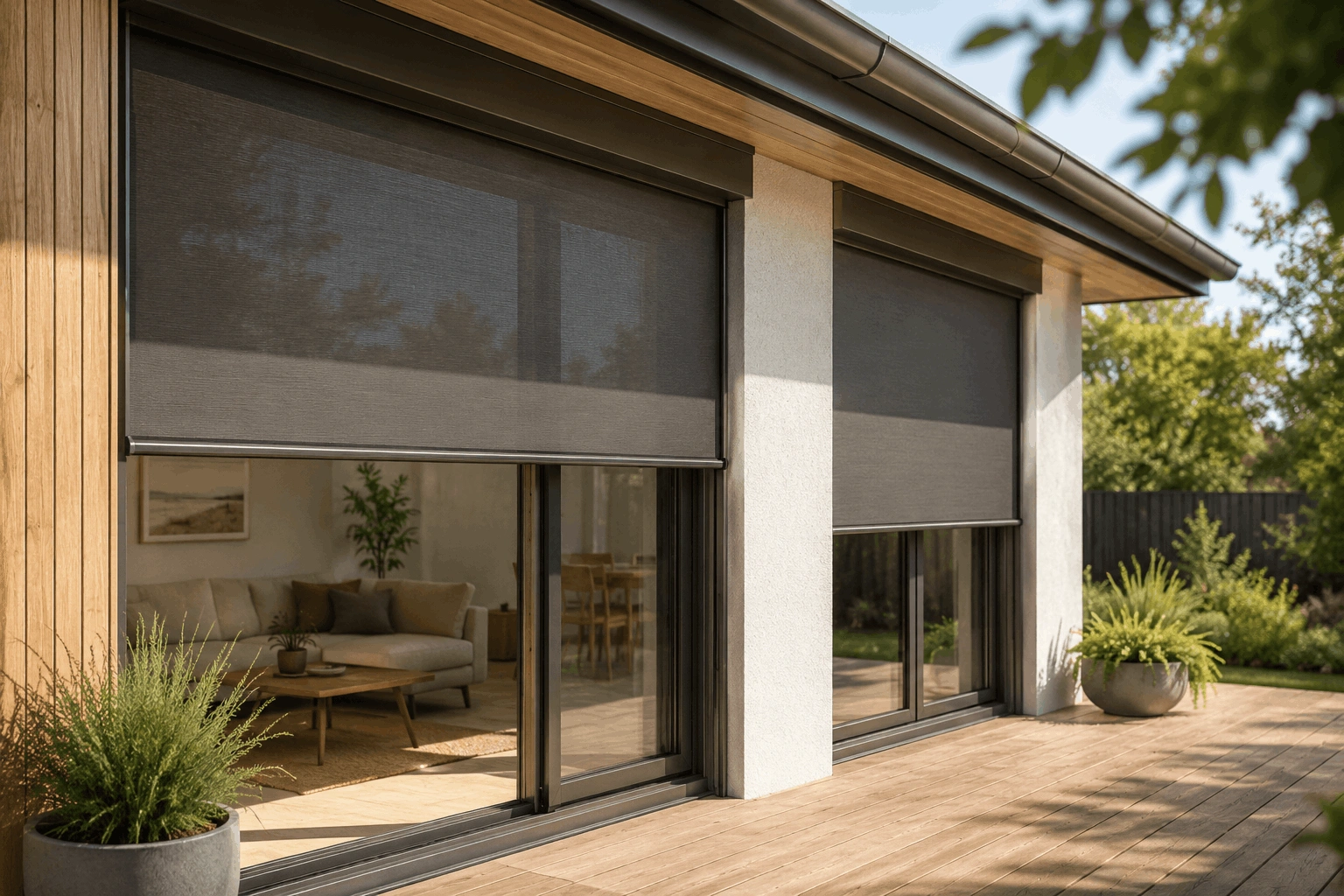
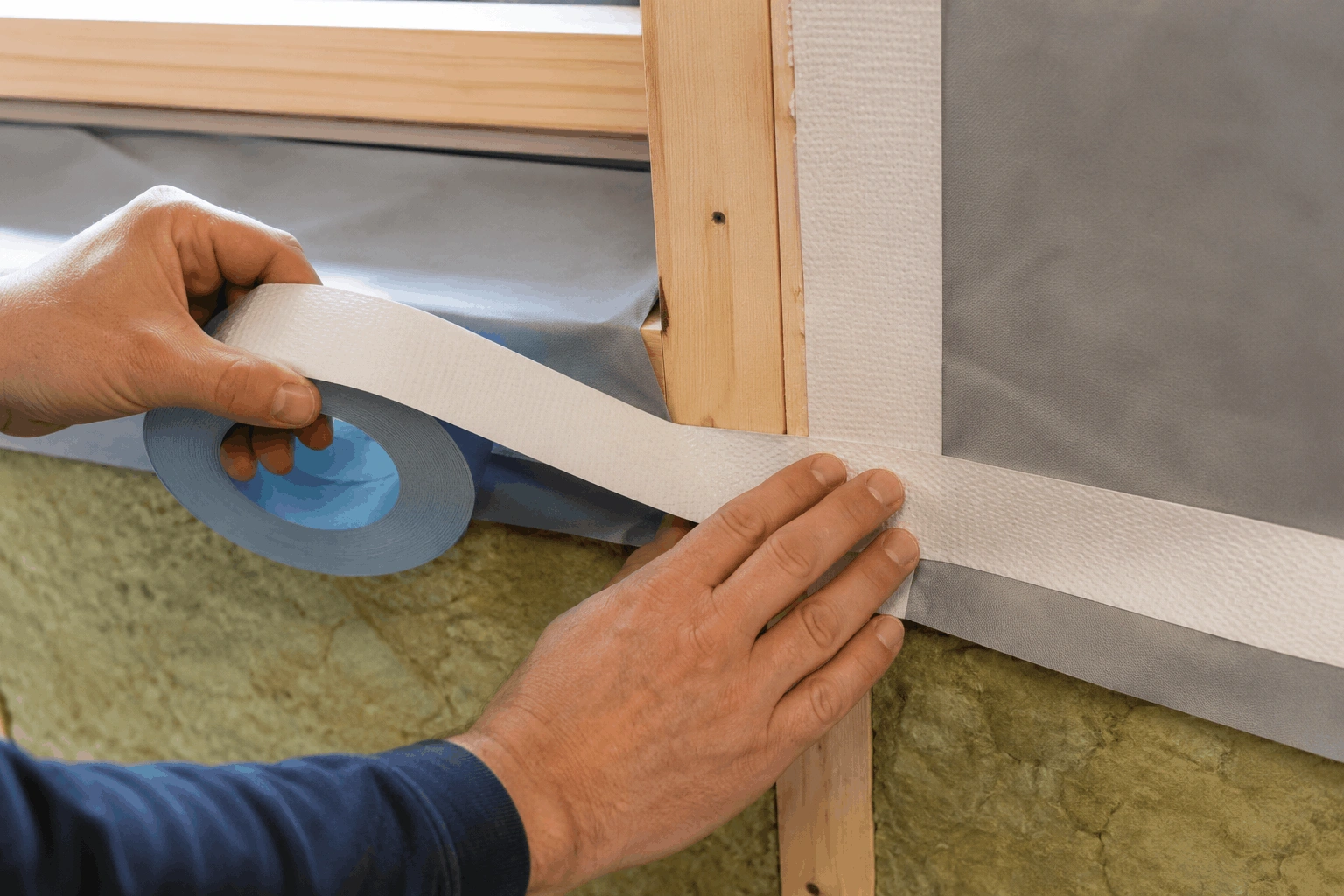
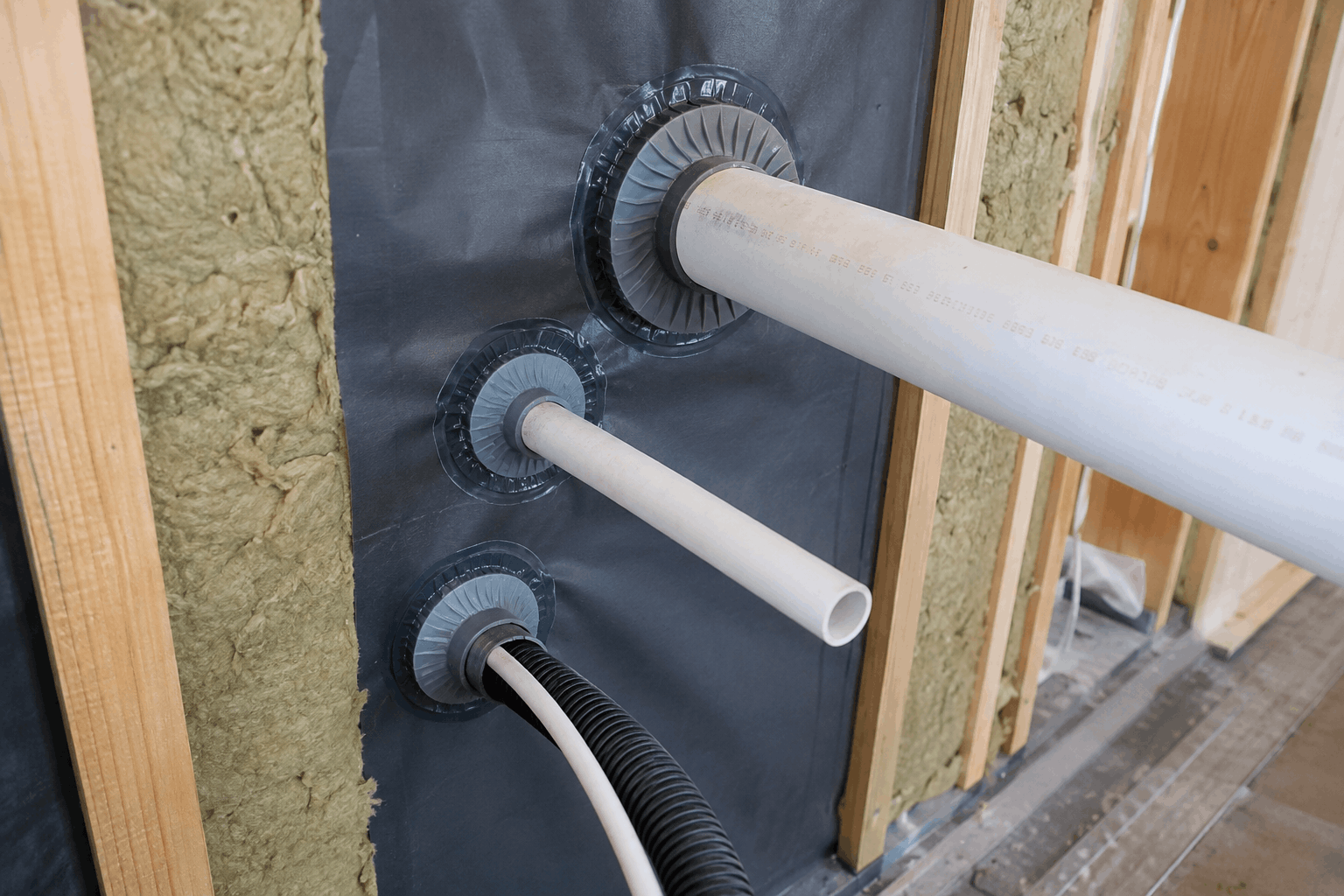
Continuous insulation reduces heat transfer through the building envelope. High-performance windows reduce unwanted heat loss and gain. Airtight construction limits uncontrolled air leakage, while careful thermal bridge detailing addresses weak points where heat can move more easily through the structure.
These measures work together to reduce heating and cooling demand.
That’s why insulation shouldn’t really be considered in isolation either. Adding more insulation will only get you so far if there are significant gaps in it, poorly performing windows or uncontrolled air leakage elsewhere in the building.
Does that mean you shouldn't install solar first?
For an existing home, there isn’t one answer that applies in every situation. Solar can deliver worthwhile savings and may be relatively straightforward to install. Improving insulation or windows can involve accessing parts of the building that are difficult or expensive to reach.
Timing can make a big difference.
If you’re already renovating and opening walls, replacing a roof or installing new windows, it can be an ideal opportunity to improve the building envelope. These elements may be much harder to revisit once construction is complete.
For a new home, there is a much clearer opportunity to start with the fabric. Passive home building allows insulation, airtightness, glazing, shading and thermal bridge detailing to be considered from the beginning. Solar and battery storage can then be sized and selected around a home that already has a low energy demand.
Solar and insulation work best together
For an existing home, there isn’t one answer that applies in every situation. Solar can deliver worthwhile savings and may be relatively straightforward to install. Improving insulation or windows can involve accessing parts of the building that are difficult or expensive to reach.
Timing can make a big difference.
If you’re already renovating and opening walls, replacing a roof or installing new windows, it can be an ideal opportunity to improve the building envelope. These elements may be much harder to revisit once construction is complete.
For a new home, there is a much clearer opportunity to start with the fabric. Passive home building allows insulation, airtightness, glazing, shading and thermal bridge detailing to be considered from the beginning. Solar and battery storage can then be sized and selected around a home that already has a low energy demand.
Australians are preparing to spend more on energy efficiency
Getting that sequence right could become increasingly important.
The report found 69% of respondents plan to invest in home energy improvements over the next five years, up from 65% a year earlier. They expect to spend an average of around $8,340.
At the same time, only 57% of respondents said they know how to improve the energy efficiency of their homes. That makes understanding what different upgrades actually do particularly important.
Solar panels generate electricity. Batteries store it. Insulation, airtightness and high-performance windows reduce the energy the building needs.
For passive houses in Australia, the starting point is the building itself. Reduce demand through good passive house design, then use solar and other technologies to meet the remaining energy needs as efficiently as possible.
Frequently Asked Questions
They perform different functions. Insulation reduces heat transfer through the building envelope, lowering heating and cooling demand. Solar panels generate electricity. In passive house design, reducing the home's energy demand through the building fabric is prioritised before considering how the remaining energy will be generated – because a home that needs less energy gets far more value from every solar panel it installs.
Fabric first means reducing the energy demand of a home through its physical building envelope before relying on technology to supply energy. In passive house designs, that includes insulation, airtightness, high-performance windows, appropriate shading and careful thermal bridge detailing. Solar can then complement a home that already requires relatively little energy for heating and cooling.
Yes, and adding solar to an already efficient home works particularly well. Passive house designs reduce the energy required to keep the home comfortable to a fraction of what a conventional home needs, which means a modest solar system can cover most or all of the remaining electricity demand. The two work together most effectively when the building fabric comes first.