The difference between vapour barriers and vapour control layers in passive house construction
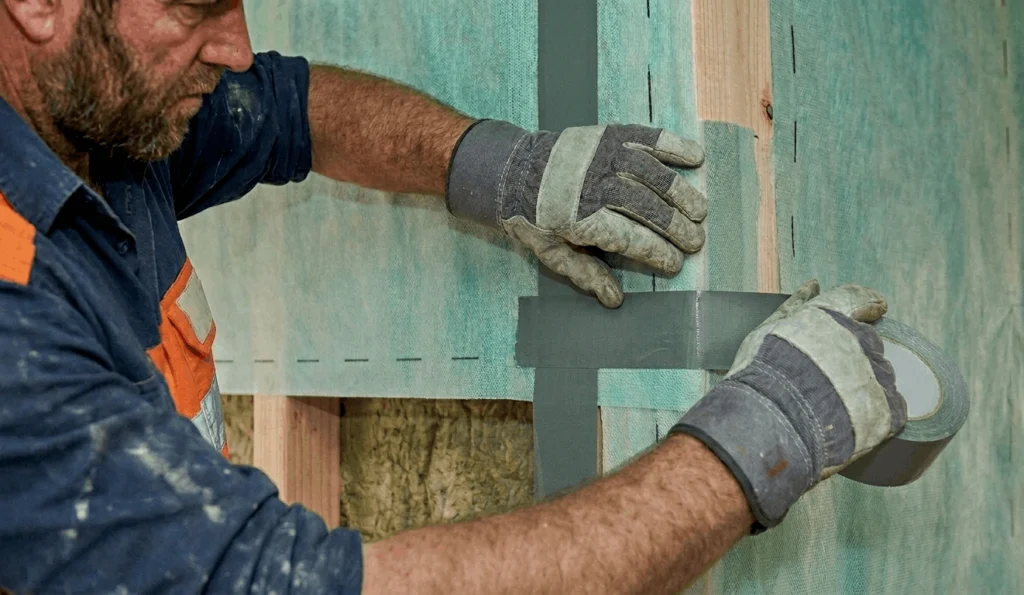
If you’ve spent any time researching passive house design, you’ve probably encountered the terms vapour barrier and vapour control layer. They sound similar, they’re often used interchangeably in conversation and they’re both concerned with moisture management in the building envelope.
But they’re different products that do different things, and using the wrong one or misunderstanding what either does can create serious moisture problems in an otherwise well-built passive house.
Why is moisture management important in passive house construction
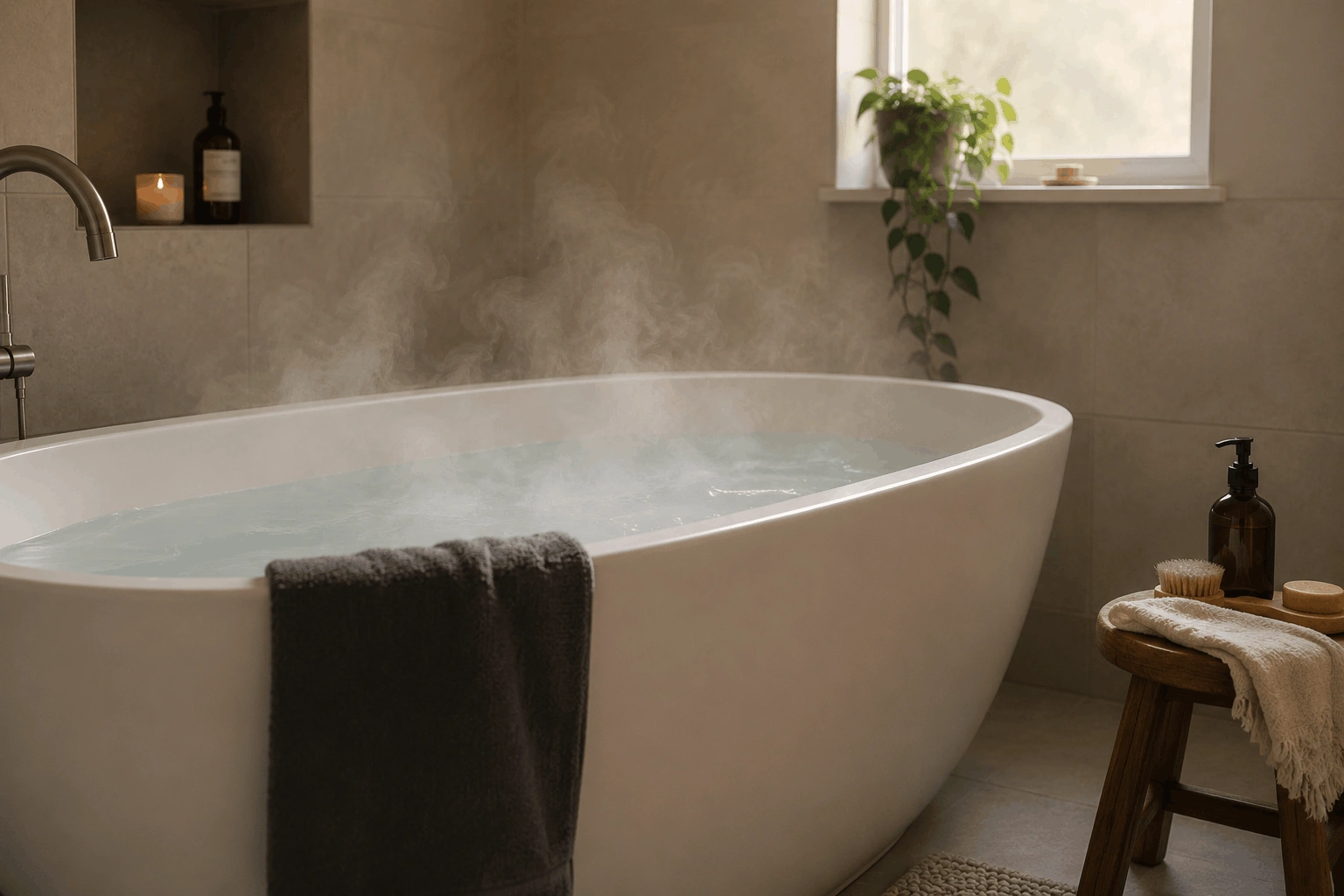
The airtight envelopes that define passive building design change the way moisture behaves in a building. In a traditional home, uncontrolled air movement through gaps and cracks carries moisture in and out of the building fabric continuously. It’s not always a good system as it wastes energy and can cause condensation problems, but the constant air movement also means the building fabric rarely stays wet for long.
In a passive house design, uncontrolled air movement is eliminated. The building fabric is sealed tightly, and moisture management becomes a deliberate design decision rather than something left to chance. Get it wrong and moisture can accumulate within the wall, roof or floor assembly in ways that cause structural damage, mould growth and degraded thermal performance – none of which are visible from inside the home until the problem is well established.
What does a vapour barrier do?
A vapour barrier is exactly what it sounds like: a material with very high resistance to the passage of water vapour. Polyethylene sheeting is the most common example. A vapour barrier is designed to stop water vapour from moving through it in either direction, maintaining a near-complete separation between the humid air inside the building and the building fabric beyond.
Vapour barriers were the standard approach to moisture management in building construction for decades, and they remain appropriate in specific circumstances. This is particularly in very cold climates where the temperature differential across the building fabric is large and consistent, and where driving moisture in one direction (from warm interior to cold exterior) is the dominant risk throughout the year.
The problem with vapour barriers in many Australian homes is that they’re not well suited to climates where the moisture drive reverses seasonally. In a climate where winters are cold and summers are hot and humid, like much of southern and eastern Australia, a vapour barrier that blocks moisture movement in both directions can trap moisture in the building fabric during the season when conditions reverse. A wall designed around a vapour barrier for winter conditions may perform poorly in summer, and vice versa.
What does a vapour control layer do?
A vapour control layer – sometimes called a variable vapour retarder or a smart membrane – takes a more specific approach. Rather than blocking vapour movement entirely, it regulates it. These membranes are designed to change their vapour permeability in response to the relative humidity of their immediate environment.
In dry conditions – typically winter, when the building fabric is cold and the interior is being heated – the membrane becomes less permeable, restricting the passage of water vapour into the building fabric where it might condense on cold surfaces. In humid conditions – typically summer, when the moisture drive may reverse and the building fabric needs to be able to dry out – the membrane becomes more permeable, allowing moisture to escape rather than becoming trapped.
This variable behaviour is what makes vapour control layers the preferred approach in passive house designs across Australia. The passive house envelope is highly insulated and airtight, which means the drying capacity of the building fabric is reduced compared to a conventional construction. A membrane that can adapt to seasonal moisture conditions is far better suited to this environment than one that blocks moisture movement entirely, regardless of conditions.
How are they used in passive house construction?
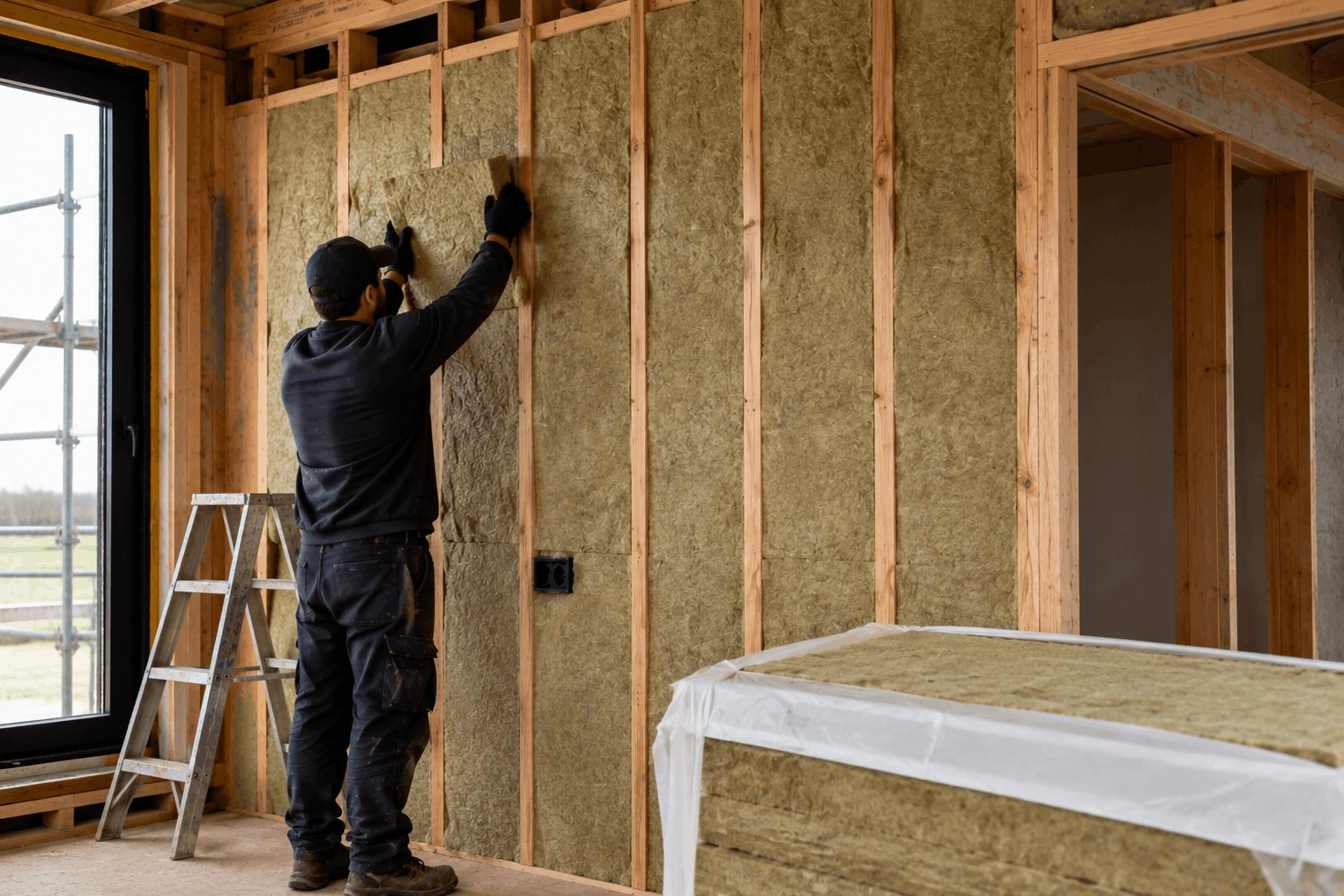
In passive house designs, the vapour control layer is typically installed on the warm side of the insulation, usually the interior face of the wall, roof or floor assembly. This positioning limits the amount of water vapour that can enter the insulation layer from the interior, where the primary moisture source in a habitable building is usually found.
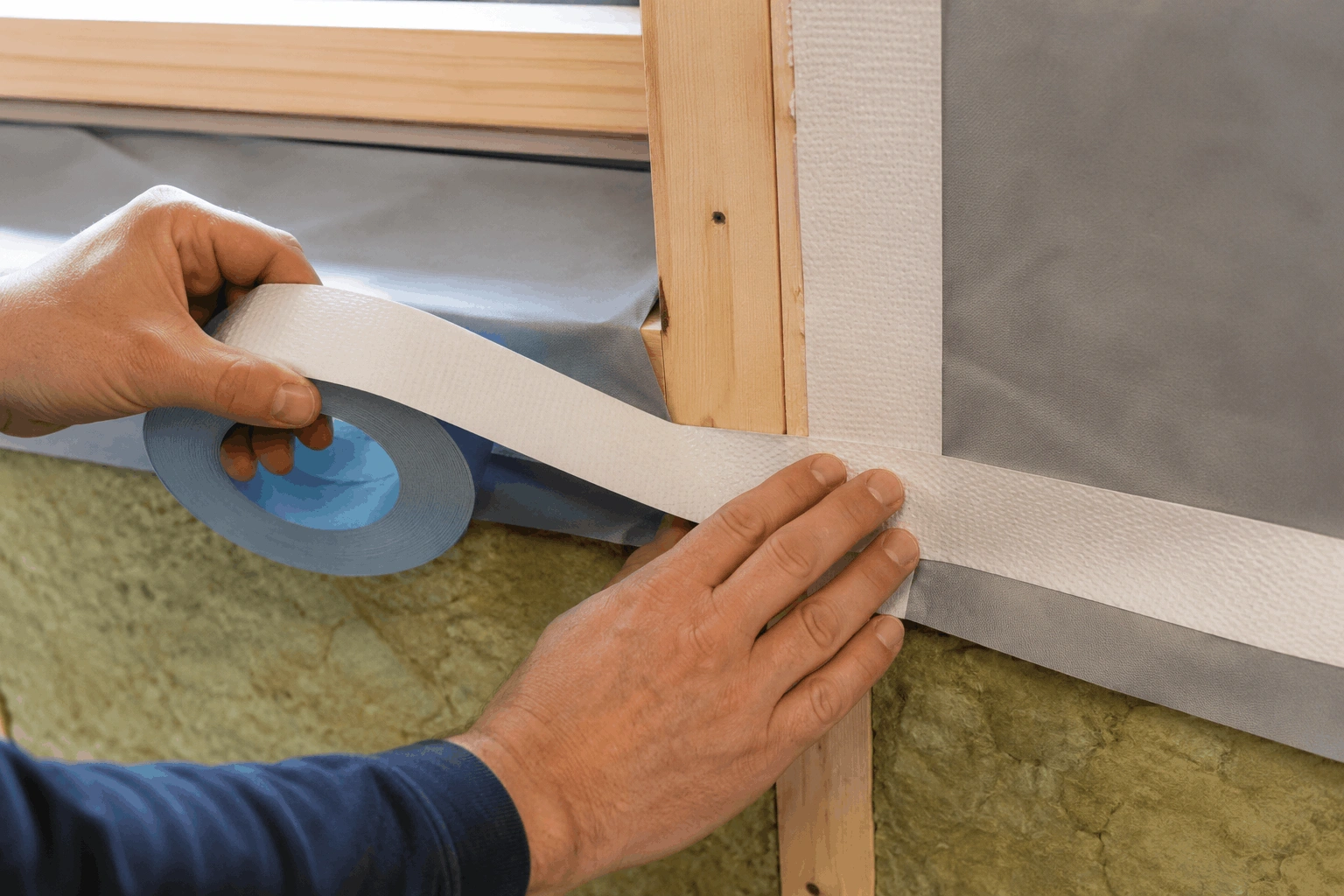
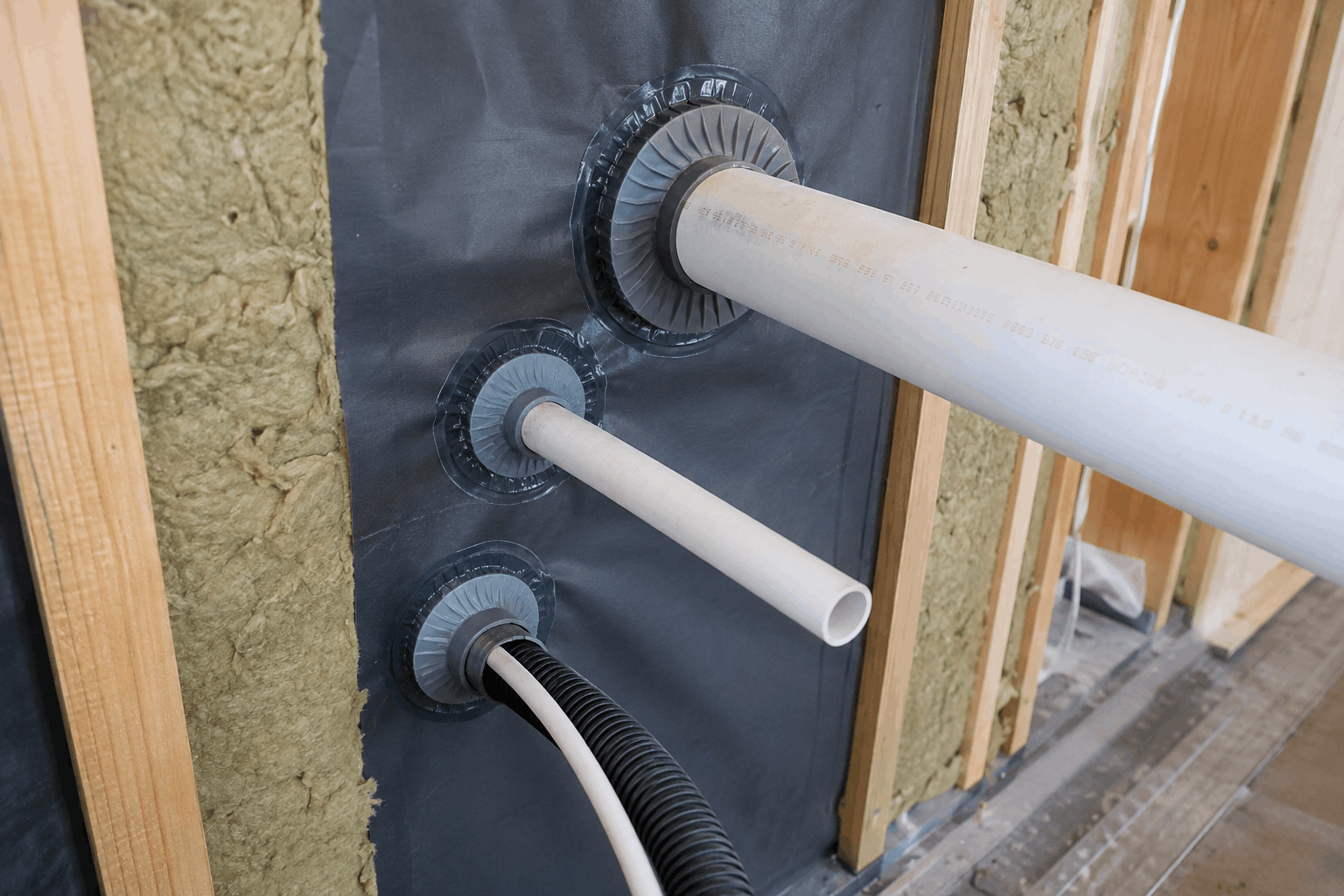
The membrane serves a dual purpose in passive house designs in Australia: it contributes to the airtight layer of the building envelope as well as managing vapour diffusion. This is why the correct installation and sealing of the membrane at all joints, overlaps and penetrations is so critical. A vapour control layer that is correctly specified but poorly installed, with untaped joints or unsealed penetrations, fails on both counts.
Experienced passive house builders in Australia treat the installation of the vapour control layer as one of the most critical stages of the construction process. The sequencing of trades, the protection of the membrane from damage during subsequent construction activities and the detailing of every junction and penetration all require careful management on site.
The external side of the envelope
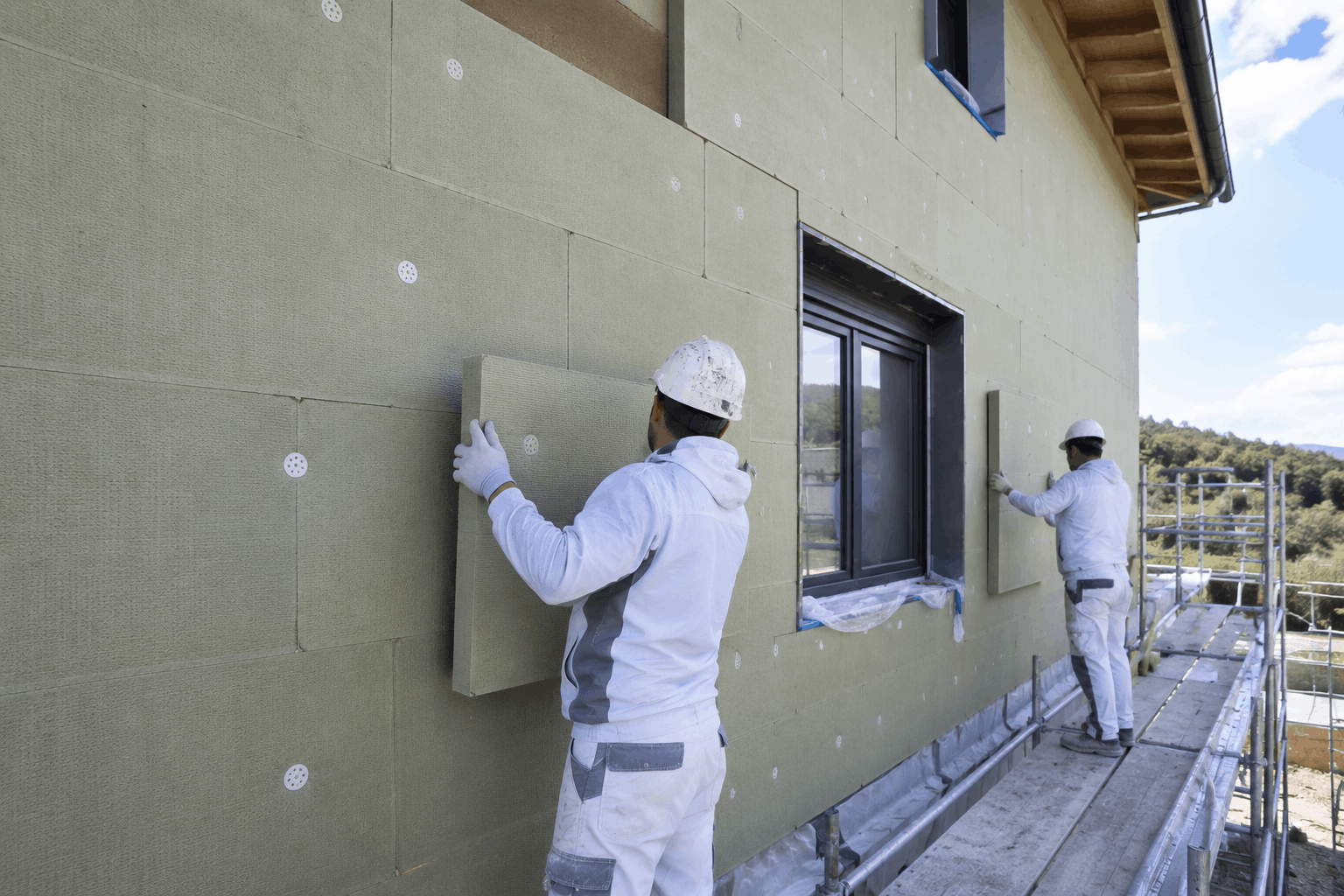
Moisture management in a passive house isn’t only about the interior membrane. The external face of the building envelope also needs to be able to manage moisture, particularly wind-driven rain that may penetrate the cladding, and any residual moisture that needs to dry outward from the building fabric.
The external face of a passive house design typically uses a breather membrane. This is a product that is highly permeable to water vapour but resistant to liquid water. It allows the building fabric to dry toward the exterior while preventing bulk water from penetrating inward. The combination of a vapour control layer on the interior and a breather membrane on the exterior creates an envelope that manages moisture from both directions – a key principle of passive building design in Australian conditions.