How a passive house affects sleep quality
Most people know that a passive house keeps energy bills low. Fewer realise that the same features responsible for that efficiency – stable temperatures, fresh filtered air, near-total silence – also create some of the best sleeping conditions you can find in a residential building.
Temperature stability through the night
Sleep research is consistent on one point: the body sleeps best in a cool, stable environment. Disruptions to the ideal sleeping temperature range – a room that gets too warm in the early hours, or too cold before dawn – are among the most common causes of broken sleep.
In a conventionally built home, maintaining that stability is difficult. Poorly insulated walls lose heat quickly on cold nights. Bedrooms on the western side of a home absorb heat through the afternoon and release it slowly overnight. Air conditioning cycles on and off, creating temperature swings rather than genuine stability.
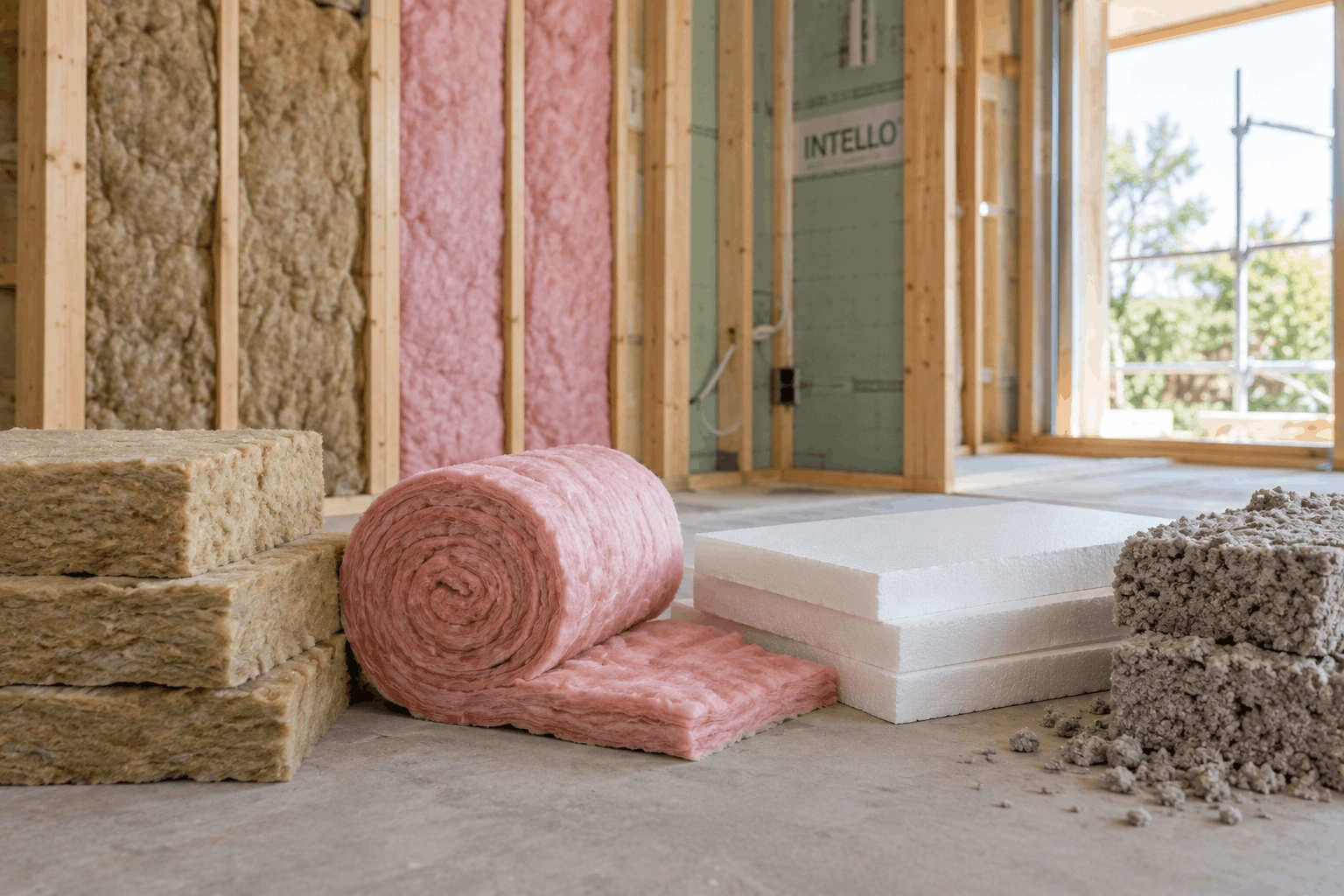
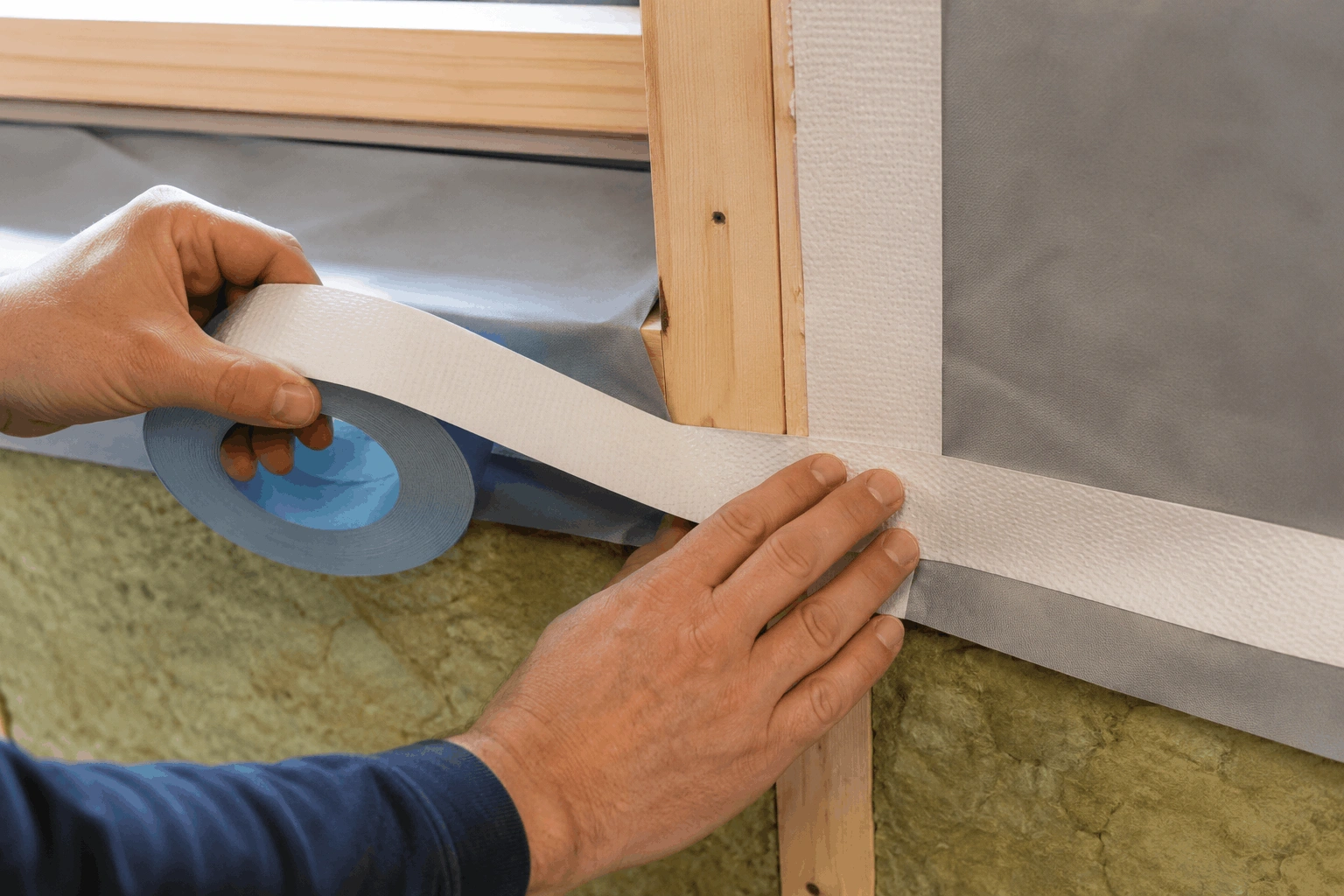
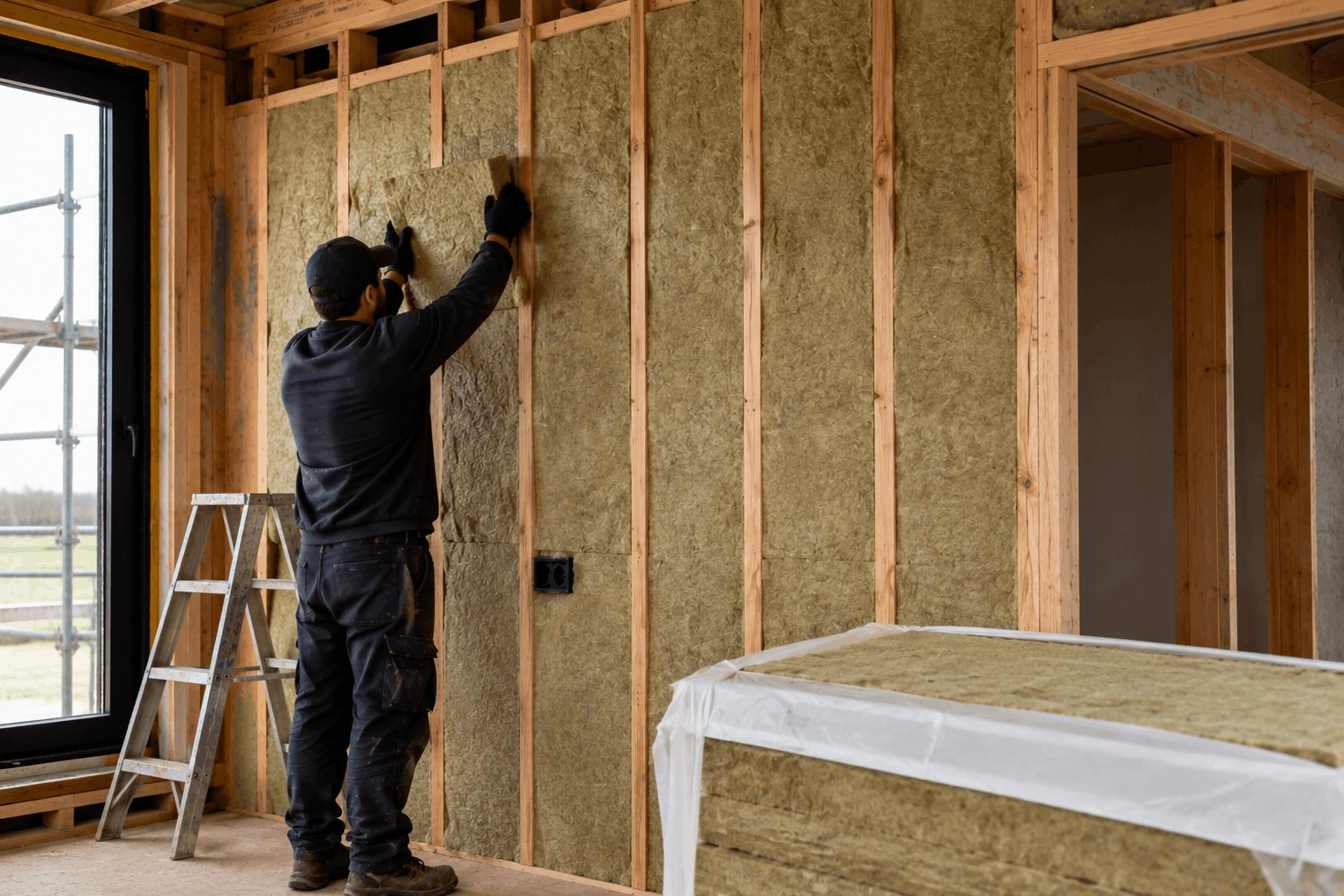
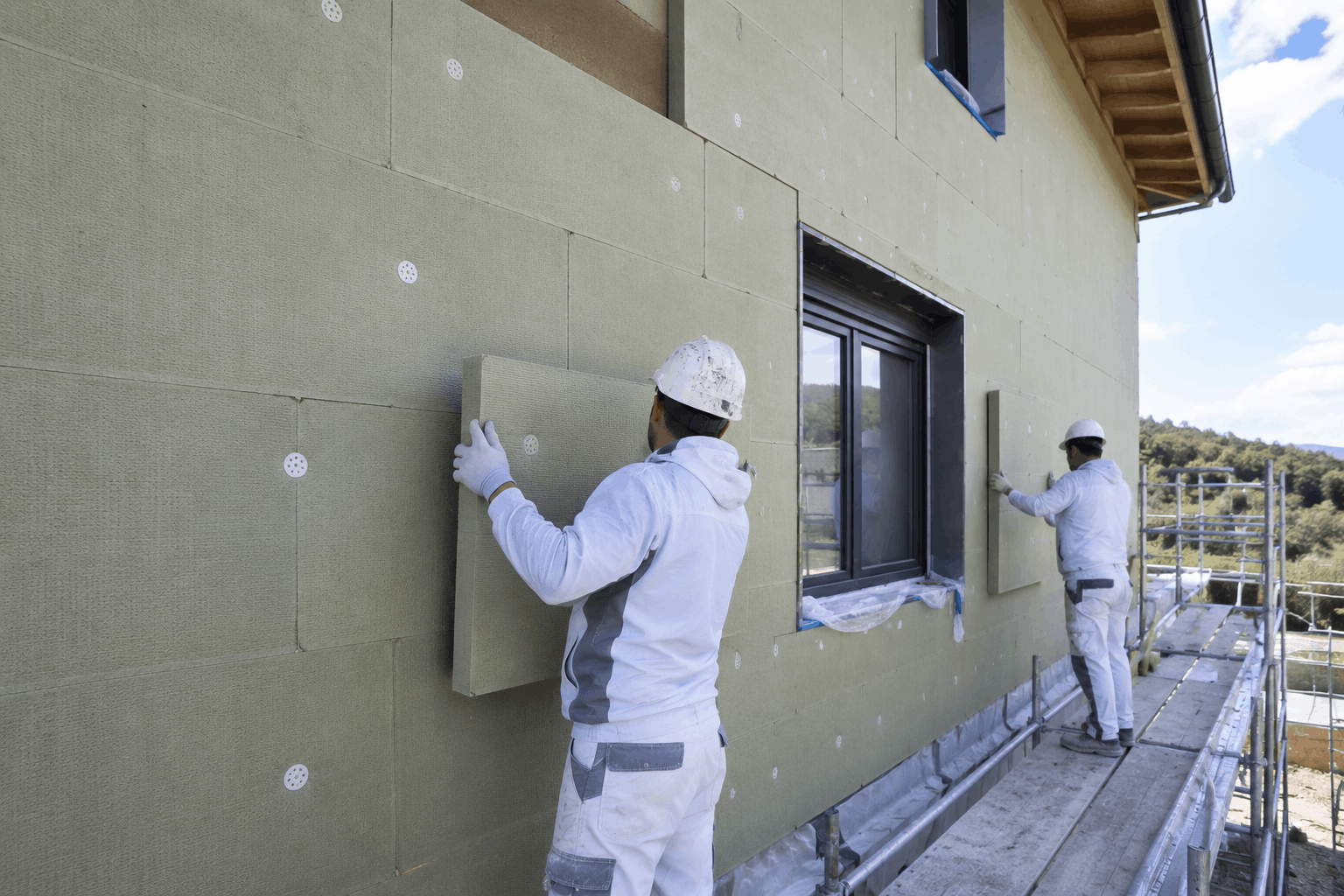
Passive house design solves this at a structural level. The combination of continuous insulation, high-performance windows and airtight construction means the internal temperature of a passive design house changes very slowly, if at all. There are no cold spots near windows, no warm patches near external walls.
Fresh air without noise or draughts
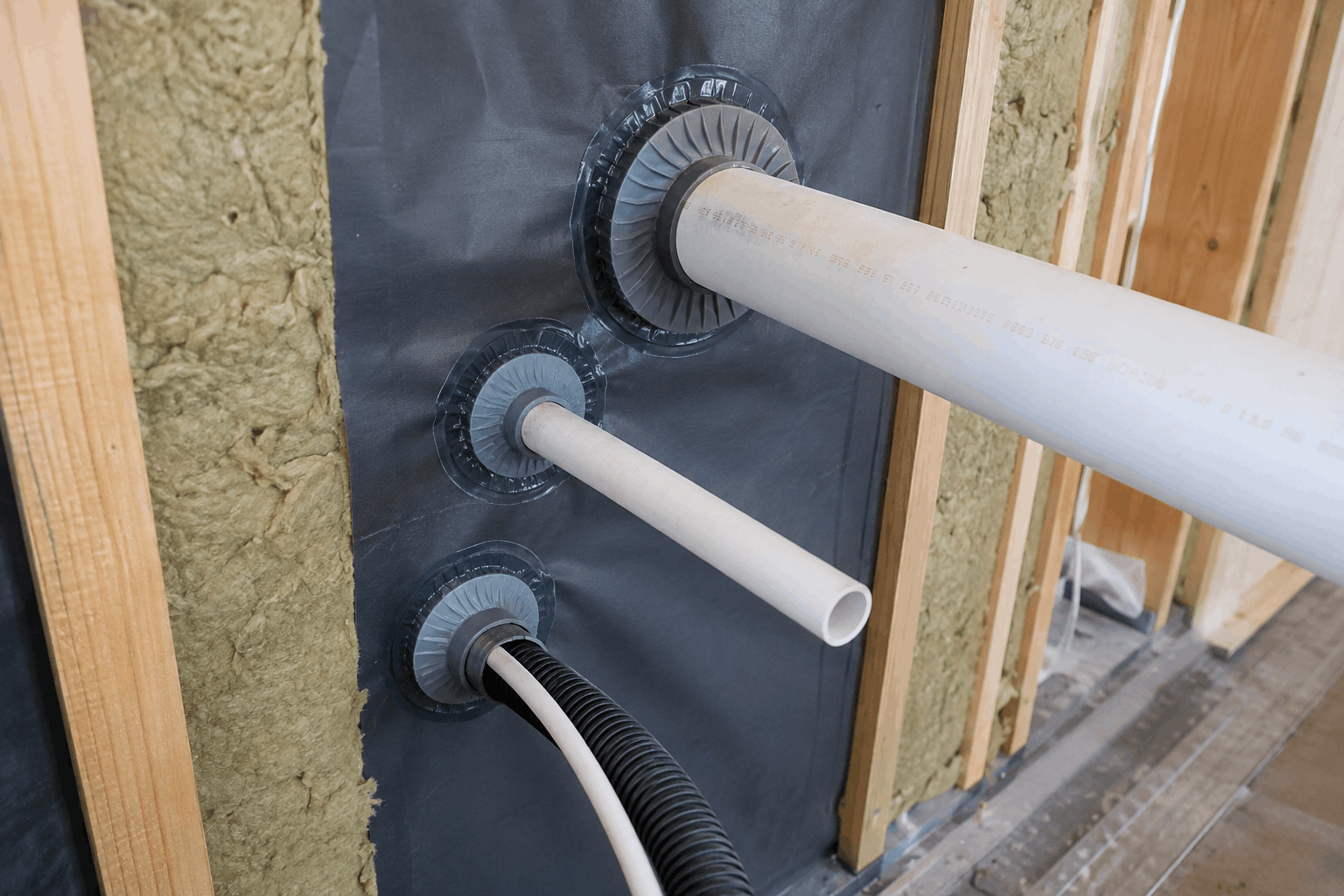
One of the less obvious sleep benefits of passive home building comes from the mechanical ventilation with heat recovery (MVHR) system. Because the home is airtight, fresh air is delivered continuously and quietly through the ventilation system rather than through open windows. That means you’re breathing well-filtered, fresh air all night, without the trade-off of traffic noise, insects, pollen or the temperature instability that comes with an open window.
For anyone who suffers from hay fever, asthma or dust allergies, this is particularly significant. The MVHR filters incoming air before it reaches the bedroom, removing a meaningful proportion of the particles and allergens that would otherwise be present. Breathing cleaner air overnight has a measurable effect on sleep quality and how rested you feel in the morning.
Quiet rooms
Passive house designs in Australia are very quiet as a direct consequence of the construction methods used. Triple-glazed windows, continuous insulation and airtight construction combine to dramatically reduce the transmission of external noise.
For anyone living near a busy road, under a flight path or in a dense urban environment, this acoustic performance alone can transform sleep quality. Passive house designers in Australia working on urban projects frequently hear from clients that the silence was the single biggest lifestyle change after moving in – more noticeable, day to day, than the energy bills.
Humidity that stays in the right range
Humidity has a significant but underappreciated effect on sleep comfort. Air that’s too dry irritates the airways and skin. Air that’s too humid feels heavy and uncomfortable, and creates conditions for dust mites to thrive. Most conventional homes swing between these extremes depending on the season and the weather outside.
A well-designed passive house design in Australia maintains relative humidity within a comfortable band year-round. The result is an environment that stays comfortable without any intervention from the occupants.
No mechanical noise in the night
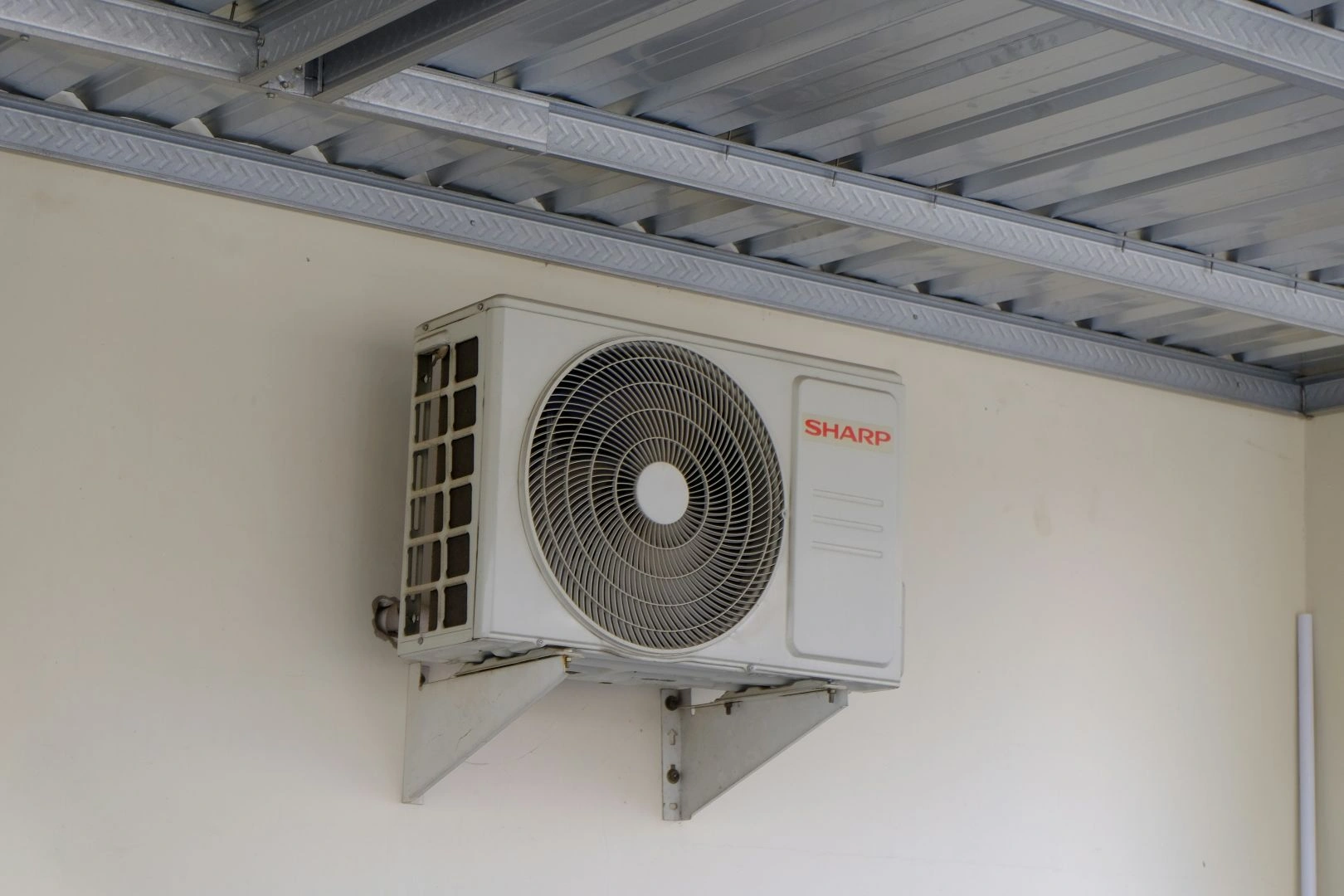
In a conventional home, the middle of the night can bring its own noises like the click and hum of a ducted air-conditioning system cycling on, the rattle of a split-system compressor outside the window or the tick of a hot water system. These sounds are low-level but cumulate enough to pull a light sleeper into a shallower sleep stage without fully waking them.
Because a well-designed passive building design home needs very little mechanical heating or cooling, most of that noise disappears. The MVHR runs continuously but at a whisper – typically around 25 decibels at normal operating speed. There’s no cycling, no compressor kick and no thermostat click.
The compound effect
What makes the sleep benefits of passive house designs interesting is that none of them work in isolation. Stable temperature, clean air, low humidity, acoustic insulation and the absence of mechanical noise all act on sleep quality simultaneously. The home isn’t optimised for sleep specifically – it’s optimised for consistent indoor comfort – but the result is an environment that happens to be close to ideal for rest.
This is worth keeping in mind when you’re comparing the upfront cost of a passive house in Australia against a conventional build. The financial case for passive houses is usually made on energy savings alone. The liveability case, including sleep, respiratory health and general daily comfort, is harder to put a number on but arguably more significant for most families.
Frequently Asked Questions
A well-specified and correctly commissioned MVHR unit running at its normal speed is extremely quiet. If an MVHR unit is noticeably audible, it usually indicates a commissioning issue, a duct design problem or a unit that hasn't been properly sized for the home. This is one of the reasons choosing experienced passive house builders in Australia matters, as installation quality has a direct effect on acoustic performance.
Not if it has been properly designed for the local climate. Passive house design in Australian conditions requires careful attention to shading, window orientation and thermal mass to prevent overheating. A well-designed passive home in Australia uses PHPP modelling to verify that year-round comfort criteria are met before construction begins.
Yes. Most MVHR units have a night or boost setting that allows occupants to reduce the airflow rate overnight for an even quieter environment, or increase it if the bedroom feels stuffy. In a well-sized system, the standard operating speed should already be comfortable for sleeping, but having manual control is a useful feature, and most units used in passive house designs in Australia include it as standard.