The role of passive house design in achieving energy independence
The grid problem
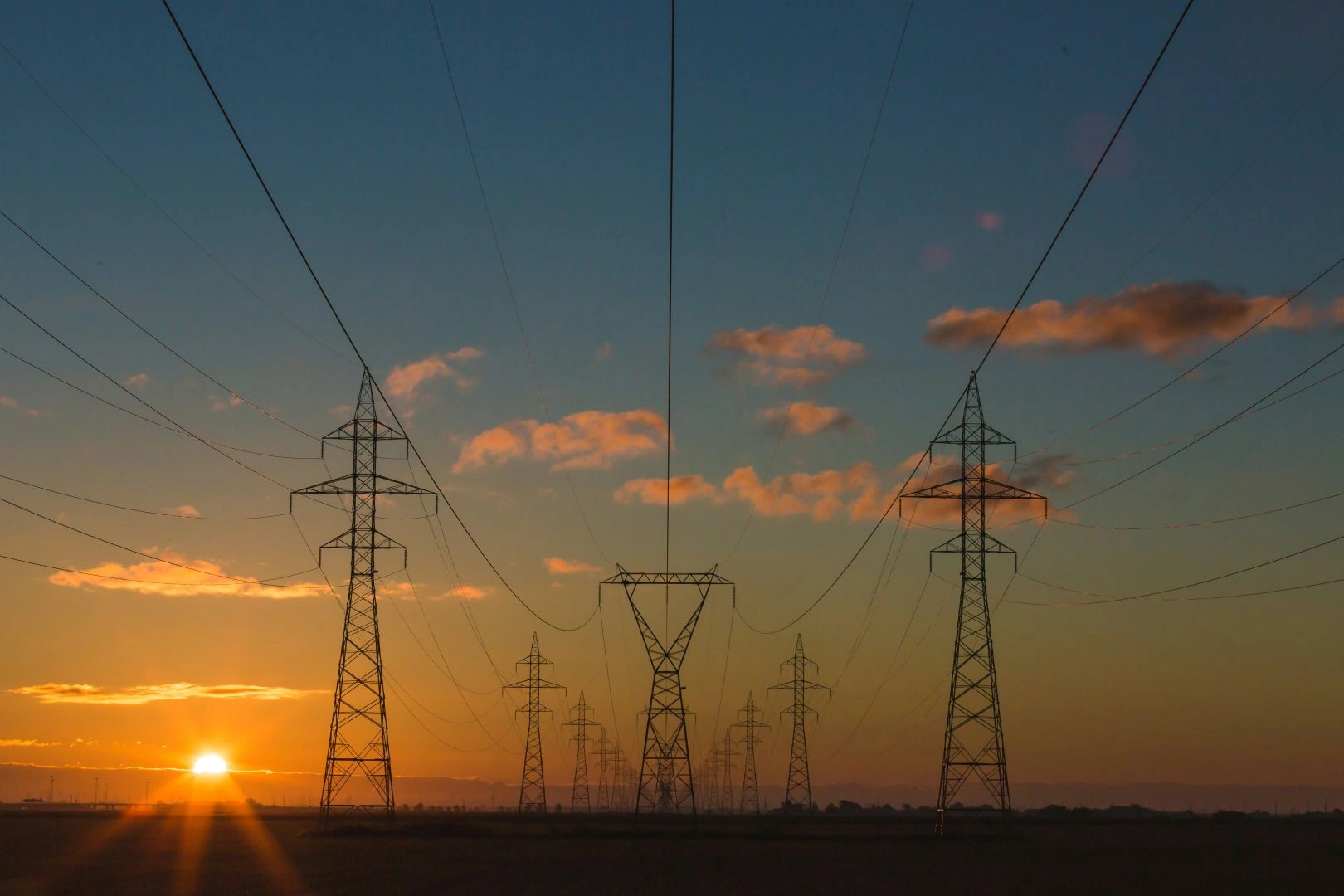
According to the Australian Energy Council, we have some of the highest residential electricity prices in the world, ranking 15th on the list of residential household electricity prices.
The grid is under pressure, prices have risen sharply over the past decade, and there’s little reliable evidence that the trend is about to reverse. For anyone building a new home, locking in decades of dependence on grid electricity could be a financial risk – one that most people don’t think about until they’re already living with it.
Solar panels help, and battery storage helps more. But both of these technologies are working to compensate for a building that is leaking energy through its walls, windows and roof. Adding generation capacity to a poorly performing home addresses the symptom rather than the cause.
What a passive house actually does
Passive building design reduces the amount of energy a home needs in the first place. A certified passive home typically cuts heating and cooling demand by 80 to 90 per cent compared to a standard build.
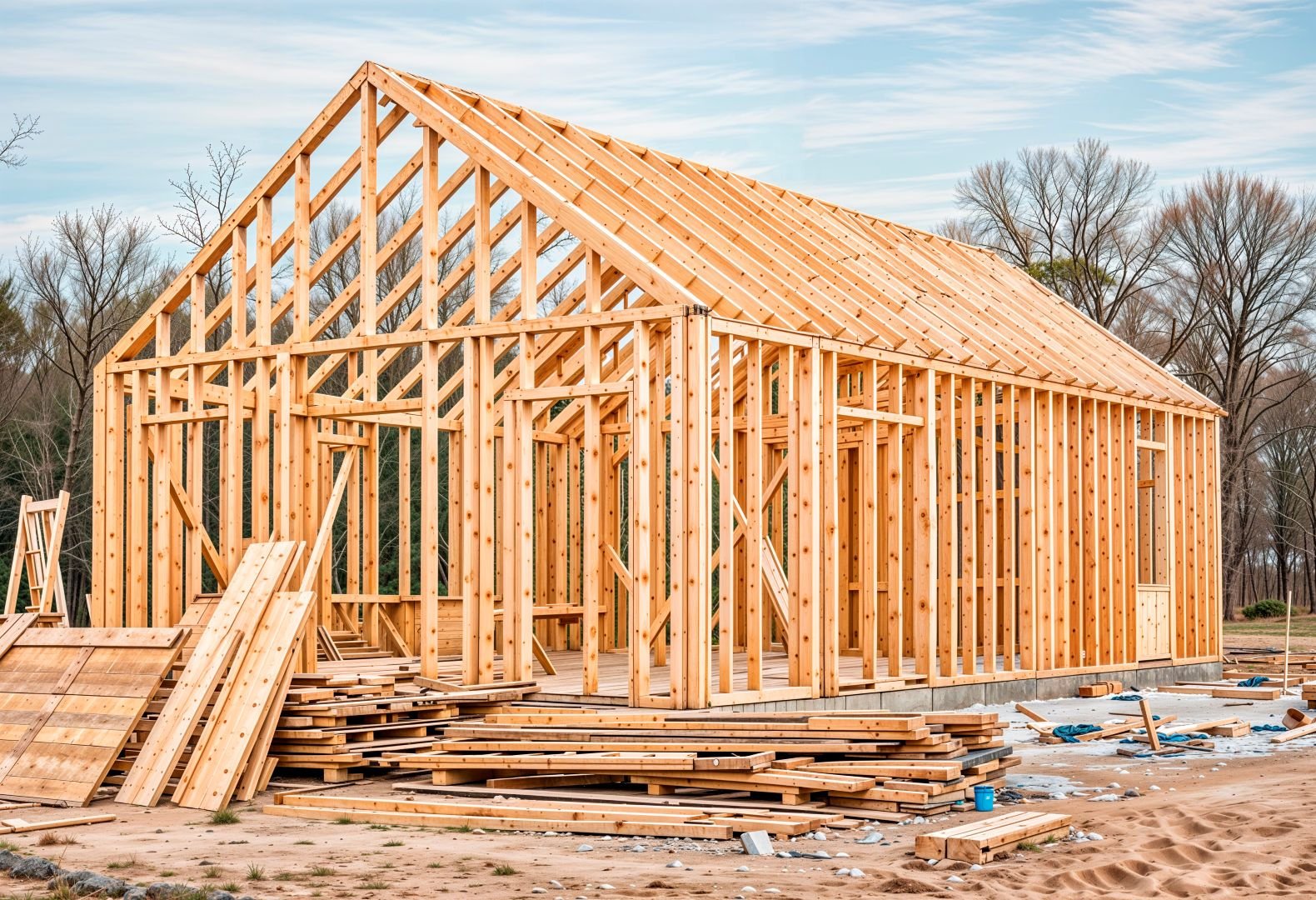
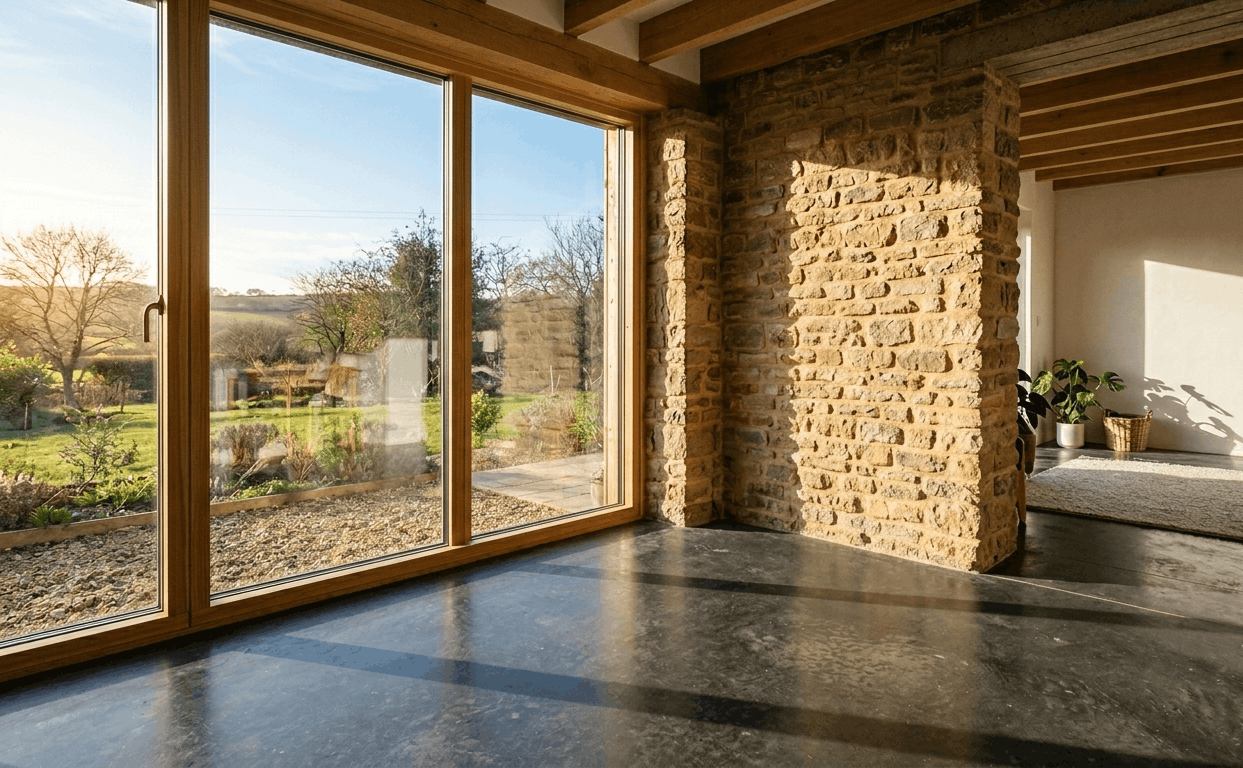
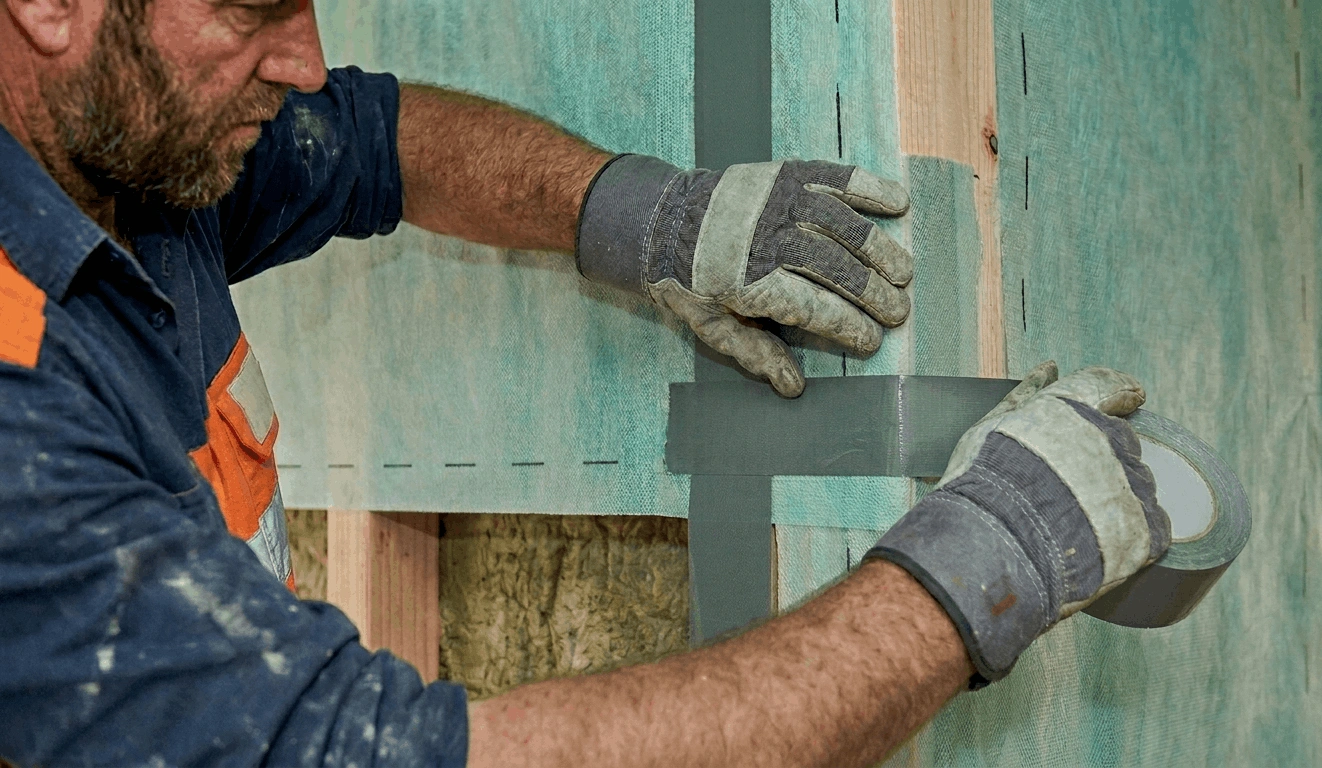
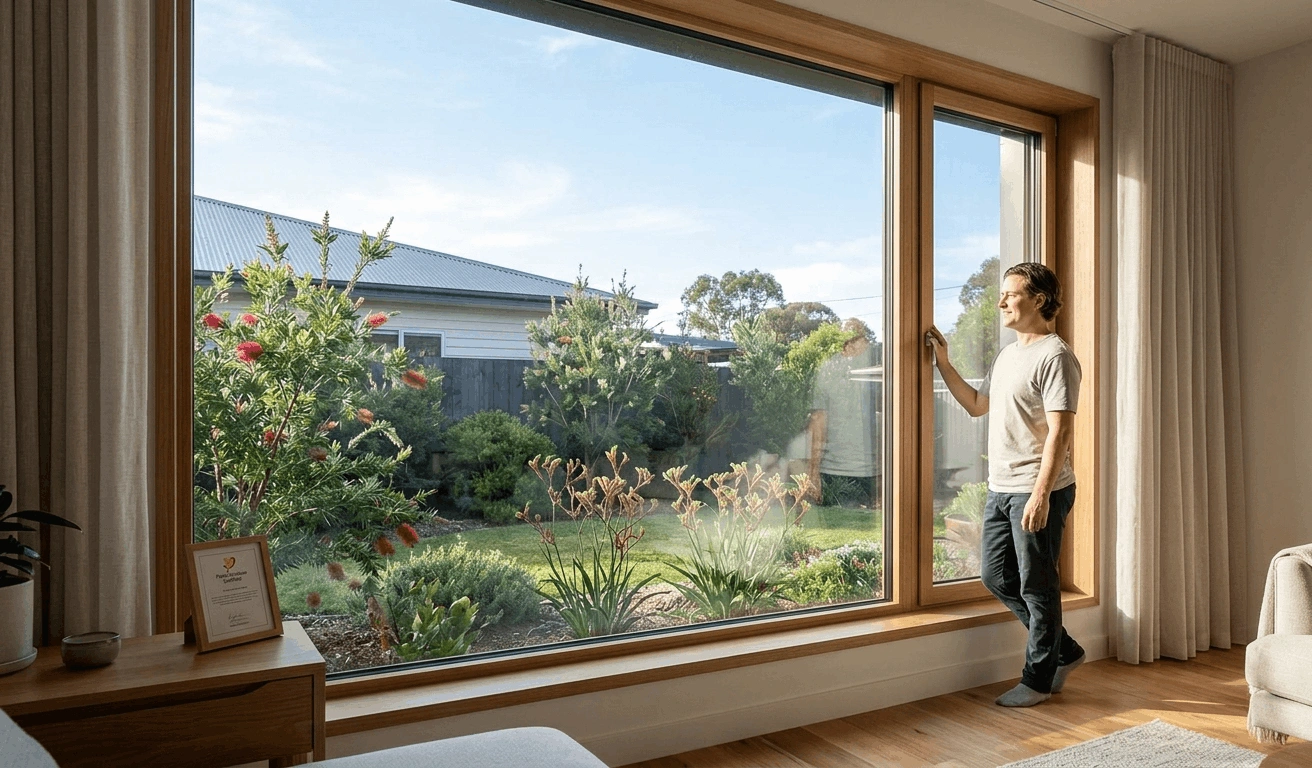
This is achieved through a combination of a highly insulated envelope, airtight construction, triple-glazed windows, careful orientation and a heat recovery ventilation system that captures warmth from outgoing air before it leaves the building. Every element works together as a system. The result is a home that holds its temperature with very little energy input, whether that energy comes from the grid, a solar system or a battery.
Designing a passive house to a certified standard means that performance is modelled, tested and verified, rather than just estimated. That level of certainty is rare in residential construction and it counts when you’re trying to plan for energy independence over the long term.
Adding solar and batteries
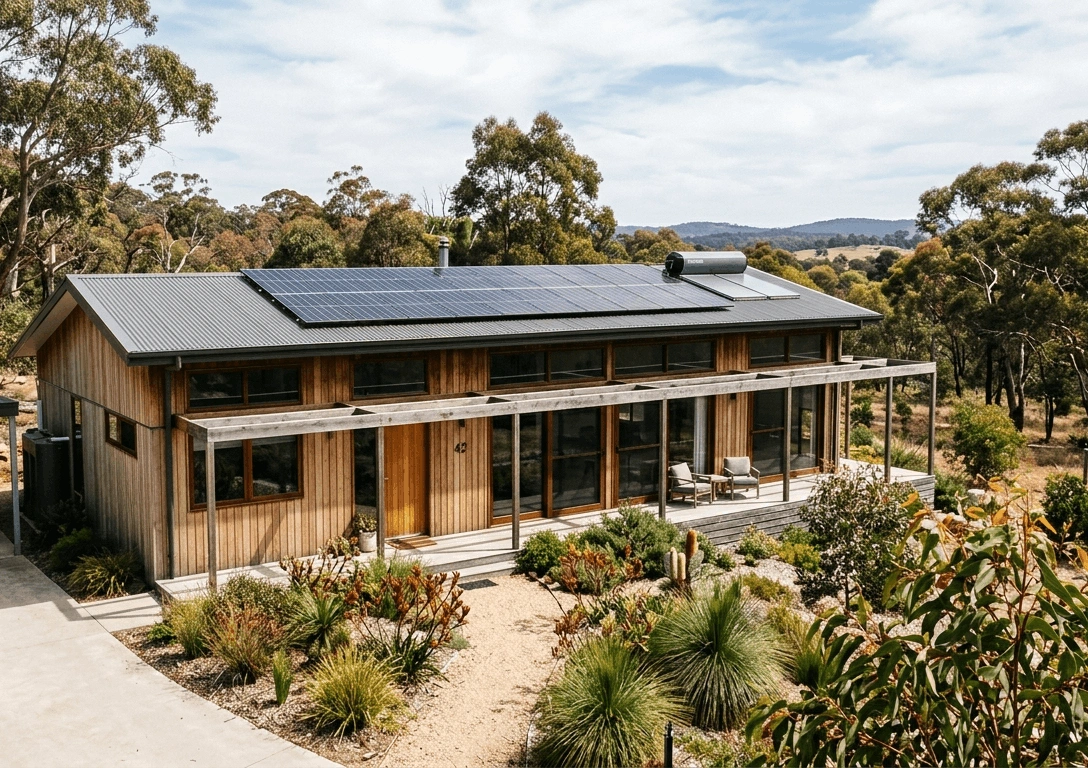
Once you have a building that needs very little energy to stay comfortable, the solar and battery equation changes dramatically. A standard home might need a large solar array and substantial battery storage to approach self-sufficiency. A certified passive design house can often achieve the same outcome with a much smaller, less expensive system.
This is one of the points that experienced passive house designers in Australia make most consistently to clients weighing up costs. The upfront investment in better insulation, higher-quality windows and careful construction detailing reduces the size of the solar and battery system needed to reach independence. In many cases, the savings on generation equipment offset a significant portion of the passive house premium.
The passive house design standard is flexible enough to apply across all of Australia’s climates, and the energy modelling used in passive house design is calibrated to local climate data. That means the performance targets are realistic for where you’re actually building, not based on a generic national average.
Design decisions shape long-term performance
Technology can be upgraded over time. Solar panels, batteries and appliances can all be replaced or improved. The building itself is much harder to change later. That is why the design stage matters so much.
Good passive house design locks in long-term performance through decisions about orientation, layout, shading, glazing and construction. These are the choices that determine how much energy the home will need for decades to come.
Many passive house designers in Australia see this as one of the biggest opportunities in residential design. If you build the shell well from the start, everything that comes after becomes easier. That includes achieving a more self-sufficient home.
Beyond the energy bill
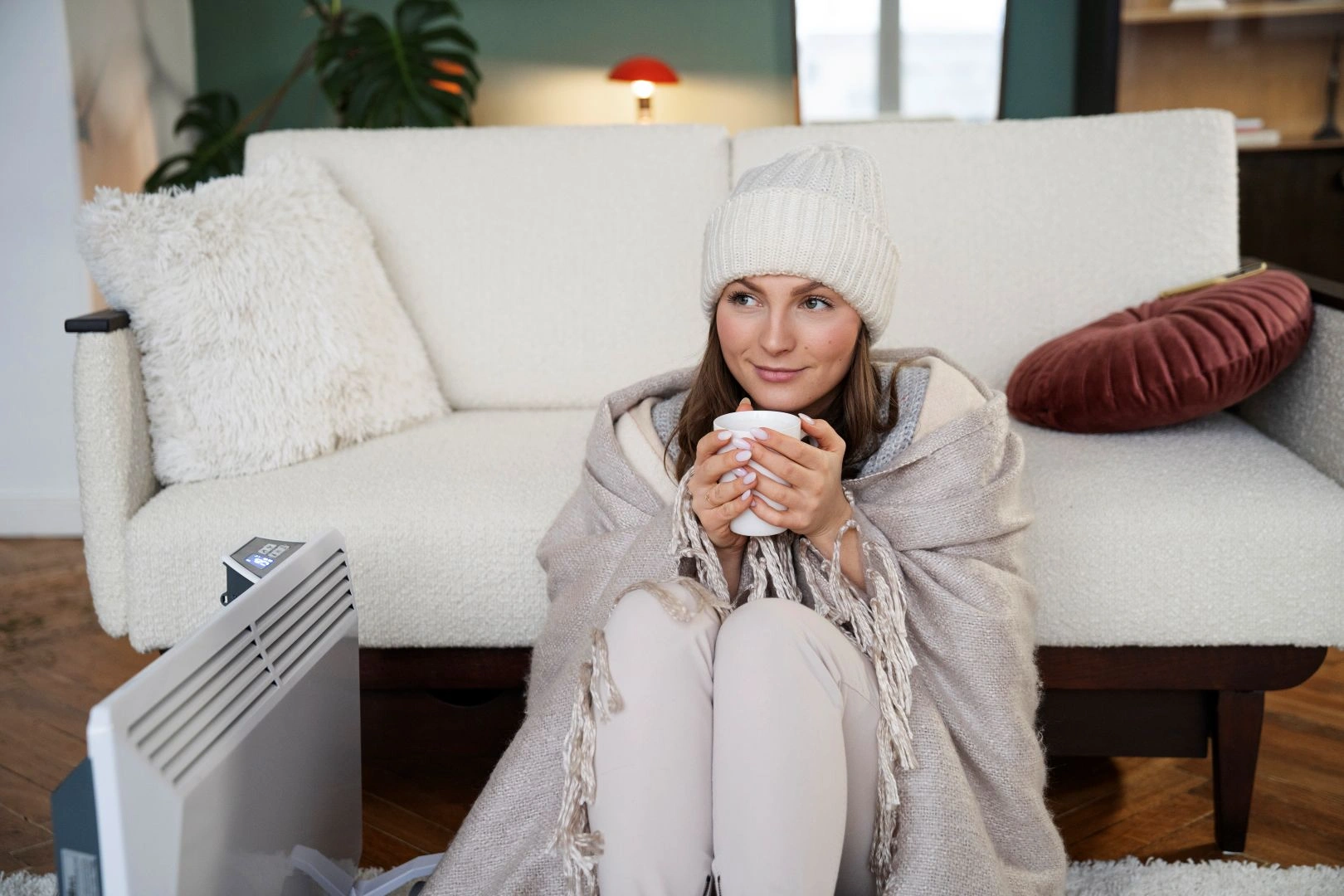
Energy independence is also about resilience. A home that needs very little energy to stay comfortable is a home that stays livable during a blackout, a heatwave or a period of unusually high energy prices.
This is particularly relevant in Australia, where extreme heat and other weather events are becoming more frequent and more severe. A conventional home without air conditioning becomes dangerous during a heatwave. A certified passive home building project, with its well-insulated envelope and controlled ventilation, maintains a stable internal temperature for far longer without any active cooling input. For vulnerable household members – the elderly, young children and those with allergies or health conditions – that stability is very helpful.