Why a passive house costs less to run than you might think
When people talk about passive houses, the conversation usually centres on energy efficiency. Lower heating and cooling costs are a major benefit, and for good reason.
But one of the less talked-about advantages is maintenance. A well-executed passive house design is built to perform consistently over time, with fewer issues around moisture, less strain on building systems and more durable outcomes across the life of the home.
For anyone exploring passive home building, this can be just as valuable as lower utility bills.
The building fabric does the heavy lifting
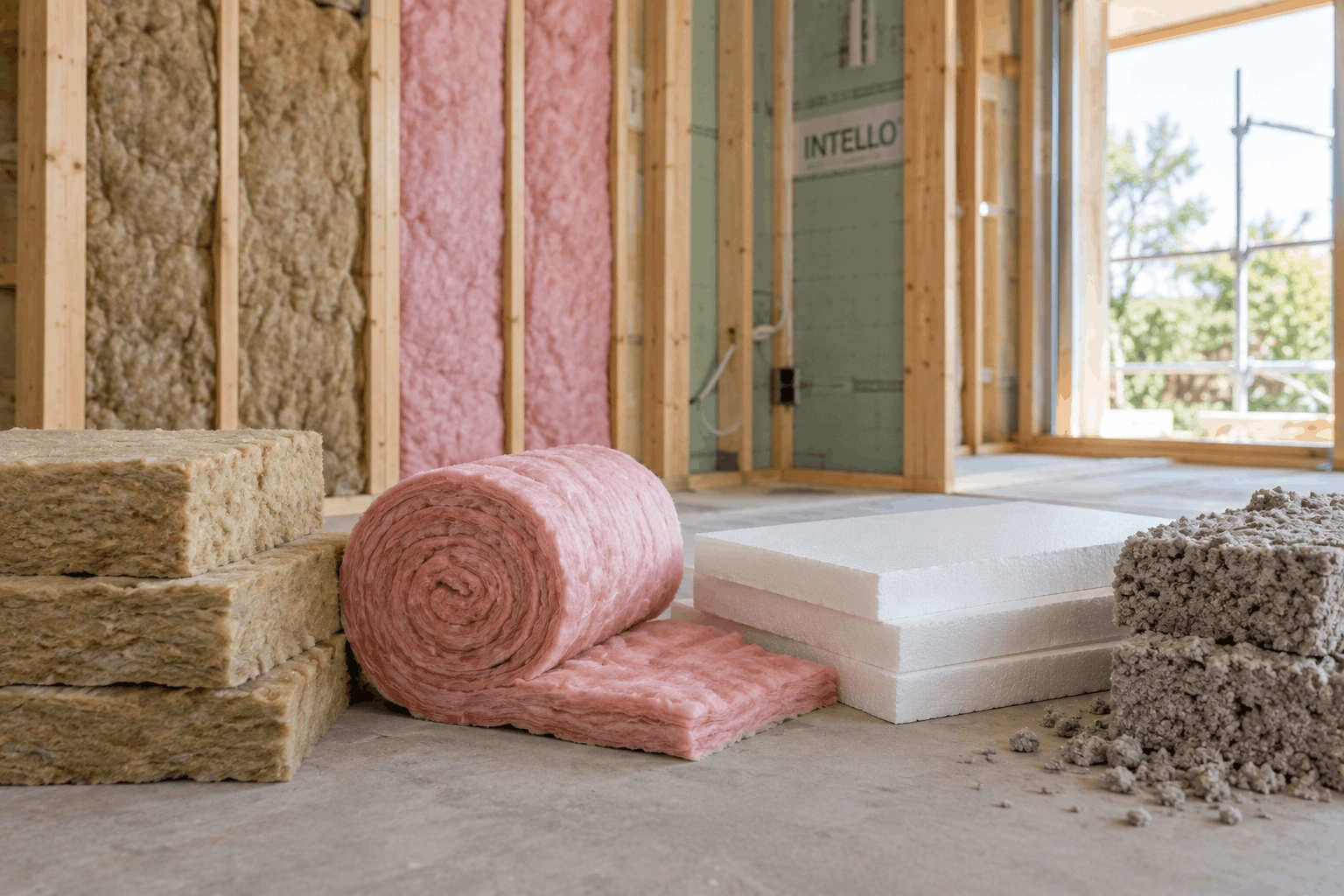
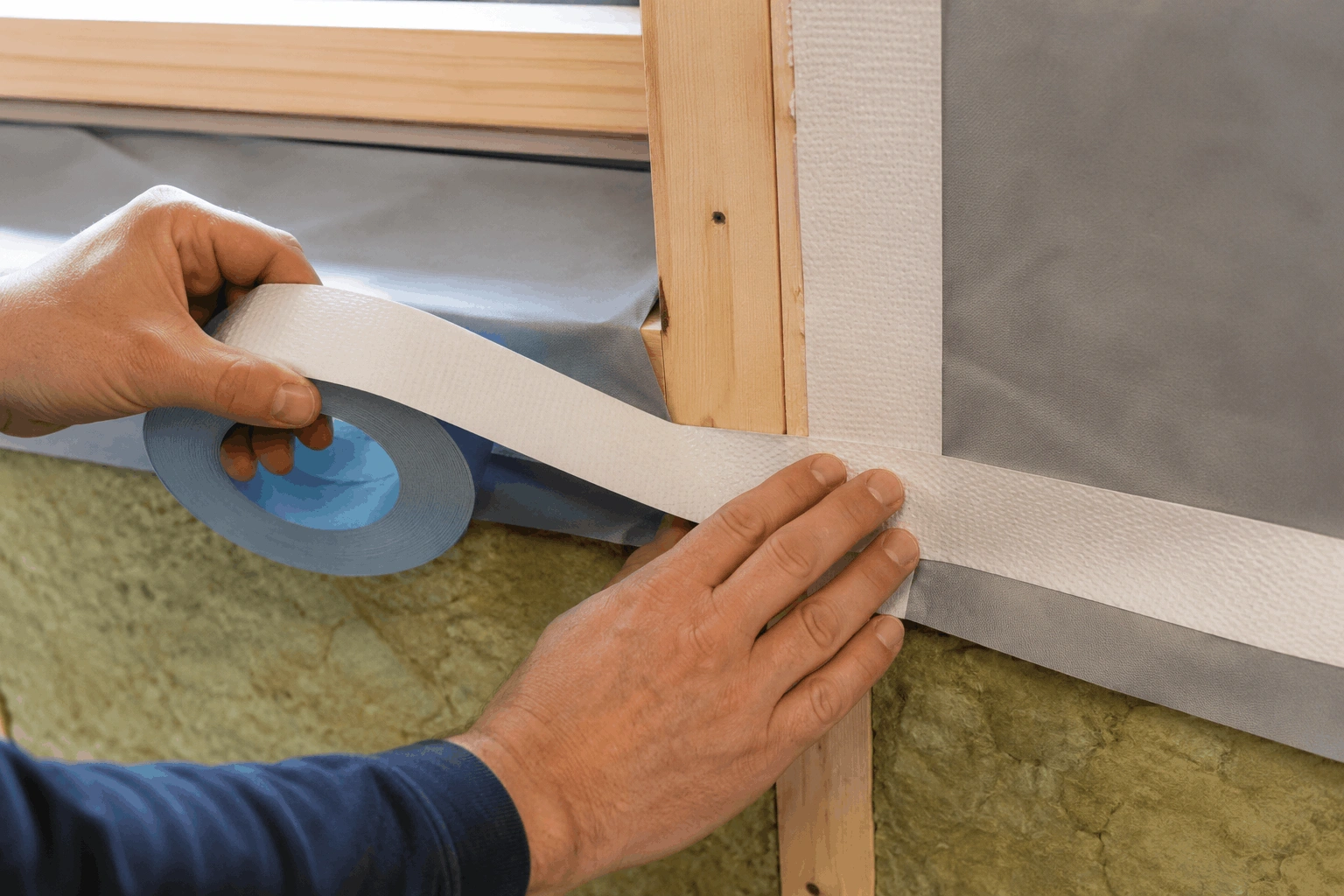
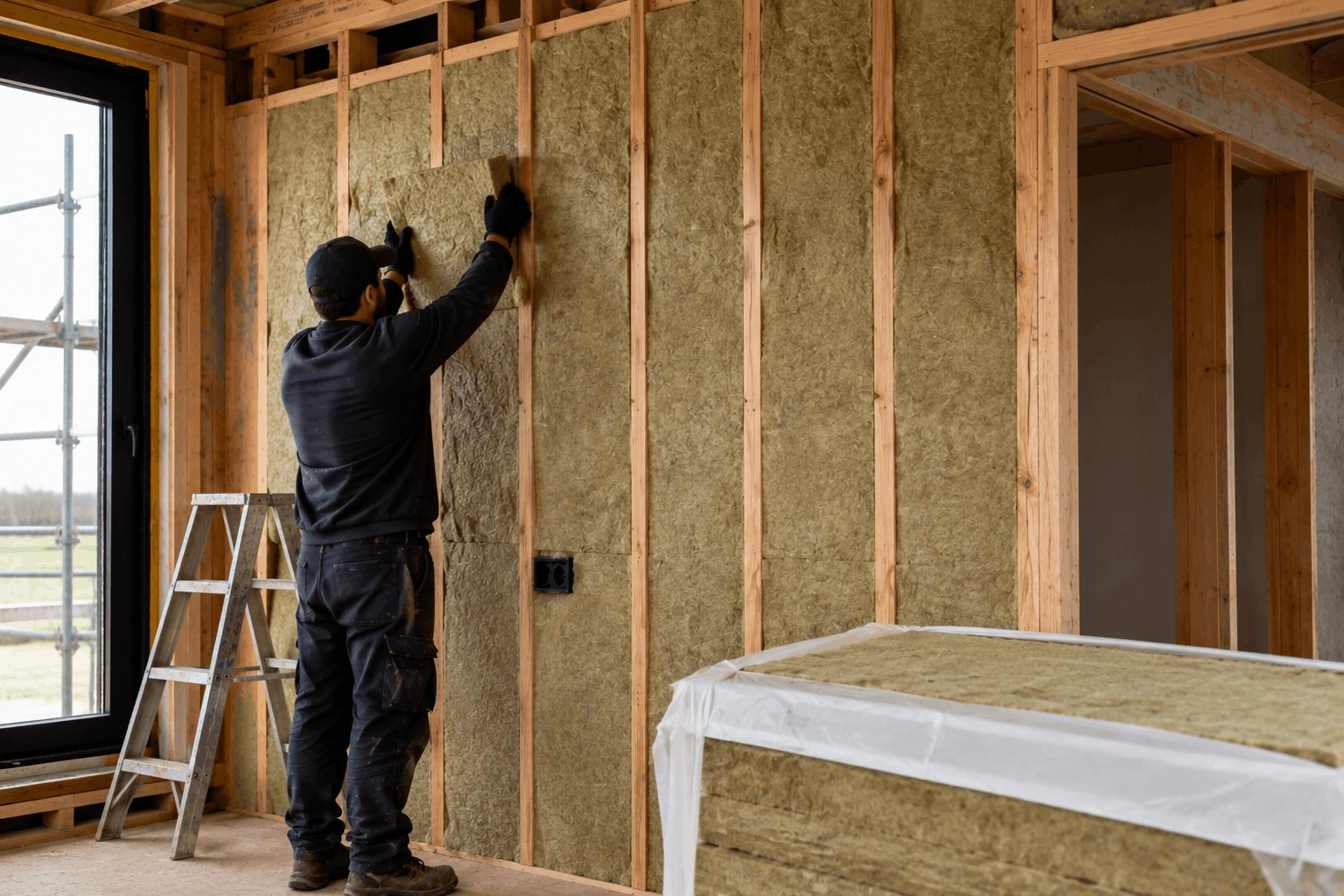
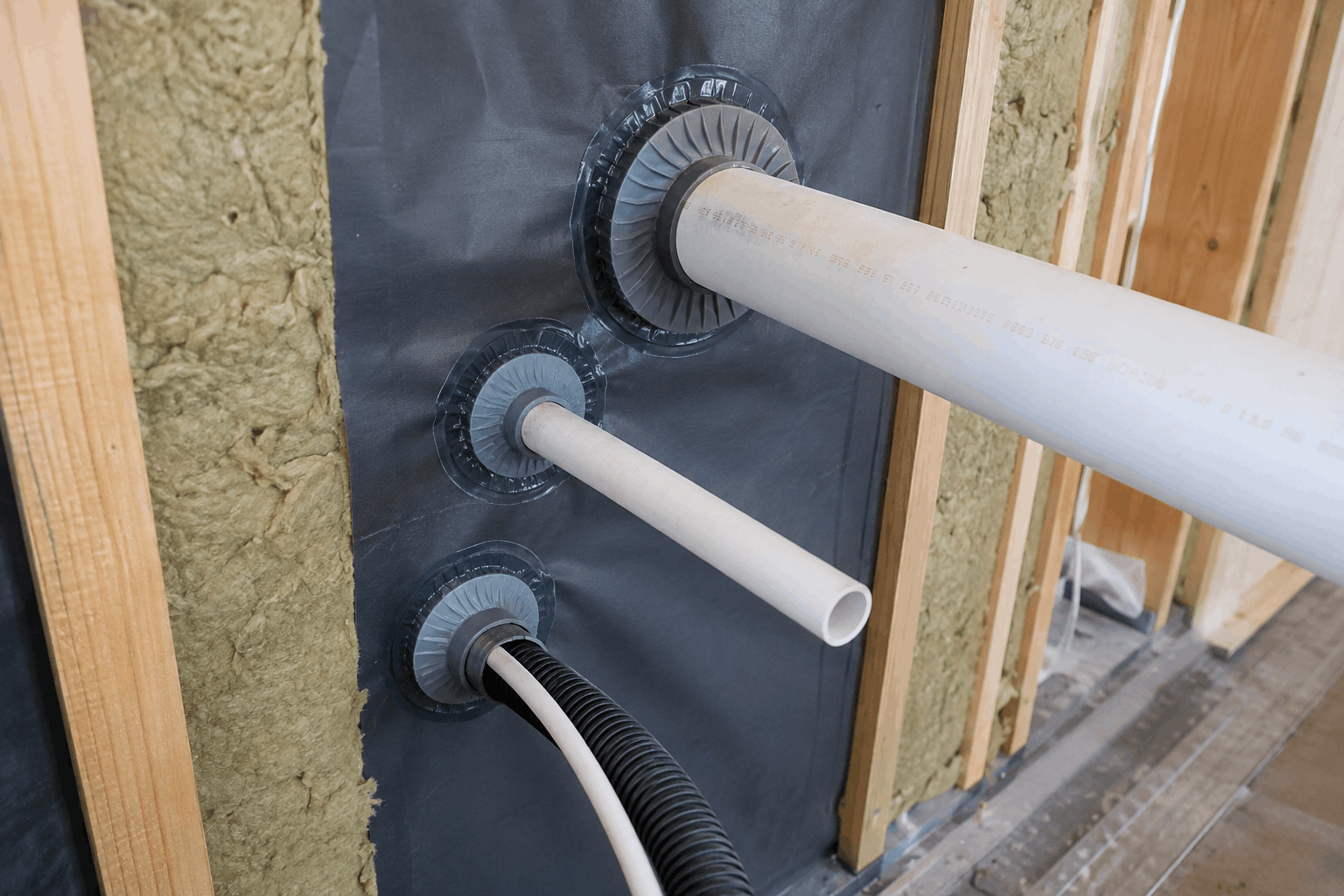
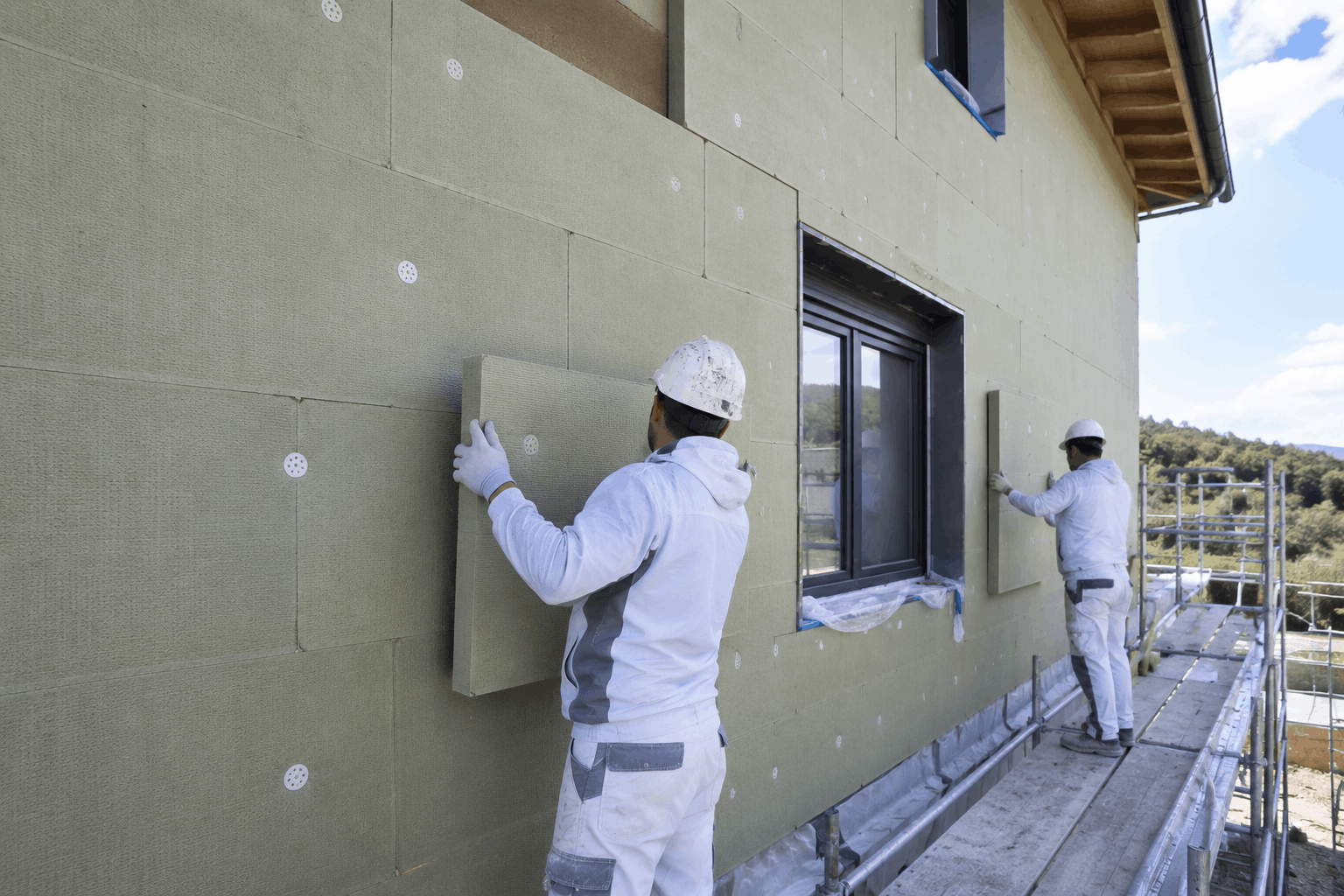
A passive design house starts with the building envelope – the walls, roof, floor, windows and doors that separate the interior from the outside. In standard homes, gaps in construction, poor sealing and inconsistent insulation contribute to draughts, condensation and moisture build-up. These are the things that quietly degrade a home over time, affecting paint, plaster, joinery and flooring, and creating conditions for mould that can be expensive to resolve.
In a well-executed passive building design, these risks are addressed from the outset. The envelope is highly insulated, airtight and detailed carefully to avoid weak points. Internal surfaces stay warmer and drier, which means less condensation around windows, inside wall cavities and on cold surfaces in winter.
Across passive houses in Australia, this is the practical long-term benefit that owners appreciate most. The home simply stays in better condition.
Ventilation that works every day
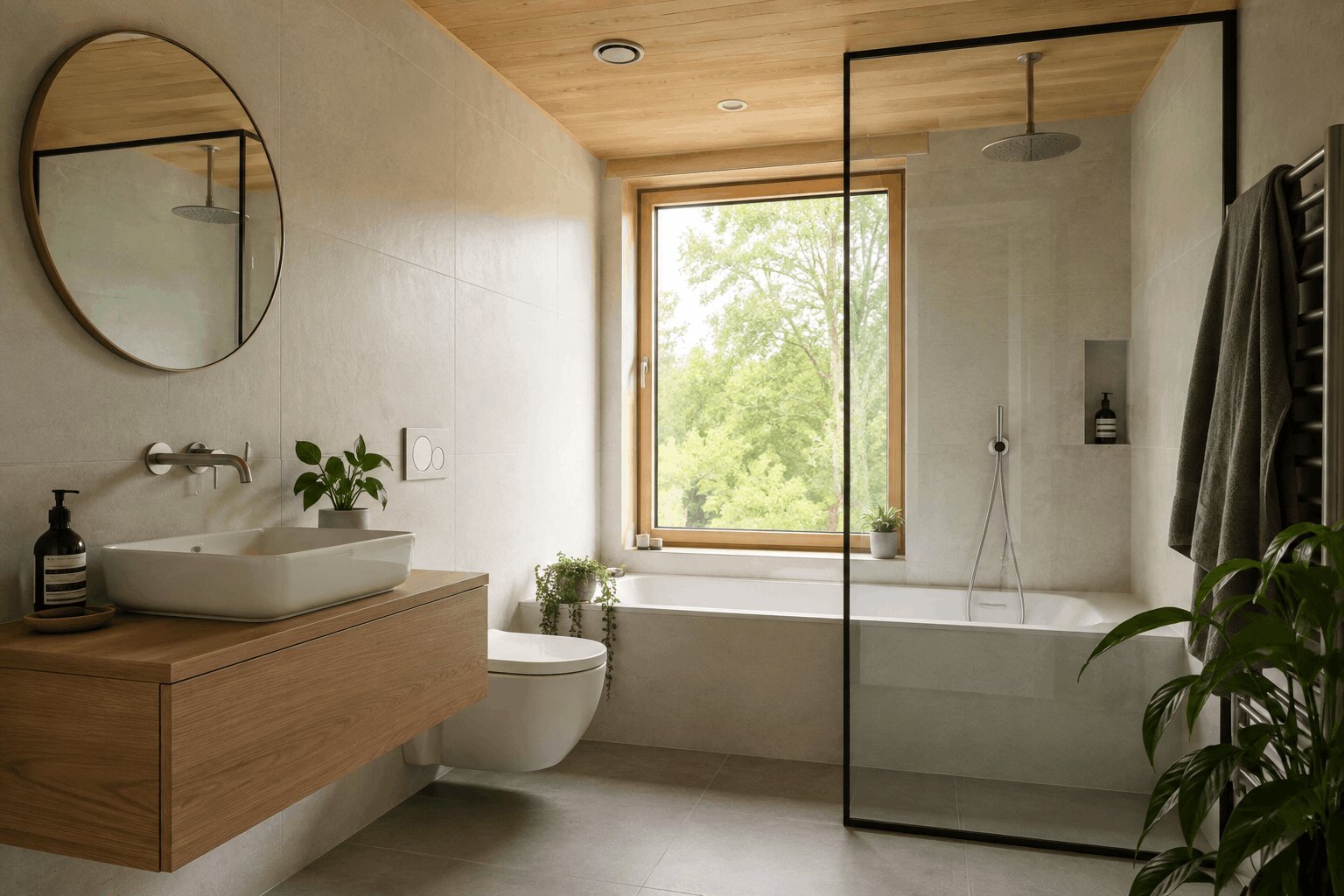
Fresh air in a certified passive home is supplied continuously through a mechanical ventilation system with heat recovery (MVHR). This removes excess humidity, stale air and indoor pollutants while supporting a stable indoor environment that protects internal finishes over time.
In homes with inconsistent ventilation, moisture builds up gradually in kitchens, bathrooms and laundries, working its way into surfaces, cabinetry and building fabric. Good air management in a passive house in Australia prevents this kind of slower-acting damage.
The MVHR helps with comfort, but also preserves the condition of the interior in a way that inconsistent natural ventilation can’t match.Fewer systems, fewer problems
A conventional home needs ducted heating, split systems, exhaust fans and hot water units to stay comfortable. Each of those systems needs servicing, breaks down eventually and has to be replaced on a cycle of roughly ten to fifteen years. That’s a steady stream of costs most homeowners accept without question.
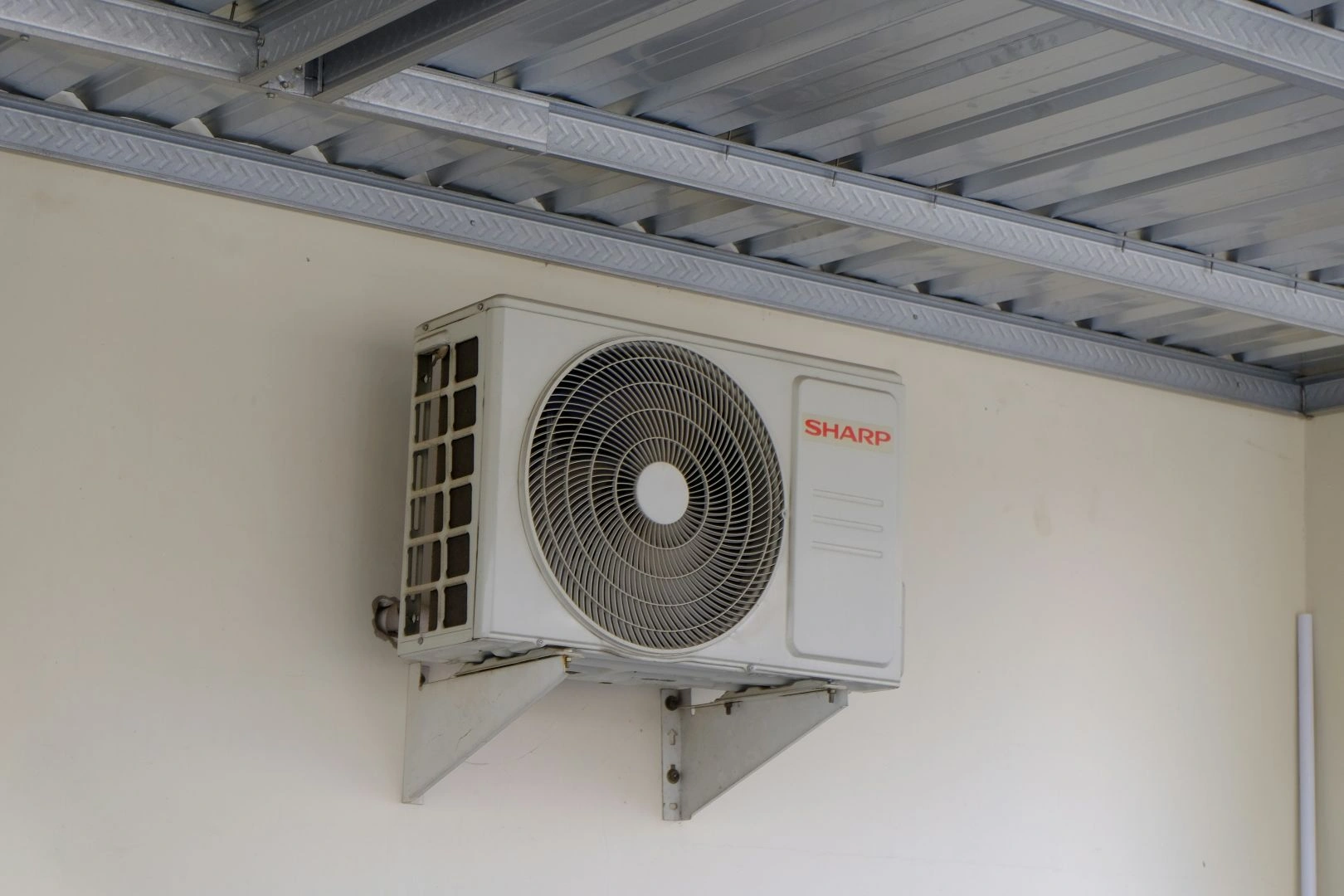
Passive house designs reduce that load considerably. In a certified passive home, the building envelope does most of the temperature regulation. The MVHR unit handles fresh air, and a small supplementary air conditioning unit can be used on the rare occasions when extra cooling or warming is needed.
Fewer moving parts means fewer tradespeople, fewer callouts and fewer components wearing out on a predictable schedule.
Architect Maurie Novak, who built a certified passive home in Melbourne’s St Kilda, recently told the Australian Financial Review exactly that. “Because the home relies on its robust fabric rather than complex mechanical systems, it leads to reduced ongoing costs for equipment maintenance,” he said.
For a passive home builder making the case to prospective clients, it’s one of the most practical arguments available.
Long-term value
The higher cost of a passive house in Australia reflects better-quality materials, more detailed design work and more specialised and precise construction.
However, that upfront investment is a one-time cost. The savings on systems, maintenance and repairs are ongoing and compounding.
For instance, when Mr Novak listed his St Kilda home at $5.45 million – after spending around $4 million on the site, build and stamp duty – local agents initially estimated it at $3.5 to $3.6 million, using the same formula they’d apply to any four-bedroom home in the area. The long-term performance of the building didn’t factor into their thinking at all.
That gap between what a passive home costs to build and what the broader market currently understands it to be worth is one of the clearest signs that the conversation around passive house design in Australia still has a long way to go.
This is why, when you start working with a passive house designer on a new project, it’s important to ask not just what the house will cost to build but also what it will cost to run and maintain over twenty or thirty years.
In a certified passive house design, the long-term answer is usually considerably better than a standard build of the same size.