Designing a passive house for remote work and home offices
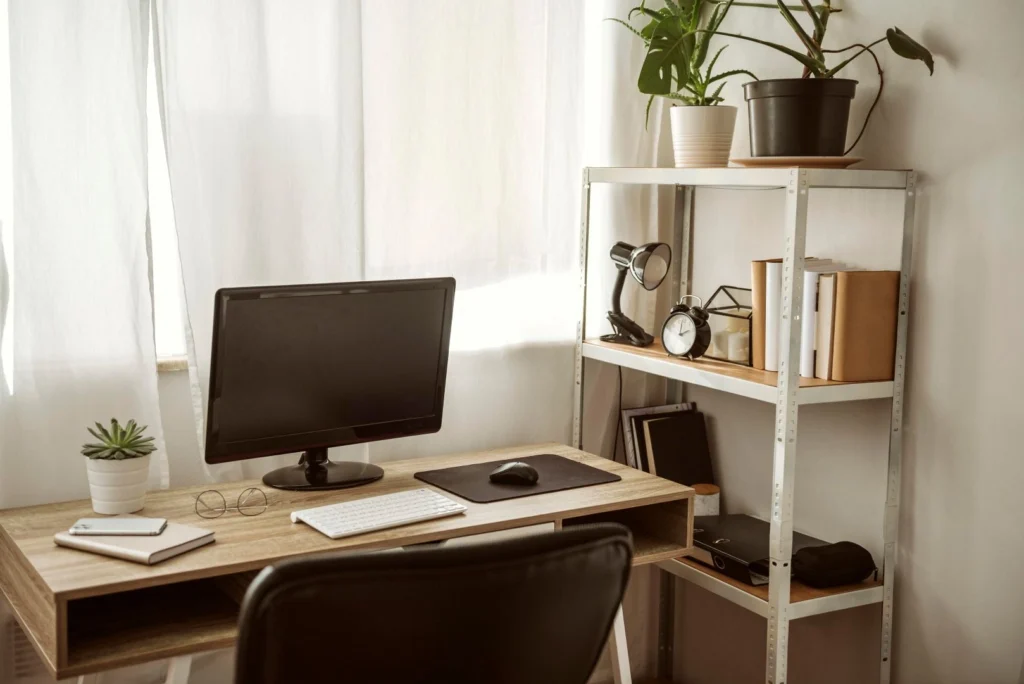
The shift to remote work has changed what people need from their homes. A spare bedroom with a desk is often no longer enough for many people working full-time from home. Productivity, comfort and the ability to take a video call without traffic noise bleeding through the wall have all become main priorities. Passive house design addresses all of these needs in ways that a standard build simply cannot match.
If you are designing a passive house or adding a dedicated workspace to an existing passive design house, here is what makes it particularly well-suited to remote work.
Consistent temperature means consistent focus
One of the most immediate benefits of a passive house design in Australia is thermal stability. In a standard home office, temperature can shift significantly through the day – warm in the morning, overheating by midday if the sun hits the window, cold again by evening. Managing that with a portable heater or a split system running constantly is both uncomfortable and expensive.
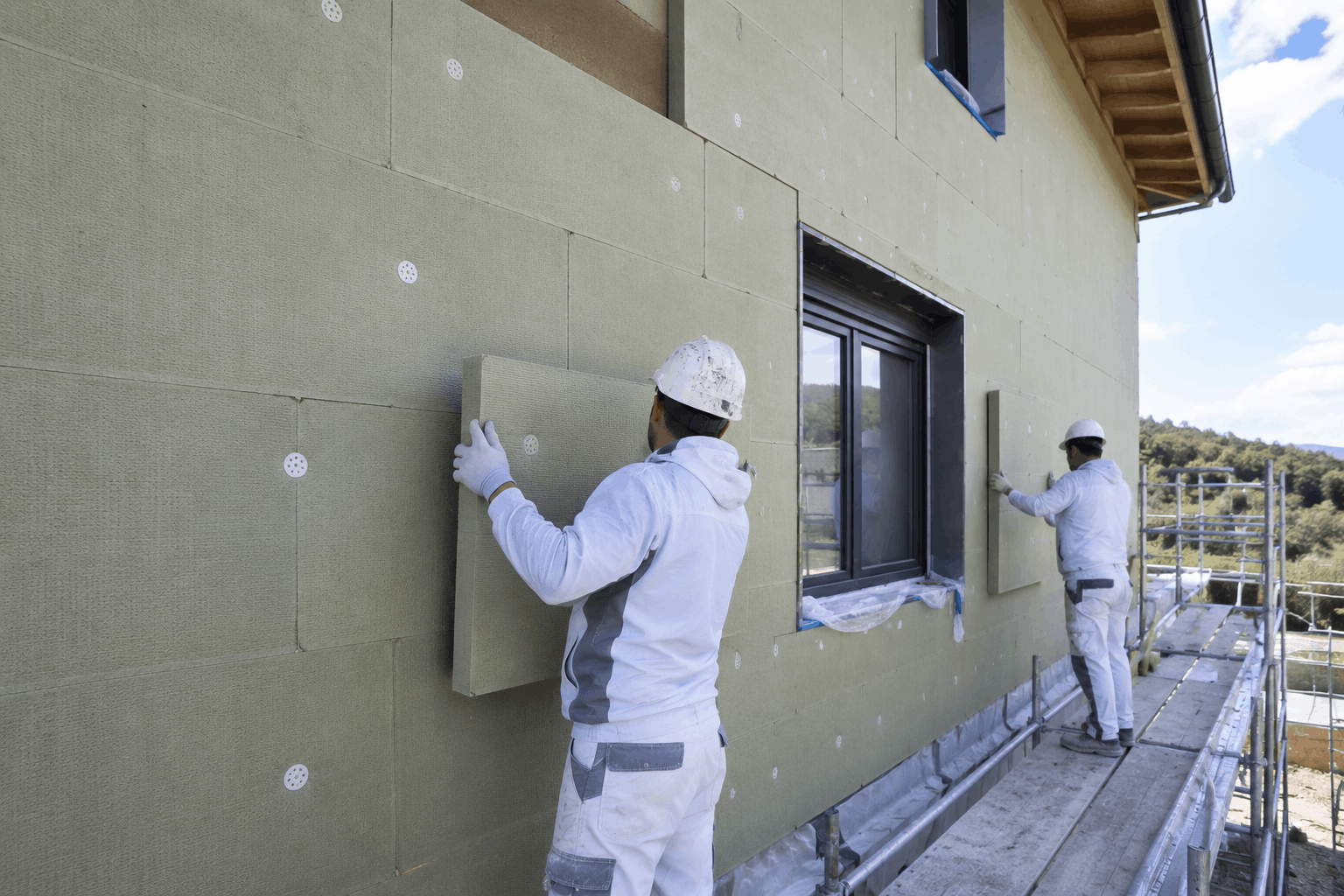
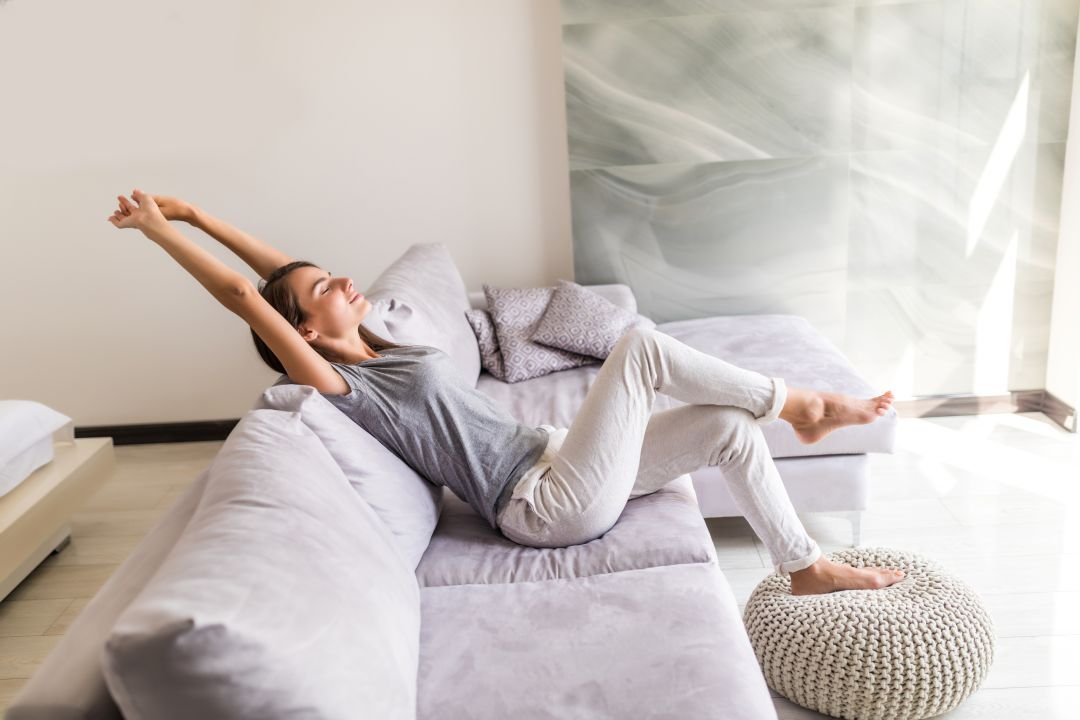
A passive building design maintains a stable internal temperature with minimal mechanical input. The combination of high-performance insulation, airtight construction and carefully specified glazing keeps the space within a comfortable range regardless of what the weather is doing outside. For someone sitting at a desk for eight hours, that consistency makes a real difference in focus and comfort.
It also means the energy cost of running a home office in a passive house is significantly lower than in a standard build. Heating and cooling a single room all day adds up quickly in a conventional home. In a passive design house, the building holds its temperature so well that the additional load from a home office is minimal.
Acoustic performance is a genuine benefit
Remote work means video calls, and video calls mean background noise matters. Road noise, neighbouring properties and general suburban sounds that you probably didn’t notice before working from home become a bigger concern when you are trying to concentrate or present professionally on screen.
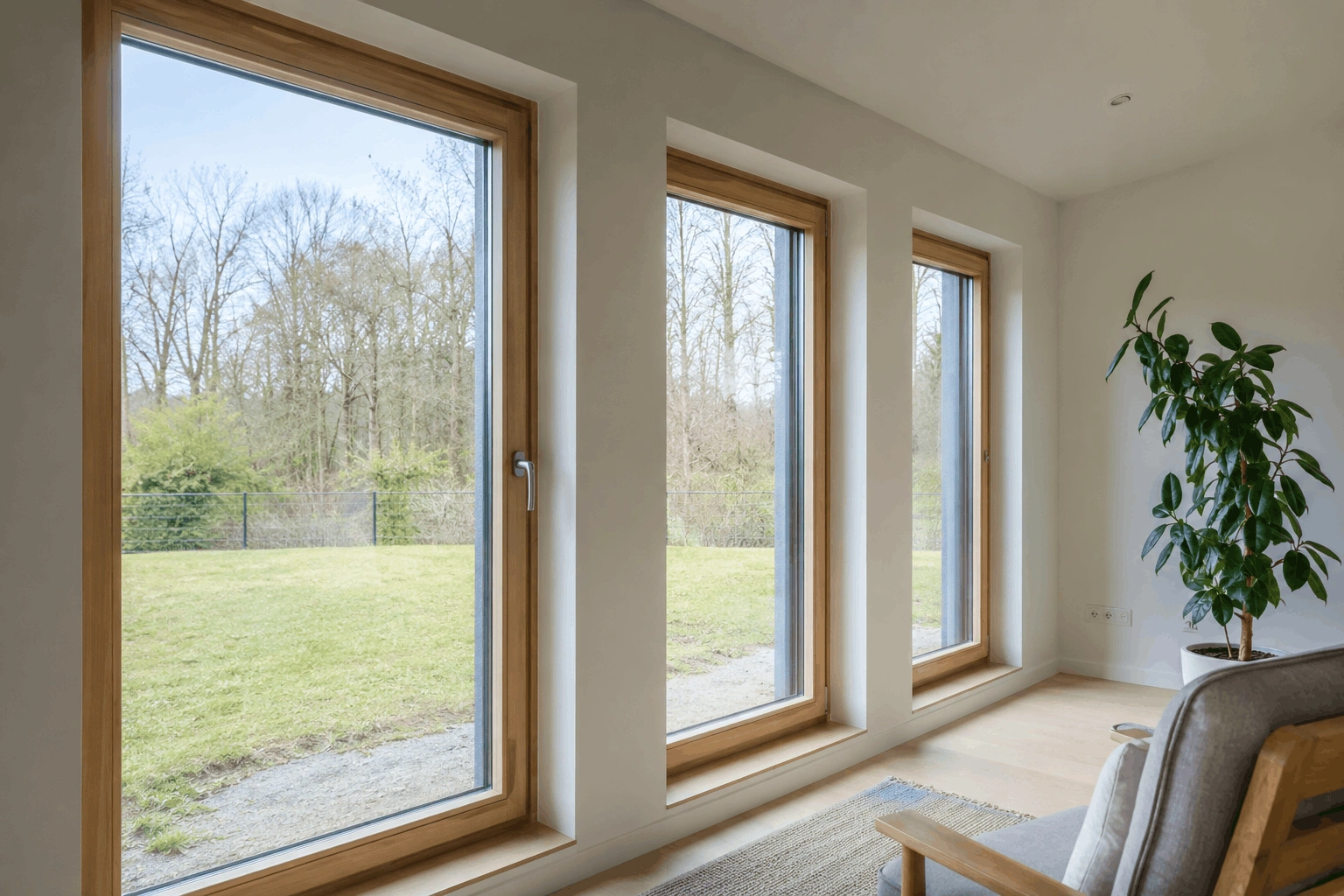
The airtight construction and high-performance windows that are required by passive house designs also deliver excellent acoustic performance. This is a byproduct of the building science rather than a separate design goal, but it is one that remote workers benefit from directly.
Passive house designers in Australia will consider acoustic performance as part of the overall envelope design. If your home office faces a busy street or sits close to a boundary, glazing specification and wall construction can be tailored to improve sound attenuation further.
Air quality supports sustained concentration
A standard sealed room with a person working in it all day accumulates carbon dioxide and stale air. Most people notice the effects – a heaviness, difficulty concentrating, fatigue in the afternoon – without connecting it to air quality. Opening a window helps but introduces noise, temperature variation and allergens.
The mechanical heat recovery ventilation (MHRV) system at the heart of passive home building solves this pro.blem without any trade-offs. Fresh filtered air is supplied continuously to the space, and stale air is removed. CO₂ levels stay low, air feels fresh and the focus problems associated with poor ventilation are largely eliminated.
For anyone spending long hours at a desk, this is one of the most underrated benefits of passive house design.
Designing the workspace into the build
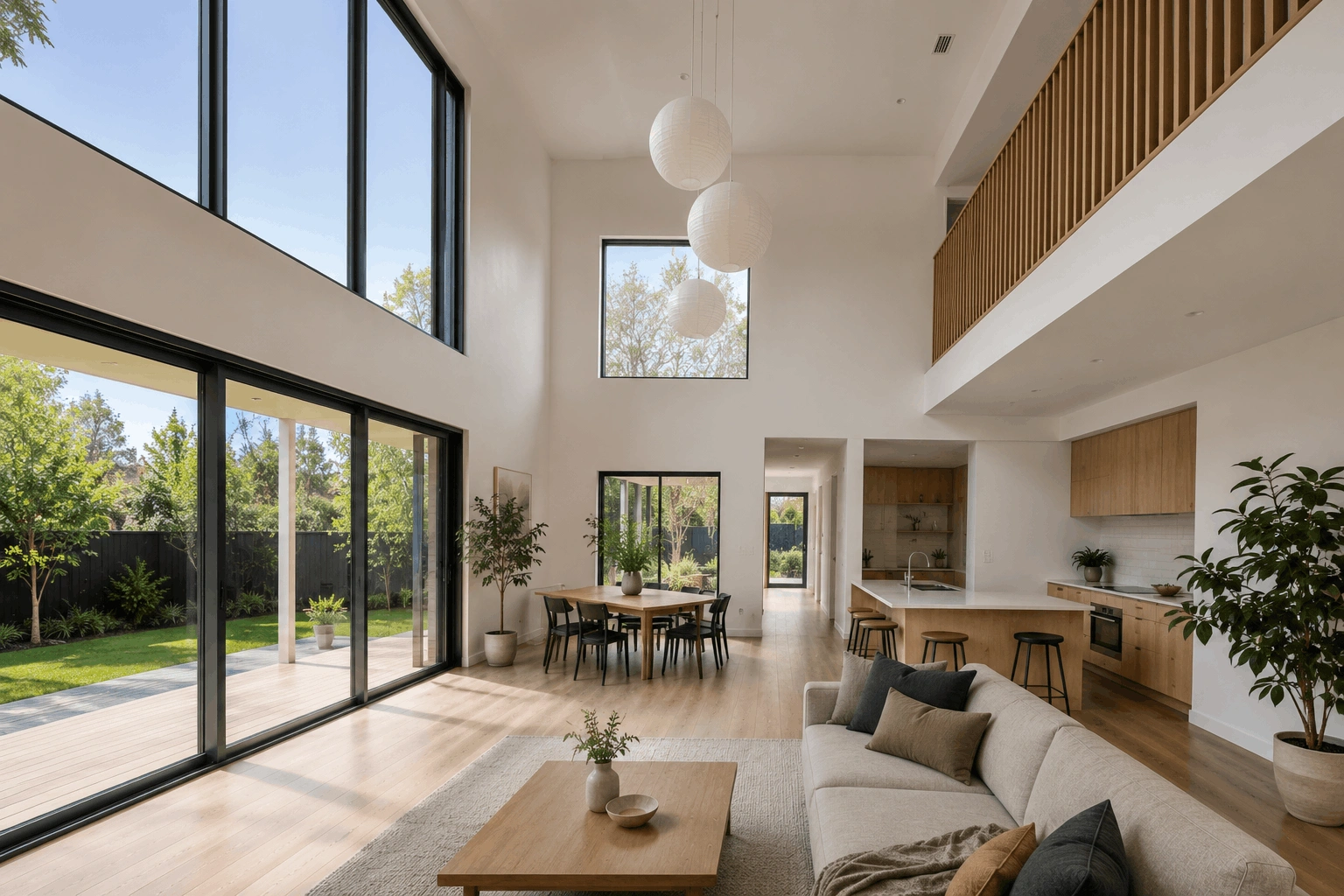
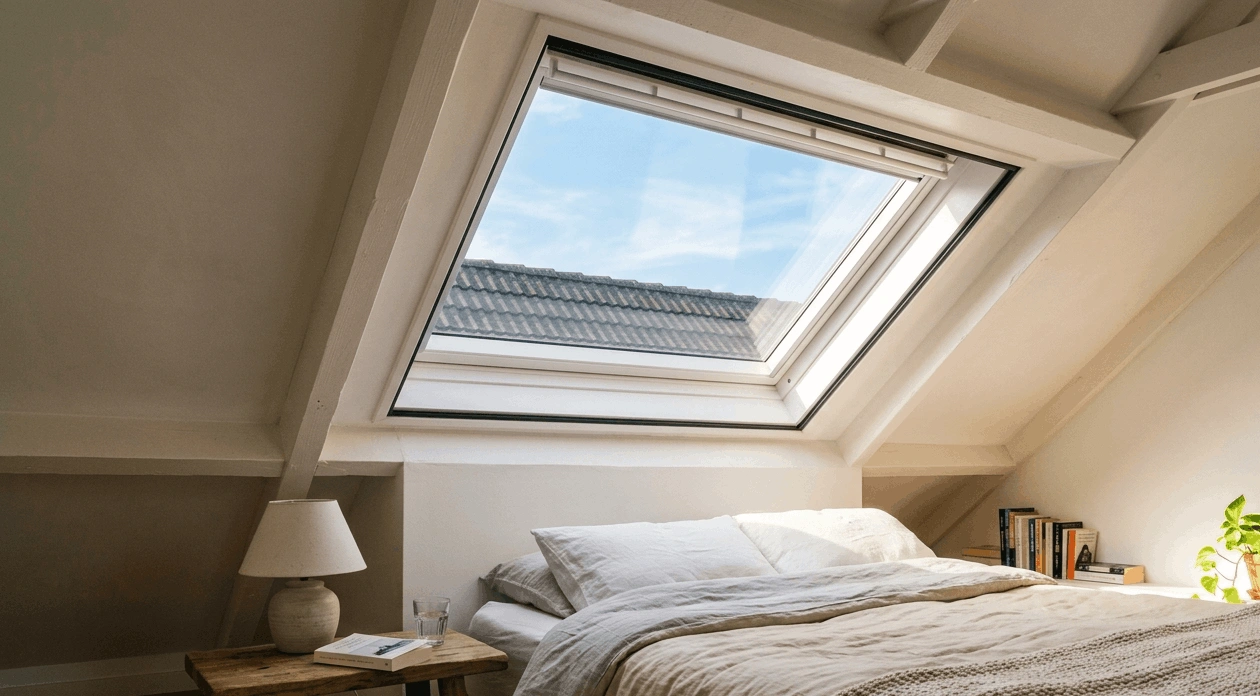
If you are working on a new home with passive house builders in Australia, your home office can be integrated into the passive house design from the start. Your designer will tell you that orientation is important – a north-facing workspace in Australia captures useful winter sun while a well-designed eave or external shading prevents summer overheating. East-facing offices get morning light without the afternoon heat load that west-facing rooms accumulate.
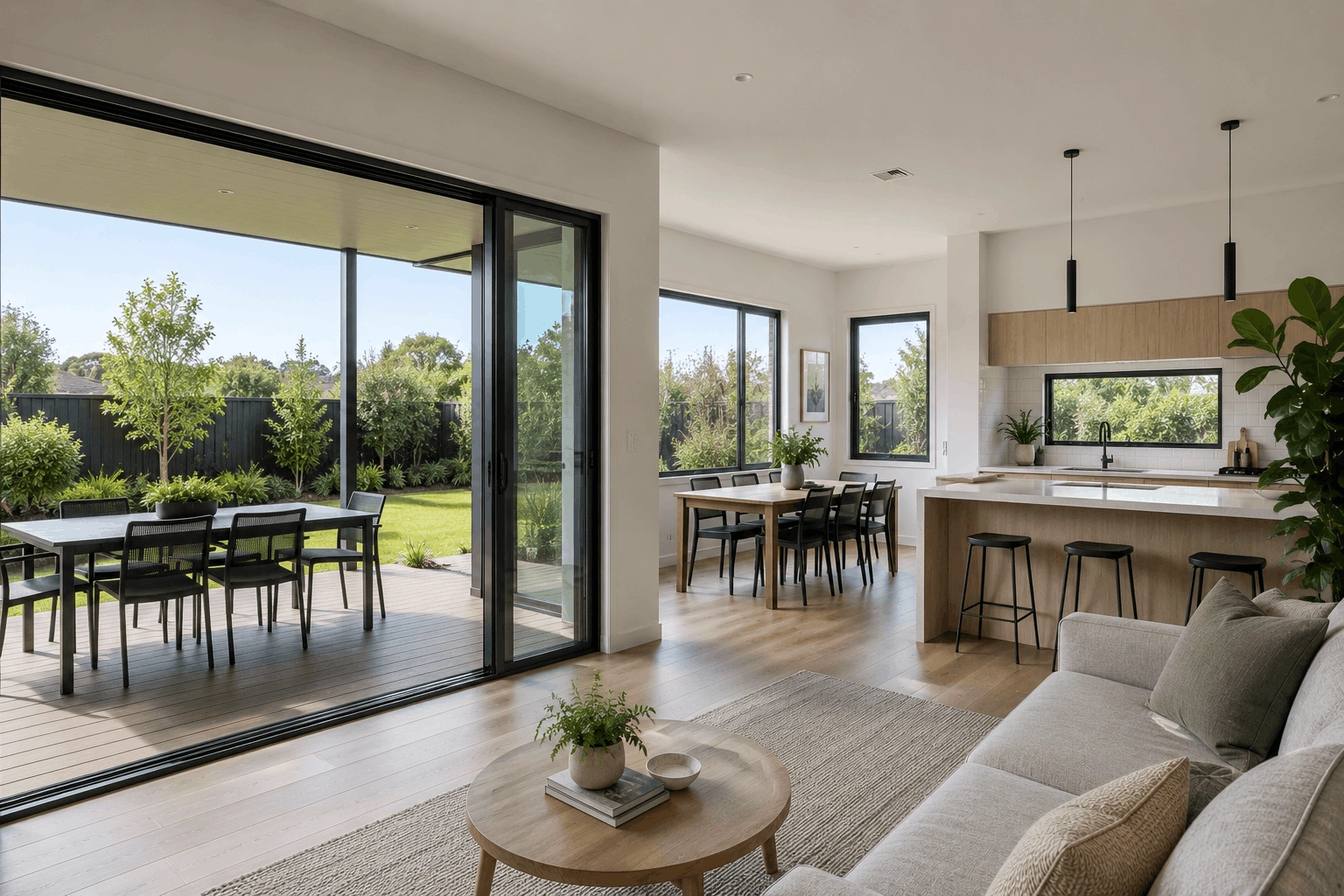
Passive house designs in Australia can also incorporate dedicated workspace zones that sit apart from the main living areas. This separation supports work-life boundaries as well as acoustic separation from the rest of the household. A small separate studio or outbuilding designed to passive house standards is another option. This combines the benefits of a detached workspace with the performance of passive home building.
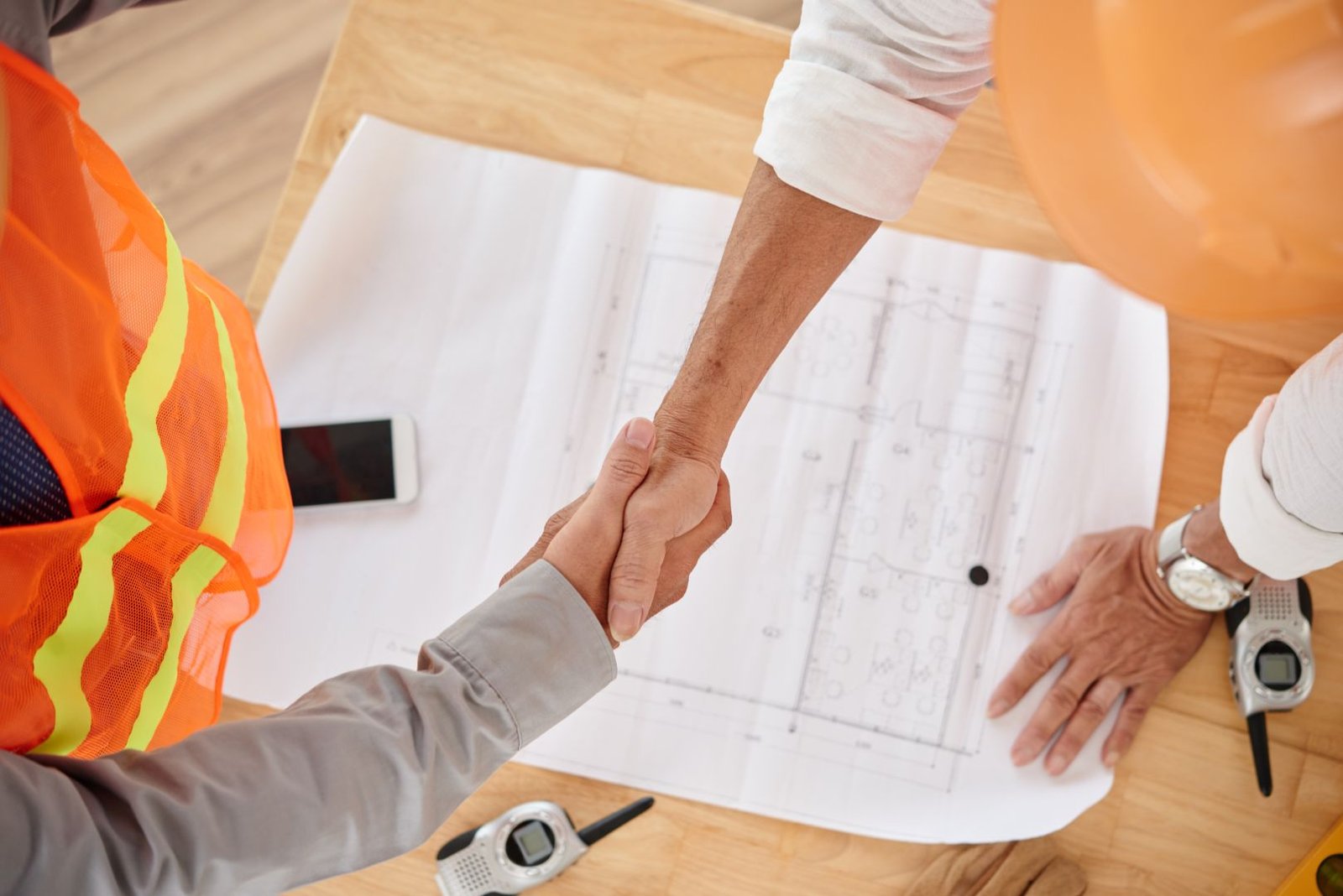
Working with an experienced passive home designer who understands how people actually use their homes is the best way to get a workspace that performs well from day one. Passive house designers who have designed for remote work will ask the right questions early – about your work patterns, the equipment you use, your need for natural light and your tolerance for acoustic intrusion – and build the answers into the design.