The benefits of passive houses for retirees
For many Australian retirees looking to downsize, the priority has shifted from simply having space to ensuring the home supports their lifestyle and their wallet.
Recent data from PropTrack shows that downsizers place a greater emphasis on sustainability and practical amenities than the broader market. Over half (55%) of downsizers cite solar energy and/or water systems as key features they looked for when choosing their retirement home, compared with 39% of all buyers.
For retirees seeking to reduce bills, minimise maintenance and embrace self-sufficiency, passive house design offers an ideal solution that aligns perfectly with these priorities.
What is a passive house?
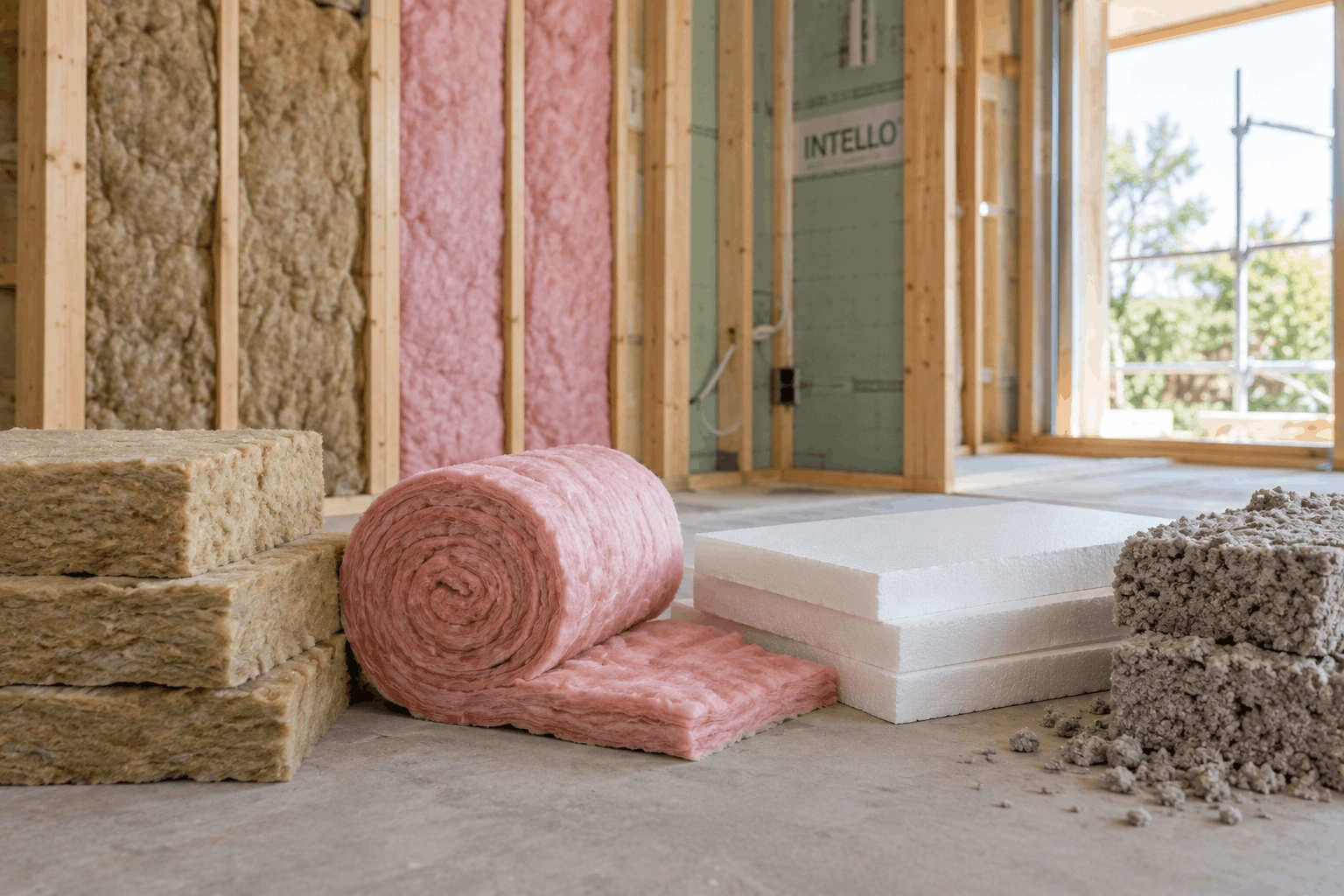
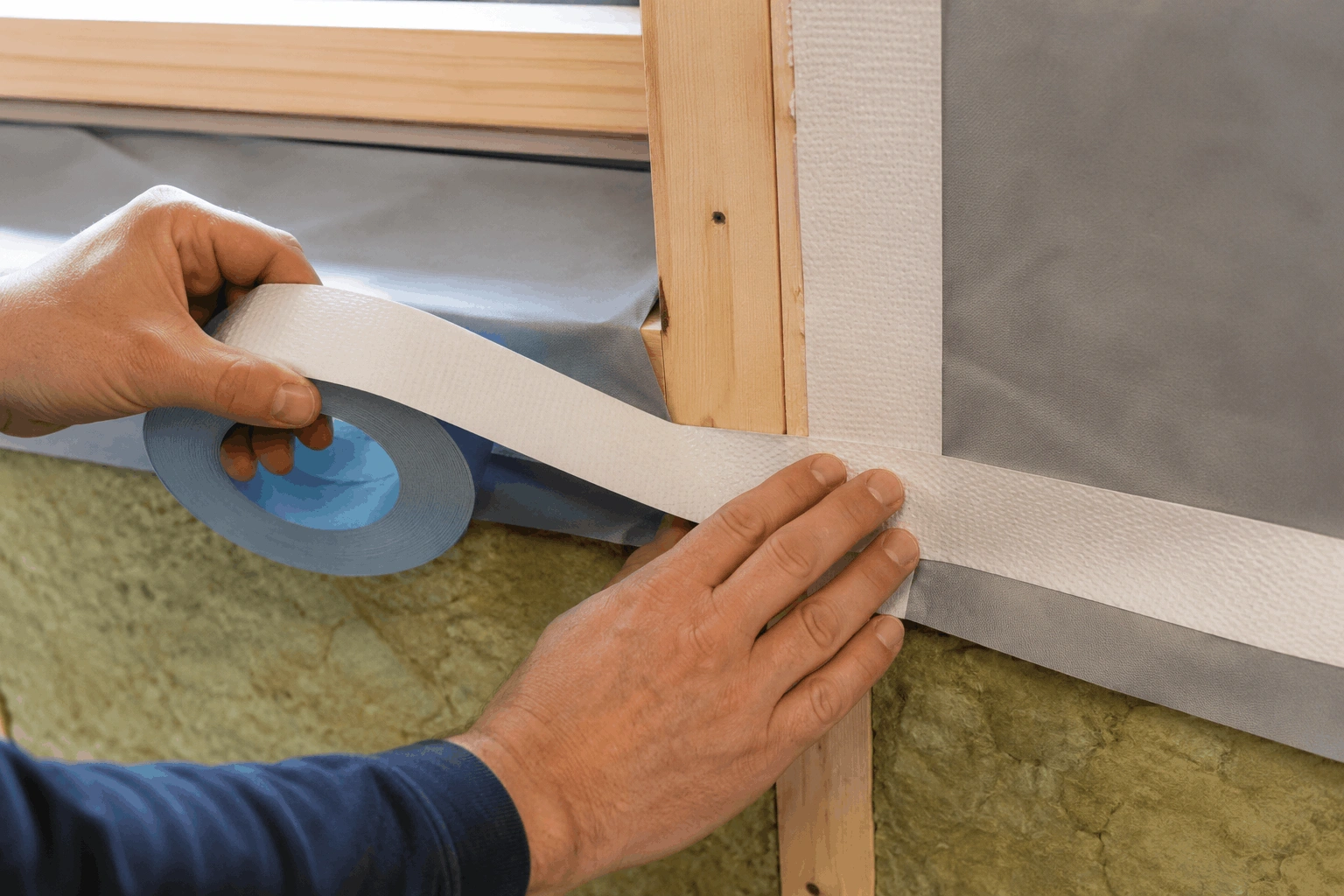
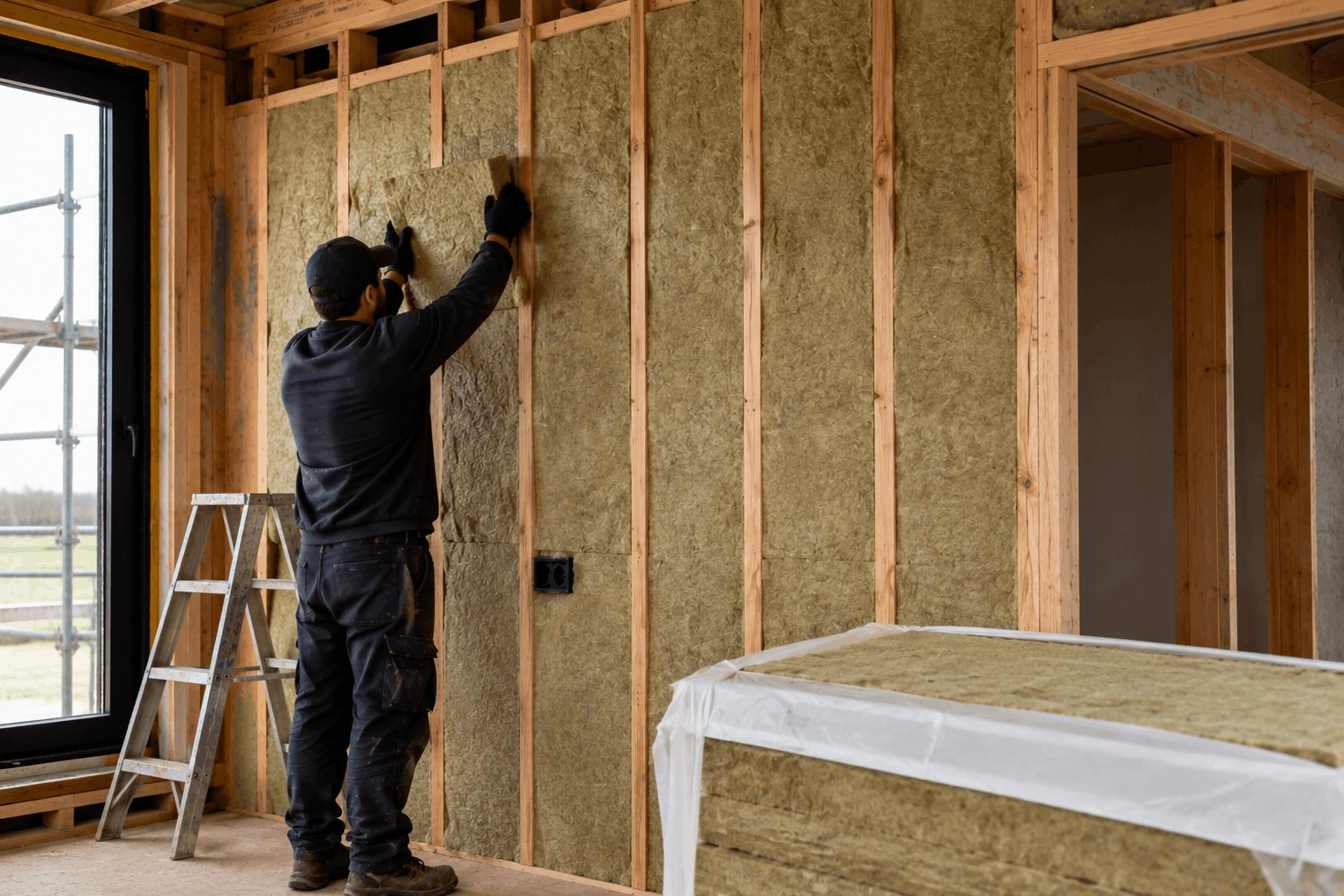
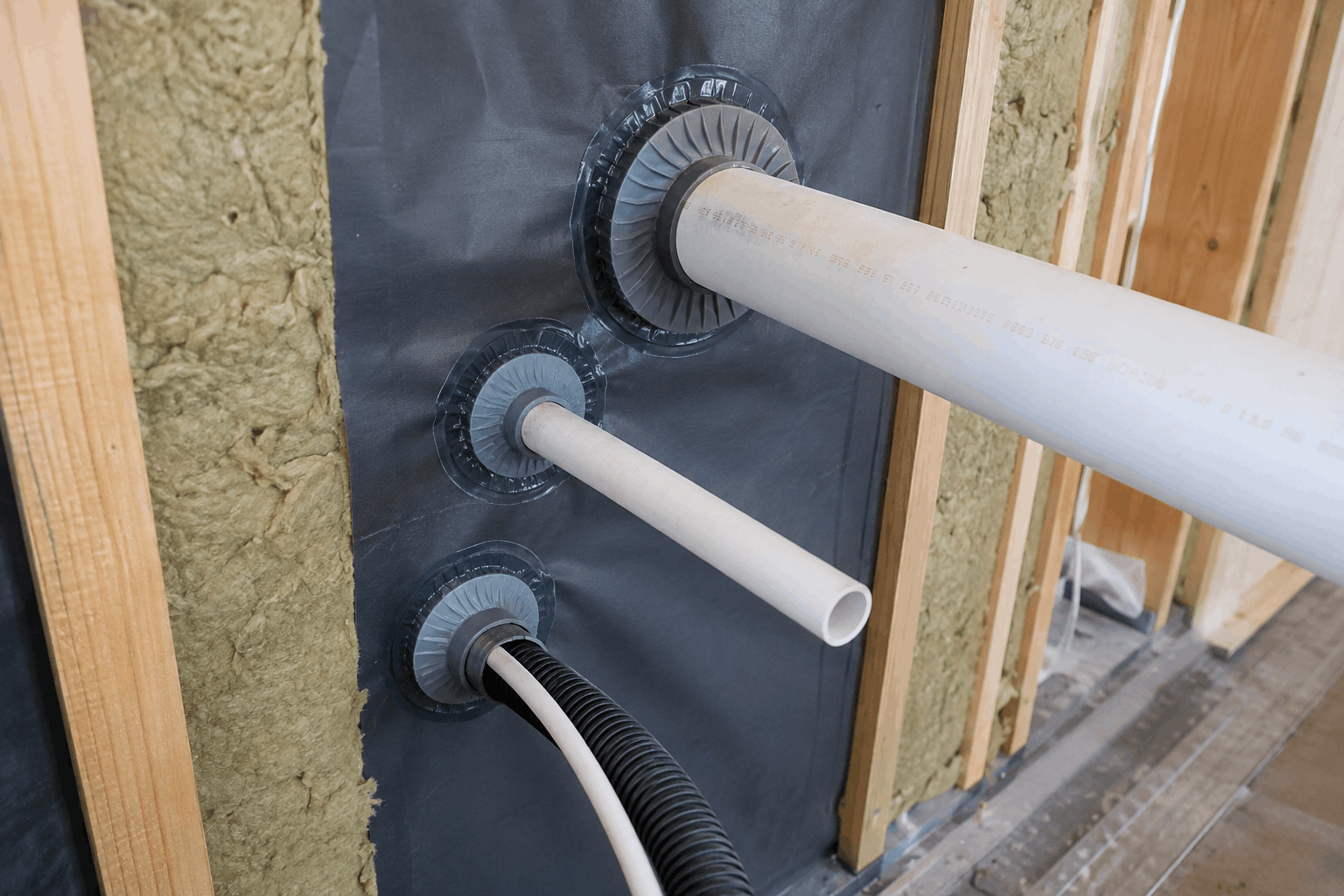
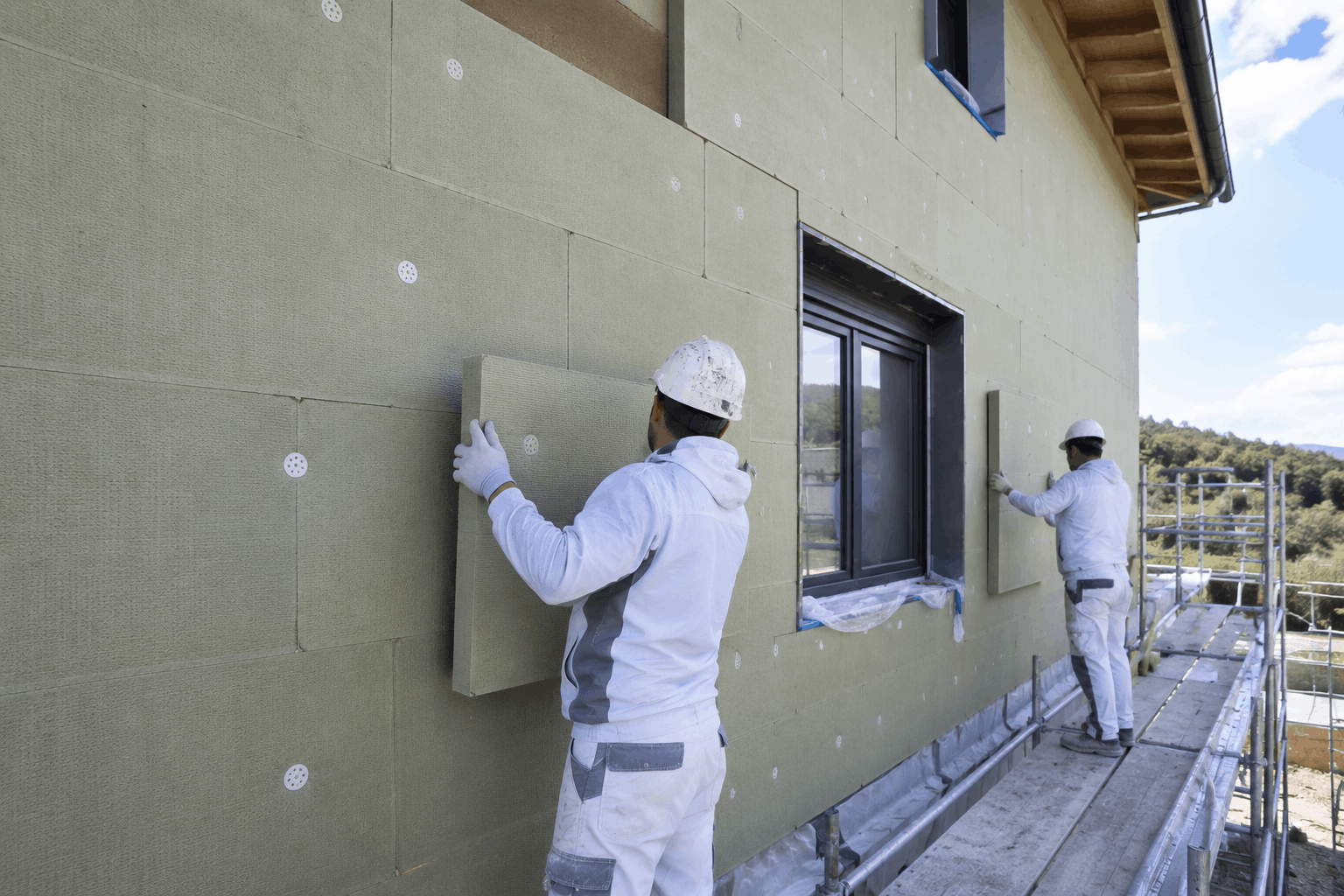
A passive house is built using a set of performance standards that minimise energy use while maximising comfort. Instead of relying heavily on heating or cooling systems, it maintains a steady indoor temperature through insulation, airtight construction and clever orientation. Windows, shading and ventilation are all designed to work with the local climate.
In simple terms, a passive building design keeps your home warm in winter and cool in summer with minimal energy consumption.
Why retirees are choosing passive houses
1. Lower running costs
One of the most compelling reasons for retirees to consider passive house designs is the substantial reduction in running costs. Retirement often means living on a fixed income, making unpredictable or high utility bills a major source of stress.
A home built to the passive building design standard can use up to 90% less energy for heating and cooling than a conventional home. In practical terms, this dramatically slashes electricity and gas bills, providing long-term financial security. When combined with solar panels, a passive house can approach a net-zero energy balance, meaning utility bills could be negligible or non-existent.
While the initial cost of building a passive home in Australia can be higher, this premium should be viewed as an investment. The reduced energy costs over decades of retirement, along with low maintenance needs due to the quality of construction and materials, offer an excellent return on investment. A good passive home builder will walk clients through the lifecycle costs, demonstrating the long-term savings.
2. Comfort and health
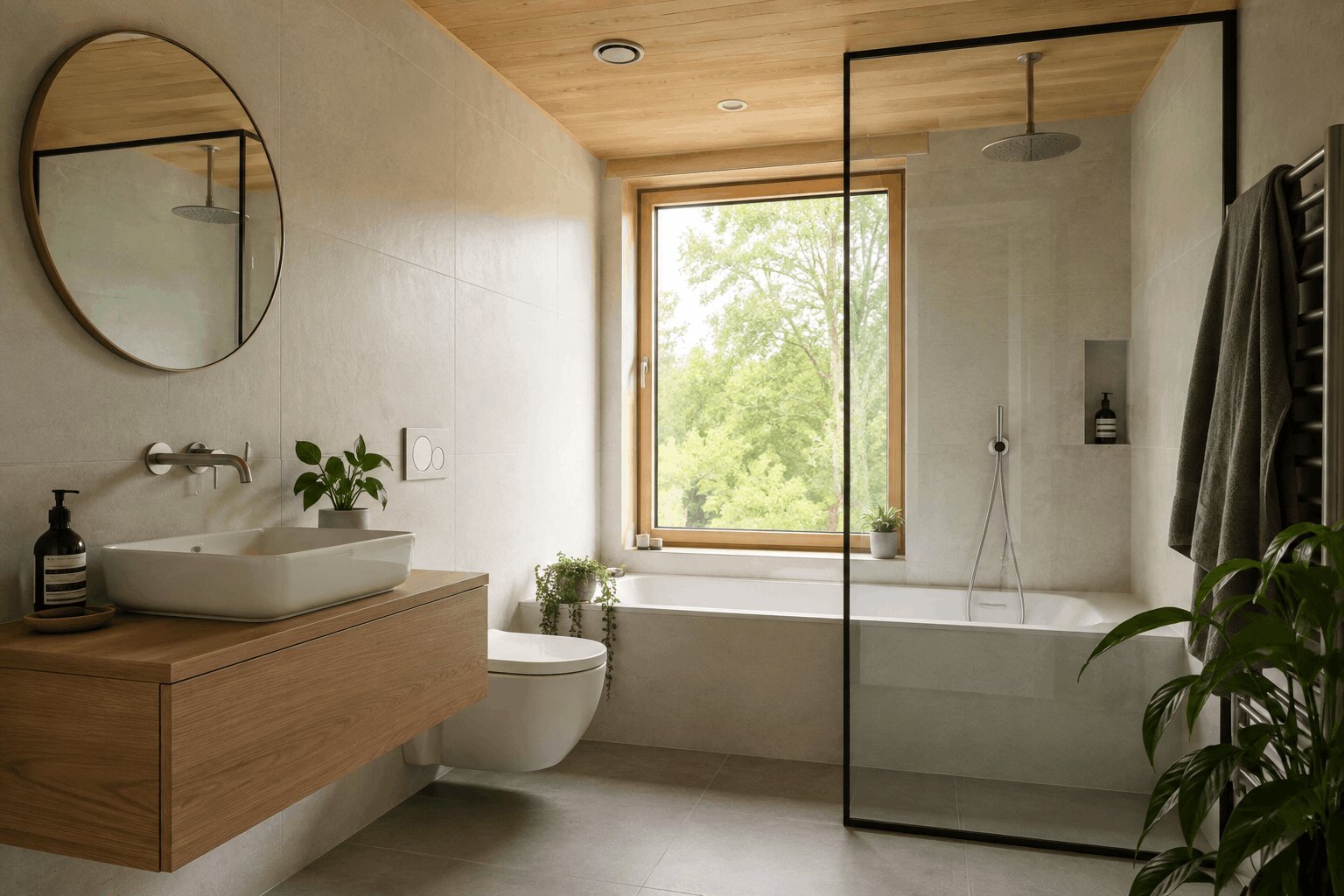
A well-built passive house ensures consistent indoor temperatures, fresh air and excellent insulation. For older Australians, that means fewer draughts, less humidity and reduced exposure to mould or allergens.
The constant flow of filtered fresh air through a heat recovery ventilation system can also improve respiratory health – a real benefit for retirees who spend more time at home.
3. Ease of maintenance
Downsizers often want homes that are simple to manage. Because passive house designs in Australia focus on high-quality materials and tight building envelopes, they generally require less maintenance over time. Airtight construction prevents moisture damage, while controlled ventilation reduces wear and tear on finishes.
Less upkeep means more time and money for travel, family or hobbies – the things retirement should really be about.
4. Sustainability and legacy
Many retirees care about leaving a positive legacy. Choosing a passive house design in Australia helps reduce environmental impact and carbon emissions. The low energy demand of a passive home building means fewer greenhouse gases, and the use of sustainable materials contributes to long-term resilience.
For those who want to make ethical, environmentally responsible choices, working with passive house builders in Australia is an investment in a cleaner, greener future.
Designing a home for retirement
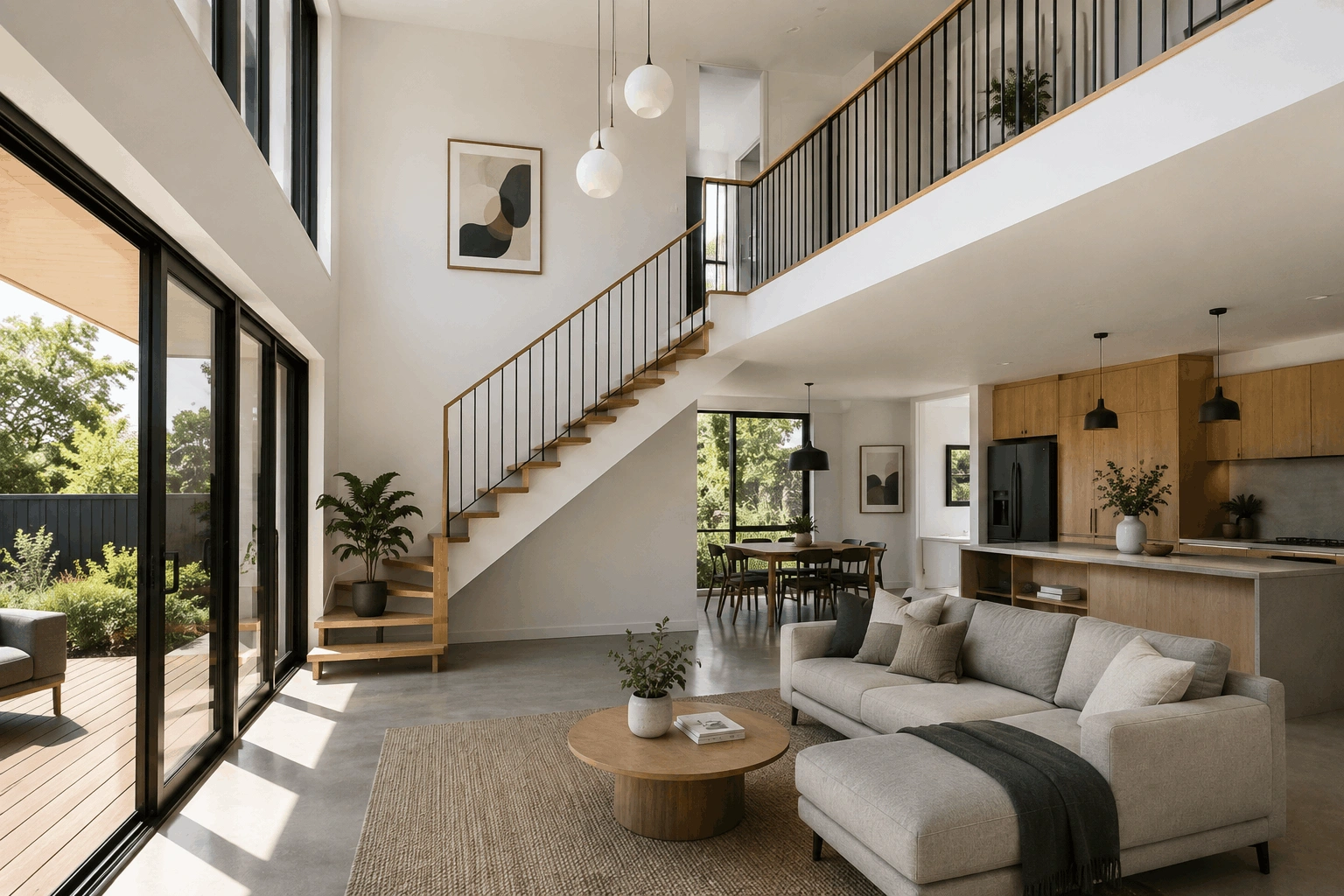
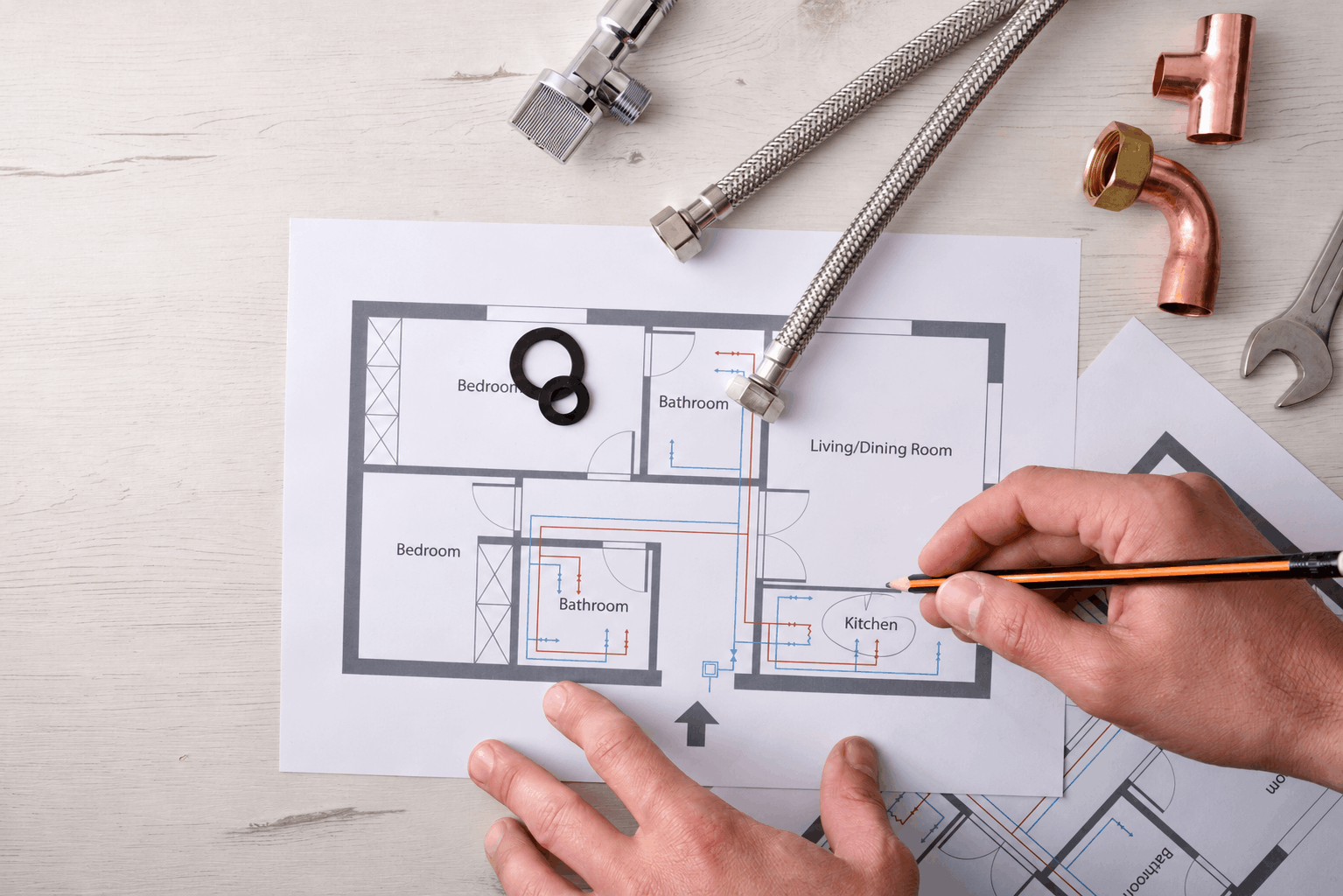
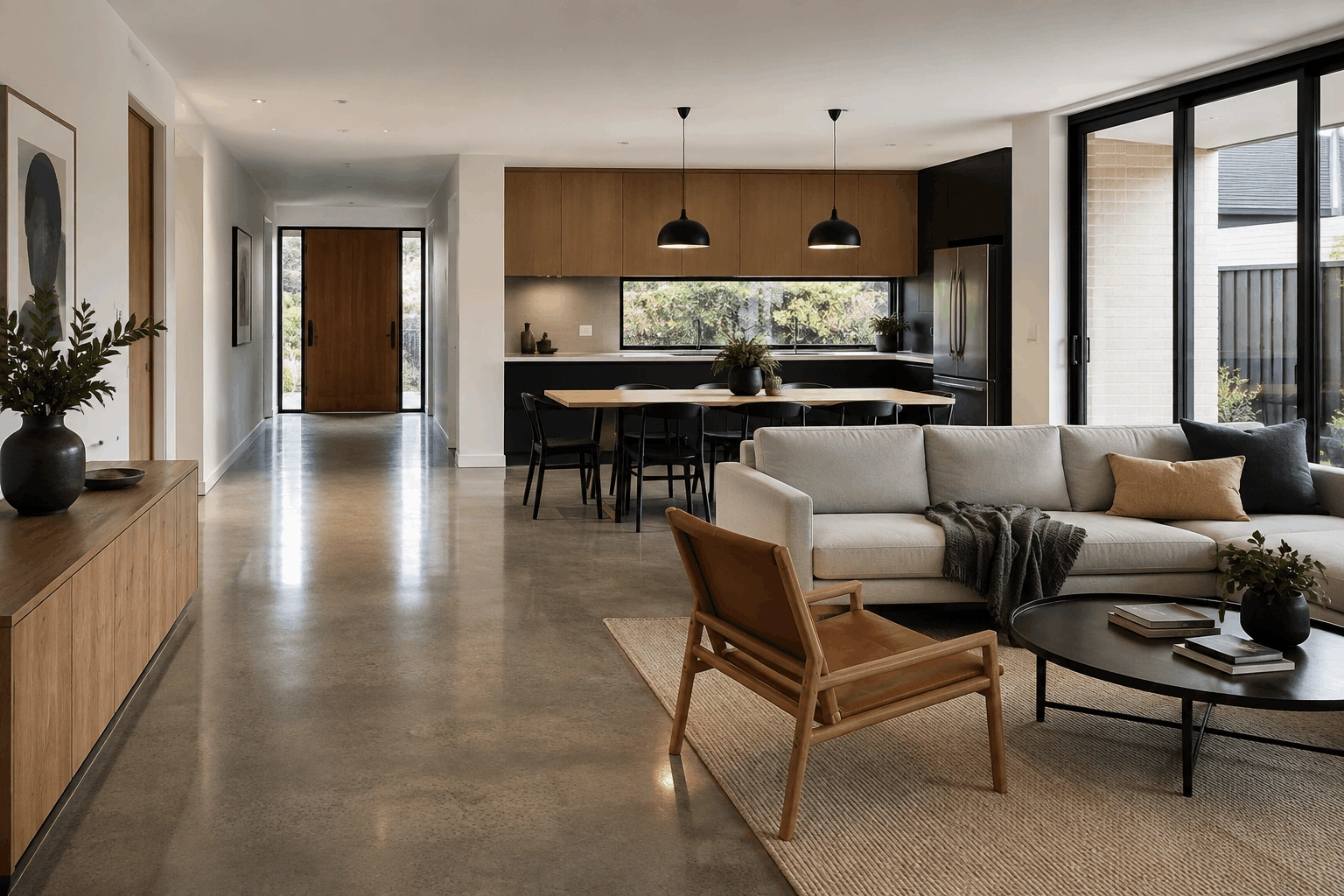
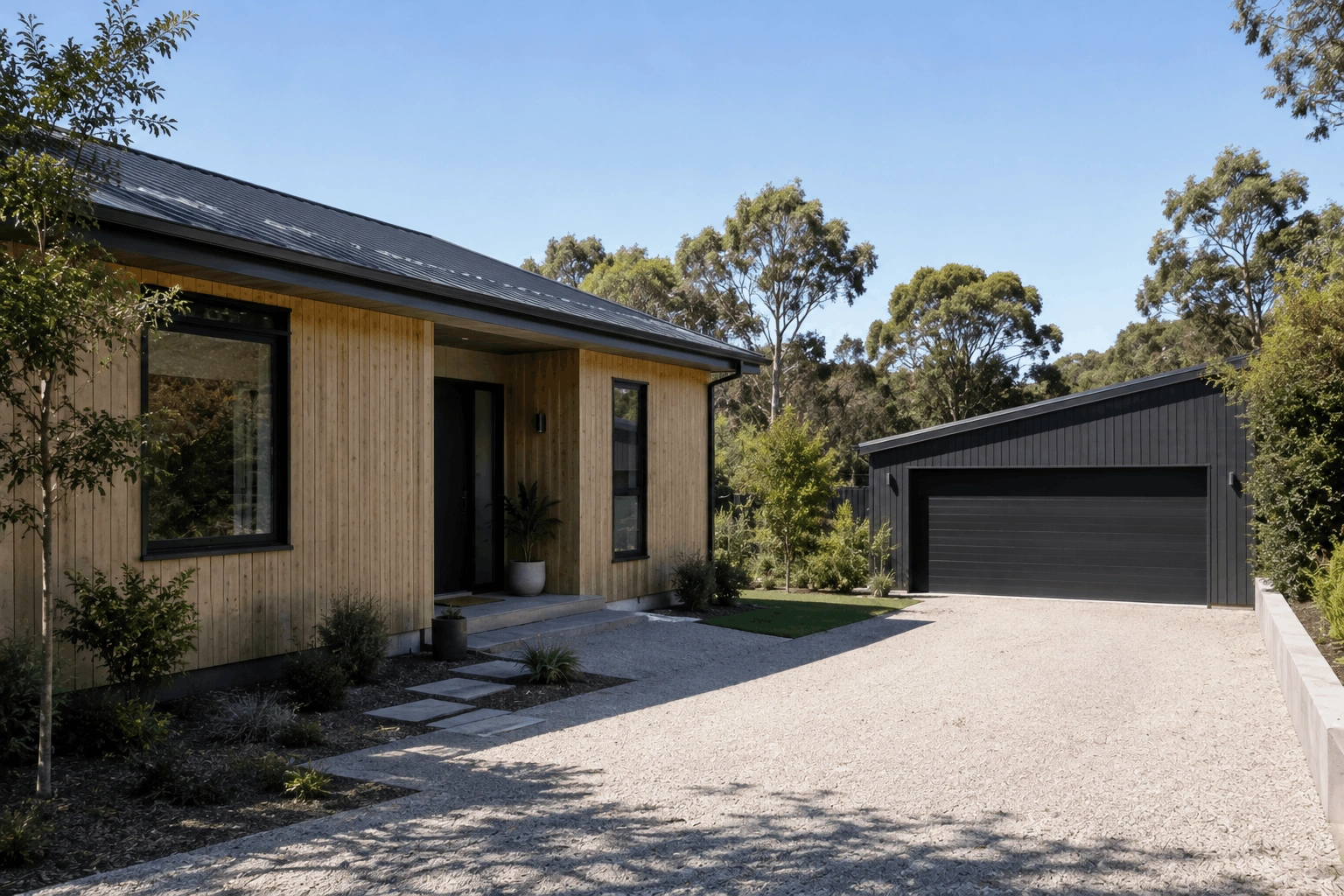
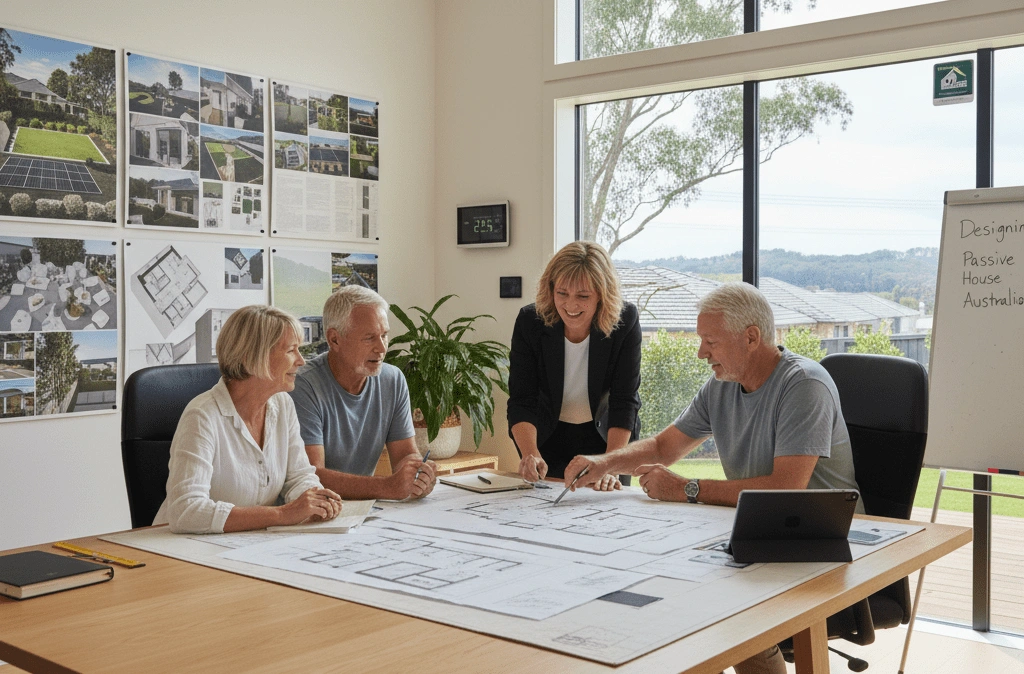
When designing a passive house, retirees can personalise every element to suit their lifestyle. This might include single-level layouts for easy mobility, covered outdoor areas for relaxation, and large windows positioned to capture light and views without overheating.
Good passive building design takes into account local climate conditions, sun orientation and wind patterns, ensuring each home performs efficiently. Experienced passive house designers in Australia will also integrate renewable systems like solar panels and water collection for even greater independence and cost savings.
Frequently Asked Questions
The passive house premium in Australia typically adds 5-15% to construction costs, though this varies by location and builder experience. However, the eliminated or drastically reduced energy bills mean most homeowners recover this investment, making it particularly attractive for retirees planning to age in place.
The passive house standard requires a very high level of construction precision and attention to detail, particularly regarding airtightness and the elimination of thermal bridges. It is strongly recommended to work with certified passive house designers in Australia and passive house builders who have specific training and experience in passive home building. They understand the methodology and quality control needed to achieve the certified performance, ensuring you get all the promised benefits.
Yes, passive house design in Australia is specifically adapted for local conditions. Superior insulation and shading keep homes cool during summer, while thermal mass and solar gain provide warmth in winter. Many Australian passive houses remain comfortable year-round without air conditioning, even in regions with extreme temperatures.