Sydney passive house renovation wins top national GreenSmart Award
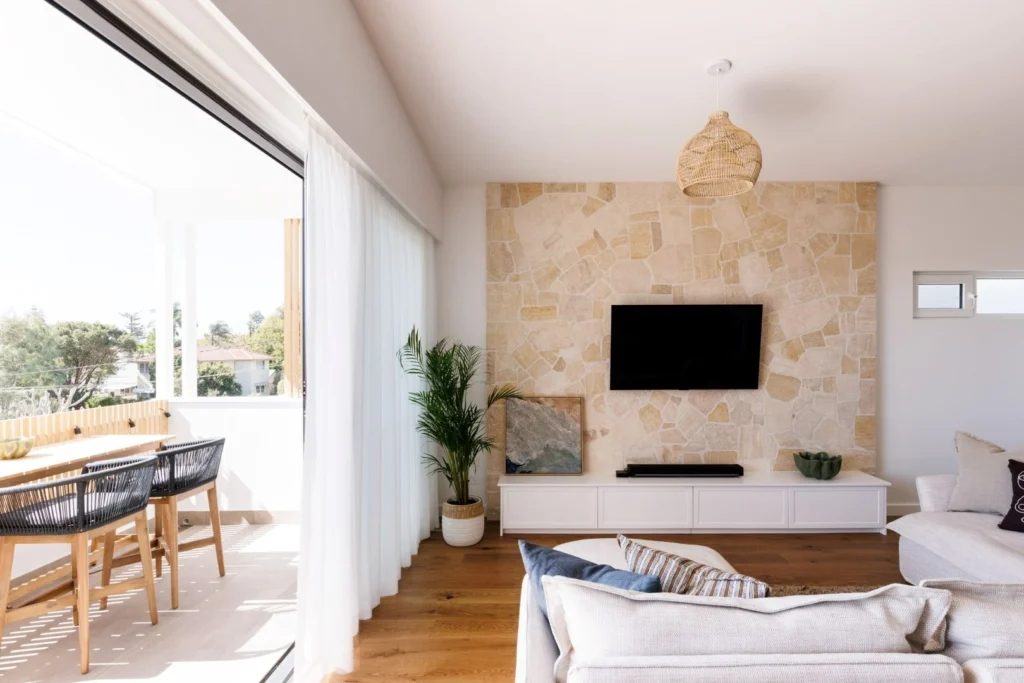
Leading passive house builder in Sydney, Progressive Building, has been recognised for excellence in sustainable design. The builder took home the 2025 Housing Industry Association’s (HIA’s) Australian GreenSmart Home award, partnered by Clipsal by Schneider Electric, for a Sydney renovation grounded in passive house principles.
The project also won the HIA Australian GreenSmart Renovation/Addition Project award, partnered by CSR.
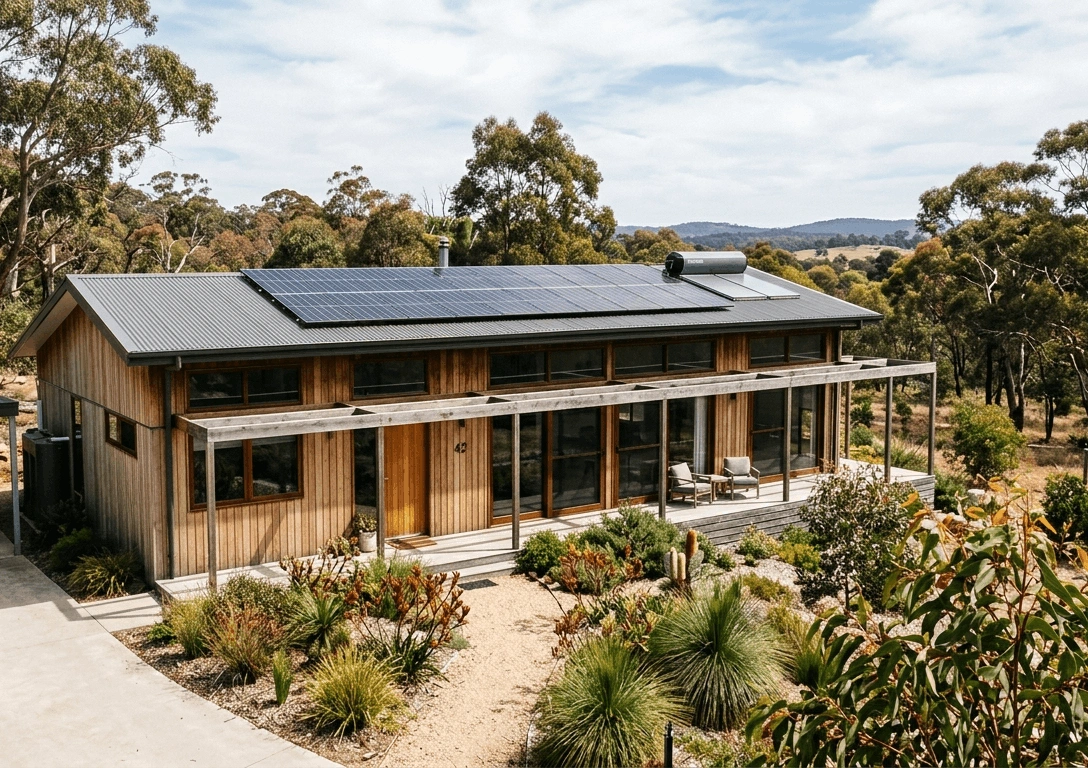
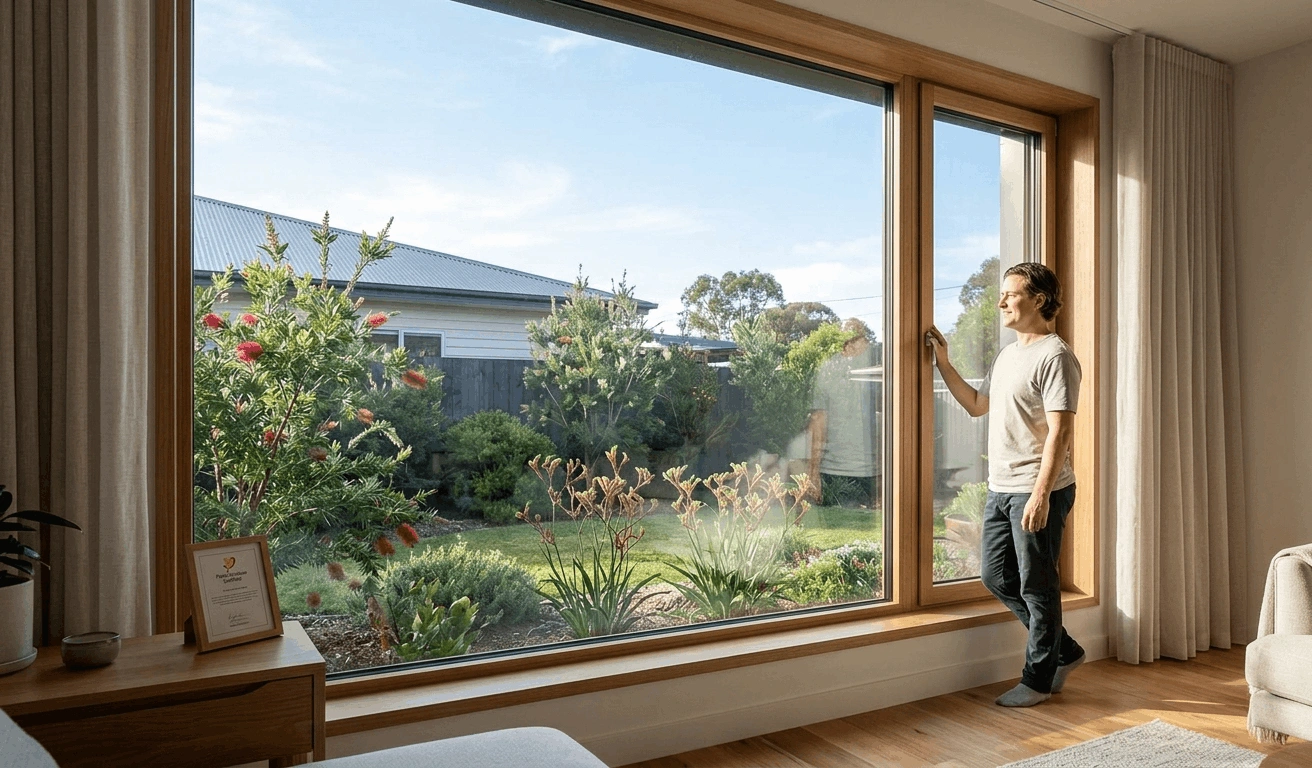
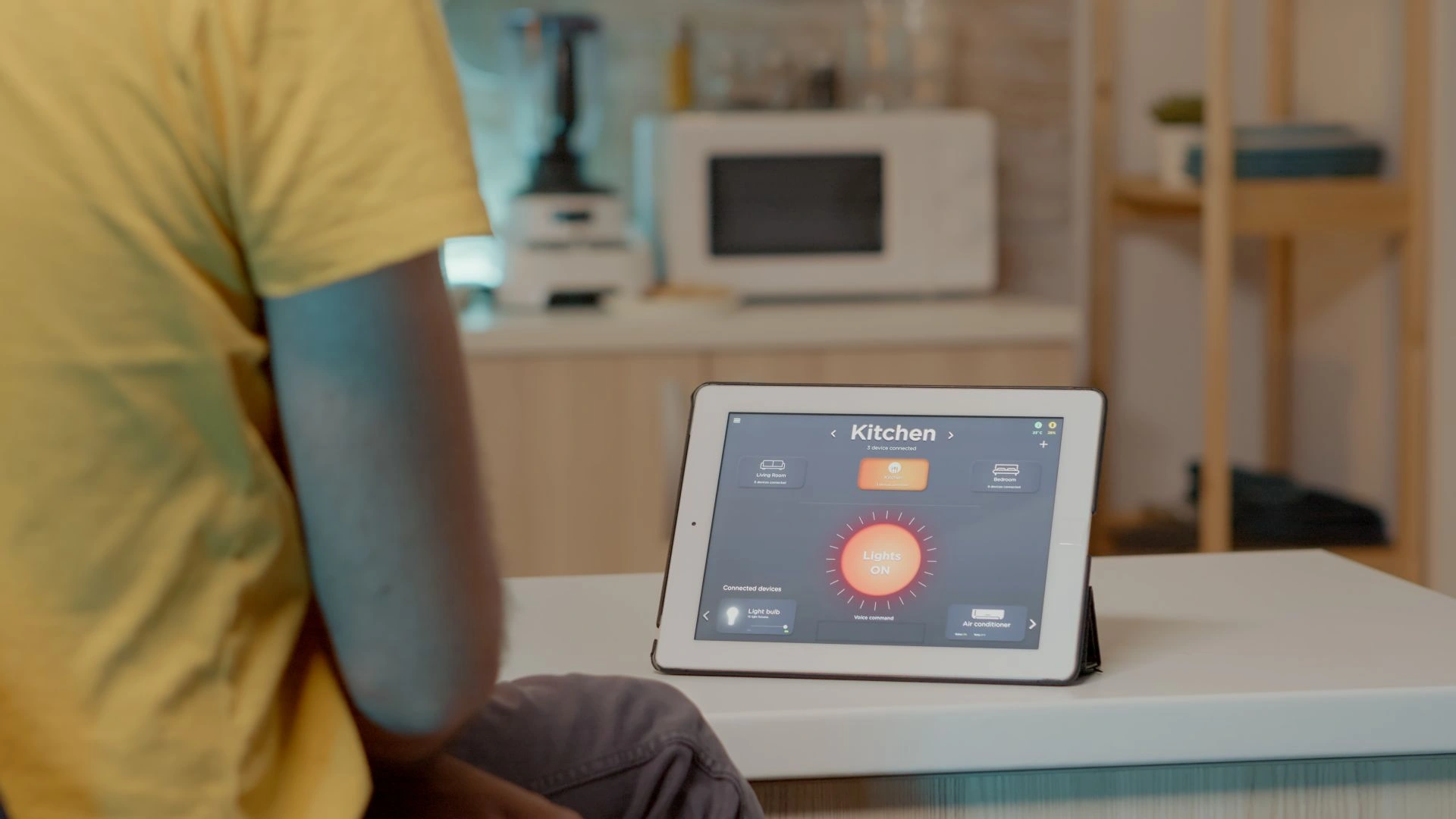
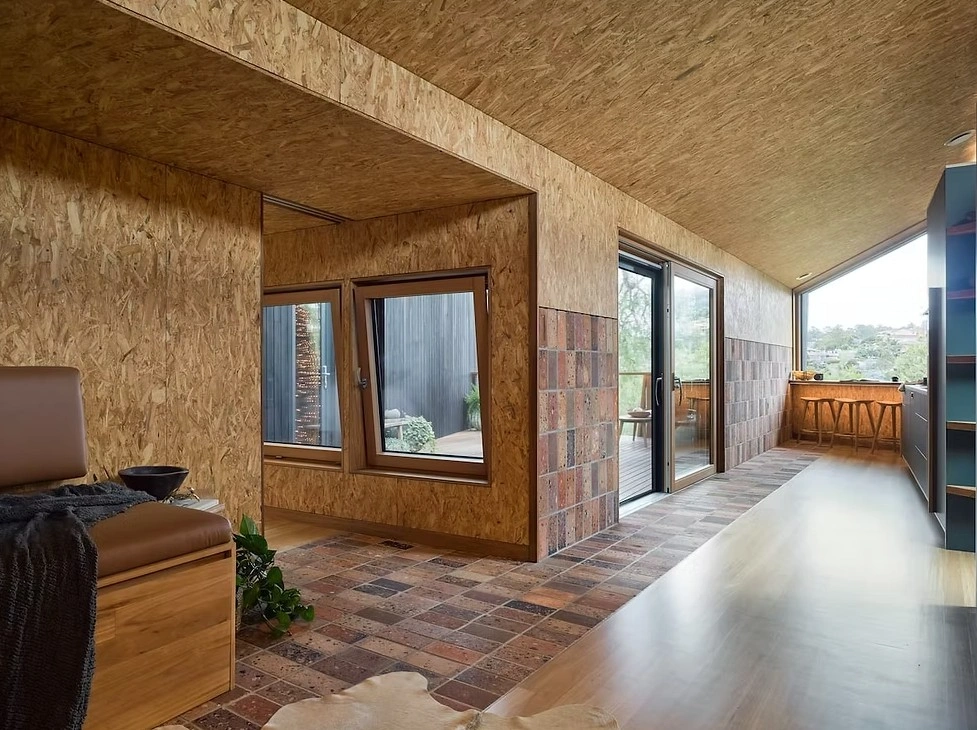
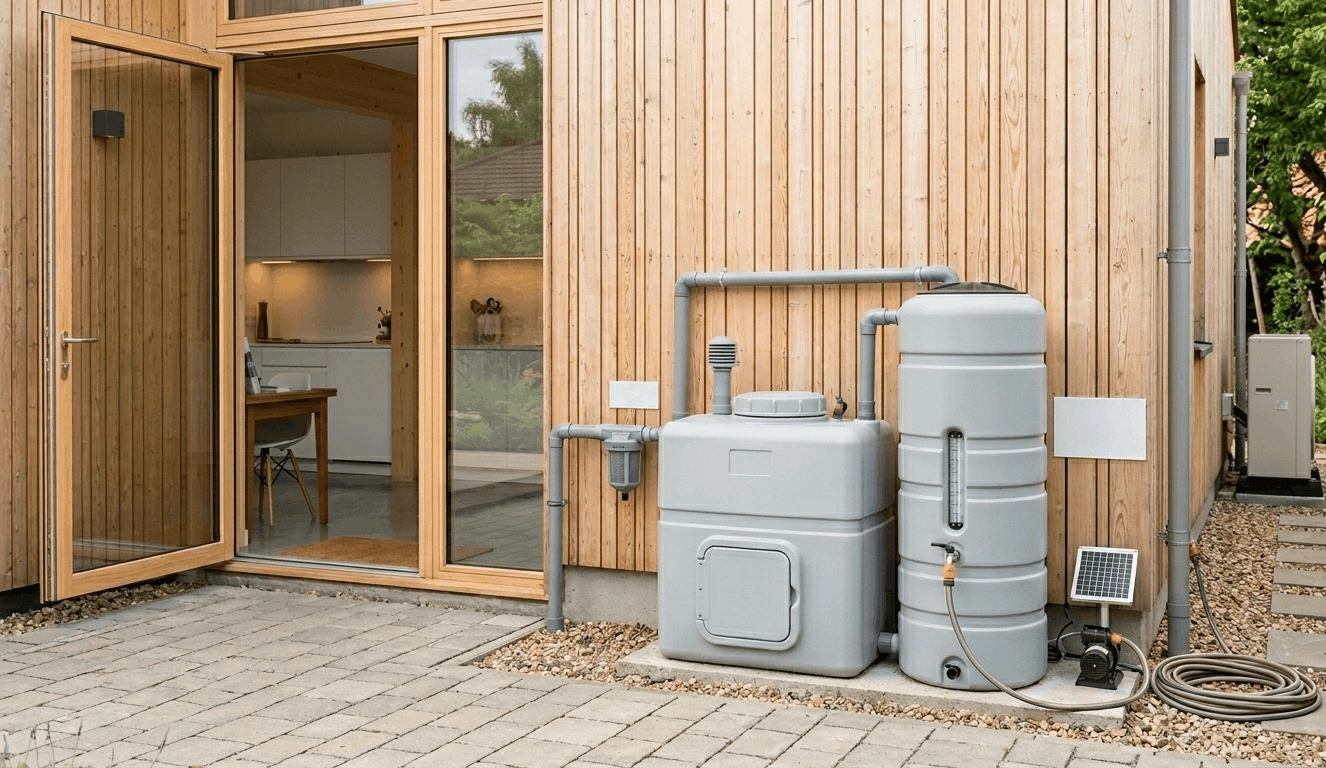
The renovation showcases the potential of passive house design in Australian homes. Featuring all-timber construction, high-efficiency insulation, heat recovery ventilation and a 10kW solar system with a 2kW battery, the home is capable of running nearly off-grid. Smart energy monitoring allows the household to respond dynamically to solar supply, optimising efficiency while reducing energy bills.
The design also supports multigenerational living, with a layout that offers both privacy and shared space. A green roof adds to the insulation and supports local biodiversity.
Architecturally, the home follows the natural slope of the land, with timber balconies and layered landscaping that blend into the environment.
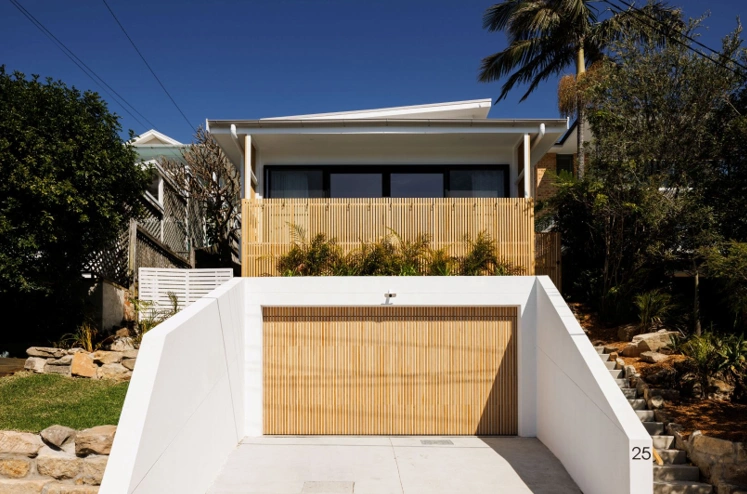
Materials were selected for both performance and sustainability. The flooring is Global GreenTag-certified, carpets are made from recycled fishing nets and cabinetry, paints and tiles are all low-emission.
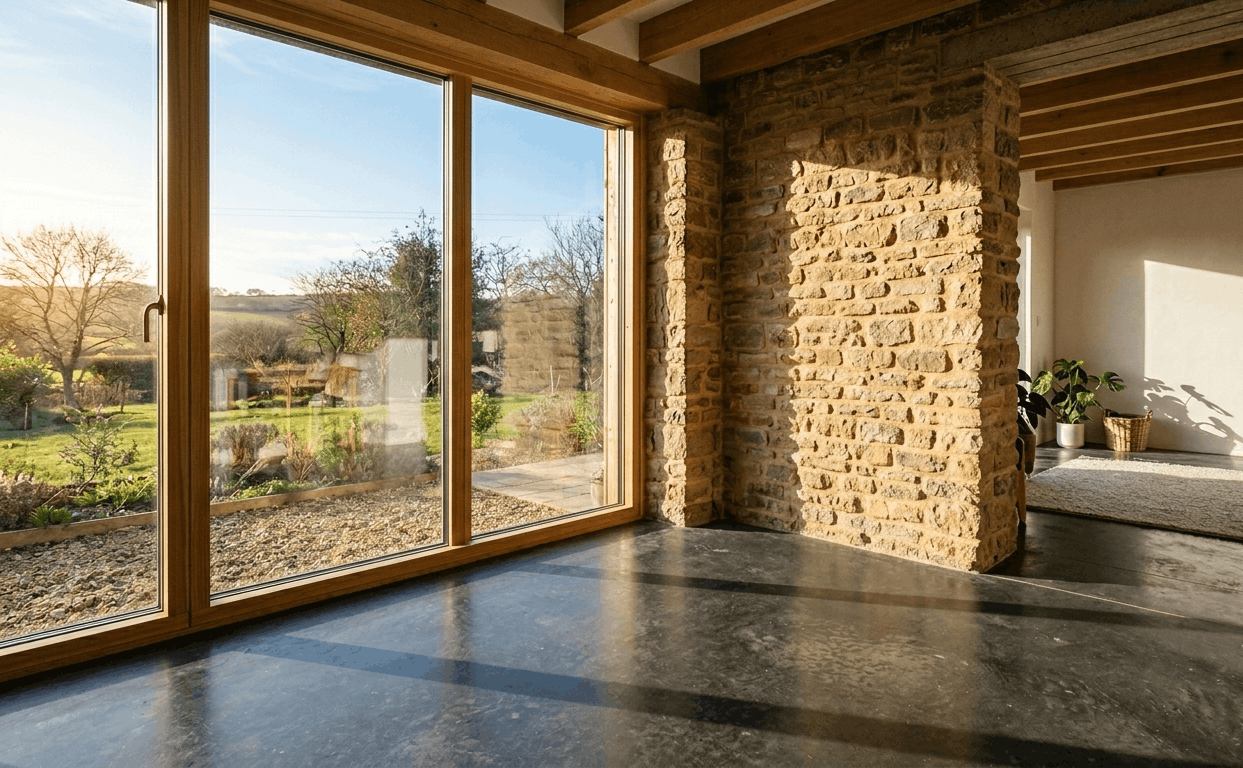
Wherever possible, existing structural elements, flooring, soil and stone were reused, minimising waste and respecting the original character of the property.
The result is a good example of sustainable design that is smart, flexible and visually beautiful.
The HIA Australian GreenSmart Awards recognise energy-efficient home builders and designers who deliver energy-efficient, comfortable, and environmentally responsible homes.
Passive house design in Australia
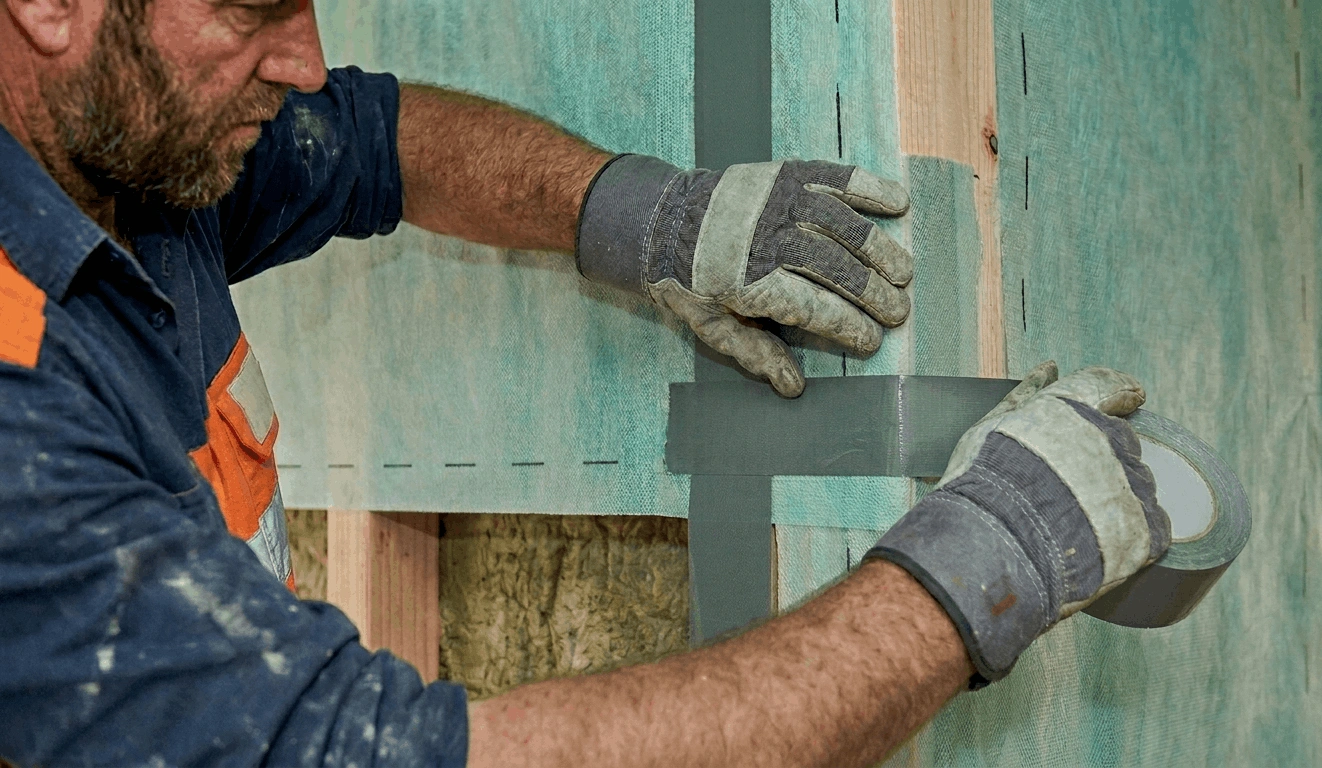
Passive house design, which prioritises energy efficiency, airtight construction and thermal comfort, has been growing steadily in Australia. By carefully managing insulation, ventilation and solar gain, passive houses maintain a stable indoor temperature year-round while using very little energy.
Projects like Progressive Building’s award-winning home show that it’s possible to combine high-performance sustainability with practical family living, even on challenging urban sites.
Key takeaways from this renovation include:
- Energy independence: Integrated solar, battery storage and smart energy monitoring show how a home can operate almost off-grid.
- Materials: Using certified, recycled and low-emission materials reduces both environmental impact and indoor pollution.
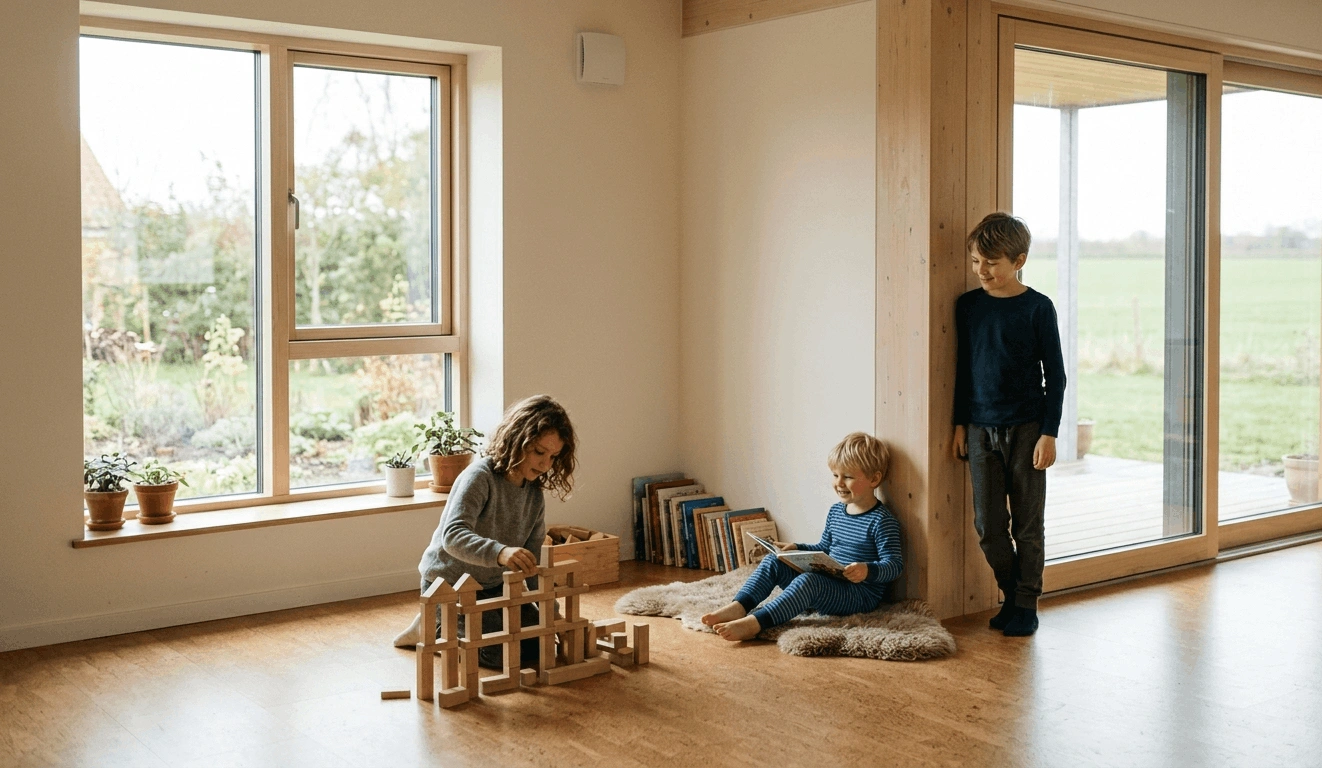
- Flexible living: The layout demonstrates that sustainable design can also be highly functional, supporting multigenerational households without compromising comfort or aesthetics.
- Environmental integration: By combining green roofs, layered landscaping, and careful site orientation, the home works with its natural surroundings while strengthening passive house principles like insulation and thermal comfort.
For Australians considering their own sustainable renovations, this project offers a good example of balancing efficiency, beauty and practicality, illustrating why passive house principles are gaining attention as a standard for high-performance living.
All images courtesy Progressive Building, NSW.