Passive houses in the spotlight as Australia boosts energy efficiency funding
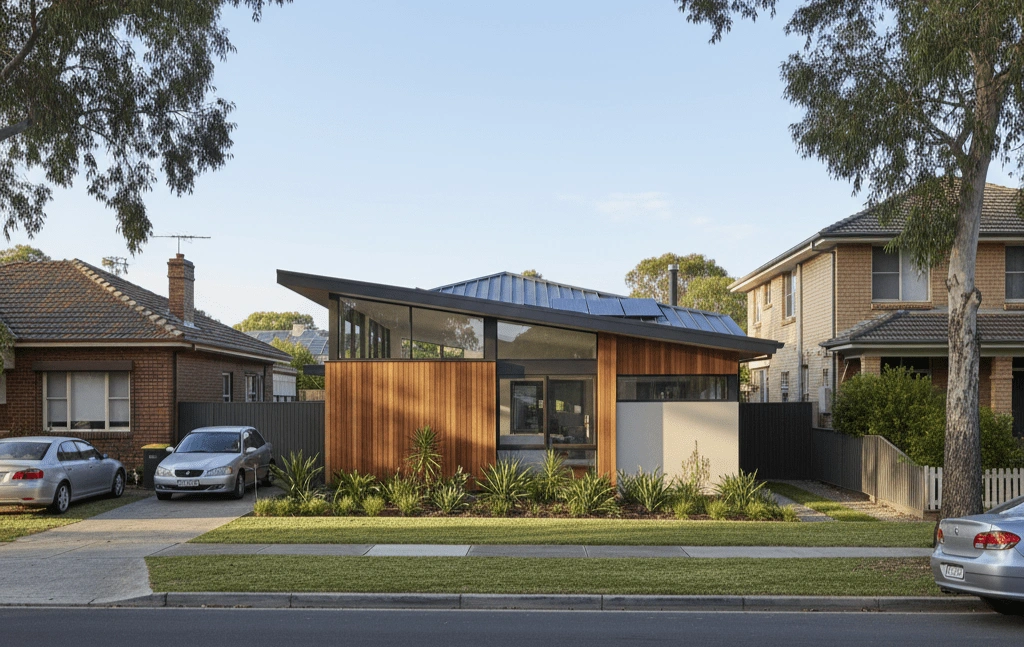
The Australian Government’s recent announcement of an $85 million investment to boost energy efficiency in residential and commercial properties has been broadly welcomed. It’s a clear signal that better-performing buildings are a priority for the country’s decarbonisation efforts.
The funding is designed to support frameworks like the expansion of the Nationwide House Energy Rating Scheme (NatHERS) to cover existing homes and the strengthening of the Greenhouse and Energy Minimum Standards (GEMS) Act for appliances. These changes are crucial for giving Australians clear pathways to cut energy bills, lower emissions, and foster a market that values higher-performing assets.
The Property Council of Australia welcomed the news, with chief executive Mike Zorbas highlighting that the property sector is already a global leader in sustainability and is well-placed to deliver “high-impact, cost-effective decarbonisation”.
This national push for energy efficiency opens the door to the international construction standard that embodies these goals: the Passive House.
What this means for passive houses
A passive design house is a building that achieves superior comfort and air quality while using up to 90% less energy for heating and cooling compared to conventional homes.
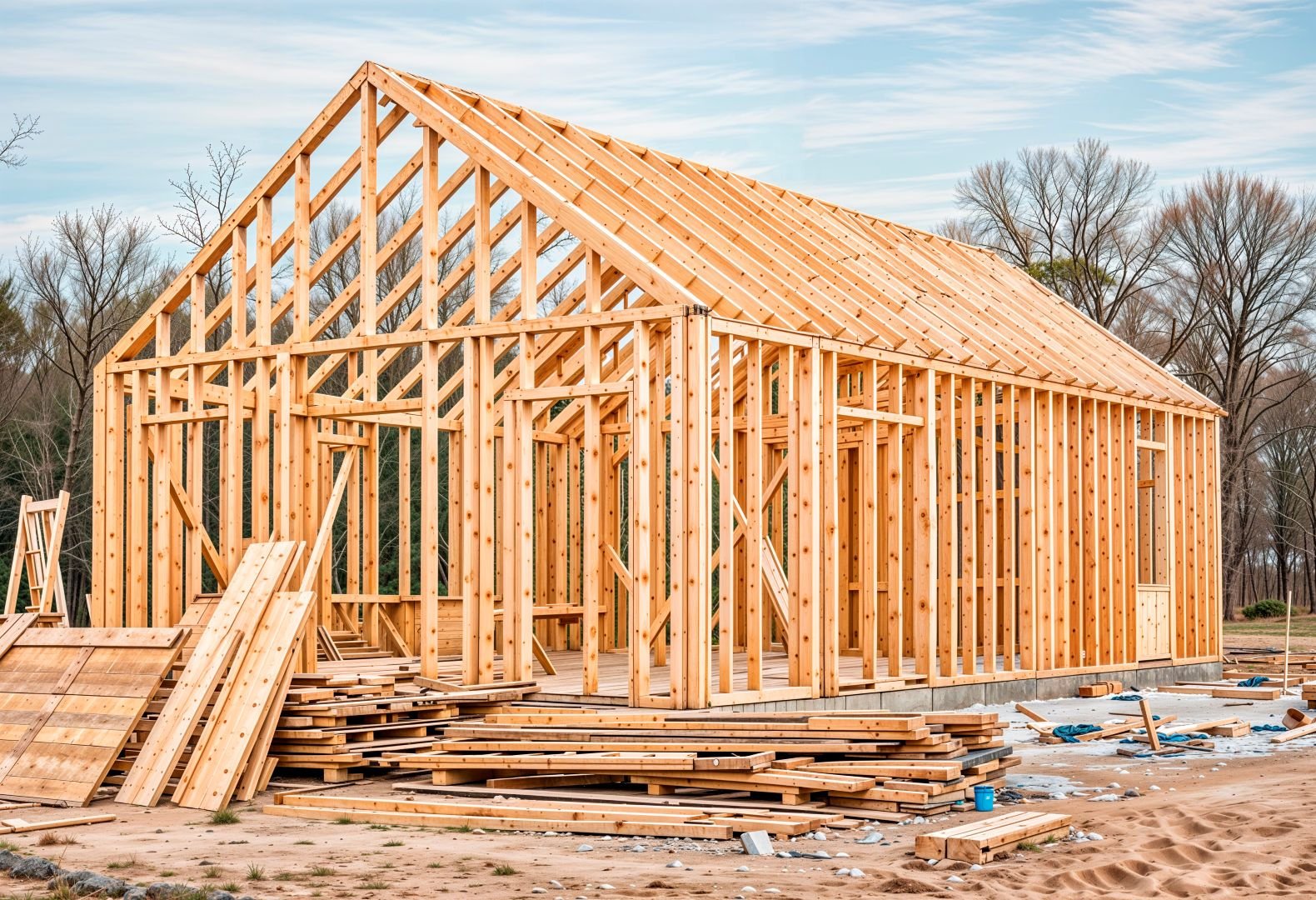
The core of passive house design involves five key principles:
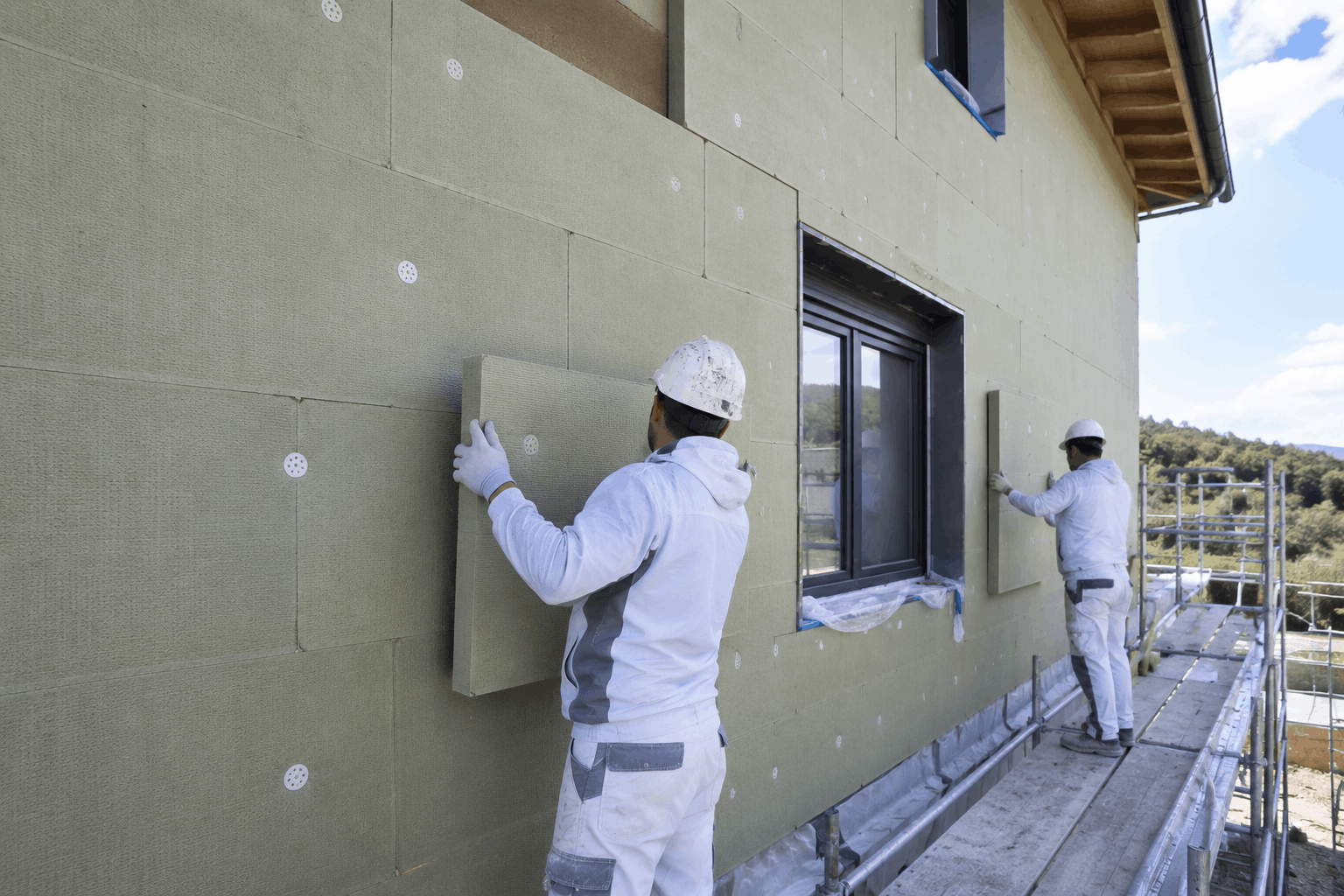
- Super-insulation to wrap the building in a high-performance thermal envelope.
- Airtight construction to prevent uncontrolled air leaks, which are a major source of heat loss or gain.
- Thermal bridge elimination, which means designing out areas where heat can bypass the insulation, like in wall junctions or window frames.
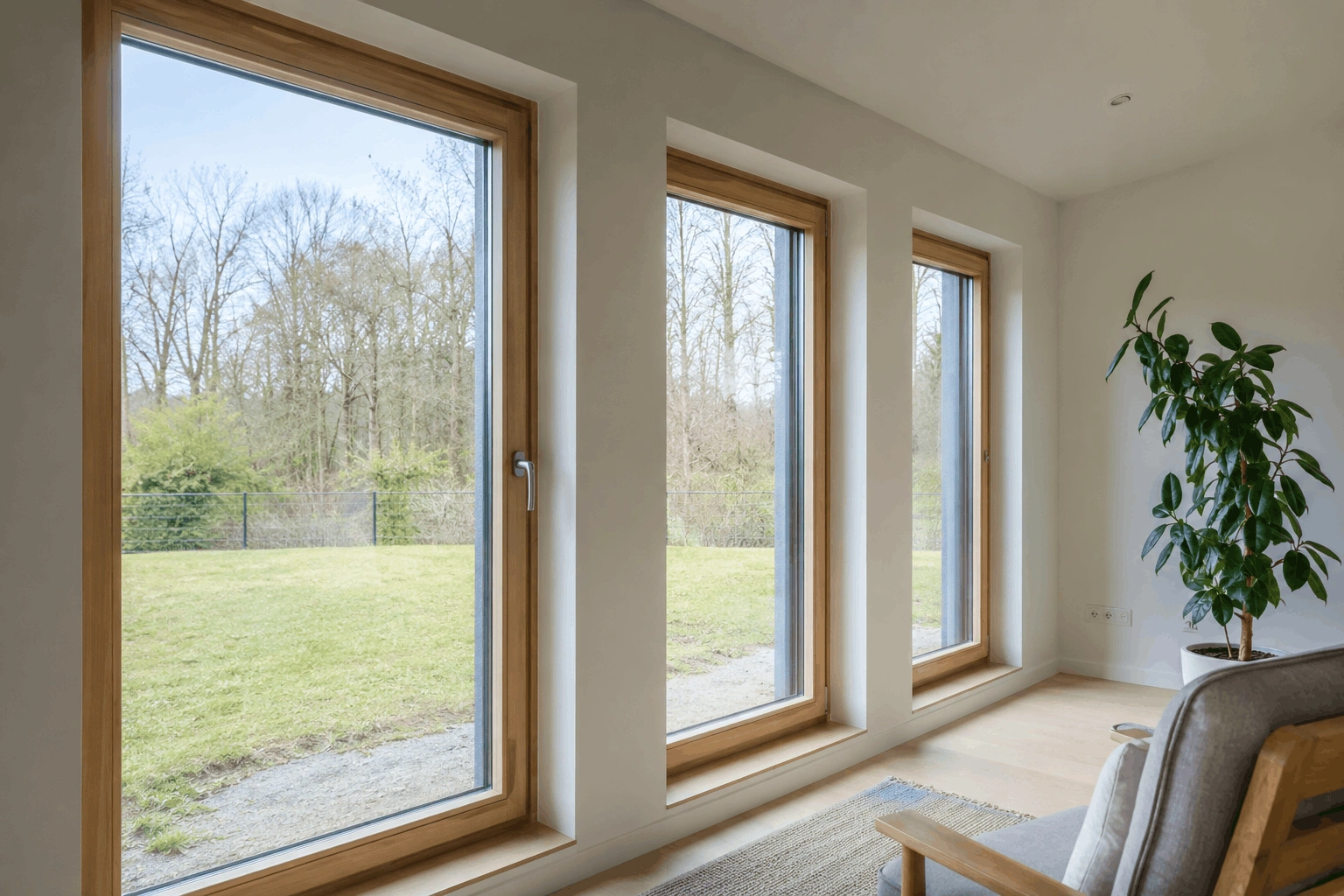
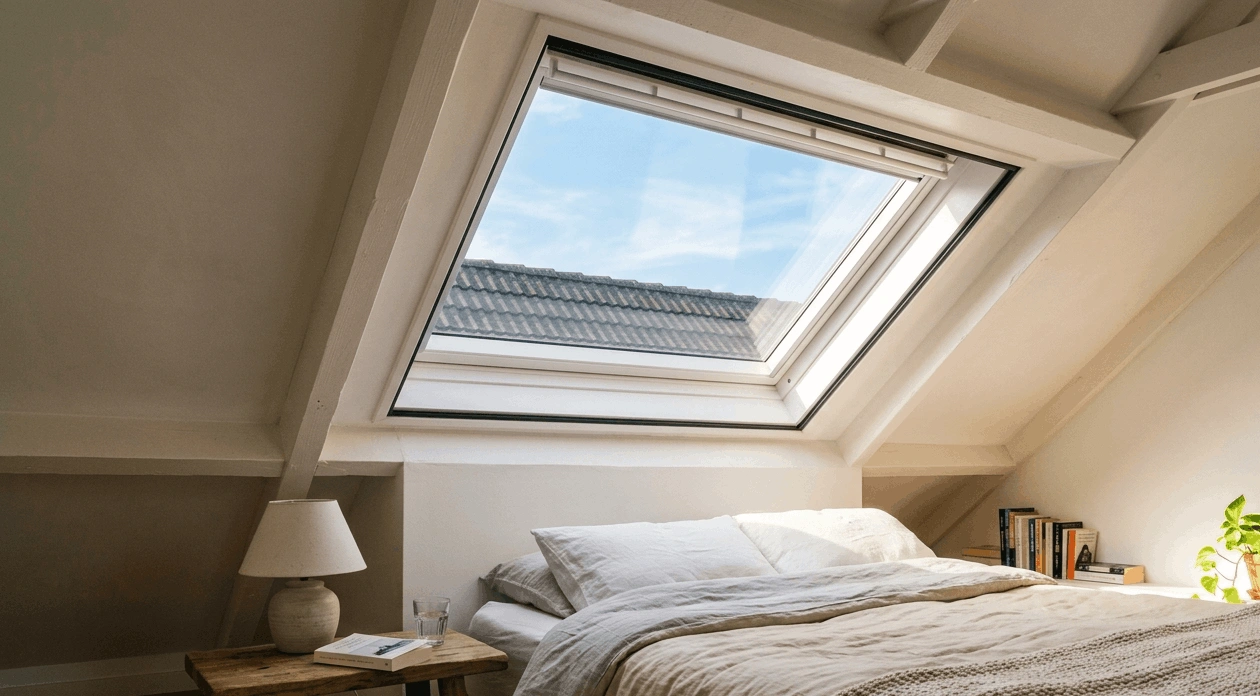
- High-performance glazing, using typically double or triple-glazed windows and doors.
- Mechanical Ventilation with Heat Recovery (MVHR) to ensure a constant supply of fresh, filtered air without losing the heat (or coolness) already inside the home.
Passive house designs are already gaining momentum in Europe, and Australia is beginning to catch up. With government funding aimed at energy efficiency, there is now a stronger case for designing a passive house or working with passive house builders in Australia to bring these projects to life.
For those planning a new build, a passive home builder or specialist passive house designers in Australia can create tailored solutions that suit local climates. Or for existing homes, some elements of passive building design – such as better glazing, insulation and airtightness – can be incorporated as retrofits.
A growing opportunity
As Australia sets more ambitious climate targets and moves towards cleaner energy, passive home building will become more important. The combination of policy support, rising energy costs and consumer awareness is creating strong conditions for growth in this area.
For homeowners, this is not just about saving on bills – it’s about building a house that is healthier, more comfortable and better for the planet. While the initial build cost for a passive house in Australia can be higher – often estimated at a 10–15% premium – the value is clear.
For the construction sector, it means new opportunities for skilled trades, architects and passive house builders in Australia.
Frequently Asked Questions
Passive House is a voluntary, ultra-low energy building standard for construction that provides superior comfort and excellent indoor air quality while using up to 90% less energy for heating and cooling than a conventional home. It is achieved through a holistic passive building design approach focusing on a highly insulated, airtight building envelope and efficient ventilation.
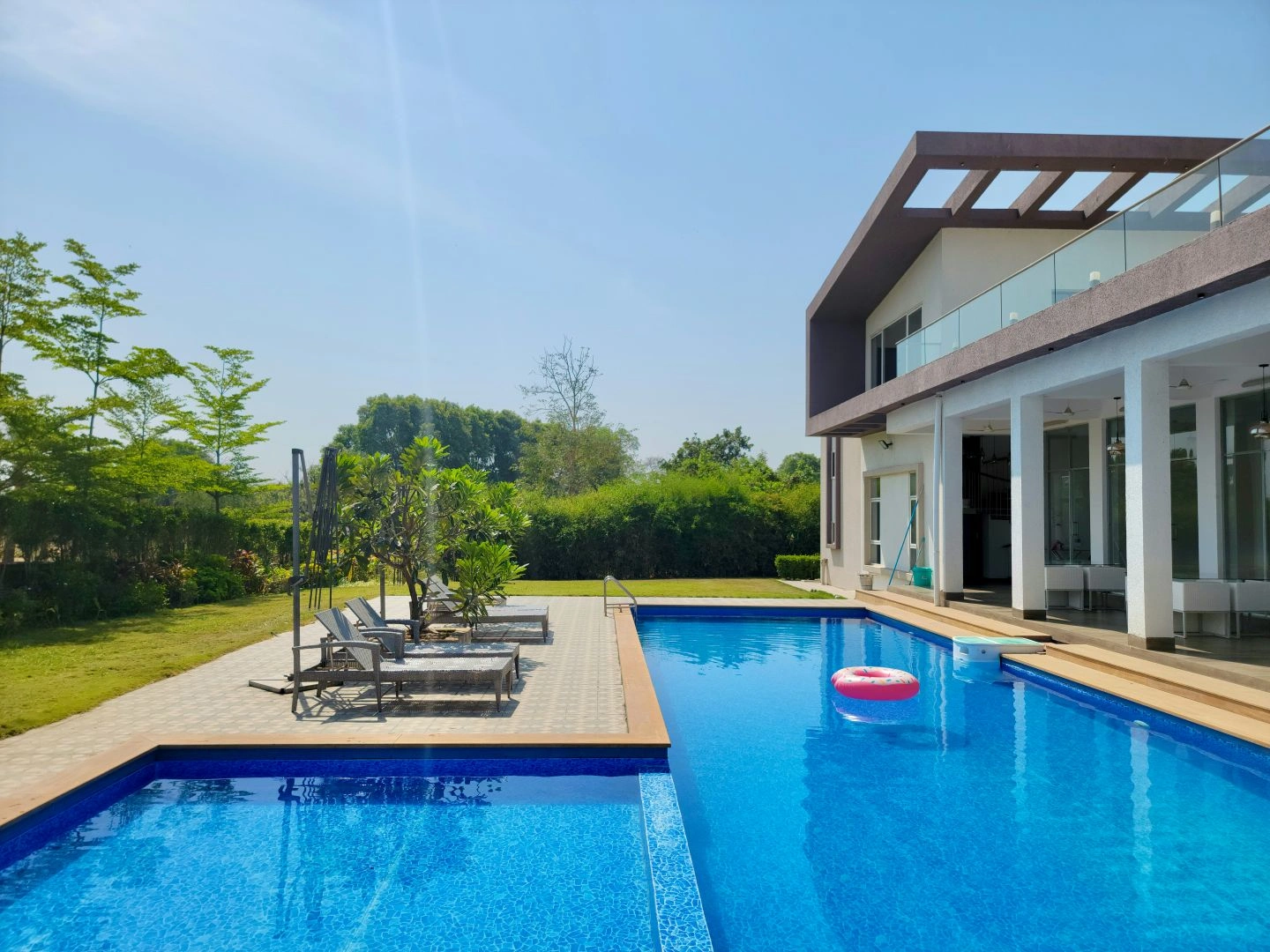
Yes, passive house design in Australia is adaptable to all climate zones, from the cooler regions to the hot and humid tropics. The core principles remain the same, but the specific details – such as the amount of insulation, glazing type and solar shading strategies – are carefully adjusted to suit the local climate to ensure the building performs optimally.
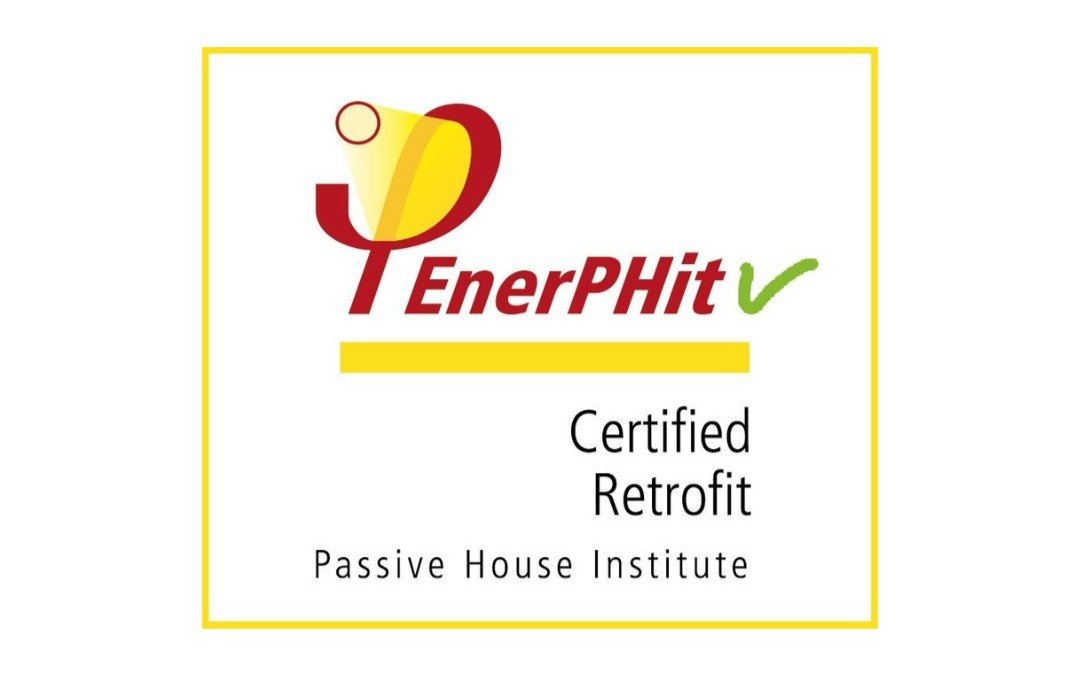
Yes, existing homes can be upgraded through a deep retrofit process known as EnerPHit, which is the certified Passive House standard specifically for retrofitting. This process applies the same core principles, such as super-insulation and airtightness, but adapts them to the challenges of an existing building structure.