How to choose the right passive house location
When you begin the process of designing a passive house, the land you choose is the most important factor in your future comfort. While passive house design can technically work on almost any site, some locations make the process much easier and more cost-effective.
The location you select influences energy performance, comfort, cost and even the long-term durability of your home. Understanding how climate, orientation, topography and local conditions interact with passive house design principles will help you get the most out of your passive home building investment.
Climate considerations
Australia has a wide range of climates, from hot northern regions to more temperate southern areas. Each climate zone requires different passive house designs and strategies.
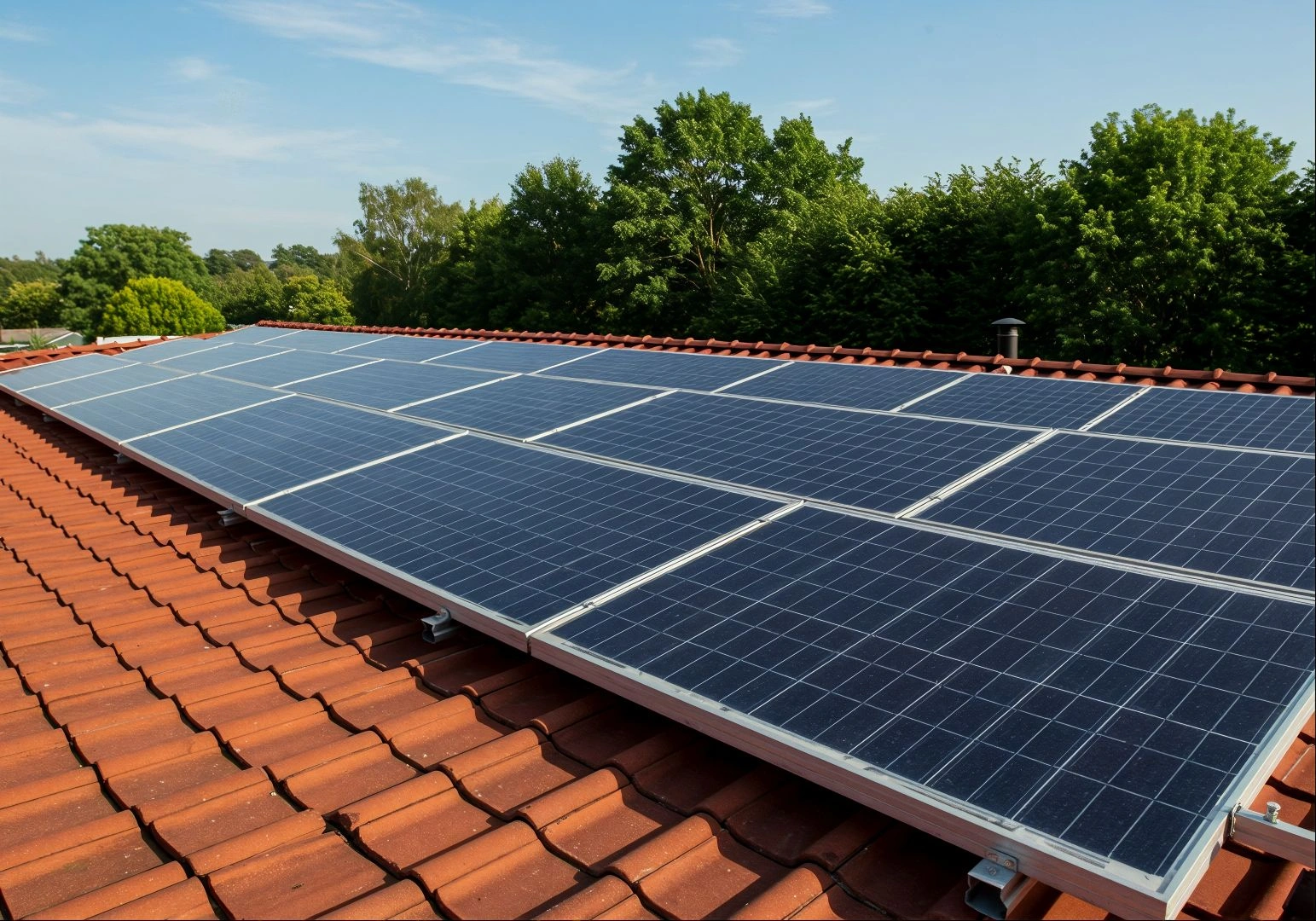
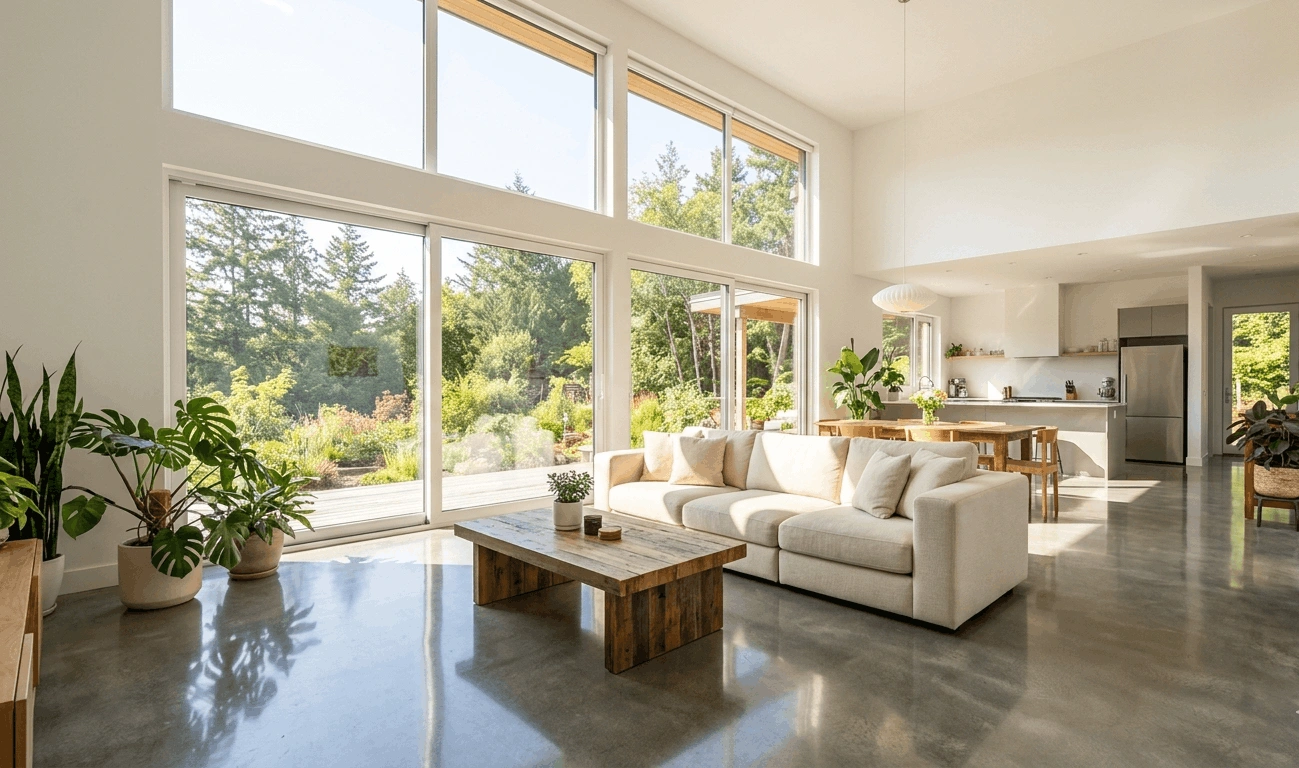
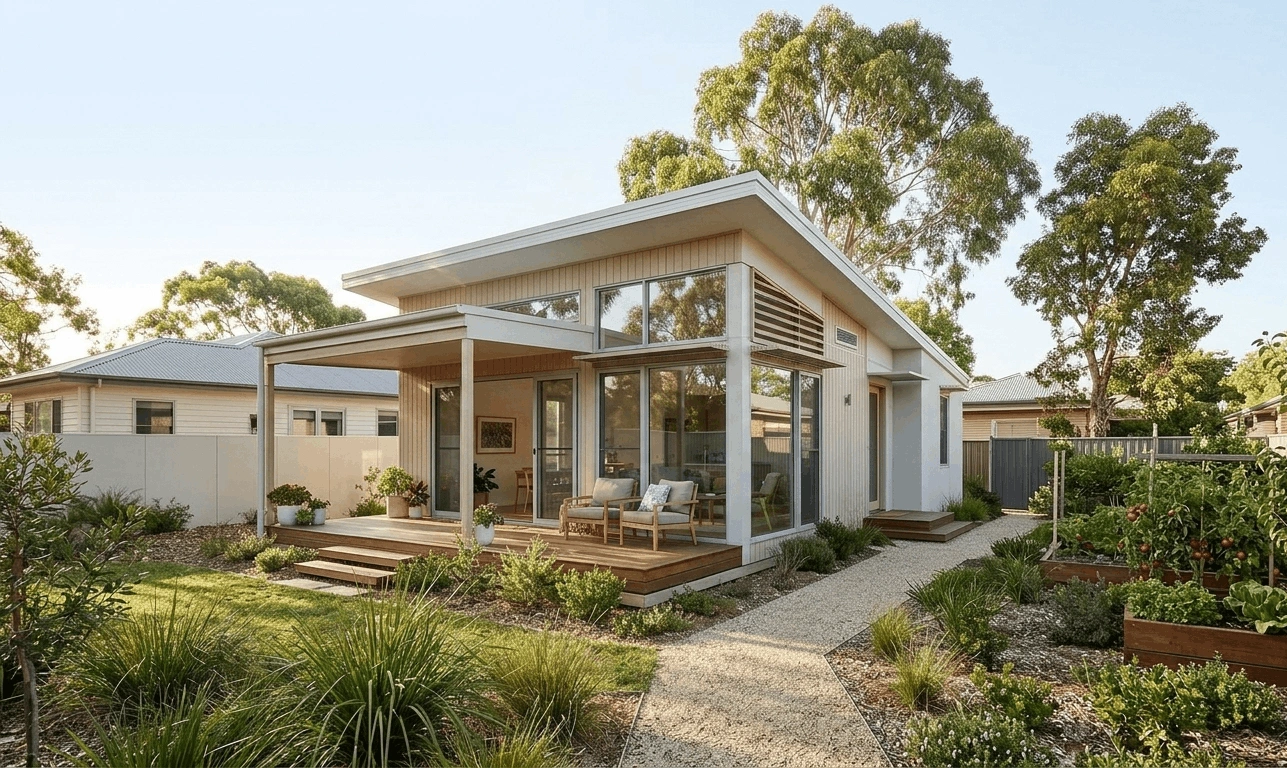
The most fundamental rule of passive house designs is the ability to harness the sun. In the Southern Hemisphere, a block with good northern exposure is the gold standard. This allows your passive home builder to position the living areas so they soak up the winter sun, which naturally warms the concrete slab or internal thermal mass.
But, there will be differences according to where in Australia you are building your passive house.
In cooler southern states like Victoria or Tasmania, you want a location that maximises solar exposure during winter. Open areas with minimal shading and a northern building orientation will allow your passive design house to capture passive solar heat efficiently.
In hot or humid coastal regions, such as northern New South Wales or Queensland, shading and natural ventilation are critical. Sites with good airflow, minimal exposure to prevailing hot winds and natural shading from trees or neighbouring structures can improve thermal comfort while reducing the need for mechanical cooling.
In general, regardless of where you are in the country, if a site is heavily overshadowed by tall buildings or dense evergreen trees to the north, achieving the strict energy targets of a passive house in Australia becomes more difficult. You might need thicker insulation or more expensive window systems to compensate for the lack of free solar heating. Passive house designers in Australia always recommend a site survey to check for “solar obstructions” before you commit to a purchase.
Topography and surrounding features
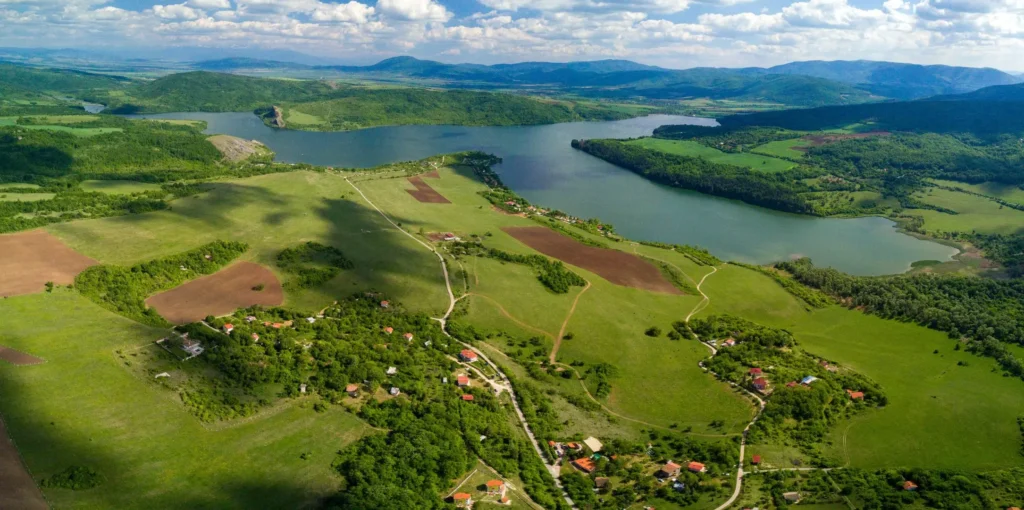
The slope and orientation of the land influence drainage, sun exposure and wind protection. Hills, valleys and water bodies can create microclimates that affect indoor temperatures.
The shape of the land can also significantly impact a passive house design in Australia. A flat block is usually the easiest for passive home building because it allows for a simple, compact building shape. Compact shapes have less surface area, which means less heat is lost through the walls and roof.
Steeply sloping sites often require more complex foundations that can create “thermal bridges” – areas where heat escapes through the structure.
Additionally, you should consider the prevailing winds. A site that is battered by cold southerly winds in winter will require a more robust airtightness strategy. Passive house builders often suggest using the natural slope of the land or existing vegetation to create a windbreak, protecting the home’s thermal envelope.
Existing vegetation and nearby buildings also affect sunlight, wind, shading and privacy. Passive house builders Australia often recommend preserving deciduous trees on northern sides to provide summer shade while allowing winter sun to warm living spaces. Vegetation and built form can also act as effective wind buffers, reducing heat loss in cooler climates and limiting exposure to hot or salt-laden winds in coastal areas.
Access and infrastructure
While energy performance is central to passive home building, practical factors cannot be ignored. Access to roads, utilities and public transport affects construction feasibility, ongoing convenience and resale value.
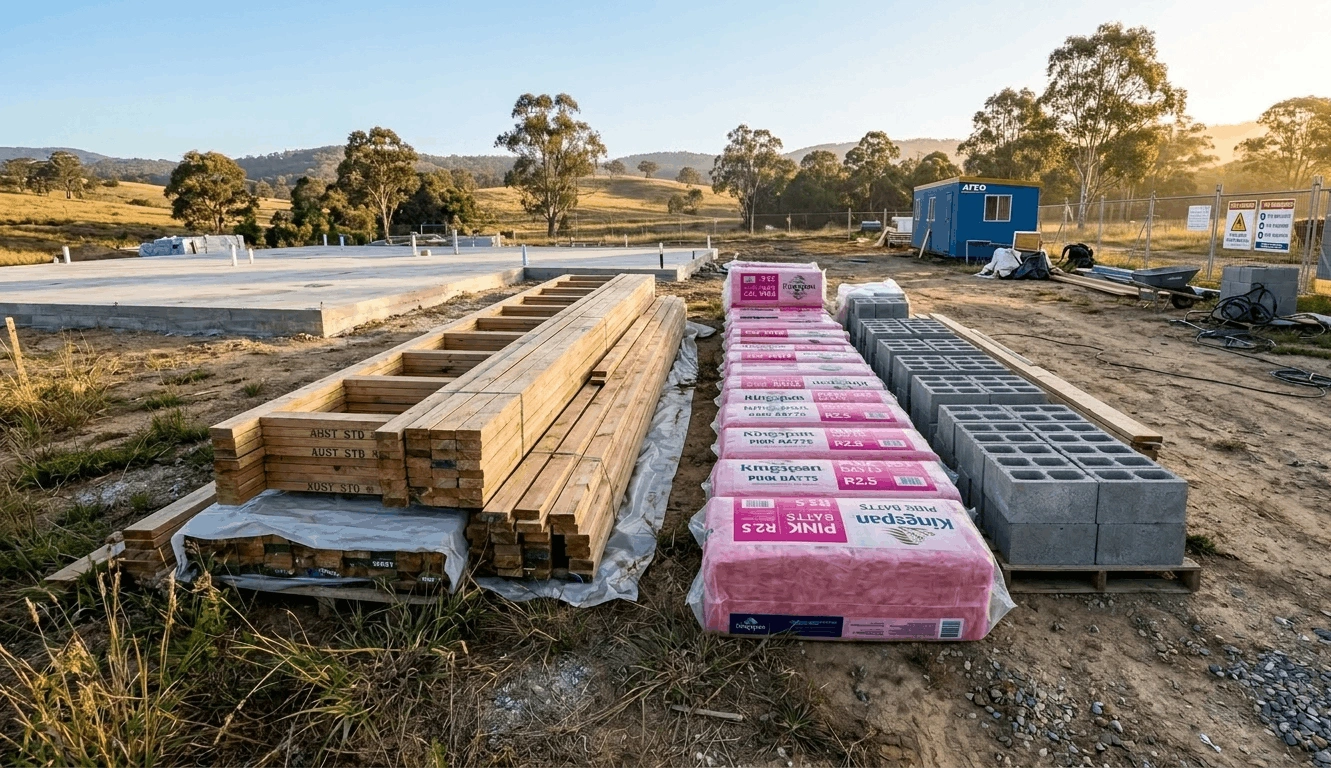
Sites with limited access or infrastructure challenges can increase the cost of designing a passive house. For example, bringing in high-specification materials like triple-glazed windows or specialised ventilation equipment may be more expensive if the location is remote. Working with passive house builders in Australia will help you anticipate these challenges and plan logistics.
Making the final decision
Choosing the right spot for your passive house design is a balance of lifestyle, budget and technical potential. You might find it helpful to consult with a passive house designer in Australia before you buy the land. They can perform a preliminary “PHPP” (Passive House Planning Package) check to see if your dream home is viable on that specific block.
Frequently Asked Questions
A suitable site allows for proper solar access, ventilation, shading and protection from local hazards. Working with passive house designers in Australia helps evaluate these factors before purchase.
Yes. Passive house designs in Australia can adapt to smaller or shaded urban lots through careful window placement, insulation, shading and ventilation strategies. Design expertise ensures performance is maintained.
Yes. Topography, access, infrastructure and local conditions can impact construction and material costs. Selecting a suitable site reduces unexpected expenses while adding to your passive house’s comfort.