How to avoid common mistakes in passive house design
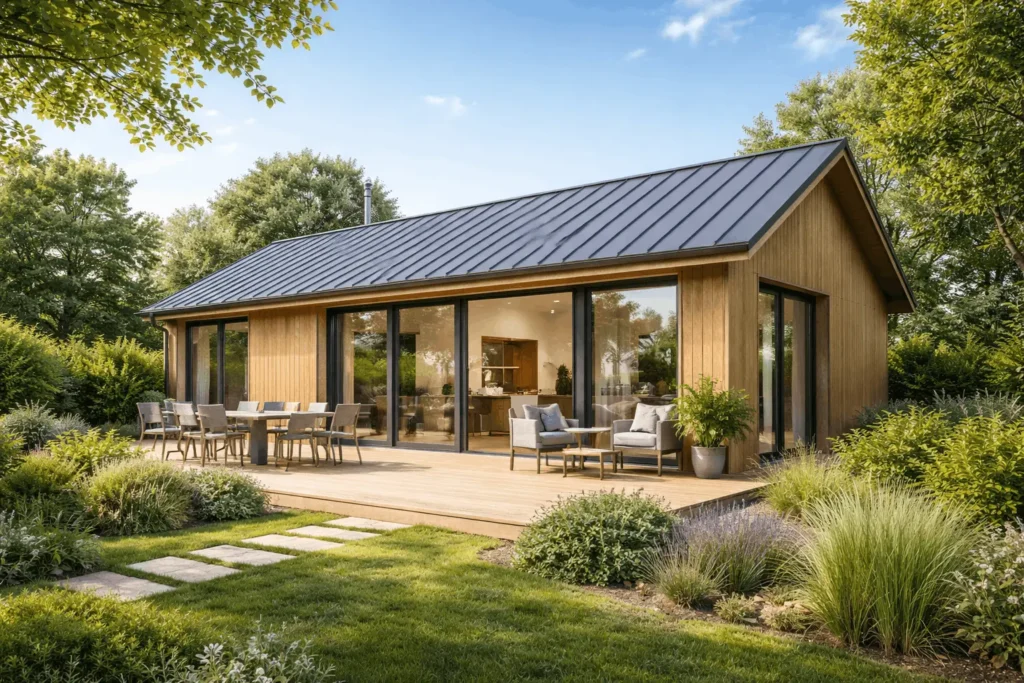
Designing a home that stays at a comfortable temperature throughout the year without a massive energy bill is the ultimate goal for many homeowners. Passive houses in Australia are increasingly popular as a way to achieve both comfort and sustainability.
However, for your home to be certified as a passive house, there are technical requirements you need to meet. If you miss the mark on the fundamentals, you might end up with a building that performs poorly or costs far more than necessary to rectify.
So, what are some of the most common mistakes to avoid?
Underestimating thermal bridging
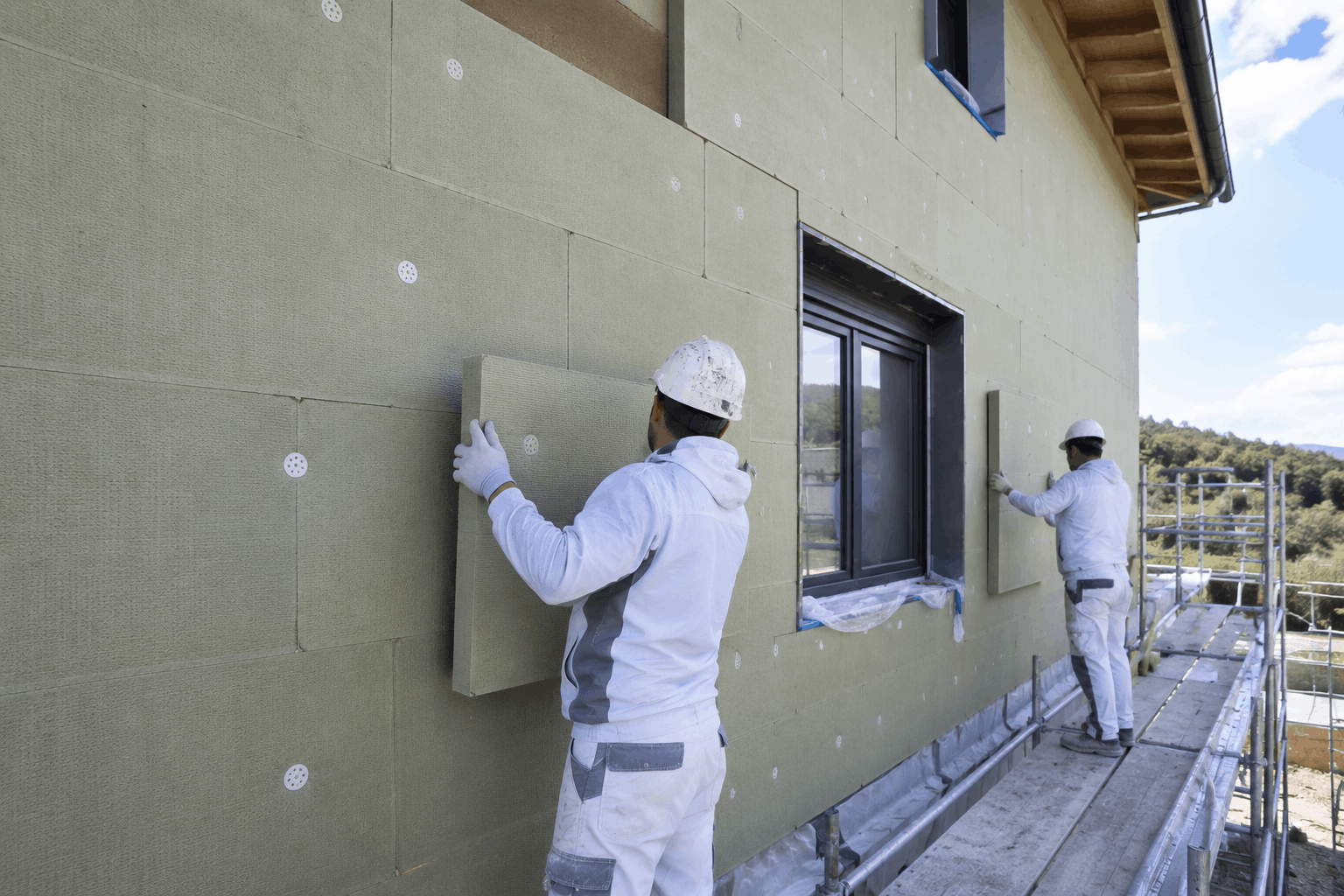
Avoiding thermal bridges is one of the core principles of passive house design, as uncontrolled heat loss directly affects energy use and comfort. Thermal bridging occurs when heat escapes through materials that bypass insulation. It often appears at structural connections, window frames and balconies.
Ignoring thermal bridges reduces overall energy performance and can create cold surfaces where condensation forms. This can undermine both comfort and long-term durability.
Good passive house design in Australia includes detailed modelling and careful material selection to reduce these risks. Collaborating with passive house designers in Australia ensures that junctions are resolved before construction begins.
Compromising airtightness
Airtightness is another of the key passive house principles that can be handled inadequately. Gaps, poorly sealed penetrations and uncoordinated trades often cause failures.
Common problem areas include junctions between walls and roofs, service penetrations and areas behind cabinetry. Each penetration for electrical, plumbing or mechanical services requires careful sealing with appropriate tapes and sealants.
Testing airtightness during construction allows your passive house builder to identify and fix leaks early on. Your passive home builder will conduct interim blower door tests after completing the air barrier but before internal linings. This timing makes accessing and sealing leaks much simpler than waiting until project completion.
Poor ventilation
Mechanical ventilation with heat recovery (MVHR) is central to passive home building. Mistakes often occur when ventilation is treated as a standard system rather than a tailored solution.
Choosing the wrong system, incorrect sizing or shoddy installation undermines energy performance and occupant comfort. Oversized systems consume unnecessary energy, while undersized units fail to provide adequate fresh air or moisture control.
Ductwork design can also significantly impact ventilation efficiency. Long duct runs with multiple bends increase pressure drops, forcing fans to work harder and consume more energy. Poorly insulated ducts in unconditioned spaces waste recovered heat or cooling. Passive house designers in Australia carefully plan ventilation layouts to minimise duct lengths and maintain straight runs wherever possible.
Being able to access your filters for easy maintenance is often not properly considered during the design of your passive house. Systems with filters located in difficult-to-reach locations may not be maintained adequately, reducing indoor air quality and system efficiency. Positioning filters in accessible locations encourages regular replacement and ensures consistent performance.
Choosing the wrong windows
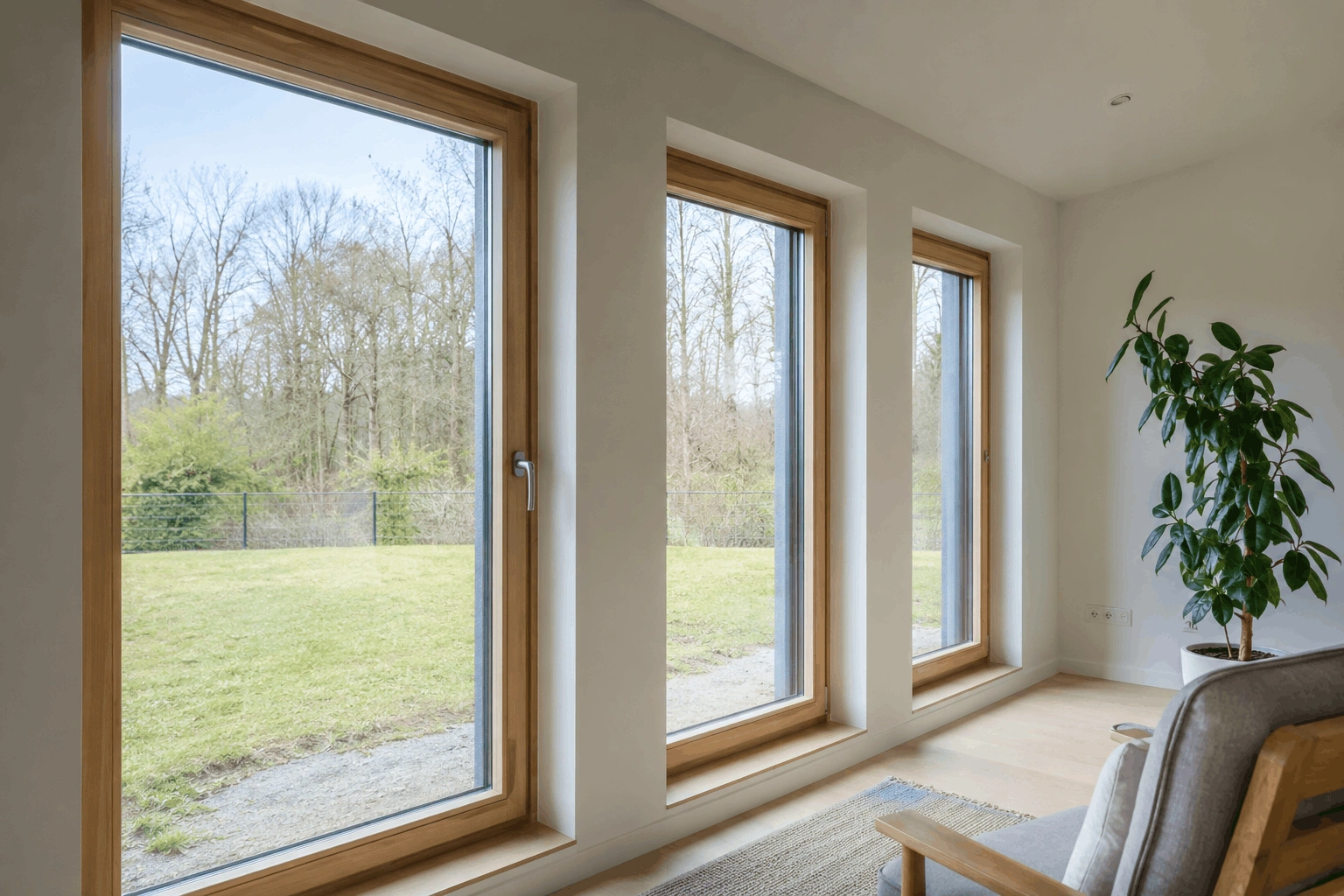
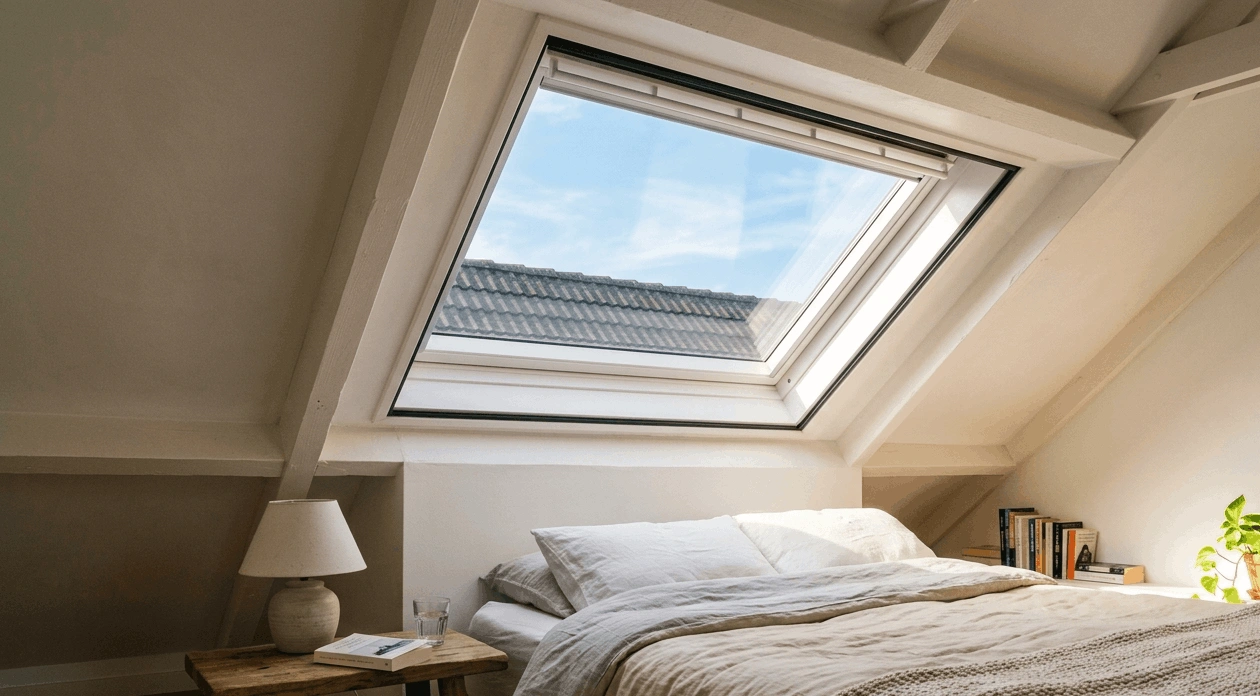
Windows are often the weakest link in the building envelope. Selecting windows with inadequate thermal performance, incorrect solar heat gain characteristics or poor airtightness undermines the entire building envelope. Triple-glazed windows with insulated frames have become standard for most passive house designs, providing the necessary thermal resistance.
Orientation and sizing mistakes can also create overheating or insufficient passive solar gains. Large north-facing windows contribute to winter heating, while excessive windows without adequate shading can cause summer overheating problems. Passive house builders in Australia use thermal modelling to optimise window sizes and orientations for specific climate zones and building designs.
Shading design requires careful integration with window specifications. Fixed shading elements must block high summer sun while admitting lower winter sun angles. Adjustable shading provides flexibility but requires occupant engagement to function effectively. The relationship between window placement, eave depths and external shading devices should be considered in the initial design phase all the way to construction.
Not planning for local climate
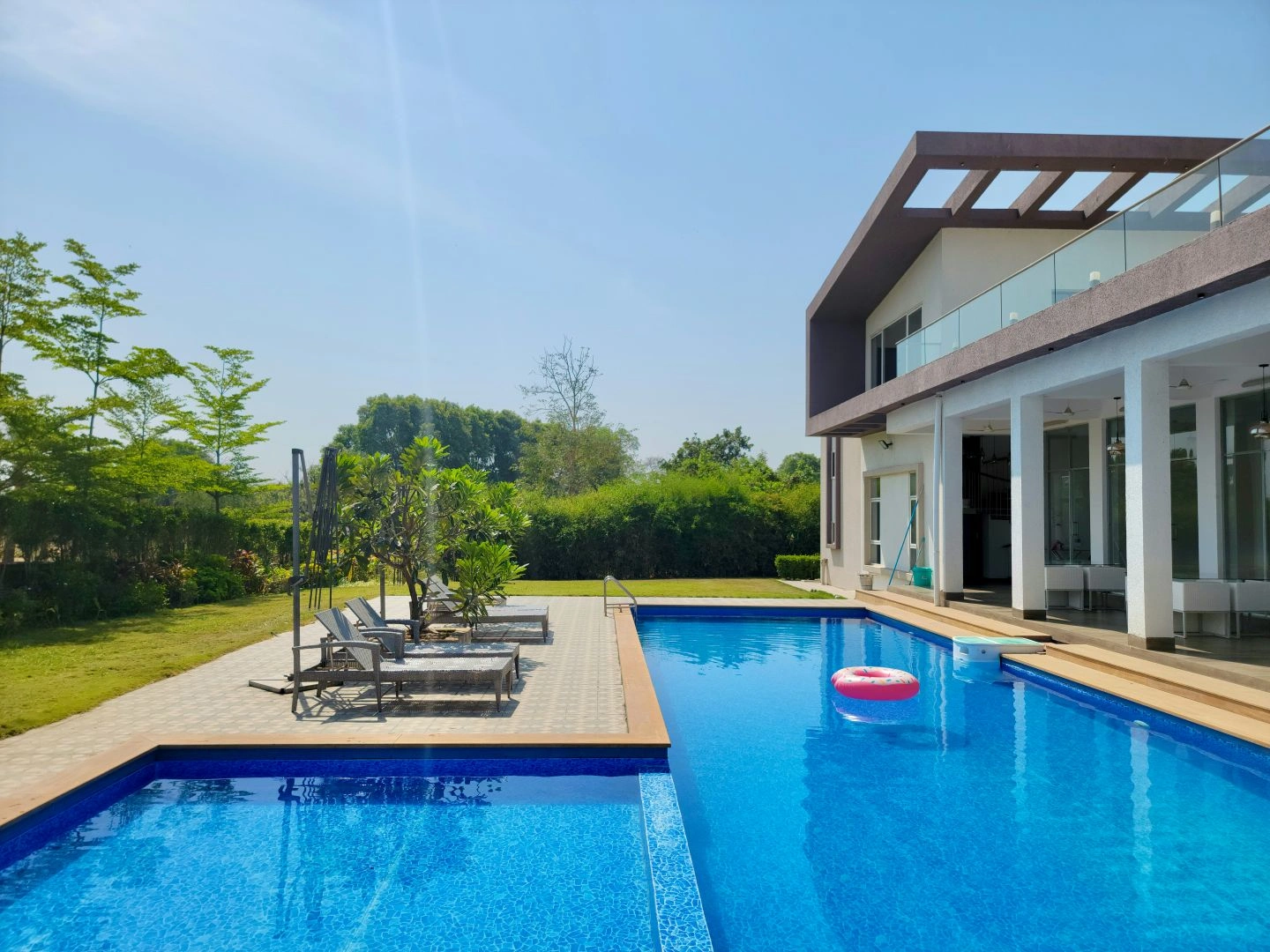
Passive house principles are global, but their application is local. Designs that ignore climate conditions often struggle to perform. High-humidity regions need enhanced moisture management strategies. Areas with intense solar radiation require robust shading solutions. Locations with mild winters but hot summers may prioritise cooling overheating.
Working with passive house designers in Australia ensures that international standards are adapted appropriately for Australian conditions.
Working with the wrong team
Passive house design requires specific expertise. A lack of experience among designers or builders increases risk.
Choosing professionals with proven experience in passive house projects in the Australian context will improve the outcome. Clear communication between all team members ensures that design intent is delivered on site.
The right team approach supports cost control, performance and long-term comfort.
Frequently Asked Questions
Some issues can be improved, but many passive house elements are difficult to change once built. Early planning and correct detailing are the most effective ways to avoid costly corrections.
It requires more upfront coordination and attention to detail. Over time, this approach simplifies operation and reduces energy use, which benefits occupants.
Yes. Working with experienced passive house builders improves construction quality and helps ensure that performance targets are achieved.