How passive houses contribute to climate resilience
As climate change continues to bring more extreme weather, the way we design and build homes is gaining more attention. With extreme weather events becoming more frequent, homes built to the passive house design standard offer a way to stay comfortable, reduce energy use and strengthen climate resilience. These homes are not only energy efficient but also more comfortable and resilient in the face of rising temperatures, stronger storms and increasing energy costs.
In Australia, the interest in passive house design has grown steadily, with many people now exploring what it means for sustainable living and climate resilience. Whether you are considering designing a passive house from scratch or working with passive house builders in Australia, this approach can help future-proof your home.
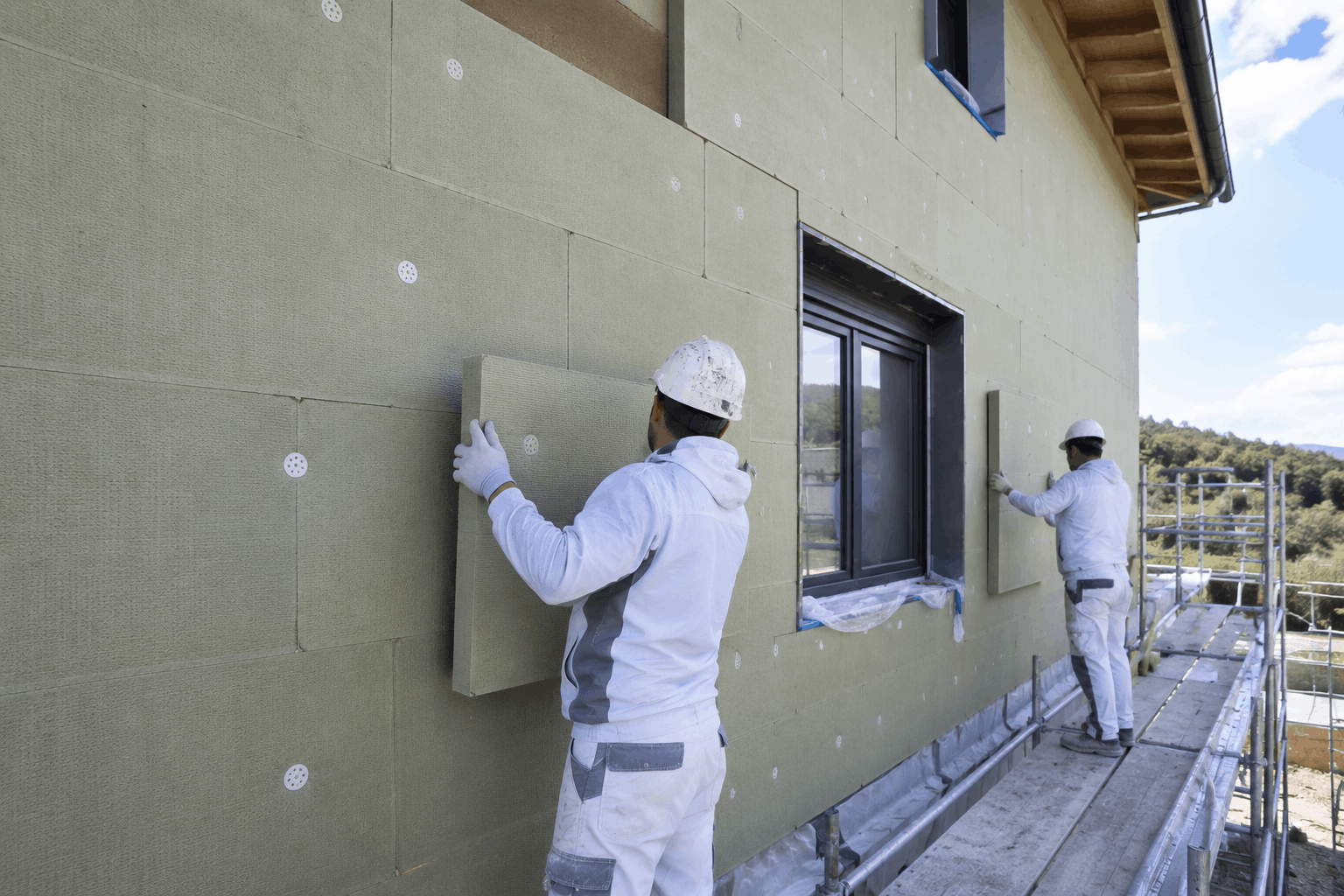
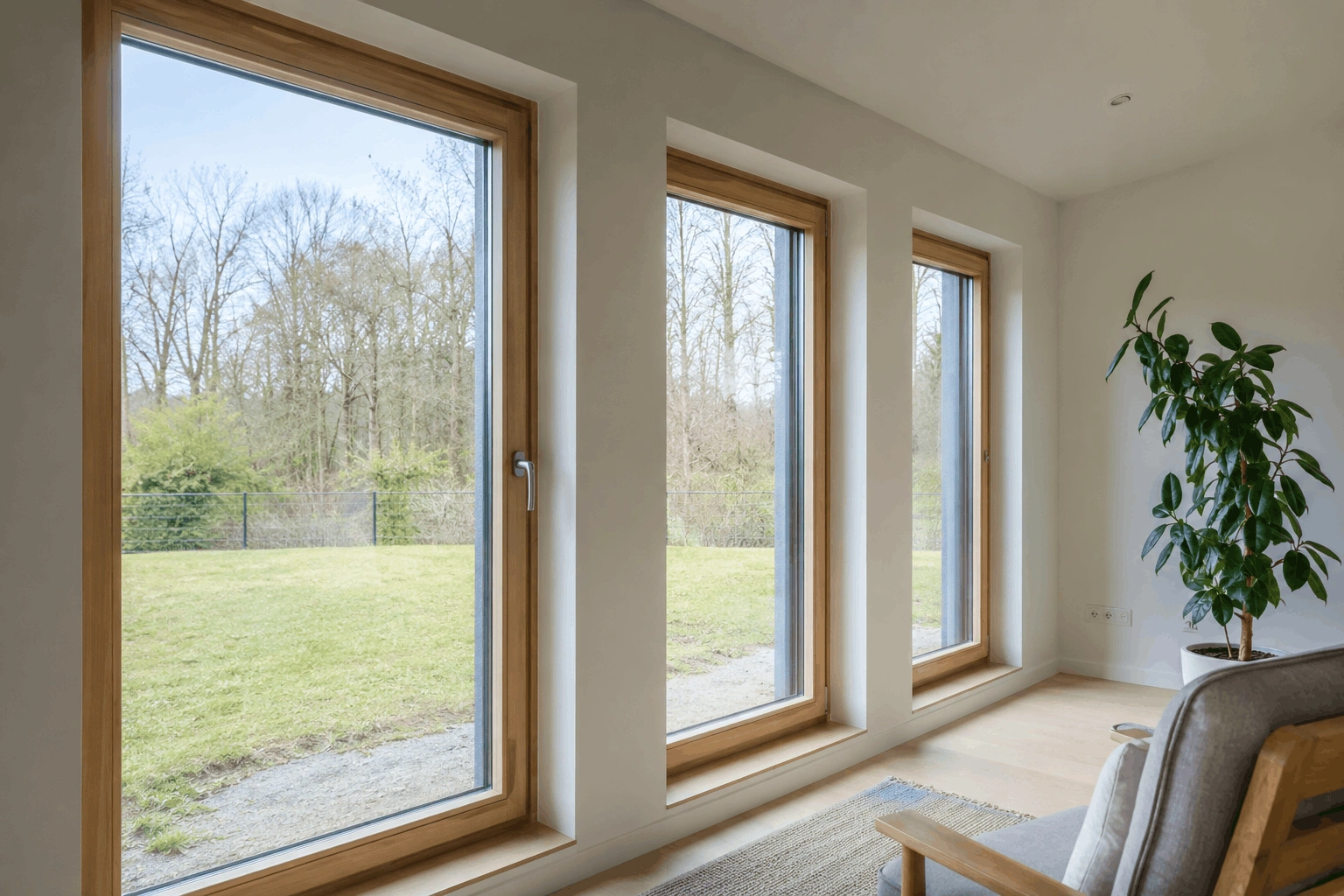
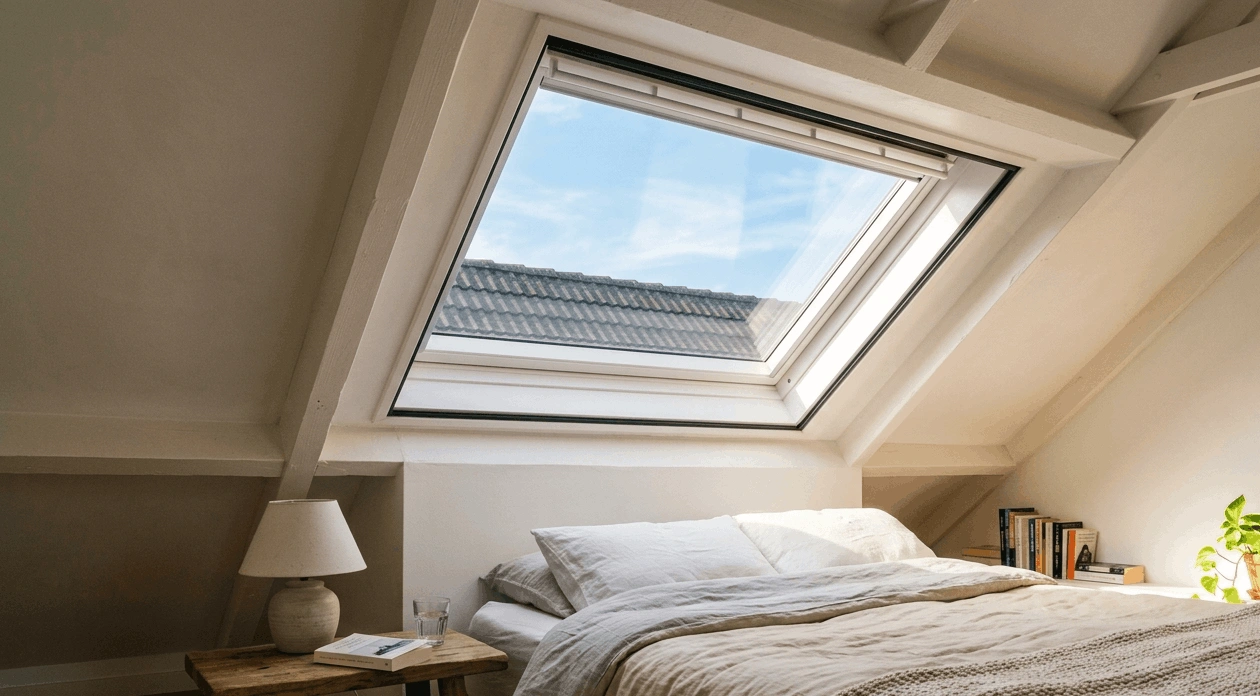
A passive house is achieved through a combination of highly insulated envelopes, airtight construction, high-performance windows and a ventilation system with heat recovery. The core principle is to dramatically reduce the energy needed for thermal comfort, making homes inherently more resilient to climate extremes and energy price volatility.
Passive house principles and climate resilience in Australia
Climate change is increasing the frequency and intensity of extreme weather events in Australia, from heatwaves to bushfires, floods and severe storms. Homes built to the passive house design standard are well equipped to handle these challenges while keeping occupants safe, comfortable and energy-efficient. By combining airtight construction, high-quality insulation, ventilation systems and smart design principles, passive house builders in Australia create homes that respond directly to climate risks.
Energy efficiency
A core principle of passive design houses is minimising energy use. Smart insulation and airtight construction dramatically reduce the energy needed for heating and cooling. During heatwaves or cold snaps, indoor temperatures remain stable without relying on excessive air conditioning or heating, protecting households from rising energy costs and potential blackouts.
Solar integration and energy self-sufficiency
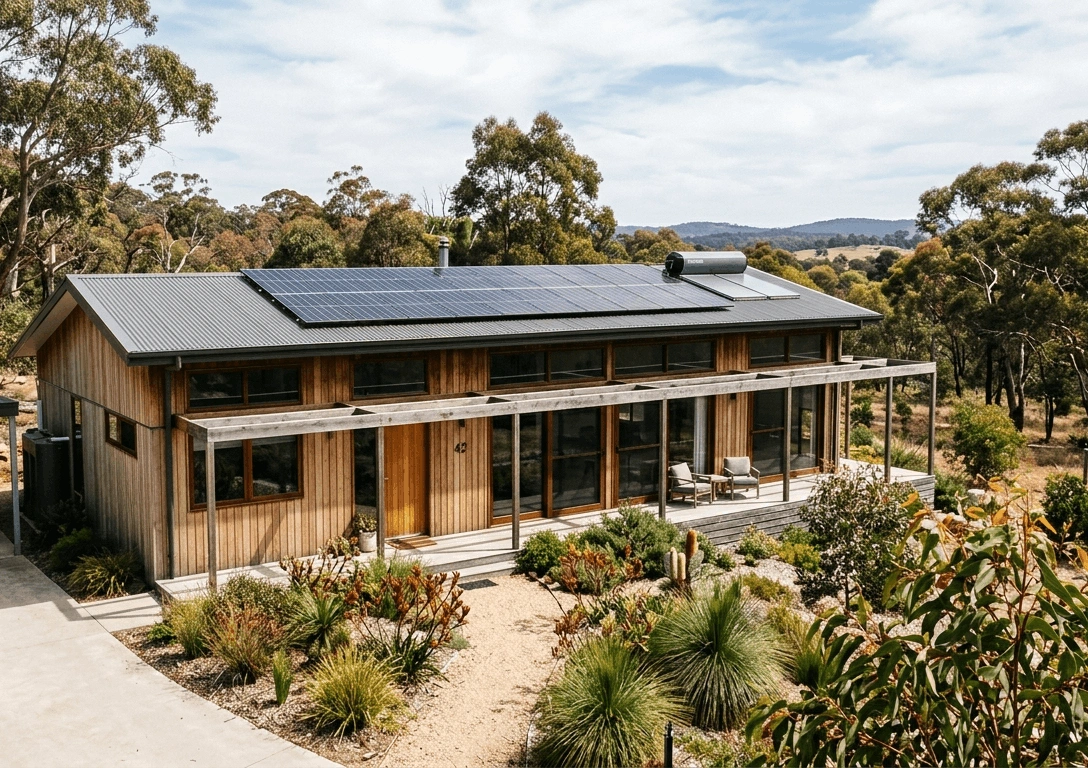
Combining passive house principles with solar systems enhances climate resilience. Rooftop solar panels or solar hot water systems reduce reliance on the grid and lower greenhouse gas emissions. In extreme weather events or temporary power outages, homes remain operational, comfortable and energy efficient. This integration maximises self-sufficiency while reinforcing the environmental benefits of passive building design.
Additionally, passive home building can be so energy-efficient that a relatively small solar array and battery can often meet its entire electricity needs. This means the house can operate off-grid during a blackout, keeping lights, essential appliances and the critical ventilation system running. This self-sufficiency provides a significant layer of security and comfort, further highlighting the home as climate-resilient.
Comfort and health
Consistent indoor temperatures and filtered air contribute to a healthier living environment. During bushfires, for example, mechanical ventilation with heat recovery and high-performance filters help protect residents from smoke, while passive home building principles maintain comfort even in extreme heat or cold.
In addition, improved air quality supports respiratory health, and the quiet, well-sealed design minimises external noise, making homes more comfortable and conducive to wellbeing in all weather conditions.
Flood, storm and structural resilience
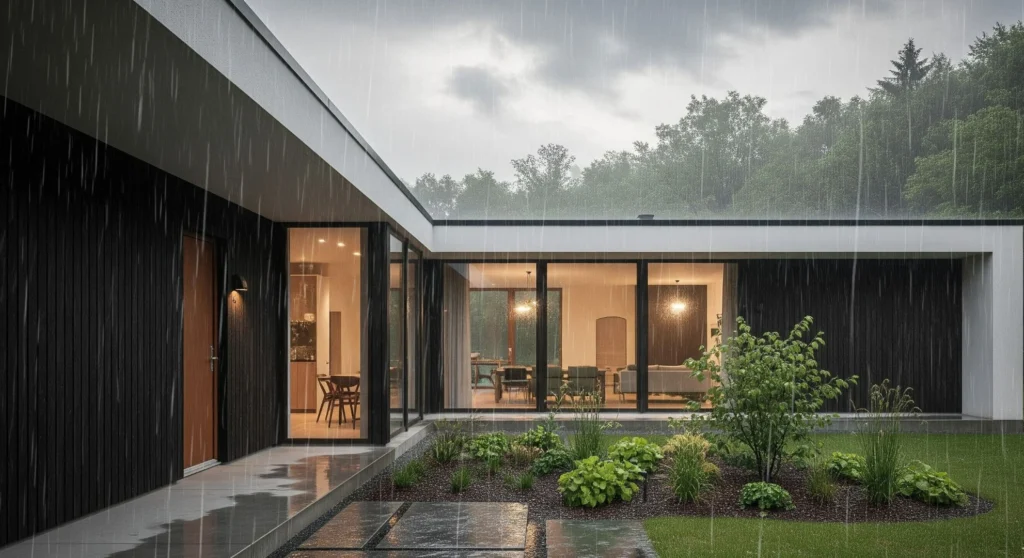
Although primarily focused on thermal performance, passive house designs indirectly improve resilience to storms, heavy rain and wind. Robust building envelopes, tight joints and moisture-resistant materials reduce water ingress, structural stress and mould growth. This attention to construction quality makes homes more durable and better able to withstand climate extremes over time.
Durability
Durability is central to passive house design in Australia. High-quality materials and airtight construction protect against moisture damage, mould and long-term structural wear. Homes built to these standards are better equipped to handle both everyday weather and extreme events, extending the life of the property and reducing maintenance needs.
In addition, careful attention to construction detail, such as reinforced joints, weather-resistant cladding and proper drainage, further enhances structural integrity. This means passive home building not only safeguards the home against climate-related stresses but also ensures long-term reliability, making it a sound investment for homeowners.
Reduced carbon footprint
Beyond direct climate resilience, passive home designs help mitigate climate change by drastically reducing operational energy use. Many passive house builders also prioritise sustainable, low-carbon materials, supporting a transition to a more environmentally responsible built environment.
By integrating energy efficiency, comfort, durability and solar energy systems, passive house builders in Australia create homes that are safer, more resilient and future-ready. For homeowners, adopting these principles means living in a house that not only withstands Australia’s climate extremes but also contributes to a more sustainable, low-carbon future.
Behavioural benefits
Living in a passive design house naturally encourages energy-conscious habits. The home’s high insulation, airtight construction and mechanical ventilation maintain comfortable indoor temperatures with minimal reliance on heating or cooling.
This allows occupants to become more aware of their energy consumption and make informed choices about electricity use. Over time, residents often adopt sustainable behaviours such as turning off appliances when not needed and relying on daylight rather than artificial lighting.
By promoting energy-efficient lifestyles, passive home building not only reduces household emissions but also reinforces long-term sustainability and climate-conscious living.