The role of passive house principles in multi-family housing

The way we live is changing. Recent data from the Australian Bureau of Statistics reveals that average household size is rising, driven by a 22% increase in multigenerational households since 2016, reaching 335,000.
Many of these households comprise adult children in their twenties living with their parents.
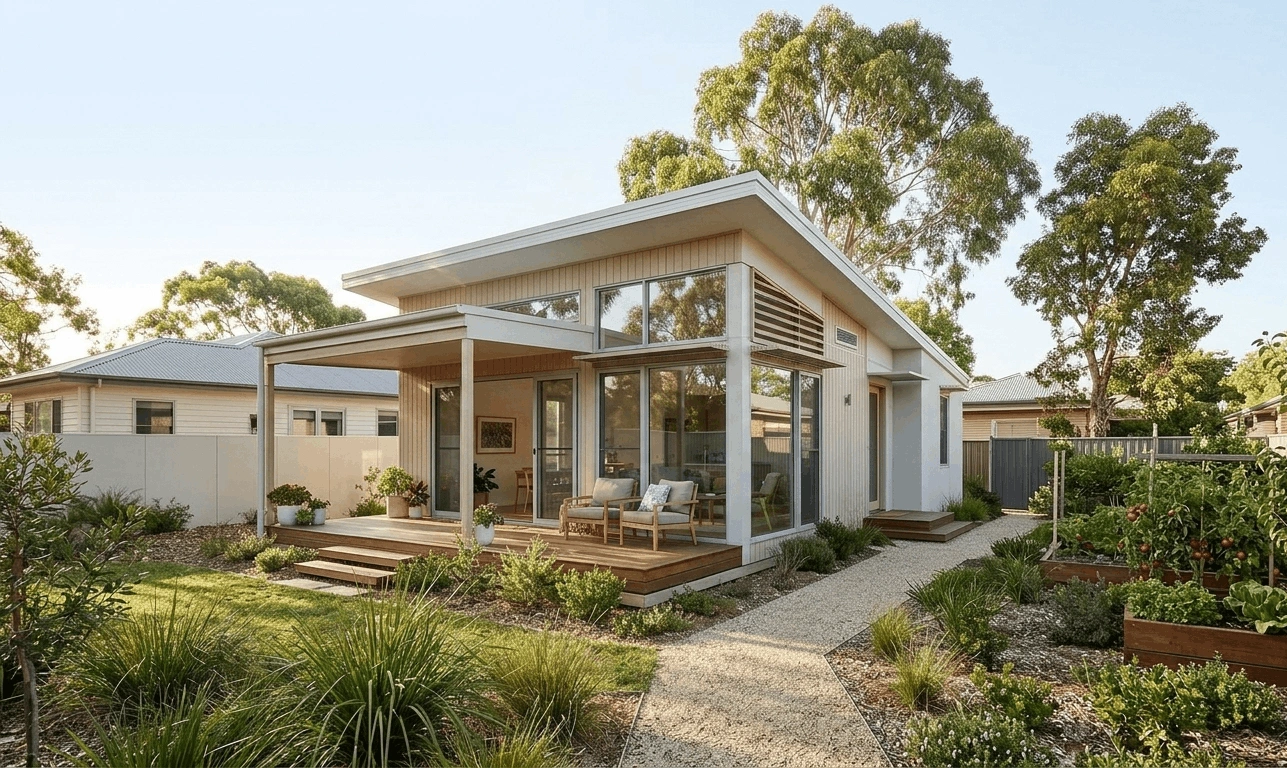
This trend towards larger, shared living arrangements is reshaping how architects and builders think about future housing. One option could be a passive house design – a solution that addresses the unique needs of multi-family or multigenerational living whilst delivering exceptional energy efficiency and comfort.
The passive house standard is a performance-based system that drastically reduces the energy demand for heating and cooling. Importantly for multi-family projects, this can translate to significantly lower operational costs and a vastly improved living environment for numerous residents. While the concept originated in Germany, passive houses in Australia are seeing rapid growth, with architects, developers and homeowners recognising its long-term value.
Why multi-family housing suits the passive house approach
Space and the building envelope
Designing a passive house begins with understanding how buildings lose and gain heat. By creating a continuous thermal envelope, passive building design minimises unwanted heat transfer, keeping homes cooler in summer and warmer in winter without excessive reliance on heating or cooling systems.
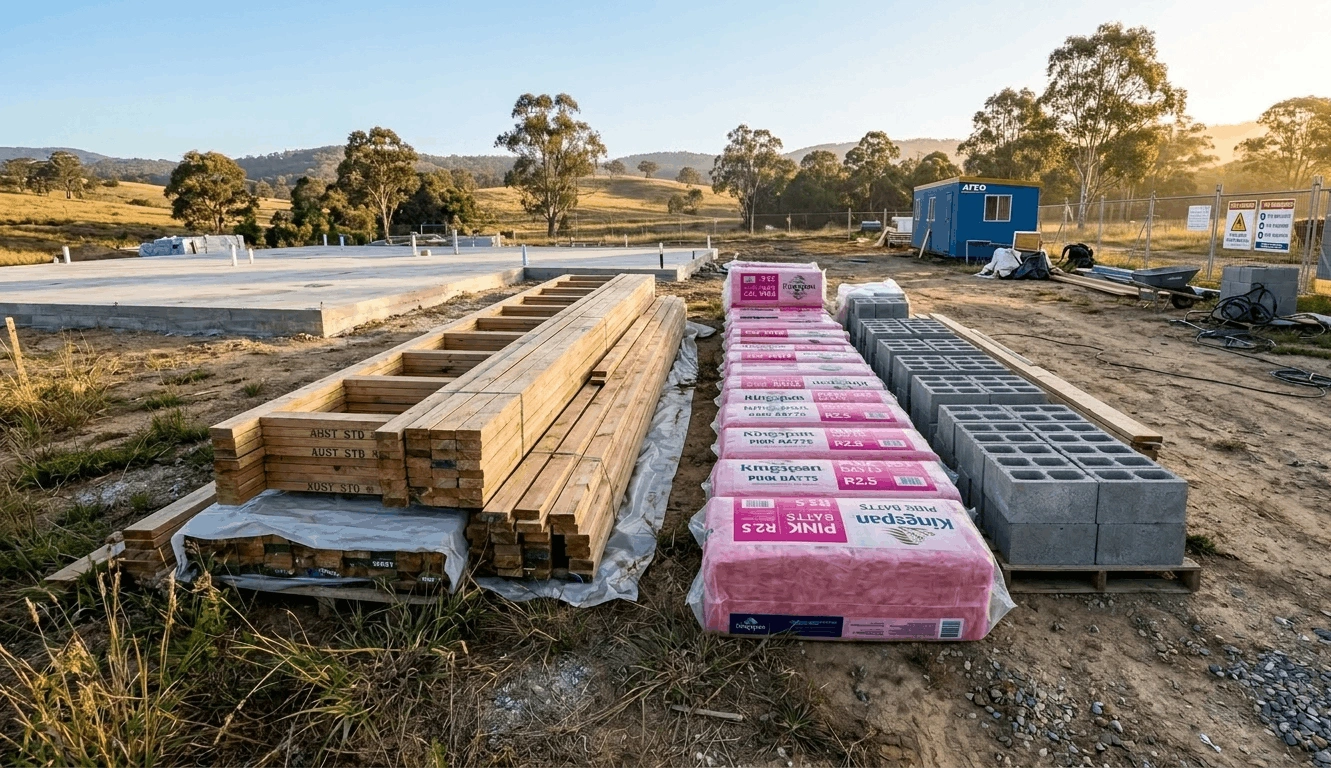
The methodology relies on five core principles: exceptional insulation, airtight construction, high-performance windows, thermal bridge-free design and mechanical ventilation with heat recovery.
Multi-family and multigenerational homes naturally use space more efficiently. They often share walls, floors and ceilings, which makes them perfect candidates for passive house design principles. Because heat loss and gain occur mainly through a building’s envelope, shared walls mean fewer external surfaces to insulate and seal. This allows for lower energy demand per household and greater comfort for everyone inside.
Energy demands
With more people under one roof, energy consumption typically increases – more lights running, more appliances operating and more hot water being used means energy costs can quickly add up.
A passive design house significantly reduces this burden. Certified passive houses typically use up to 90% less energy for heating and cooling compared to conventional homes. That’s because the design prevents heat from escaping in winter and blocks unwanted heat in summer.
The shared heating, cooling and ventilation systems in multi-family dwellings can further reduce operational costs. For homeowners or residents, this translates into long-term value and lower running expenses – making multi-family passive house designs not only sustainable but economically smart.
Comfort
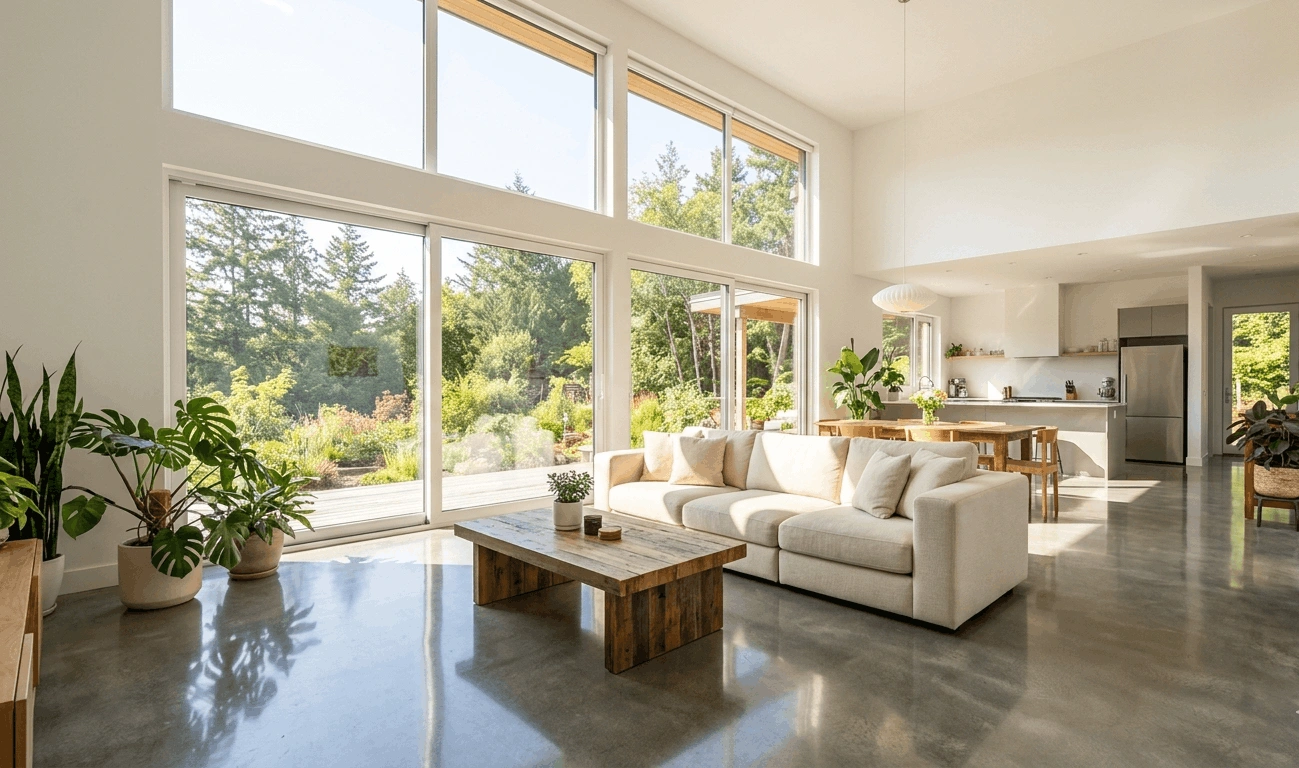
The mechanical ventilation system ensures fresh air throughout the home, crucial when multiple people are sharing spaces. The ventilation system filters outdoor pollutants, creating healthier indoor air quality – particularly important in urban areas where multi-family housing is common.
For families with elderly members or young children, the consistent temperatures achieved through passive home building can also eliminate cold draughts and damp spots that can affect health.
The mechanical ventilation system can be configured to serve different zones with individual controls, allowing family members to adjust fresh air supply to their areas without affecting the whole house.
Acoustics
When multiple family units or generations share a home, noise can be a concern. Fortunately, in a passive house in Australia, the heavy insulation required for thermal performance also provides excellent sound insulation. This can help minimise noise across rooms.
Additionally, because passive home builders use high-performance insulation, airtight construction and triple-glazed windows, external noise from traffic or neighbours is significantly reduced.
Planning for the future
On top of the already growing multigenerational living sector, Australia’s household sizes are projected to grow even further. The number of families is projected to increase from 7.2 million in 2021 to between 9.5 and 9.7 million by 2046, according to the ABS. This growth will include more diverse arrangements – from couples with and without children to one-parent and multigenerational households sharing space.
As more people live together under one roof, the need for energy-efficient, healthy and adaptable housing will only increase. Multi-family passive house designs in Australia are well placed to meet this demand. They offer lasting value through lower operating costs, enhanced comfort and superior building performance.
For investors, developers and homeowners, adopting passive house design in Australia today could be a sound long-term investment.
Frequently Asked Questions
Absolutely. Passive house designs work well for apartments and townhouses, often with advantages over detached homes. Shared walls between units actually reduce the exposed surface area, making it easier to achieve the airtightness and thermal performance standards. Design for multi-unit developments also benefits from economies of scale, as passive house builders in Australia can spread costs across multiple dwellings.
Initially, a passive building design can have a higher upfront capital cost – typically in the range of 5% to 15% more than conventional construction – due to the need for higher-quality components like specialised windows and detailed construction methods to ensure airtightness. However, this extra cost can be somewhat offset by the elimination or downscaling of conventional heating and cooling systems. More importantly, the long-term operational savings are significant.
Yes, it is possible to retrofit existing buildings to a high-efficiency standard, often referred to as EnerPHit, which is the retrofit-specific version of the passive house standard. This process involves externally insulating the existing walls, upgrading windows, improving airtightness and installing a balanced ventilation system. While it is more challenging than new construction, an EnerPHit retrofit improves the energy performance and comfort of older, poorly performing homes.