The relationship between passive houses and biophilic design
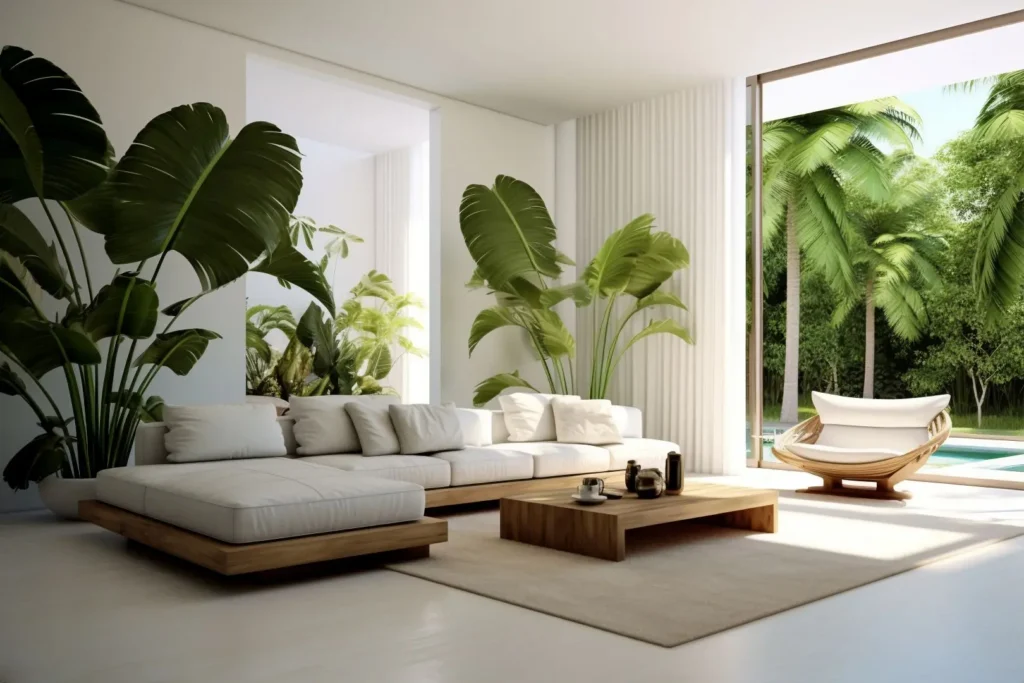
In the world of sustainable architecture, we often treat technical performance and aesthetic beauty as separate goals. However, as we look at the most successful passive house designs, a new partnership is emerging.
Biophilic design – the practice of connecting building occupants more closely to nature – is becoming a vital partner to the rigorous standards of passive house design. When you are designing a passive house, integrating natural elements does more than just look good. It improves the health, happiness and comfort of everyone inside.
What are biophilic design principles?
Biophilic design is based on the idea that humans have an innate connection to nature. In buildings, this is expressed through access to daylight, views of greenery, natural materials, airflow, textures and spatial variety. The aim is to improve wellbeing by reducing stress, supporting mental health and encouraging a sense of calm.
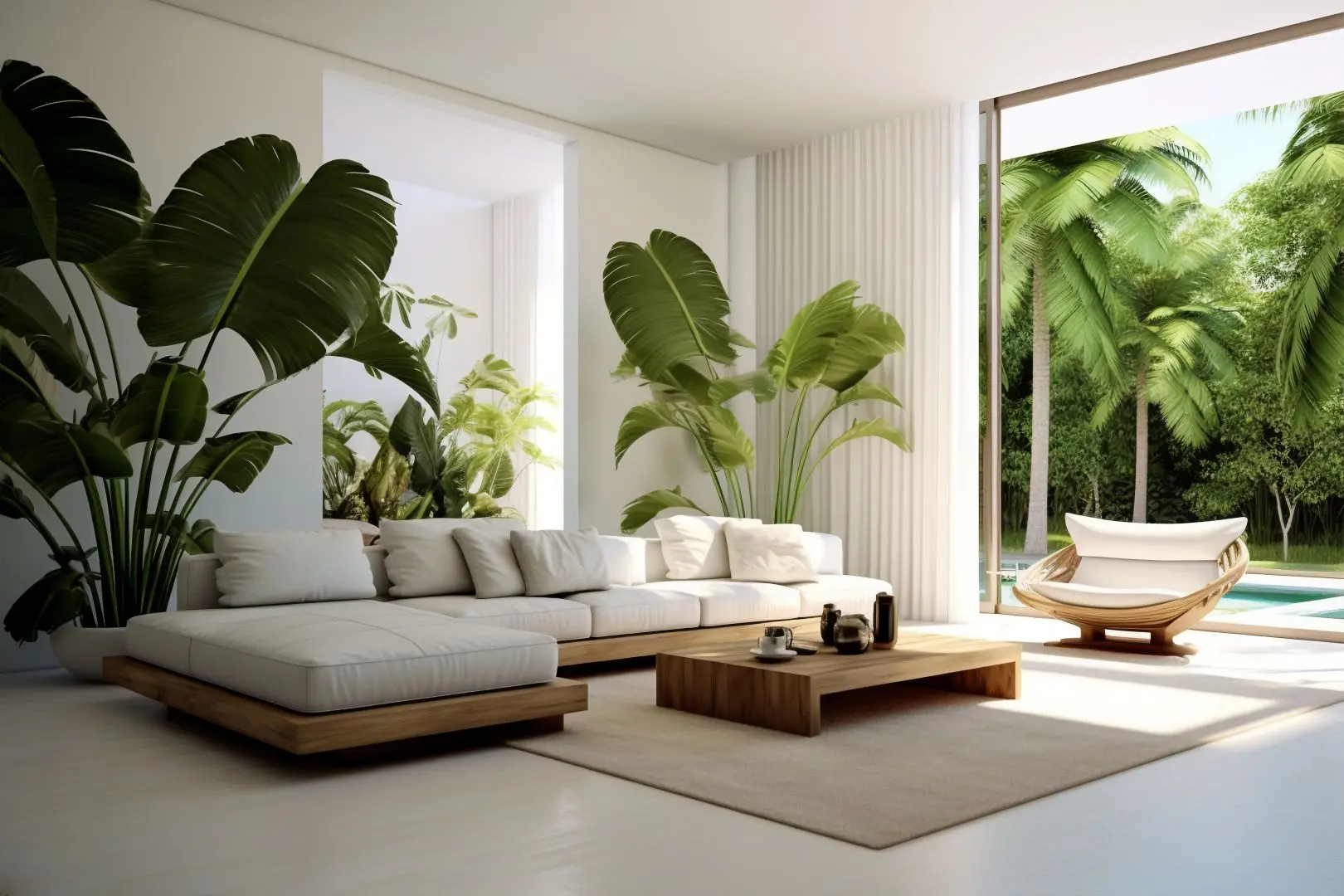
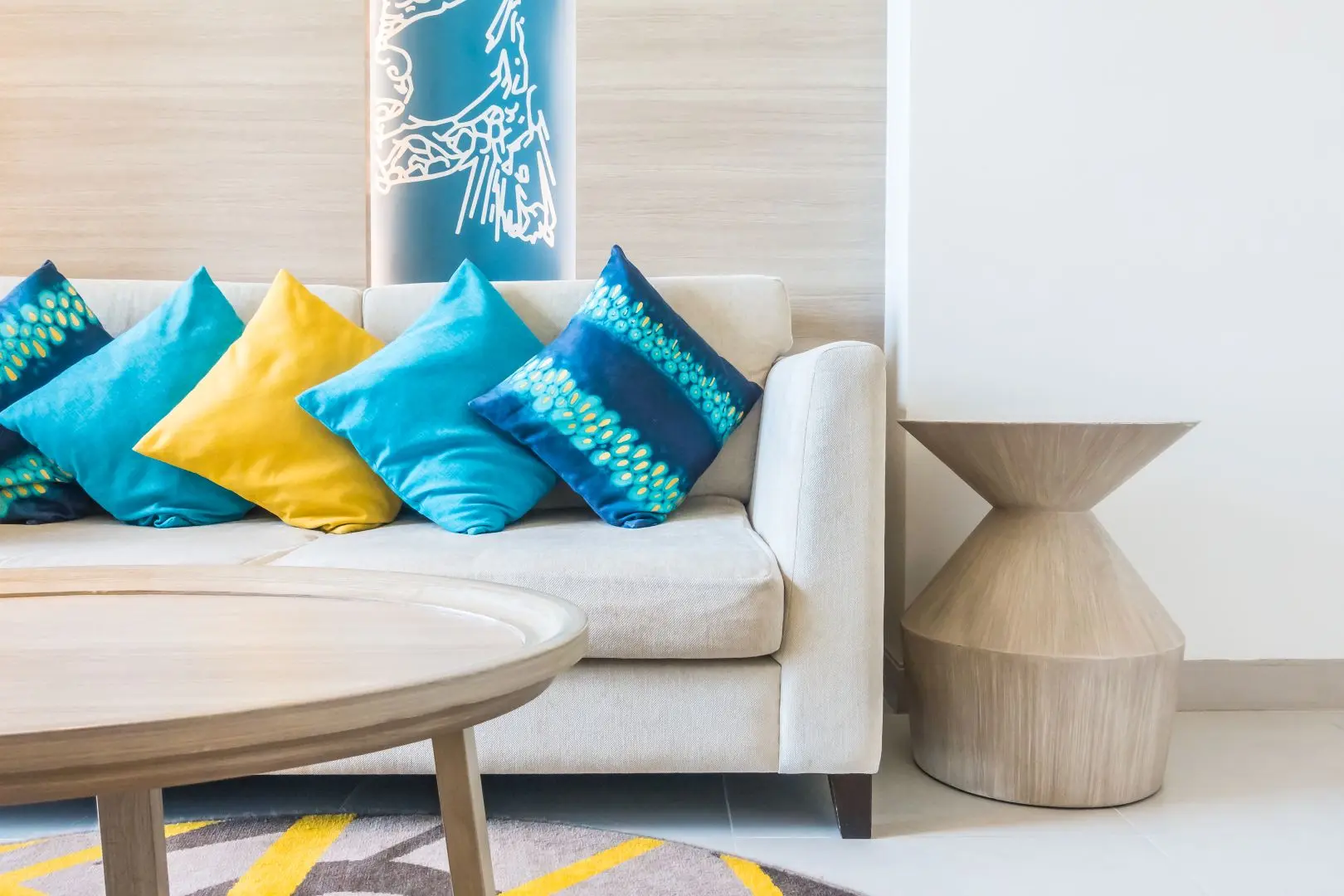
In homes, biophilic design might include strong connections between indoors and outdoors, natural light that changes throughout the day, timber finishes, internal courtyards or carefully framed views of gardens and landscapes.
These ideas fit naturally with passive house design, which already prioritises careful orientation, daylight control and long-term comfort.
Daylight and views as a design driver
Daylight is central to both approaches. Passive houses use precise window placement and glazing performance to balance light, heat and comfort. Biophilic design uses daylight to support circadian rhythms and emotional well-being.
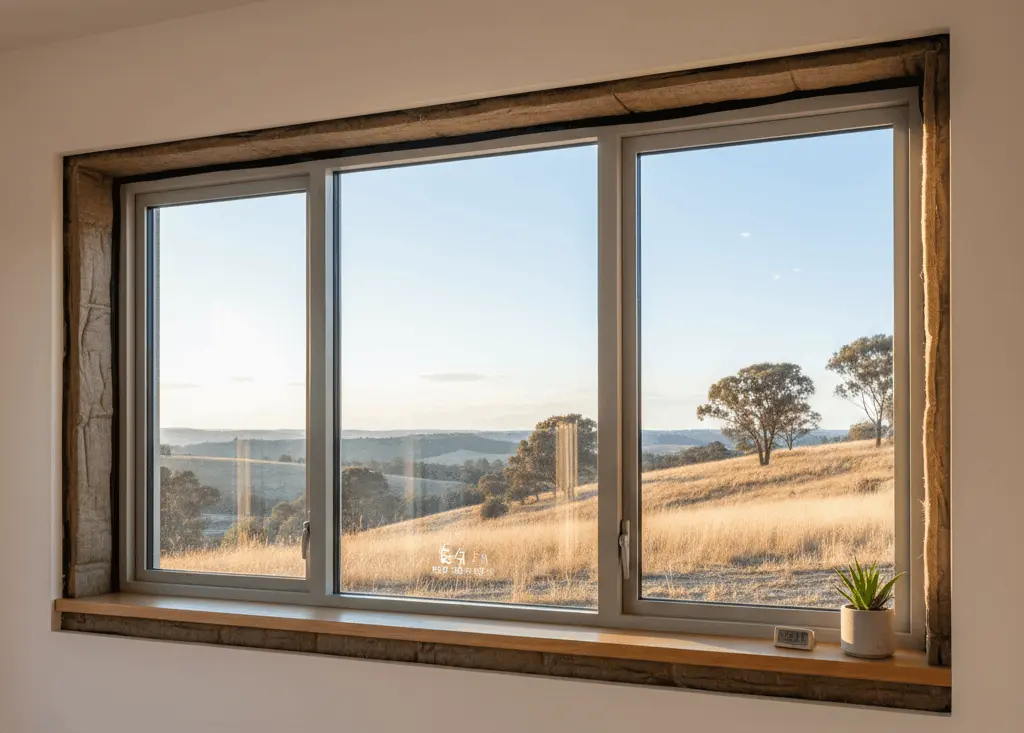
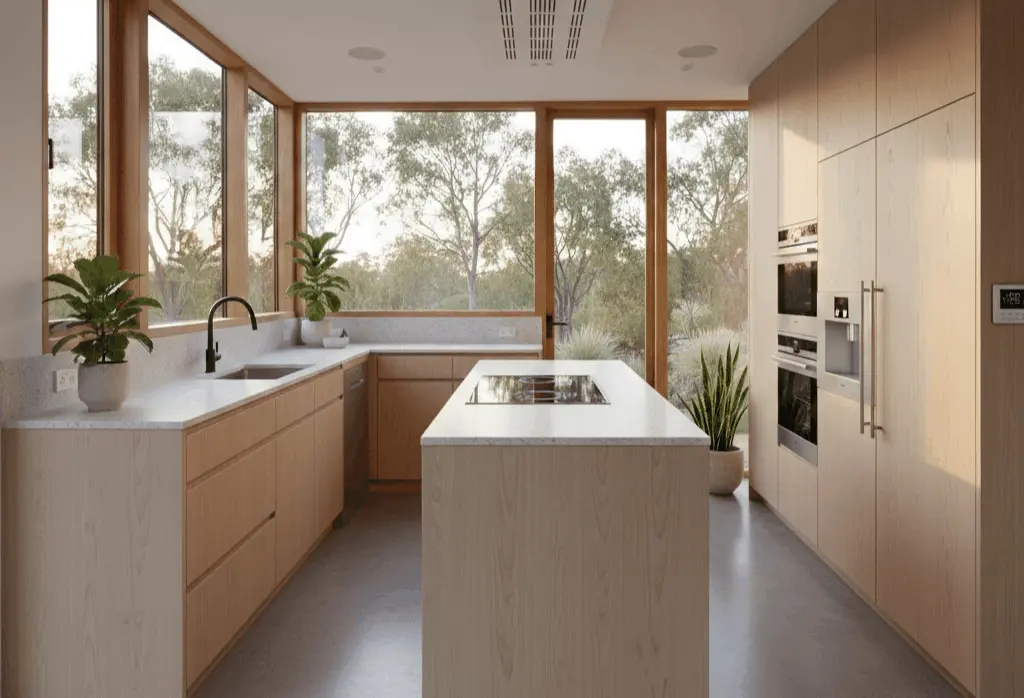
In passive houses in Australia, windows are often designed to frame specific views rather than maximise glass everywhere. This aligns well with biophilic thinking, which values the quality of views over quantity.
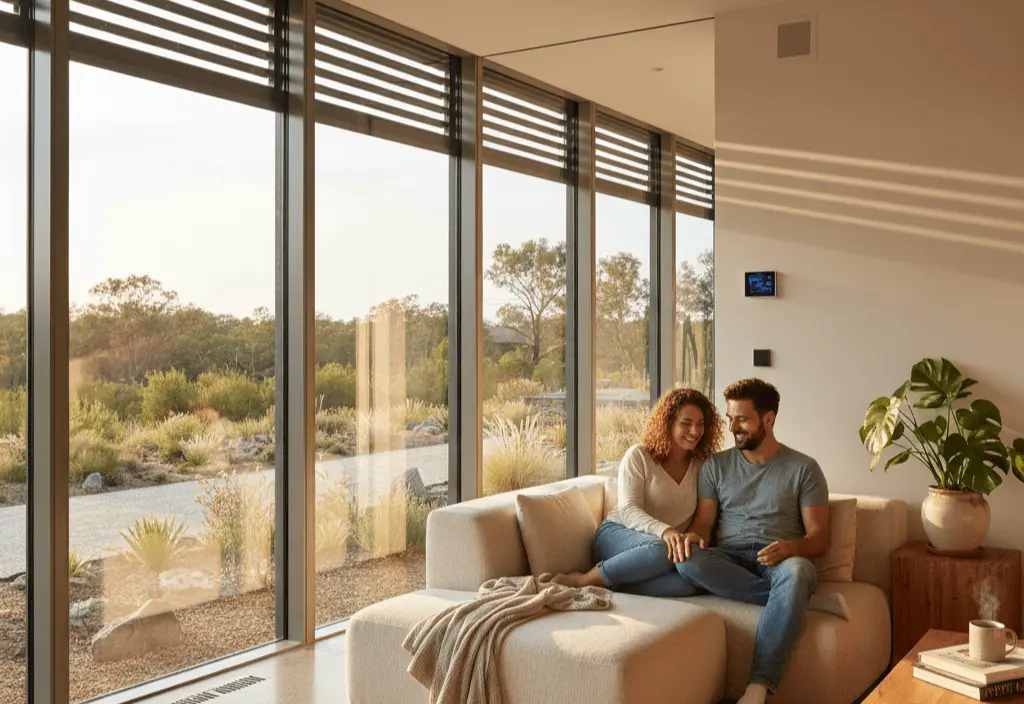
Large north-facing windows in passive houses in Australia capture winter sun for heating while flooding interiors with natural light that supports circadian rhythms and psychological wellbeing. The high-performance triple-glazed windows required for passive house certification provide superior clarity compared to older double glazing, enhancing visual connections to outdoor environments.
Strategic window placement in passive houses can frame specific views – a garden focal point, established trees or distant landscape features. These carefully considered views satisfy both thermal performance goals and biophilic design principles, bringing nature into daily experience even when occupants remain indoors.
Material selection and sensory comfort
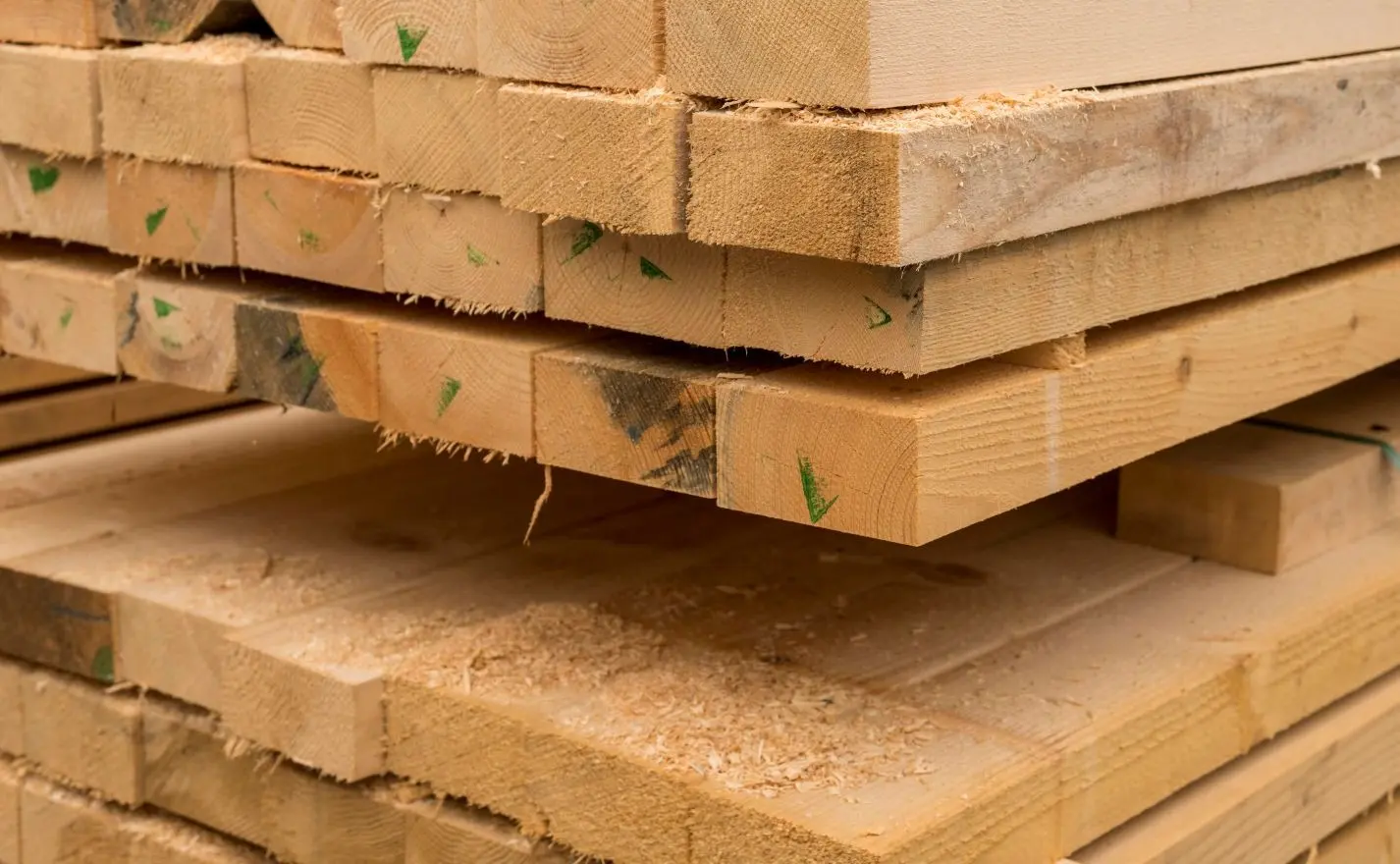
Biophilic design often favours materials such as timber, stone and natural fibres. These materials introduce texture, warmth and sensory variation. In passive home building, material choices are driven by durability, low emissions and long-term performance.
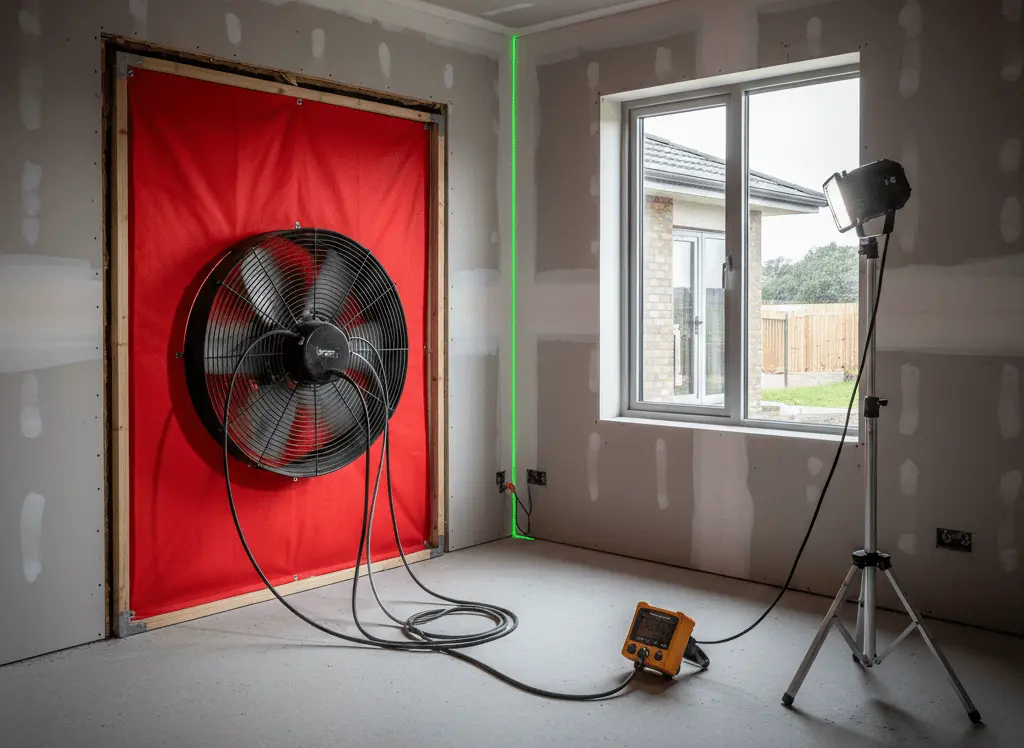
These goals can work together. Timber structures, internal linings and joinery are commonly used in passive houses and contribute to both low embodied carbon and a natural aesthetic. The airtight construction envelope required for passive houses in Australia also protects natural materials from moisture damage, extending their lifespan and maintaining their aesthetic qualities.
Indoor air quality and wellbeing
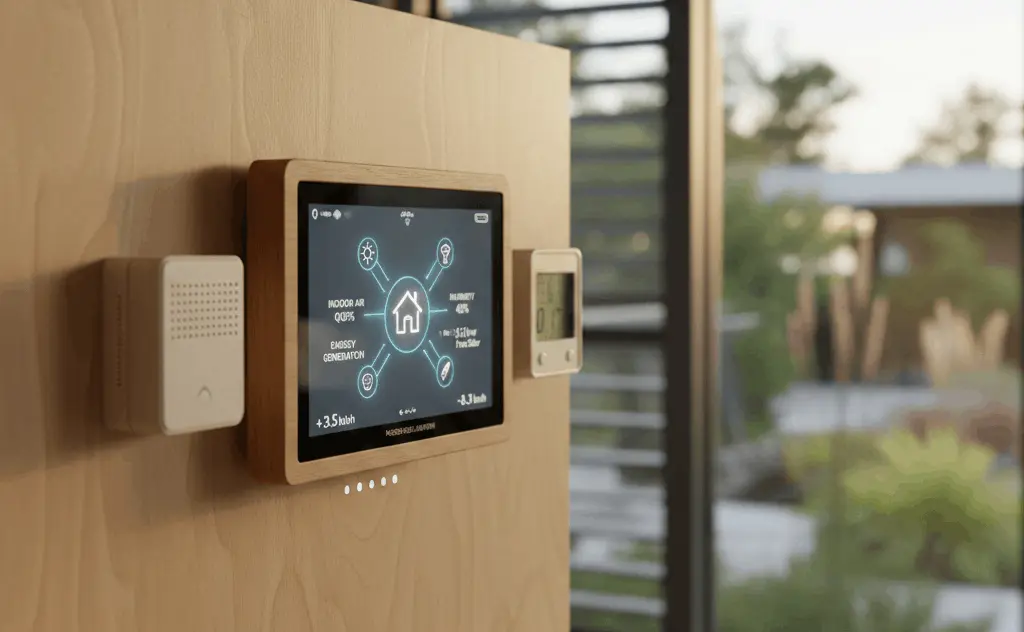
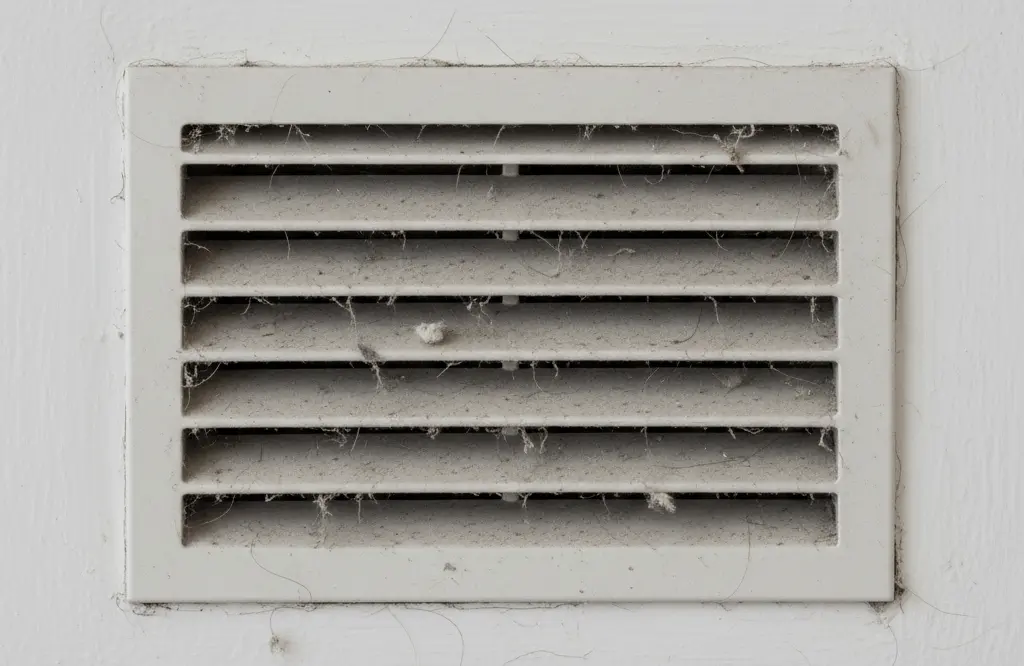
One of the most important overlaps between the two approaches is indoor air quality. Passive houses use mechanical ventilation with heat recovery to provide continuous fresh, filtered air. This supports physical health and comfort throughout the year.
Biophilic design values clean air as part of a healthy environment, especially when combined with indoor plants and natural finishes. In a passive house, plants can be included without compromising air quality, as the ventilation system manages humidity and air movement effectively.
This combination supports spaces that feel fresh, calm and comfortable, even in urban environments.
Connection to outdoor spaces
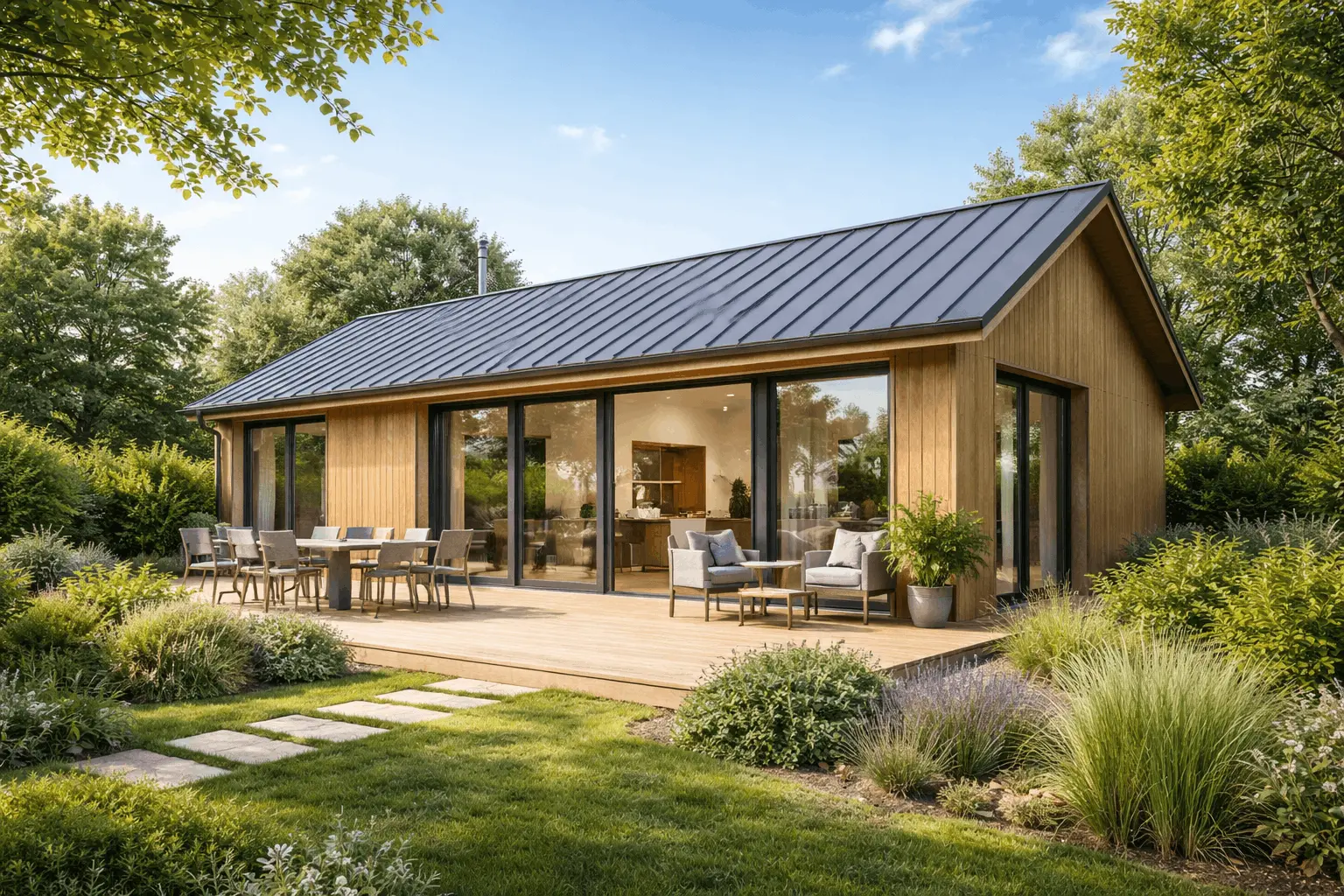
Biophilic design encourages seamless transitions between indoor and outdoor spaces. Courtyards, balconies, gardens and verandas become extensions of living areas, supporting daily contact with nature.
In passive building design, these connections are carefully detailed to maintain airtightness and thermal performance. Well-designed thresholds, high-performance doors and thoughtful layouts allow occupants to enjoy outdoor spaces without affecting energy efficiency.
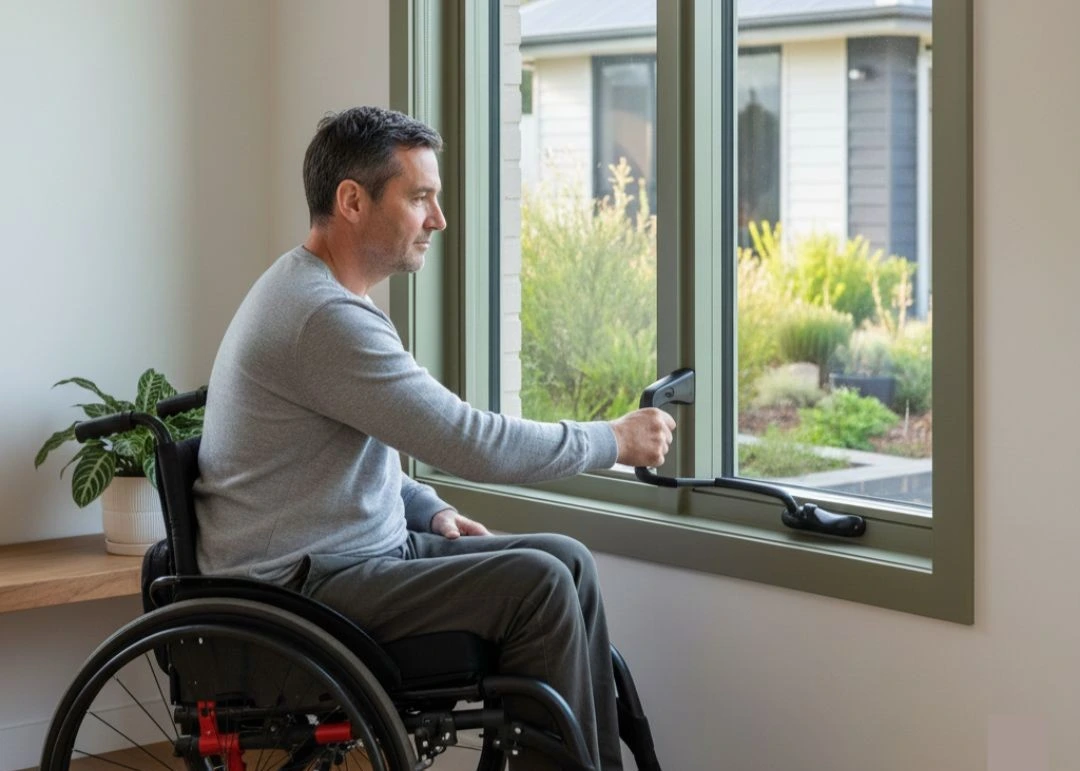
A common myth is that windows cannot be opened in a passive house. In reality, windows can be opened whenever external conditions are comfortable. Passive house design means that opening windows is a choice rather than a requirement for ventilation or temperature control. This supports biophilic principles by allowing residents to enjoy fresh air, natural sounds and a stronger connection to the outdoors while maintaining consistent indoor comfort when windows are closed.
Long-term comfort and emotional resilience
Homes designed around passive house principles offer consistent thermal comfort, low noise levels and predictable performance. These qualities reduce physical stress, lower energy bills and support long-term wellbeing.
Biophilic elements add emotional depth to this comfort. Natural light patterns, views of greenery and tactile materials contribute to spaces that feel restorative. Together, they create homes that support mental well-being as much as physical and financial comfort.
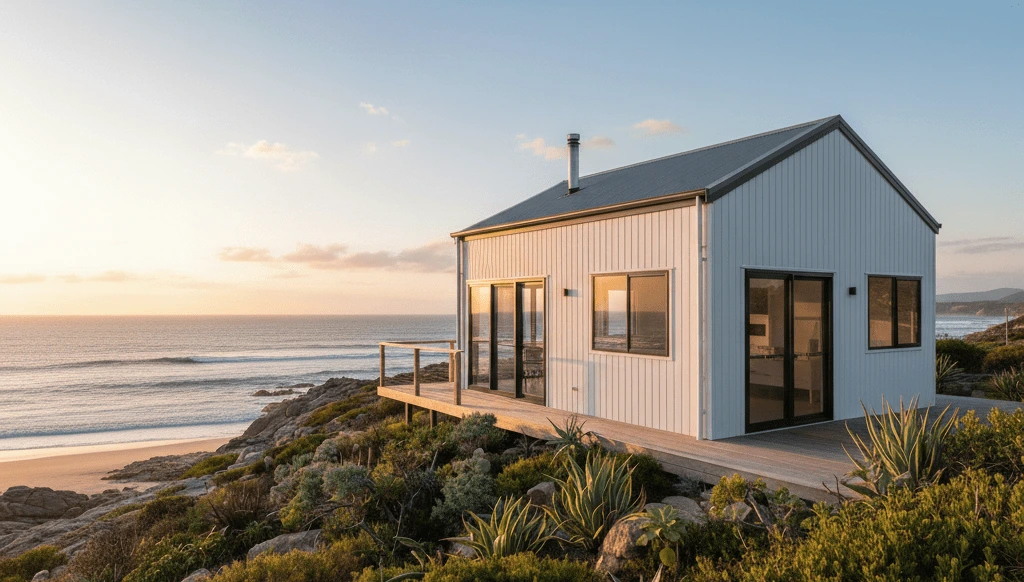
This is one reason a passive house in Australia is increasingly viewed as an investment in quality of life rather than just energy efficiency.
Frequently Asked Questions
Yes. Elements such as natural materials, indoor planting, improved views and lighting adjustments can be introduced without affecting certification if handled carefully, provided airtightness and ventilation performance are maintained.
Indoor plants provide modest air quality benefits, complementing rather than replacing the mechanical ventilation in passive house designs in Australia. Plants absorb carbon dioxide and some volatile organic compounds while adding humidity and visual interest. The continuous mechanical ventilation remains essential for managing overall air quality, controlling humidity and providing fresh air. Passive house designers in Australia often incorporate plants as biophilic elements, recognising both their modest air quality contribution and significant psychological benefits.
No. Airtightness prevents uncontrolled air leakage, not fresh air. Passive houses use continuous mechanical ventilation to supply fresh, filtered air at all times. Windows and doors can still be opened whenever outdoor conditions are pleasant, allowing natural airflow, sounds and connection to nature without compromising comfort or performance.