How to maintain good indoor air quality in a passive house
One of the most valuable benefits of a passive house in Australia is its consistently good indoor air quality.
Unlike conventional homes that rely on leaky construction and uncontrolled natural ventilation, a passive house guarantees a constant supply of fresh, filtered air while simultaneously removing stale, polluted air.
This is achieved through the mechanical ventilation with heat recovery (MVHR) system, which works in conjunction with the building’s airtight envelope. However, the success of this system in maintaining good air quality relies on the homeowner or resident understanding how the system works and following some straightforward maintenance practices.
How does an MVHR system work?
The MVHR system is the core component of air quality management in any passive building design. Because the home is completely airtight, the MVHR ensures the entire volume of air is slowly and continuously refreshed, usually every two to three hours. This is done by:
- Continuous filtration: Incoming fresh air is passed through to remove pollen, dust, external pollution and even smoke particles. The latter is a crucial benefit in regions of Australia prone to bushfires.
- Pollutant removal: The system continuously extracts air containing moisture, carbon dioxide and volatile organic compounds (VOCs) from wet areas like kitchens, bathrooms and laundries.
- No draughts: The system works quietly and gently, ensuring air is exchanged without creating draughts or wasting energy.
Essential maintenance steps for your MVHR system
Even the most meticulous passive house design relies on simple homeowner maintenance to keep the air clean and fresh.
Check your filters regularly
The most critical maintenance task for preserving air quality is regular filter replacement. The filters in your ventilation system trap airborne particles before they enter your living spaces. Over time, these filters become loaded with dust and debris, reducing their effectiveness and restricting airflow.
Filters should typically be checked every three months and changed every six to twelve months, depending on the air quality of your location (urban versus rural) and the recommendations of your passive home builder.
Mark filter replacement dates in your calendar and keep spare filters on hand. When changing filters, note whether they appear particularly dirty – this might indicate you need to replace them more frequently. Your passive home builder should provide clear instructions on accessing and replacing filters during your home handover.
Clean your vents and grilles
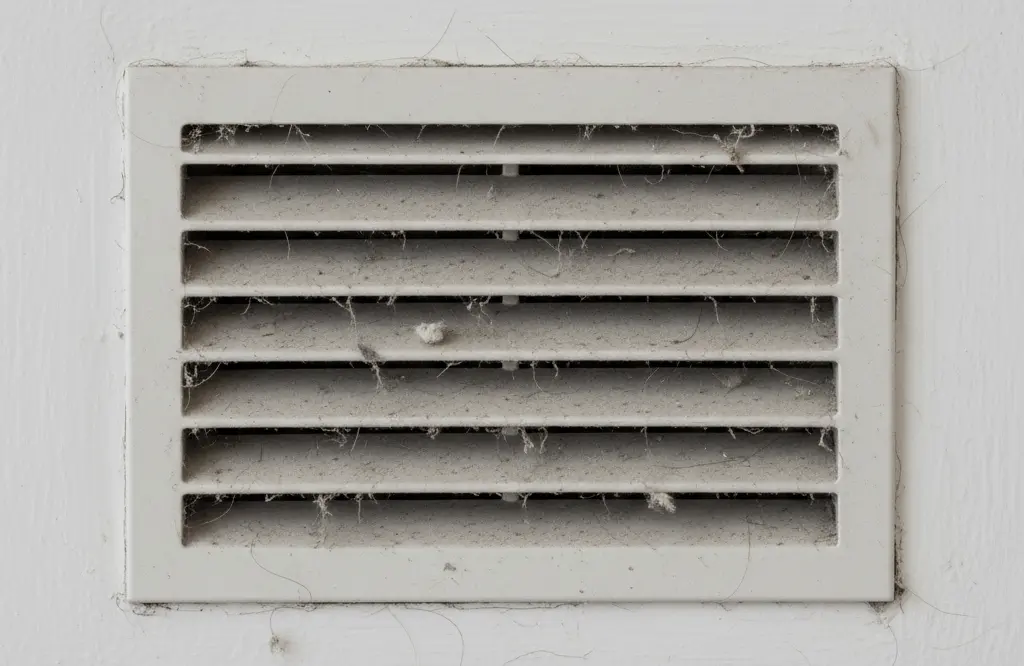
The supply and extract grilles are easy to overlook but are essential to the balanced airflow in all passive house designs. Regularly wipe down the visible grilles in the ceiling and walls to prevent dust accumulation. Excess dust on an extract grille can reduce its ability to pull out stale air, leading to higher humidity in that room.
Air supply and exhaust vents must also remain free and open. Furniture, curtains and storage items can block airflow if placed too close to vents.
Plan for long-term maintenance
Every few years, arrange for a passive house builder in Australia to inspect your complete system. They’ll check ductwork for dust accumulation, verify that extract vents are functioning properly, test airflow rates and ensure the heat exchanger is clean. This professional maintenance catches potential issues before they affect air quality or system efficiency.
Preventative steps for maintaining good indoor air quality in a passive house
On top of regular maintenance of your MVHR system, there are changes to your lifestyle that can make a difference to how effective your ventilation system is.
Manage indoor moisture
Passive houses in Australia are very effective at managing humidity levels, but you can help by minimising excess moisture generation. When cooking, use extractor hoods that feed into the ventilation system. Always run the bathroom exhaust fan during and briefly after showering. Also, keep bathroom doors closed when showering, as this allows the extract vents to efficiently remove humid air.
Avoid drying large amounts of laundry indoors unless you have a dedicated drying room with added extraction. While your ventilation system can handle normal domestic moisture, excessive wet laundry can overwhelm its capacity, potentially leading to condensation issues.
Minimise indoor pollutants
Even with excellent ventilation, reducing pollutant sources makes sense. Choose low-VOC paints, furniture and cleaning products. Passive house projects in Australia often specify low-emission materials during construction, and you should maintain this standard when furnishing and decorating.
Also, be aware of combustion sources. Gas cooktops, candles and incense all release combustion products into indoor air. Whilst your ventilation system will remove these pollutants, minimising their generation creates a healthier environment.
Monitor air quality
Many passive houses in Australia now incorporate air quality monitors that display carbon dioxide levels, humidity and temperature. These provide useful feedback on how well your ventilation system is performing. Carbon dioxide levels should remain below 1,000 parts per million in occupied rooms. Higher readings might indicate blocked vents, dirty filters or insufficient ventilation flow rates.
Frequently Asked Questions
You can open windows whenever you like, but it is not required for air quality or ventilation. The MVHR system supplies a constant flow of filtered fresh air, which keeps the home comfortable and clean.
Yes. Because the passive house is airtight, smoke from cigarettes, candles or wood heaters (if installed) is contained and filtered, but pollutants can still build up and stain filters or ductwork. It is highly recommended to avoid smoking indoors and limit the use of candles, as the MVHR is designed to handle common household pollutants but not continuous smoke.
No. The MVHR system uses minimal energy (often less than a few light bulbs) and is absolutely essential for the continuous health and function of the passive house. Turning it off will lead to a rapid degradation of air quality, a buildup of humidity and carbon dioxide, and potentially cause condensation issues within the wall assembly due to uncontrolled moisture migration. The system is designed to run 24/7.