How to design a passive house for a coastal environment
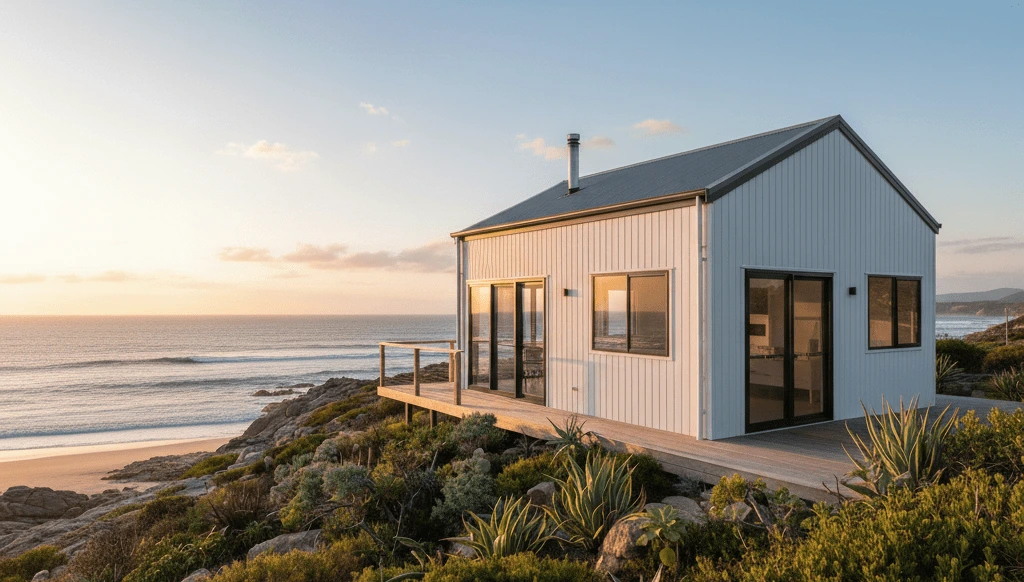
Building a home on the Australian coast offers great views and a relaxed lifestyle, but it also presents unique environmental challenges. Between the salt spray, high humidity and intense solar radiation, a standard build often struggles to maintain comfort without massive energy bills.
A passive house could be the answer. When done well, passive house principles are well-suited to coastal conditions. Careful planning, material selection and detailing can deliver a comfortable, durable and energy-efficient home that performs consistently throughout the year.
Understanding coastal climate characteristics
A coastal passive design house starts with a clear understanding of the climate. Australia’s coastal regions vary widely, from temperate southern shores to hot and humid northern environments. In addition to this, factors like high humidity, salt exposure, strong winds and intense solar radiation reflected from water and sand can impact your home’s performance and overall feel.
Passive house designers in Australia working on coastal projects must account for these factors from the earliest design stages. The climate data used in Passive House Planning Package modelling should accurately reflect coastal conditions rather than inland weather patterns.
Site orientation and layout
The first step in passive house design in Australia involves working with the sun. The aim is to manage solar gain while protecting the building from prevailing winds and storms. Typically in Australia, your primary living areas should ideally face north. This allows the low winter sun to penetrate deep into the home while making it easier to block the high summer sun with eaves or external blinds.
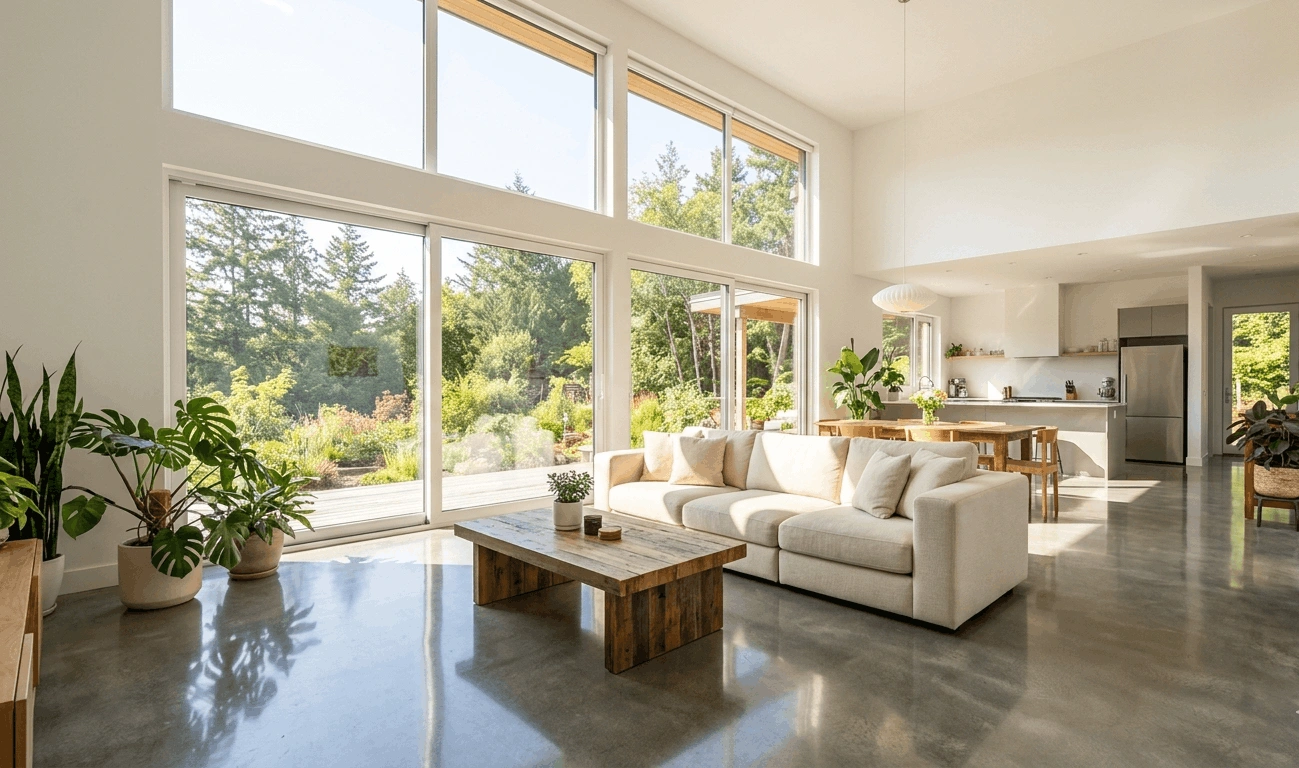
On a coastal lot, this can be tricky because the best view is often toward the south or east. If your view is south-facing, you need to balance window size to capture the vista without losing too much heat. High–performance glazing is essential here to prevent your view from becoming a “thermal hole” in your wall.
External shading devices, eaves overhangs and strategic landscaping can also contribute to managing solar gains. The reflectivity of surrounding surfaces – water, sand and often light-coloured paving – means solar radiation can enter windows from unexpected angles.
Humidity and moisture
Coastal areas typically experience higher ambient humidity than inland regions. In a passive house, this can be addressed in several ways.
First, passive home building in coastal locations requires careful attention to moisture management within wall assemblies and attention to condensation risks. In passive house designs, airtightness prevents uncontrolled moisture movement through the building fabric. The continuous insulation layer must remain dry to maintain thermal performance. Vapour control strategies appropriate to coastal conditions prevent moisture accumulation within walls and roofs. Make sure your passive house builder understands vapour permeability principles and specifies appropriate membranes and construction sequences for marine environments.
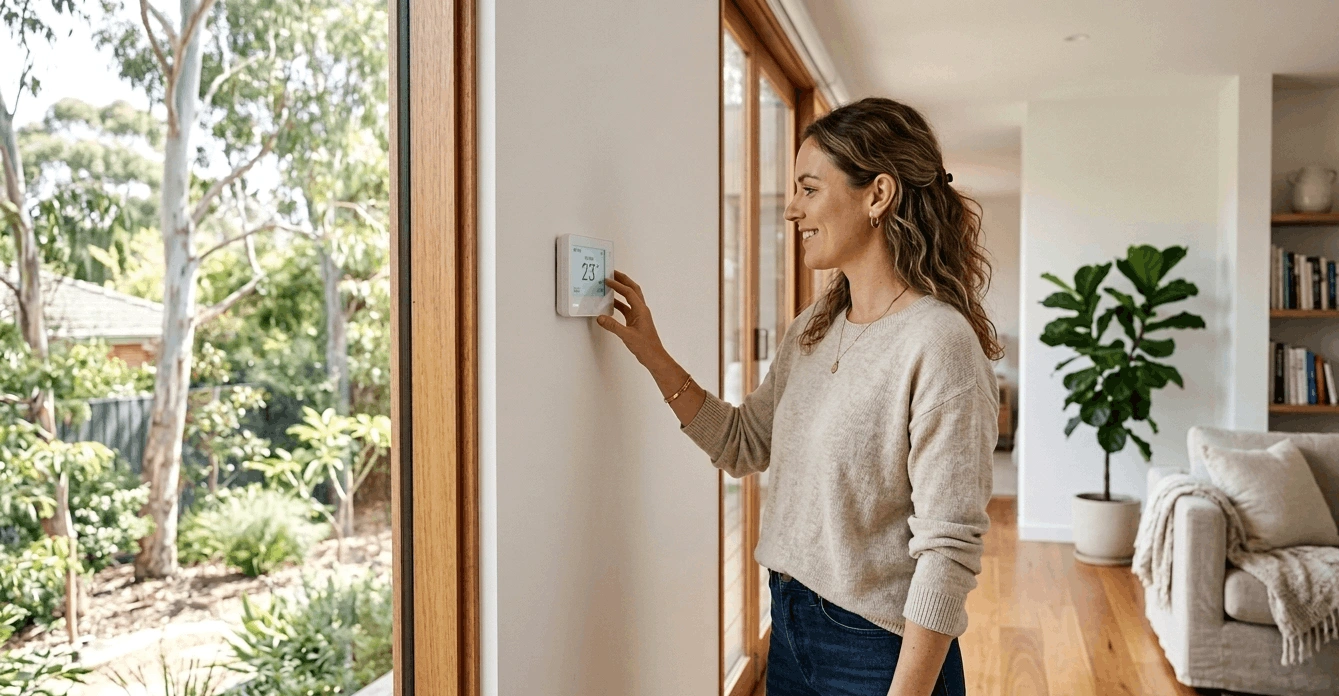
Second, passive houses in Australia typically use a mechanical ventilation with heat recovery (MVHR) system to control and maintain indoor temperatures. This system also assists with moisture management by continuously extracting humid air from kitchens, bathrooms and laundries while supplying filtered fresh air to living spaces and bedrooms. Airflow rates are balanced to avoid pressure differences that could draw moist air into the building fabric.
In humid coastal conditions, this controlled ventilation helps keep indoor humidity within a healthy range and reduces the risk of condensation, mould growth and long-term material damage.
Wind exposure
Coastal locations often experience stronger and more persistent winds than inland areas. These wind pressures test the airtightness that is fundamental to passive house designs.
The general required standard for air pressure in a passive house in Australia is 0.6 air changes per hour at 50 Pascals. Given that this demands exceptional construction quality even in sheltered locations, coastal wind exposure makes achieving this target more challenging
Higher wind loads increase the risk of air leakage if detailing is poor. Passive building design in coastal areas should therefore include a continuous and well-defined airtight layer, robust sealing around windows, doors and service penetrations and careful junction detailing.
Blower door testing verifies that the completed building meets the required airtightness level and performs as intended under real-world wind conditions. Testing should ideally occur during windy conditions to identify any weak points in the airtight layer that might not be apparent during calm weather.
Storm resilience
Tropical and subtropical coastal regions like South East Queensland may require cyclone-rated construction. The robust building envelope that defines passive house design in Australia provides strong structural resilience, and the high-performance windows specified for thermal performance often exceed standard cyclone rating requirements.
The continuous insulation and multiple sealing layers in passive house designs can also create a level of water resistance that protects against wind-driven rain during severe weather events. This resilience provides peace of mind alongside energy efficiency and comfort benefits.