How to handle condensation in passive houses
Condensation concerns often arise when people first learn about passive house design, particularly the airtight construction that defines these homes.
The reality is that properly designed and operated passive houses experience fewer condensation problems than conventional homes, thanks to their continuous mechanical ventilation and careful attention to thermal performance.
How does condensation occur?
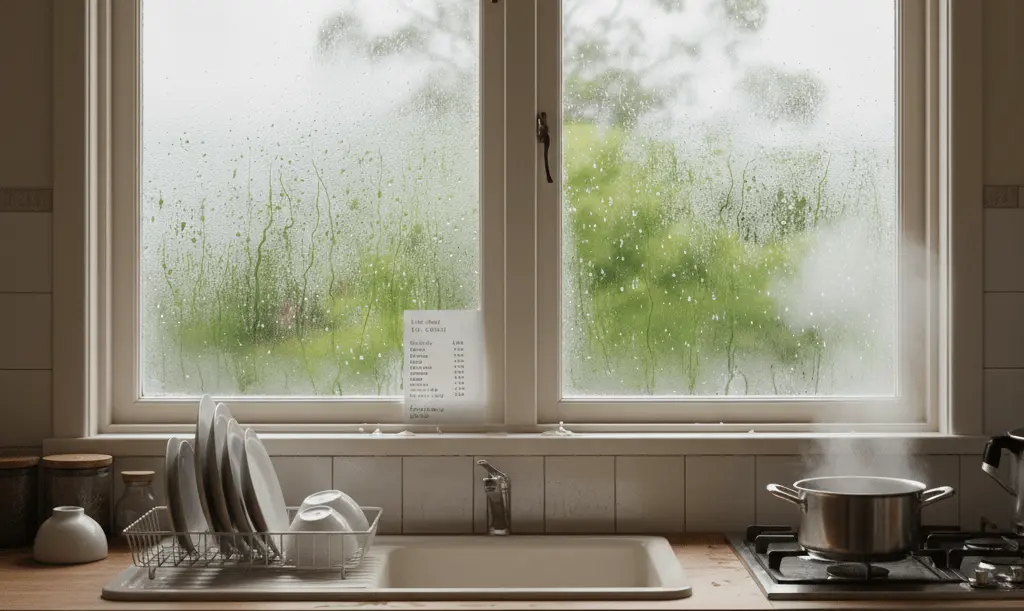
Condensation occurs when warm, moisture-heavy air contacts a cold surface, causing water vapour to transform into liquid water. The temperature at which this happens is called the dew point. In conventional homes, condensation happens for two main reasons: high internal humidity and cold surfaces.
Condensation commonly appears on single-glazed windows, in poorly ventilated bathrooms and in roof spaces where warm indoor air meets cold surfaces.
How passive house design prevents condensation
Passive house designs australia address condensation through two fundamental approaches:
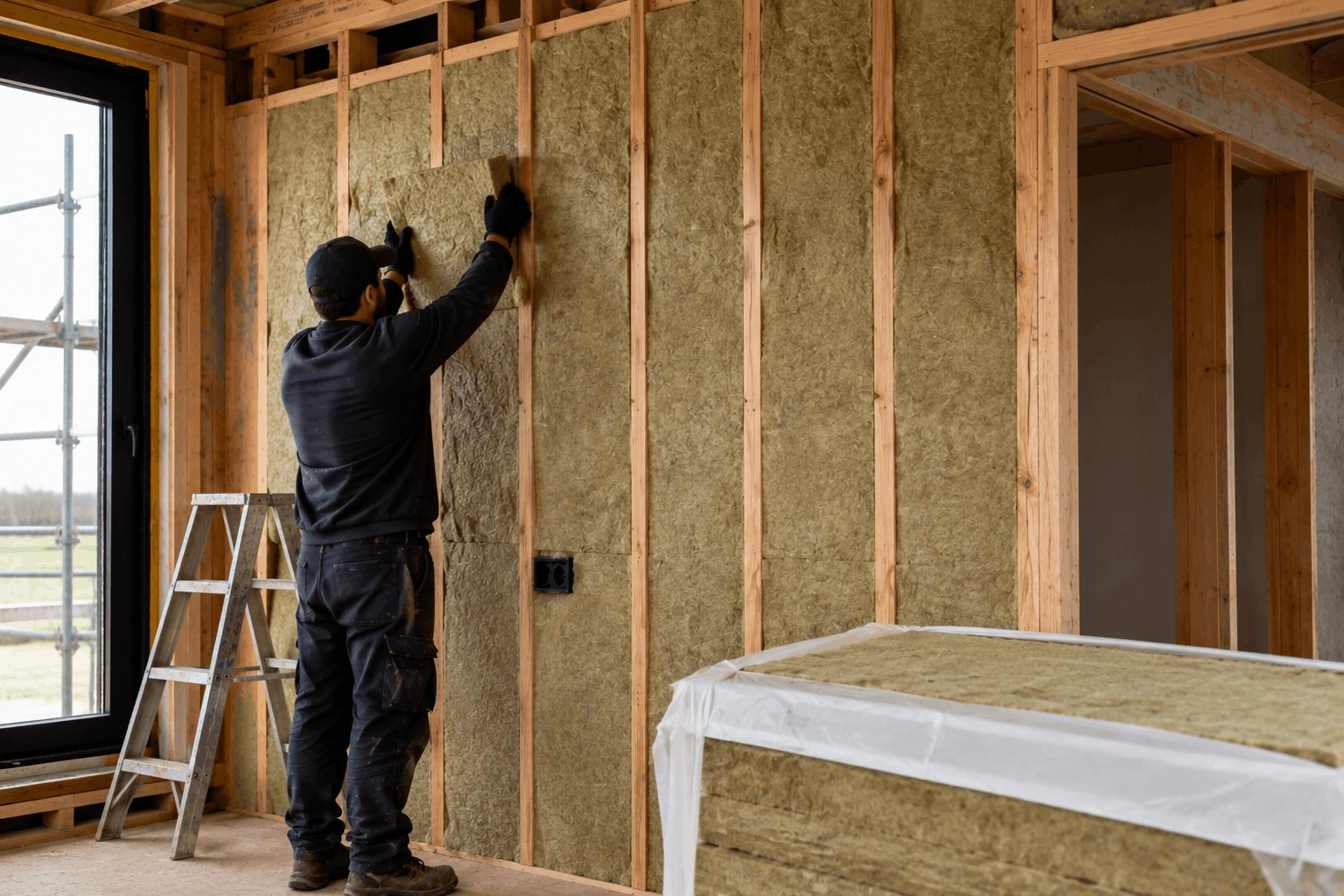
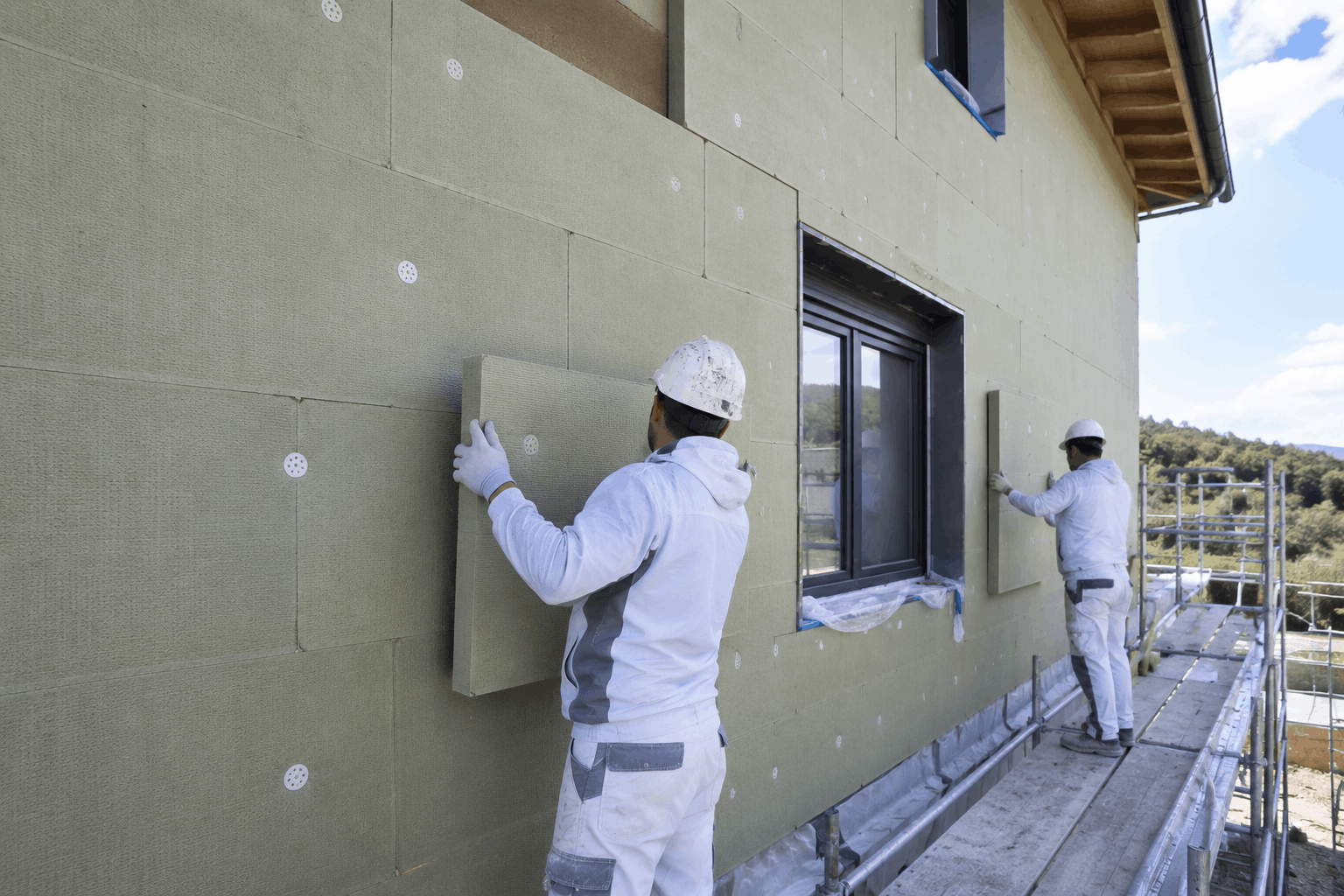
- Eliminating cold surfaces (thermal bridging): The continuous, high-performance insulation and thermal bridge-free construction of passive houses in Australia ensure that the internal temperature of every surface – walls, floors and ceilings – remains close to the indoor air temperature. When surfaces are warm, condensation cannot form.
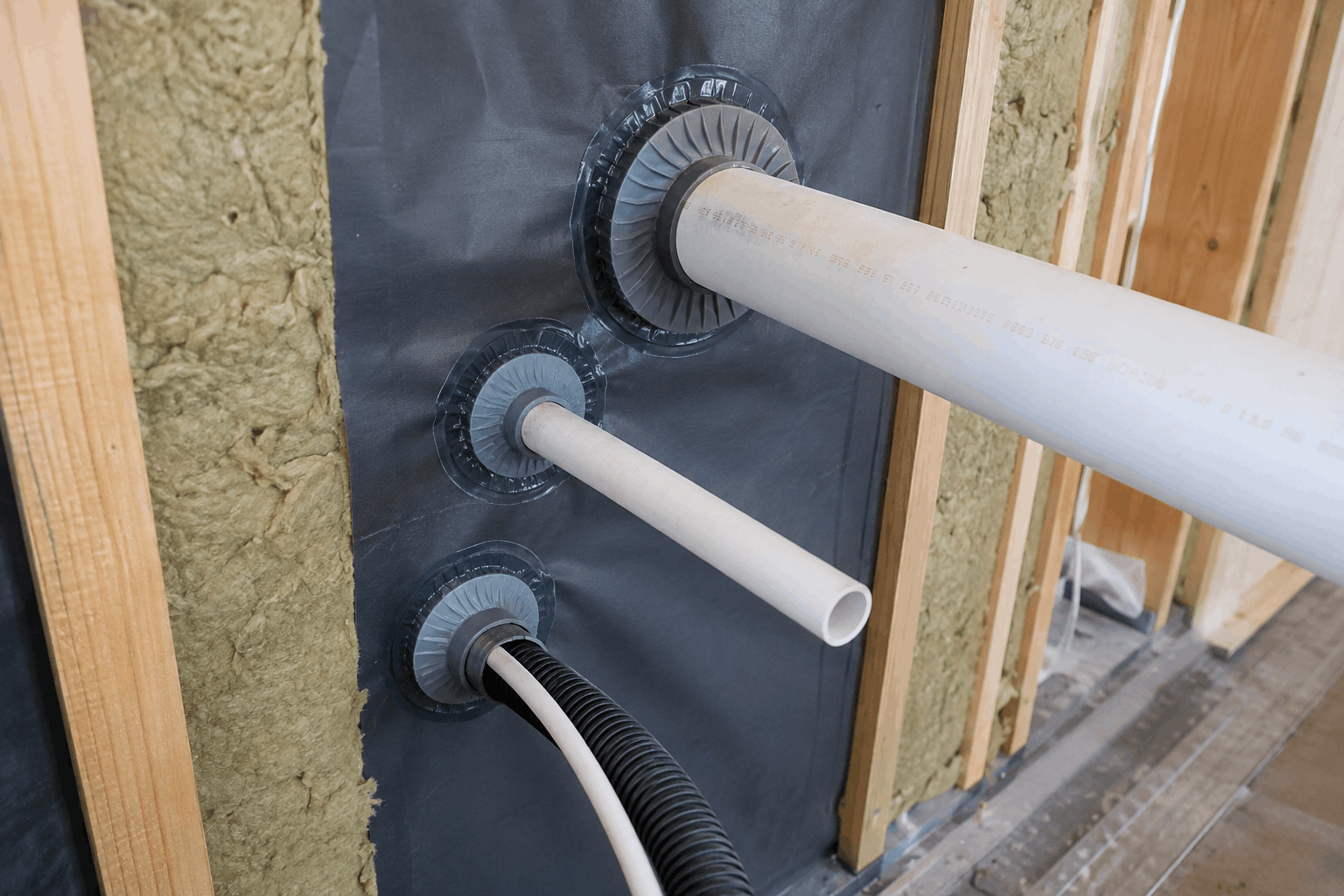
- Controlling internal humidity: The airtight envelope prevents uncontrolled air leakage, but the mechanical ventilation with heat recovery (MVHR) system ensures that high levels of internally generated moisture (from breathing, cooking and showering) are continuously extracted and replaced with fresh, filtered air.
This combination of warm surfaces and controlled humidity reduces condensation on walls and ceilings in a properly executed passive building design.
Preventing condensation in a passive house
Despite the robust design of passive house Australia projects, condensation can still occur in specific circumstances.
Temporary condensation during construction is normal. Building materials contain substantial moisture that takes time to dry. Passive home building projects should include a drying period before final completion, with enhanced ventilation during this phase. Some passive house builders delay installing certain finishes until the building structure has adequately dried.
Excessive moisture generation can overwhelm even well-designed ventilation systems. Drying large quantities of laundry indoors, extended hot showers without adequate ventilation boost, or indoor water features all add significant moisture to the air. If moisture generation exceeds the ventilation system’s capacity, condensation may appear on the coldest surfaces.
Ventilation system problems can lead to condensation. Blocked filters restrict airflow, reducing the system’s moisture removal capability. Extract vents blocked by furniture or renovations prevent moisture extraction from wet areas. Regular maintenance as recommended by passive house builders in Australia prevents these issues.
Managing bathroom and kitchen moisture
Bathrooms and kitchens generate the most moisture in homes. Passive design house principles include extract vents in these areas specifically to remove moisture at source. Running the ventilation system on boost mode during and after showers ensures moisture is extracted before it can migrate to other areas.
Keep bathroom doors closed when showering. This confines moisture to the room where the extract vent can remove it efficiently. Opening the door immediately after showering allows moisture to spread throughout the home before the ventilation system can deal with it.
Kitchen extract hoods should vent directly outdoors or, in passive house designs, into the mechanical ventilation system’s extract side. Recirculating range hoods that filter cooking odours but return moisture to the room are unsuitable for passive home building projects.
Monitoring indoor humidity
Passive house projects in Australia often include humidity monitoring as part of their building management systems. Indoor relative humidity between 30 and 60% is ideal for comfort and prevents condensation. Humidity consistently above 60% increases condensation risk and may indicate ventilation system problems or excessive moisture generation.
Simple hygrometers placed in key rooms provide useful feedback. If you notice humidity levels rising, check that your ventilation system is operating correctly, filters are clean and extract vents are unobstructed.
Seasonal considerations
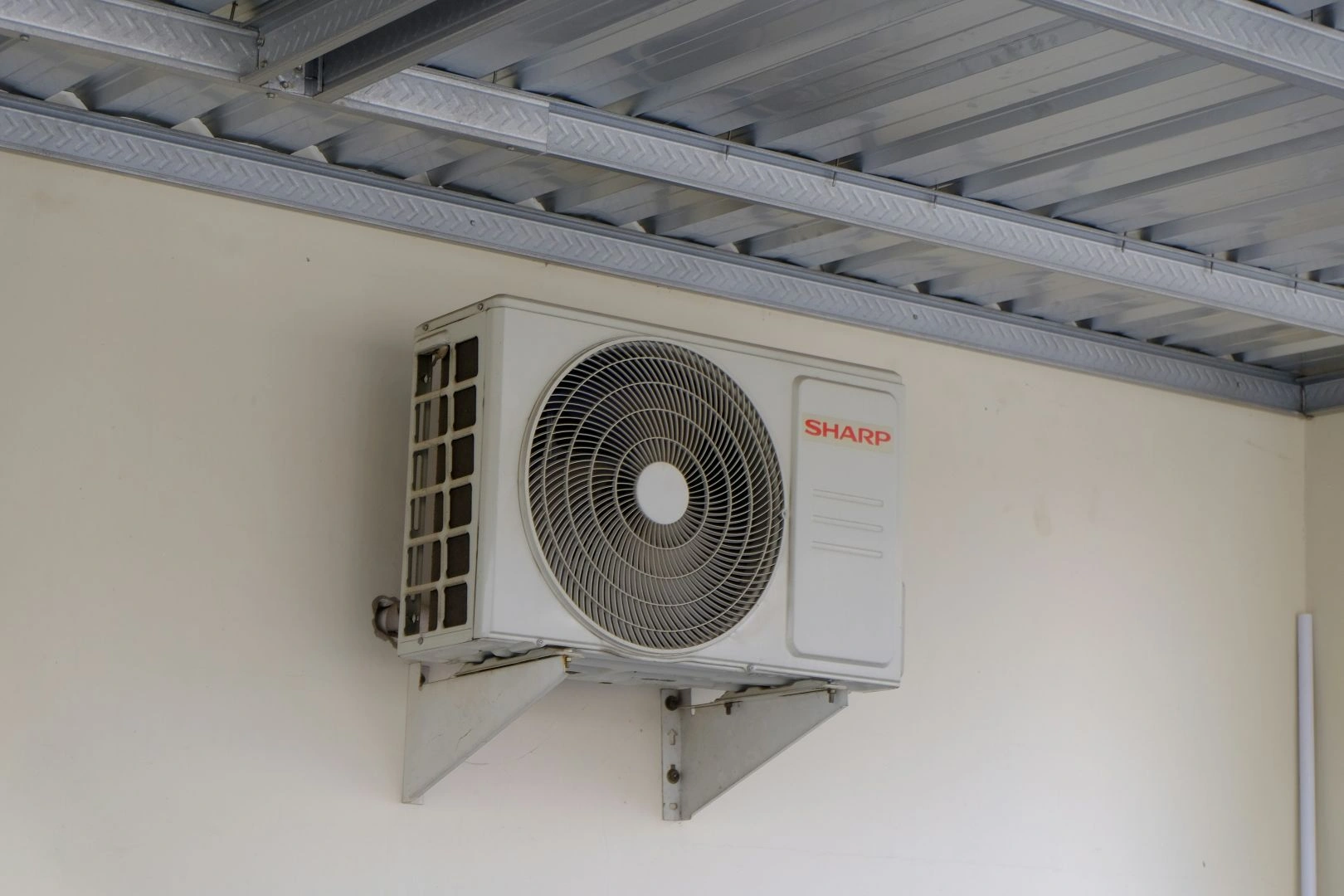
Australian climates vary significantly, affecting condensation patterns. In cool temperate zones, condensation risk is highest during winter when internal-external temperature differences are greatest. In tropical regions, condensation can occur when air conditioning cools surfaces below the dew point of humid outdoor air.
Your passive house design will account for local climate conditions. The continuous insulation and ventilation strategies that prevent winter condensation in Melbourne work equally well preventing summer condensation in Darwin, though the specific details differ.
Frequently Asked Questions
Most passive house designs perform well at indoor humidity levels between 40 and 60 percent. This range supports comfort and reduces the chance of condensation forming on surfaces.
Not usually. MVHR systems in a passive design house run continuously at low speed. Seasonal adjustments may be required in some climates, but a qualified installer can advise if changes are needed.
Yes. Although a passive house Australia relies on MVHR, windows can still be opened. This is useful during mild weather or after high-moisture activities. However, regular reliance on MVHR provides more consistent results.
Yes, seeing dew or condensation on the outside of your windows in the morning is perfectly normal and indicates that your high-performance windows are working correctly. They are insulating the inside so well that they are preventing internal heat from warming the outer pane of glass, allowing external moisture to condense on the cold exterior surface.