The role of blower door testing in passive house certification
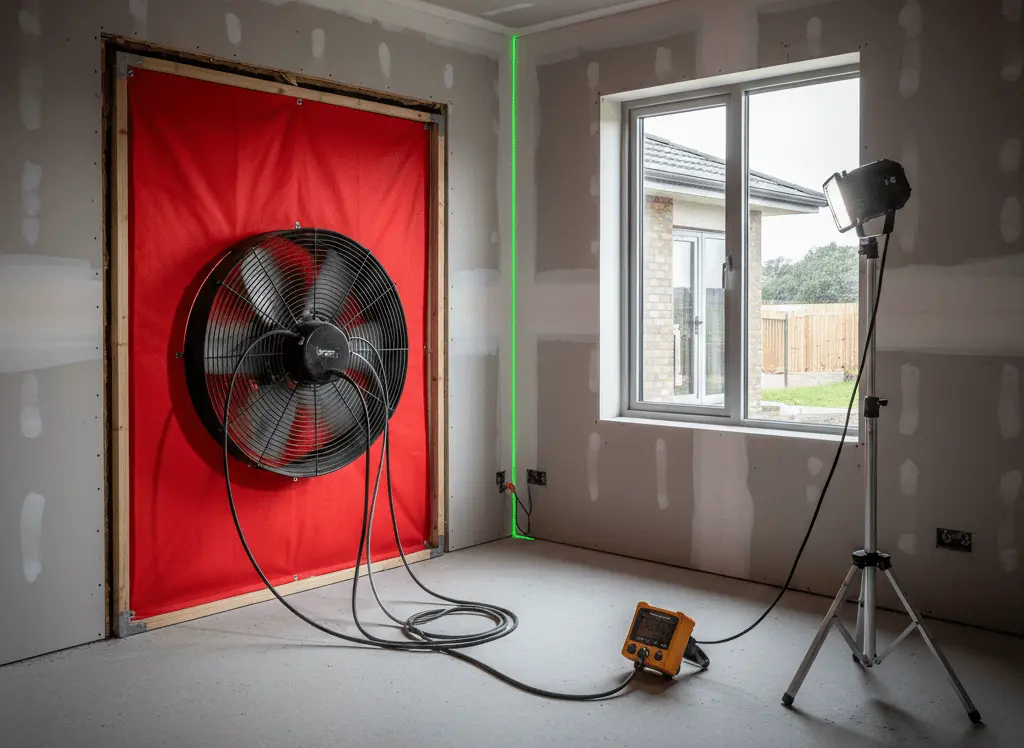
Blower door testing is one of the most critical steps in achieving full certification for your passive house in Australia. This process verifies whether a building meets the stringent airtightness standards required by the Passive House Institute.
What is the blower door test?
A blower door test measures how much air leaks through gaps in walls, ceilings, floors and around windows and doors.
It involves temporarily fitting a powerful fan into an external door of the home. The fan depressurises or pressurises the building to create a pressure difference between inside and outside, typically 50 Pascals. During the test, instruments measure the airflow required to maintain this pressure difference. This airflow rate directly corresponds to the amount of air leaking through gaps, cracks and penetrations in the building envelope.
In a passive design house, the standard for airtightness is extremely high. Homes must achieve a maximum of 0.6 air changes per hour at 50 pascals of pressure (0.6 ACH50). This standard ensures that heat is retained in winter and kept out in summer, while the mechanical ventilation system can maintain consistent indoor air quality without wasting energy.
For comparison, a typical conventional Australian home might have an ACH50 reading of 10 to 15, meaning its entire volume of air changes 10 to 15 times every hour under test conditions. A certified passive house that passes the blower door test changes its air less than once every hour.
For passive house builders in Australia, blower door testing is a vital quality control measure. It identifies leaks that can be sealed before completion, ensuring the home meets passive house design standards.
When is blower door testing done?
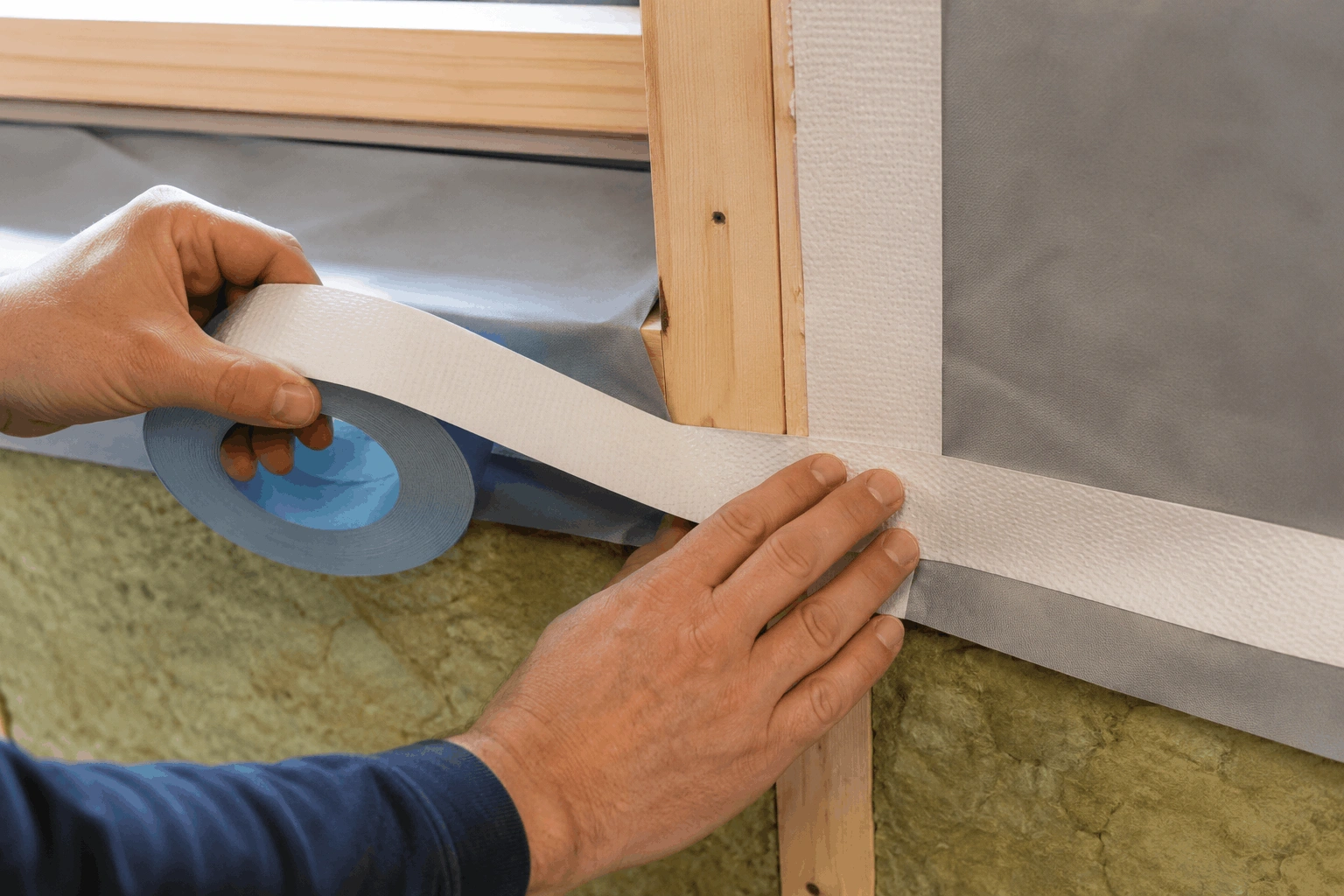
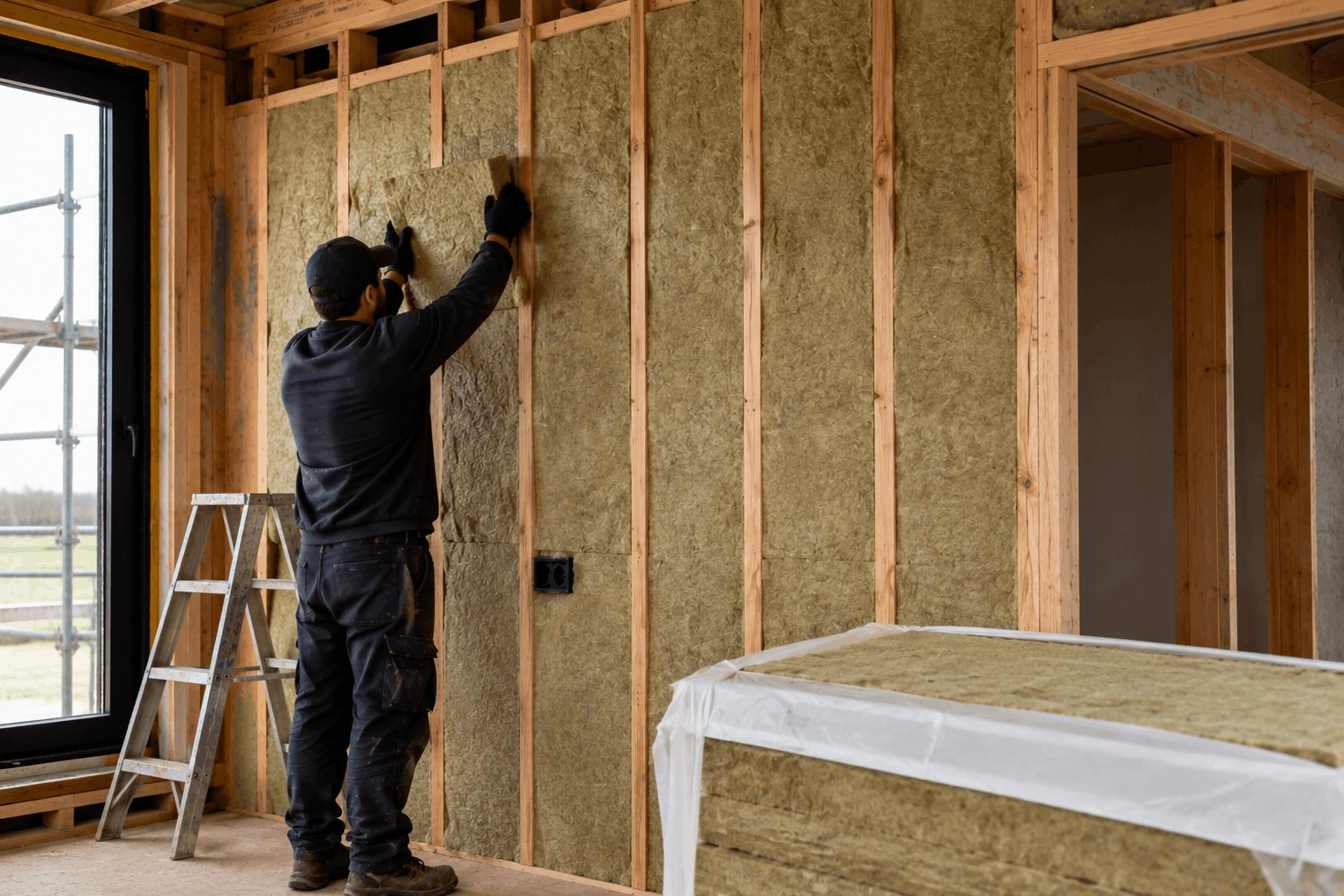
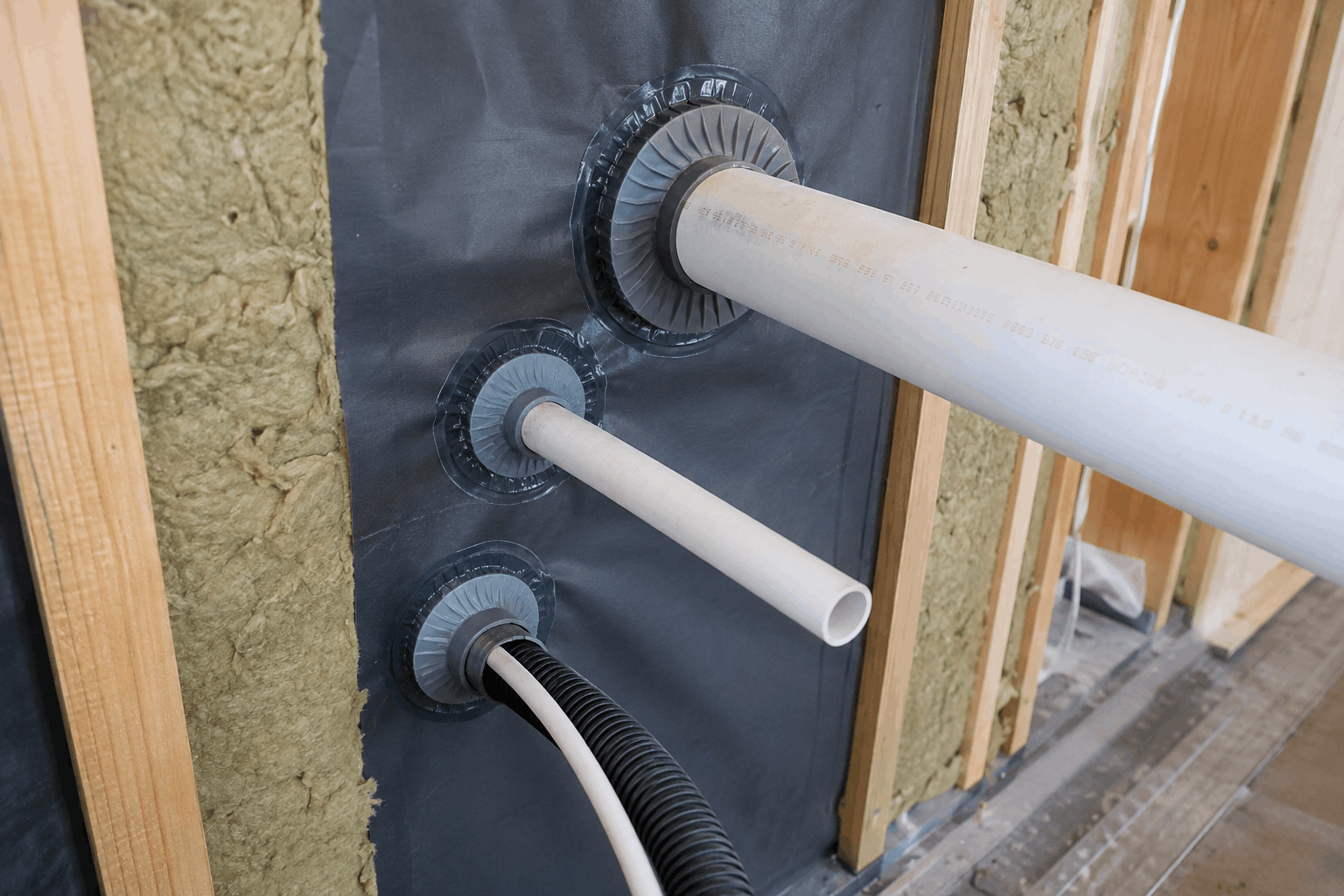
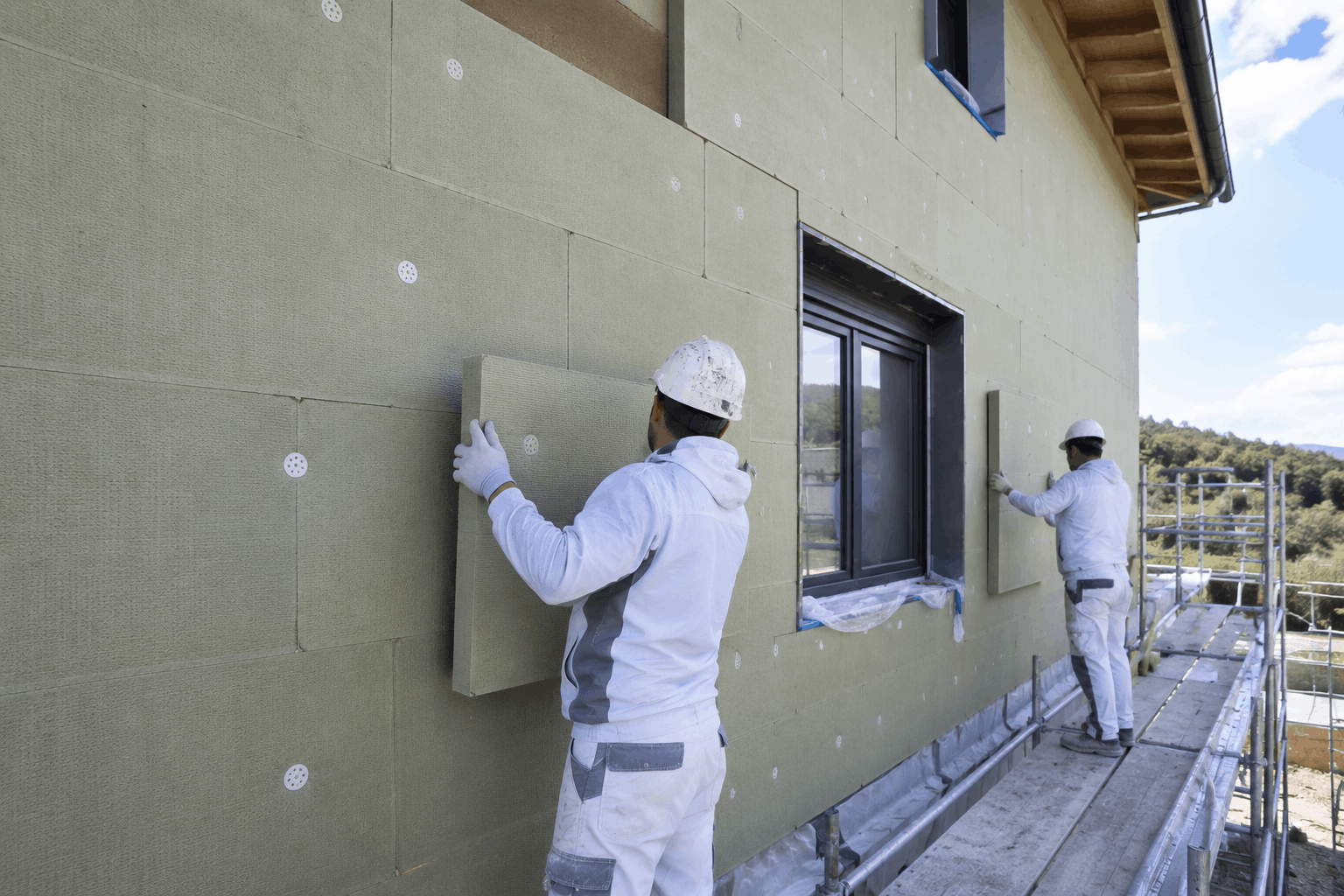
Passive house design projects typically undergo blower door testing at two stages. The first test occurs during construction, after the airtightness layer is complete but before internal linings are installed.
This interim test allows your passive home builder to identify and rectify any leakage problems while they can easily access the building envelope. Finding and fixing air leaks becomes much more difficult after internal walls, ceilings and finishes are installed.
The mid-construction test provides valuable feedback that can prevent costly remediation work later. If the interim test reveals excessive air leakage, builders can investigate and seal problem areas before they become hidden behind finished surfaces.
The final blower door test takes place after construction completion, including all doors, windows, services and finishes. This test verifies that the building maintains excellent airtightness even after all trades have completed their work. Passive house designers in Australia require both tests to ensure quality control throughout the construction process.
Why is airtightness important for passive house design?
Airtightness is one of the five core principles of passive house design. It helps with:
- Energy efficiency: Uncontrolled air leaks are a massive source of wasted energy. They let conditioned air (heated in winter or cooled in summer) escape, forcing heating and cooling systems to work harder. The airtight envelope ensures that the minimal energy used by a passive design house is retained, directly leading to dramatic energy savings.
- Thermal comfort: Draughts are a primary cause of discomfort. The airtight layer, meticulously installed by your passive home builder, eliminates these cold or hot spots, ensuring the internal temperature is uniform and stable throughout the home.
- Moisture management: This is especially important in humid parts of Australia. Air leakage allows moist air to penetrate the wall and ceiling cavities. When this warm, moist air meets a cold surface within the wall structure, it can condense, leading to condensation, structural damage and mould growth. A high standard of airtightness prevents this internal migration of moisture.
Impact on passive house certification
Blower door testing results directly influence whether your passive house in Australia will be certified. Buildings that fail to achieve 0.6 ACH50 won’t receive certification, regardless of how well they perform in other areas. The test results are submitted as part of the certification documentation to the Passive House Institute or accredited certifier.
Frequently Asked Questions
No, the blower door test is not currently a mandatory requirement under the National Construction Code (NCC) for a standard residential new build in Australia. It is a specific, required test only for homes looking to achieve the official passive house certification. However, many progressive passive house builders now offer the test voluntarily to their clients as a measure of quality assurance.
Yes, absolutely. An airtight home relies entirely on a mechanical ventilation with heat recovery (MVHR) system for its fresh air. This system continuously extracts stale air and introduces filtered fresh air, ensuring excellent indoor air quality, thermal comfort and humidity control. The system keeps the air constantly refreshed without the significant energy loss associated with uncontrolled air leakage in a conventional home.
Blower door testing must be conducted by qualified and experienced professionals who understand the testing protocols and equipment. In Australia, many testers are certified through organisations like the Passive House Institute or have specialised training in building airtightness testing. Your passive house builder can typically recommend accredited testers in your region, or you can contact the Australian Passive House Association for referrals.