Why you should visit a passive house in Australia
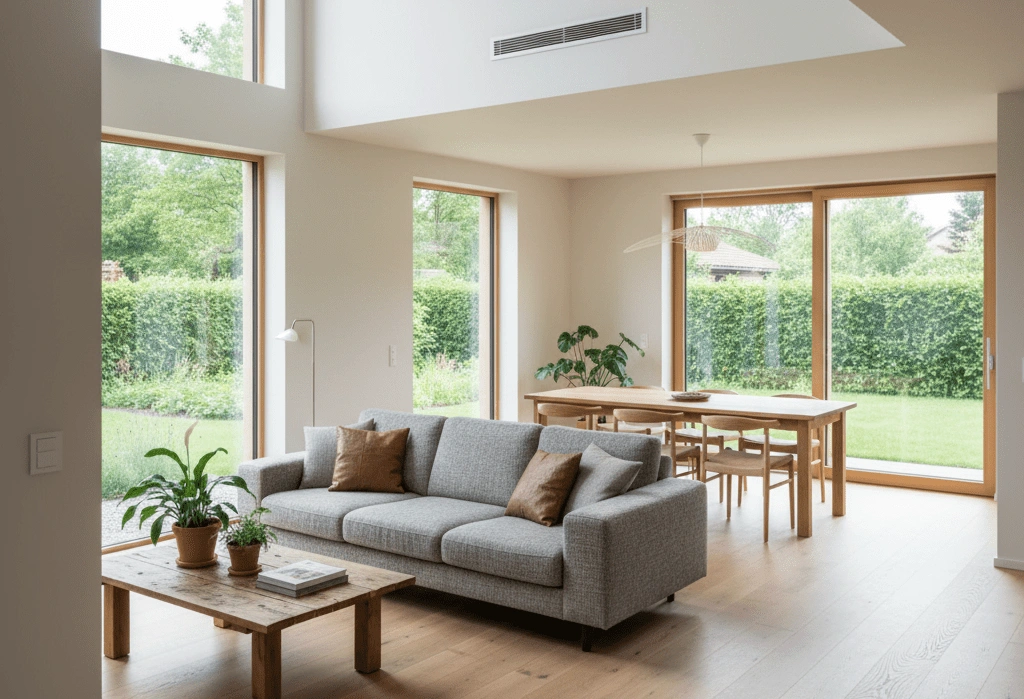
If you’re interested in passive houses in Australia or thinking about designing a passive house, connecting with the community is a great way to learn, share ideas and explore what’s possible.
The International Passive House Open Days (IPOD) 2025 are an excellent opportunity for homeowners, designers and builders to immerse themselves in passive home building and passive house design in Australia.
Attend the International Passive House Open Days
Following the success of the June 2024 event, IPOD will return from 7–9 November 2025, offering a unique opportunity to step inside certified passive houses and experience firsthand what makes these homes exceptional.
Organised biannually by the International Passive House Association (iPHA) and the Australian Passivhaus Association, this global event invites the public to visit certified passive house designs across Australia.
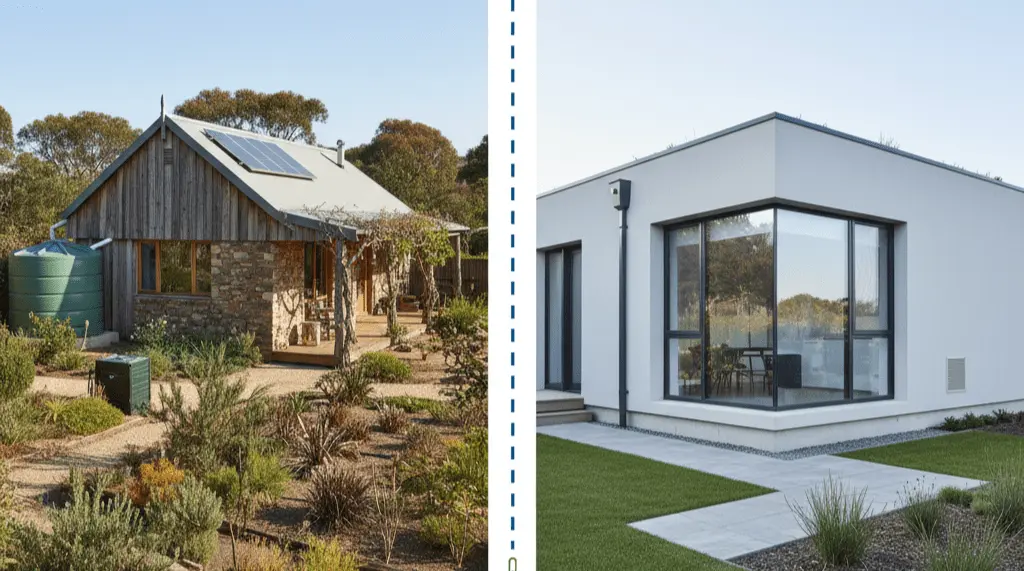
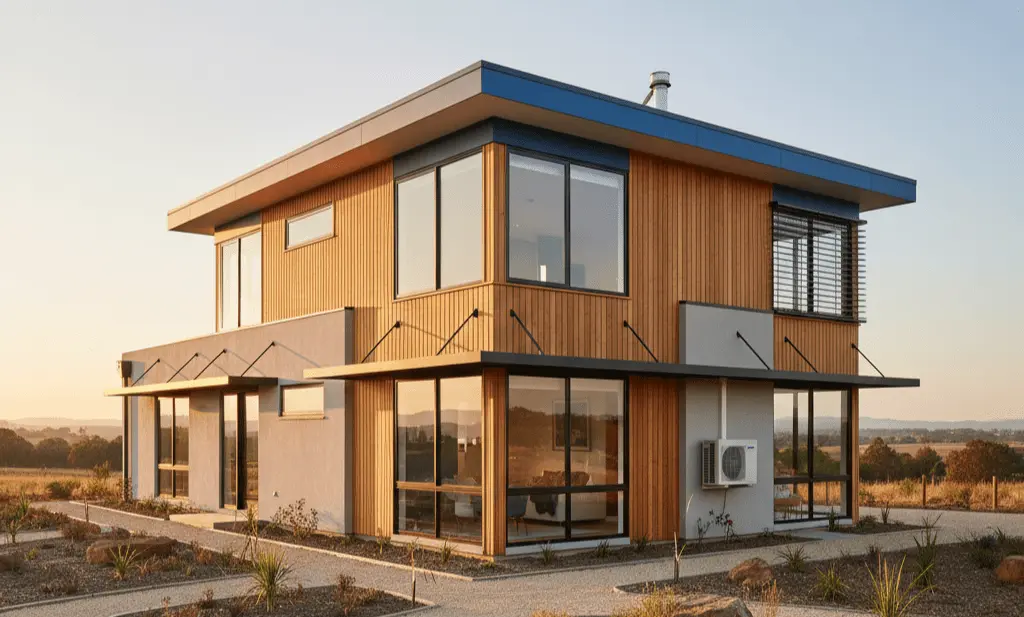
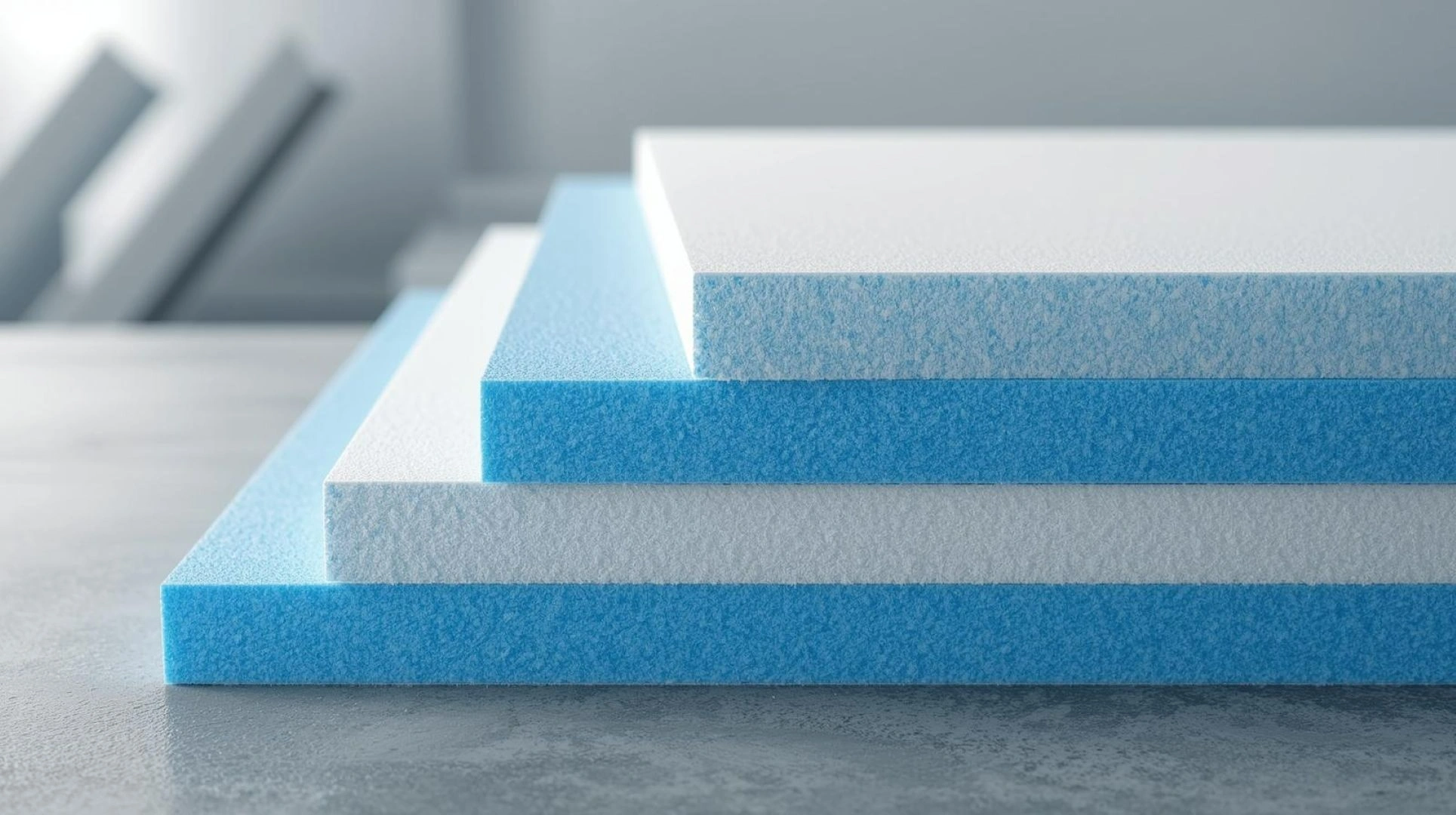
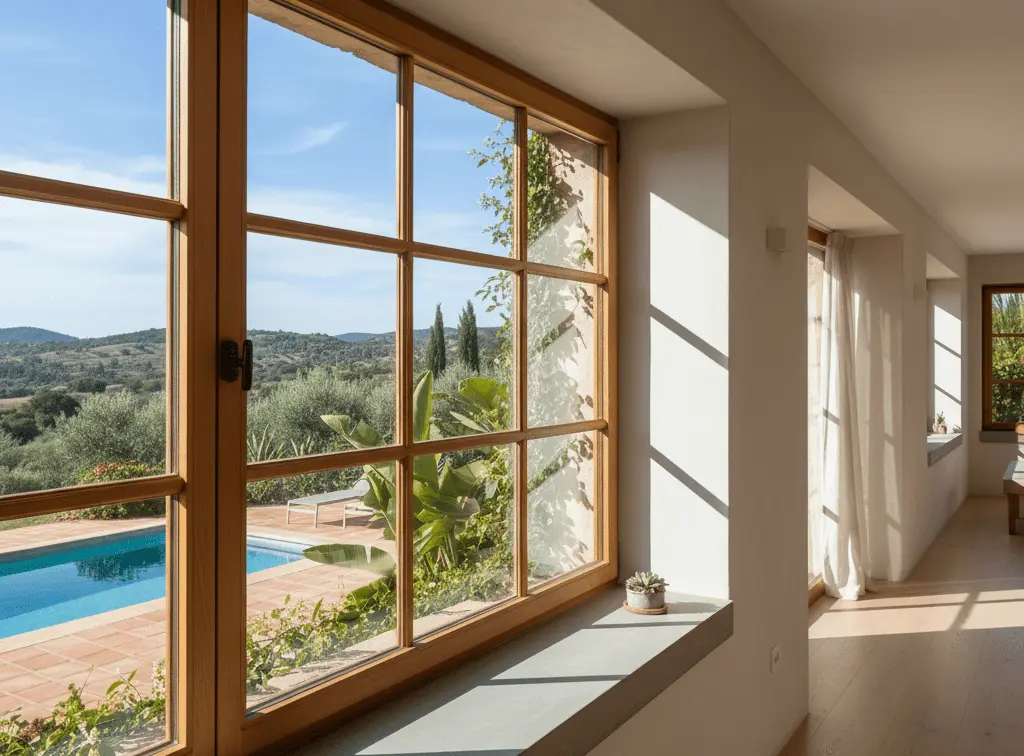
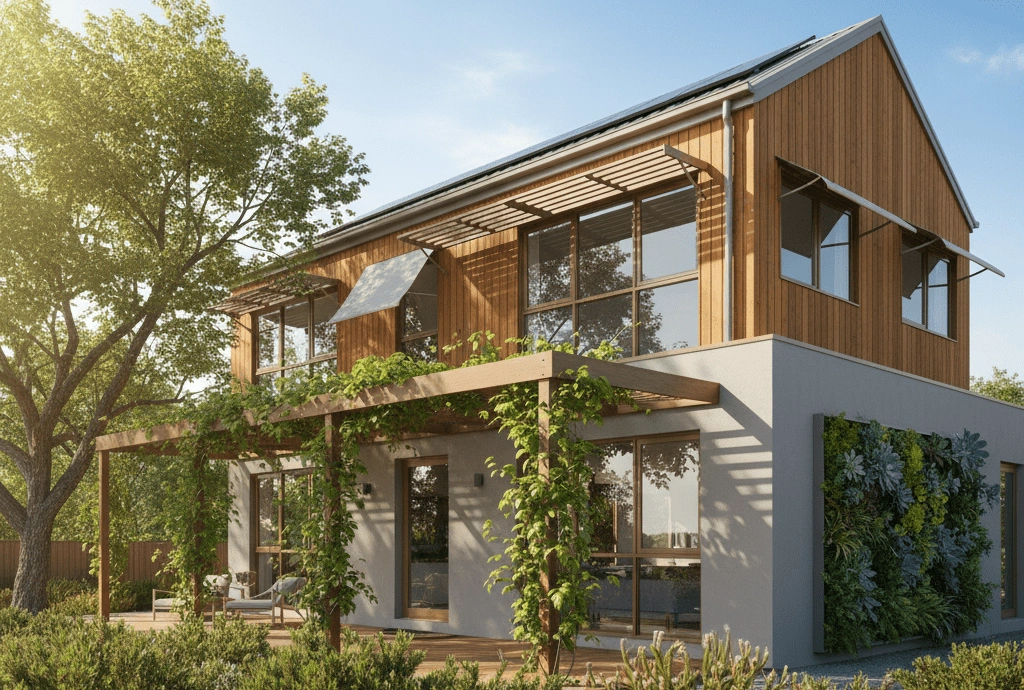
From The Calm House in Philip Bay to the H4 Noosa Passivhaus in Queensland, each property demonstrates different approaches to passive building design. These tours reveal how the key principles of passive house design – superinsulation, airtight construction, high-performance windows, elimination of thermal bridges and mechanical ventilation with heat recovery – come together to create a comfortable, energy-efficient home.
There will be passive houses open in New South Wales, Victoria, Queensland, South Australia, Western Australia and the Australian Capital Territory. You’ll have the chance to meet homeowners, passive house designers in Australia and passive house builders, all while learning about the principles that make these buildings so effective.
Exploring a passive house in person also gives you the chance to observe the small details that make a big difference in everyday living. From natural daylight use to carefully designed airflow and acoustic comfort, these homes show how thoughtful design can improve quality of life.
For homeowners considering renovations or new builds, seeing these features up close can spark ideas that you may not get through plans or online resources alone.
Registration for attendees closes on 5 November, with access details distributed the following day.
Connect with designers and builders
For those seriously considering a passive design house project, IPOD provides an opportunity to connect with experienced professionals. Many tours will also feature presentations on topics such as “Passive houses and health”, “Passivhaus 101” and the “History of the passive house standard”.
These sessions, led by passive house builders in Australia, provide practical insights that can inform your own building or renovation decisions. Speaking directly with certified professionals allows you to understand the certification process, explore different passive house designs in Australia, and get a realistic view of the costs involved.
Explore online resources
For those unable to attend in person, the iPHA YouTube channel features an extensive International Passive House Open Days playlist. These video tours from past editions show a wide variety of passive house designs in Australia, giving you a sense of what to expect and inspiration for your own journey.
The Australian Passivhaus Association also provides resources, guidance and connections to passive house designers in Australia and certified builders. Engaging with these online platforms keeps you informed about upcoming events, certification updates and industry developments.
Frequently Asked Questions
Passive houses are growing in number across Australia, with certified projects in every state. As of early 2024, there were around 70 certified passive house buildings, with close to 200 more in the certification pipeline. While this may seem a small figure nationally, momentum is clearly building across the country, as evidenced by the growing number of sites participating in the International Passive House Open Days, including projects in New South Wales, Victoria, South Australia, Western Australia, Queensland and the Australian Capital Territory.
The primary benefits of a passive house are exceptional comfort, superior indoor air quality and dramatically reduced energy bills. Because of the high-performance insulation and airtightness, the house maintains a consistent temperature with very little heating or cooling, providing an even, comfortable environment all year. The mechanical ventilation system continuously brings in fresh, filtered air, leading to a much healthier indoor space than a conventional home.
While the highest standard is typically achieved in new builds, passive house design principles can certainly be applied to existing buildings through careful retrofits. This is known as the EnerPHit standard. Engaging with a passive home builder or designer who specialises in EnerPHit can show you how to upgrade key elements of your home–such as insulation, windows and airtightness–to achieve significant energy savings and comfort improvements without completely rebuilding.