Why passive houses are so quiet

A quiet home feels calm. It helps you sleep, focus and relax. Many people notice this straight away when they step inside a passive house. The silence is not an accident. It comes from the way these homes are designed and built.
Passive houses are known for energy efficiency and comfort. Another benefit is sound control. The same features that keep heat in and draughts out also keep noise down. When you understand how this works, the quiet makes sense.
The building envelope blocks noise
A passive house has a very strong building envelope. This means the walls, roof, floors, windows and doors form a tight shell around the home.
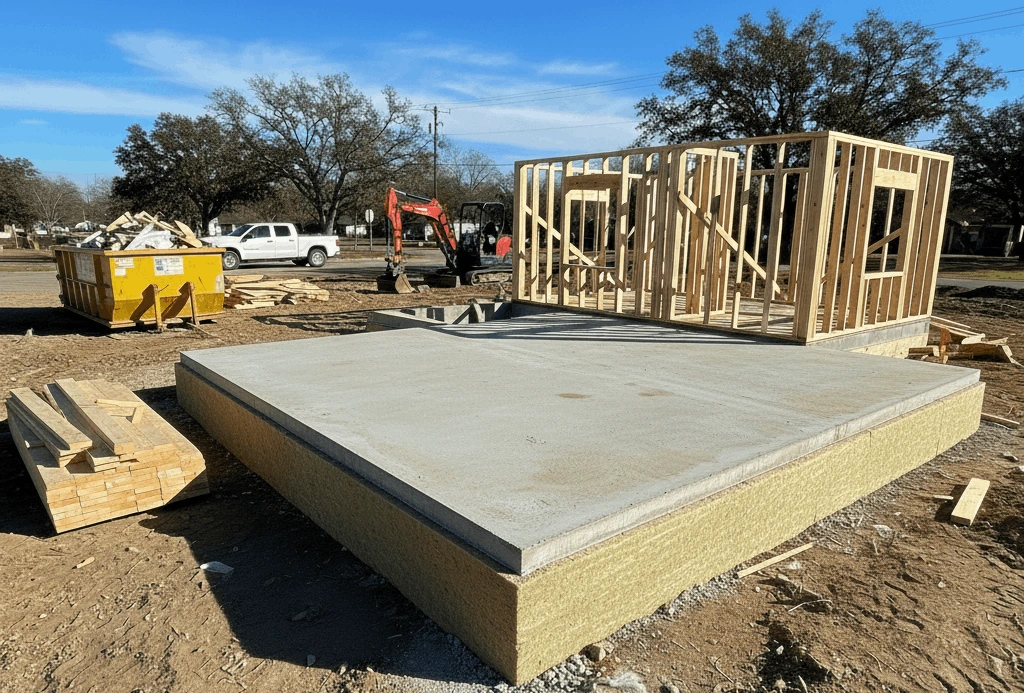
In passive house design, this shell is built with thick insulation and careful detailing. This is the first line of defence. A passive house is wrapped in a thick, continuous blanket of high-quality insulation – often significantly more than a standard build. This insulation, typically made of materials like rockwool, cellulose or expanded polystyrene, is not just for thermal resistance; it is also highly effective at absorbing and blocking sound waves. Traffic noise, aircraft noise and neighbourhood sounds have a harder time getting through.
A typical home may have gaps, thin sections and weak points where sound slips in. A passive house aims to remove those weak points. This is a core part of passive building design and it has a direct impact on noise levels indoors.
Airtight construction reduces sound paths
This is perhaps the most crucial factor. Sound travels through air. If air can leak in and out of your home through gaps and cracks around windows, doors, pipes and electrical outlets, then sound can too.
Passive home building demands an extremely airtight envelope. This means meticulous attention to detail during construction, sealing every potential pathway for air leakage. When air cannot easily pass through, sound struggles to penetrate as well.
A well executed passive design house pays close attention to these details. Tapes, membranes and gaskets are used to create continuous airtight layers. The result is a home that feels still and quiet inside.
A passive home builder will conduct rigorous blower door tests to ensure the required level of airtightness, meaning fewer noise intrusions.
High performance windows make a big difference
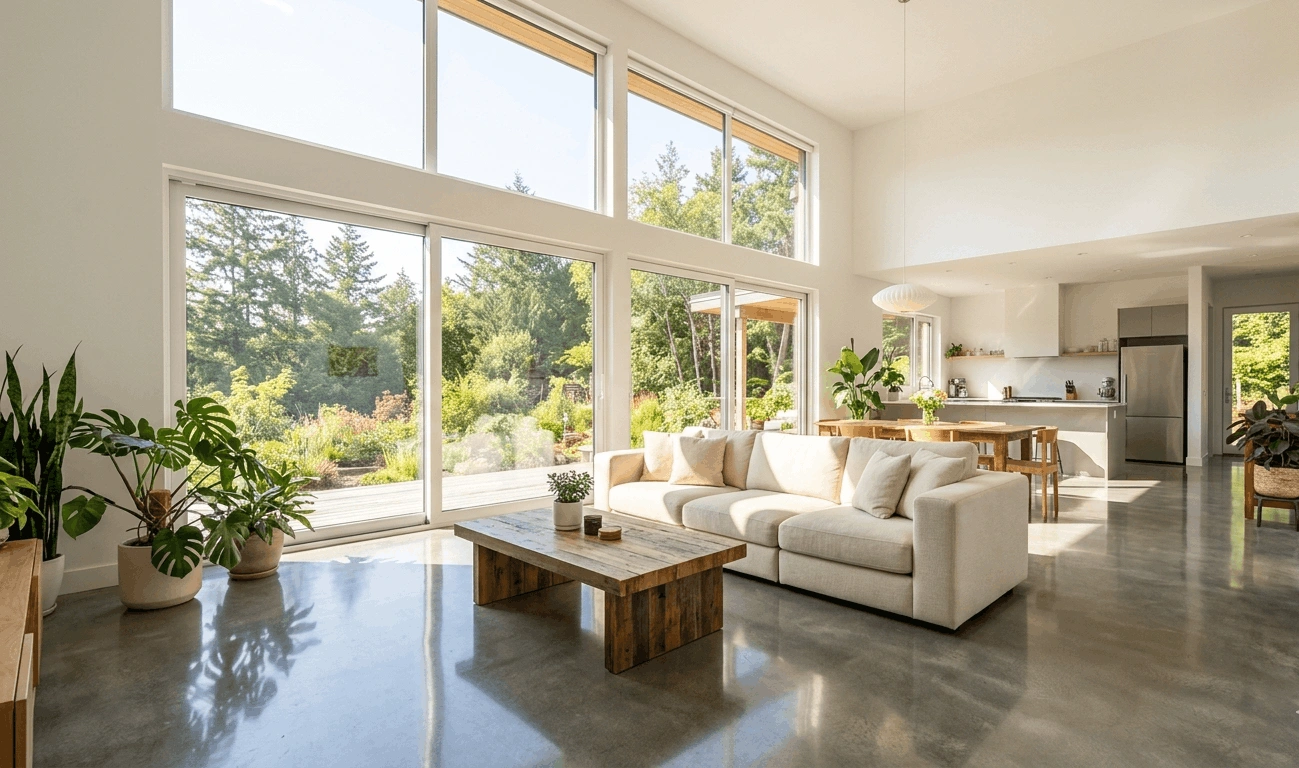
Windows are often the weakest point for noise in a standard home. Passive houses use high performance windows, often double or triple glazed, with insulated frames and tight seals.
These windows are much thicker than standard glazing. The layers of glass and air or gas in between help dampen sound vibrations. When closed, they form a strong barrier to outside noise.
Many people building passive houses in Australia choose these windows for thermal reasons first. The acoustic benefit is a welcome bonus. Homes near busy roads, rail lines or flight paths can feel far more peaceful inside.
Mechanical ventilation keeps windows closed
One might wonder about ventilation – if the house is so airtight, how do you get fresh air without opening windows and letting in noise? This is where the mechanical ventilation with heat recovery (MVHR) system comes in. An MVHR system continuously brings in fresh, filtered air from outside and expels stale air from inside, all while recovering up to 90% of the heat or coolness.
Because fresh air is always provided, residents do not need to open windows as often for ventilation. This means you can keep your home sealed against noise pollution while still enjoying a constant supply of fresh, clean air – a key feature of passive building design. Passive house designers in Australia carefully size and install these systems to ensure they operate quietly and efficiently.
The ventilation units themselves are also designed to run quietly, with low noise fans and insulated ductwork.
Good design reduces noise inside the home
The benefits extend beyond blocking external noise to improving internal acoustic quality. The airtight construction prevents sound transmission between rooms more effectively than conventional building methods. Conversations, television and music in one area disturb other spaces less than in typical homes.
The continuous insulation and careful detailing that eliminate thermal bridges also reduce sound transmission through the structure. This matters particularly in multi-storey passive house designs where impact noise from upper floors can be problematic in conventional construction.
Acoustic comfort improves wellbeing
The quiet of a passive house isn’t just about reducing noise – it supports comfort, focus and relaxation. A home with low background noise helps you sleep better, concentrate on work or study and enjoy leisure activities without distraction.
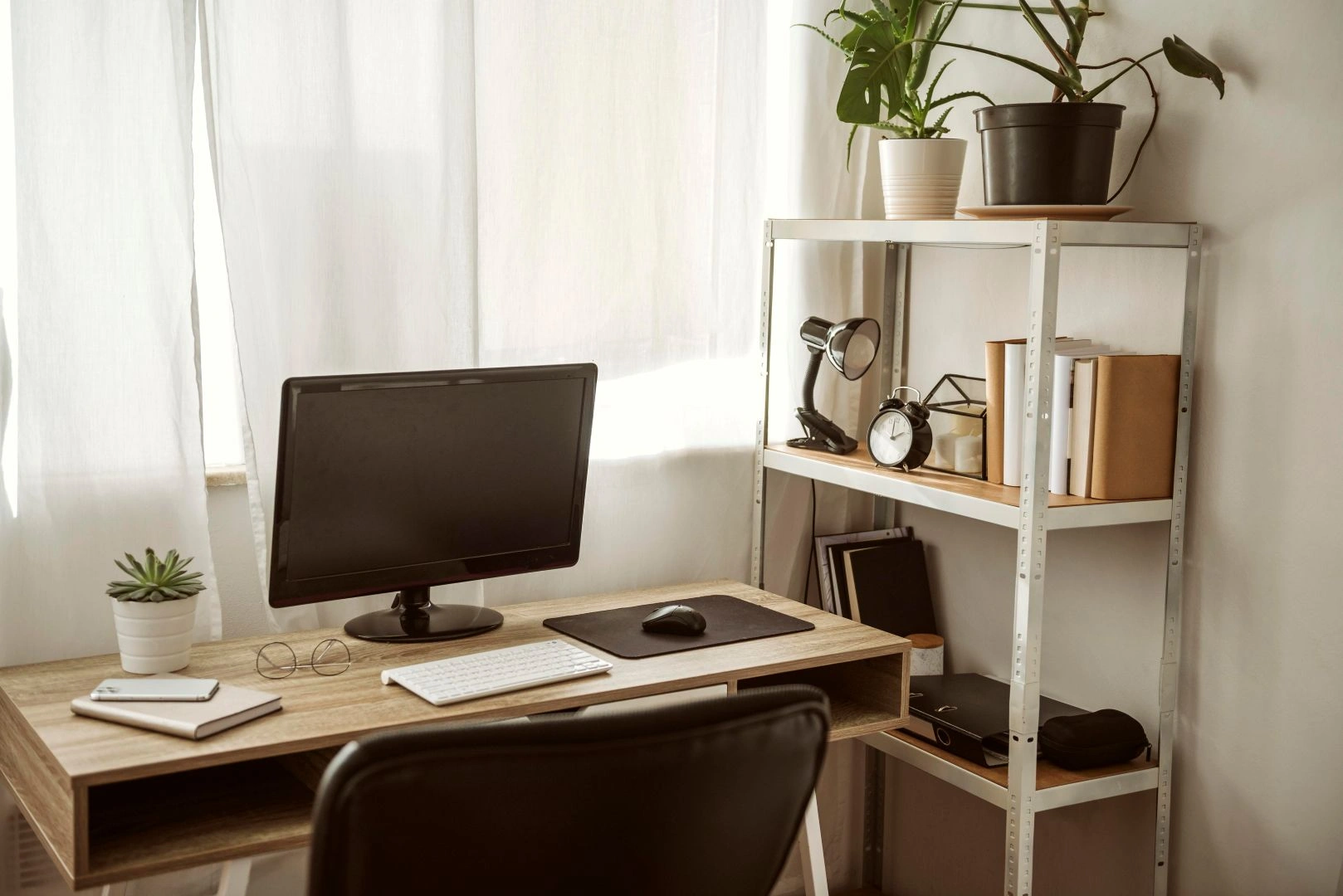
Acoustic comfort also supports emotional wellbeing. Sudden or constant noise can increase stress and fatigue, particularly for children, older residents or people working from home. Passive house designs in Australia provide a calm environment where residents feel secure and at ease.
By combining airtight construction, high performance windows, mechanical ventilation and thoughtful interior detailing, passive houses deliver acoustic comfort alongside thermal efficiency and air quality – making the home truly peaceful and healthy to live in.