What is embodied carbon and why are passive house builders thinking about it?
When people talk about the environmental benefits of a passive house design, the conversation usually starts with operational energy – the power used to heat, cool and ventilate the building over its lifetime. That part of the story is well known. A well-built passive design house uses a fraction of the energy of a standard home, and the carbon savings over decades are significant.
But there is another part of the carbon story that is getting more attention from passive house builders in Australia: embodied carbon.
What is embodied carbon?
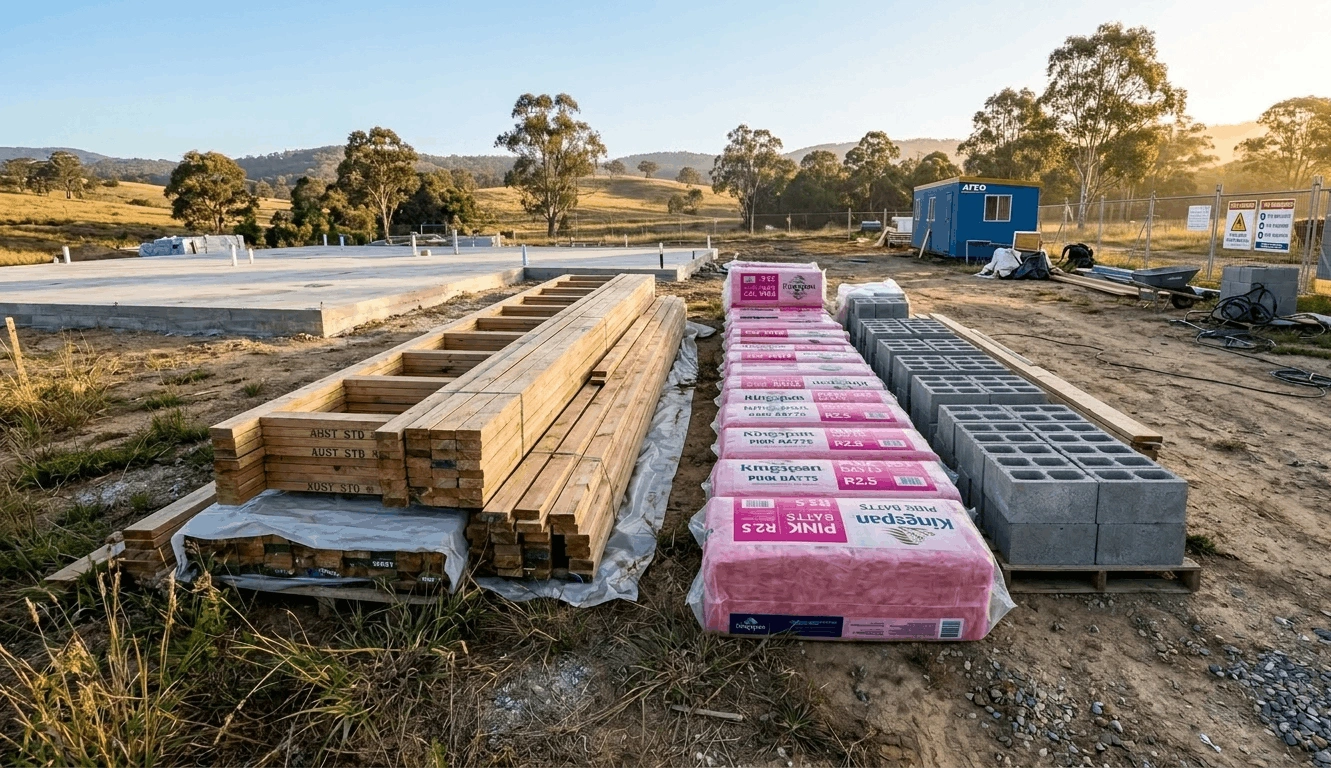
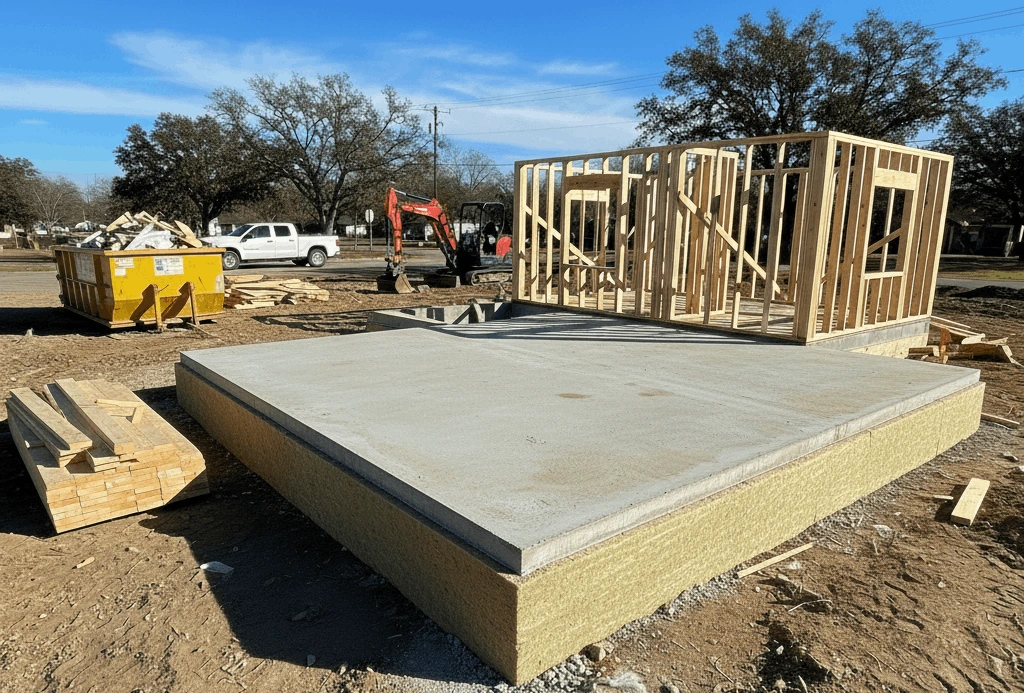
Embodied carbon refers to the greenhouse gas emissions produced in the making of a building – before anyone moves in and before a single light switch is turned on. It includes the emissions from extracting raw materials, manufacturing building products, transporting them to site and assembling them into a finished structure. It also includes the emissions associated with maintenance, replacement of materials over the building’s life and eventual demolition.
In a standard home, embodied carbon is often overlooked because operational energy dominates the picture. The building uses so much energy over its lifetime that the upfront carbon cost of construction, while real, is relatively small in comparison.
In a passive house design, that calculation shifts. Because operational energy is so low, embodied carbon becomes a much larger share of the building’s total carbon footprint over its lifetime. In some highly efficient passive house designs, embodied carbon can account for more than half of the building’s lifetime carbon impact. That changes what decisions matter most from an environmental perspective.
Where does embodied carbon live in a passive house?
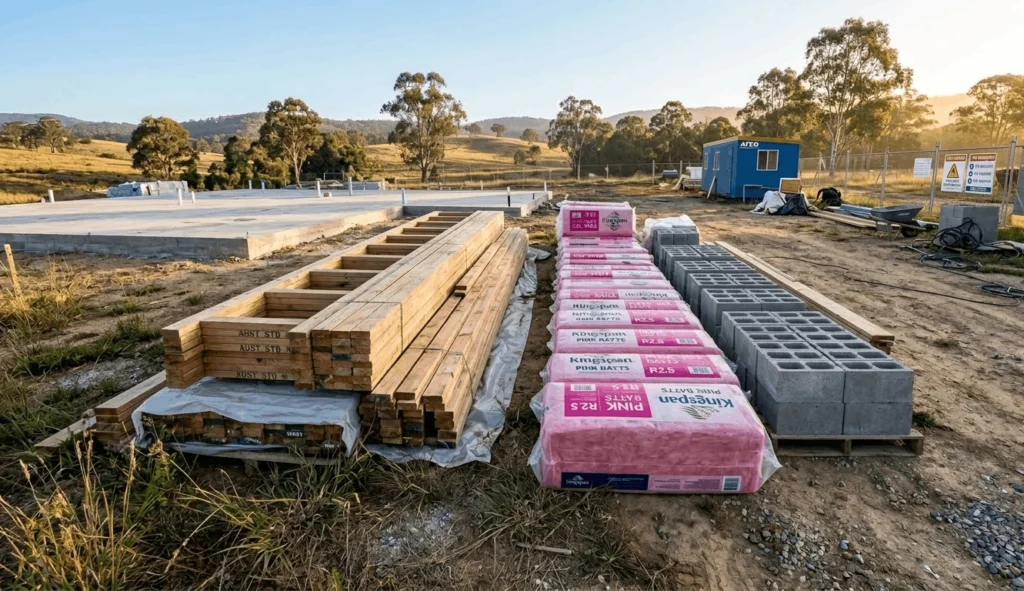
Not all materials carry the same carbon burden. Concrete and steel are among the most carbon-intensive materials in common use, largely because of the energy required to produce them. Timber, by comparison, stores carbon rather than emitting it – though the full picture depends on how the timber was sourced and processed.
In a passive house, insulation materials are particularly important. The thick insulation layers that make passive houses in Australia perform so well require a meaningful quantity of material. The type of insulation chosen – mineral wool, expanded polystyrene, cellulose, wood fibre and others – carries very different embodied carbon profiles. A passive home builder working with embodied carbon in mind will weigh those differences as part of the specification process.
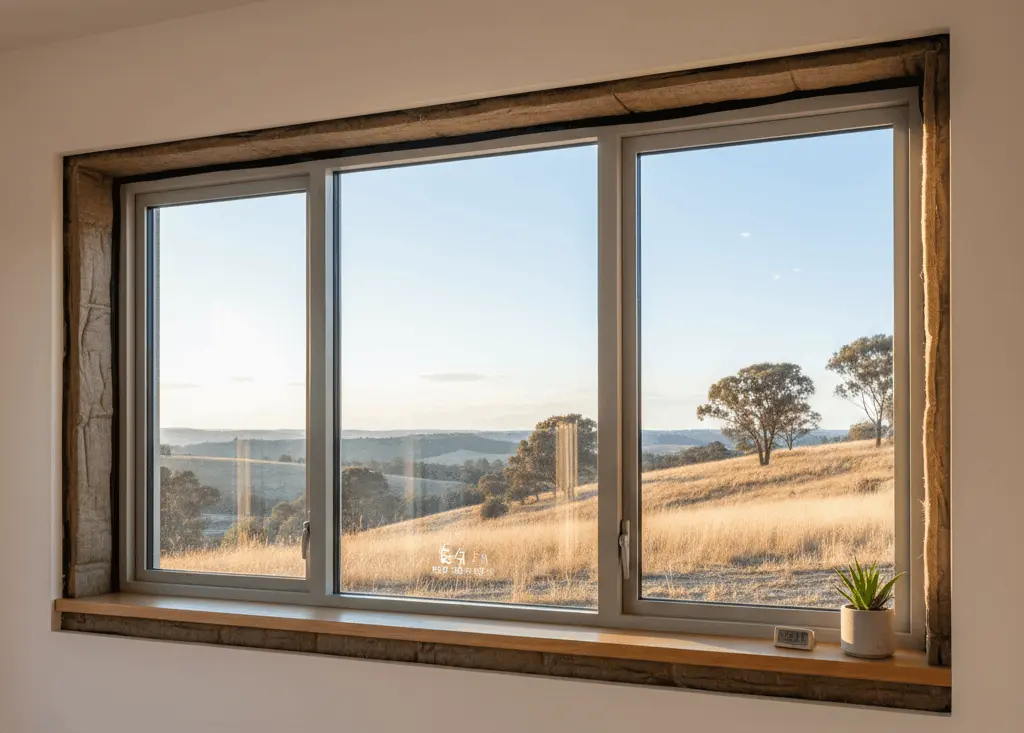
Glazing is another area of focus. The high-performance triple-glazed windows central to most passive houses in Australia are more carbon-intensive to manufacture than standard double glazing. The operational carbon savings over the building’s life generally outweigh that upfront cost, but the calculation is worth doing rather than assuming.
What good practice looks like
Passive home building teams that take embodied carbon seriously tend to approach it in a few ways. They use life cycle assessment tools to understand where the largest carbon impacts sit in a given design. They consider lower-carbon material alternatives where performance requirements can still be met. They look for locally sourced materials to reduce transport emissions. And they design for durability, because a building that lasts longer spreads its embodied carbon over more years of use.
None of this requires abandoning the principles of passive house design. The thermal performance, airtightness and ventilation standards that define passive house design in Australia remain the foundation. Embodied carbon thinking sits alongside those principles.
Cost considerations
As with much of the passive house building process, using low-carbon materials can sometimes increase upfront costs. However, the benefits often outweigh the initial investment. Reduced environmental impact, improved durability and sustainability standards are long-term advantages.
Experienced passive house designers in Australia are skilled at balancing cost, performance and carbon considerations. They can provide guidance on where to invest for maximum impact without compromising comfort or energy efficiency.