The role of renewable energy in passive house living
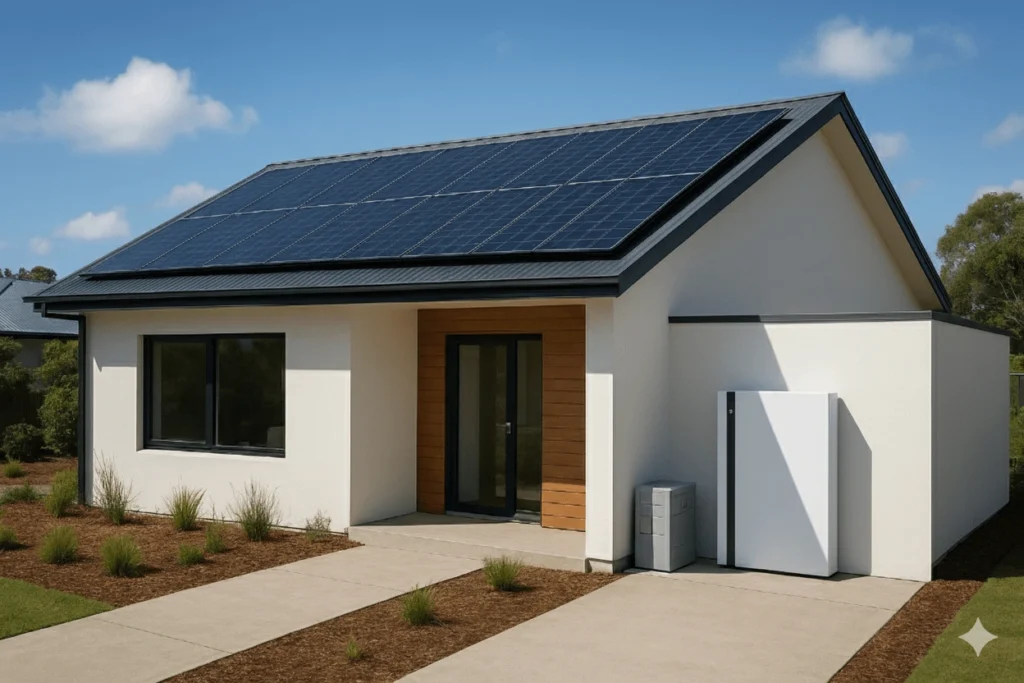
As interest in sustainable housing grows, more homeowners are looking for ways to reduce their environmental impact while keeping energy bills low.
One approach that has gained momentum is the passive house movement. By focusing on energy efficiency, careful insulation and airtight construction, a passive design house dramatically reduces the need for heating and cooling. But while these homes are designed to use very little energy, the role of renewable energy makes them even more effective.
What makes a passive house different?
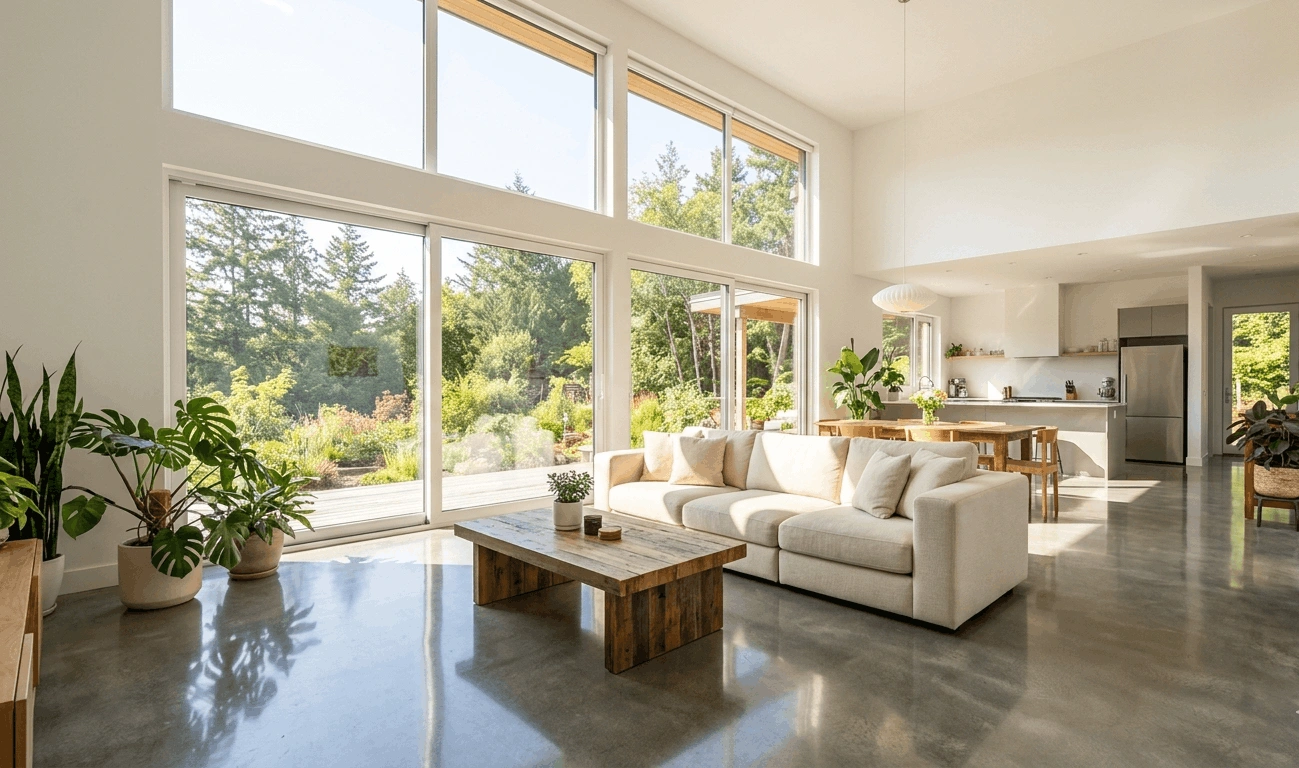
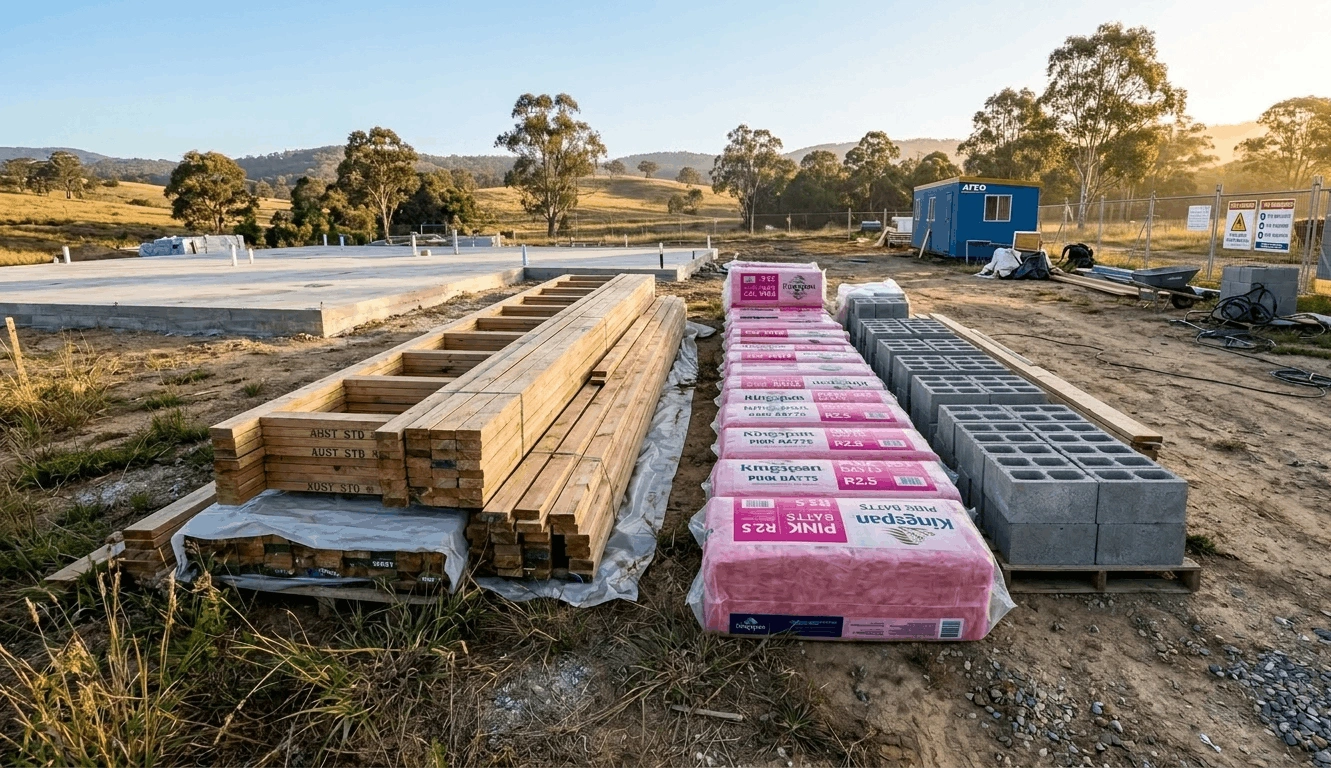
A passive house achieves energy efficiency through superior insulation, airtight construction, high-performance windows and strategic ventilation systems. These homes typically use 90% less energy for heating and cooling compared to conventional buildings.
When you combine this ultra-low energy demand with renewable energy systems, the result is often a net-zero energy home – one that produces more energy than it consumes.
The appeal of passive house designs lies in their approach to reducing energy needs before adding any renewable technology. This philosophy ensures that renewable energy systems can be smaller, more cost-effective and capable of meeting the home’s minimal energy requirements with ease.
Solar integration in passive house design
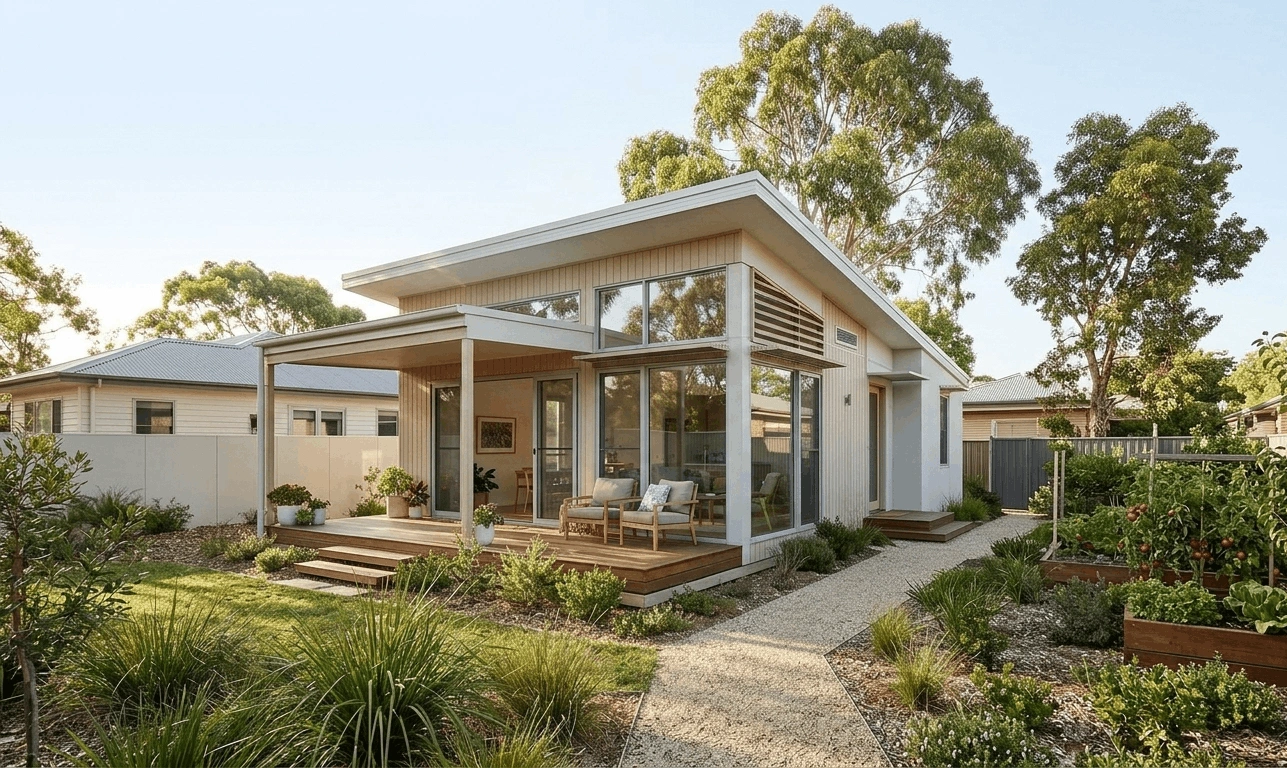
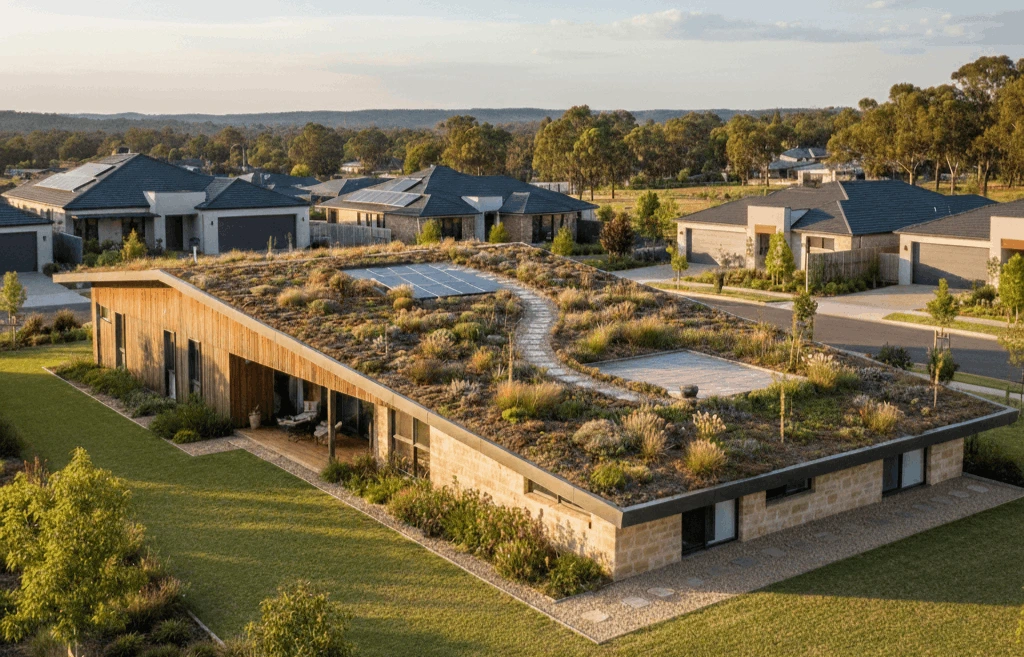
Solar photovoltaic systems are the most common renewable energy addition to passive homes. A solar passive house design typically features rooftop panels strategically positioned to maximise sun exposure throughout the year. Because passive houses require so little energy, even modest solar installations can often meet or exceed the home’s electrical needs.
In Australia, both passive and traditional houses often incorporate solar systems that not only power the house but can also feed excess electricity back into the grid. This dual benefit – reduced energy consumption and renewable energy generation – makes passive houses very appealing to environmentally conscious homeowners.
Your passive house designer and builders must integrate solar panels into the architectural design from the planning stage. This approach ensures your panels are placed in the most suitable position right from the start while maintaining the home’s aesthetic appeal.
The benefits of solar with passive homes
Adding solar panels to a passive house design in Australia is a natural fit. These homes already minimise waste, so renewable energy systems are used to their full potential. Some of the main benefits include:
- Lower energy bills: Less energy used means lower electricity costs. With solar, many households even produce more power than they consume.
- Reduced carbon footprint: Clean energy further cuts emissions, making homes more sustainable.
- Energy independence: Households become less vulnerable to rising energy prices.
- Increased property value: More buyers are interested in sustainable homes that combine efficiency with renewable energy.
The role of energy storage
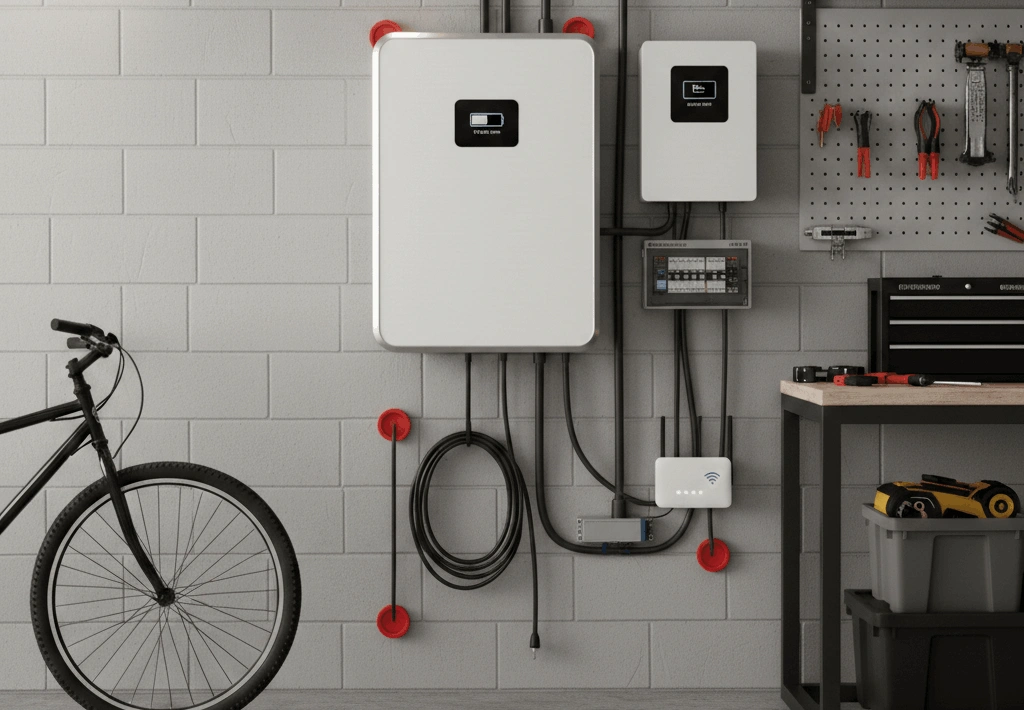
Battery storage systems are important in renewable energy systems. Modern lithium-ion batteries store excess solar energy generated during the day for use during evening hours or cloudy periods. This storage ability allows passive houses to maintain energy independence while maximising their use of renewable energy.
An experienced passive house builder in Australia will recommend battery systems sized to match the home’s minimal energy needs. Because passive houses consume so little energy, smaller battery banks can provide extended backup power during outages while remaining cost-effective for homeowners.
Using heat pumps in passive homes
Another technology that complements passive house designs is the heat pump. Heat pumps use electricity to move heat rather than generate it, making them far more efficient than conventional electric heaters or air conditioners.
In winter, a heat pump extracts heat from the outside air or ground and transfers it indoors. In summer, the process is reversed, cooling the home. When used in a passive house in Australia, heat pumps use minimal energy because the home is already well-insulated and airtight.
For homeowners, this means a comfortable indoor environment year-round without relying on gas or inefficient electric systems. Combining heat pumps with solar panels or battery storage can create a home that is nearly self-sufficient in energy, with low emissions and minimal operating costs.
Smart home integration
Passive home projects frequently incorporate smart home technology that optimises renewable energy use. These systems automatically manage energy consumption based on renewable energy generation, weather forecasts and occupancy patterns. Smart water heaters, for instance, can heat water using excess solar power during peak generation hours.
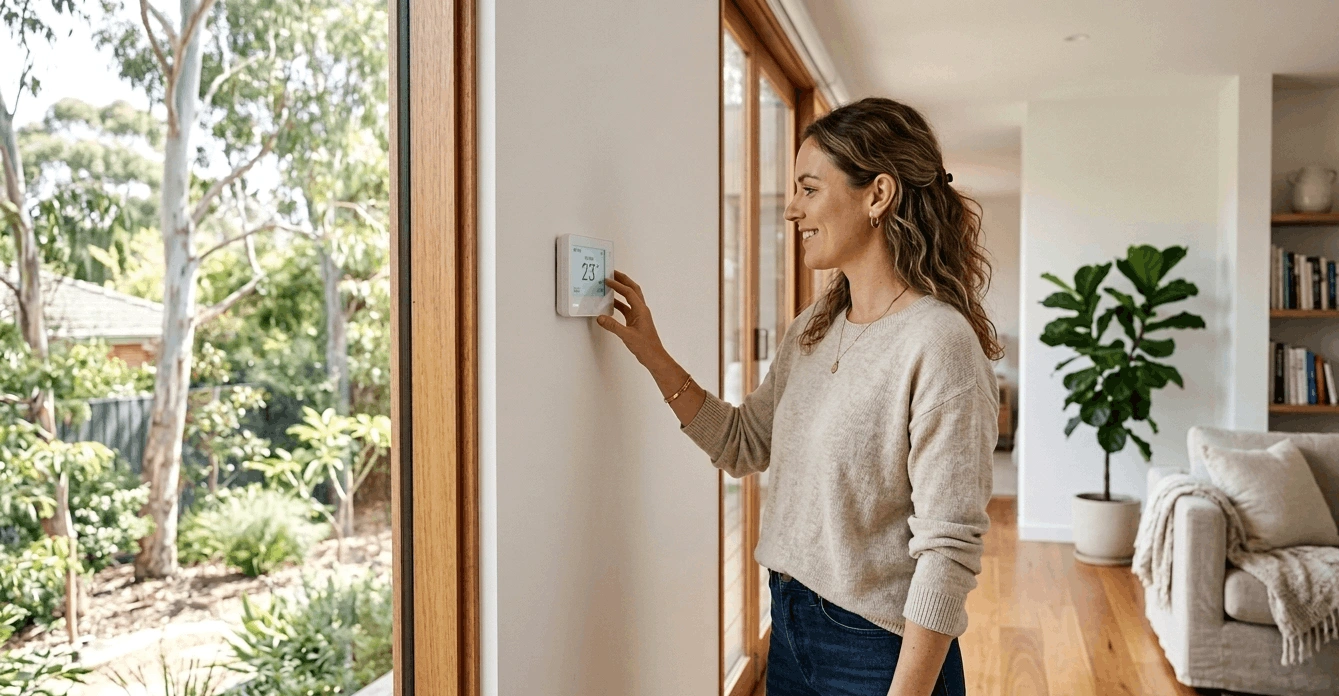
Similarly, smart thermostats and ventilation controls adjust heating, cooling and airflow to match the home’s needs while taking advantage of solar or stored battery energy. Some systems even monitor electricity prices in real time and shift appliance use to periods of lower cost, helping homeowners save money while reducing demand on the grid.
Additionally, in solar passive house design, your battery storage systems can also be integrated with smart home technology. This will allow you to automatically prioritise essential loads, such as heating, cooling, lighting and refrigeration, ensuring the home remains comfortable and functional even when solar generation is low.
In some cases, homeowners can even sell surplus electricity back to the grid, further improving the financial and environmental benefits of a passive home building project.