The role of energy modelling in passive house design

Energy efficiency is at the heart of passive house design, and one of the most important tools for achieving it is energy modelling. Before a single brick is laid, accurate modelling helps architects, engineers and passive house builders predict how a building will perform. This process ensures that every aspect of the design – from insulation and ventilation to window placement and materials – contributes to comfort and low energy use.
In Australia, where climates vary widely from hot and humid to cool and temperate, energy modelling becomes even more critical. It allows passive house designers to tailor each home precisely to its local conditions, ensuring consistent comfort and efficiency year-round. This is particularly important as energy prices rise and homeowners look for more certainty about long-term performance and running costs.
What is energy modelling?
Central to passive house design is a software tool called the Passive House Planning Package (PHPP). Developed by the German Passivhaus Institute, this is the mandatory energy modelling software used by passive house designers in Australia and globally.
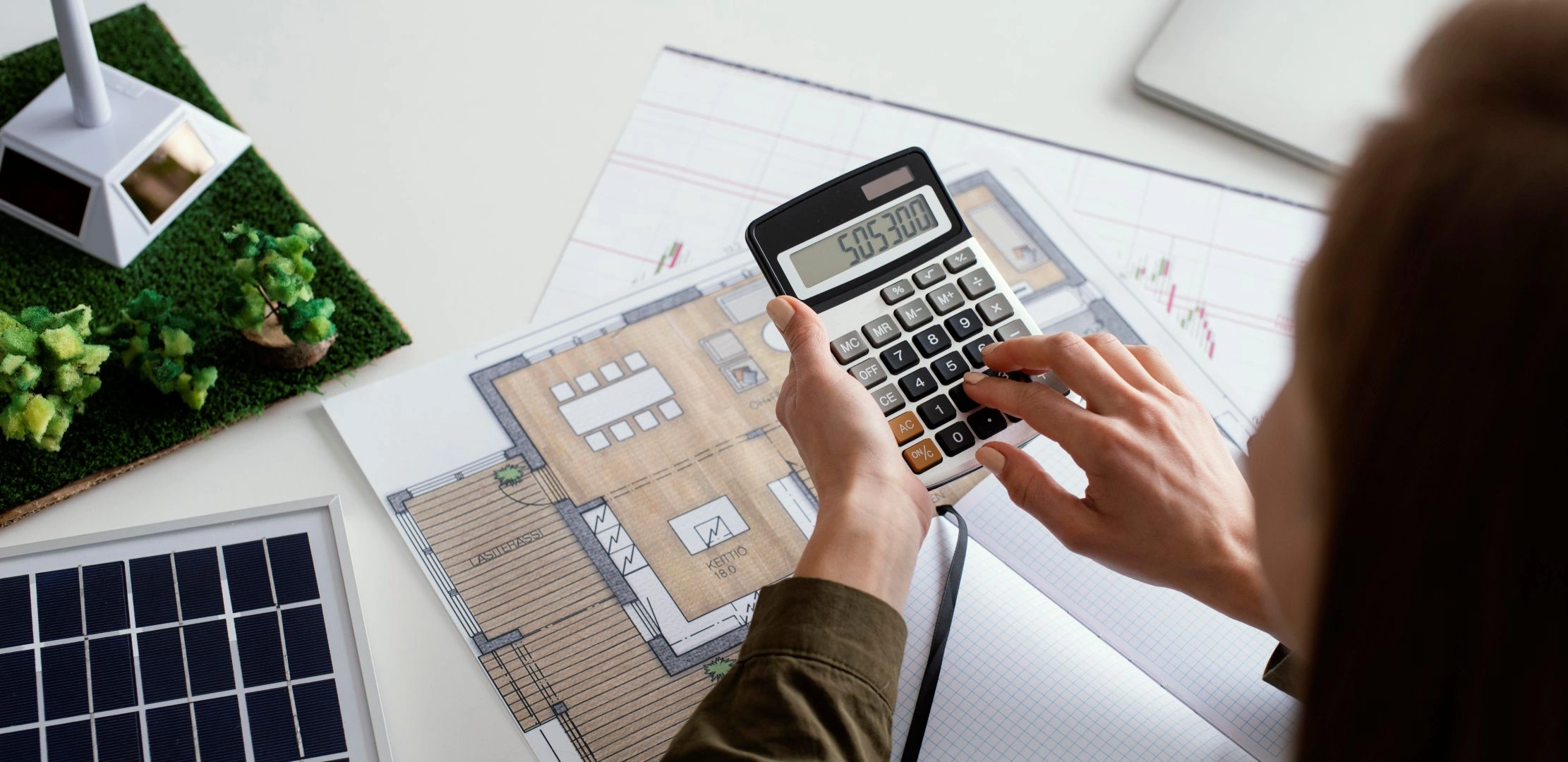
The PHPP is a detailed energy balance calculation tool. Unlike some conventional modelling software that relies on simplified star ratings or broad estimates, the PHPP calculates how a building’s components interact to maintain stable indoor temperatures with minimal energy input. The software takes into account factors such as wall thickness, insulation values, window specifications, orientation, shading, ventilation systems and local climate data. It requires detailed inputs about every aspect of the building envelope and mechanical systems.
Using an iterative approach
Energy modelling isn’t a one-time exercise. Passive house design requires multiple iterations as designers test different configurations and materials. A passive home architect might start with a basic design and then use energy modelling to evaluate dozens of variations. Should the windows be slightly smaller? Would triple glazing perform better than double glazing in this climate zone? How much does that extra 50mm of insulation improve performance?
This iterative approach allows passive house builders in Australia to improve designs systematically. Rather than relying on rules of thumb or conventional wisdom, designers can see the actual energy impact of each decision. The software reveals which improvements offer the best return on investment and which changes make little practical difference.
Using energy modelling to get passive house certification
For projects seeking official Passive House certification, energy modelling documentation is mandatory. The PHPP is submitted to a passive house certifier, acting as a quality control check. The modelling results also serve as the design specification that your passive house builders must follow during construction.
Additionally, the model predicts the required performance for the final on-site testing, such as the blower door test, which verifies the critical airtightness layer.
Benefits for homeowners
One of the most valuable aspects of energy modelling for passive home building is its ability to guide cost-effective decision-making. How much a passive house costs to build varies depending on design choices, and energy modelling helps identify where money is best spent.
For instance, the software might reveal that investing in better windows produces greater energy savings than adding extra roof insulation. Or it might show that strategic shading devices reduce cooling loads more effectively than upgrading to a more expensive ventilation system. These insights allow your passive house builders to deliver optimal performance without unnecessary expenses.
For homeowners, energy modelling translates into tangible benefits – lower energy bills, better air quality and year-round comfort. It ensures that every decision during passive home design and construction contributes to performance, not just appearance.
Over time, well-modelled homes also tend to retain higher resale value. With growing awareness of sustainability, buyers increasingly look for verified energy performance. Accurate modelling helps demonstrate measurable efficiency, giving certified passive homes a clear edge in the Australian property market.
Frequently Asked Questions
The Passive House Planning Package (PHPP) is the primary tool used by certified passive house designers in Australia. This detailed spreadsheet-based program calculates heating, cooling and energy demands based on building specifications and climate data.
The PHPP (Passive House Planning Package) is the specialised, highly accurate energy modelling tool used specifically for the passive house standard. It calculates the actual energy balance and requires verified airtightness. NatHERS (Nationwide House Energy Rating Scheme) is the star rating tool required by the National Construction Code, but it uses different assumptions, often doesn’t account for airtightness and generally models for a lower minimum comfort standard than a passive house's year-round consistent comfort.
While the modelling itself is an early upfront cost, it is crucial for avoiding costly errors and optimising construction details. The early investment in energy modelling helps your passive house designers and builders to select the most cost-effective components and construction methods, potentially reducing overall build costs compared to over-specifying or fixing performance issues post-construction.