The impact of passive houses on property value

A new report from Cotality has confirmed what many in the building and design sector already suspected – energy efficiency is now a clear driver of property value in Australia.
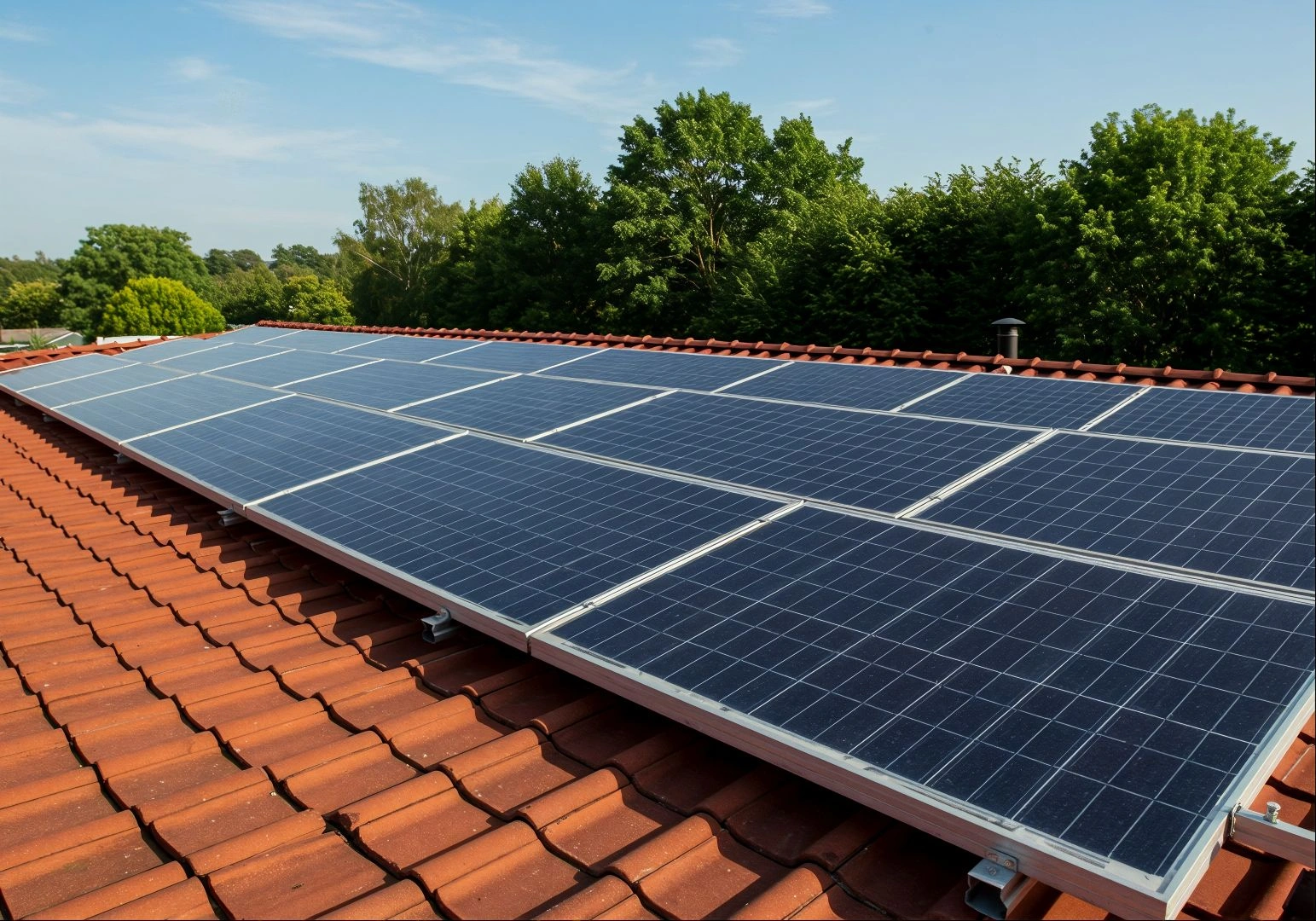
The Watt’s it Worth report analysed more than six million homes across the country and found that solar panels and higher energy ratings are delivering measurable price premiums. Houses with solar systems were valued at an average of 2.7% more than comparable properties without, while an additional NatHERS star rating was linked to a 1.3% increase in home value. In some locations, that uplift equates to more than $30,000.
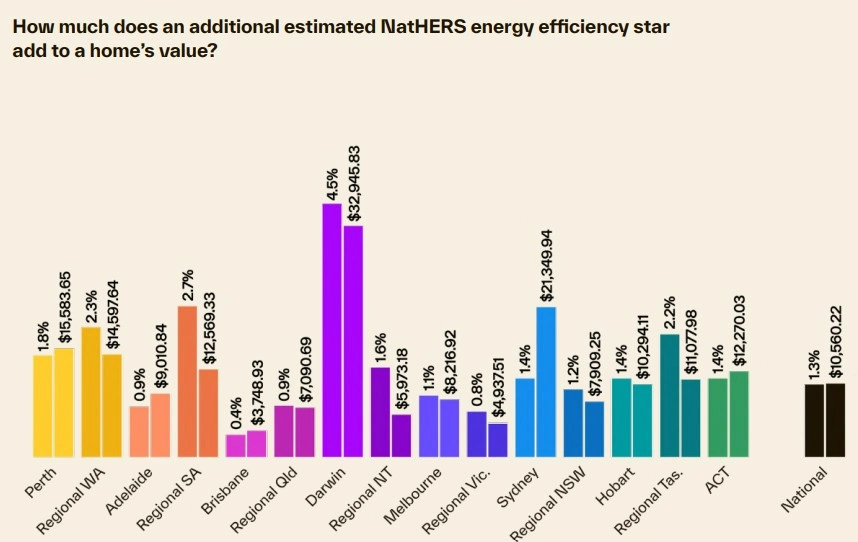
Why are people paying more for energy-efficient homes?
There are two key trends driving this growth: rising energy prices and tightening disclosure requirements. The federal government, together with state and territory governments, has agreed to roll out a national Home Energy Ratings Disclosure Framework. This will require sellers and landlords to disclose a home’s energy performance – usually in the form of a NatHERS star rating – at the point of sale or lease.
The Australian Capital Territory already has mandatory disclosure in place, and other jurisdictions are preparing pilot programs.
As these rules take effect, buyers will be able to compare efficiency ratings just as easily as floor plans or suburb locations, making the energy performance of a property a key factor in the decision to buy the home or not.
The role of passive houses
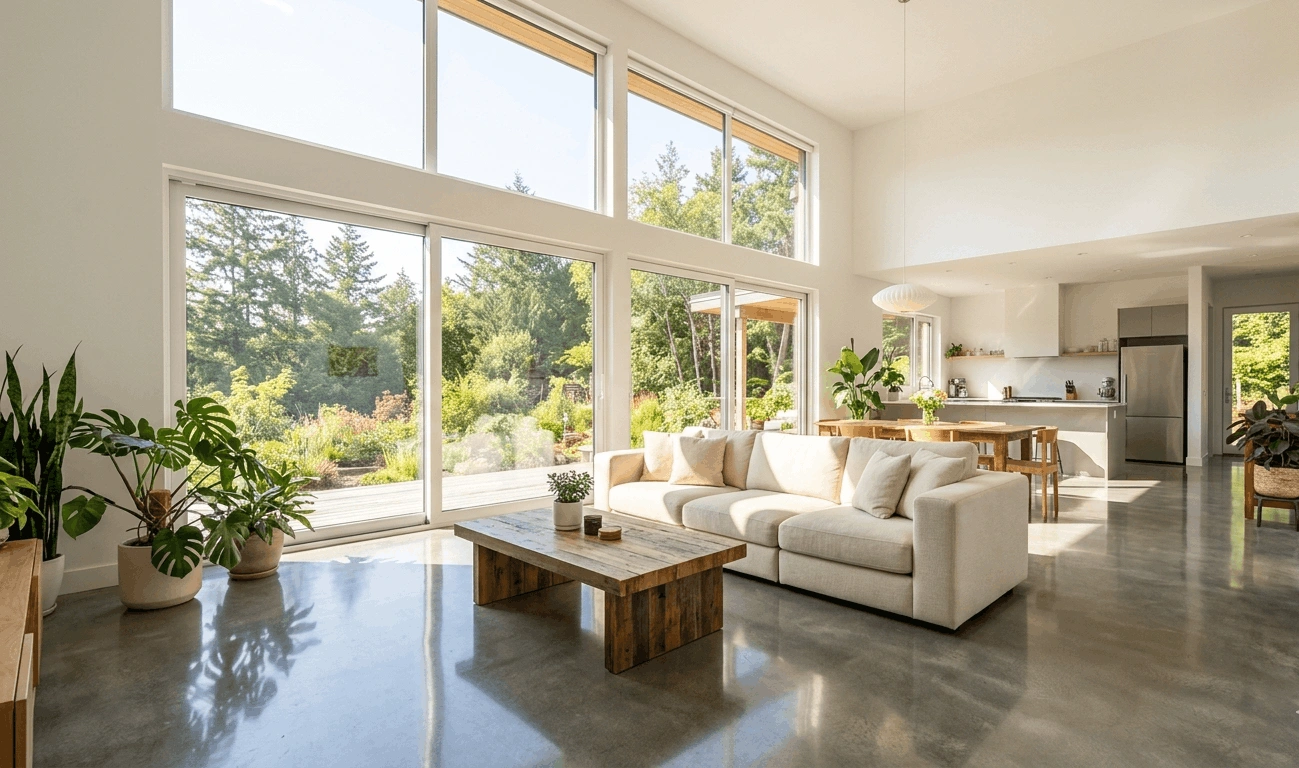
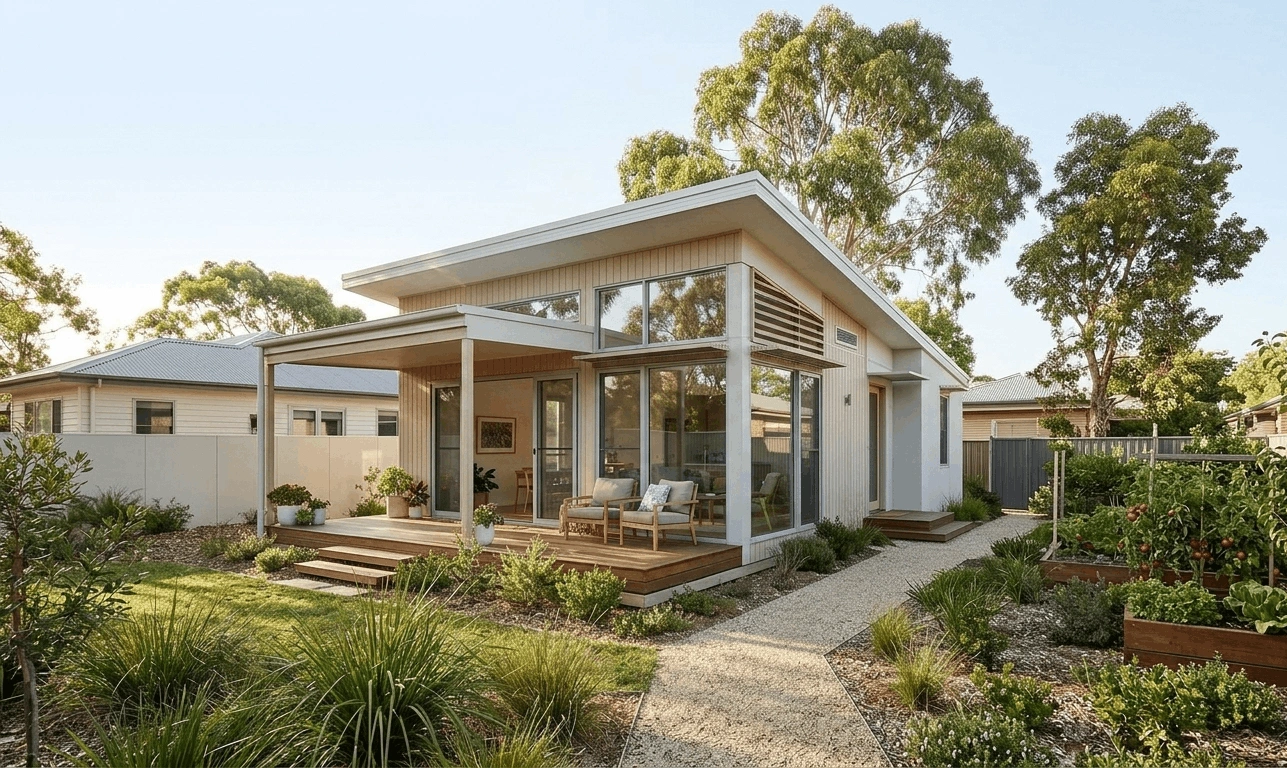
Passive houses are at the cutting edge of energy-efficient design, and they slot into the trends highlighted in the Cotality report. Built to the international Passive House (Passivhaus) standard, they are designed to drastically reduce energy demand while maximising comfort.
Passive house designs in Australia achieve this through a combination of:
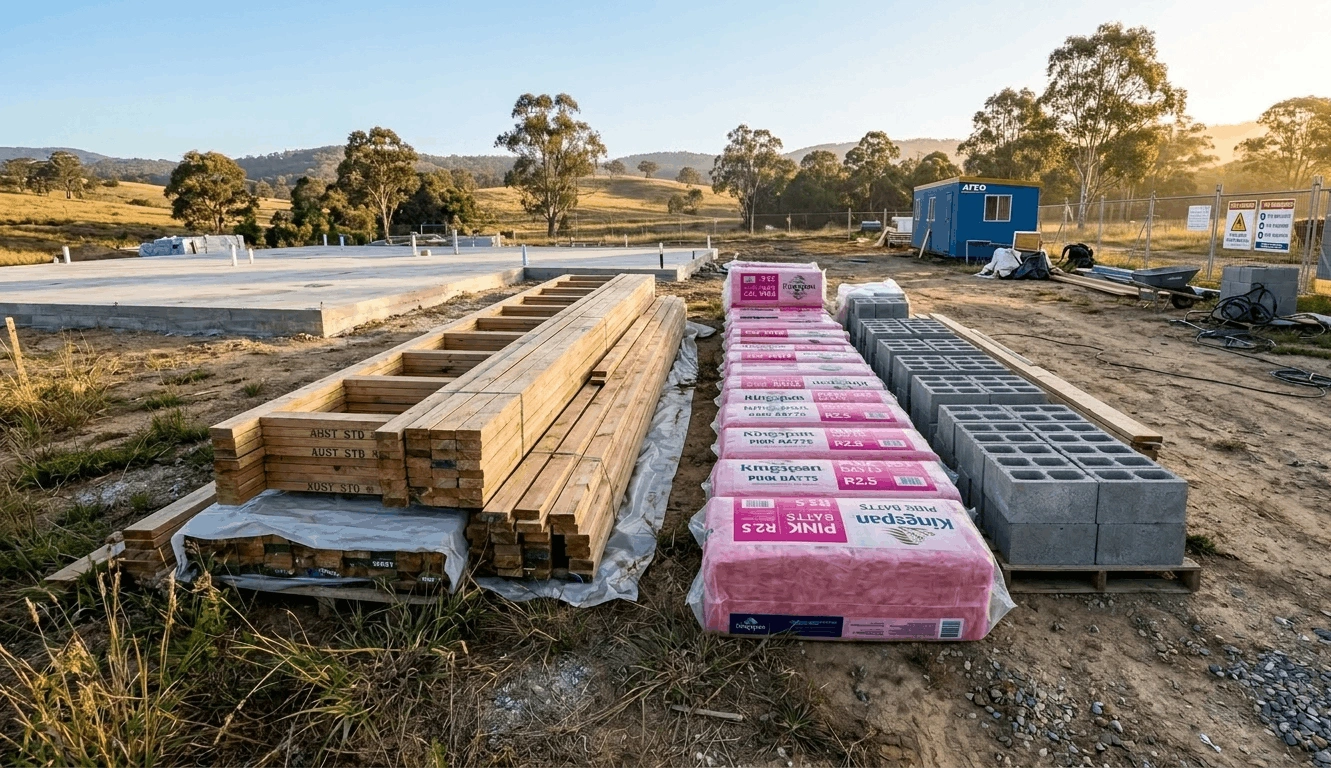
- Super-insulation: Walls, roofs and floors are built with much higher levels of insulation than standard homes, reducing heat transfer.
- Airtight construction: The building envelope is sealed so that unwanted draughts are eliminated, preventing heat loss in winter and heat gain in summer.
- High-performance glazing: Double or triple-glazed windows with insulated frames keep temperatures stable.
- Heat recovery ventilation: Mechanical ventilation systems bring in fresh air while capturing and re-using heat from outgoing air, keeping the home comfortable without wasting energy.
- Thermal bridge-free detailing: Construction techniques are carefully planned so that there are no weak points in the insulation layer where energy could escape.
The result is a home that uses up to 90% less energy for heating and cooling compared with a conventional build. Beyond energy bills, passive houses also provide year-round comfort, consistent indoor air quality and resilience against extreme temperatures.
With buyers increasingly looking for properties that lower long-term running costs and improve liveability, passive houses are a natural extension of energy-efficient construction. Passive houses are designed on the qualities that are already commanding higher prices in the market, only taken to their highest possible standard.
The impact of passive houses on property value
On top of energy efficiency, passive house designs in Australia also influence property values. As the Cotality research shows, buyers are increasingly willing to pay more for homes with lower running costs, superior comfort and high energy ratings, meaning that passive houses in Australia can achieve stronger resale prices.
Evidence from European markets, where the Passive House standard is well established, shows that energy savings can offset higher construction costs within just a few years. In Australia, as disclosure rules roll out and awareness of passive house design principles grows, these homes are likely to continue commanding higher market values. This makes passive design houses not only an environmentally responsible choice but also a financially resilient investment.
The long-term value of passive houses
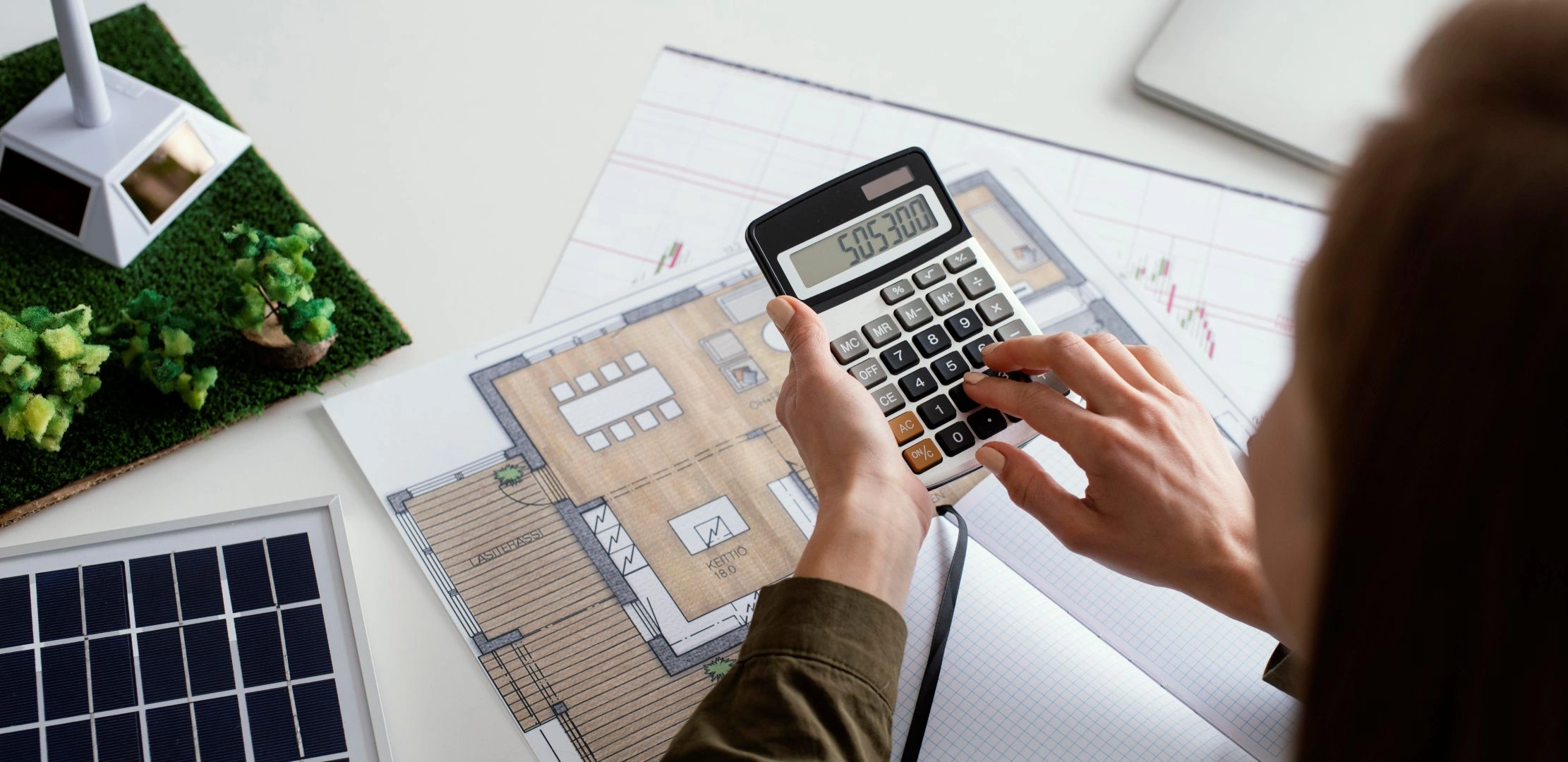
While passive house designs typically involve a higher upfront build cost, their long-term value is where the real advantage lies. Because they require far less energy to heat or cool, owners enjoy dramatically reduced utility bills over the lifetime of the home.
Maintenance costs are also lower. The durable building envelope, high-performance windows and controlled ventilation systems are designed for longevity, meaning fewer repairs and replacements over time. In addition, the consistent indoor climate and filtered air can improve occupant health and comfort, adding intangible but important lifestyle benefits.
Crucially, as energy efficiency becomes more visible through disclosure rules and more valued by buyers, passive houses are likely to see a stronger resale performance. A home that is cheaper to run, healthier to live in and aligned with tightening building regulations will hold its appeal well into the future.
In this way, passive design houses in Australia represent not just an environmentally responsible choice but also a financially resilient investment.
Frequently Asked Questions
The Nationwide House Energy Rating Scheme (NatHERS) measures a home’s energy performance on a scale from 0 to 10 stars. A higher rating shows better energy efficiency, meaning the property requires less energy for heating and cooling. With disclosure rules coming into effect, this rating is becoming a key factor in buyer decisions and can influence resale value.
A passive house is a type of energy-efficient home built to the international Passive House (Passivhaus) standard. It combines super-insulation, airtight construction, high-performance glazing, heat recovery ventilation and thermal bridge-free detailing. These features drastically reduce energy demand while maintaining consistent indoor comfort, setting passive houses apart from standard energy-efficient construction.
Yes, initial construction costs for passive house designs are typically higher. This premium covers the cost of higher-quality materials (like thicker insulation and better windows) and the extra time and skill required for the design and construction. However, these homes offer a significant return on investment through near-zero heating and cooling bills, greater comfort and a higher resale value, as suggested by the Cotality report’s efficiency premiums.
Yes. Homes built with energy efficiency in mind sell for higher prices than those built without because buyers are willing to pay more for properties with lower running costs, superior comfort, and strong energy efficiency. As a result, passive houses in Australia will likely fetch higher asking prices given their high levels of energy performance.
While most passive houses are newly constructed to meet the strict Passive House standard, existing homes can be retrofitted with energy-efficient upgrades like insulation, airtight sealing, high-performance windows, and heat recovery ventilation. Retrofitting can significantly reduce energy costs and improve comfort, although achieving full Passive House certification is typically easier in new builds.
The upfront cost of a passive house is higher, but the savings on heating, cooling, and maintenance often offset this within a relatively short time. Durable construction, reduced energy bills, and strong market appeal due to disclosure rules make passive houses a financially resilient investment over the home’s lifetime.