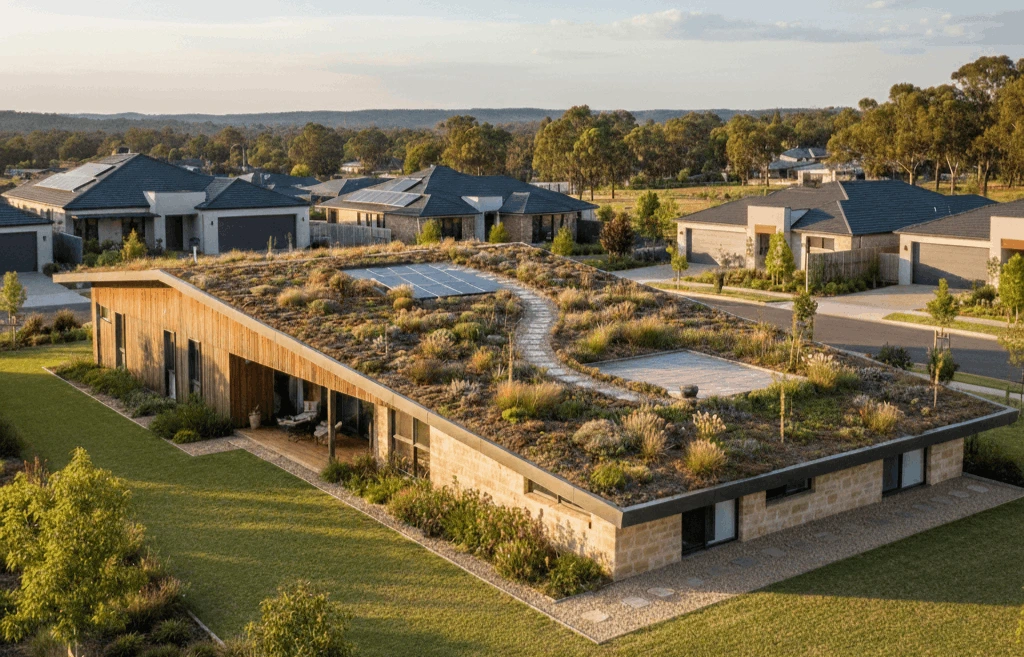
The impact of lighting design on passive house performance and comfort
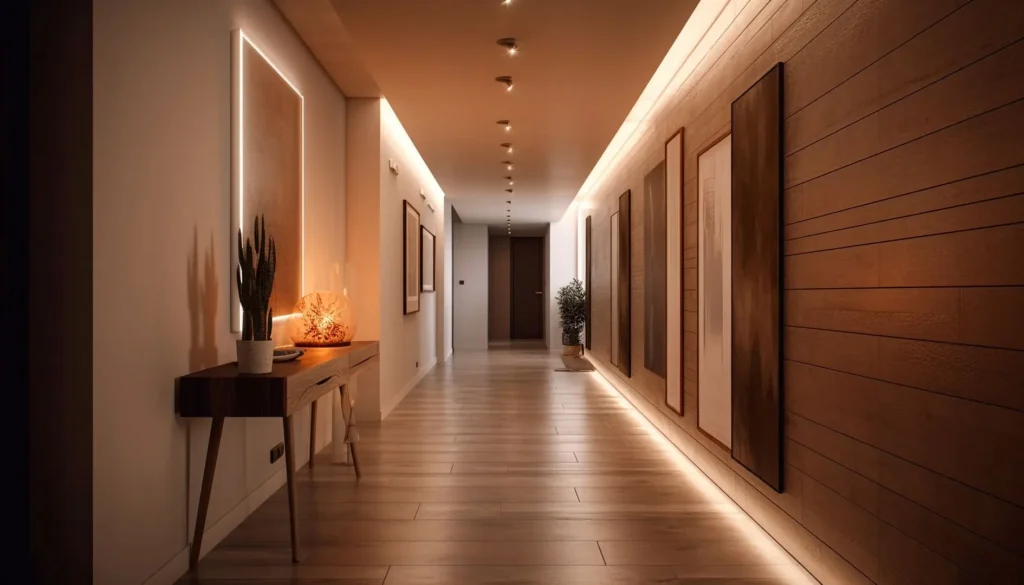
Lighting design plays an important role in the comfort and performance of a passive house in Australia. While most people associate the passive house standard with insulation, airtightness and controlled ventilation, lighting also influences energy use, indoor comfort and the overall home experience.
In a passive house, how you light your home affects not only your electricity bill but, crucially, the temperature and comfort levels throughout the year.
The energy load of lighting
In a conventional home, lighting is simply an electrical load. In a passive building design, it adds another load that must be carefully managed:
- Electrical load: The energy required to power the lights.
- Heat load: The waste heat generated by the lights, which significantly impacts the internal temperature balance.
Because the passive home building is so well-insulated and airtight, any heat generated indoors – whether from an appliance, the occupants or lighting – is effectively trapped. In winter, this internal heat gain can be beneficial, potentially reducing the need for heating. However, in the long, hot Australian summers, this heat gain must be actively removed by the cooling system, increasing the total energy consumption.
Prioritising natural light
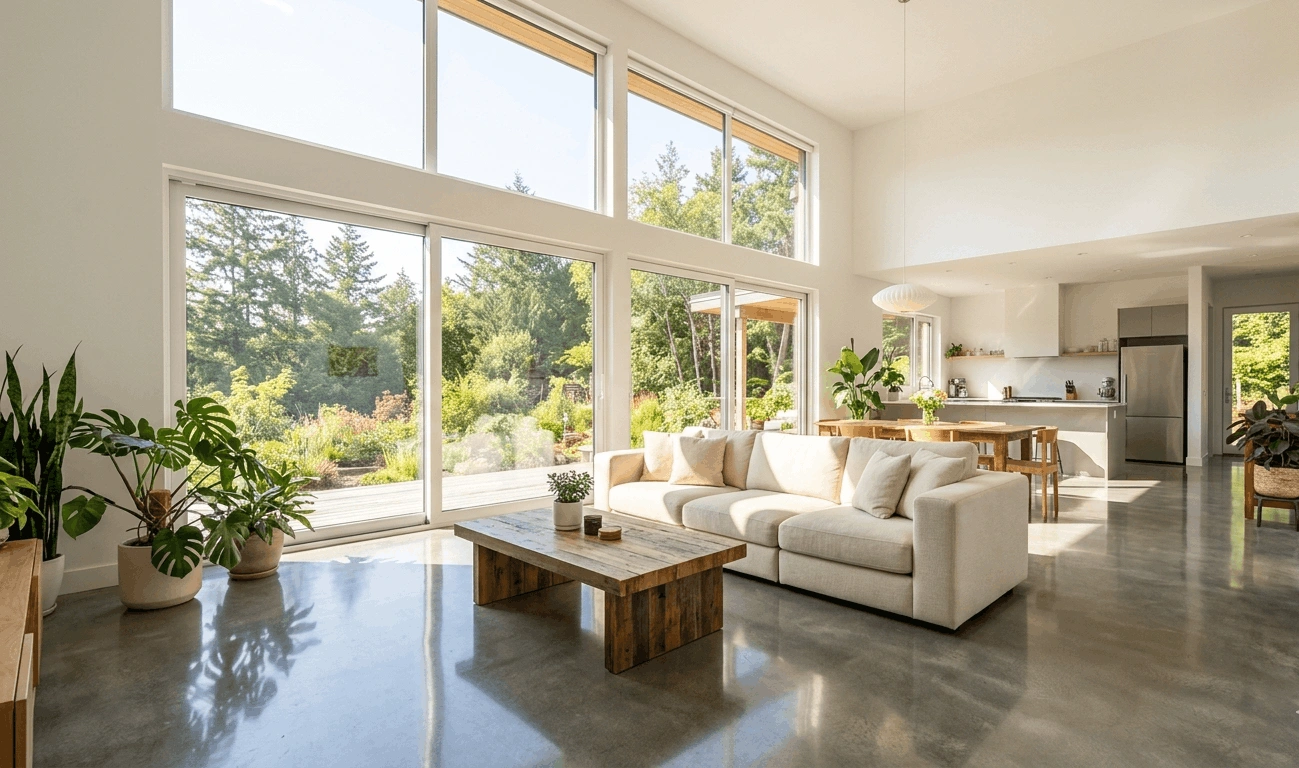
The best way to reduce the impact of artificial lighting is to use as little of it as possible. Natural light is central to designing a passive house. Good daylighting reduces the need for artificial lighting during the day, which keeps electricity use low. Since an important aim of passive house designs is to reduce operational energy demand, increasing natural light in living areas supports the performance targets of the standard.
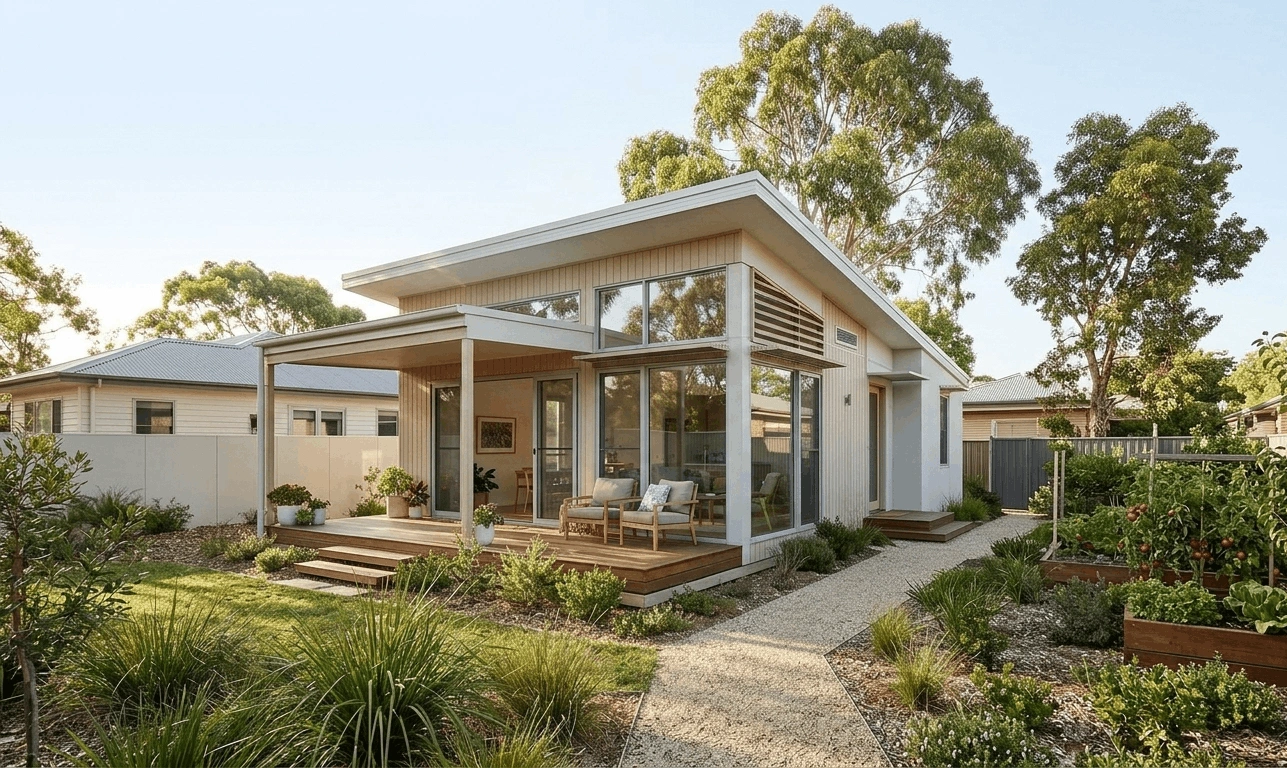
Large, high-quality windows are a common feature in passive house designs in Australia. They are often placed to capture daylight while controlling heat gain and loss. This helps maintain comfort without placing additional strain on heating or cooling systems.
Orientation matters as well. North-facing windows in Australia can provide bright, consistent light throughout the day. When combined with shading, glazing and airtight construction, the home benefits from natural lighting without overheating. Passive houses use detailed modelling to ensure that daylight is used effectively.
Balancing daylight with heat gain
While daylight is beneficial, it must be managed carefully in the Australian climate. Excessive solar gain can warm interiors, particularly in warmer regions. Passive house planning tools help your designer understand when and where to place windows, how to size them and how to shade them.
This means daylight can be used generously without compromising thermal comfort. Good design keeps the home bright while supporting the level of temperature stability expected in a certified passive house.
Shading is one of the most effective tools for achieving this. Eaves, external blinds and screens are often used to control direct sunlight. They allow the home to benefit from daylight without adding to the cooling load in summer.
Choosing the right artificial lighting for performance and comfort
Even in a well-daylit home, artificial lighting is still needed. The lighting choices made during passive home building influence comfort, energy use and maintenance.
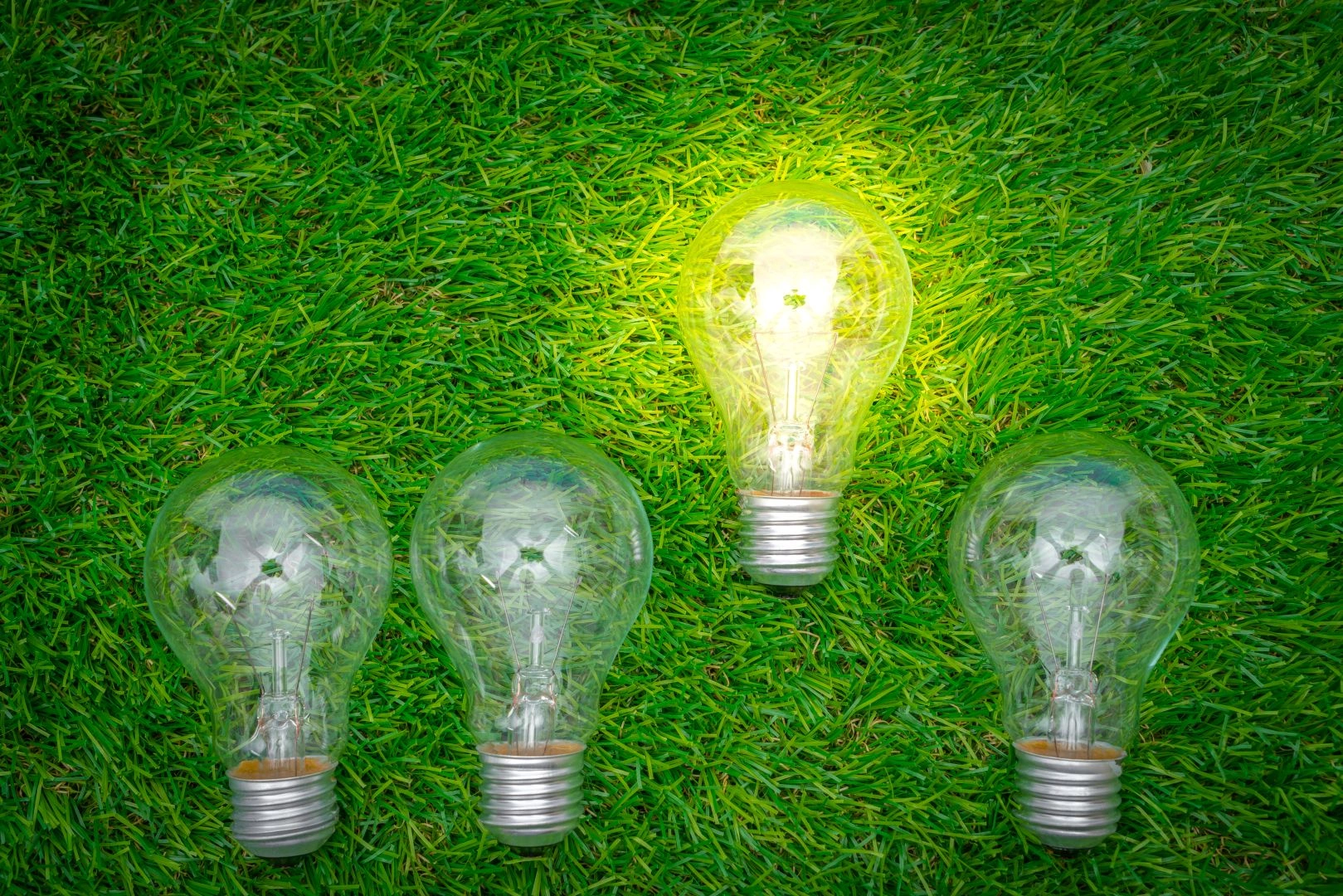
LED lights are favoured in passive houses in Australia because they are efficient and long-lasting. They produce less heat than traditional globes, which helps maintain stable indoor temperatures. Their low energy demand also aligns with the goals of passive house designs.
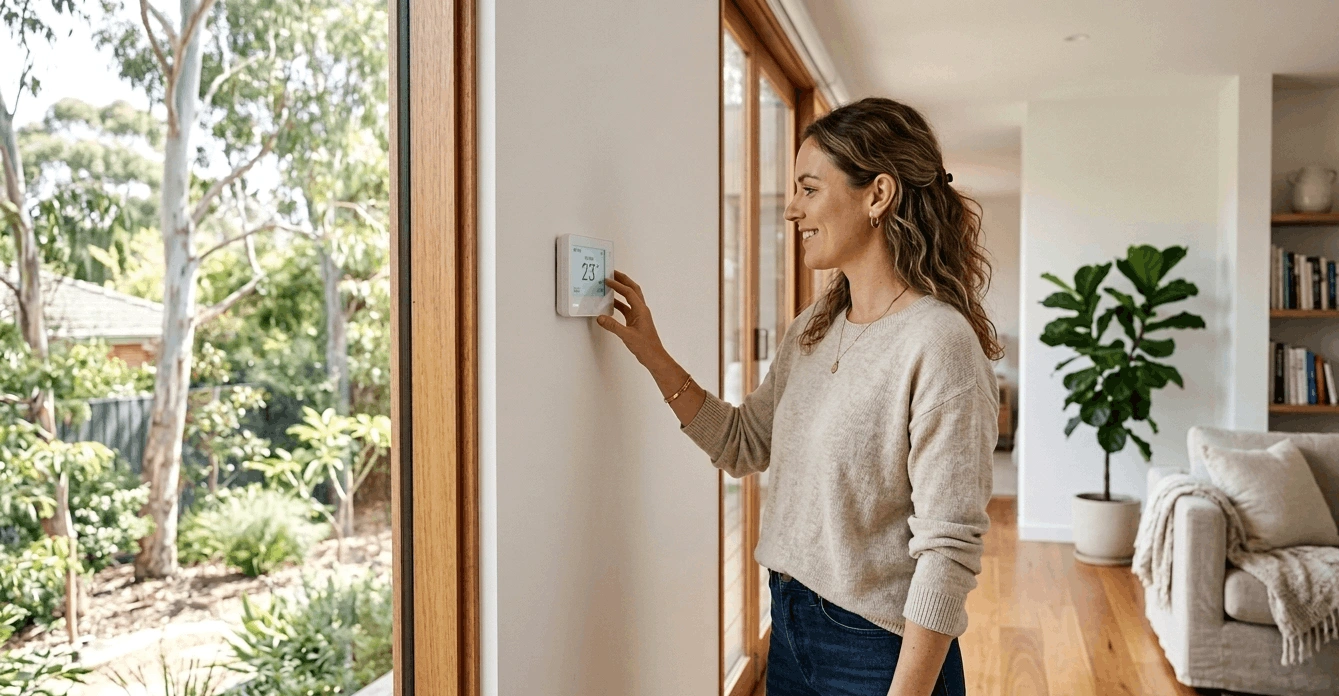
Integrating smart lighting controls and dimmers further reduces consumption. Sensors can automatically switch off lights in unoccupied rooms, ensuring energy is not wasted, and dimmers allow occupants to adjust light levels based on daylight availability.
Planning the right placement
Placement also matters. In a certified home, the continuous airtightness layer in the ceiling and walls is critical. Recessed downlights, a common feature in conventional construction, require cutting holes and complex sealing to maintain airtightness. An experienced passive home builder will guide lighting choices towards surface-mounted fixtures, lighting tracks or sealed ceiling cans, which significantly simplify the construction and guarantee the integrity of the envelope required by the passive house design.
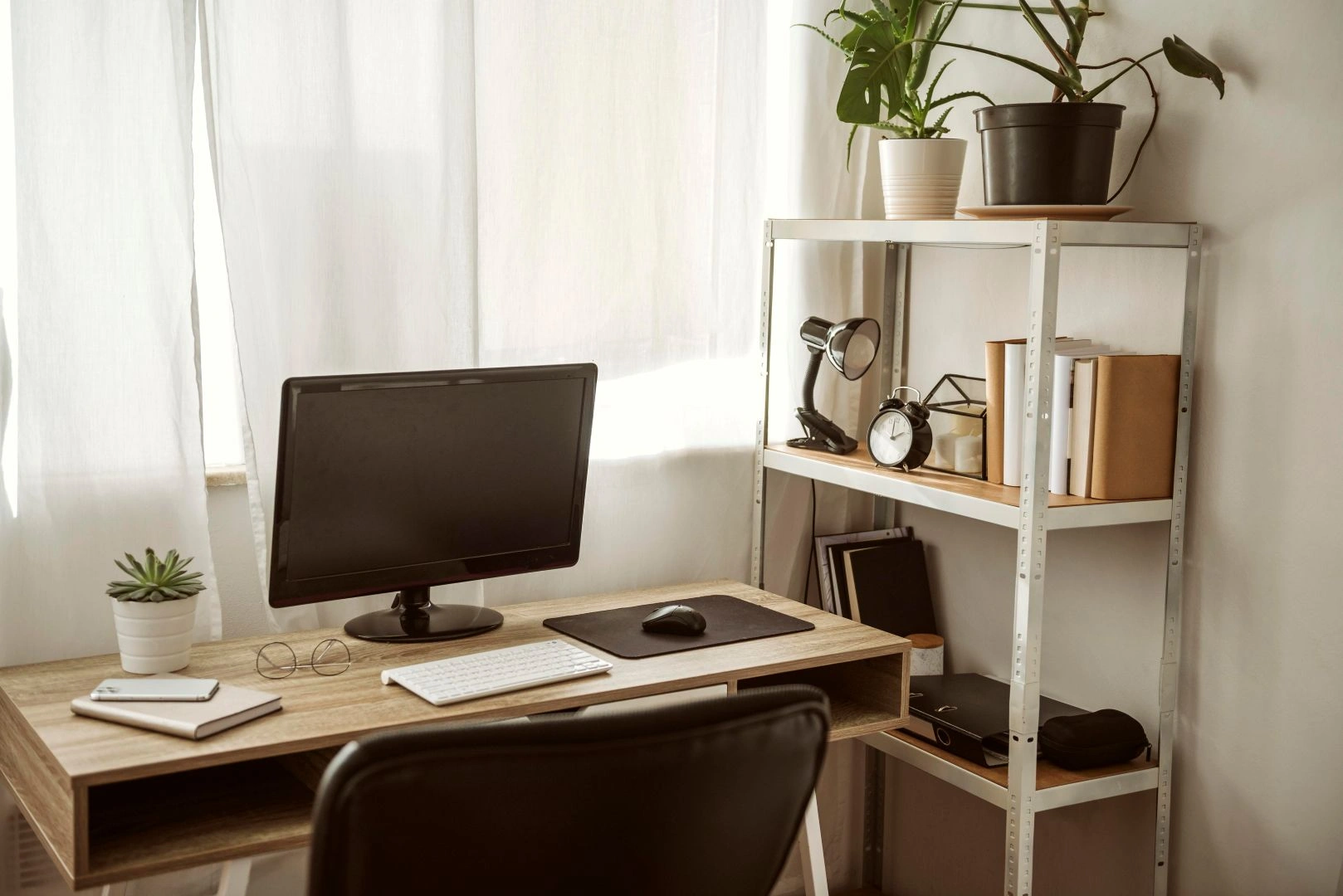
Effective task lighting also reduces the need for high general lighting levels throughout rooms. Reading lamps, under-cabinet kitchen lighting and desk lamps provide focused illumination where needed while allowing general ambient lighting to remain at lower, more comfortable levels.
External light considerations
External lighting affects a passive house’s energy consumption and should receive the same attention as internal lighting. LED wall lights, path lighting and security lighting provide necessary illumination while minimising energy use.
Motion-activated external lighting ensures lights operate only when needed. Solar-powered garden lighting eliminates electrical consumption entirely for decorative outdoor lighting, though quality varies significantly. Your passive home builder can recommend reliable solar lighting products suitable for Australian conditions.
Frequently Asked Questions
Yes. Poor lighting choices can increase heat gain or loss. Using efficient lighting and managing daylight properly helps maintain comfort and reduce the load on heating and cooling systems.
Yes, but fittings must be installed carefully to protect the airtight layer. Many homeowners choose airtight or surface-mounted fixtures to keep the home performing efficiently.
No. Smart controls are optional. However, automated or sensor-based lighting can help reduce unnecessary energy use and support the home’s low-energy design.
Yes, but they must be used with care. Skylights can increase natural light, yet they also introduce potential heat gain and heat loss. In a passive house in Australia, any skylight should meet high-performance standards, have proper solar control glazing and be positioned to avoid overheating.